
Understanding Resident Turnover as an IMG in Anesthesiology
Resident turnover is one of the most powerful—yet often underappreciated—signals about the health of a residency program. For an international medical graduate (IMG) applying in anesthesiology, recognizing turnover-related red flags can protect you from entering a training environment that may be unsafe, poorly supported, or academically weak.
This IMG residency guide will help you:
- Understand what “resident turnover” really means
- Distinguish normal transitions from true warning signs
- Identify specific turnover-related red flags in anesthesiology
- Ask the right questions on interview day and during virtual interactions
- Interpret what it means when residents are leaving a program
Because IMGs often have fewer backup options, visas to consider, and less informal access to “back-channel” information, being able to detect these problems early is critical before committing to a program in the anesthesia match.
What Does “Resident Turnover” Really Mean?
In residency, turnover refers to how often residents:
- Leave a program before completing training
- Transfer to another program
- Change specialties
- Go on extended leave and do not return
- Are dismissed or “asked to leave”
Not all turnover is bad. It becomes concerning when patterns emerge.
Normal vs. Concerning Turnover
Normal turnover examples:
- A PGY-1 realizes anesthesiology isn’t the right specialty and switches to internal medicine
- A resident transfers to another city for family reasons (spouse’s job, illness of a parent)
- One resident per several years leaves for highly personal, unique circumstances
Concerning turnover examples (resident turnover red flag patterns):
- Multiple residents leaving the same cohort within 1–2 years
- Residents quietly “disappearing” from the roster without explanation
- Extended gaps in the class list (e.g., 6 categorical spots, but only 3 residents present)
- Frequent mention of “attrition” or “remediation” in a vague or defensive way
As an IMG, you may not have full context about U.S. residency culture, so the key is to recognize patterns rather than isolated events.
Why Turnover Matters So Much for IMGs in Anesthesiology
Anesthesiology training requires:
- High-level procedural skills
- Continuous supervision and feedback
- Psychological safety in the operating room
- Strong teamwork with surgeons, nurses, and anesthesia staff
When a program struggles with resident retention, it often signals deeper systemic problems that directly affect patient safety and your well-being.
Unique Vulnerabilities for IMGs
IMGs in anesthesiology may be disproportionately affected by problematic resident turnover due to:
- Visa dependence: Having to stay with the same institution for immigration status; leaving a harmful program can jeopardize status.
- Limited mobility: Fewer opportunities to transfer compared to U.S. grads.
- Less informal information: Fewer classmates, mentors, or alumni who have “insider” knowledge of individual programs.
- Cultural/communication hurdles: Program problems may be blamed on “communication” or “fit” rather than addressed structurally, especially for IMGs.
Because of this, it’s vital that you recognize turnover red flags before ranking a program highly in the anesthesia match.
Major Resident Turnover Warning Signs in Anesthesiology Programs
This section outlines specific signals that suggest a program may have program problems related to resident well-being, culture, or training quality.
1. Multiple Recent Residents Have Left the Program
This is the clearest resident turnover red flag.
What to look for:
- On the website, you notice missing residents in a class (e.g., “CA-2: only 4 residents listed for a class that should have 6”).
- During the pre-interview social or interview day, residents mention:
- “We had a few people leave in the last couple of years.”
- “One or two residents went to other programs.”
- Sudden drop in class size over the last 1–3 years.
Why it matters:
High attrition in anesthesiology is not common when programs are healthy, supportive, and well-structured. Seeing more than one resident per class leave for “nonspecific reasons” is a major red flag and may indicate:
- Burnout from overwork
- Toxic leadership or bullying
- Poor teaching or unsafe practice expectations
- Inadequate remediation or support
How to probe respectfully:
- “I noticed a couple of residents are no longer listed on the website. Do residents sometimes transfer out, and if so, what are the main reasons?”
- “Would you say your program’s attrition rate is typical for anesthesiology? Has it changed in the last few years?”
You’re not asking for confidential details; you are evaluating patterns.

2. Residents Avoid Questions About Program Culture
On a healthy team, residents generally feel safe praising strengths and openly acknowledging areas for improvement. A consistent pattern of hesitation, deflection, or nervousness can be telling.
Concerning signs:
- Long pauses, changing the subject, or forced laughter when you ask about:
- How the program responds to mistakes
- How approachable attendings are
- How they feel about leadership
- Responses like:
- “Well… every program has issues.”
- “It’s getting better.” (repeated often, without specifics)
- “We manage.”
- Residents only answer in very general or rehearsed phrases, without personal examples.
Why it matters:
In many programs with high turnover, residents fear retaliation if they criticize leadership. If they seem afraid to speak honestly—even in breakout rooms or resident-only sessions—that’s a major warning sign.
Questions you can ask:
- “If a resident is struggling—clinically, personally, or academically—how does the program respond in practice?”
- “Can you tell me about a time the program changed something based on resident feedback?”
- “Do you feel comfortable giving honest feedback to leadership without fear of consequences?”
Watch their facial expressions, eye contact, and tone, not just the words.
3. Inconsistent or Vague Explanations for Departed Residents
When you ask about residents leaving the program, pay attention to how the explanation is given.
Red flag patterns:
- “They just weren’t a good fit.” (repeated as a blanket explanation)
- “There were some professionalism issues,” but everyone looks uncomfortable.
- No clear reason given for multiple residents over a short time frame.
- Different residents give different stories about why people left.
Why it matters:
One person having performance issues is plausible. Several people, over several years, all being “unprofessional” or “poor fits” may instead indicate:
- Unreasonable expectations
- Unfair or inconsistent evaluation systems
- Biased treatment, sometimes disproportionately affecting IMGs
- Poor communication and limited mentoring
For an international medical graduate, the risk is being labeled as the “problem” in a dysfunctional environment where turnover is chronic.
A balanced question you can ask:
- “How does the program handle situations when expectations are not being met? Have residents successfully remediated and graduated?”
You’re looking for structured, fair processes, not vague answers or blame.
4. Constant Recruitment Messaging: “We’re Not That Bad”
Some programs with high turnover try aggressively to convince applicants that things are fine.
Watch for:
- Repeated comments like:
- “You might hear rumors, but we’re actually great.”
- “Residents leaving is overblown; social media exaggerates everything.”
- A defensive tone whenever previous residents or past issues are mentioned.
- Program leadership frequently referencing “misunderstandings” or “disgruntled past residents” without acknowledging any specific improvements or lessons learned.
Interpretation:
A good program acknowledges imperfections honestly and can clearly describe changes made over time:
- “We had some work-hour violations in 2021. Residents reported it; we hired two additional CRNAs and changed call structure.”
A problematic program either denies issues entirely or blames others without specifics.
5. Decreased Class Size or Unfilled Positions Over Time
In anesthesiology, competitive programs typically fill all spots in the anesthesia match. Chronic unfilled positions or shrinking class sizes may signal trouble.
Signs to notice:
- NRMP data or program website shows that the program has not filled all positions over several years.
- They used to take 10 residents per year but now only take 5–6, with no clear explanation.
- Chief residents hinted that “staffing” or “coverage” is a continuous struggle.
Possible underlying program problems:
- Poor reputation among residents and faculty
- Financial or institutional instability
- Loss of important rotations or hospital affiliations
- Persistent burnout leading to residents leaving the program
How to ask:
- “I noticed the current class is slightly smaller than prior years. Was that an intentional change or due to other factors?”
- “Has the program consistently filled all its positions in the match in recent years?”
Any answer that is open, factual, and acknowledges context is more reassuring than evasiveness.
6. Overwork, Burnout, and Unsafe Coverage Patterns
Resident turnover is often driven by burnout and feeling unsafe in clinical practice—critical in anesthesiology, where every case can have serious consequences.
Red flag workload patterns:
- Frequent 24+ hour calls without adequate rest or post-call day truly protected.
- Chronic violations of ACGME duty hours.
- Residents frequently covering more operating rooms than they feel comfortable managing as junior trainees.
- CA-1 residents left alone in complex cases with minimal backup.
Signs of burnout-related turnover:
- Residents say:
- “We’re tired all the time.”
- “We’re just in survival mode.”
- Laughter or dark humor around being “crushed” or “destroyed” by the schedule.
- Residents openly counting down days to graduation instead of discussing learning goals.
For an IMG, overwork in a system you’re still adjusting to can lead to higher risk of mistakes, negative evaluations, and leaving (voluntarily or involuntarily).
Questions to clarify:
- “What does a typical call look like for a CA-1 and CA-2?”
- “Have there been any changes recently related to duty hours or workload based on resident feedback?”
- “Do residents feel that their workload allows for safe practice and real learning, not just service?”
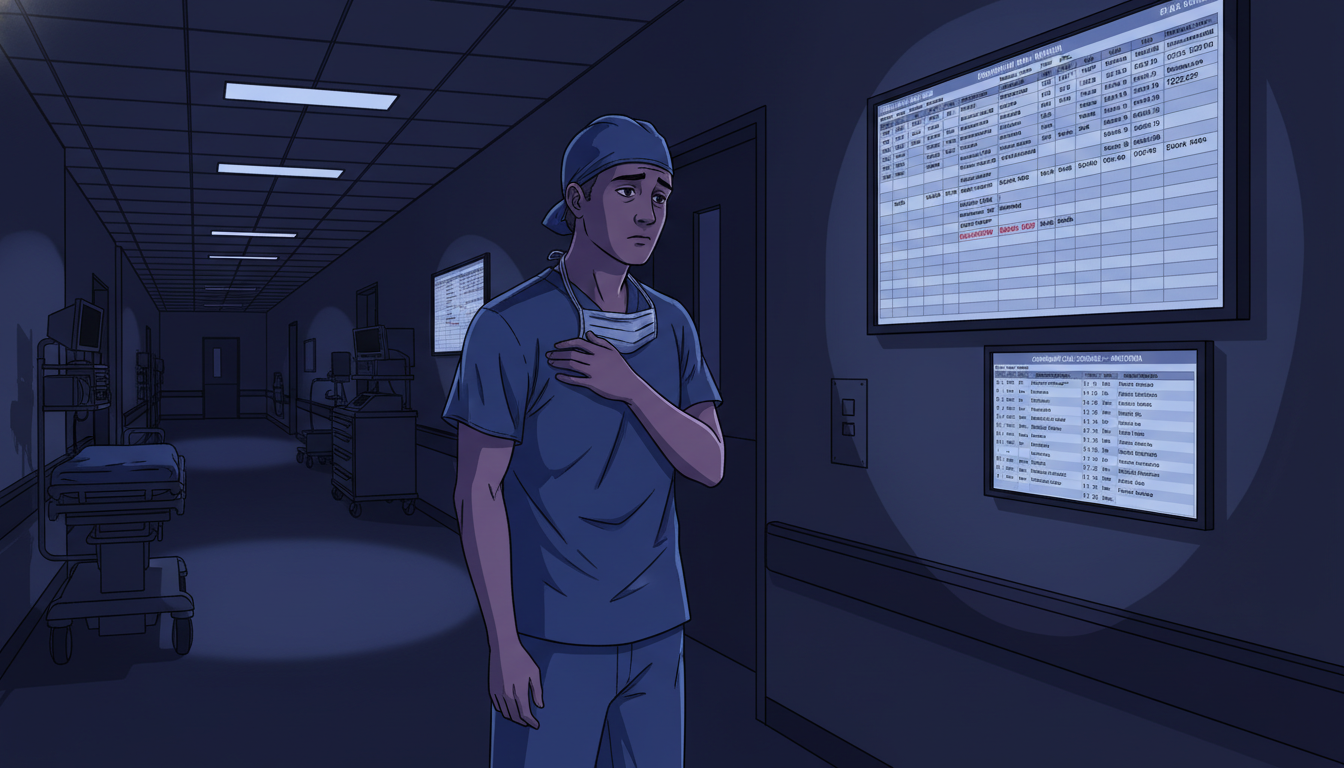
7. Frequent Changes in Leadership or Key Faculty Departures
Resident turnover often correlates with faculty turnover and unstable leadership.
Concerning patterns:
- New program director every 1–2 years.
- Chief of anesthesia or department chair has recently changed multiple times.
- Residents mention that many long-standing faculty recently left.
- Several core faculty positions are “interim” or vacant.
Why it matters in anesthesiology:
- Strong, stable leadership is essential to maintain OR access, ICU rotations, and case variety.
- Loss of subspecialty faculty (e.g., cardiac, peds, regional) can affect your ability to meet case requirements and be competitive for fellowships.
- For IMGs, instability can also mean shifts in visa policies or support.
How to assess:
- Look at the faculty list over time (check archived pages or older PDF brochures if available).
- Ask: “How long has the current program director been in the role, and what changes have they implemented so far?”
- Ask residents: “Have there been major faculty departures or leadership changes in the last few years? How has that affected your training?”
Stable leadership with a clear, transparent plan usually reduces the risk of harmful turnover.
8. Culture of Blame Rather Than Support After Adverse Events
In anesthesia, complications and near-misses are inevitable. How a program reacts can either build resilience or drive residents away.
Red flag reactions:
- Residents fear case discussions (M&M conferences) because they feel punitive instead of educational.
- Stories of residents being harshly blamed or humiliated after complications.
- Descriptions of a “zero-tolerance” environment where honest reporting leads to punishment.
- Rumors of residents being “pushed out” after one serious error, instead of being remediated and supported.
For IMGs, this environment is especially dangerous: communication, documentation, and cultural style can be quickly misinterpreted as incompetence or unprofessionalism in a hostile environment.
What to ask:
- “How are complications and errors handled in the program? Can you give an example of how a resident was supported after a difficult event?”
- “What is the tone of M&M conference? Does it feel like a safe learning space?”
You want to hear specific examples of supportive, structured learning, not just “We take patient safety very seriously.”
How to Investigate Resident Turnover Before You Rank Programs
You cannot rely solely on one interview day—especially if it’s virtual. Here are practical, actionable steps tailored to an IMG anesthesiology applicant.
1. Research Program Websites and External Data
- Check the resident list year by year.
- Are there missing residents in middle classes?
- Do class sizes suddenly shrink?
- Search the program name + “anesthesia residency review,” “resident experience,” “red flags,” or “residents leaving program.”
- Review publicly available NRMP or FREIDA data for trends in:
- Filled vs. unfilled positions
- Program expansions or contractions
If you see clear gaps, mark those programs for deeper questioning.
2. Use Interview Day Strategically
During the anesthesiology residency interview:
- Ask multiple residents at different training levels similar questions about turnover, culture, and leadership.
- Compare whether their answers align or sound scripted.
- In virtual socials, gently ask: “How has resident retention been over the last few years?”
Pay attention if:
- Senior residents privately warn you about turnover.
- Junior residents seem unaware but CA-2/CA-3 residents look uncomfortable discussing it.
This pattern can mean problems are more visible with time in the program.
3. Follow Up After Interviews (Quietly and Professionally)
You can sometimes request to speak with a resident one-on-one after the official day:
- Send a polite email to the coordinator or a resident:
- “As an IMG applicant, I’m trying to understand long-term training environments as carefully as possible. Would you be open to a brief conversation about your experience in the program?”
If a resident is willing to talk off-schedule, you may get more candid insights about resident turnover, workload, and leadership.
4. Interpret Turnover in Context, Not in Isolation
A single resident leaving is not automatically a deal-breaker. Consider:
- Timing: One resident leaving 3–4 years ago vs. 3 residents leaving in the past 18 months are very different signals.
- Transparency: Programs that acknowledge past issues and show concrete improvement steps are more trustworthy.
- Overall pattern of red flags:
- High turnover + defensive leadership + overwork + vague explanations = high-risk program.
- One departure + clear explanation + visible improvements = possibly acceptable.
Create a simple rubric for yourself when making a rank list:
- 0–1 minor concerns: Comfortable to rank highly
- 2–3 moderate concerns: Rank cautiously, not at the top
- 4+ major concerns or obvious program problems: Consider removing from rank list entirely, especially if you have other options
Special Considerations for IMGs: Protecting Yourself in the Anesthesia Match
As an international medical graduate, you must weigh turnover red flags alongside immigration and career realities.
1. Visa Security vs. Program Safety
If a program offers J-1 or H-1B visas but has serious turnover and resident dissatisfaction, you face a difficult trade-off:
- Staying may compromise your training and mental health.
- Leaving might threaten your visa status and future employment.
In high-risk situations, consider:
- Discussing scenarios confidentially with a trusted mentor (ideally someone familiar with immigration and GME).
- Prioritizing programs with both solid visa support and healthy resident culture, even if they seem less prestigious.
- Ranking an average but stable program above a “name-brand” program with a history of residents leaving the program.
2. Disproportionate Turnover Among IMGs
If you can discover whether IMG residents in particular are more likely to leave or be dismissed, that’s crucial.
Questions (used carefully and respectfully):
- To residents: “As an IMG, have you felt supported in navigating communication, documentation, or cultural differences?”
- “Have IMGs been able to graduate successfully and match into fellowships?”
Look for specific success stories of IMGs who advanced in anesthesiology, not just generic statements like “We love IMGs.”
3. Mentorship and Advocacy Structures
Strong mentorship can counterbalance some program weaknesses and reduce resident turnover.
Positive signs:
- Formal mentorship system pairing residents with faculty
- Resident wellness committee with real authority and support
- Chief residents who appear empowered to advocate for schedule or policy changes
These structures reduce the risk that you will find yourself isolated if problems arise.
Frequently Asked Questions (FAQ)
1. How much resident turnover is “too much” in an anesthesiology residency?
In a typical, healthy anesthesiology program, years can pass without any resident leaving the program or specialty. If you notice:
- More than one resident per class disappearing or leaving over a 3-year window, or
- A pattern of multiple residents leaving in consecutive years,
you should treat that as a serious resident turnover red flag and investigate further.
2. Should I remove a program from my rank list if I see several turnover warning signs?
Not automatically—but you should be very cautious. If a program shows multiple red flags simultaneously (high turnover, opaque explanations, defensive leadership, evident burnout), it may be safer to:
- Rank it lower, even below less prestigious but more stable programs.
- In extreme cases, consider not ranking it at all, especially if you have other reasonable options.
Your long-term training quality and mental health are more important than the program’s name.
3. How can I ask about residents leaving the program without sounding rude?
Use neutral, professional language and focus on patterns, not individuals:
- “I’m trying to understand long-term resident outcomes. Has the program experienced much resident attrition or transfers in recent years?”
- “What are common reasons residents might leave or change paths from this program?”
You are evaluating the fit and safety of the environment, which is entirely appropriate.
4. Is it ever okay to join a program that had past turnover issues?
Yes, if the program:
- Is transparent about what happened
- Clearly describes specific changes implemented (e.g., schedule restructuring, leadership changes, improved wellness resources)
- Has evidence that recent cohorts are more stable and satisfied
A program that learns from its mistakes can still provide strong training. But you should still compare it carefully to other options, particularly as an IMG with more at stake if major problems reoccur.
Resident turnover is one of the clearest windows into a program’s true culture. For international medical graduates pursuing anesthesiology, seeing and interpreting these warning signs accurately can make the difference between a supportive, career-building residency and a dangerous, demoralizing situation. Use the signals and strategies in this guide to navigate the anesthesia match with your eyes open—and to choose a program where you can safely grow into the anesthesiologist you aspire to be.