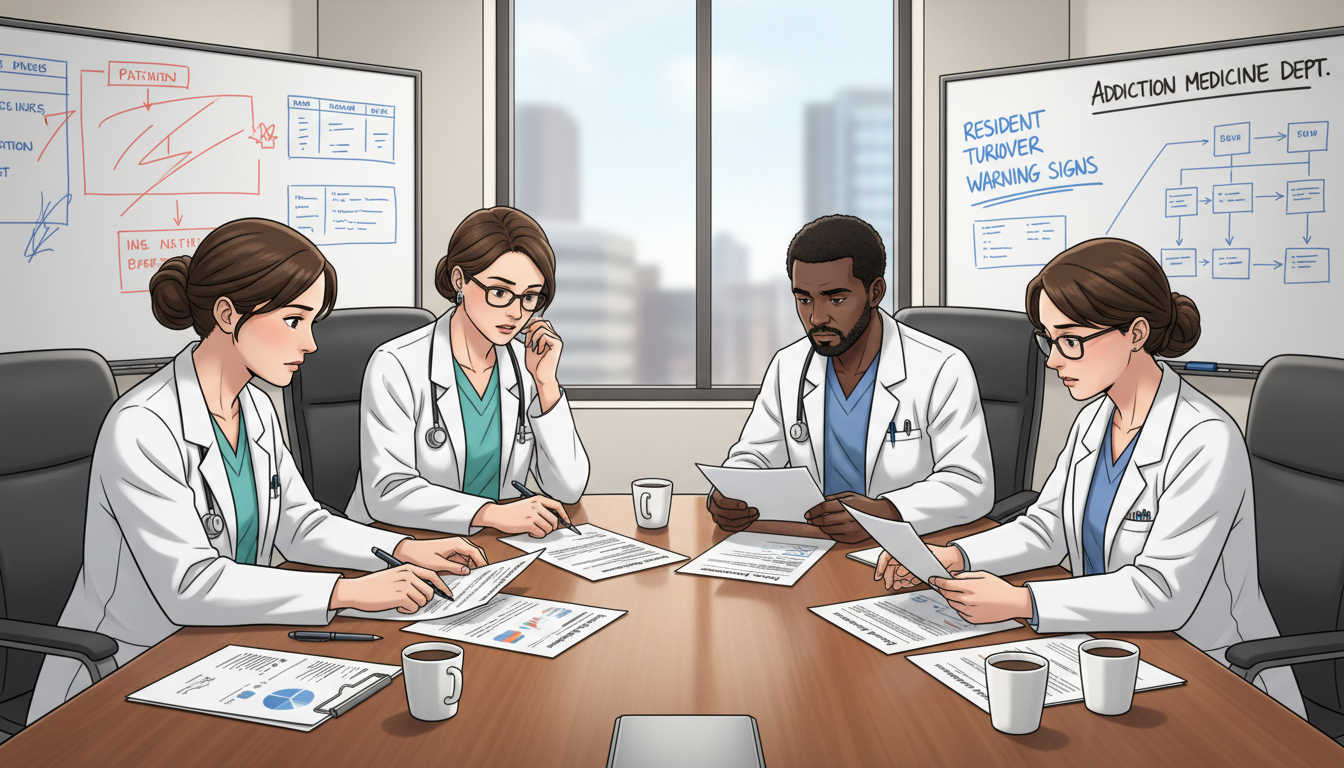
Why Malignant Programs Matter So Much for IMGs in Peds-Psych
For an international medical graduate (IMG), choosing the right Pediatrics-Psychiatry (Peds-Psych) or Triple Board residency is already complex. On top of visas, exams, and cultural transitions, you must also navigate a subtle but critical question: Is this a healthy training environment, or a malignant residency program?
A “malignant” or toxic program is not just “hard” or “demanding.” All residencies are tough. A truly problematic program is one where:
- Systemic disrespect, bullying, or discrimination are normalized
- Workload or expectations are unsafe or exploitative
- Education consistently takes a back seat to service
- Residents are afraid to speak up or seek help
- Leadership ignores wellness, safety, and professionalism
For a Peds-Psych or Triple Board resident, the risk is amplified because:
- You rotate in three distinct cultures: pediatrics, general psychiatry, and child & adolescent psychiatry (CAP)
- Schedules and identities are more complex (“Where do I belong?”), making you more vulnerable to poor coordination
- You may be the only IMG or one of very few, with additional visa and support issues
This IMG residency guide will help you identify residency red flags and stay away from toxic program signs, with a special focus on Pediatrics-Psychiatry and related Triple Board pathways.
Understanding “Malignant” vs Simply “Demanding”
Before you label a program as malignant, it’s important to distinguish between:
- Intensely rigorous but supportive training, and
- Hostile, unsafe, or exploitative environments.
Features of a Difficult But Healthy Program
A demanding Peds-Psych or Triple Board program may have:
- High patient volumes and long days
- Steep learning curve in three specialties
- Frequent call or night shifts, especially in pediatrics
- Strong expectations for reading and self-directed learning
Yet in a healthy program, you still see:
- Respectful communication from faculty and seniors
- Supervision readily available, especially on psychiatry and CAP
- Clear policies on duty hours, fatigue, and wellness
- Willingness to adjust schedules during crises (illness, family emergency)
- Graduates who speak of the program as “tough but fair” and would choose it again
Features of a Malignant Residency Program
A malignant residency program, by contrast, often shows:
- Chronic violation of ACGME duty hours, undocumented or pressured to hide
- Regular public humiliation, shaming, or yelling at residents
- Retaliation or punishment when residents raise concerns
- Inconsistent or unsafe supervision, especially at night
- Intentional overloading of IMGs or “non-favorites” with extra work
- A culture of fear: residents whisper, warn you “don’t say that in front of X,” or seem terrified of leadership
For IMGs, even moderate toxicity can feel extreme because you may lack family support, local networks, or backup visa options.

Core Toxic Program Signs in Peds-Psych and Triple Board
This section breaks down specific residency red flags you should watch for during program research, virtual events, and interviews—especially relevant to Pediatrics-Psychiatry and Triple Board tracks.
1. Disorganized or Vague About the Triple Board / Peds-Psych Structure
Because Peds-Psych and Triple Board involve three departments (pediatrics, psychiatry, and CAP), organizational clarity is essential.
Red flags:
- Program leadership cannot clearly explain the schedule over three to five years
- Residents from different tracks (categorical pediatrics, categorical psychiatry, triple board) give contradictory information
- No clear point-person (triple board director or coordinator) responsible for your specific pathway
- Residents say they “figure things out as they go” or frequently have last-minute schedule changes across departments
Why this matters:
If rotations are poorly coordinated, you may end up:
- Missing key experiences (e.g., inadequate CAP exposure)
- Struggling with graduation requirements
- Constantly fighting to get your schedule corrected
For IMGs, extra bureaucracy can compound visa issues and exam scheduling.
Actionable advice:
During interviews, ask:
- “Who is primarily responsible for coordinating the Peds-Psych / Triple Board schedule?”
- “Can you walk me through a typical year-by-year schedule, including when and where supervision happens?”
- “How do you handle conflicts when pediatrics and psychiatry both need coverage at the same time?”
Vague answers or visible confusion are strong toxic program signs.
2. Concerning Resident Behavior: Fear, Exhaustion, or Inconsistency
Residents are your most honest mirror of a program’s reality. Observe both what they say and how they say it.
Red flags:
- Residents appear exhausted, anxious, or guarded, even on “happy” meet-and-greet calls
- In group sessions, residents give short, rehearsed answers and look at each other or faculty before responding
- One-on-one, a resident hints “We’ll talk after Match” or “Email me off the record”
- Major inconsistencies: one resident says “We never violate duty hours,” another says “Call is brutal, but we make it work… somehow”
Subtle but important cues:
- They avoid naming problems directly: “Things are getting better,” without saying what was wrong
- They hesitate or pause when asked, “Would you choose this program again?”
- They describe leadership using vague, cautious phrases: “They’re… very intense,” “They expect a lot,” rather than “supportive,” “approachable,” etc.
For IMGs in particular:
- Ask explicitly: “How are IMGs supported here? Any differences in expectations or experiences?”
- Note their facial expressions and tone. If they look uncomfortable, that is data.
If multiple residents give carefully sanitized responses, consider this a major residency red flag.
3. Problematic Attitudes Toward Pediatrics vs Psychiatry
Peds-Psych and Triple Board residents often navigate identity tensions: Are you a pediatrician, a psychiatrist, or both? A healthy program respects your hybrid role.
Red flags:
- One department looks down on the other (e.g., pediatrics calling psychiatry “soft,” psychiatry minimizing pediatrics’ intensity)
- Triple board / Peds-Psych residents are treated as permanent outsiders in both departments
- Faculty make jokes about psychiatry being “not real medicine” or pediatrics being “babysitting”
- Rotations where you are told, “You’re just here to fill service,” without learning goals or teaching
Why this is dangerous:
You may end up:
- Overused to “plug gaps” wherever coverage is needed
- Undertrained in core skills in either domain
- Feeling like you do not truly belong anywhere, which is especially isolating as an IMG
Actionable questions for interview day:
- “How are Peds-Psych / Triple Board residents integrated into both the pediatric and psychiatry resident groups?”
- “Do Peds-Psych residents have a formal mentor in both departments?”
- “Are there joint educational activities for all three specialties together?”
Listen for real examples, not just nice phrases.
4. Overservice and Duty Hour Violations
Overservice is a hallmark of a malignant residency program. In Peds-Psych, this may show up differently on each side:
- Pediatrics: heavy floor/ICU rotations with high patient caps
- Psychiatry: coverage of multiple units or emergency services with limited backup
Red flags:
- Residents quietly admit, “We don’t log all our hours,” or “We just fix it before it’s reported”
- Night float or call frequency seems out of proportion to other programs of similar size
- Triple board residents routinely pulled from psychiatry rotations to cover pediatrics (or vice versa) without educational justification
- Residents describe frequently staying late for notes, consults, or documentation but are told, “That’s just residency”
For IMGs, overservice also interferes with:
- USMLE Step 3 or board prep
- Visa appointments or paperwork
- Time to adjust to a new healthcare system and language nuances
Specific questions to ask:
- “How often do residents stay beyond their scheduled hours?”
- “Are there any rotations where duty hour violations are more common? How has the program addressed this?”
- “Are Peds-Psych residents ever pulled from their scheduled rotations to cover staffing gaps?”
If residents seem nervous answering or leadership shifts the topic, that is a strong signal of hidden problems.

IMG-Specific Red Flags: When a Program Is Not IMG-Friendly
Not all programs hostile to IMGs are overtly malignant, but systemic bias and lack of support can create a toxic experience for you.
1. History and Transparency Around IMGs
Positive signs:
- Program clearly states how many IMGs they usually have
- Current IMGs are visible on the website and present at open houses
- Leadership can articulate why they value IMGs (language skills, diverse perspectives, strong clinical foundations)
Red flags:
- Website lists zero or almost no IMGs in current or recent classes, yet they interview you extensively
- Leadership claims they are “open to IMGs” but you see no IMGs in Peds-Psych or Triple Board tracks specifically
- Evasive answer to “How many IMGs have graduated in the past 5 years, and where are they now?”
If they cannot show a track record of supporting IMGs, you would be something of an experiment.
2. Visa and Contract Issues
For IMGs requiring a visa (J-1, H-1B), visa management is not optional—it’s survival.
Red flags:
- Program “hasn’t decided yet” if they will sponsor your needed visa type, even late in recruitment season
- No dedicated GME staff familiar with visa timelines, waiver programs, or common legal issues
- Residents (especially IMGs) report last-minute contract changes or delays in visa processing
- Leadership minimizes your concerns: “We’ll figure it out later” or “This usually works out”
Given your dependence on legal status, poor visa support is a major malignant feature, even if clinical training is adequate.
3. Microaggressions and Cultural Insensitivity
In Peds-Psych and CAP, emotional intelligence is crucial. If you experience microaggressions during interviews, imagine that magnified every day.
Red flags in interactions:
- Interviewers joke about your accent, country, or medical school
- Questions like “Why didn’t you just go to medical school here?” or “Do patients understand you?” framed critically
- Repeated focus on your “fit” as an IMG without the same scrutiny for AMGs
- Residents confess off-camera that certain attendings are known to be harsh with IMGs
Actionable advice:
- Trust your instincts. If an interaction feels demeaning now, it likely won’t improve once they hold power over you.
- Ask: “How does your program address bias or microaggressions toward IMGs or other minority residents?” Look for concrete examples of workshops, incident reporting, and follow-up.
How to Investigate Programs Before You Rank
You cannot rely only on glossy websites and well-rehearsed interview days. Here are concrete strategies for IMGs in Peds-Psych to identify malignant programs before submitting your rank list.
1. Deep Online Research
Use multiple data sources:
- FREIDA / ACGME data: Look at resident numbers, accreditation status, and any citations (especially related to duty hours, supervision, or professionalism).
- Program websites: Check if the Peds-Psych / Triple Board curriculum is detailed, with clear schedules and goals.
- Social media: Resident-led accounts can give a sense of culture. Notice if posts are almost exclusively “party and food” or if they show real teaching, wellness, and diversity.
Warning signs:
- Recent ACGME probation or warnings for resident work environment, supervision, or professionalism
- Very limited or out-of-date information on Peds-Psych tracks, with no named director
2. Off-the-Record Conversations
Try to speak with:
- Recent graduates, ideally including IMGs
- Former residents who left the program or switched specialties
- Residents from related programs (pediatrics or psychiatry at the same institution)
How to approach:
- Politely email: “I’m an IMG applicant interested in your former program. Would you be open to a brief, confidential conversation about your experience?”
- Ask balanced questions: “What were the best and most challenging parts of training there?”
Consistent mention of:
- Fear of leadership
- Extreme burnout
- Residents leaving mid-training
…are clear indications of a malignant residency program.
3. Analyze Interview Day Carefully
On interview day (virtual or in-person), have a structured plan:
Questions for program leadership:
- “How do you evaluate and respond to resident feedback on rotations or faculty?”
- “Have you made any major changes based on resident concerns in the last 2–3 years?”
- “Can you describe how wellness is operationalized, not just discussed?”
Questions for residents:
- “What type of resident struggles here, and how does the program respond?”
- “Has anyone ever left the program? Under what circumstances?”
- “If a resident made a serious mistake, how would the program handle it?”
Pay attention to:
- Whether leadership interrupts or controls resident answers
- Whether residents feel free to gently criticize aspects of the program (this shows trust and safety)
An environment with zero criticism is just as concerning as one with constant complaining. Honest, balanced feedback is your safest signal.
4. Interpreting Mixed Signals
Most programs are neither perfect nor uniformly malignant. You will see gray zones.
Ask yourself:
- Are the issues structural and persistent (e.g., chronic bullying, unsafe workloads) or transitional (e.g., new call system being implemented)?
- Is leadership acknowledging and actively addressing problems, or denying them?
- Do residents feel empowered to shape change?
For IMGs, an otherwise decent program can become effectively toxic if:
- No one understands or supports your visa needs
- You face repeated bias with no recourse
- You lack mentorship in both pediatrics and psychiatry tracks
If multiple serious IMG-specific red flags appear, move that program lower on your list or remove it entirely.
Balancing Risk, Opportunity, and Your Priorities as an IMG
Not every non-ideal feature means you should avoid a program. Some Peds-Psych or Triple Board residencies:
- Are very demanding but produce excellent, well-prepared graduates
- Are still building their Peds-Psych identity but have genuinely supportive leadership
- Serve high-need populations, meaning stress is high, but mission and teaching are strong
Ask yourself:
- Do I see clear evidence of respect for residents?
- Are IMGs and hybrid-track residents thriving here, not just surviving?
- If problems exist, is the culture honest and solution-oriented, or defensive and secretive?
Your safety and wellbeing matter at least as much as prestige or location. A highly ranked but malignant residency program can harm your mental health, confidence, and even your visa status.
For Peds-Psych and Triple Board in particular, you need:
- Stable structure across pediatrics, psychiatry, and CAP
- Explicit mentorship from dual-trained or triple board faculty if possible
- Colleagues who respect the complexity of your training path
- A culture that values emotional safety and professionalism, not just patient volume
If a program cannot demonstrate these, especially toward IMGs, think carefully before ranking it highly.
FAQs: Identifying Malignant Peds-Psych Programs as an IMG
1. How can I tell if residency red flags I see are “normal” growing pains or signs of a truly malignant residency program?
Look for pattern and reaction. Many programs have isolated issues (a difficult rotation, a single problematic attending). In healthy programs, residents can safely report problems, and leadership acknowledges and acts on feedback. In malignant programs, problems are chronic, residents feel powerless or afraid, and leadership appears defensive or dismissive. If multiple residents independently describe fear, retaliation, or unsafe workload, treat this as more than just growing pains.
2. As an international medical graduate, should I ever consider a program that has never trained IMGs before?
You can, but proceed cautiously. Ask very specific questions about visa sponsorship, support systems, and how they plan to integrate an IMG into their existing structure. A program with enthusiastic, organized leadership and strong institutional GME support can still be a good choice. However, if they are vague about visa processes, lack IMG-specific mentorship, or have no clear plan for supporting you, that inexperience may translate into a toxic environment for you even if it’s fine for AMGs.
3. What are the biggest IMG-specific toxic program signs I should prioritize avoiding?
For IMGs in Peds-Psych or Triple Board, top red flags include:
- Unclear or unstable visa support (J-1 or H-1B)
- History of no or very few IMGs with no convincing plan to support you
- Recurrent microaggressions, jokes, or subtle bias about your accent, school, or country
- IMGs consistently assigned heavier workloads or receiving harsher evaluations than others
Any one of these is concerning; multiple together strongly suggest a malignant residency program for you, regardless of the program’s general reputation.
4. If I realize a program is toxic only after I match, what can I do?
First, prioritize your safety and mental health. Document issues objectively (dates, events, emails). Use institutional resources: program director, associate program director, DIO/GME office, ombudsperson, employee health, and, when needed, legal counsel. If the environment is truly unsafe or malignant, you can explore transfer options to another residency, but this requires careful planning and honest communication. Many residents successfully transfer out of toxic settings; you are not trapped, but earlier identification during the application process is far better.
By systematically applying this IMG residency guide to each Pediatrics-Psychiatry or Triple Board program you consider, you’ll be better equipped to recognize genuine residency red flags, avoid malignant programs, and choose an environment where you can thrive as both a pediatrician and psychiatrist—and as an international medical graduate building a new professional life.