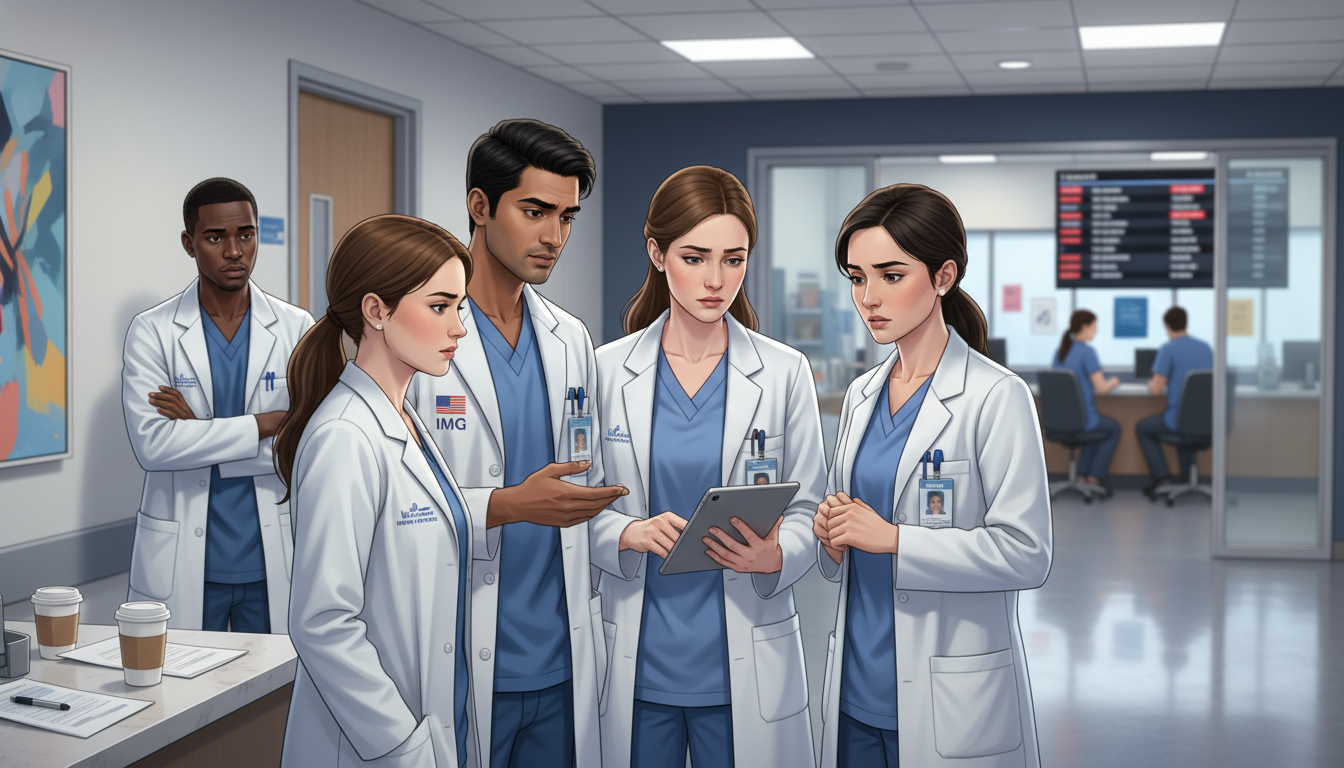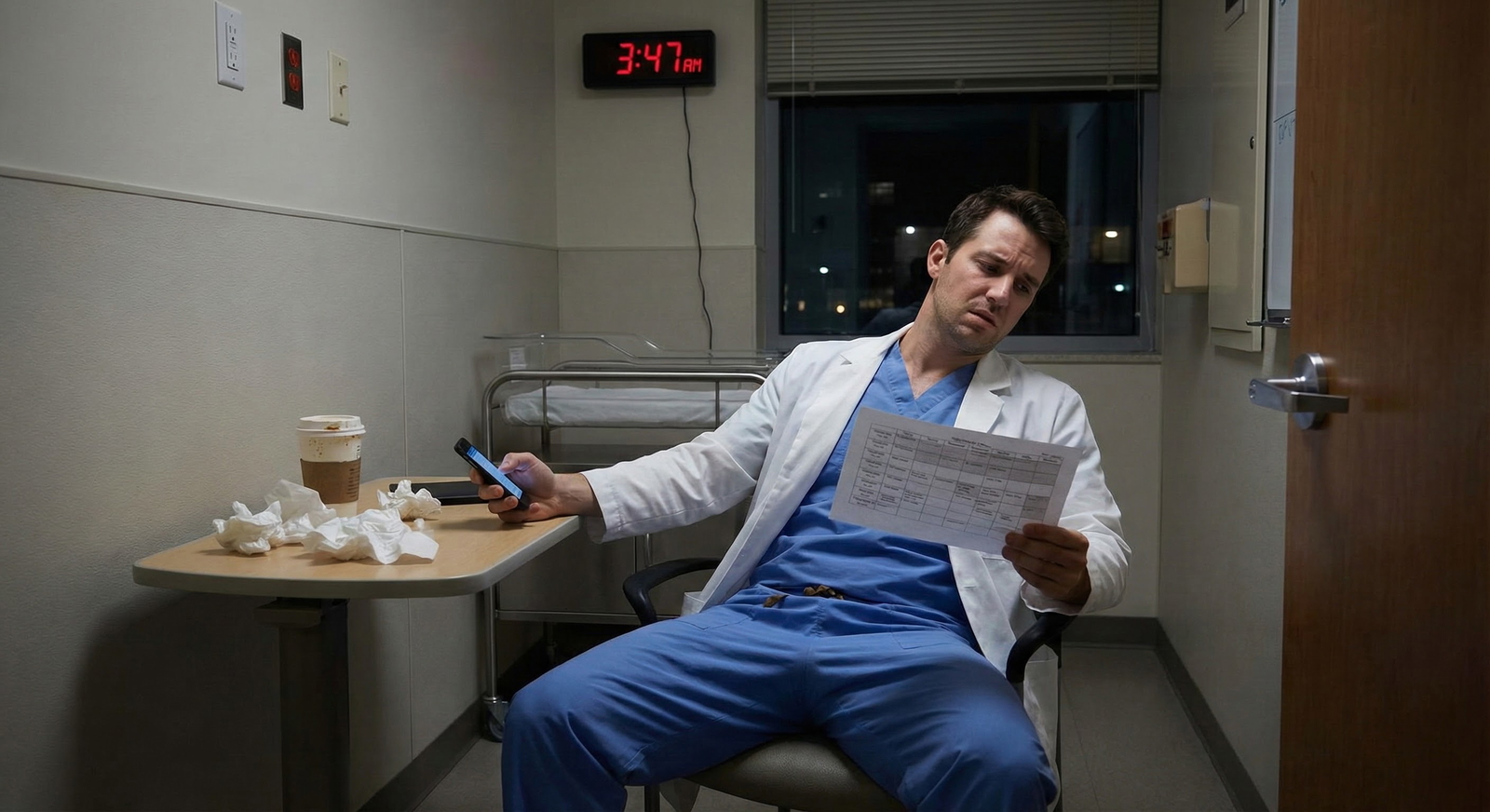
Why Malignant Programs Matter So Much for IMGs in Med-Psych
For an international medical graduate considering a medicine psychiatry combined residency, choosing the right program can shape your entire career—and your well-being. A malignant residency program (often called a “toxic program”) is one where the culture, leadership, or structure consistently harms residents’ education, health, or professional development.
Medicine-psychiatry combined training is already intense: you navigate two specialties, two sets of competencies, and often two departmental cultures. As an IMG, you may also face visa issues, financial pressure, cultural adjustment, and sometimes bias. A toxic environment on top of this can lead to:
- Burnout, depression, or anxiety
- Visa risks if you struggle or can’t complete training
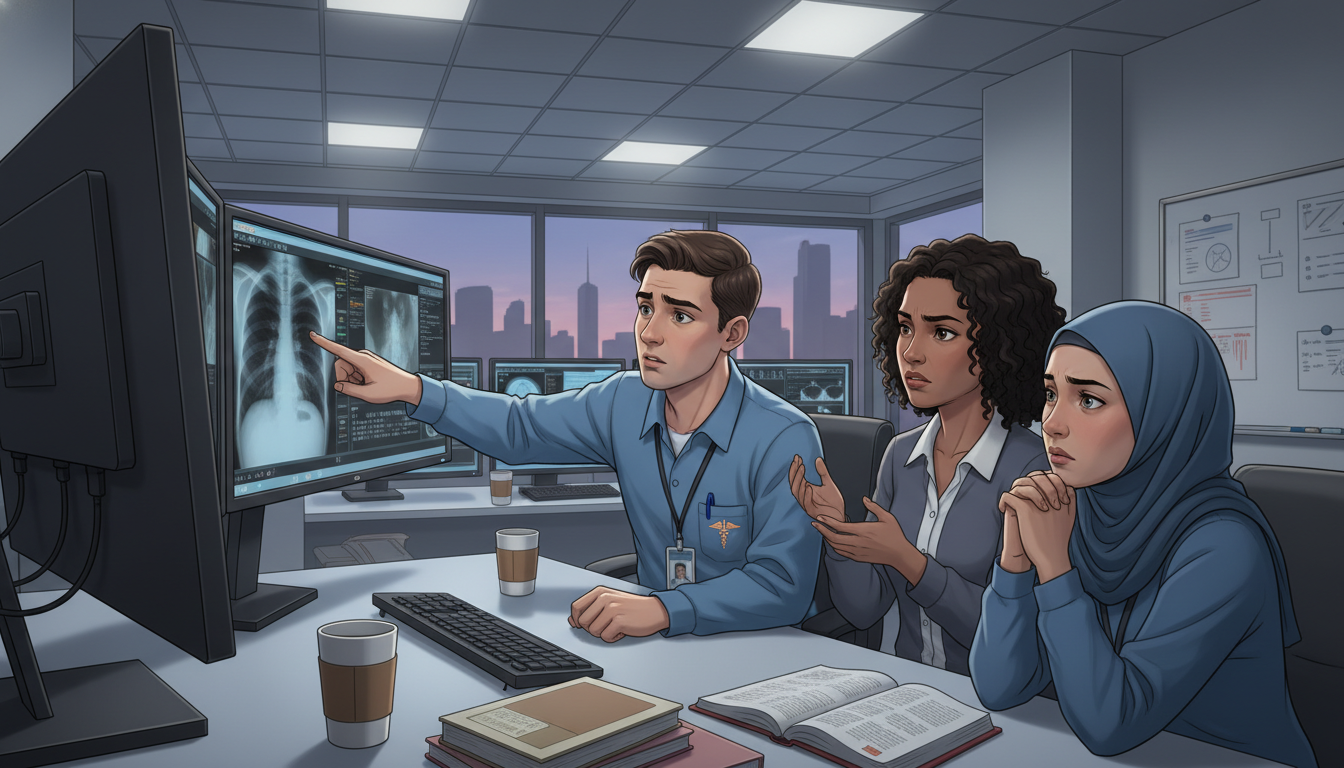
- Gaps in clinical skills due to poor supervision
- Difficulty matching into fellowships or getting jobs later
This IMG residency guide focuses on how to identify residency red flags—especially in medicine psychiatry combined programs—before you rank them. The goal is to help you distinguish between programs that are challenging but supportive and those that are genuinely malignant.
Core Features of a Malignant or Toxic Residency Program
Malignancy is rarely about working hard; it’s about systemic disregard for residents’ well-being and growth. Below are key toxic program signs to watch for, with examples specific to med-psych and to international medical graduates.
1. Culture of Fear, Blame, and Intimidation
A healthy program encourages questions, admits mistakes, and focuses on learning. A malignant one uses fear as a management tool.
Warning signs:
- Residents talk about retaliation for raising concerns (schedule punishment, bad evaluations, blocking vacation, visa threats).
- Public shaming on rounds or in conferences: attendings belittle or humiliate residents.
- You hear phrases like “We weed out the weak ones,” especially said proudly.
- Residents are scared to call attendings at night even in serious cases.
Med-psych–specific angle:
- Internal medicine faculty call psychiatry rotations “soft” and belittle residents for being interested in mental health.
- Psychiatry attendings dismiss serious medical issues on psych patients and blame residents when complications occur.
- Med-psych residents are made to feel like “outsiders” on both services, never fully accepted as part of either team.
IMG-specific red flags:
- “We’ve had issues with IMGs before” used to justify strict, unequal treatment.
- Visa status used as leverage: “If you don’t do X, remember you’re on a visa.”
- Residents report they can’t question unfair treatment because they’re afraid of consequences on their immigration status.
2. Systematic Disrespect and Bias Toward IMGs
Not all negative experiences are malignant, but consistent or institutionalized bias is a major red flag.
Examples of bias patterns:
- IMGs systematically given the heaviest call loads or the most difficult rotations.
- IMGs rarely chosen for chief resident, leadership, or committee roles.
- Faculty openly make remarks about accents, medical school quality, or country of origin.
- Residents describe a “two-tier system”: one standard for US grads, another for international medical graduates.
Policy-level red flags:
- No clear written policies on grievance, remediation, or promotion—and decisions seem “personal” rather than criteria-based.
- IMGs are over-represented among residents who are put on probation or non-renewed, but no structural review has been done.
- Program proudly says “We’re IMG friendly” but recent years show:
- Very few IMGs matched
- Several IMGs leaving or getting non-renewed
If a program markets itself heavily as “IMG friendly” but can’t give concrete examples of successful IMG graduates, be cautious.
3. Chronic Overwork With Little Educational Value
Residency is demanding, but malignant programs exploit residents as cheap labor rather than trainees.
Structural red flags:
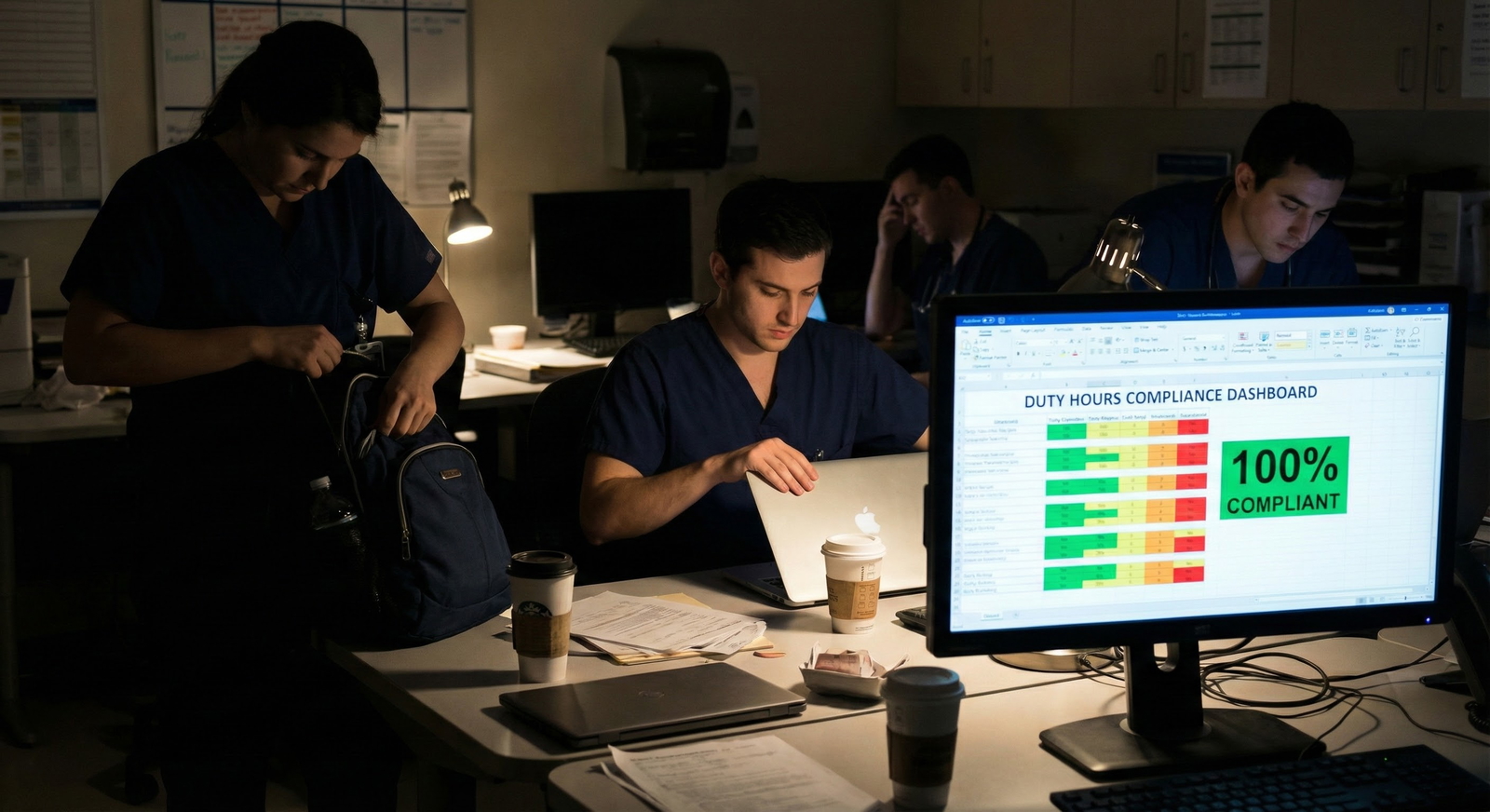
- Routine violation of duty hour rules, especially on medicine wards or night float, with pressure not to log violations.
- Residents frequently doing non-educational scut work: searching for beds, transportation, faxing, endless form filling without support.
- On psychiatry rotations, residents serve mainly as bed managers or paperwork processors without meaningful therapy, interviewing, or longitudinal follow-up.
Med-psych context:
- Schedules constantly overloaded because residents are plugged into both medicine and psychiatry rotas without adequate adjustment.
- You hear: “Our med-psych residents are basically just extra bodies to cover both departments.”
- No protected time for med-psych–specific didactics; you’re always pulled to cover service.
IMG impact:
- As an IMG, you may work extra to “prove” yourself. In a toxic program, this can be exploited.
- Little tolerance for the extra time you may need to adjust to EHRs, local guidelines, and communication norms.
- No structured orientation to US healthcare systems; you are thrown into heavy service from day one.

Program Structure and Outcomes: Data-Based Residency Red Flags
Beyond culture, objective indicators can help identify malignant residency programs. These are especially important for IMGs who may not have local mentors to interpret informal reputations.
1. High Attrition and Non-Completion Rates
Medicine psychiatry combined programs are relatively small. Losing even a few residents is significant.
Ask directly:
- “How many residents have left the program in the last 5 years?”
- “For what reasons did they leave?” (Listen for vague or blaming language.)
- “How many med-psych residents have successfully graduated in the last 5 years, and where are they now?”
Red flags:
- The program is evasive or refuses to give numbers.
- A higher-than-expected number of residents leaving mid-training or switching out to categorical tracks.
- Several IMGs not completing training, especially if reasons are always framed as “performance issues” without mention of program support.
2. Poor Board Pass Rates and Unsupportive Remediation
A malignant program often fails to support residents academically.
Look for these details:
- Recent medicine and psychiatry board pass rates (ABIM and ABPN).
- If someone fails, is there a structured remediation plan or just blame?
- Are there regular in-training exam reviews and personalized learning plans?
Warning signs:
- Leadership blames residents for board failures without examining curriculum, case mix, or faculty supervision.
- No resources for exam prep: no board review series, limited question banks, no protected study time.
IMG nuance:
- IMGs may need extra support understanding test formats and US-style multiple-choice reasoning.
- Malignant programs may ignore this and simply label IMG residents as “weak test takers” or “not competitive.”
3. Chaotic Scheduling and Rotation Mismanagement
Combined training works only if rotations are coordinated. Poor scheduling can become malignant when it leads to constant stress and unsafe workloads.
Med-psych scheduling red flags:
- Frequent last-minute changes with no notice, especially between medicine and psychiatry blocks.
- Med-psych residents routinely pulled from educational activities (clinic, didactics) to cover missing staff.
- No clear plan for how med-psych continuity clinics are maintained when you are on busy inpatient blocks.
IMG-specific concerns:
- Schedules not adapted for visa requirements (e.g., last-minute unpaid research months threatening visa status).
- Delayed or disorganized paperwork for visa renewals because “the office is too busy” or the program coordinator changes frequently.
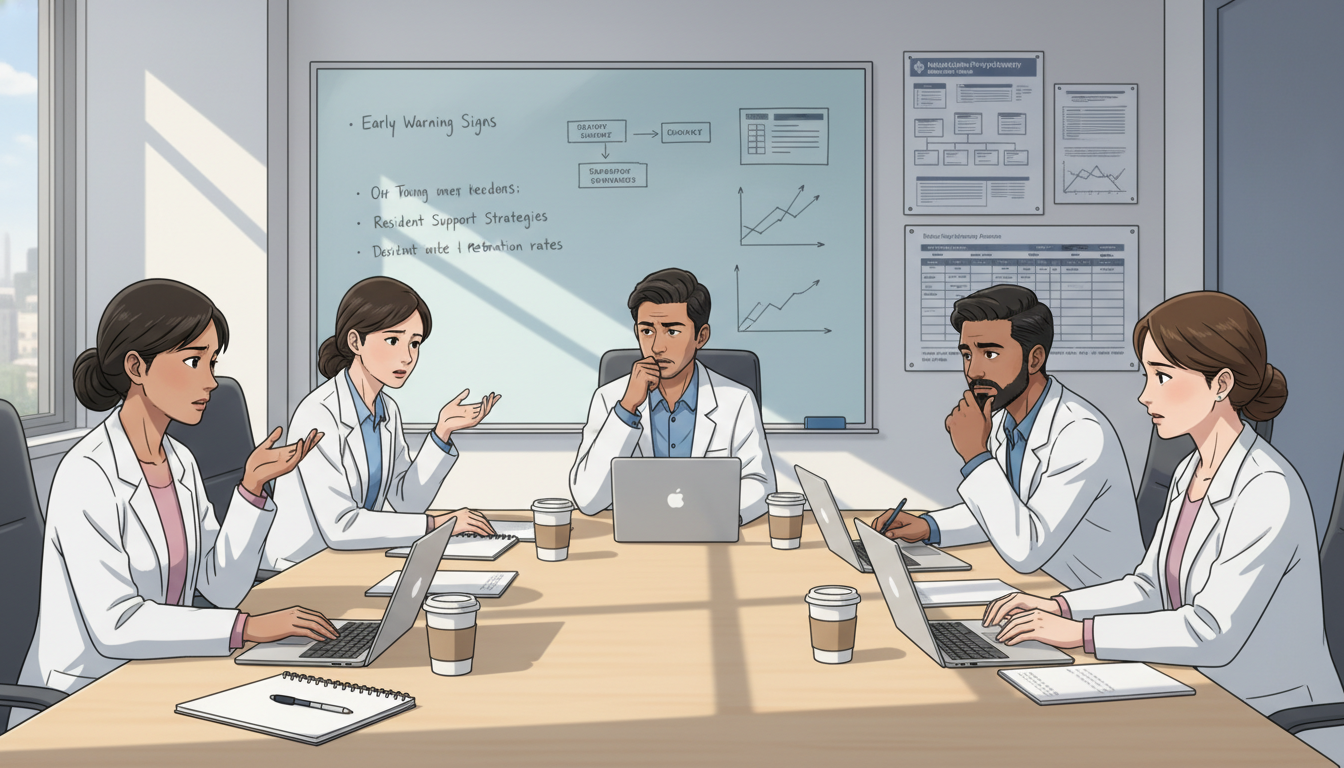
4. Weak Leadership and Poor Communication
Even well-intentioned programs can become toxic if leadership is ineffective.
Signs of weak or harmful leadership:
- Program director is rarely available, doesn’t know residents by name, or seems disengaged.
- No regular town halls, feedback sessions, or anonymous surveys—or these exist but nothing changes.
- Conflicts between medicine and psychiatry departments leave med-psych residents caught in the middle.
When leadership becomes malignant:
- Residents who speak up are labeled “difficult” or “not team players.”
- Evaluations are used as punishment rather than as feedback tools.
- IMG concerns are dismissed as “cultural misunderstanding” without real investigation.
How to Spot Toxic Program Signs During Interviews and Virtual Interactions
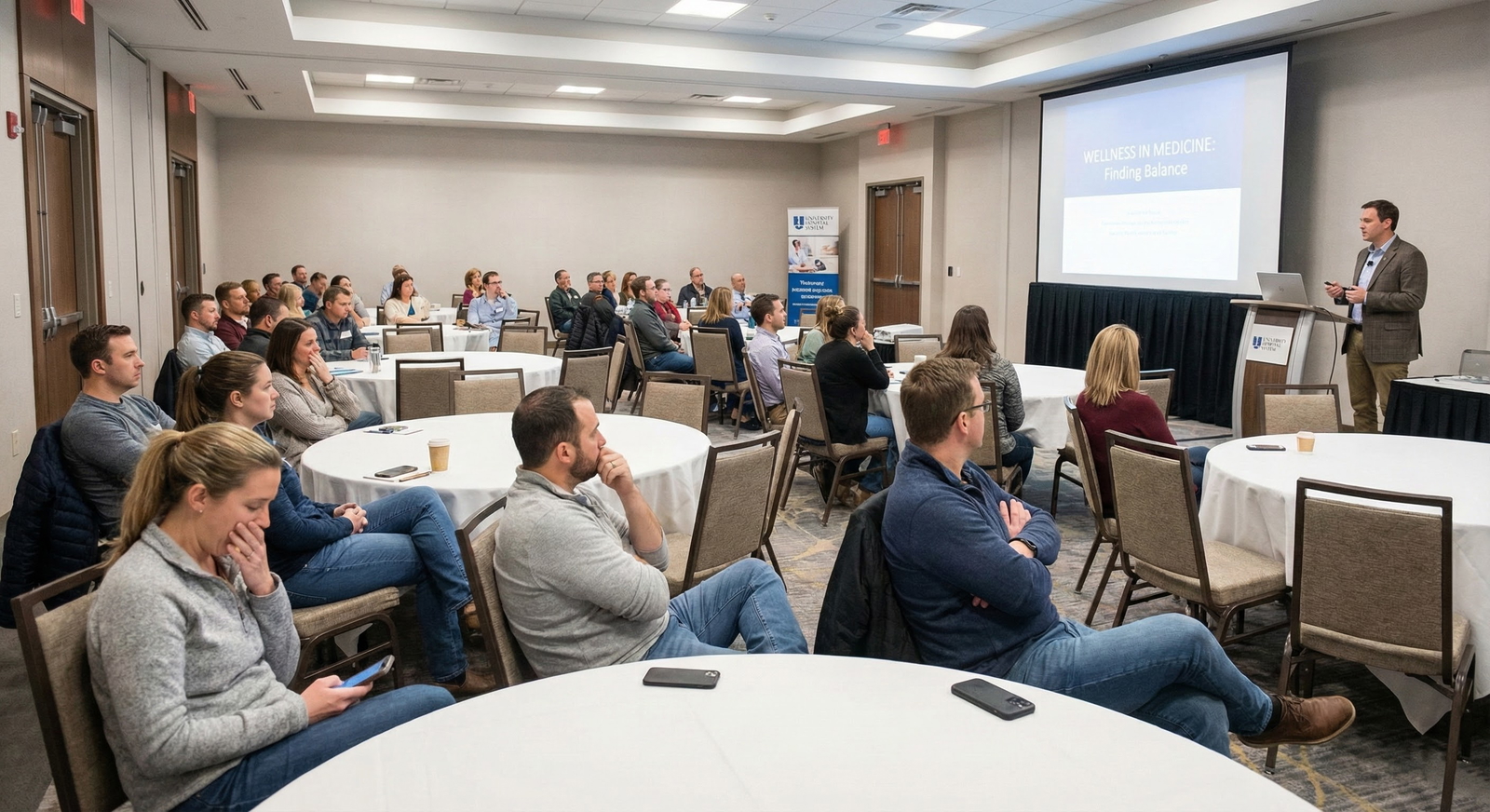
For an international medical graduate, interviews may be your only chance to see the program up close. You need a deliberate strategy to uncover residency red flags, particularly in medicine psychiatry combined training.
1. Questions to Ask Residents (and What to Listen For)
Use specific, open-ended questions. Pay as much attention to tone and hesitation as to words.
Culture and support:
- “If a resident is struggling—clinically, personally, or academically—what does the program actually do?”
- “Can you describe a time a resident made a serious error? How did the program respond?”
- “Have you ever felt unsafe speaking up about a concern?”
Red flags:
- Residents laugh nervously or look at each other before answering.
- Responses like “It depends who you are” or “Some people get more support than others.”
- Overly rehearsed or identical-sounding answers from multiple residents.
Med-psych–specific questions:
- “Do you feel equally valued on the medicine and psychiatry sides?”
- “How often do you feel like coverage needs override your educational needs?”
- “Is there a med-psych–specific mentor who actually meets with you regularly?”
Red flags:
- Residents say they feel like “floaters” or “gap fillers” between two departments.
- Med-psych residents report missing core med-psych didactics regularly due to service demands.
- No clear med-psych identity or community; residents feel isolated.
IMG-focused questions:
- “Are there current or recent IMGs in the program? How have they been supported?”
- “Has the program had any issues with visas, renewals, or timing for IMG residents?”
- “Do you feel there’s equity between IMGs and US grads in evaluation and opportunities?”
Red flags:
- No IMGs in recent cohorts, despite claims of being IMG friendly.
- Stories of past IMGs whose visas were mishandled or who were “let go” without clear due process.
- Residents advise you privately to “be careful” as an IMG.
2. Questions for Program Leadership
Leaders should be comfortable with transparency.
Ask about:
- Attrition: “How many residents have left in the last 5 years and why?”
- Board pass rates: “What are your recent ABIM and ABPN pass rates?”
- Grievances: “How can residents safely raise concerns? Can you share a recent example of a change made based on resident feedback?”
- Med-psych structure: “How are conflicts between medicine and psychiatry schedules resolved?”
Warning responses:
- “We don’t really have those numbers available” (for pass rates or attrition).
- Blaming language about former residents who left.
- Minimizing serious issues: “We don’t really have those problems here; everyone is happy.”
3. Virtual Red Flags for IMGs
Many IMGs rely heavily on virtual interviews and online information.
Online and email warning signs:
- Poor or outdated website; med-psych track barely mentioned or misdescribed.
- Emails from the program or coordinator are routinely delayed, incomplete, or unprofessional.
- No clear description of how they support visa processing (J-1 vs H-1B).
Virtual interview clues:
- You’re given very little time with current residents or only meet selected residents in a tightly controlled setting.
- Your questions about IMG issues, visas, or cultural integration get vague answers or are redirected.
- No discussion of wellness resources, counseling, or support services.

Practical Steps IMGs Can Take to Protect Themselves
Knowing the signs of a toxic program is only useful if you have a strategy. The following steps can help you make safer choices as an IMG pursuing medicine psychiatry combined training.
1. Research Beyond the Program Website
Use every available data source:
- FREIDA, ACGME, and NRMP: Look at program size, accreditation status, and any citations.
- Social media and forums: While subjective, consistent stories about a “malignant residency program” should not be ignored.
- Look for:
- Name changes, mergers, or repeated leadership turnover.
- A pattern of residents switching from med-psych to categorical medicine or psychiatry.
For IMGs:
- Check how many current residents are international medical graduates.
- Try to identify alumni IMGs via LinkedIn and see where they ended up: fellowships, academics, community practice.
2. Reach Out to Current or Former Residents Privately
If possible, speak outside the formal interview day.
How to approach:
- Connect with residents on LinkedIn or via alumni networks.
- Send a brief, respectful message:
- Introduce yourself and your interest in med-psych.
- Ask if they’d be willing to share their honest perspective, especially regarding IMG experience.
What to ask anonymously:
- “Would you choose this program again?”
- “Have residents left or been dismissed during your time there?”
- “How does the program treat residents who speak up?”
- “Is there anything you wish you had known before matching here as an IMG?”
3. Be Honest With Yourself About Trade-offs
As an IMG, you may feel pressure to accept any position. But some programs can damage your career and health more than a year of waiting with a stronger application.
Reasonable challenges vs malignancy:
- Reasonable: Busy clinical service, limited research, modest location.
- Malignant: Systematic abuse, unsafe conditions, visa threats, repeated resident failures with no support.
Specific to med-psych:
- Some programs are still building their combined track. That can be okay if:
- Leadership is transparent about growing pains.
- They involve residents in shaping the curriculum.
- There is visible, sincere support from both departments.
Avoid if:
- Med-psych seems like an afterthought or budget filler.
- There are no clear med-psych goals or identity.
- Past med-psych residents have left or “disappeared” from the training path.
4. Use Your Rank List Wisely
If you suspect serious toxicity:
- Rank such programs lower even if they are “your only interviews.”
- Consider:
- Reapplying with a stronger profile next year.
- Broadening to categorical internal medicine or psychiatry in more supportive environments.
- Seeking preliminary or transitional year positions with good reputations and clear support for IMGs.
Remember: no residency is better than a truly malignant residency that risks your license, your mental health, and your immigration status.
Frequently Asked Questions (FAQ)
1. How can I tell if a program is truly malignant or just very demanding?
Look for patterns rather than single anecdotes. A demanding but healthy program will:
- Be transparent about workload and learning goals.
- Have mechanisms to prevent burnout (wellness resources, schedule adjustments).
- Treat residents with respect and respond to feedback.
A malignant residency program shows chronic disrespect, fear, lack of support, and poor outcomes, even when residents work hard and demonstrate initiative.
2. Are smaller or newer medicine psychiatry combined programs more likely to be toxic?
Not necessarily. Smaller or newer programs can be excellent if leadership is engaged and structure is clear. However, they may:
- Have more growing pains.
- Rely heavily on med-psych residents to “fill gaps.”
For IMGs especially, confirm that:
- Visa processes are established.
- There are clear, written policies for evaluations and promotion.
- Both medicine and psychiatry departments actively support the combined track.
3. As an IMG, should I avoid programs that previously had resident dismissals?
Not automatically, but examine how the program talks about those dismissals:
- Healthy programs: describe structured remediation, documentation, and multiple chances for improvement.
- Malignant programs: speak with contempt about dismissed residents, take no responsibility, and show no interest in system-level improvements.
If multiple IMGs have been dismissed or have left recently, that is a serious red flag requiring careful scrutiny.
4. What if I only get interviews at programs where I suspect some red flags?
You still have choices:
- Attend the interviews, but investigate thoroughly using the strategies above.
- Rank programs in order of relative safety and support, not just prestige or location.
- Consider a strategic gap year:
- US clinical experience
- Research in internal medicine, psychiatry, or med-psych
- Networking with faculty who know IMG challenges
For an international medical graduate, a single truly malignant residency experience can be devastating. It is sometimes wiser to strengthen your application than to enter a toxic environment.
By combining careful research, focused questions, and honest self-assessment, you can use this IMG residency guide to avoid malignant programs and find a medicine psychiatry combined residency that challenges you academically while respecting you as a person and as an international medical graduate.