Why Malignant Programs Matter Even More for IMGs in Preliminary Surgery
For an international medical graduate (IMG), choosing a preliminary surgery year is often a strategic move: to gain U.S. clinical experience, strengthen a CV, or transition into categorical general surgery or another specialty. But not all prelim surgery residencies are created equal. Some are genuinely supportive stepping-stones; others are malignant residency programs—toxic, exploitative environments that can derail your career and well-being.
In this IMG residency guide, we’ll focus on:
- What “malignant” or toxic programs really look like in the context of prelim surgery residency
- Specific residency red flags that IMGs should recognize early
- How to research and screen programs before you rank them
- Targeted interview questions to uncover toxic program signs
- What to do if you realize your program is malignant after you’ve started
The goal is not to scare you away from preliminary surgery, but to help you discriminate between tough but fair training and truly harmful environments that provide little educational value.
Understanding Malignant Programs in Preliminary Surgery
What Is a Malignant Residency Program?
“Malignant” is informal language residents use to describe a program that:
- Consistently violates duty hour rules or patient safety standards
- Has a culture of disrespect, bullying, or discrimination
- Treats residents as disposable labor, not as learners
- Provides poor supervision and weak education
- Neglects wellness and support, especially under stress or crisis
In preliminary surgery, this often translates to:
- Being used primarily as “service residents” to cover call and scut work
- Limited operative experience and meaningful teaching
- High turnover with prelims leaving medicine altogether or switching fields, not by choice but through burnout or lack of support
Why IMGs Are Especially Vulnerable
As an international medical graduate, you’re at higher risk in a toxic environment for several reasons:
- Visa dependency (J‑1 or H‑1B) can make you feel trapped
- Relative unfamiliarity with U.S. systems and labor protections
- Fear of retaliation if you report problems (“They might not renew my contract”)
- Extra pressure to “prove yourself” and not be perceived as weak
A program that is merely “demanding” with strong teaching can be survivable—even beneficial. A malignant prelim surgery residency, however, can leave you exhausted, unsupported, and potentially without strong letters of recommendation—undermining your long-term plans.
Core Red Flags: How to Recognize Toxic Program Signs
This section outlines the most important residency red flags and how they specifically manifest in preliminary surgery programs.
1. Exploitative Use of Prelim Residents
A classic malignancy marker in prelim surgery is when the program:
- Relies on prelims to staff the most burdensome services, such as:
- ICU or trauma night float with minimal support
- Covering multiple services at once (e.g., vascular + general + transplant)
- Assigns prelims to:
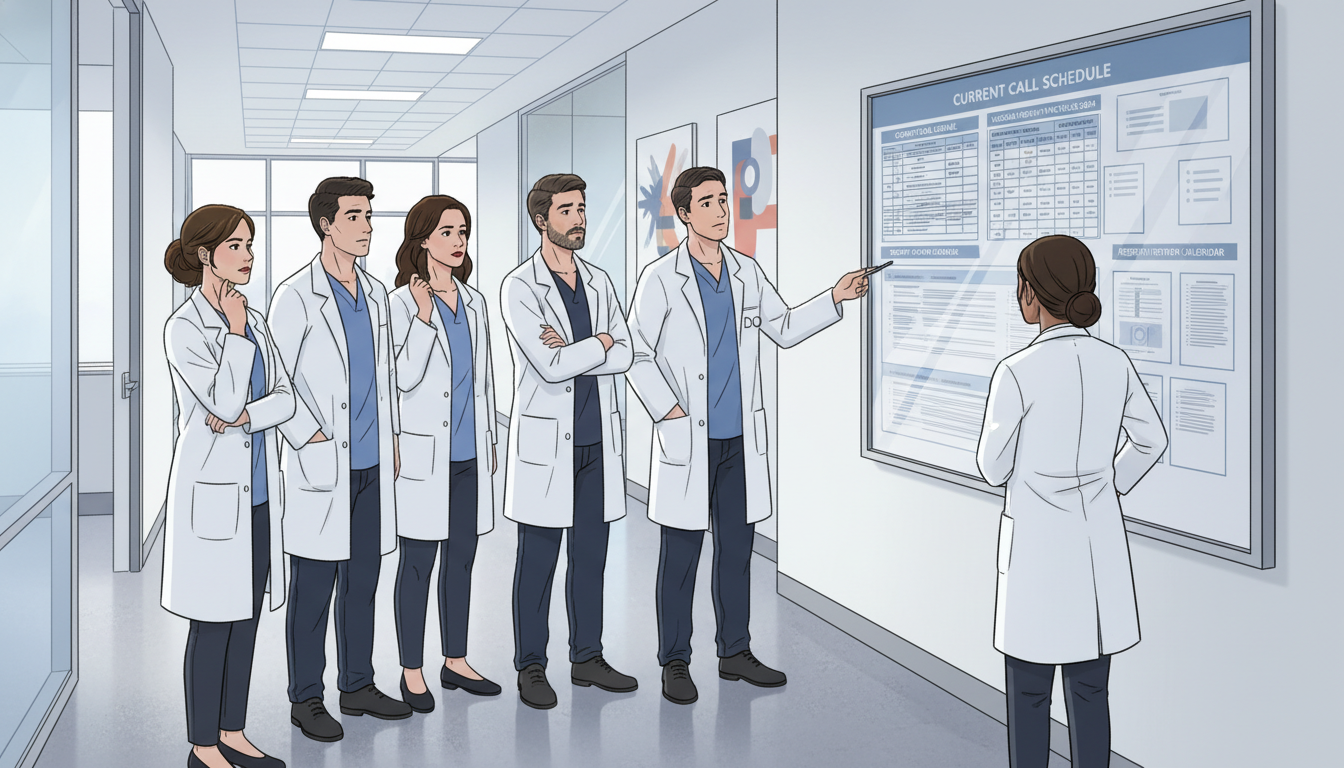
- Excessive cross-cover with no backup
- Predominantly “floor work” and paperwork, not OR time
- Protects categorical residents while prelims:
- Take disproportionate weekend and holiday calls
- Rarely get to attend didactics due to “service needs”
Ask explicitly:
- How many prelim vs categorical residents per class?
- Who covers nights and weekends?
- Do prelims have protected OR and educational time?
If prelims always seem to do the hardest work with the least return in terms of teaching and support, that’s a serious red flag.
2. Poor Educational Value: No Clear Path to Growth
Many IMGs use a preliminary year to:
- Transition into a categorical surgery position
- Strengthen applications for other specialties (anesthesiology, radiology, etc.)
- Build U.S. letters of recommendation
In a malignant program:
- No structured mentorship for prelims is available
- Prelims are excluded from conferences, simulation labs, or skills workshops
- Very few, if any, chief residents or faculty take responsibility for prelim career guidance
- Program leadership offers vague or noncommittal responses when you ask about:
- Letters of recommendation
- Research opportunities
- Support for re-application or transitioning to other specialties
An excellent but demanding program might say, “We work you hard, but we’re invested in your success.”
A malignant program will avoid these topics, or give scripted, superficial answers.
3. High Attrition, Low Morale, and Bad Outcomes for Prelims
Attrition is an important metric for any IMG residency guide. For preliminary surgery in particular, look at:
- How many prelims finish the full year?
- Frequent mid-year resignations or non-renewals = big warning sign
- How many prelims match into categorical positions (at that institution or elsewhere)?
- If the program cannot point to clear success stories, be skeptical
- How many prelims leave medicine or switch to unrelated fields because they are burned out or demoralized?
Indirect signs of low morale and malignancy:
- Residents speak in generalities and avoid specifics when you ask about prelim outcomes
- They say things like, “If you can survive this place, you’ll survive anywhere” without discussing what you actually learn
- They downplay your questions with, “Every program is like this,” when objective data (case logs, outcomes, duty hours) could easily clarify
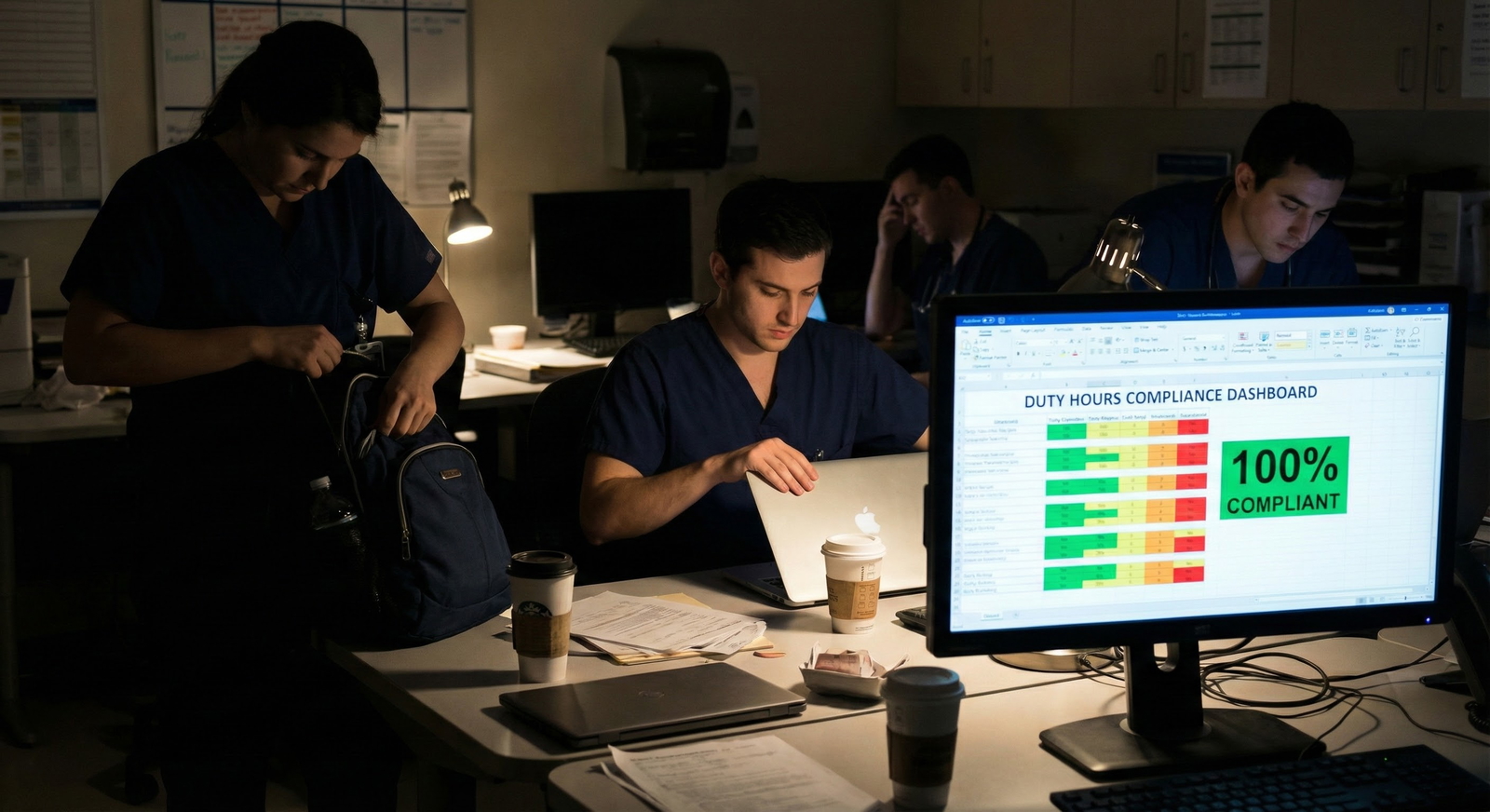
4. Chronic Violation of Duty Hours and Unsafe Workloads
In surgery, hard work is expected; but unsafe workloads are not.
Red flags include:
- Regular 100+ hour weeks reported by multiple residents
- “Official” compliance with duty hours but off-the-record expectations:
- Pre-rounding earlier than logged
- Staying after sign-out to complete notes or tasks “off the clock”
- Repeated pressure like:
- “If you report duty hours honestly, it will hurt our program”
- “Real surgeons don’t complain about hours”
For IMGs, challenging duty hours can be compounded by:
- Additional stressors: immigration paperwork, family abroad, financial strain
- Less familiarity with available wellness and reporting resources
Chronic overstretching of residents without adequate supervision or support indicates a potentially toxic program that prioritizes service over safety and learning.
5. Unprofessional Culture: Bullying, Harassment, and Discrimination
Malignant programs often have a culture characterized by:
- Public humiliation (e.g., attending yelling in front of staff or patients)
- Routine use of demeaning language, especially toward IMGs or those with accents
- Tolerance of:
- Racist or xenophobic jokes
- Sexist comments
- Hostile interactions in the OR framed as “toughening you up”
Residency red flags for IMGs include:
- Comments like:
- “IMGs usually struggle here.”
- “We don’t usually rank many IMGs, but we needed coverage this year.”
- Frequent blame placed on prelims for systemic issues, such as:
- Understaffing
- Poor processes
- Inefficient EMR
In a healthy program, the environment may be intense, but basic respect and professionalism are non-negotiable.

Specific Warning Signs for IMGs Before and During Interviews
1. What to Look for in Program Websites and Public Data
Use this IMG residency guide as a checklist when scanning program websites and official information.
Key questions:
- Do they distinguish clearly between preliminary and categorical tracks?
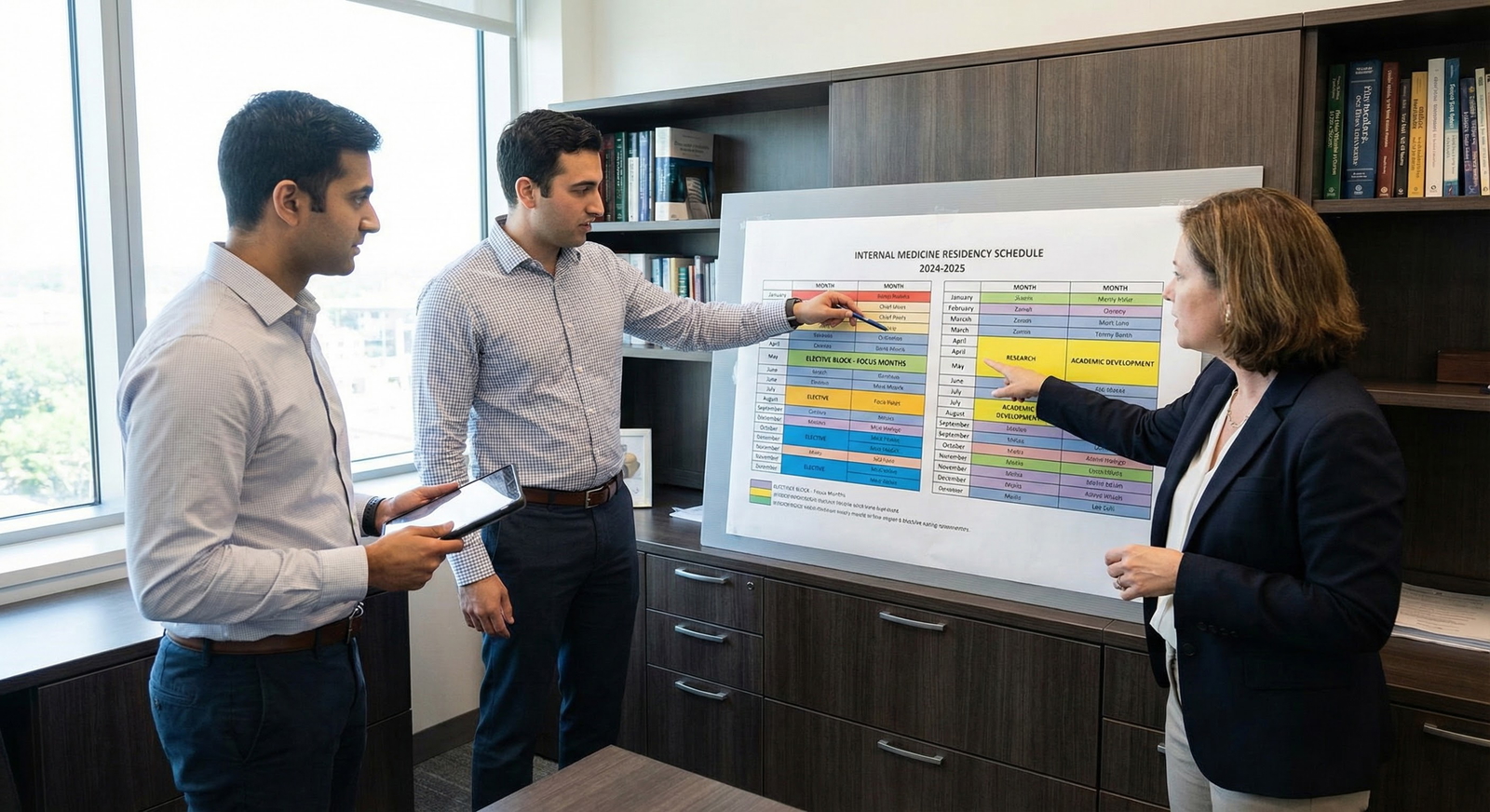
- Are prelim-specific educational goals, rotations, and expectations listed?
- Is there any information on:
- Career outcomes for recent prelim graduates?
- Support structures (mentorship, advising, wellness)?
- Do they advertise large numbers of prelim positions relative to categorical spots (e.g., 1 categorical / 10 prelims)?
- This imbalance can sometimes indicate a heavy service need dependent on disposable prelim labor.
Check additional data sources:
- ACGME public information (for citations or probation history)
- Program case logs and board pass rates (if available or discussed at interviews)
- Past match lists or alumni profiles (even if only partial)
If prelim residents appear almost invisible in the program’s public information, be cautious.
2. Red-Flag Language in Program Descriptions
Even curated descriptions sometimes reveal toxic program signs:
- Excessive emphasis on “grit, toughness, and resilience” without equal emphasis on mentorship, education, and support
- Phrases like:
- “You will be tested to your limits”
- “Only the strongest survive here”
- Overly proud statements about how much service they provide, without:
- Clear educational structure
- Defined operative experience
- Vague or generic statements about IMGs, like:
- “We occasionally accept highly qualified international medical graduates,” with no examples provided
A strong program doesn’t need to sound like a military boot camp to produce excellent surgeons.
3. How to Read Between the Lines on Interview Day
On interview day, your goal is to differentiate genuinely demanding but educational programs from malignantly toxic ones.
Ask targeted questions to multiple residents and faculty:
About prelim structure:
- “How do preliminary residents differ in their schedules and opportunities compared to categoricals?”
- “Are prelim residents assigned mentors? Who advocates for them?”
- “What percentage of last year’s prelims secured PGY‑2 categorical positions, either here or elsewhere?”
About culture and respect for IMGs:
- “How are international medical graduates integrated into the team?”
- “Can you share examples of IMGs who have flourished here?”
- “Have there been any changes in how the program supports IMGs over the last few years?”
About duty hours and wellness:
- “How often do you actually hit the 80‑hour limit?”
- “What happens if someone is beyond their capacity or struggling?”
- “Are there any wellness or fatigue-mitigation policies that actually work in practice?”
Pay attention to non-verbal cues and consistency:
- Do residents hesitate or look at each other before answering?
- Are answers overly polished and identical, suggesting they’ve been coached?
- Do some residents quietly message you (if virtual) to “talk offline” later? That may be a subtle sign they want to warn you.
4. Silent Signals from Residents
Residents often can’t openly say, “This is a malignant program,” but they may send indirect signals:
- Repeatedly saying:
- “It’s hard, but it’s fine” without giving specific positives
- “It’s survivable” as the highest praise
- Residents appearing exhausted, anxious, or disengaged during social sessions
- Senior residents dominating conversation, with juniors unusually quiet or guarded
Contrast that with healthy but rigorous programs where:
- Residents honestly acknowledge, “It’s intense and the hours are long,”
but quickly add:- “The teaching is excellent.”
- “Attendings care about our progression.”
- “Prelims from the last few years matched into X, Y, Z positions.”
Ranking Strategies: Protecting Yourself from Malignant Programs
1. Use a Structured Ranking Framework
When building your rank list, especially as an IMG targeting a preliminary surgery residency, use a simple scoring system:
Score each program (1–5) on:
- Educational value (operative time, teaching, didactics)
- Support for prelims (mentors, letters, success stories)
- Culture and professionalism (respect, inclusion, handling of mistakes)
- Duty hours and workload (realistic vs. abusive)
- IMG-friendliness (past IMGs, visa experience, cultural sensitivity)
Programs with consistently low scores on multiple dimensions—especially 2, 3, and 4—are likely to be malignant residency programs for prelims.
2. Weigh Risk vs. Reward for Each Option
You may be tempted to rank any surgery prelim high “just to be in the system.” But a bad prelim year can be worse than none if:
- You are too exhausted to study for or take exams (Step 3, specialty boards)
- You can’t get strong letters due to chaotic service or disengaged faculty
- You develop health or mental health problems that affect your long-term trajectory
As an IMG, consider whether a particular program:
- Gives you exposure that significantly improves your application
- Has actual examples of prior prelims moving into better roles
- Offers even minimal safeguards against burnout and abuse
Sometimes it’s better to rank slightly less prestigious but healthier programs higher than glamorous but clearly toxic ones.
3. Cross-Check with Unofficial Sources (Cautiously)
You can sometimes identify residency red flags from:
- Unofficial forums and review sites
- Alumni from your home school who rotated there
- Social media accounts of past residents
Approach these sources with caution:
- A single negative review may just reflect a personality conflict or isolated incident
- Multiple independent reports of:
- Unsafe workloads
- Hostile leadership
- Terrible treatment of prelims or IMGs
deserve serious attention
Whenever possible, verify allegations indirectly during interviews or follow-up communications.

If You Land in a Malignant Prelim Surgery Program: Next Steps for IMGs
Despite careful research, you may still match into a program that turns out to be malignant. For IMGs, this situation is especially complex because of visa and future match implications.
1. Early Assessment in the First 2–3 Months
In your initial months, try to objectively assess:
- Is the environment brutal but educative, or brutal and pointless?
- Are any people—attendings, chiefs, or program leadership—genuinely supportive?
- Do you see any success patterns (e.g., prelims transitioning to good positions)?
Document what you experience:
- Rotations, workloads, and actual duty hours
- Specific examples of harassment or unsafe practice
- Any positive experiences or supportive faculty (for future letters)
These notes can guide your decisions and protect you if serious problems arise.
2. Identify Allies and Mentors Quickly
Even in malignant programs, there are often individual allies:
- A reasonable attending who values teaching
- A senior resident who remembers what it’s like to be new
- A program coordinator who quietly supports residents
As an IMG in preliminary surgery, prioritize building relationships with:
- Faculty in your area of interest (e.g., general surgery, critical care, anesthesia)
- Chiefs known to be fair and balanced
- The program director (PD), if approachable, for honest discussion of your goals
These relationships can:
- Improve your daily experience
- Lead to good letters of recommendation
- Provide honest advice about your options
3. Know Your Options and Limitations (Especially with Visas)
Key considerations:
- Visa restrictions: J‑1 and H‑1B transfers have strict rules and timelines. Consult:
- Your program’s GME office
- Your visa sponsor (e.g., ECFMG for J‑1)
- Potentially an immigration attorney
- Transfer or re-match options:
- Some residents manage to switch into another program mid-year or for PGY‑2
- Others complete the prelim year and re-apply through ERAS with stronger U.S. experience
If the program is malignant but not illegal or overtly abusive, it may be safer to:
- Complete the year, focusing on survival, professionalism, and strategic networking
- Use that experience to pivot into a more supportive environment later
If the environment is truly unsafe (e.g., severe harassment, discrimination, or patient-endangering practices), consider:
- Reporting through internal channels (DIO/GME office)
- Contacting ACGME or ECFMG if applicable
- Seeking legal advice in extreme cases
4. Protect Your Health and Long-Term Career
No residency spot is worth permanent damage to your physical or mental health.
Practical steps:
- Use employee assistance programs (EAP) or counseling services if overwhelmed
- Maintain basic health habits as much as your schedule allows: sleep, hydration, small regular meals
- Stay connected with supportive people outside the program—family, friends, mentors
From a career perspective:
- Prioritize at least one or two strong relationships with attendings who:
- Supervise you regularly
- Can comment positively on your performance
- Ask early about letters of recommendation, ideally during or soon after a rotation where you’ve done well
- Continue to study and prepare for exams even if the environment is toxic; good scores can help you recover from a bad prelim experience
FAQs: Malignant Preliminary Surgery Programs for IMGs
1. How can I tell the difference between a “tough” program and a truly malignant one?
A tough program:
- Has long hours and high expectations
- Provides structured teaching, feedback, and operative exposure
- Respects residents’ basic dignity and safety
- Has clear success stories of prior prelims
A malignant program:
- Uses residents as expendable labor with minimal education
- Normalizes bullying, humiliation, or discrimination
- Ignores or punishes concerns about duty hours or patient safety
- Can’t show you positive outcomes for recent prelims
For IMGs, malignancy often shows up as isolation, lack of advocacy, and no real path forward after the year.
2. As an IMG, should I avoid all surgery prelim programs with many prelim spots?
Not necessarily. Some large academic centers legitimately need more hands and still:
- Provide solid teaching and structured rotations
- Offer good letters and networking opportunities
- Have a history of prelims matching into categorical positions
However, be cautious if:
- Prelims consistently do unbalanced service work
- There are very few examples of prelims ending up in good positions
- Residents hint that you’re essentially there only to “fill gaps”
Always ask directly about what happened to the last 2–3 classes of prelims.
3. What are some “must-ask” questions on interview day to detect toxic program signs?
Focus on prelim-specific issues:
- “How many prelims matched into categorical roles in the past 3–5 years, and in which specialties?”
- “What kind of mentorship or advising is available specifically for prelim residents?”
- “How are duty hours monitored and enforced on your surgical services?”
- “What support is available if a resident is struggling with workload or wellness?”
- “Can I speak with a current or recent prelim resident?”
Their responses—and how comfortable residents look answering—will provide critical clues.
4. If I realize my prelim program is malignant after starting, will it ruin my career?
It doesn’t have to. Many residents, including IMGs, recover from a difficult prelim year and go on to:
- Secure categorical surgery positions elsewhere
- Match into related specialties (e.g., anesthesia, radiology, EM, IM)
- Build strong careers using the resilience and skills they developed
Key steps:
- Stay professional, reliable, and focused on patient care
- Identify at least one or two supportive faculty members for letters
- Document your achievements (cases, research, teaching, quality projects)
- Use the experience to clarify your goals and target healthier programs the next time you apply
By understanding the distinct residency red flags of malignant programs—particularly in preliminary surgery—and using structured questions and research, you can make more informed decisions as an international medical graduate. Tough training can build you; toxic environments can break you. Your task is to recognize the difference early, protect yourself, and choose paths that support both your dream of surgery and your long-term well-being.