Why Identifying Malignant Urology Programs Matters Especially for IMGs
For an international medical graduate, the urology match is already one of the most challenging pathways in U.S. graduate medical education. Urology is highly competitive, relatively small, and heavily network-driven. Entering a malignant residency program—one with a chronically toxic culture, unsafe workload, or systemic disrespect—can damage not just your well-being but also your clinical development, fellowship options, and long‑term career satisfaction.
As an IMG, you may have fewer informal networks, limited in-person exposure to U.S. hospitals, and less insight into “whisper networks” that American graduates rely on to identify malignant programs. This IMG residency guide focuses on helping you recognize residency red flags early so you can avoid toxic program signs and target supportive, growth-oriented environments.
In this article, you’ll learn:
- What “malignant” means in the context of urology residency
- Why IMGs are at particular risk and how to protect yourself
- Specific, practical red flags at every stage: websites, emails, interviews, and resident interactions
- How to evaluate a urology residency for education quality, workload, and culture
- What to do if you suspect a program is malignant but still need interviews
What Does “Malignant” Mean in a Urology Residency?
“Malignant residency program” is informal language, but applicants and residents use it consistently to describe programs with deeply unhealthy training environments that go beyond normal stress and workload. Every residency is demanding; malignant programs are chronically harmful.
Core Features of a Malignant Urology Program
Most malignant programs share several elements:
Systemic Disrespect and Intimidation
- Routine public shaming or humiliation in conferences or the OR
- Attendings or senior residents yelling at juniors, nurses, or patients
- “Teaching” that primarily consists of ridicule or personal attacks
- Normalization of bullying as “that’s how we learned”
Excessive, Unsafe Workload
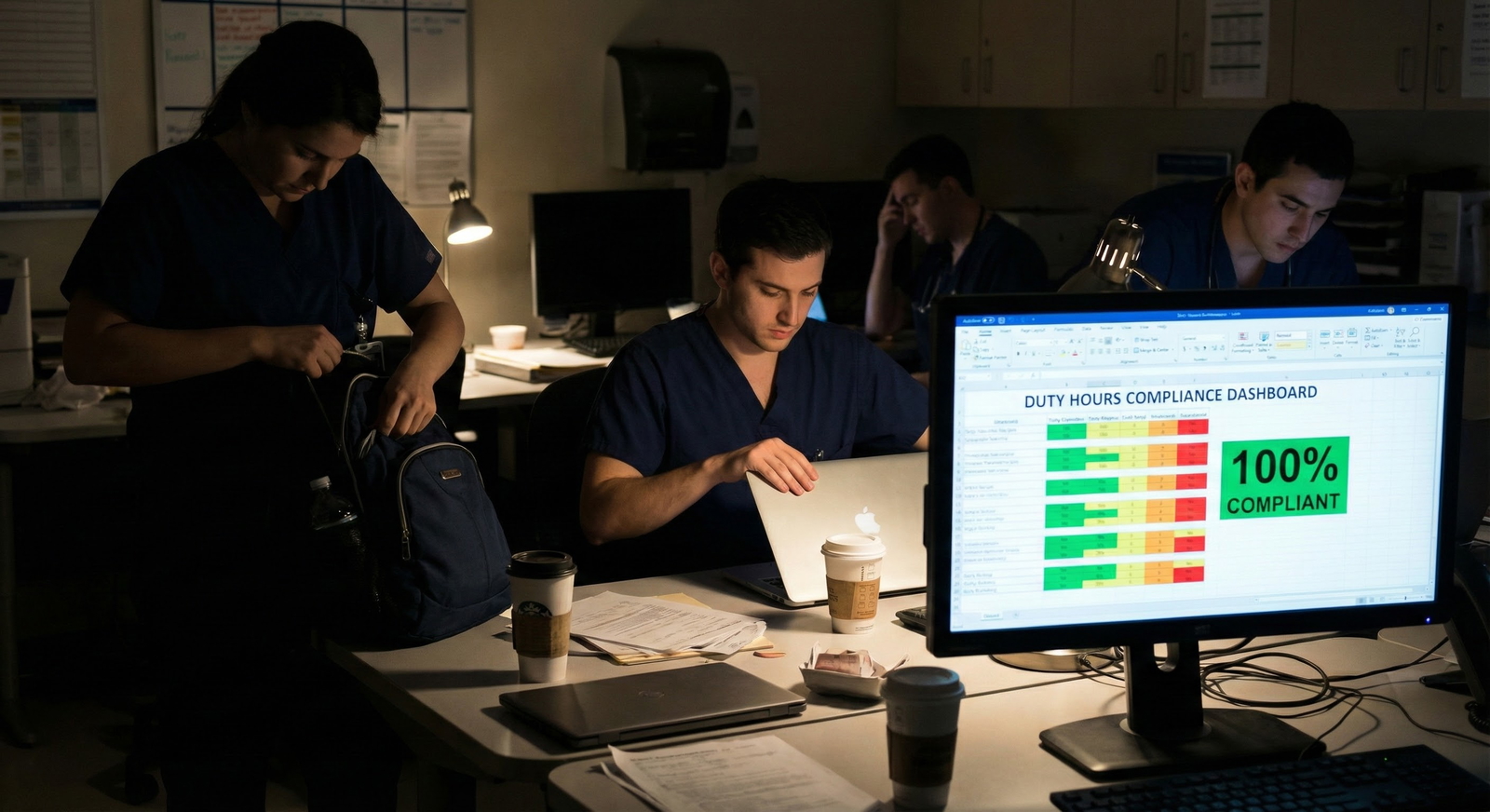
- Regularly exceeding duty hours without documentation or with pressure to “under-report”
- Chronic understaffing, with residents covering unsafe patient volumes or multiple services simultaneously
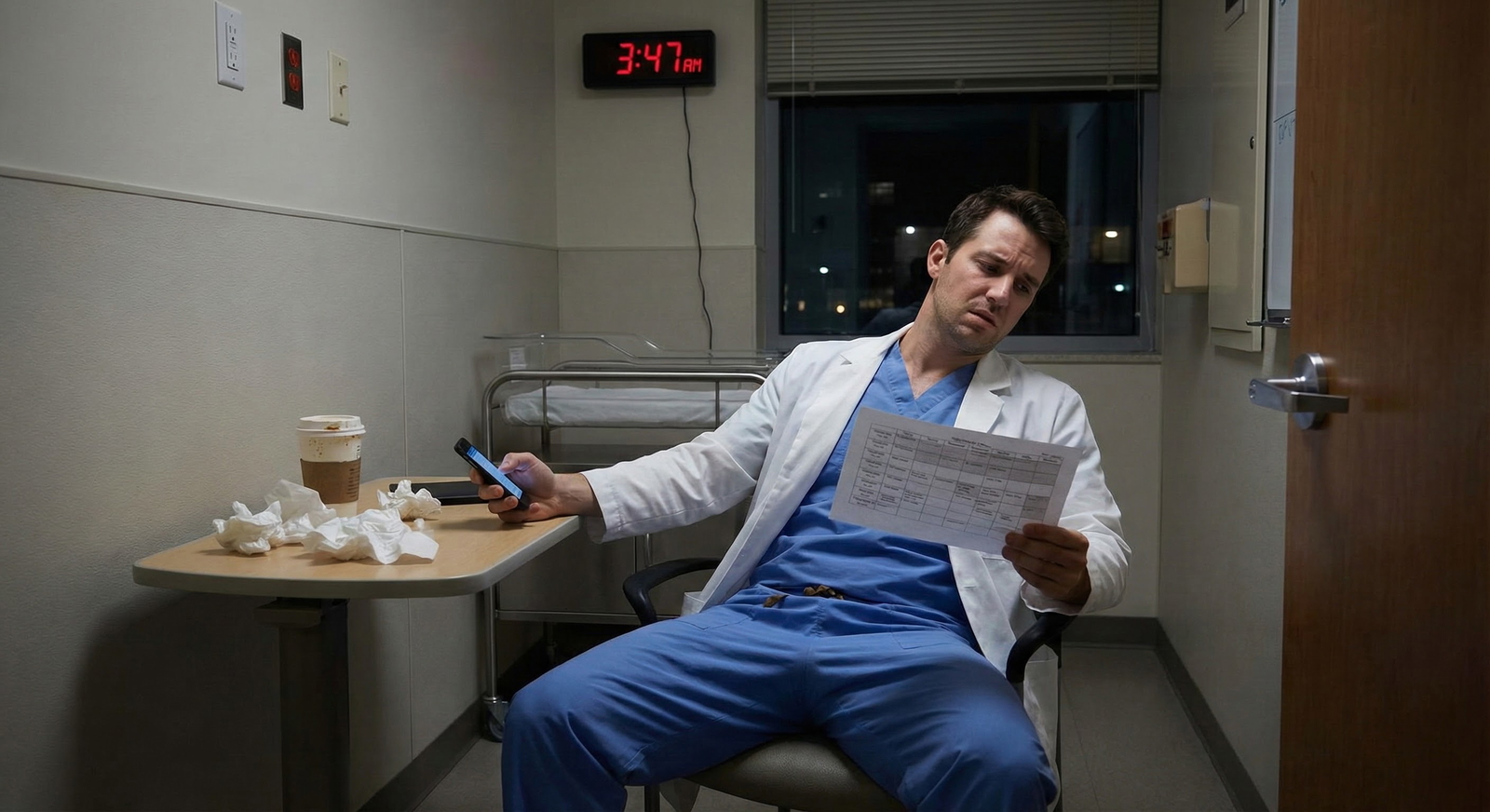
- Frequent shifts with no time to eat, hydrate, or rest, presented as expected rather than exceptional
Lack of Educational Focus
- Residents functioning mainly as scut workers and administrators, not surgeons-in-training
- Minimal structured teaching, feedback, or case-based learning
- Residents graduating with inadequate surgical numbers or poor board pass rates
Punitive, Retaliatory Culture
- Retaliation (bad evaluations, schedule punishment) for raising concerns about safety, workload, or abuse
- Residents discouraged from reporting to GME or using formal grievance processes
- Culture of fear where people “just keep their heads down”
Chaotic or Dishonest Administration
- Abrupt schedule changes with no explanation
- Misleading promises in recruitment that do not match reality
- No transparent process for evaluations, promotions, or remediation
Not every program with problems is “malignant.” But when several of these are persistent and normalized, you are dealing with a toxic training environment.
Why This Matters More in Urology
Urology has specific features that can amplify the impact of a malignant culture:
- Small community: Faculty know each other nationally. A bad training environment can follow you if you are known as “that resident from the problematic program who struggled.”
- High operating room time: Malignant OR cultures (shouting, throwing instruments, shaming) can deeply affect your learning and confidence as a surgeon.
- Early sub‑specialization and fellowship dependence: Weak operative training can make you less competitive for fellowships and jobs.
- Limited transfer options: Because urology spots are few, moving to another residency is harder than in larger fields like internal medicine.
For these reasons, identifying residency red flags before ranking programs is essential for long‑term success.
Why IMGs Are More Vulnerable—and How to Compensate
As an international medical graduate, you bring resilience and diversity of experience, but you also face structural disadvantages when navigating the urology match.
Unique Challenges for IMGs
Less Informal Intelligence on Programs
U.S. students often hear whispers from seniors: “Stay away from that place; the program director is toxic.” IMGs, especially those not doing a full U.S. medical school curriculum, rarely have this network.Visa Dependence
- Visa sponsorship ties you to your employer.
- Changing programs may risk your immigration status.
- Malignant programs sometimes weaponize this dependence to pressure IMGs.
Power Imbalance and Fear of Retaliation
- As an IMG, you may feel less secure speaking up about abuse or contract violations.
- You may fear reputational damage in a small, networked specialty.
Cultural and Communication Barriers
- Certain behaviors you see as normal hierarchy may be considered abuse by U.S. standards—or vice versa.
- You may misinterpret red flags as “just how things are here.”
Strategies for IMGs to Protect Themselves
Build a Surrogate Network Early
- Connect with recent alumni from your home institution who matched in the U.S., even in other specialties.
- Join urology interest groups (AUA sections, SUFU, subspecialty Zoom groups) and ask discreetly about program reputations.
- Use IMG‑focused communities (WhatsApp, Telegram, Facebook groups, Reddit) to gather crowd-sourced feedback—but always verify.
Do a Targeted Urology Rotation (if possible)
- A U.S. rotation (elective, sub‑I, or research year with clinical exposure) allows you to experience culture in real time.
- Ask residents privately, “If you could do it again, would you still choose this program?”
Educate Yourself on Rights and Standards
- Review ACGME requirements for duty hours, supervision, and educational structure.
- Understand what is not allowed: e.g., falsifying duty hours, unsupervised surgery beyond your competence, harassment.
Develop a Clear Personal Red‑Flag List
Before interview season, write down:- Behaviors you will not tolerate (e.g., screaming in the OR, documented duty hour violations, discrimination)
- Conditions you can manage but will watch (e.g., high volume but strong mentorship, limited research but supportive environment)
This list helps you objectively evaluate programs instead of being swayed by prestige or fear.

Step-by-Step: How to Spot Residency Red Flags at Each Stage
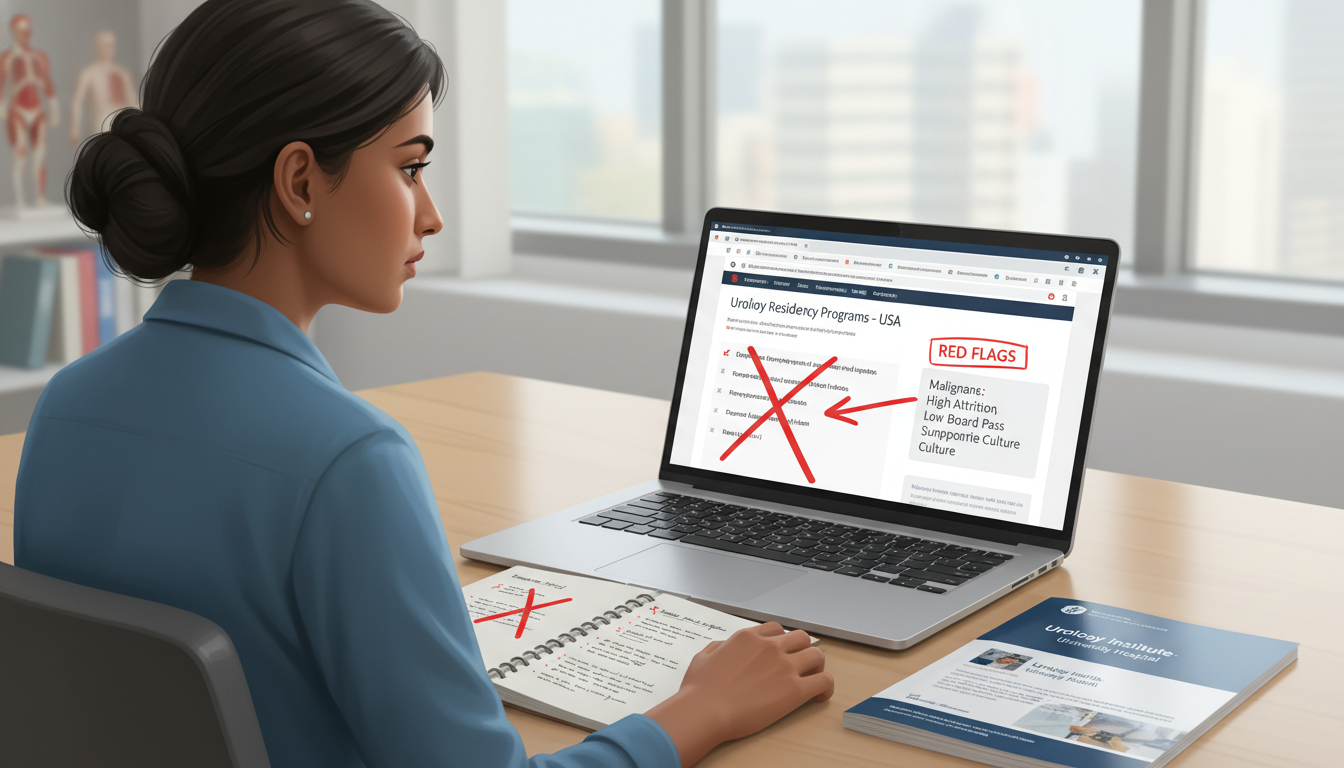
You can systematically assess programs at multiple points in the urology match process: website review, pre‑interview contact, interview day, and post‑interview follow‑up.
1. Screening Programs from Afar: Websites and Public Data
Even before applying, you can identify early warning signs.
A. Website and Online Presence
Red flags:
Outdated or incomplete resident list
- Missing current residents, especially recent graduates
- No details on alumni placement or board pass rates
- Possible indicator of turnover or residents leaving the program
Vague or absent educational information
- No rotation schedule, call structure, or case expectations
- “We offer a comprehensive experience” without specifics
- Lack of details about clinic/OR balance or subspecialty exposure
No mention of diversity or wellness
While not definitive, complete silence about inclusion, wellness resources, or resident support can correlate with a less supportive culture.
Positive signs:
- Transparent case numbers and board pass rates
- Clear rotation schedules, call policies, and duty hour statements
- Profiles that show IMG residents and their success stories
B. ACGME and NRMP Data
Look for:
- Recent ACGME citations: Some may be minor, but repeated citations related to duty hours, supervision, or patient safety are concerning.
- Board pass rates: Multiple recent failures may suggest weak education or poor support.
- Sudden changes in program size: Rapid downsizing or frequent loss of residents hints at internal problems.
2. Pre‑Interview Communication
How the program interacts with you before the interview offers additional clues.
Red flags:
Disorganized or disrespectful email communication
- Last‑minute schedule changes without apology or explanation
- Aggressive demands for documents with unrealistic deadlines
- Unclear or conflicting information about interview logistics
Inappropriate personal questions before interview
- Detailed visa or family questions not relevant at this stage
- Pressuring you about commitment to their program before you’ve even interviewed
Positive signs:
- Prompt, respectful responses from the coordinator
- Clear, detailed interview instructions with backup contact numbers
- Willingness to answer IMG‑specific questions about visas and support
3. Interview Day: The Most Critical Moment to Detect Malignancy
Your interview day is the single richest source of information about culture. Go in with a structured checklist focused on toxic program signs.
A. Resident Behavior and Tone
Ask yourself as you interact with residents:
- Do they seem tired but content, or exhausted and demoralized?
- Do they speak candidly, or are they guarded and looking over their shoulder?
- Do they spend more time defending the program than describing its strengths?
Specific red flags:
- Residents explicitly telling you:
- “We’re like a family—dysfunctional, but we survive.”
- “We work a lot; it’s not really adherent to duty hours, but you just do it.”
- Whispered warnings when faculty are not present (e.g., “If you match here, just keep your head down and don’t complain.”)
- Visible fear or deference when a particular attending or PD walks into the room.
B. Faculty Questions and Attitudes Toward IMGs
As an international medical graduate, pay close attention to how faculty talk about IMGs.
Concerning behaviors:
- Questioning your worthiness to train in the U.S.
(“Why should we take an IMG when we have plenty of U.S. grads?”) - Framing IMGs as liabilities:
- “IMGs often struggle with our pace.”
- “We expect you to prove we weren’t wrong to take an IMG.”
- Jokes or comments about accents, your country of origin, or visa status.
- Vague or evasive answers about visa support, or suggesting they may reduce IMG positions soon.
Positive signs:
- Faculty describing previous successful IMGs and their careers
- Clear outline of visa processes with institutional support
- Genuine interest in your background as an asset, not a risk
C. Educational Focus vs. Service Burden
Ask concrete questions such as:
- “How often do junior residents get to operate vs. retract or just write notes?”
- “Can you describe a typical day for a PGY‑2 on the general urology service?”
- “How are duty hours monitored and enforced?”
Red flags:
- Residents saying they routinely violate duty hours and just “fix it in the system.”
- Lack of scheduled didactics, or residents regularly pulled from teaching for service needs.
- Minimization of your concerns: “It’s just residency; everyone suffers.”
Positive signs:
- Protected teaching time that is genuinely respected
- Examples of residents being excused from non-essential tasks to be in the OR
- Microlearning in daily practice: attendings using cases to teach, not just to criticize
D. How They Handle Difficult Questions
Ask at least one question about challenges:
- “What are you currently working to improve in the program?”
- “Have there been any recent ACGME citations, and how did you address them?”
Healthy responses:
- Candid acknowledgment of issues and concrete steps being taken
- Examples of resident input leading to real changes
Malignant responses:
- Defensive or angry tone: “We don’t have problems here.”
- Blaming residents for past complaints: “Some residents just weren’t tough enough.”
- Refusal to answer directly or changing the subject.

Specific Red Flags for Malignant Urology Programs
This section distills the most important residency red flags into focused categories, tailored for IMGs and the urology match.
1. Culture and Professionalism
- Normalizing abuse: Residents or faculty stating that yelling, swearing, or humiliation is “part of training.”
- Open hierarchy without psychological safety: Juniors afraid to ask questions or admit uncertainty.
- Tolerance of discrimination or harassment:
- Sexist jokes in a male-dominated field
- Racist remarks targeting IMGs or minority residents
- Dismissive comments about patients from certain backgrounds
2. Resident Turnover and Morale
- Multiple residents who have left the program in the last few years (without clear, benign reasons like family moves).
- Residents discouraging you from ranking the program highly, even subtly.
- Frequent expression of regret: “I probably wouldn’t choose this place again, but the fellows and graduates do fine.”
When you hear this, dig deeper: Are they “surviving” despite the program, or thriving because of it?
3. Education vs. Service
- No clear case volume expectations and residents unable to describe what a graduating chief typically sees.
- Chief residents reporting they still struggle to meet minimum surgical numbers.
- Heavy emphasis on service for other departments, e.g., constant consults and scut work instead of primary urology cases.
For the urology match, pay close attention to:
- Exposure to core procedures: cystoscopy, TURP, ureteroscopy, PCNL, prostatectomy, nephrectomy, reconstructive cases.
- Balance of oncologic, endourology, reconstructive, and pediatric exposure.
4. Duty Hours, Call, and Sleep
- Routine 24+ hour unbroken shifts without in-house relief.
- Residents casually saying they routinely under-report hours to avoid trouble.
- Pressure from leadership to “be a team player” instead of obeying ACGME duty hour rules.
Ask:
- “How is post‑call day structured?”
- “Has anyone ever been punished for accurately reporting long hours?”
5. Visa Sponsorship and IMG Treatment
As an IMG, specific malignant behaviors include:
Using visa status as leverage:
- “If you don’t like it, you can leave, but good luck with your visa.”
- Threats to delay forms or letters unless residents comply with unreasonable demands.
Lack of transparency about visa types:
- No clear explanation of J‑1 vs. H‑1B policies.
- Changing visa policies suddenly without warning.
IMGs clustered in the heaviest workloads while U.S. grads receive better opportunities, clinics, or mentors.
6. Leadership Patterns
Watch for:
- Long history of PD turnover or sudden leadership changes without explanation.
- PD or chair with a reputation (online or via word of mouth) for abusive behavior.
- Leadership dismissing residents as “whiners” or “not like the old days.”
If multiple former residents describe the same pattern of behavior in leadership—especially related to intimidation, retaliation, or unethical behavior—take it seriously.
How to Use This Information When Ranking Programs
Once you’ve collected your impressions, you need to translate them into a realistic rank list strategy.
1. Weighing Red Flags vs. Practical Realities
As an IMG in a competitive field, you might feel pressure to accept any urology spot. But a truly malignant program can:
- Burn you out to the point of leaving the specialty
- Damage your confidence and skills as a surgeon
- Compromise your long‑term visa, fellowship, and job prospects if you are forced to resign or fail to graduate
Ask yourself:
Is this program merely high-volume and demanding, or truly malignant?
- High volume with mentorship, respect, and structure can be excellent.
- Malignancy is about chronic disrespect, dishonesty, and disregard for your well-being.
Are there other programs with similar training quality but healthier culture?
What are my realistic alternatives?
- Prelim general surgery year with reapplying?
- Different specialty?
- Research year to strengthen your application?
2. Building a Safe but Ambitious Rank List
- Rank all programs where you could realistically see yourself functioning safely and growing, even if not your first choice.
- Consider ranking malignant programs lower, even below non-urology backup options, if the evidence of toxicity is strong and multiple.
For some IMGs, a borderline program may still be acceptable if:
- Red flags are moderate but not severe (e.g., heavy workload but respectful culture).
- There is strong evidence of graduates matching into good fellowships and jobs.
- You are sure you can handle the environment while protecting your health and visa.
3. Confirming Concerns After Interview Season
You can do a final check before certifying your rank list:
- Contact alumni or current residents you trust for a private conversation.
- Search for news articles or public complaints about patient safety, lawsuits, or accreditation issues.
- Ask mentors or faculty in urology (even outside the U.S.) if they’ve heard anything about specific programs.
If multiple independent sources confirm that a program is widely known as malignant, take it very seriously.
Frequently Asked Questions (FAQ)
1. As an IMG, should I ever rank a clearly malignant urology residency program?
In most cases, you should not rank a program you believe to be clearly malignant—especially if you have any alternative path (research year, prelim year, different specialty, or reapplying). A toxic program can jeopardize both your medical career and immigration status. However, “clearly malignant” requires solid evidence: multiple red flags, resident warnings, and consistent reputation. Avoid basing this judgment on a single negative comment.
2. How do I distinguish between a “tough but good” program and a malignant one?
A tough but good program typically has:
- High workload but clear educational pay‑off (excellent case numbers, fellowship placements)
- Respectful, supportive leadership despite high expectations
- Residents who are tired but still recommend the program and speak positively of training
A malignant program has:
- Persistent disrespect, intimidation, or harassment
- Lack of transparency, retaliation for speaking up
- Residents warning you (explicitly or subtly) not to come, or saying they regret matching there
Focus less on hours alone and more on how people treat each other and whether education is a true priority.
3. How can I, as an IMG, safely ask residents about malignant features during interviews?
You can use neutral, open-ended questions such as:
- “What kind of resident tends to thrive here, and who tends to struggle?”
- “Can you tell me about a time residents raised a concern and how the program responded?”
- “If your sibling wanted to go into urology, would you recommend they train here?”
Ask these in resident-only sessions or one-on-one conversations after the formal schedule, where residents feel freer to be honest.
4. What if my only urology offer seems malignant—should I still match there?
This is a deeply personal decision. Reflect on:
- The severity and number of red flags
- Your alternative options (including a possible second application cycle)
- Your personal resilience, support network, and visa timeline
In many cases, entering a severely malignant urology residency as an IMG may be riskier than delaying your training to seek a better program or even reassessing specialty choices. Discuss this decision with mentors who understand both the urology match and IMG realities.
Identifying malignant programs in urology is challenging, especially for international medical graduates with limited local insight. By systematically analyzing culture, workload, education, leadership, and IMG-specific issues at every step of the urology residency application, you can minimize risk and target training environments where you will be respected, supported, and prepared for a successful surgical career.