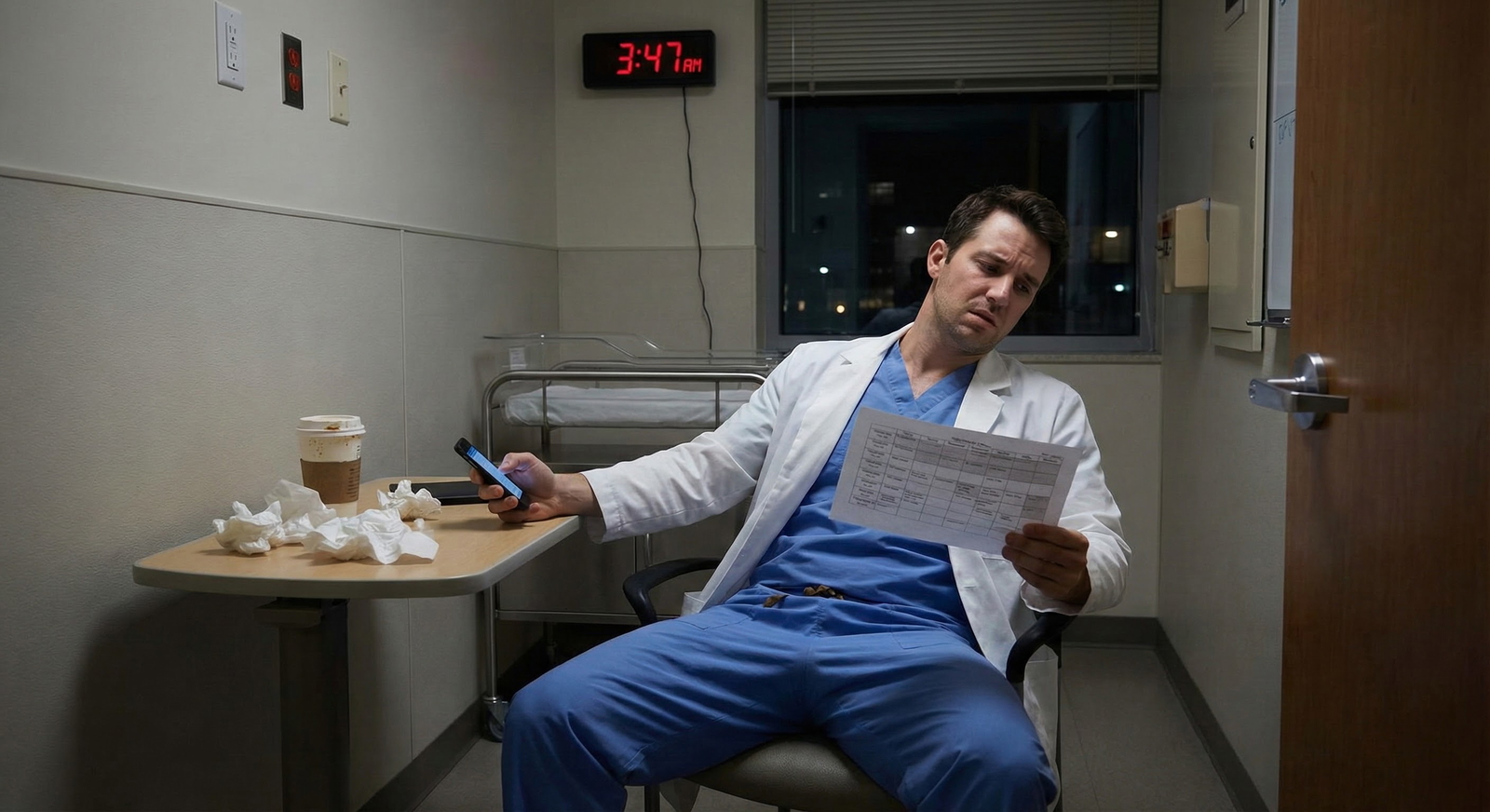
Understanding Resident Turnover as an IMG in Psychiatry
Resident turnover is one of the most important—but often underappreciated—signals about the health of a residency program. For an international medical graduate (IMG) seeking psychiatry residency, recognizing resident turnover warning signs can be the difference between a supportive training environment and years in a toxic, unstable program.
In psychiatry, where emotional labor, burnout, and complex systems issues are common, patterns of residents leaving a program can reveal hidden problems: unsafe workloads, poor supervision, bullying, or even accreditation concerns. This IMG residency guide focuses on how you, as an international medical graduate, can assess resident turnover, interpret what it means, and protect yourself before ranking programs for the psych match.
We will cover:
- What “turnover” really means in a residency context
- Normal vs concerning levels of resident turnover in psychiatry
- Specific red flags during interviews and research
- Unique considerations and warning signs for IMGs
- Practical strategies to investigate and verify program stability
By the end, you should be able to look beyond glossy websites and polished interview days to identify real resident turnover red flags and make more informed choices.
What Does “Resident Turnover” Actually Mean?
“Resident turnover” is more than just a resident switching programs. It includes any pattern of residents:
- Leaving a program before graduation
- Transferring to another psychiatry residency
- Switching specialties entirely
- Stepping away from training for “personal reasons” (especially in clusters)
- Being dismissed, not promoted, or not renewed
In isolation, single departures can be benign: life happens, people discover new interests, family situations change. However, from an IMG perspective, repeated or patterned residents leaving program is often a strong indicator of underlying program problems.
Why Turnover Matters More for IMGs
As an international medical graduate, you often face additional vulnerabilities:
- Visa dependence: Your immigration status may be tightly bound to your residency contract. An unstable program could put your visa at risk.
- Less mobility: Transferring programs as an IMG is harder, especially on a visa.
- Limited informal networks: You may have fewer local mentors or alumni who can warn you about a troubled program.
- Power dynamics: IMGs may feel less empowered to escalate concerns or report mistreatment.
Because of this, what might be survivable for a well-connected US graduate can be devastating for an IMG. That is why understanding the difference between normal churn and problematic resident turnover is essential for your psych match strategy.
Normal vs Concerning Turnover in Psychiatry Programs
Not all turnover is bad. A thoughtful IMG residency guide must distinguish between expected variation and dangerous patterns.
Examples of Normal or Acceptable Turnover
Some scenarios should not necessarily alarm you:
- A single transfer over several years: One resident moved to be closer to their partner or family.
- Occasional academic or performance issues: One dismissal in many years, with transparent remediation processes.
- Life events: A resident takes leave for health, pregnancy, or family crises, with clear support from the program.
- Planned research or chief years elsewhere: A resident leaves after categorical training for a specialized fellowship or research program.
Well-run programs will usually be open and matter-of-fact about these situations. Their story is coherent, and other residents’ accounts are consistent.
Patterns That Should Raise Concern
In contrast, warning signs of problematic resident turnover include:
- Multiple residents leaving within the same year or consecutive years
- Several PGY-2 or PGY-3 residents “disappearing” from the roster without clear explanations
- Frequent mid-year changes in resident schedules or class size
- Pattern of “personal reasons” repeatedly cited—but residents look stressed or avoid eye contact when you ask
- High number of transfers out compared to peer programs of similar size
Psychiatry is generally considered less physically grueling than some other specialties, so very high turnover is often more about program culture, leadership, or systemic issues rather than just “everyone was burned out from work hours.”
A rule of thumb:
If a medium-sized psychiatry residency (e.g., 6–10 residents per year) loses ≥2 residents per class over a few years, that is a major resident turnover red flag and warrants deeper investigation.
Resident Turnover Red Flags to Watch for During Interviews
Your interview day is not just about selling yourself; it’s also your chance to evaluate whether residents are stable, supported, and staying. Below are key resident turnover warning signs to actively look for and how to ask about them tactfully.

1. Missing Faces and Vague Explanations
Warning sign: The program website lists more residents than you see, or there are unexplained gaps in the PGY rosters.
Action steps:
- Before the interview, print or save the resident roster from the website.
- During resident-only time, casually ask:
- “I noticed on the website there used to be X residents in your class. Has the class size always been the same?”
- “Do residents usually stay all four years here?”
- Watch for:
- Long pauses
- Residents glancing at each other before answering
- Generic phrases like “people have personal reasons” repeated multiple times
One such case may be understandable; a pattern of avoidance is a concern.
2. Defensive or Over-Rehearsed Responses
Warning sign: When you gently ask about previous residents, the responses feel rehearsed, defensive, or overly polished.
Common phrases in problematic programs:
- “Every program has people leave sometimes, it’s totally normal.”
- “They just weren’t a good fit,” used repeatedly for multiple former residents.
- “We’re working on improving communication,” with no details.
- “We can’t really discuss that; it’s confidential,” used to shut down any question about turnover.
While confidentiality is important, a healthy program can still describe patterns honestly without violating privacy (e.g., “Over the last five years, two residents left for family reasons; we had one transfer to another program closer to home.”).
3. Inconsistent Stories Between Residents and Faculty
Warning sign: Faculty give one narrative about turnover, while residents give a very different—or much more guarded—version.
Examples:
- PD (Program Director): “We’ve never had residents leave for negative reasons.”
- Later, a senior resident says quietly: “We’ve had a couple of people leave, but it’s complicated,” and looks uncomfortable.
or
- PD: “Workload is well balanced; duty hours always met.”
- Residents: “It’s… manageable,” followed by nervous laughter, and they quickly change the subject.
For an IMG, such contradictions are especially worrisome because it suggests lack of transparency and possible fear of speaking openly, which can translate into difficulty advocating for yourself later.
4. Frequent Leadership Turnover
High faculty and leadership turnover often correlates with resident churn and program problems.
Signals to watch:
- New PD in the last year, and new Associate PD in the same period
- Multiple program coordinators over a short time
- Residents referring to “all the changes lately” without clear explanation
Questions you can ask:
- “How long has the program director been in this role?”
- “Have there been major changes in leadership in the last few years?”
- “How have those changes affected residents day-to-day?”
Leadership transitions can be positive, but rapid and repeated changes often signal deeper institutional instability.
5. Overemphasis on “Resilience” and “Thick Skin”
In psychiatry, resilience is important—but it can also be a euphemism.
Warning signs:
- Faculty repeatedly say residents must be “tough,” “thick-skinned,” or “able to handle pressure” without describing what support systems exist.
- Residents joke about “surviving” the program more than enjoying it.
- When asked about wellness, people talk mostly about self-care rather than structural supports (reasonable caseloads, protected didactics, supervision).
Taken with other resident turnover warning signs, this language can indicate a culture that blames residents for systemic issues.
Special Red Flags and Risks for IMGs in Psychiatry
IMGs often ask whether a program is “IMG-friendly.” That is important—but equally important is whether a program is IMG-safe, especially where resident turnover is concerned.
1. IMG-Specific Instability Patterns
For an international medical graduate, pay particular attention to:
- Do departing residents disproportionately include IMGs?
- Do IMGs more often leave after PGY-1 or PGY-2?
- Are there stories of visa issues, contract non-renewal, or delayed promotion specifically involving IMGs?
If possible, discreetly ask current IMG residents:
- “Have IMGs historically done well here?”
- “Has anyone had difficulty renewing their visa or contract?”
- “Would you recommend this program to another IMG from your own country?”
If the answer is hesitant or noncommittal, consider that a serious resident turnover red flag.
2. Lack of Transparency About Visa Policies
For IMGs, staffing and immigration are tightly linked. Program problems can quickly become immigration problems.
Warning signs:
- Program cannot clearly state what visa types they sponsor (J-1 vs H-1B).
- Residents seem confused or anxious about their visa status.
- Past IMGs had to leave suddenly due to “paperwork issues.”
- No dedicated institutional support for immigration (e.g., a GME office with an immigration specialist).
Ask directly but politely:
- “How does the program support IMGs with visa renewals?”
- “Have any residents had visa-related interruptions in training?”
A vague or dismissive answer should lower the program on your rank list.
3. Unequal Treatment or Role for IMGs
In some programs with residents leaving program, there may be subtle patterns:
- IMGs consistently assigned heavier workloads or less desirable rotations.
- Fewer IMG residents appointed as chiefs or sent to conferences.
- IMGs report feeling less supported in remediation situations.
This may not always show on the surface. Try to speak one-on-one with an IMG resident and ask:
- “Do you feel you are treated the same as US graduates?”
- “Have you ever felt your background affected evaluations or opportunities?”
If they hesitate, pause, or suggest “you may need to prove yourself more as an IMG here,” consider that a significant warning.
How to Research Resident Turnover Before and After Interview Day
Your investigation should start long before interview day and continue as you finalize your rank list. Here is a structured approach tailored for an IMG psychiatry applicant.

1. Analyze Historical Rosters and Graduates
Steps:
- Go to the program’s website.
- Look at resident rosters for the last 3–5 years (use the Wayback Machine if older pages are not available).
- Track:
- How many residents started in each class?
- How many appeared to graduate?
- Any obvious drop in the number of senior residents vs. juniors?
If PGY-4 lists show significantly fewer residents than PGY-1 lists from three years prior, that suggests people left or were dismissed.
2. Check Program Accreditation and Public Records
Red flags include:
- ACGME citations, warnings, or recent probation
- Sudden reduction in approved resident positions
- Hospital financial instability or department restructuring
While not always openly disclosed, you can:
- Look up the program on ACGME public pages (some information is available).
- Search “[Program Name] psychiatry residency problems,” “[Program Name] residents leaving program,” or “[Program Name] ACGME warning.”
- Ask upper-year residents from your medical school or observership sites if they’ve “heard anything” about the program.
3. Use Alumni Networks and Online Communities Carefully
You can gather useful information from:
- Alumni from your own medical school who matched into that program
- Former observership or externship mentors
- Online forums, but with caution (Reddit, specialty forums, etc.)
When you hear that multiple residents have left a program, probe:
- “Do you know why they left?”
- “Was it one individual’s issue, or several residents over a few years?”
- “Would you apply there again, knowing what you know now?”
Be wary of a single angry comment, but take repeated similar stories seriously.
4. Compare Resident Turnover Across Your List
Make a simple table for each program you’re considering:
- Number of residents per year
- Known or suspected departures in last 5 years
- Leadership stability (years PD has been in role)
- IMG representation and outcomes
- Any mention of resident turnover red flags from conversations
Patterns will quickly become clear. Programs with chronic instability often stand out when you view them side by side.
How to Ask About Turnover Without Hurting Your Chances
Many IMGs worry that asking about resident turnover will look “negative.” In reality, well-run programs respect applicants who show insight and due diligence. The key is tone and wording.
Framing Your Questions Professionally
You can phrase questions in a neutral, data-driven way:
- “I’m interested in understanding residents’ longitudinal experiences. Over the last 5–7 years, have most residents completed the program, or have there been some who transferred or left early?”
- “Could you share how often residents have left the program before graduation and, in general terms, what factors contributed?”
- “What changes have you implemented in response to resident feedback or turnover in the past?”
With residents (especially during resident-only sessions):
- “Have there been any residents who left in the last few years? How did the program handle that?”
- “If a resident struggles—academically or personally—what kind of support do they receive?”
Your tone should convey curiosity and commitment to long-term training, not accusation.
Interpreting Their Reactions
Healthy program responses generally include:
- Concrete numbers (“We’ve had one transfer in five years.”)
- Specific but anonymized reasons (“One for family relocation, one switched specialties.”)
- Description of support (“When someone struggled, we arranged extra supervision, reduced caseload.”)
Concerning responses include:
- Minimization (“People leave everywhere; it’s not unique.”)
- Blame (“They just weren’t cut out for psychiatry.” said about multiple residents)
- Evasion (“It’s complicated; let’s move on.”)
If multiple elements feel off, treat that as a serious resident turnover red flag when finalizing your psych match list.
When Turnover Might Be a Temporary Issue vs a Systemic Problem
Not all high turnover indicates an irreversibly bad program. Some are in transition, others are in decline. Distinguishing between them is crucial, especially if you’re weighing a mid-tier program with recent changes against a lower-volume but stable one.
Transitional Programs
Features:
- New PD with a clear vision, openly acknowledging past issues
- Transparent description of prior problems and specific corrective measures
- Residents cautiously optimistic, describing tangible improvements
- Turnover highest 1–3 years ago, currently decreasing
In such a case, the program may be on an upward trajectory, and you might benefit from growing opportunities—if you are comfortable with some risk.
Systemically Troubled Programs
Features:
- Repeated loss of residents, faculty, and leadership
- Ongoing negative rumors across multiple cohorts of applicants
- Defensive attitude about feedback and turnover
- No clear plan for improvement
- Persistent stories of mistreatment or unsafe workloads
For an international medical graduate whose visa and career are tightly tied to program stability, such programs often pose unacceptable risk, even if they seem more reachable in terms of matching.
Practical Ranking Strategy for IMGs Considering Turnover
When you are finalizing your rank list, especially for psychiatry, combine what you’ve learned about resident turnover with:
- Board pass rates
- Fellowship and job placement
- IMG track record and visa reliability
- Overall culture and support
In general:
- High stability + supportive culture + IMG track record → Rank high.
- Mild past turnover + transparent improvement plan + strong leadership → Rank mid to high, depending on your risk tolerance.
- Ongoing residents leaving program + evasive leadership + IMG uncertainty → Rank low or consider omitting, even if you think it is “more attainable.”
Do not let fear of not matching push you into assuming “any program is better than none.” For an IMG in psychiatry, a deeply unstable or hostile program can have long-lasting consequences that are worse than waiting another year with a stronger application.
FAQs: Resident Turnover Warning Signs for IMGs in Psychiatry
1. What level of resident turnover is acceptable in a psychiatry program?
Occasional turnover is normal. Over 5–7 years, a couple of residents leaving for personal reasons or transfers is generally acceptable. Worrisome signs include multiple residents leaving from the same class, repeated departures over consecutive years, and a clear mismatch between the starting class size and graduating class size without transparent explanations. For a medium-sized psychiatry program, losing 2 or more residents per class over several years is a strong red flag.
2. As an IMG, should I avoid any program that has had residents leave?
Not necessarily. You should avoid programs with patterns of problematic turnover—especially when combined with poor transparency, defensive leadership, or negative IMG experiences. A single departure for family reasons or one academic dismissal in many years is not automatically a reason to eliminate a program. Focus on patterns, context, and how the program responds to resident concerns.
3. How can I safely ask about residents leaving program during my interview?
Use neutral, open-ended language and focus on learning, not criticizing. For example:
- “Over the last few years, have most residents completed the program?”
- “Have there been any residents who transferred or left early, and how did the program support them?”
Ask faculty and residents separately, compare their responses, and pay attention to consistency, openness, and tone.
4. Are programs with high IMG representation always safe for international medical graduates?
High IMG representation alone does not guarantee safety or quality. Some programs rely heavily on IMGs yet have high resident turnover, limited support, or problematic cultures. Evaluate:
- Stability of IMG residents over time
- Visa support and institutional infrastructure
- How IMGs describe their experience when you speak to them privately
- Whether IMGs advance to chief positions, fellowships, and good jobs
Combine IMG representation with the overall pattern of resident turnover and program culture before deciding how to rank the program.
Assessing resident turnover is one of the most powerful tools you have as an IMG psychiatry applicant. By looking closely at who stays, who leaves, and how honestly programs discuss these realities, you can protect your training, your visa, and your long-term career in psychiatry.