
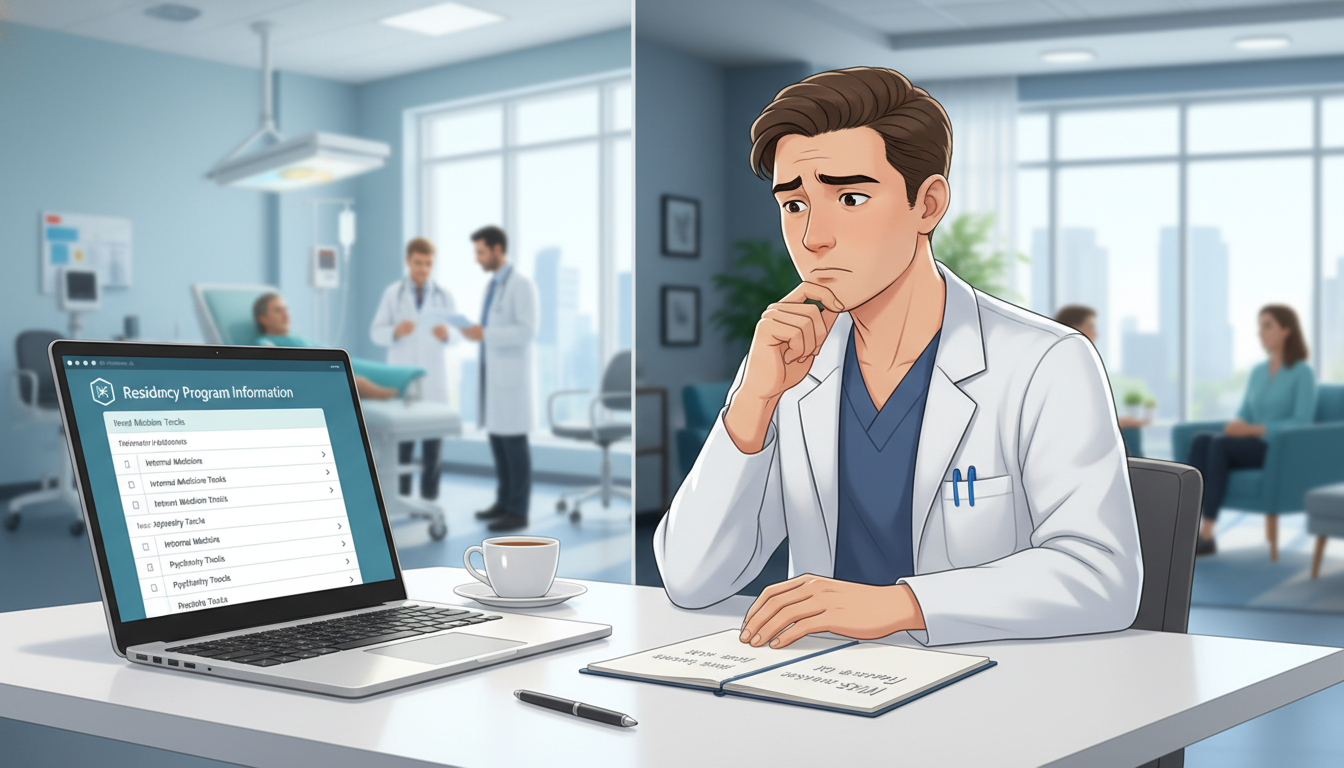
Why Resident Turnover Matters So Much for IMGs in Med-Psych
Medicine-Psychiatry is a demanding, rewarding combined specialty that attracts highly motivated, thoughtful physicians. For an international medical graduate (IMG), it can also be a powerful career pathway—offering broad clinical skills, flexible career options, and strong job security.
But no matter how strong a training pathway looks on paper, resident turnover can quietly signal serious issues underneath the surface.
- Are residents leaving the program before graduation?
- Are classes shrinking year to year?
- Do you hear phrases like “people transfer out” or “we’ve had some attrition” without clear explanations?
For an IMG, ignoring these clues can mean:
- Visa instability if you try to transfer later
- Delayed graduation or needing to repeat training
- High stress, burnout, or mental health struggles
- Limited support if you face adaptation or immigration challenges
This IMG residency guide focuses specifically on resident turnover warning signs in medicine psychiatry combined programs (med psych residency). You’ll learn how to recognize patterns of resident turnover red flag situations, how to distinguish acceptable attrition from program problems, and what to ask directly so you can protect your training, visa status, and long-term career.
Understanding Turnover in Medicine-Psychiatry Programs
Not all turnover is bad. Before labeling a program unsafe, you need to understand what “normal” looks like—especially in a small, niche track like med-psych.
What Is Resident Turnover?
Resident turnover includes:
- Attrition – residents leaving the program completely (resignation, dismissal, non-renewal)
- Transfers – residents moving to another residency (often categorical internal medicine or psychiatry)
- Extended training – residents delayed, repeating a year, or going on long leaves
For this discussion, “resident turnover” mainly means people not progressing normally with their class or residents leaving the program.
Why Turnover Hits Med-Psych Harder
Medicine-psychiatry combined programs are usually:
- Small (often 2–4 residents per year)
- Highly structured and integrated
- Dependent on collaboration between two departments
Because of this:
- Losing just one resident is immediately noticeable
- A single resident leaving may increase call burden or rotations for all others
- If multiple residents leave, the program’s long-term viability can be questioned
For IMGs, a resident turnover red flag in a med-psych setting is particularly serious because:
- It may indicate weak institutional support for the combined track
- It can complicate your visa if the track shrinks or is reorganized
- You may have fewer peer mentors who understand IMG-specific needs
Acceptable vs. Concerning Turnover
Some turnover is understandable:
- A resident leaving after a serious family illness or relocation need
- A rare dismissal for professionalism or serious performance issues
- An isolated transfer for strong personal reasons (e.g., partner match, family location)
What becomes problematic is patterned turnover, such as:
- Multiple residents leaving the program over 3–5 years
- Entire classes shrinking from 4 to 2 residents by PGY-3
- Several residents needing to repeat a year
- Graduates reporting they “barely made it through”
When you hear about residents leaving program repeatedly, this suggests underlying program problems, not just individual circumstances.
Quantitative Red Flags: Numbers That Should Make You Pause
Numbers are often the clearest and least emotional way to spot a struggling program. As an IMG, you should be especially systematic in evaluating these metrics.
1. Unexplained Attrition Over the Last 5 Years
During interviews, directly ask:
- “In the last five years, how many residents have left the medicine psychiatry combined program before completion, and why?”
Watch for these patterns:
Vague answers:
- “We’ve had some people leave, but that happens everywhere.”
- “There was just some personal stuff; I don’t know the details.”
Multiple graduates lost in a short period:
- Example: “We’ve had 3 residents leave in 4 years; a couple switched to categorical IM, one went to psych only.”
In a small med psych residency with 2–4 residents per year, losing 2–4 residents over 5 years is not trivial. That represents a large proportion of the total resident body.
2. Incomplete or Shrinking Graduating Classes
Look at:
- Program website “Current Residents” and “Alumni”
- Virtual tour slides
- Social media posts celebrating graduates
Warning signs:
- A class that started with 4 residents now has only 2 by PGY-4
- Missing residents from alumni lists or no explanation of transfers
- Website showing “PGY-1: 4 residents; PGY-3: 2 residents” with no context
Ask:
- “Have any of your med-psych residents transferred to other tracks in recent years? How often does that happen?”
Multiple residents transferring out of med-psych into categorical medicine or psychiatry is a major signal that the combined structure may be stressful, poorly supported, or misaligned with resident expectations.
3. High Rate of Extended Training
Pay attention to:
- Residents repeating years
- Multiple residents graduating off-cycle
- Frequent references to “delayed graduation”
Ask:
- “Over the last five years, how many med-psych residents had to extend training?”
- “What were the most common reasons—health, exams, performance issues, program restructuring?”
One delayed graduation is not necessarily a problem. Multiple cases with unclear explanations may indicate systemic issues like inadequate supervision, chaotic scheduling, or hostile work culture.
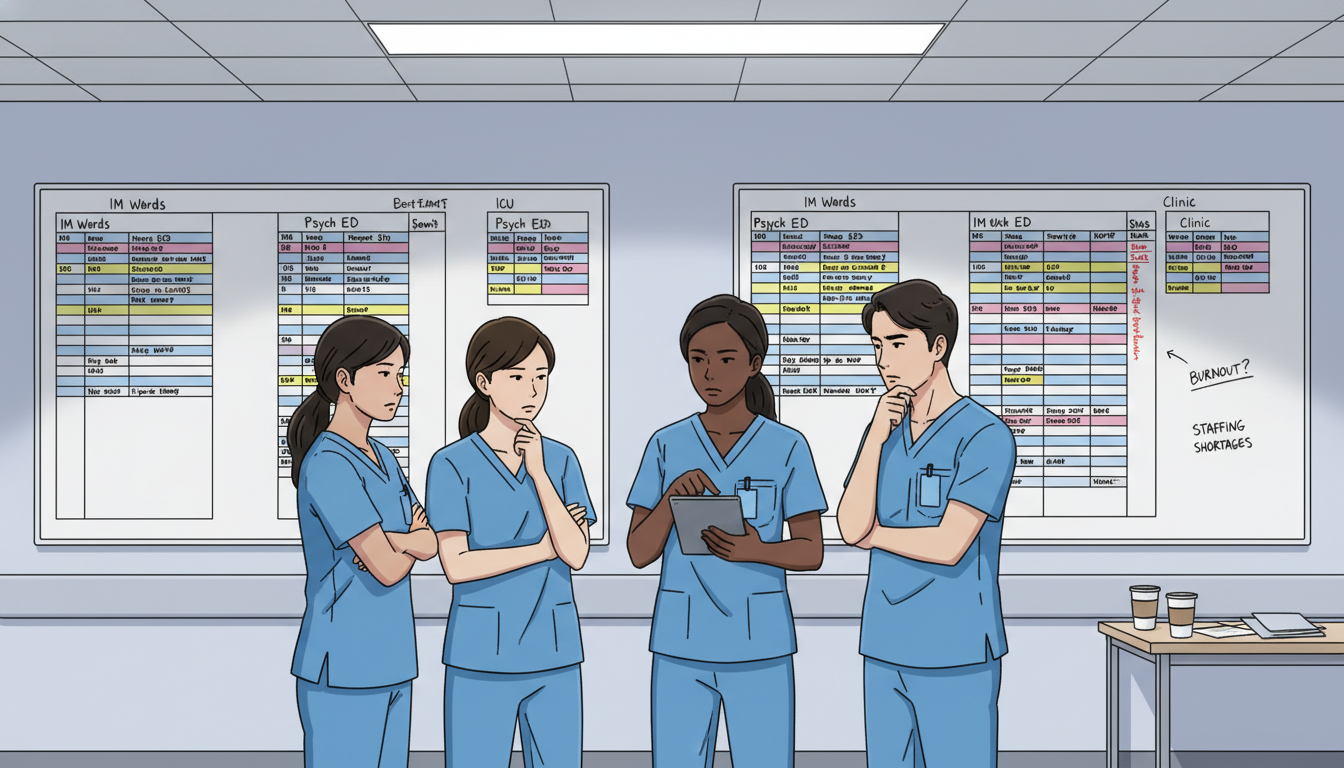
Qualitative Warning Signs: Stories, Culture, and Hidden Stress
Numbers alone don’t tell the full story. The content and tone of what people say about the program—and what they avoid saying—are just as important.
1. Residents Hesitate When You Ask About Attrition
When speaking to current residents:
- You ask: “Have many residents left the med-psych program in recent years?”
- Responses like:
- Long pause, nervous laugh, “Um, yeah, we’ve had a few changes…”
- “That’s more of a question for the program director.”
- “It’s complicated, but things are better now.”
- Responses like:
This kind of deflection is a resident turnover red flag. Residents are often trying to be honest without getting themselves in trouble.
Follow-up neutral questions:
- “How do you feel leadership responded when those residents left?”
- “Did their departure increase your workload or call responsibilities?”
If residents talk about a strong support response, careful redistribution of work, and program self-reflection, that’s more reassuring. If they mention sudden schedule changes, more call, or feeling abandoned, risk is higher.
2. Faculty Give Contradictory or Vague Explanations
Compare how different people explain turnover:
- Program director: “We had a couple of residents leave for family reasons.”
- Resident: “One left due to burnout, another transferred to categorical psych because the med-psych schedule was overwhelming.”
This mismatch suggests:
- The program may be minimizing real problems
- Residents and leadership may not share a clear narrative about why people are leaving
- Psychological safety for open feedback may be low
Ask diplomatically:
- “How has the program changed in response to residents leaving? What concrete adjustments were made?”
A healthy program will mention specific changes: adjusted call schedules, improved supervision, mental health resources, or better rotation structure.
3. Overemphasis on “Resilience” Without Structural Support
Beware of programs that:
Frequently use phrases like:
- “You just have to be tough here.”
- “Our med-psych residents are warriors.”
- “This program isn’t for everyone.”
Celebrate endurance instead of:
- Good workflow
- Teaching and mentorship
- Reasonable duty hours
For IMGs, this is especially concerning because:
- You may have added stress from immigration, financial pressure, and cultural adaptation
- A “sink or swim” culture can push you toward burnout and visa risk if you struggle
Healthy programs balance workload with:
- Protected didactics
- Mentorship
- Time for board prep
- Access to counseling and wellness resources
4. Residents Frequently Reference Burnout or Feeling Trapped
Listen carefully when residents answer questions like:
- “How does the program support wellness?”
- “How do residents feel about the balance between medicine and psychiatry rotations?”
Concerning cues:
- “We are really stretched thin with coverage.”
- “There’s a lot of scut work since we’re so few.”
- “People think about leaving, but it’s complicated, especially for visas.”
For an international medical graduate, a program where residents feel trapped is extremely risky. If many people would leave if they could, that is a resident turnover red flag—even if they haven’t yet.
Combined-Program-Specific Red Flags: Med-Psych Challenges You Must Screen For
Medicine-psychiatry combined training has unique structural vulnerabilities. Many program problems manifest first as subtle turnover and dissatisfaction among med-psych residents, rather than categorical residents.
1. Poor Integration Between Medicine and Psychiatry Departments
Ask:
- “How well do the medicine and psychiatry departments collaborate around the med-psych program?”
- “Do you have joint med-psych faculty, conferences, or continuity experiences?”
Warning signs:
- Residents report that they feel “owned” by neither department
- Conflicts between medicine service needs and psychiatry training requirements
- Residents missing key experiences because one department prioritizes service needs
When integration is weak:
- Scheduling is chaotic
- Residents feel pulled in two directions
- Attrition due to exhaustion or identity confusion becomes more common
2. Med-Psych Residents Used Mainly as Service Workhorses
Ask current residents:
- “On medicine and psychiatry rotations, do you feel like your learning needs as med-psych residents are recognized, or mainly your capacity to cover extra work?”
Concerning statements:
- “We’re often sent to cover gaps because we’re flexible.”
- “They know we can handle both sides, so we get added to service more.”
High service load without tailored teaching can:
- Accelerate burnout
- Push residents to transfer to a single specialty
- Drive people out of the program entirely
For an IMG who may already be adjusting to a new system, this is particularly dangerous.
3. Unclear Career Outcomes for Graduates
Ask:
- “What kinds of jobs do med-psych graduates from this program usually take?”
- “Are there alumni in academic positions, consult services, integrated clinics?”
If the program cannot clearly describe realistic, positive outcomes:
- It may indicate limited mentorship
- Residents may feel “stuck” or unsure how to market themselves
- Uncertainty may contribute to transfers or early exits
As an international medical graduate, your immigration status may depend on stable, employable skills. Lack of clear graduate outcomes combined with turnover is a major caution.
4. Changes in Accreditation Status or Program Size
Research:
- ACGME public data
- Program website history via archive tools
- NRMP data if available
Resident turnover red flag patterns:
- Program recently reduced the number of med-psych positions
- Rumors of merging, restructuring, or “pausing” the combined track
- Residents mentioning “a rough review” by ACGME or hospital leadership
For IMGs on visas, entering a shrinking or unstable med psych residency can be extremely risky if the track is later closed or significantly changed.

Practical Strategies for IMGs to Investigate Resident Turnover
Knowing the warning signs is only useful if you act on them. This section provides actionable steps for international medical graduates evaluating medicine-psychiatry programs.
1. Do Pre-Interview Research
Before interviews:
Review:
- Program website “Current Residents” and “Alumni”
- Past class sizes over several years (if shown)
- Any mentions of program changes or restructuring
Look for:
- Missing PGY classes
- Sudden drops in resident count
- Inconsistent or outdated lists
If inconsistencies appear, make a note to ask during the interview.
2. Ask Direct but Neutral Questions on Interview Day
You can address resident turnover professionally without sounding confrontational. Sample questions:
To program leadership:
- “Can you share your attrition rate in the med-psych track over the last five years and what you learned from those experiences?”
- “Have any residents transferred out of the combined training to categorical programs? What were the main reasons?”
To current residents:
- “Have there been any residents who left or transferred recently? How did that affect the remaining residents?”
- “Do you feel leadership was transparent and supportive when those changes occurred?”
Focus on process and response, not gossip:
- You’re not asking for names or personal details
- You’re assessing whether the program reflects, adapts, and protects residents
3. Pay Attention to Nonverbal Cues and Tone
While speaking with residents:
- Do they look uncomfortable or guarded when discussing turnover?
- Do their eyes dart to faculty or program coordinators nearby?
- Is there a mismatch between content (“everything is fine”) and tone (fatigued, resigned)?
In virtual interviews:
- Watch facial expressions and brief pauses
- Note if questions about turnover are quickly redirected
These subtle observations often reveal more than scripted answers.
4. Use Post-Interview Communication Strategically
If you still have concerns:
Email the program coordinator or associate program director:
- “Thank you again for the interview day. I realized I had one additional question: could you provide some context about how the program has evolved over the last 5 years in terms of resident retention and any changes made in response?”
The quality of response matters:
- Detailed explanation + acknowledgement of past issues + concrete improvements → More reassuring
- Brief, evasive reply with no specifics → Heightened concern
5. Weigh Risk vs. Opportunity as an IMG
As an international medical graduate, you might:
- Feel pressure to rank any program offering you interviews
- Be tempted to ignore warning signs because opportunities seem scarce
However, high turnover programs can create serious long-term risk:
- Visa complications if you transfer or leave
- Reputation concerns if dismissed or forced into remediation
- Delayed board eligibility and employment
When comparing programs, ask yourself:
- Is this med-psych residency showing clear, repeated signs of residents leaving program without transparent justification?
- Has the program clearly addressed and improved problems linked to past turnover?
- Are there other programs—maybe in categorical IM or psych—that appear more stable and supportive, even if “less unique” on paper?
Stability and support are especially crucial for IMGs. A solid, well-run program may be far better for your future than a prestigious but unstable one.
FAQs: Resident Turnover and Med-Psych Programs for IMGs
1. How much resident turnover is “normal” in a med-psych residency?
In small medicine-psychiatry combined programs, occasional turnover is expected—one resident leaving or transferring every several years may happen for personal reasons. What becomes a resident turnover red flag is:
- Multiple residents leaving or transferring in a short span (e.g., 3–5 years)
- Repeated class shrinkage from PGY-1 to PGY-4/5
- Several residents needing to extend or repeat years without clear causes
You should expect leadership to be transparent, to acknowledge challenges, and to describe concrete improvements if meaningful turnover has occurred.
2. As an IMG, should I avoid any program that has had residents leave?
Not necessarily. Context matters. Some legitimate reasons for attrition include:
- Family emergencies or relocation
- Health issues requiring long-term leave
- An individual realizing that med-psych is not the right fit
What you should avoid is:
- Programs that minimize or hide turnover
- Lack of explanation or learning from residents leaving program
- No visible changes in response to prior attrition
If a program openly discusses past difficulties, shows structural improvements, and has satisfied current residents, it may still be a good option for an international medical graduate.
3. How can I ask about turnover without sounding negative or confrontational?
Frame your questions as interest in program quality and evolution, not criticism. For example:
- “I am very interested in long-term training stability, especially as an international medical graduate. Could you share how the program has done with resident retention over the past several years and any changes made to support residents?”
- “In combined training like med-psych, I know integration can be challenging. How has resident feedback and any past attrition shaped how the program is structured today?”
This shows maturity and insight rather than suspicion.
4. What if a program looks like my only chance to match, but I see clear red flags?
This is a difficult situation, particularly for IMGs. Consider:
- Are you early enough in your application journey to strengthen your CV and reapply next year?
- Do you have options in categorical internal medicine or psychiatry that appear more stable?
- Is the program willing to provide clear written policies about support, remediation, and communication about visas if problems arise?
You must balance:
- The short-term pressure to match
- The long-term risk to your visa, professional reputation, and mental health
Often, it is safer for an international medical graduate to choose a stable, supportive categorical program than to enter a medicine psychiatry combined track with obvious program problems and a history of unexplained resident turnover.
By combining careful research, targeted questions, and thoughtful reflection on your own risk tolerance as an IMG, you can recognize resident turnover warning signs early and choose a medicine-psychiatry residency that supports—not jeopardizes—your career and future.


