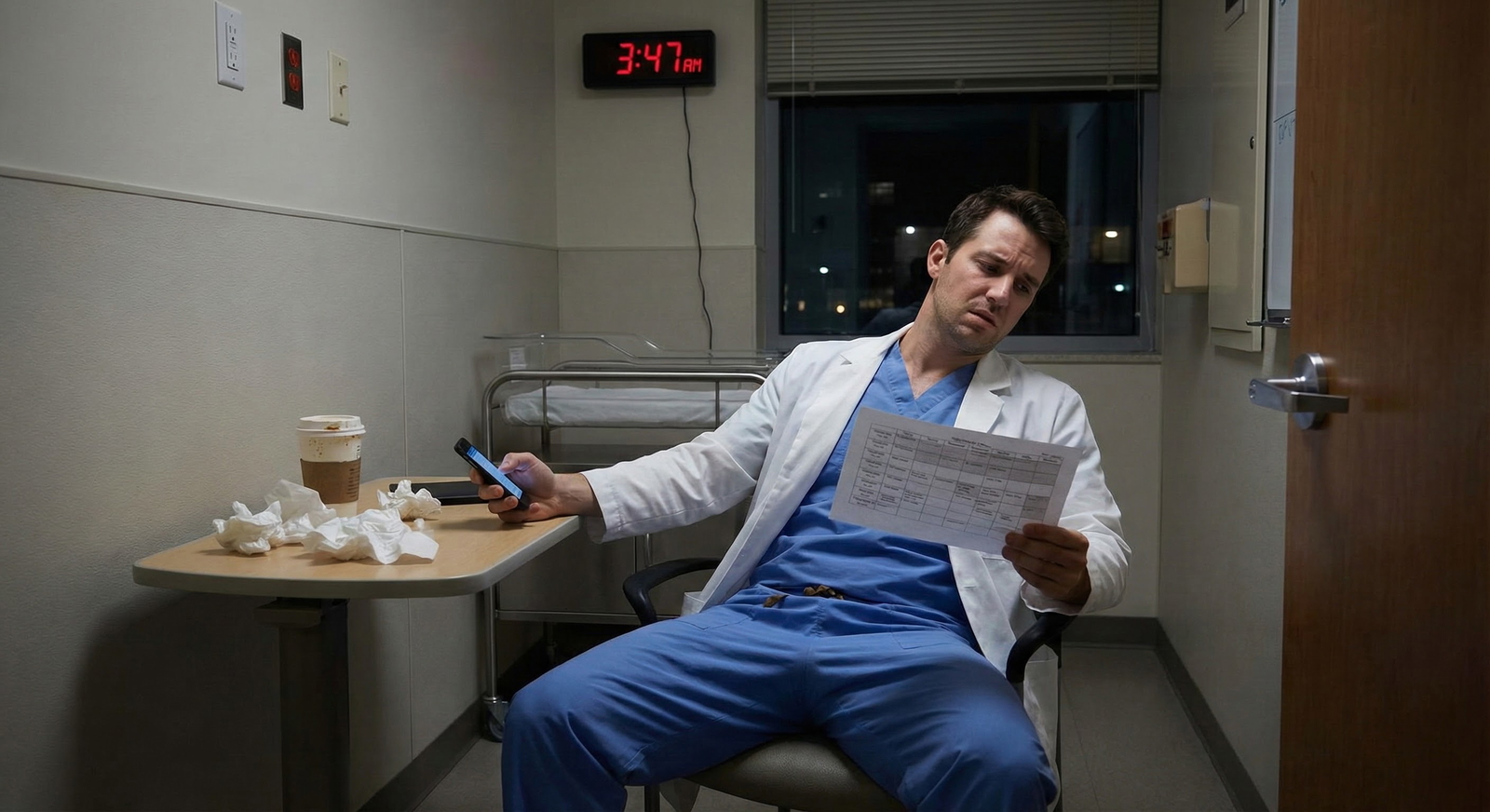
Residency is demanding in any specialty, but in Medical Genetics—where training pathways are still evolving and programs are relatively small—resident turnover can be an especially critical warning sign. For an international medical graduate (IMG), recognizing when “normal” turnover crosses into “red flag” territory can protect you from landing in a program with serious underlying problems.
Below is an IMG residency guide focused specifically on resident turnover warning signs in Medical Genetics programs, with practical strategies to help you interpret the genetics match, ask the right questions, and avoid unstable environments where residents are leaving the program for concerning reasons.
Understanding Resident Turnover in Medical Genetics
Before labeling any situation a “resident turnover red flag,” you need to understand what “normal” looks like—especially in a relatively small specialty like Medical Genetics.
What Counts as Resident Turnover?
In this context, “resident turnover” refers to:
- Residents leaving the program early (resignation, dismissal, non-renewal of contract)
- Residents transferring to other residency programs
- Residents switching specialties (e.g., to internal medicine, pediatrics, or pathology)
- A program suddenly appearing smaller than its usual size (missing residents in certain years)
Turnover is not automatically bad. A single trainee leaving over several years can reflect personal circumstances, visa difficulties, or a poor specialty fit—not necessarily program problems. But patterns matter.
Why Turnover Looks Different in Medical Genetics
Medical genetics residency is unique in several ways that can affect how turnover appears:
Small program size
Many Medical Genetics and Genomics programs have only 1–3 residents per year, and some are combined programs (e.g., Pediatrics–Medical Genetics). One person leaving can represent 25–50% of a class, which feels dramatic but may not always mean the program is toxic.Evolving training pathways
With the development of categorical genetics programs and combined tracks (internal medicine–genetics, pediatrics–genetics, maternal-fetal medicine–genetics), some residents may re-align their training pathways as they refine their career plans.Heavy emphasis on mentorship and niche interests
A resident might leave because they reorient toward a different research interest (e.g., pure genomics research, oncology, pharmacogenomics) rather than because of overt program dysfunction.
Because of this, IMGs need to analyze not only whether residents are leaving the program, but how often, for what reasons, and in which direction they’re going.
Distinguishing Normal vs. Concerning Resident Turnover
To avoid overreacting, you need a framework for judging turnover. Use the following as a practical reference.
“Normal” or Understandable Situations
Some turnover, especially over multiple years, can be benign:
Isolated departures with clear, transparent explanations
- One resident over several years leaving for family reasons, illness, or geographic relocation
- Resident transitioning from a combined program to a categorical pediatrics or internal medicine residency for personal preference
- Visa failures or immigration issues outside the program’s control (important for an IMG residency guide)
Graduation-related changes
- Gaps between graduation and replacement that are clearly explained (e.g., temporary funding changes, restructuring the curriculum)
- Residents leaving for reputable fellowships, research positions, or academic posts
Program restructuring in Medical Genetics
- A pediatrics–genetics track changing into a categorical medical genetics residency, leading to one “missing” cohort during the transition year
- Clear, proactive communication from leadership about such changes
In these cases, you should still ask questions—but they may not represent serious program problems.
When Turnover Becomes a Red Flag
Turnover becomes a resident turnover red flag when you see any of the following patterns:
Multiple residents leaving within a short time
- Two or more residents leaving within 1–3 years in a small program
- Several residents transferring out of Medical Genetics or out of that institution entirely
- A significant portion of a class leaving before graduation
Lack of clear explanation or vague responses
- Faculty, coordinator, or residents provide inconsistent stories
- You only hear phrases like “it just wasn’t a good fit” without elaboration
- Current residents become visibly uncomfortable when asked about prior residents
Residents leaving for non-advancement reasons
- Residents leaving without apparent fellowship positions, jobs, or alternative plans
- “Disappearing” mid-year with minimal acknowledgment from leadership
- Former residents not listed on the website or alumni pages despite recent training
Pattern of IMGs leaving specifically
- If only IMGs have left early or transferred out
- If visa-related departures seem frequent and chaotic (poor sponsorship planning, late paperwork, repeated denials)
In Medical Genetics, where resident numbers are small and training is intensive, such patterns may indicate serious program problems such as poor supervision, unstable leadership, or a toxic learning climate.

Specific Turnover Warning Signs in Medical Genetics Programs
Here are concrete, specialty-specific signs that residents leaving the program may signal deeper issues.
1. Year-Level Gaps and “Invisible” Residents
In small Medical Genetics programs, every resident counts. Warning signs:
- Website shows no PGY-3 or no PGY-2, with no explanation, despite current recruitment
- Faculty or interviewers mention, “We had a resident in that year but they left,” and quickly change the subject
- Alumni list jumps from one year to another with missing graduation years
For an IMG, gaps can mean:
- Accreditation issues or major restructuring
- A resident departure after serious conflict or poor support
- Lack of transparency in program communications
How to explore this:
During interviews or virtual Q&A, ask:
“I noticed there’s no current PGY-3 resident listed on the website. Was that due to restructuring, or did a resident leave the program?”
The way they answer is often more revealing than the content. A clear, factual answer is reassuring. An evasive response is a resident turnover red flag.
2. Multiple Transfers Out of Genetics
Transferring from one institution to another occasionally happens. But in a small field like Medical Genetics, multiple residents leaving the program or changing specialties is more concerning.
Potential red flags:
- Several recent residents switch from Medical Genetics to another specialty
- Residents transfer out of the institution entirely rather than simply within the same hospital
- Faculty describe departing residents in a negative, blaming tone (“They weren’t able to keep up”) without acknowledging program responsibility
This may suggest:
- Failing support for residents struggling with the complexity of genomics
- Poorly structured curriculum or excessive service demands
- Unsustainable expectations in clinical volume, call, or research output
3. Unclear Training Pathways and Combined Program Confusion
In Medical Genetics, many programs offer combined pathways (e.g., Pediatrics–Genetics, Internal Medicine–Genetics). These can be wonderful—but also chaotic when poorly organized.
Warning signs:
- Prior combined residents leaving midway and re-entering a categorical program separately
- Confusion among current residents about exact graduation requirements and timelines
- Residents unsure if they will be board-eligible in all intended disciplines
Repeated departures from such tracks may indicate:
- Disorganized administration
- Poor coordination between departments (e.g., pediatrics vs genetics)
- Residents bearing the burden of “figuring it out” on their own
As an IMG, this can be especially risky if your visa and long-term plans depend on clear board eligibility and timely completion.
4. Turnover Linked to Program Leadership or Culture
Frequent resident turnover combined with leadership instability is a classic recipe for program problems.
Red flags:
- Recent or repeated changes in program director for Medical Genetics
- Residents mentioning “we’ve had a lot of changes in leadership” without further detail
- History of multiple complaints to GME, ombudsman, or ABMGG (American Board of Medical Genetics and Genomics), which sometimes leaks informally into resident conversations
Culture-related warning signs may include:
- Residents appearing fearful or overly cautious when speaking about faculty
- Stories of public humiliation, shouting, or consistent disrespect in conferences or clinics
- Faculty openly disparaging past residents who left (“They weren’t resilient enough,” “They just couldn’t handle real genetics work”)
When residents are leaving in this context, it is rarely about “fit” alone—it often reflects deep and persistent toxicity.
5. IMG-Specific Turnover Concerns
For international medical graduates, you must pay special attention to turnover patterns affecting IMGs specifically.
Warning signs include:
- Multiple prior IMGs not finishing the program, especially if reasons sound vague
- Recurrent visa issues, late filings, or residents forced to leave due to paperwork problems
- Current IMGs seem unusually stressed, isolated, or non-committal when talking about program support
Ask directly:
“How has the program historically supported IMGs in terms of mentorship, integration, and visa/immigration issues?”
If the answer is generic or avoids concrete examples, that’s a yellow flag. If you learn that more than one IMG has left the program prematurely, it becomes a significant resident turnover red flag.
How to Investigate Resident Turnover as an IMG Applicant
You cannot rely solely on official presentations. You need a deliberate strategy to gather information before and after the interview.
1. Study the Program Website Carefully
Before your interview, look for:
Current residents by year
- Are any classes missing?
- Do you see only PGY-1 and PGY-4, for example, but no mid-level residents?
Alumni lists and outcomes
- Do they show consistent graduation patterns?
- Do alumni seem to move into fellowships, clinical positions, or research roles aligned with their training?
Transparency about past changes
- Is there an explanation of recent restructuring, new tracks, or size adjustments?
If something seems off, note it and bring it up later respectfully.
2. Use Interview Day Wisely
During interviews and resident panels, your goal is to confirm whether residents leaving the program is a minor issue or a true warning sign.
Questions for Current Residents
Instead of asking, “Is this a good program?” (which invites rehearsed answers), ask targeted questions, such as:
- “Have any residents left the program early in the last 3–5 years? Why did they leave, if you’re comfortable sharing?”
- “Do you feel that residents who struggle—academically or personally—are supported here, or do they tend to leave?”
- “Have there been any recent changes in leadership or curriculum because of resident feedback?”
Pay attention to:
- Long pauses, nervous laughter, or visible discomfort
- Inconsistent answers between different residents
- Residents saying “off the record…” and then describing serious issues
Questions for Program Leadership
You can be professional and direct:
- “I’m interested in understanding resident stability. How has resident retention been in recent years? Have there been any recurring challenges?”
- “How do you respond when residents experience burnout or major life stressors? Has anyone needed to take leave or step back?”
- “Have there been any residents who did not complete the program, and what did you learn as a program from those situations?”
Strong programs answer honestly, acknowledge past issues, and explain how they’ve improved. Defensive or evasive replies are concerning.
3. Use Off-Cycle and Post-Interview Communication
If you’re seriously considering a program but have concerns:
- Ask to speak with an additional resident, ideally one not selected by the program for official panels
- Reach out through alumni networks or professional societies (e.g., ACMG, local IMG associations) to see if anyone knows the program culture
- For IMGs, try to connect with a current or former IMG resident if possible
When speaking privately, ask open questions:
- “How would you describe how the program handled residents who left or were struggling?”
- “If you had to choose again, would you rank this program the same way?”
Specific, honest stories are much more informative than generic reassurance.

Balancing Risk: When to Still Rank a Program (and When Not To)
You will rarely find a “perfect” program. The question is: when does resident turnover, combined with other signals, make a program too risky—especially for an IMG depending on visa stability and board eligibility?
When Turnover Is a Yellow Flag (Proceed With Caution)
You might still consider ranking the program if:
- Only one resident has left in several years, with a reasonably explained personal cause
- The program is transparent, acknowledges the departure, and describes measures taken to support future residents
- Current residents, including any IMGs, generally express satisfaction and do not seem fearful or guarded
- The program offers strong advantages (reputation, research, niche training in genomics or metabolic genetics) that fit your long-term goals
In this case, weigh:
- Your personal tolerance for risk
- The strength of your other interview offers
- Whether you feel confident about the program’s honesty and responsiveness
When Turnover Is a Red Flag (Strongly Consider Not Ranking)
A program may be unsafe if you observe:
- Multiple unexplained resident departures over recent years, especially in a small cohort
- Refusal or clear discomfort from leadership when you ask about retention
- Obvious distress or resignation in current residents’ attitudes
- Pattern of IMGs specifically leaving the program or facing repeated visa problems
- Confusing or disorganized training pathways where residents themselves seem uncertain about their graduation trajectory
For many IMGs, the consequences of entering such a program—potential non-completion, visa risk, burnout—are too severe to justify ranking it highly. In extreme cases, you may choose not to rank the program at all.
Practical Tips for IMGs Navigating the Genetics Match
Given your unique position as an international medical graduate entering a niche field, some additional strategic considerations can help you avoid resident turnover landmines.
1. Prioritize Stability Over Prestige
A “big-name” institution with unstable resident retention and residents leaving the program is riskier than a smaller, less famous center with a stable, supportive environment. For an IMG, consistent training and clear support often matter more than brand name.
2. Look at Institutional Culture Beyond Genetics
Even if the Medical Genetics team is small, the broader institutional GME culture matters:
- Does the hospital generally have a good reputation among residents?
- Are other specialties experiencing high turnover or major disputes?
- Is there a history of union actions, widespread burnout, or accreditation warnings?
High turnover in multiple departments may signal systemic problems that will affect your experience in genetics as well.
3. Use Specialty Networks and Conferences
Medical Genetics is tightly networked:
- Attend virtual or in-person ACMG or similar conferences if you can
- Engage with genetics professionals on platforms like LinkedIn or specialty forums
- Ask tactful questions about training environments and program reputations
Often, mentors in your home country or current institution know which genetics programs have stable leadership and happy residents.
4. Build a Safety Net
Given the smaller size and variation among Medical Genetics residencies:
- Aim to apply broadly across multiple institutions and regions
- Consider related fields (e.g., pediatrics, internal medicine, pathology) if you’re early in your training and open to future fellowship in genetics
- Keep backup plans in mind if you sense that the programs with serious turnover issues dominate your interview list
A thoughtful ranking strategy can protect you from depending heavily on a single, unstable program.
FAQs: Resident Turnover and Program Red Flags in Medical Genetics
1. How much resident turnover is “too much” in a Medical Genetics residency?
In a small specialty like Medical Genetics, more than one resident leaving early within a 3–5 year window should prompt careful questioning—especially if the program has only 1–2 residents per class. Multiple unexplained or vaguely explained departures, or a pattern of residents leaving without clear next steps (no fellowship or job), is usually a resident turnover red flag.
2. As an IMG, should I be extra cautious if previous IMGs have left the program?
Yes. If you discover that prior international medical graduates did not complete the program, you must understand why. Repeated departures of IMGs may reflect poor visa support, inadequate mentorship, cultural insensitivity, or unrealistic expectations placed on foreign graduates. Unless the program offers clear, credible explanations and examples of improved support, this is a serious warning sign.
3. What if the program director says residents left only for “personal reasons”?
“Personal reasons” can be genuine—but this explanation is often overused. Ask politely for context, such as whether the program made structural changes based on that experience or how they support residents in crisis. If no concrete details are given and multiple residents have left, consider this a yellow-to-red flag. Compare the PD’s response with what current residents say privately.
4. Can a program with past turnover still be a good choice?
Yes—if the program acknowledges past problems, shows evidence of change, and current residents appear genuinely supported and satisfied. For example, a Medical Genetics program might have lost a resident during a period of leadership transition, then hired a new program director, improved supervision, and maintained full retention since. The key is transparency, consistency between residents’ and leadership’s accounts, and clear signs that the issues causing residents to leave the program have been addressed.
By approaching the genetics match with clear eyes and specific questions about resident turnover, you—as an IMG—can avoid unstable environments and choose a Medical Genetics residency where you’ll be supported, developed, and able to complete training successfully. Resident turnover is not just a statistic; it is a window into how a program treats its trainees. Use it wisely.