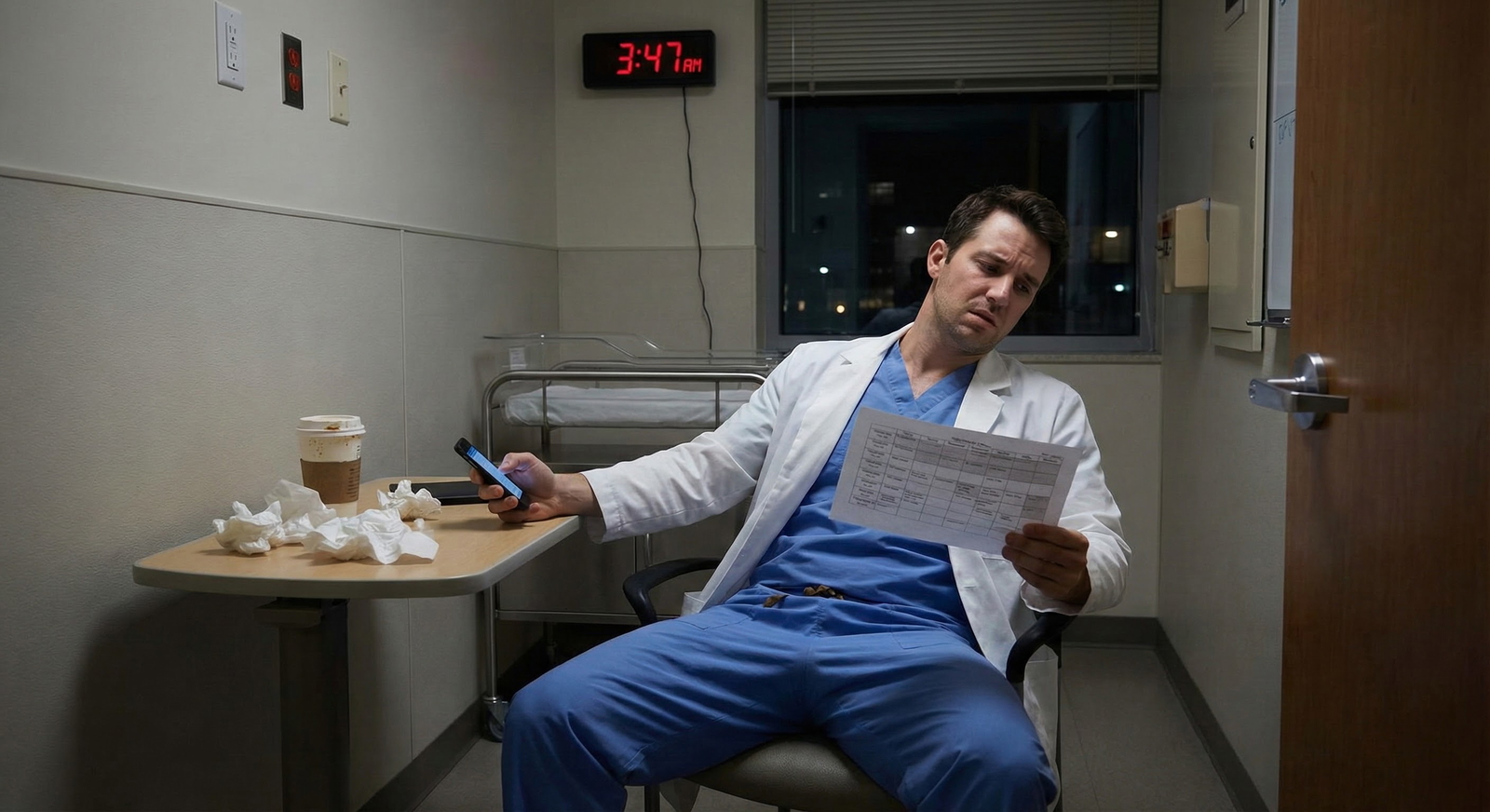
Residency is demanding in any specialty, but in preliminary surgery, the stakes are uniquely high—especially for an international medical graduate (IMG). You have one year (or sometimes two) to build your reputation, secure strong letters, and position yourself for a categorical spot or another specialty. Choosing a program where resident turnover is high or where residents are leaving the program mid-year can seriously undermine those goals.
This IMG residency guide focuses on resident turnover warning signs in preliminary surgery programs—how to recognize them, why they matter, and how to protect yourself from landing in a toxic or unstable environment.
Understanding Resident Turnover in Preliminary Surgery
Resident turnover is not always a problem. Some movement is expected, especially in preliminary surgery:
- Prelims move into categorical surgery positions (within the same program or at another institution).
- Some transfer into other specialties (anesthesiology, radiology, EM, etc.).
- A few change career paths entirely.
However, as an IMG, you must learn to distinguish normal transitions from red-flag turnover that suggests deeper program problems.
Normal vs Concerning Turnover
Normal, healthy turnover examples:
- Several prelims each year transition to categorical surgery at strong programs.
- A prelim matches into a competitive specialty after a successful research year.
- A resident leaves for visa reasons but remains in good standing.
Concerning resident turnover examples:
- Multiple residents (prelim or categorical) leave mid-year.
- Residents suddenly disappear from the roster with no explanation.
- The program has to scramble repeatedly to cover call because people quit.
- A pattern across years: “We’ve had a lot of residents leave our program recently.”
These patterns can indicate:
- Toxic culture (bullying, harassment, public humiliation).
- Excessive workload far beyond ACGME requirements.
- Serious leadership or administrative instability.
- Poor teaching and lack of support, especially for IMGs.
For a one-year prelim surgery residency, these issues are magnified. You do not have time to “wait things out” and hope culture improves.
Why Resident Turnover Matters More for IMGs in Prelim Surgery
Even if a program advertises a high operative volume or strong fellowship placements, resident turnover red flags should make you pause—particularly as an IMG.
1. You Are More Dependent on Support and Advocacy
As an international medical graduate, you often:
- Need visa sponsorship (J‑1 or H‑1B), which relies heavily on institutional stability.
- Require strong letters of recommendation from U.S. surgeons who know you well.
- Depend on faculty willing to mentor, coach, and explain cultural norms.
High resident turnover can mean:
- Faculty are burned out and less available to help.
- Program leadership changes frequently, and no one “owns” your development.
- Resident morale is low, making it harder to integrate and thrive.
2. Your Window of Opportunity Is Short
A preliminary surgery year is a compressed, high-stakes period. If you spend it in a program where:
- You are chronically covering extra call because others quit.
- Teaching is replaced by constant service and scut work.
- There’s chaos in schedules, clinics, or OR assignments.
…you may lose the chance to:
- Build a strong case for a categorical surgery application.
- Gain the operative and clinical exposure that makes your CV convincing.
- Develop authentic relationships with mentors and letter writers.
3. Programs With Chronic Turnover May Burn Out IMGs
Some programs quietly rely on preliminary surgery residents—especially IMGs—as “workhorses”:
- Prelims get the worst rotations, longest hours, and fewest educational opportunities.
- Categorical residents get priority for cases, research, and electives.
- When residents leave, prelims are expected to absorb even more duties.
If multiple residents leave each year, ask yourself why. In many such programs, “resident turnover” is a symptom of a deeper culture that sees residents as replaceable labor.
Concrete Warning Signs of Resident Turnover and Program Instability
Below are key warning signs, with scripts and strategies you can use during interviews, open houses, and informal conversations.
1. Unexplained Gaps in Current or Past Residents
Review the program’s website, current resident list, and previous graduating classes:
- Are there missing PGY‑2 or PGY‑3 categorical residents with no explanation?
- Did a large portion of a class seem to “vanish” between PGY levels?
- Are there many PGY‑2 prelims filling what look like categorical positions?
Warning signs:
- Multiple residents “no longer with program” or quietly gone from rosters.
- A long list of “prior residents” without identifying their current positions.
- Faculty or leadership give vague answers like “personal reasons” or “they moved.”
How to investigate:
- Search for former residents on LinkedIn, Doximity, or PubMed.
- Ask direct but respectful questions:
- “I noticed some prior residents are no longer listed. Do you mind sharing what typically happens to residents who leave the program?”
- “In recent years, have any residents left mid-year? What were the circumstances?”
If responses feel vague, dismissive, or defensive, that is a resident turnover red flag.
2. Residents Hesitate or Look Uncomfortable When Discussing Attrition
During interviews, you often have a chance to attend a resident-only Q&A. This is your best window into program culture.
Watch for:
- Awkward silence when you ask about residents leaving the program.
- Brief, scripted answers: “Yeah, I think one person left last year, but I don’t really know why.”
- Residents glance at each other before answering, or someone changes the subject quickly.
- Only one or two residents talk, both very senior and “polished,” while juniors remain quiet.
Questions you can ask:
- “Have any residents left the program in the last few years? Why did they leave?”
- “Do residents who leave typically do so in good standing, or is it usually because of conflict with the program?”
- “If a resident is struggling, what does the program do to support them?”
Pay close attention not just to words, but to tone, body language, and the level of detail. Residents who feel safe and respected will usually be quite honest about:
- Normal attrition for family, geography, or specialty change.
- How the program handled difficult departures with fairness and support.
If you sense fear or censorship, that suggests deeper program problems.

3. High Prelim-to-Categorical Conversion Promises Without Proof
Many preliminary surgery programs advertise:
“Excellent track record of placing prelims into categorical positions.”
For IMGs, this is attractive—but you must verify.
Red flags:
- No published data on where prelims go after their year.
- Vague language: “Our prelims go on to successful careers” without specifics.
- When you ask, faculty say, “It varies a lot” but can’t name recent examples.
What you should ask directly:
- “In the last 3–5 years, how many prelims became categorical at your institution?”
- “How many prelims matched into categorical surgery elsewhere after this year?”
- “Can you share some recent examples of prelims and where they ended up?”
If a program cannot provide concrete numbers or recent names, be cautious. “Conversion promises” without proof can be used to attract IMGs into heavy-service roles with limited real advancement pathways.
4. Overemphasis on Service Intensity and “Survival”
Listen carefully to how the program describes itself:
Potentially positive phrases:
- “We’re busy, but we have a strong team culture.”
- “You’ll work hard, but education and wellness are prioritized.”
- “High volume, but we maintain ACGME duty-hour compliance.”
Concerning language and themes:
- “This program isn’t for everyone; we expect you to be tough.”
- “Just survive the first few months and you’ll be fine.”
- “Our prelims carry a lot of the workload.”
- “We don’t tolerate weakness.”
These may be euphemisms for:
- Chronic understaffing due to resident turnover.
- Culture of shaming or public humiliation (“pimping” that crosses the line).
- High-risk environment for burnout, especially for those without strong local support systems (many IMGs).
Strategy: Ask residents:
- “How often do you feel you are covering extra shifts or call because of vacant positions?”
- “When someone is sick, how does the program handle coverage?”
- “Do you often feel you are doing more service than education?”
Patterns of frequent coverage crises almost always correlate with prior or ongoing residents leaving the program.
5. Instability in Leadership and Frequent Policy Changes
Leadership turnover does not always mean a bad program—sometimes it means new energy and reform. But rapid, repeated changes can create a chaotic learning environment.
Signs of instability:
- Multiple program directors in the last few years.
- Recent or ongoing loss of major teaching faculty.
- Residents say, “They’re still figuring out the new schedule” or “Policies keep changing.”
Ask:
- “How long has the current program director been in the role?”
- “Have there been major leadership changes recently? How has that affected residents?”
- “How stable is the core faculty group? Have many attendings left?”
If residents describe:
- Conflicting messages from leadership.
- Constant reorganization of rotations and call.
- Poor communication and lack of clarity about expectations.
…this environment might amplify burnout and attrition, especially for IMGs who already navigate extra challenges (visa, cultural adaptation, communication).
6. Weak Structures for Resident Feedback and Advocacy
Healthy programs create multiple channels for residents to express concerns and influence change:
- Regular resident meetings with the program director.
- Anonymous feedback mechanisms.
- Resident representation on important committees.
In programs with high resident turnover due to unresolved problems, you may find:
- No structured feedback system.
- Residents fear retaliation for speaking up.
- Previous complaints were ignored or led to no meaningful change.
Ask residents:
- “How does the program respond when residents raise concerns?”
- “Can you give an example of feedback that led to a positive change?”
- “Do you feel safe speaking honestly with leadership?”
If you hear, “We mostly just handle things ourselves,” or “We’ve talked about that problem for a long time, but nothing changed,” consider this a serious red flag.
7. Negative Reputation Among Other Programs or Fellows
While online reviews and forums (like Reddit or specialty-specific boards) should be interpreted cautiously, they can highlight patterns:
- Repeated descriptions of the same program problems (bullying, uncontrolled hours, chronic understaffing).
- Multiple anecdotes about residents leaving the program early.
- Mentions that “everyone knows this is a malignant program.”
Use these as starting points, not final judgments. Then cross-check:
- Ask residents indirectly: “What do you see as the greatest strength and greatest challenge of this program?”
- Ask fellows or faculty from other institutions if possible: “What have you heard about this program’s culture?”
Programs that repeatedly show up in negative conversations often have real underlying issues.

Special Considerations for IMGs Evaluating Prelim Surgery Programs
Because you may have fewer U.S. options and more pressure to accept any position, it’s essential not to ignore resident turnover warning signs. Here are strategies tailored specifically for IMGs.
1. Clarify Visa and Institutional Support Early
Programs in crisis may mismanage or delay key administrative processes, including visas.
Ask the program coordinator or director:
- “How many IMGs in your program currently hold visas (J‑1, H‑1B)?”
- “Have there been any recent visa issues or delays for residents?”
- “Who is responsible for coordinating immigration paperwork?”
If multiple residents have left, remaining administrative staff may be overwhelmed or disorganized, which can put your status at risk.
2. Ask Explicitly About IMG Experience and Outcomes
Not all programs are equally experienced with international graduates. Combine that with high turnover and you may find yourself isolated.
Questions to ask:
- “How many IMGs have trained here in the last 5 years?”
- “Of those, how many moved into categorical surgery or other specialties?”
- “Do IMGs typically feel integrated into the resident group and supported?”
Listen for:
- Specific examples and alumni stories (good sign).
- Vague answers or inability to recall outcome details (warning sign).
3. Consider Your Personal Resilience and Support Network
Even in a demanding but healthy program, the preliminary surgery year can be overwhelming. In a program with serious resident turnover red flags, the risk of depression, burnout, and failure increases.
Reflect honestly:
- Do you have local family, friends, or community support?
- Are you prepared for intense work plus cultural and linguistic adaptation?
- If the environment turns out to be much worse than expected, what is your contingency plan?
Being realistic does not mean being pessimistic; it means protecting your long-term career and well-being.
How to Gather Reliable Information Before Ranking
During the application season, you’ll encounter polished presentations, enthusiastic slide decks, and carefully selected resident representatives. To see behind that, use a structured approach.
Step 1: Pre-Interview Research
- Review the current resident roster and previous graduating classes.
- Look for patterns of gaps or unusually small upper-year classes.
- Search for alumni and see their current positions (academic center vs disappeared).
Take notes on:
- How many prelims are listed and whether their outcomes are visible.
- Any noticeable attrition between PGY levels.
Step 2: Targeted Interview-Day Questions
Have a short list of non-confrontational but precise questions ready:
For residents:
- “In the past 3–5 years, have there been residents who left early? How did the program handle that?”
- “What changes has the program made recently based on resident feedback?”
- “How often do you feel you are covering extra duties due to unfilled positions?”
For faculty/program leadership:
- “How would you describe the retention of residents here over the last few years?”
- “What are you most proud of in terms of resident outcomes, including prelims?”
- “What are you working on improving in the program right now?”
Step 3: Post-Interview Reflection and External Checks
After each interview, immediately jot down impressions:
- Did residents seem relaxed and candid, or guarded and anxious?
- Did you receive clear, consistent answers about attrition?
- Did anyone acknowledge past issues and describe concrete improvements?
Then:
- Compare with online sources (forums, word of mouth, alumni).
- Reach out discreetly to recent graduates if possible (LinkedIn, email).
Patterns across independent sources are more trustworthy than single opinions.
Balancing Safety and Opportunity: When Is a Red Flag a Deal-Breaker?
Not every program with some turnover is dangerous. Sometimes a program:
- Is undergoing positive reform under new leadership.
- Had one or two unusual cases (health, family, immigration).
- Admits frankly that they were once “malignant” but have made real changes.
To decide whether to rank or avoid a program, consider:
Acceptable Risk
- One or two residents left over several years for clear, understandable reasons (family relocation, change in specialty, health issues).
- Residents can describe concrete improvements made after those events.
- You felt heard, respected, and welcomed during your visit.
High-Risk, Avoid-if-Possible
- Multiple residents have left mid-year in recent classes.
- Residents and faculty are evasive or defensive about turnover.
- Recurrent themes of overwork, fear, and lack of support.
- Poor or nonexistent data on prelim outcomes, especially for IMGs.
- Online and word-of-mouth reports consistently highlight program problems and high resident turnover.
For IMGs, especially in preliminary surgery, a high-risk program can derail instead of launch your U.S. career. If you must rank such a program to avoid going unmatched, do so with eyes open and a proactive plan (networking, seeking mentors outside the program, preparing for potential transfers).
FAQs: Resident Turnover Warning Signs for IMGs in Preliminary Surgery
1. Is some resident turnover normal in surgical residency?
Yes. Residents may leave for family reasons, health, relocation, or to switch specialties. What’s concerning is recurrent, unexplained, or mid-year attrition, especially when combined with resident discomfort discussing it. Consistent patterns of residents leaving the program signal deeper cultural or structural issues.
2. How many residents leaving is too many?
There is no strict number, but for a typical small–medium surgery program:
- One resident leaving every few years can be normal.
- Multiple departures from the same class, or recurrent mid-year exits over several years, are strong resident turnover red flags, especially if leadership cannot clearly explain and contextualize them.
3. As an IMG, should I ever accept a prelim spot in a program with known turnover issues?
If it is your only offer, it may still be better than remaining completely unmatched, but you must:
- Understand the risks (burnout, poor support, weak letters, visa complications).
- Develop external mentorship (research supervisors, faculty at other institutions).
- Be proactive about protecting your mental health and planning next steps.
If you have any alternative with a more stable environment, prioritize stability over prestige.
4. How can I politely ask about residents leaving the program without offending anyone?
Frame questions as interest in support and outcomes, not as an accusation:
- “I know residency is challenging everywhere. How does your program support residents who are struggling or considering a change?”
- “Have there been residents who left early for personal or career reasons? How did the program help them transition?”
Programs confident in their culture will answer these openly and concretely.
Resident turnover is not just a statistic—it is a critical indicator of how a program treats its people. As an international medical graduate pursuing a preliminary surgery year, learning to interpret these warning signs can mean the difference between a year that propels you forward and one that sets you back. Use the tools above to evaluate programs wisely, protect your well-being, and give yourself the best possible chance for long-term success in surgery or your chosen specialty.