Why “Malignant” Programs Matter So Much for US Citizen IMGs in EM
For an American studying abroad and returning to the U.S. job market, the quality of your emergency medicine residency experience will shape your entire career. As a US citizen IMG entering a competitive field, you have less margin for error when selecting programs. Ending up in a malignant residency program can mean burnout, poor training, difficulty getting fellowship positions, and even jeopardizing board eligibility.
In emergency medicine, where the pace is fast and patient acuity is high, the culture and structure of your program are just as important as the trauma cases you see. You’re not just choosing a hospital; you’re choosing:
- Your clinical identity as an emergency physician
- The network that will open (or close) future doors
- The environment that will determine your wellness, confidence, and competence
This article will walk you through:
- What “malignant” actually means in EM residency
- Concrete toxic program signs and residency red flags (especially relevant to US citizen IMGs)
- How to research programs before you apply
- What to ask and observe on interview day
- How to interpret the EM match data to protect yourself
Throughout, you’ll see specific guidance tailored to the US citizen IMG and American studying abroad who may be newer to U.S. training culture.
What Makes a Program “Malignant” in Emergency Medicine?
“Malignant” is an informal but widely used term among residents. It doesn’t just mean “hard” or “busy.” Many excellent emergency medicine residency programs have long hours and high acuity. Malignant programs are different: they combine high demands with poor support, unhealthy culture, and punitive behavior.
Core Dimensions of Malignancy
Think across these domains:
Culture and Leadership
- Fear-based, punitive environment
- Faculty or leadership who belittle, shame, or humiliate residents
- Chronic disrespect for resident time, life, and learning
- Retaliation when residents speak up about safety or wellness
Education vs. Service
- Heavy emphasis on service (staffing the ED) with minimal true teaching
- Residents treated as cheap labor, not learners
- Limited bedside teaching, feedback, or didactic quality
- Senior residents graduating feeling unprepared or under-trained
Workload and Scheduling
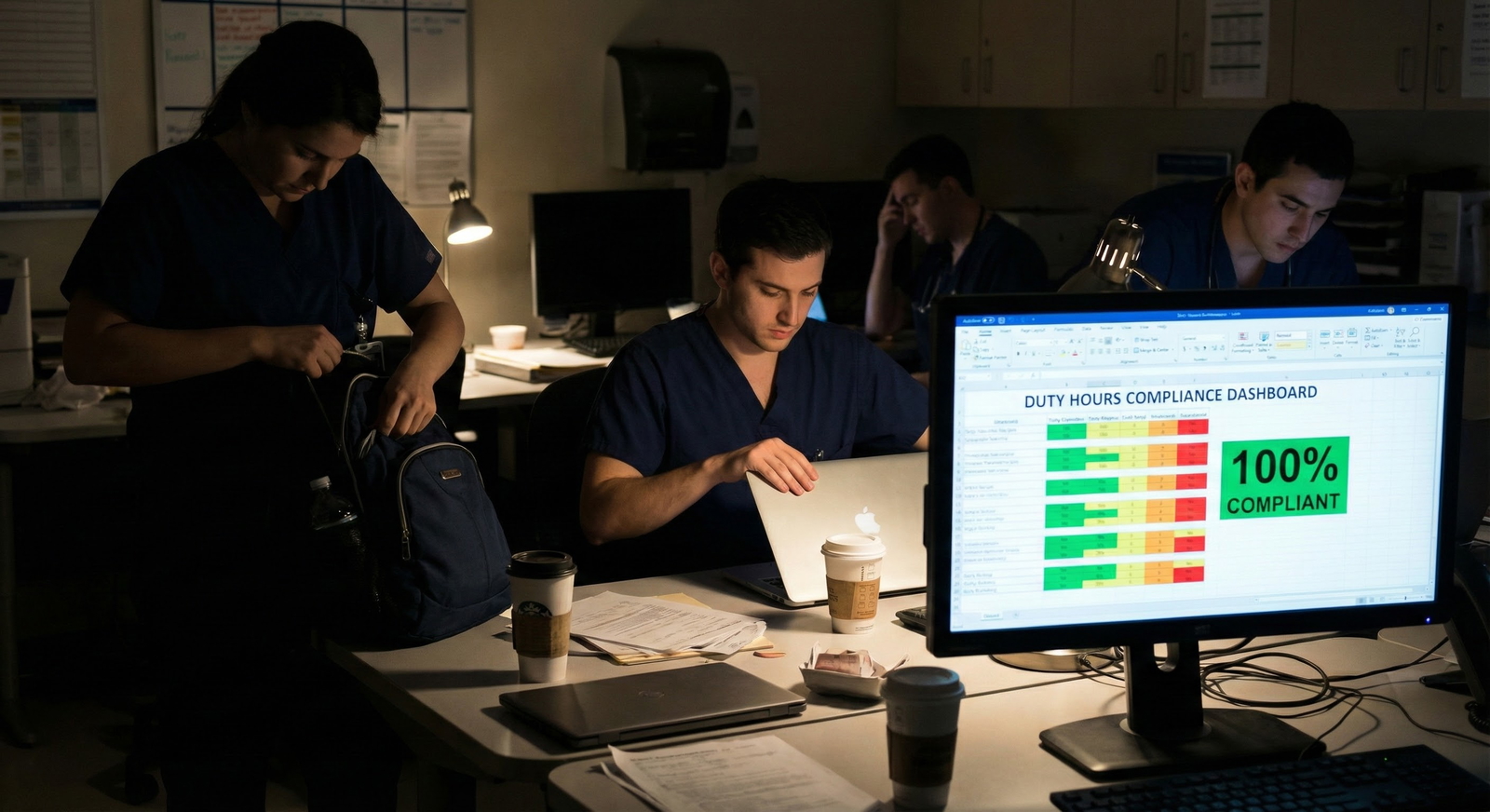
- Excessive work hours (often beyond ACGME rules) with pressure to underreport
- Dangerous patient volumes or ratios without backup
- Little control over schedules; days off frequently changed or denied last-minute
- No accommodations for genuine emergencies or health needs
Respect for Policy and Safety
- Ignoring or circumventing ACGME rules
- Inadequate supervision for junior residents
- Unsafe patient care environments (overcrowding, poor staffing)
- Residents pressured to compromise on safety or documentation
Outcomes and Morale
- High resident attrition or transfers
- Frequent mental health crises, burnout, or leaves of absence
- Graduates not passing boards, struggling to get jobs or fellowships
- Residents actively warning applicants to “stay away”
Why This Hits US Citizen IMGs Harder
As a US citizen IMG, you may be:
- More dependent on any EM match due to competitiveness
- Less familiar with U.S. residency culture and your rights as a trainee
- Sometimes entering programs where there’s a history of recruiting IMGs to do heavy service work
This can make you more vulnerable to programs that over-rely on IMGs for workload while under-investing in their education and advancement. Your goal is not just to match in emergency medicine—it’s to match into a program that genuinely wants you to succeed.
Researching Programs Before You Apply: Spotting Red Flags Early
Your safest, most powerful move is to start screening for residency red flags months before interview season. You can eliminate many problematic programs long before you rank anything.

1. Use Public Data and Accreditation Information
ACGME and Board Pass Rates
Look for:
- Board pass rates (ABEM written and oral) over several years
- Any public mention of probation or accreditation issues
Consistently low board pass rates or recent ACGME citations are major residency red flags. They may indicate poor teaching, inadequate supervision, or structural problems.
Where to look:
- Program websites (some publish pass rates)
- EMRA or CORD resources
- Student Doctor Network (SDN) and Reddit EM forums may share if a program has been on probation, though verify anything you read
Program Age and Stability
Newer programs are not inherently malignant—and many are excellent. But as an EM applicant, especially a US citizen IMG, be cautious about:
- Brand-new programs (first or second year of residents)
- Programs that have had recent change in program director or leadership
Questions to ask yourself:
- Is there a track record of graduates getting good jobs or fellowships?
- Does leadership seem stable, or has there been rapid turnover?
2. Resident Composition and IMG Representation
Some programs treat IMGs as integral members. Others use them as high-output workers with limited support.
Red flags for US citizen IMGs:
- Website lists almost all residents as non-IMG, but they heavily advertise to IMGs at fairs or online
- IMGs clustered disproportionately in certain years (e.g., only PGY-1s are IMGs, none in senior classes—this may mean poor retention)
- No mention of IMG support, visas, or mentorship despite recruiting international graduates
Positive signs:
- IMGs represented across multiple classes
- Alumni success stories that include IMGs
- Transparent messaging about how IMGs are integrated and supported
- Current IMGs willing (even eager) to talk honestly about their experience
3. Program Website and Curriculum Transparency
Pay attention to what’s missing as much as what’s present.
Potential toxic program signs in online materials:
- Very vague rotation descriptions (“You will gain robust experience”) with no specifics
- No clear schedule sample (number of shifts per month, hours per shift)
- No mention of wellness, mentorship, or feedback processes
- No details on didactics (frequency, protected time, attendance expectations)
Better programs are usually proud to show:
- Sample block schedules
- Conference schedule, types of educational sessions
- Resident-run committees, QI projects, and wellness initiatives
- Faculty backgrounds and interests
4. Reputation: Online, Word of Mouth, and Between the Lines
Residency reputation travels fast within EM.
Sources you can lean on:
- EMRA and CORD members: If you have a mentor in EM, ask directly, “Have you heard anything concerning about Program X?”
- Recent graduates from your medical school who matched EM
- Online forums (Reddit r/emergencymedicine, r/medicalschool, SDN)
- Away rotation feedback from classmates or upperclassmen
When you see repeated phrases like:
- “Great training, but you work like crazy and no one cares about your wellness”
- “High volume, but very old-school and hierarchical”
- “People leave if they can”
Treat these as strong yellow flags worth further investigation.
Toxic Program Signs During Interviews and Rotations
Once you’ve narrowed your list, the most accurate information often comes from direct contact—interviews, second-look visits, and away rotations. This is where malignant behaviors become more visible.

1. Resident Behavior: What They Say vs. How They Act
Residents are usually your best barometer of program culture. Watch both their words and their nonverbal cues.
Red flags:
- Residents appear exhausted and emotionally flat, even when speaking to applicants
- Jokes about never seeing family, friends, or daylight that feel more like real complaints than light humor
- Residents give very short, cautious answers when faculty are present, then become slightly more honest when alone—but still seem guarded
- No one says, “I would choose this program again” when asked directly
Questions to ask privately:
- “Would you choose this program again?”
- “Do you feel comfortable going to leadership if there’s a problem?”
- “Have any residents left or transferred out in the past few years?”
- “Is there pressure to stay late, pick up extra shifts, or not log work hours accurately?”
Be wary if residents:
- Hesitate, then say, “It’s…a great place to train” without clear examples
- Avoid answering questions about attrition or wellness
- Tell you, “Just don’t log all your hours or the ACGME will get mad at us”
2. Faculty and Leadership: Tone and Priorities
Watch how faculty and the program director talk about residents.
Signs of a healthier environment:
- They use language like “Our residents,” “We support them,” “We’re proud of…”
- They emphasize education goals, feedback systems, and how they respond to concerns
- They mention resident well-being as a priority, with specific strategies (schedule design, mental health access, backup call systems)
Toxic patterns to notice:
- Leadership boasts about being “the toughest program” or having a “sink or swim” mindset
- They proudly note that “Our residents work harder than anyone else” in ways that sound like exploitation, not pride in dedication
- They dismiss wellness concerns as “this new generation thing”
- They speak disrespectfully about residents in front of you (e.g., “Our interns are useless in July”)
As a US citizen IMG, also listen for subtle bias:
- Jokes or comments about “foreign grads”
- Questions about whether you’ll “be able to keep up” because you trained abroad
- Overemphasis on their “willingness to take a chance on IMGs” framed as a favor, not a partnership
3. Work Hours, Schedule, and Coverage
Emergency medicine is shift-based, which should, in theory, make ACGME compliance easier. Malignant programs often manipulate this.
Key questions with healthy answers:
- “How many shifts per month, and how long are they?”
- “Is there a cap on consecutive nights?”
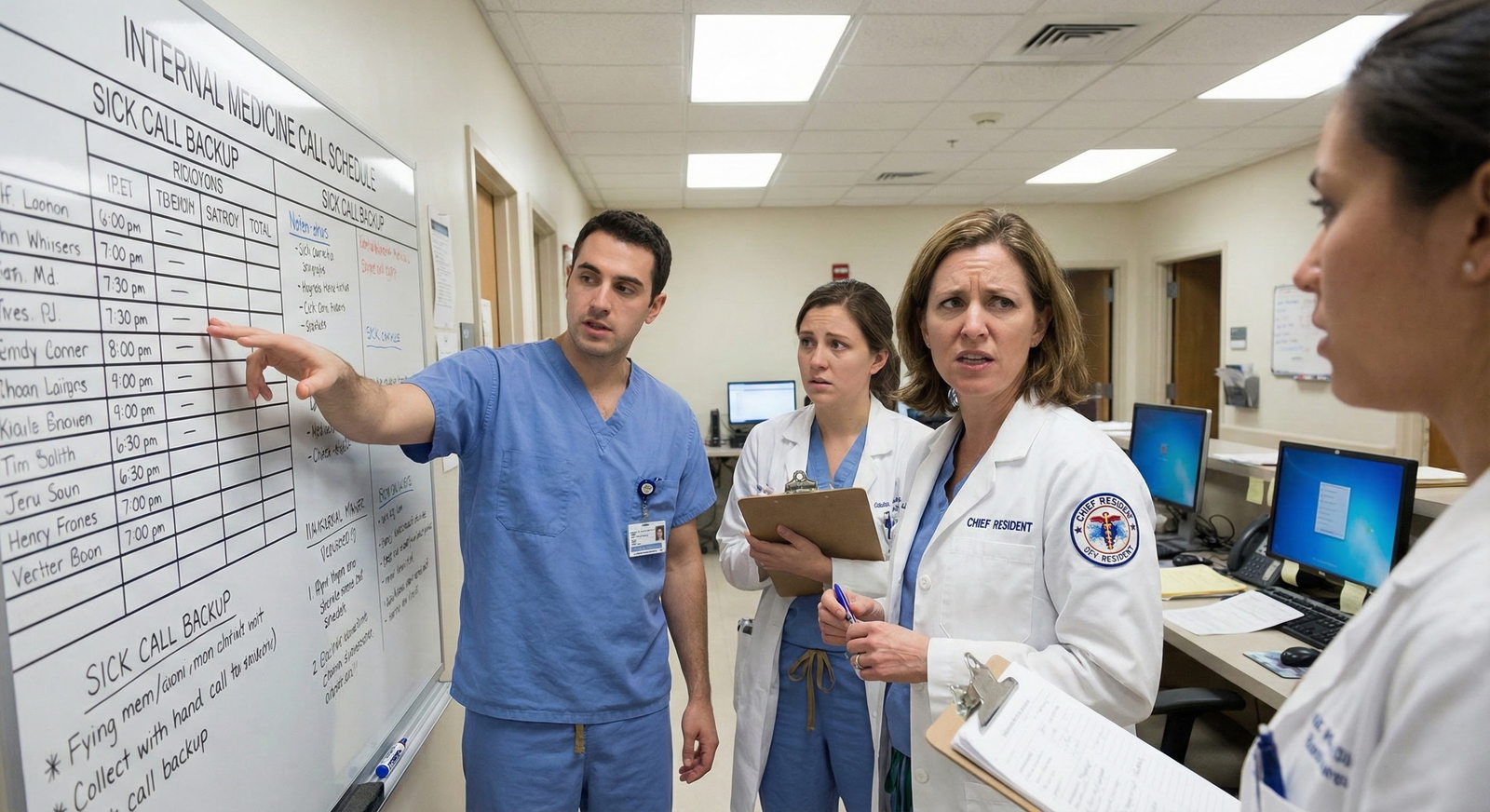
- “Who covers when a resident is sick?”
Red flags include:
- Residents hinting that staying 2–3 hours after shift to finish notes is routine and expected
- Pressure to not log all the hours or to falsely categorize post-shift work
- No clear backup or jeopardy system—sick residents guilted into working
- Interns regularly scheduled for excessive nights or heavy off-service rotations with limited teaching
4. Education vs. Warm Bodies in the ED
Ask specifically about:
- Protected didactic time (Are residents ever pulled from conference to work in the ED?)
- Faculty presence on shifts (Are attendings truly supervising and teaching, or just signing charts?)
- Simulation, procedure labs, and feedback sessions
Negative signs:
- Residents say, “We almost always get pulled from conference for staffing issues”
- Didactics described vaguely with little enthusiasm
- No clear system for formal feedback, milestones assessment, or individualized learning plans
- Senior residents saying, “You’ll learn by just working a ton of shifts”
A strong emergency medicine residency is busy, but also deliberately educational.
Special Considerations for US Citizen IMGs and Americans Studying Abroad
As a US citizen IMG in the EM match, you face unique challenges and must be especially careful about malignant residency programs.
1. How Programs May See (and Misuse) IMGs
Some programs genuinely value US citizen IMGs and international graduates. Others quietly see them as:
- More willing to tolerate poor conditions
- Less likely to complain or report violations
- Desperate for any emergency medicine residency, regardless of quality
Concrete red flags:
- Program historically has many IMGs in internship, but far fewer in PGY-3/4 (suggesting attrition or forced out)
- IMGs consistently assigned to more undesirable rotations or schedules
- IMGs rarely represented in leadership roles (chief resident, committees)
When speaking to current IMGs:
- Ask, “Do you feel you’re treated any differently from your US MD counterparts?”
- “Have IMGs historically had any trouble with promotion or disciplinary issues?”
- “How supportive was the program when you needed anything special (licensing, exam prep, mentorship)?”
2. Scrutinizing “IMG-Friendly” Labels
A program being “IMG-friendly” does not automatically mean it’s good for you. Sometimes it just means they’re willing to fill spots with IMGs when they can’t recruit competitive US MD/DO applicants.
Look deeper:
- Are they selective about which IMGs they take, or do they seem to take anyone who applies?
- Is the training environment robust, or are you plugging staffing holes?
- Does leadership recognize and support the unique needs of IMGs (e.g., prep for US-style documentation, communication, exam support)?
Signs of genuinely IMG-supportive programs:
- Faculty who trained abroad themselves
- Structured onboarding or bootcamps that help all new residents transition
- Clear academic mentorship, including for those pursuing fellowships or academic EM
3. Risk Management in Your Rank List
Because EM is competitive for IMGs, you may feel pressure to rank any program willing to interview you. That can be dangerous.
Protect yourself by:
- Deciding beforehand on non-negotiables (e.g., no programs with documented ACGME warnings, no programs where current residents clearly warn you)
- Being willing to rank fewer programs rather than include one that is clearly malignant
- Having a parallel plan:
- Preliminary or transitional year in a healthier environment
- Reapplying with stronger U.S. clinical experience and SLOEs
- Considering closely allied fields (e.g., internal medicine or family medicine with EM-focused practice) if necessary
It’s better to delay your EM career by a year than to spend three to four years in a toxic program that may damage your mental health and career trajectory.
Practical Strategies: How to Systematically Evaluate Programs
To reduce emotion and bias in your decision-making, create a structured evaluation system.
1. Build a Red Flag Checklist
Before interview season, list your critical warning signs, such as:
- Recent or current ACGME probation
- Multiple residents leaving or transferring in the past 3–5 years
- Residents discourage you from ranking the program
- Culture of fear around logging hours or reporting safety issues
- No protected didactic time or constant pulling from conference
- Evidence of discrimination or bias (including toward IMGs)
After each interview, rate each item as:
- 0 = No concern
- 1 = Mild concern / unclear
- 2 = Major concern
Programs with multiple “2” scores should be re-evaluated carefully—often they do not belong on your rank list at all.
2. Ask Targeted, Open-Ended Questions
Use questions that invite honest answers:
To residents:
- “What’s something you wish you could change here?”
- “How does leadership respond when residents bring up problems?”
- “How are residents supported when they’re struggling academically or personally?”
To faculty/leadership:
- “What do you see as your program’s biggest area for growth?”
- “Can you talk about a time residents brought you a concern and how you handled it?”
- “How do you see IMGs fitting into your program’s mission and culture?”
Listen not just for the content, but for tone, defensiveness, and consistency. A good program acknowledges weaknesses and explains how they’re working to improve.
3. Talk to Multiple Residents Across PGY Levels
Junior and senior residents may experience the program very differently.
- Interns (PGY-1): Can tell you about onboarding, early support, workload shock
- Mid-level residents (PGY-2): Know how education and autonomy progress
- Seniors (PGY-3/4): Understand leadership, fellowship/job placement, and long-term culture
If a program only lets you speak to carefully selected “star residents,” that’s another mild red flag. Ask if you can contact other residents privately afterward.
Balancing Risk and Opportunity in the EM Match
No residency is perfect. There will be hard days, exhausting stretches, and frustrations in almost any emergency medicine residency. The goal is not to eliminate all difficulty—it is to avoid being trapped in a chronically toxic environment.
For a US citizen IMG or American studying abroad, the stakes are very real:
- You may have fewer transfer options if things go badly
- A malignant residency may not support you adequately for critical board exams
- Your letters and network from such a program may be weaker, limiting fellowship and job prospects
Your strategy should combine:
- Realistic self-assessment
- Understand your competitiveness and build a balanced list of programs
- Proactive research
- Use online data, word of mouth, and away rotations when possible
- Clear boundaries
- Decide what you are and are not willing to tolerate
- Thoughtful ranking
- Rank programs you would genuinely be willing to train at, in order of preference
- Leave truly malignant programs off your list, even if it shortens the list
You are not just trying to match; you are trying to build a sustainable, rewarding career in emergency medicine.
FAQs: Malignant Programs and US Citizen IMGs in EM
1. As a US citizen IMG, should I ever rank a program that seems malignant just to increase my chances of matching?
Generally, no. If a program clearly shows multiple major toxic program signs—high attrition, abusive culture, chronic ACGME violations, residents warning you away—it is safer to leave it off your rank list. Matching there may harm your long-term career and well-being more than not matching and reapplying with a stronger application.
2. How can I tell if a program is truly malignant versus just very demanding?
Look at the combination of workload and support:
Demanding but healthy:
- Busy shifts, high acuity
- Respectful culture, responsive leadership
- Protected education time
- Real interest in your growth and well-being
Malignant:
- Excessive hours and unsafe volume
- Shaming, fear, or retaliation
- Little to no education or feedback
- Residents quietly (or openly) advise you not to come
If you see high demand plus low support, that’s when the word “malignant” applies.
3. Are community emergency medicine residencies more likely to be malignant than university programs?
Not necessarily. Both community and academic EM programs can be excellent or toxic. Some community programs offer outstanding hands-on experience with supportive faculty; some academic programs hide behind prestige while treating residents poorly. Evaluate each program individually using the same criteria: culture, workload, education quality, and resident outcomes.
4. What should I do if I discover my program is malignant after I start residency?
If you find yourself in a malignant residency program:
- Document experiences objectively (emails, schedules, written policies).
- Seek allies: trusted faculty, chief residents, GME office, or ombudsperson.
- Consider formal reporting if there are patient safety or ACGME violations.
- Explore transfer options with discretion; talk to mentors outside your program.
- Prioritize your mental health and safety; use counseling and wellness resources.
You are not trapped. Transfers and course corrections are possible, and seeking help early is a sign of professionalism, not failure.
By approaching emergency medicine residency selection with eyes wide open—especially as a US citizen IMG—you dramatically reduce your risk of landing in a malignant residency program. Instead, you position yourself to join a training environment that values your background, invests in your growth, and launches you into a strong, sustainable EM career.