Why Neurology Program Culture Matters Even More for Non‑US Citizen IMGs
For a non-US citizen IMG aiming for neurology residency in the United States, “just matching somewhere” can feel like the primary goal. But for a foreign national medical graduate who needs visa sponsorship, lacks local family support, and may be less familiar with US labor protections, landing in a malignant residency program can be particularly dangerous.
A malignant program (often called a “toxic” program) is not simply busy or demanding. It’s a place where:
- Systemic disrespect and intimidation are normalized
- Education is sacrificed for service
- Bullying or harassment is tolerated
- Residents feel unsafe speaking up
Neurology is a cognitively demanding specialty that already comes with steep learning curves: reading imaging, managing stroke codes, epilepsy, neurocritical care, complex outpatient neurology, and more. In a toxic program, the pressure is amplified—and for a non-US citizen IMG, your visa, career, and mental health may all be at stake.
This article will help you:
- Understand what “malignant” realistically means in neurology residency
- Recognize concrete residency red flags before and during interviews
- Interpret data sources (websites, reviews, NRMP outcomes) intelligently
- Ask targeted questions that reveal culture without sounding confrontational
- Make safer rank list decisions as a non-US citizen IMG in the neurology neuro match process
What “Malignant” Actually Looks Like in Neurology Residency
Busy vs. Malignant: A Critical Distinction
All neurology residencies are busy. You will cross-cover floors, manage stroke alerts at 3 a.m., admit status epilepticus, and chase consults. Busy or high-volume does not equal malignant.
A malignant neurology residency program has more systemic and cultural problems such as:
- Habitual disregard for duty hours and resident wellness
- Chronic understaffing without transparency or support
- Emotional abuse, public humiliation, or retaliation
- Unsafe clinical expectations (e.g., unsupervised high-risk procedures)
- Hostility toward IMGs or people with accents
- Lack of remediation and support for struggling residents
For a non-US citizen IMG, additional risks include:
- Poor or unreliable visa sponsorship practices
- Threats (overt or implied) that visa status can be used against you
- Lack of institutional support for foreigners (onboarding, HR issues, health insurance complexity)
Neurology-Specific Stressors That Can Turn Toxic
Neurology offers unique pressure points that malignant programs exploit:
Stroke services and ED neurology consults
- Overuse of residents as “stroke machines” with little attending teaching
- Pressure to make rapid tPA/thrombectomy decisions without adequate backup
Neurocritical care and night float
- Heavy ICU coverage with minimal in-person attending support at night
- Unrealistic expectations for a PGY-2 to independently manage multi-system failures
Electrophysiology, EMG/EEG, and complex outpatient
- Service-heavy clinics with extreme patient volume, no time to actually learn
- Residents used mostly for data gathering with little feedback or teaching
In a healthy program, volume is balanced by supervision, feedback, and structured teaching. In a malignant residency program, volume replaces education, and residents are blamed when the system predictably fails.
Core Toxic Program Signs and Residency Red Flags
Below are key residency red flags non-US citizen IMGs should watch for when researching neurology programs for the neuro match. Pay attention to patterns, not single anecdotes.
1. Chronic Attrition, Dismissals, or Frequent Transfers
High resident turnover is one of the clearest malignant residency signals:
- Residents frequently resign, transfer, or are “asked to leave”
- Program website shows “holes” in classes or multiple PGY-2/PGY-3 entries like “No resident”
- Residents hint that “people before you didn’t finish” without giving a clear, benign explanation
In neurology, occasional transfers do occur (e.g., for family reasons or research positions). Concerning patterns include:
- Multiple residents leaving within a short time frame
- Residents expressing fear about discussing prior attrition
- PD or faculty giving vague or defensive answers when you ask about graduate outcomes
Action step:
During interviews, ask:
“How many neurology residents have left the program or changed tracks in the last five years, and what were the usual reasons?”
Honest programs will provide context and detail. Evasive or defensive answers are a major red flag.
2. Abusive or Fear-Based Leadership
Malignant programs often revolve around one or two powerful individuals (program director, chair, service chief) whose behavior goes unchecked.
Warning signs:
- Residents describe attendings as “scary,” “unapproachable,” or “never pleased”
- Stories of public humiliation (“They tear people apart on rounds”)
- Residents or faculty tell you to “keep your head down” or “never argue with Dr. X”
- Residents avoid giving feedback or say, “We don’t really evaluate the program much”
For a non-US citizen IMG, this can be particularly dangerous because:
- You may feel less empowered to challenge unfair evaluations
- You might worry that a negative interaction could jeopardize your visa or employment
Action step:
Ask residents privately (e.g., during social or over text/email after interview day):
“When conflicts arise between residents and attendings, how are they usually addressed?”
“Do you feel comfortable raising concerns about mistreatment without retaliation?”
If answers focus on “we just try to avoid certain people” or “we don’t really talk about those things”, consider this a strong red flag.
3. Systemic Duty Hour Violations and Unsafe Workloads
Every neurology residency will have busy call nights, but consistent, unaddressed duty hour violations point to toxicity.
Red flags:
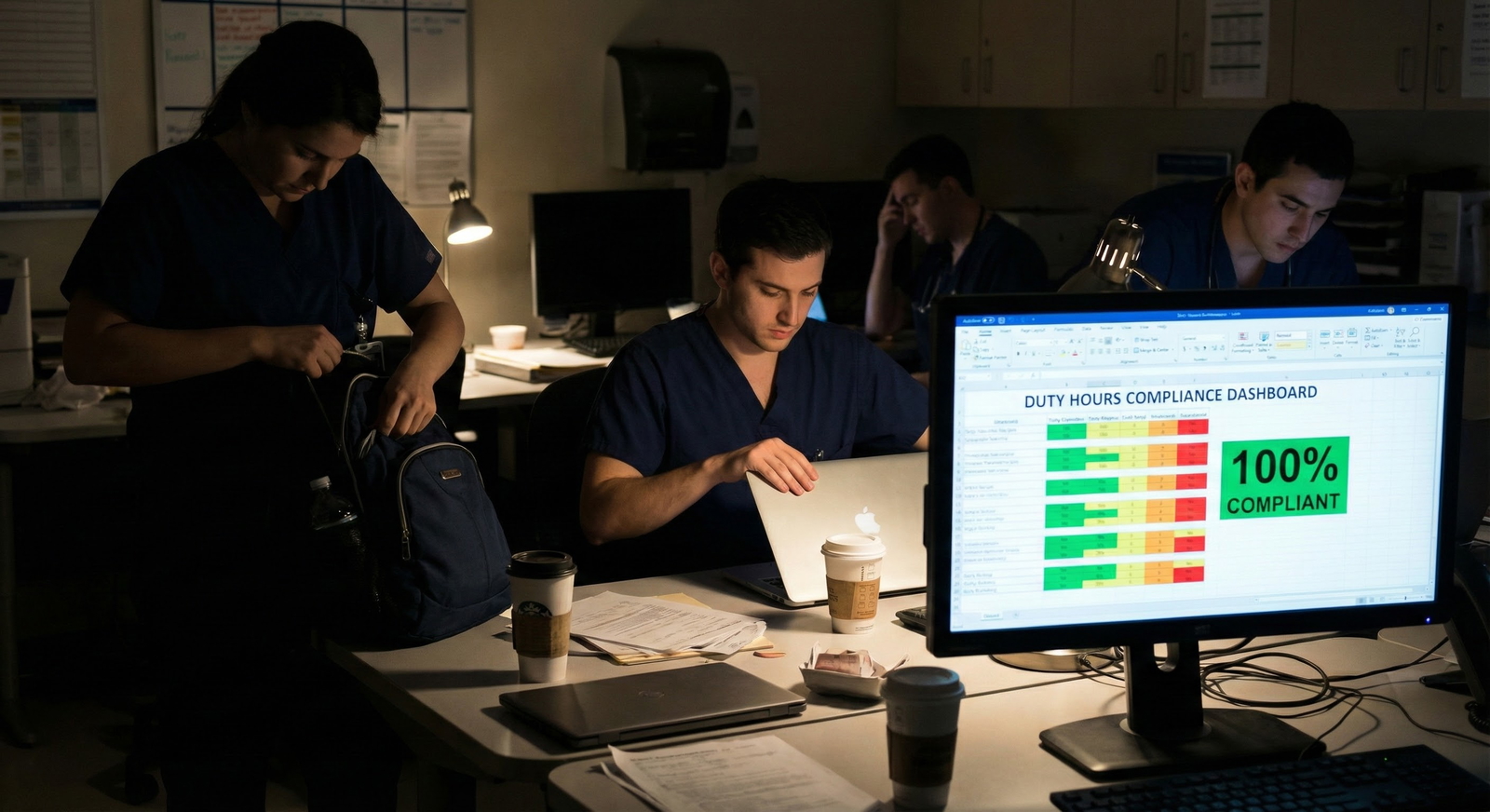
- Residents regularly exceed 80 hours/week or stay far beyond their scheduled shifts
- Documentation is manipulated (“We’re told to not log all our hours”)
- Night float or 24-hour call is described as “brutal” without mechanisms to recover or improve
- Residents frequently stay late to do non-educational tasks: chasing consult forms, unnecessary documentation, clerical work
For IMGs, there may be added pressure to comply without complaint for fear of being labeled “weak” or “uncommitted.”
Action step:
Ask very specific questions:
“What does a typical call week look like in terms of hours?”
“Do residents feel their duty hours are accurate when logged, and does leadership act on violations?”
If residents say things like, “Officially, it’s fine, but realistically, we’re here a lot,” push gently for detail.
4. Poor Supervision and Unsafe Clinical Expectations
In neurology, certain scenarios are high-risk if supervision is inadequate:
- tPA or thrombectomy decisions
- Management of nonconvulsive status epilepticus
- Neuro ICU management (ventilators, multiorgan failure)
- Complex neuroimmunology or neuromuscular cases
Red flags include:
- PGY-2s handling high-stakes decisions alone at night without immediately available attendings
- Fellows or attendings seem “annoyed” at being called, discouraging you from asking for help
- Residents say: “You’re basically the neurologist overnight” in year one of neurology training
- Mistakes are handled with blame and shame, not teaching and systems review
For non-US citizen IMGs: This can be particularly harrowing if you’re less familiar with US malpractice culture and feel pressured not to ask “too many questions.”
Action step:
Ask residents:
“When you’re on night float and a complex neurology case comes in, how quickly can you reach an attending, and are they supportive of being called?”
If the culture is that “you should figure it out yourself” or attendings scold residents for calling, that’s a toxic sign.
5. Visa and Contract-Related Manipulation
This is a uniquely critical domain for non-US citizen IMGs and foreign national medical graduates.
Red flags:
- Late, vague, or changing statements about visa sponsorship
- PD or GME giving inconsistent answers about J-1 vs H-1B sponsorship
- Pressure to sign contracts quickly “or your visa might be delayed”
- Hints that raising concerns could impact visa renewal or employment
- Stories from residents about unexpected contract changes once they arrived
You should never feel that your ability to stay in the US legally is being used to control you.
Action step:
- Ask before ranking:
“Exactly which visa types do you sponsor for neurology residents? How many current residents are on each type, and has this changed recently?”
- Confirm in writing, ideally via email with GME, not only the program director.
- If answers are unclear, inconsistent, or slow, consider this a warning.

How to Detect Malignant Programs Before Interview Day
1. Use Public Data Strategically, But Carefully
Data points you can examine:
- Program website and resident roster
- Look for missing residents, unusual mid-class entries, or frequent PGY-level changes.
- ACGME Accreditation and Citations
- Check ACGME’s public listing for probation, warning, or recent major citations.
- Board pass rates and graduation outcomes
- Chronic low ABPN neurology board pass rates may signal poor education or support.
Interpret cautiously:
- One negative review on forums does not make a program malignant.
- Patterns of similar complaints across multiple years and multiple sources are more telling.
2. Read Between the Lines on Program Webpages
Program websites often display their priorities unintentionally. Potential red flags include:
- Overemphasis on “service to the hospital” vs. education, research, teaching, or career development
- No clear statements on resident wellness, support services, or anti-harassment policies
- No mention of visa sponsorship policies, despite obviously recruiting IMGs
- Faculty list heavily skewed toward one subspecialty without breadth (possible overreliance on a single dominant personality)
Positive signs:
- Detailed curriculum outlining protected didactics, simulation, and feedback structures
- Explicit mention of wellness, mental health resources, and grievance processes
- Clear, stable visa policies with number of past IMGs highlighted
3. Leverage IMG and Neurology-Specific Networks
As a non-US citizen IMG, your peer network is invaluable:
- Ask alumni from your medical school who matched in neurology
- Use neurology and IMG Facebook groups, WhatsApp groups, Reddit, or specialty forums
- Reach out to recent graduates or current residents via email or LinkedIn with very specific questions
Example approach:
“I’m a non-US citizen IMG applying in neurology and considering your program. I’d love to hear your honest perspective on resident support, workload, and how the program treats IMGs.”
Look for patterns:
- Multiple people independently describe burnout, fear of leadership, or lack of support
- Residents warn you to “be careful” about ranking the program highly
- Consistent reports of poor handling of grievances or unfair dismissals
Interview-Day Tactics: What to Ask, What to Watch
The interview is your best chance to identify toxic program signs, but programs will present their best face. You need to observe discrepancies between what leadership says and what residents show.
1. Questions for Residents (Private Time Is Crucial)
When you get the chance away from attendings and PDs, ask:
Culture & Support
- “When you have a bad outcome or make a mistake, how does the program respond?”
- “Do you feel backed up by your attendings when things get difficult?”
Workload & Duty Hours
- “What’s the hardest part of being a resident here?”
- “How often do you stay significantly late after your shift?”
Education vs. Service
- “Are there times when you feel your learning is sacrificed purely for service?”
- “How protected are your didactics?”
IMG & Visa Experience
- “As an IMG/non-US citizen, do you feel treated differently in any way?”
- “Has anyone had issues with visas, contracts, or feeling pressured because of their immigration status?”
Watch their non-verbal cues:
- Hesitation, nervous laughter, looking around before answering
- Saying “it’s fine” without elaboration, or switching topics quickly
2. Questions for the Program Director and Faculty
Your questions to leadership should be professional but targeted:
About Problem Resolution
- “Can you share an example of a time residents brought forward a serious concern and how the program addressed it?”
About Attrition and Outcomes
- “How many residents have not completed the program in the last five years, and what were the main reasons?”
About Wellness and Support
- “What formal support systems are in place for stressed or struggling residents?”
About Visa Sponsorship
- “What is your current policy on J-1 and H-1B sponsorship, and has this changed in recent years?”
Assess how transparent and concrete the answers are. Vague, defensive, or over-rehearsed responses signal potential problems.
3. Red Flags in What You See and Hear
During the day, keep a mental checklist:
- Residents look exhausted, disengaged, or unusually guarded
- Faculty speak disparagingly of residents (e.g., “They complain a lot these days”)
- No mention of mentorship, fellowships, or career development
- Offhand comments about “weeding out” weak residents or “not everyone makes it”
Remember: a polished PowerPoint cannot hide a fearful resident body.

Making Your Rank List: Balancing Risk as a Non‑US Citizen IMG
1. Avoid the “Any Match Is Better Than No Match” Trap
For a foreign national medical graduate, it can feel like:
- No US training = no neurology career
- Visa expiration = you must leave the country
This fear drives many IMGs to rank clearly toxic programs highly, thinking they can “survive three or four years.”
But malignant neurology residencies can lead to:
- Burnout, depression, or serious mental health crises
- Dismissal or “forced resignation” with a damaged record
- Difficulty obtaining neurology fellowships or jobs due to lack of support or weak letters
- Visa issues if you leave the program early
Sometimes, not matching and reapplying with a better strategy is safer than committing to an objectively toxic environment.
2. Risk-Stratify Programs on Your List
As you build your rank list, classify programs into:
- Green: Supportive culture, transparent communication, residents appear genuinely content, good visa handling.
- Yellow: Some concerns (e.g., high volume, modest resources), but no consistent signs of fear, abuse, or dishonesty.
- Red: Multiple independent red flags (culture of fear, attrition, duty hour issues, visa manipulation).
If possible:
- Limit red programs to the bottom of your list, or exclude them entirely if you have sufficient green/yellow options.
- If your application is not very competitive and you feel forced to keep a couple of risky programs, be realistic but intentional about where they fall.
3. Think Long-Term: Training Quality Matters
Neurology is a field where:
- Breadth and depth of training directly affect your diagnostic skill and confidence
- Good mentorship significantly influences your fellowship chances (stroke, epilepsy, neurocritical care, movement disorders, etc.)
A program that is merely “average” but safe and respectful is nearly always better than a malignant residency program that brags about prestige or volume but destroys its residents.
Practical Checklist: Toxic Program Signs for Non-US Citizen IMG Neurology Applicants
When evaluating a neurology residency, especially as a non-US citizen IMG, watch for these combined red flags:
Culture
- Residents seem afraid to speak openly
- Stories of humiliation, yelling, or retaliation
- Little to no resident input into program changes
Workload & Safety
- Chronic duty hour violations not acknowledged or addressed
- PGY-2s or PGY-3s left alone with unsafe responsibility
- Poor night coverage and reluctance from attendings to be called
IMG and Visa Treatment
- Inconsistent, vague, or changing statements about visa sponsorship
- IMGs report feeling “second-class” or disproportionately targeted for criticism
- Past issues of visa delays or contract disputes swept under the rug
Outcomes & Transparency
- Multiple residents leaving or not graduating without clear explanations
- PD cannot clearly state board pass rates, fellowship placements, or remediation policies
- Program has a reputation among neurology residents/IMGs for being “rough” or “problematic”
If you find multiple issues across these domains, you are likely dealing with a toxic neurology program that is especially risky for non-US citizen IMGs.
FAQs: Identifying Malignant Neurology Programs as a Non‑US Citizen IMG
1. Are malignant neurology residency programs common, or are people just venting online?
Truly malignant programs are a minority, but they do exist. Online spaces tend to amplify extremes—people are more likely to post when something is very good or very bad—so you must filter for consistent patterns across multiple years and sources. Look for repeated mentions of the same problems (abusive leadership, high attrition, visa issues) rather than isolated angry posts.
2. As a non-US citizen IMG, should I prioritize visa sponsorship over program culture?
You need both. Without a visa, you cannot train; without a safe culture, you may not finish or may suffer serious harm. If you are forced to choose between a slightly less prestigious but supportive program that reliably sponsors your visa and a prestigious but toxic program that treats IMGs poorly, choose the safer, more supportive option in almost all cases. Long-term neurology careers are built on solid training and well-being, not brand name alone.
3. How can I evaluate neurology programs if I don’t have strong US contacts or mentors?
You can still gather meaningful information by:
- Reaching out to current residents (especially IMGs) via email or LinkedIn
- Joining online IMG and neurology groups and asking for private messages about specific programs
- Using alumni networks from your medical school—many schools keep track of recent US matches
- Asking honest, targeted questions during pre-interview socials and resident panels
Even with limited connections, you can identify trends if you listen carefully and ask the same set of questions across multiple programs.
4. What should I do if I realize my matched program is malignant after I start?
This is difficult but not hopeless. Steps include:
- Document everything: emails, schedules, evaluations, concerning incidents.
- Identify allies: trusted faculty, chief residents, GME office, or institutional ombudsperson.
- Seek mental health support early if you are struggling.
- If the situation is truly unsafe or abusive, quietly explore transfer options with mentors outside the program.
- Do not let anyone threaten you about your visa without involving GME and, if needed, legal counsel. Your status should not be used as a tool of coercion.
Whenever possible, prevention is better than repair—use the strategies in this article during the neurology neuro match process to avoid malignant residency programs from the start.
By approaching your neurology residency search thoughtfully—especially as a non-US citizen IMG—you can minimize the risk of matching into a toxic environment and instead find a program that will challenge you clinically, support you personally, and launch you into a meaningful career in neurology.