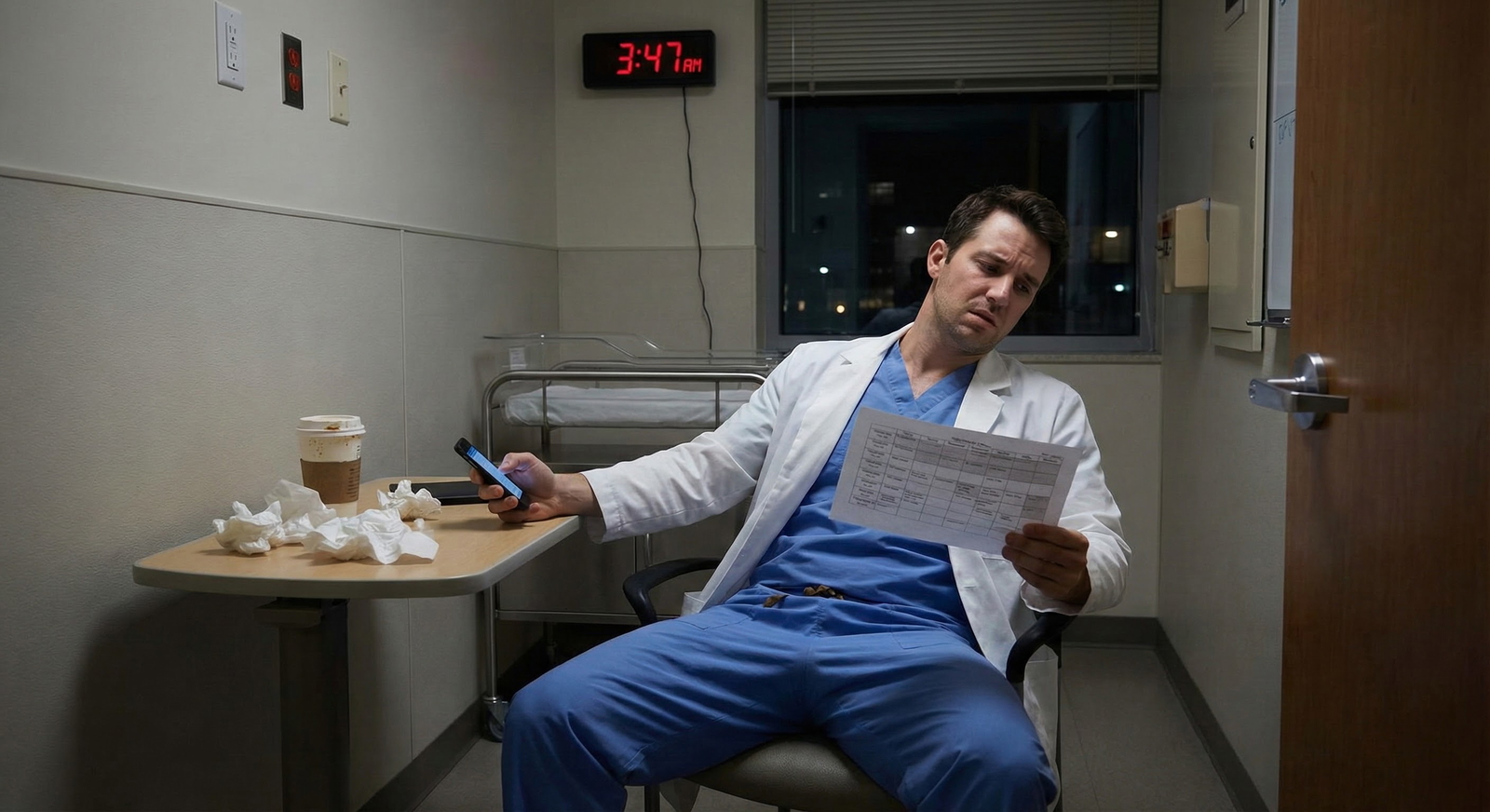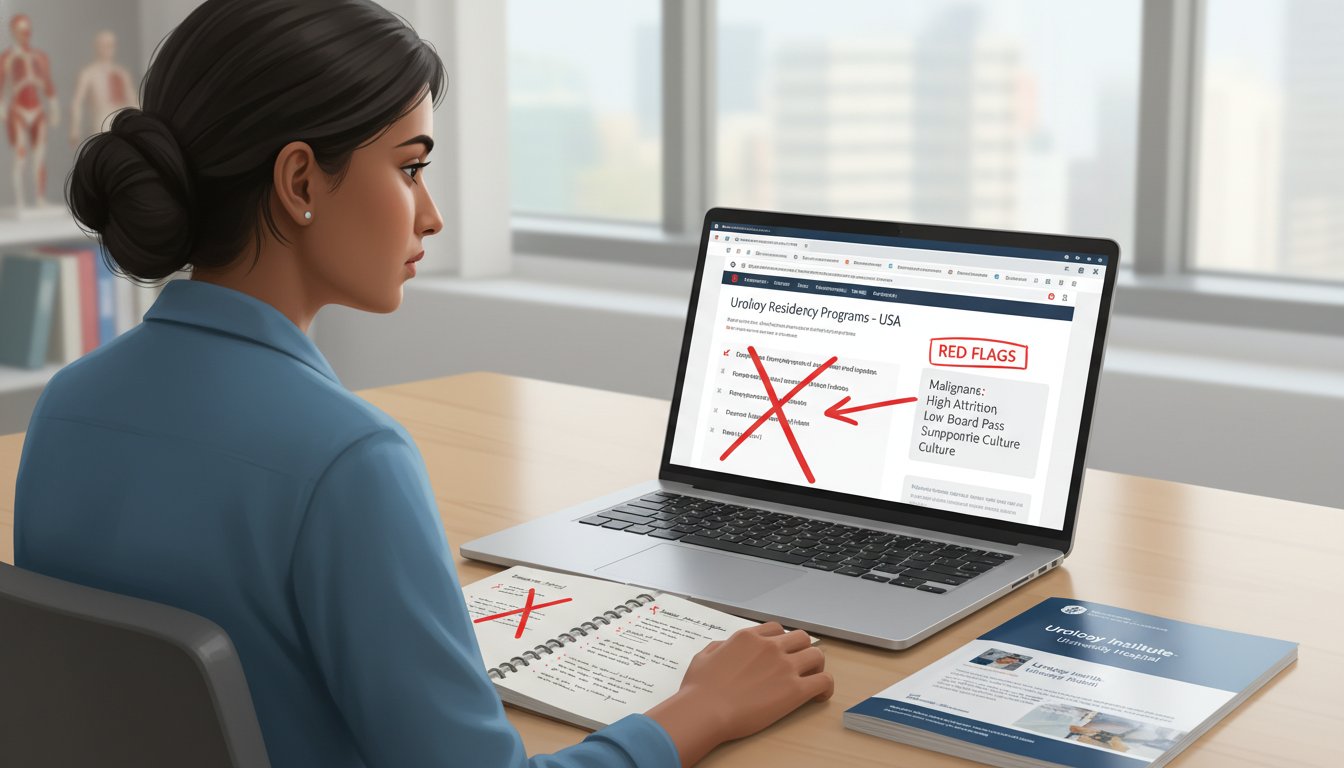
Why “Malignant” Programs Matter So Much for a Non‑US Citizen IMG
For a non-US citizen IMG, choosing the wrong pediatrics residency can have consequences far beyond a miserable three years. Your visa status, career trajectory, and mental health are all heavily influenced by the culture and stability of your training environment.
A “malignant residency program” is one where the culture, policies, or behaviors are consistently harmful to residents. These are often called “toxic programs” and can be harder for a foreign national medical graduate to escape due to visa constraints and limited flexibility to transfer.
As a non-US citizen IMG targeting pediatrics residency and aiming for a successful peds match, you must be especially strategic about screening for residency red flags. This article will walk you step-by-step through how to identify malignant programs before you rank them, using realistic examples and tactics that work even when you’re thousands of miles away.
Understanding “Malignant” in the Context of Pediatrics
In pediatrics, people often assume programs are automatically “nice” or “family friendly.” Many are. But pediatrics is not immune to malignant cultures. Understanding what “malignant” looks like in this specialty helps you avoid being misled by a friendly interview day.
What is a “malignant residency program”?
A malignant residency program is one where:
- Resident wellbeing is chronically neglected
- Psychological or emotional abuse is normalized
- Duty hour or safety rules are ignored
- There is fear of retaliation for speaking up
- Academic and career support is minimal or manipulative
In pediatrics this might present as:
- A culture where “doing it for the kids” is used to justify unsafe schedules
- Frequent emotional manipulation (“You don’t care about children if you go home on time”)
- Blaming residents for systemic issues (nursing shortages, overcrowding, poor EHR systems)
- Leadership that smiles for accreditation visits but ignores day-to-day problems
For a non-US citizen IMG, the stakes are higher:
- Job loss may mean loss of visa status and forced return home
- Transferring programs is more complicated
- Fear of “rocking the boat” is amplified because of sponsorship and immigration dependence
- You may be more vulnerable to discrimination or exploitation
Recognizing these dynamics early helps you prioritize your safety and long-term success.
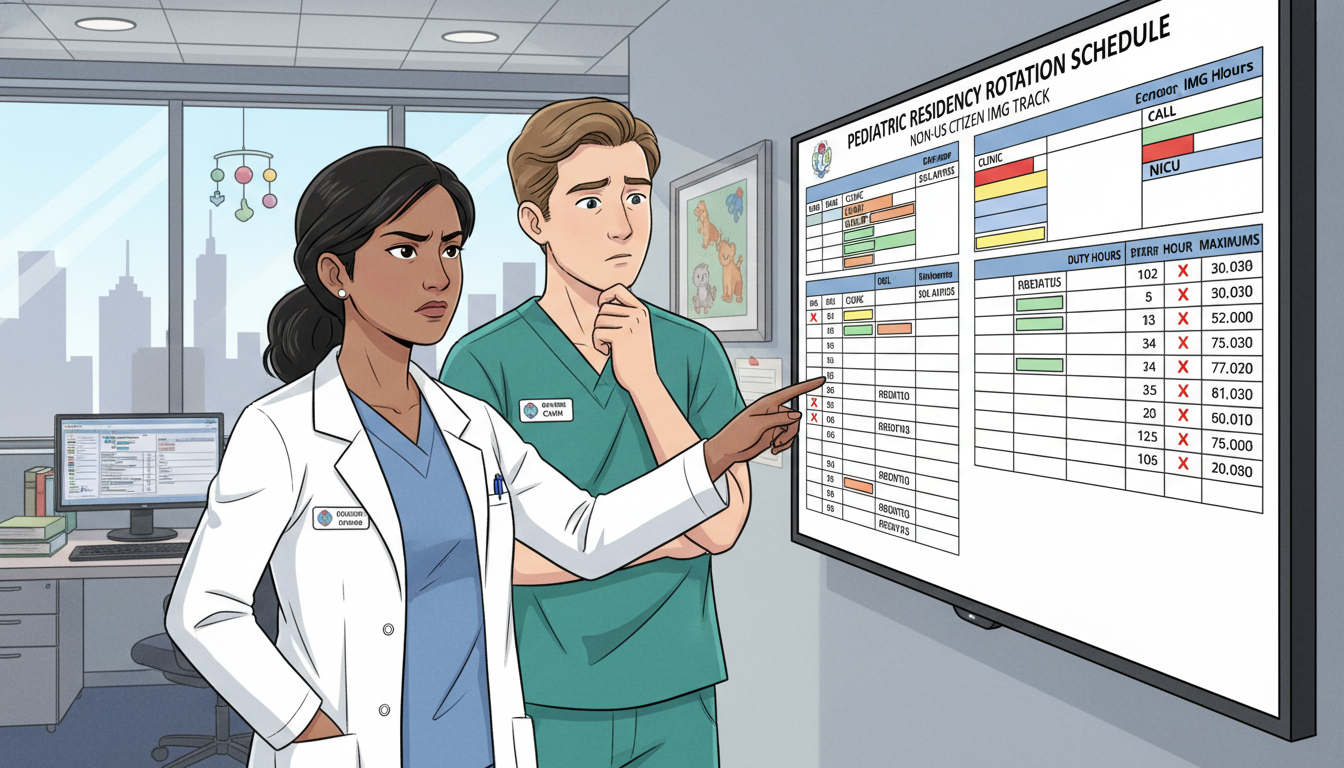
Concrete Red Flags: How Malignant Programs Reveal Themselves
Malignant programs often have patterns you can systematically look for. Below are key residency red flags specific to pediatrics, with examples and how they may be especially risky for a non-US citizen IMG.
1. Chronic Duty Hour Violations and Unsafe Workload
Signs to watch:
- Residents routinely staying 2–4 hours after shift “end time”
- 28–30 hour shifts disguised as “16-hour nights plus documentation”
- No pre-call or post-call protection on heavy inpatient rotations
- Residents say “we all just fix our hours in the system”
Why this matters for you as a foreign national medical graduate:
If you’re exhausted, your performance deteriorates. As a non-US citizen IMG, program leaders sometimes already “watch” you more critically. Fatigue-related errors can easily be interpreted as incompetence or poor “fit,” which may affect your renewal, letters, or fellowship chances.
Sample questions to ask residents:
- “How often do you leave on time on inpatient wards and NICU?”
- “Do you feel pressure to under-report hours?”
- “What happens when residents say they’re too tired to work safely?”
If multiple residents say:
“We just get it done, that’s how it’s always been,” or
“Everyone fudges hours, or the program gets in trouble,”
treat that as a major red flag.
2. Culture of Fear, Blame, and Public Shaming
Toxic program signs related to culture:
- Attendings or chiefs yell at residents in front of staff, patients, or students
- Residents describe “being terrified” of certain faculty or rotations
- Mistakes are met with humiliation rather than feedback and teaching
- Residents compete with each other instead of supporting each other
In pediatrics this may show as:
- Attendings who lecture residents publicly when a parent complains
- NICU or PICU attendings who use intimidation in rounds
- Chiefs who say “We survived, you will too” when you raise concerns
Unique risk for non-US citizen IMG:
You may be:
- More hesitant to speak up because of cultural differences or fear of losing visa support
- Targeted with microaggressions about your accent, training background, or medical school
- Less likely to have family support nearby to buffer emotional stress
Questions to ask:
- “How does the program usually respond when a resident makes a mistake?”
- “Do you feel safe going to leadership with concerns without retaliation?”
- “Have there been any changes made based on resident feedback in the last year?”
Look for specific examples. Vague answers like “We’re working on it” without details are suspicious.
3. Poor Support for Non-US Citizen IMGs and Visa Issues
Even a generally good pediatric program can feel malignant to a non-US citizen IMG if visa support is weak or unreliable.
Red flags around visas and IMG support:
- Program is vague about which visas they sponsor (e.g., “we’ll see,” “depends on HR”)
- Recent stories of residents losing visa status, delayed start dates, or unexpected gaps
- No one in leadership can clearly explain the J-1 vs H-1B process
- You are the only foreign national medical graduate in the entire program, with no history of successful IMG graduates
- Residents hint that administration is “annoyed” by immigration paperwork
Questions to clarify before ranking:
- “How many current residents are on J-1 or H-1B visas?”
- “Who handles immigration paperwork—GME office or external counsel?”
- “Has anyone had visa-related delays or issues in the last few years? How were they handled?”
- “Can I speak with a current or recent non-US citizen IMG in your program?”
If they avoid connecting you with another non-US citizen IMG or cannot name any recent graduates on a visa, think very carefully before ranking them.
4. High Attrition, Probation, and “Recycling” Residents
A strong indicator of a malignant residency program is a pattern of residents leaving, being put on probation, or repeating years without clear educational justification.
Specific red flags:
- Several residents have left or “transferred” in the last 3–5 years
- Residents mention colleagues being dismissed unexpectedly
- Program commonly puts people on remediation or probation
- You hear phrases like “This program isn’t for everyone” used as a defense
For pediatrics specifically, the applicant pool is large, and most programs can fill spots. If they’re still having trouble keeping residents, it suggests deeper cultural or systemic issues.
Questions to explore:
- “Have any residents left the program or transferred in the last five years?”
- “How does the program handle residents who struggle academically or clinically?”
- “Are there formal remediation plans with clear goals and support?”
Malignant programs often weaponize remediation against IMGs, framing cultural or communication differences as “deficiencies” without meaningful coaching or mentorship.
5. Lack of Educational Structure and Real Teaching
Even if people are “nice,” a program can be academically malignant if it does not prepare you to become a competent pediatrician or competitive fellowship candidate.
Academic red flags:
- Inconsistent or frequently cancelled didactics or morning report
- No protected education time (residents constantly paged out of conferences)
- Board pass rates well below national average with no clear improvement plan
- Residents feel like service providers rather than learners
- No support for research, QI, or scholarship
For a non-US citizen IMG, strong training and board success are crucial to opening doors later, especially if you plan to stay in the US.
Questions to ask:
- “What is your board pass rate over the last three years?”
- “How often are didactics cancelled due to clinical demands?”
- “Are we protected from pages during teaching sessions?”
- “What percentage of residents do research or QI projects?”
If residents laugh or roll their eyes when you ask about teaching, that is telling.
6. Disorganization, Chaotic Schedules, and Poor Communication
Chronic disorganization increases stress, reduces learning time, and signals weak leadership.
Operational red flags:
- Rotation schedules are released late (e.g., only weeks before the start of the year)
- Frequent last-minute schedule changes without explanation
- Inconsistent policies depending on which attending is on service
- Onboarding and EMR access are often delayed or chaotic
This hits non-US citizen IMGs harder: moving countries already comes with uncertainty. Adding a disorganized system increases risk of burnout and mistakes.
Questions to ask:
- “When do residents typically receive their yearly rotation schedules?”
- “How are last-minute coverage needs handled?”
- “Is there a clear, written policy on jeopardy, sick call, and days off?”
Programs that answer clearly—with examples of how they support resident flexibility—tend to be healthier.

How to Research and Detect Malignancy Before You Rank
You only see a carefully curated snapshot on interview day. To assess whether a program is malignant, you need to combine multiple information sources.
1. Analyze NRMP, FREIDA, and Public Data
Look at:
- Program size and fill rate: Programs that consistently go partially unfilled may have reputational issues.
- Resident complement stability: Frequent changes in class size or mid-year new PGY-2/3s may suggest attrition.
- Board pass rates (if published): Low pass rates over several years signal weak academic support.
As a non-US citizen IMG, also check:
- Whether they list J-1 and/or H-1B sponsorship clearly
- Historical trends of IMG percentages in the program
Programs that actively and transparently recruit foreign national medical graduates are less likely to treat you as an afterthought.
2. Read Between the Lines on Program Websites and Social Media
Look for:
Photos and bios of residents:
- Are there visibly diverse residents, including IMGs?
- Do they highlight international backgrounds or success stories of non-US citizen IMGs?
Wellness and support pages:
- Is wellness described concretely (access to mental health, backup systems, leave policies) or just buzzwords?
Fellowship match lists:
- Where do graduates go?
- If very few enter competitive fellowships and there’s no explanation, ask why.
Programs that never mention visas, diversity, or IMG success might not have experience supporting you.
3. Strategically Use Interview Day to Probe Culture
Interview day is your chance to test if what they say matches how people behave.
Watch for:
Residents’ body language:
- Do they relax when faculty leave the room?
- Do they share real frustrations when they feel safer?
Consistency of answers:
- If leadership talks about “excellent work-life balance” but residents joke about “living in the hospital,” believe the residents.
How they respond to difficult questions:
- Do they become defensive when you ask about negative feedback or past issues?
- Or do they acknowledge problems and describe specific improvements?
Sample questions tailored for a non-US citizen IMG:
To leadership:
- “How has the program supported non-US citizen IMGs in the past, particularly around visas and cultural adaptation?”
- “Can you describe a time when resident feedback led to a significant change in scheduling, call structure, or wellness policy?”
To residents:
- “How comfortable do you feel taking vacation or sick days?”
- “Have you seen anyone get into conflict with leadership? How was it handled?”
- “If you could change one thing about the program, what would it be?”
Their answers—and how open they seem—are a major indicator of whether the program is toxic or genuinely supportive.
4. Backchannel: Talk to Current and Former Residents (Especially IMGs)
After interview season, consider:
- Reaching out via LinkedIn or alumni networks to former residents
- Asking your own medical school graduates or seniors if they have heard about the program
- Contacting any non-US citizen IMG you see on the program’s website
Questions you might ask them privately:
- “Is the program supportive of IMGs or just tolerant?”
- “Were there any surprises that you wish you had known before ranking?”
- “How does leadership react when residents struggle or push back?”
You’re more likely to get honest information this way than on formal interview days.
Balancing Reality: No Perfect Program, But Avoid Truly Malignant Ones
Every residency has stress, long hours, and imperfect systems. Your goal is not to find a fantasy program with no problems, but to distinguish normal challenges from toxic program signs that will harm your training and your life.
Acceptable Difficulties vs. True Malignancy
Normal, manageable challenges:
- Occasional late stays during heavy winter viral season
- Some variability in attending teaching quality
- Periods of stress before in-training exams or board prep
- A few rotations that are tougher but time-limited and openly acknowledged
Concerning or malignant patterns:
- Chronic 80+ hour weeks that everyone downplays
- Culture of intimidation, fear, or bullying from leadership or key faculty
- Repeated stories of residents leaving, failing boards, or being put on probation
- Disorganized leadership that ignores feedback or punishes those who raise concerns
- Unclear or unstable visa support for non-US citizen IMG residents
For your peds match, it may feel tempting to rank any pediatrics residency that offers you an interview, especially as a foreign national medical graduate. But a truly malignant residency program can jeopardize your visa, your confidence, and your long-term career.
If you must choose between:
- A slightly less “prestigious” but stable, supportive program, and
- A highly reputed but clearly toxic program,
The safer, well-run program is almost always the better choice—especially if they have a proven track record of supporting non-US citizen IMGs.
Practical Strategy: A Step-by-Step Approach for Non‑US Citizen IMGs
Use this framework during your application and ranking process:
Before Applying
- Screen programs for explicit visa sponsorship (J-1 vs H-1B).
- Prioritize programs with visible IMG representation.
- Avoid those with vague or contradictory statements on visas.
Before Interviewing
- Look for residency red flags online: attrition rumors, complaints about culture, or severe board pass problems.
- Ask seniors and advisors if they’ve heard any concerns.
During Interview Season
- Ask targeted questions about workload, culture, and support for IMGs.
- Compare leadership vs resident perspectives.
- Take notes right after each interview—memory fades later.
Before Certifying Your Rank List
- Backchannel to current/former residents, ideally non-US citizen IMGs.
- Revisit your own impressions: Did you feel welcome? Respected? Heard?
- Place truly malignant programs low on your list, or consider not ranking them at all if the risk seems extreme.
This strategy doesn’t guarantee a perfect residency experience, but it significantly reduces your chances of landing in a harmful, toxic environment.
FAQs: Malignant Programs and the Peds Match for Non‑US Citizen IMGs
1. As a non-US citizen IMG, should I still rank a known malignant program if it’s my only pediatric interview?
It depends on how malignant it is and your personal risk tolerance. If the program has severe residency red flags—chronic abuse, clear disregard for visas, frequent dismissals—it might endanger your career and immigration status more than help. If you absolutely must rank it, place it realistically but keep exploring alternatives (prelim positions, research years, reapplication) rather than assuming “any match is better than none.”
2. Are community pediatric programs safer than university programs in terms of toxicity?
Not automatically. Some university programs are extremely supportive; some community programs are highly malignant, and vice versa. Focus less on “community vs academic” and more on actual culture: resident testimonies, attrition rates, work hours, and leadership responsiveness. Evaluate each pediatrics residency individually.
3. How can I tell if a program discriminates against IMGs or foreign nationals?
Warning signs include:
- Hesitation or discomfort discussing visas
- No or almost no recent foreign national medical graduates, despite many IMG applicants
- Jokes or comments about accents or “communication issues” when describing past IMGs
- Residents or faculty describing IMGs as “risky” or “needing more supervision” in a negative tone
If you sense bias, especially when combined with other toxic program signs, be cautious.
4. Should I directly ask if the program is “malignant” or has a “toxic culture”?
Not in those words. Programs will deny such labels. Instead, ask specific, behavior-focused questions:
- “How often do residents leave on time?”
- “How are duty hours monitored and enforced?”
- “Can you describe a time when a resident’s feedback led to a concrete change?”
- “How has the program supported non-US citizen IMG residents who were struggling or facing visa challenges?”
Their answers will tell you far more than a yes/no response about toxicity.
By building a deliberate, evidence-based approach to evaluating pediatrics residency programs, you can greatly reduce your chance of ending up in a malignant program and instead train in a setting that respects you as both a physician and a non-US citizen IMG.