
Residency in plastic surgery is demanding under the best of circumstances. When the environment itself becomes hostile, exploitative, or unsafe, the experience can quickly turn from challenging to harmful. Understanding how to identify a truly malignant residency program—before you sign a contract—is essential for your well‑being, training quality, and long-term career trajectory.
This guide focuses specifically on plastic surgery residency, with special attention to the integrated plastics match. It will help you distinguish between programs that are simply “tough but fair” and those with serious residency red flags that may indicate a toxic or malignant residency program.
Understanding What “Malignant” Means in Plastic Surgery Residency
The term “malignant residency program” is used often but defined poorly. In practice, residents and faculty typically use it to describe an environment that is not just difficult, but fundamentally unhealthy and unsafe for trainees.
Malignant vs. Just Demanding
Plastic surgery is one of the most competitive, technically complex, and time-intensive specialties. Every plastic surgery residency will involve:
- Long hours and frequent call
- Intense expectations in the OR
- High standards for independence and clinical judgment
- Pressure to publish and perform academically
These elements alone do not make a program malignant. A demanding plastic surgery residency can still be:
- Supportive
- Well-supervised
- Educationally structured
- Respectful of duty-hour limits and resident autonomy
A malignant program, by contrast, typically shows patterns of:
- Chronic disregard for resident safety and well-being
- Systemic mistreatment (humiliation, bullying, threats)
- Retaliation when residents raise concerns
- Misuse of power and lack of accountability
- Serious, persistent violations of ACGME or institutional policies
Think of malignancy as a pattern across multiple domains: culture, leadership, safety, workload, and educational value—not just one bad day or one difficult attending.
Why Plastic Surgery Has Unique Vulnerabilities
Plastic surgery has certain characteristics that can amplify toxicity if a culture is already unhealthy:
Small program sizes
With only 1–3 residents per year in many integrated plastics programs, a single toxic faculty member or co-resident can disproportionately affect the entire learning environment.Longitudinal relationships
You may work with the same attendings and team for years, making it harder to “escape” a problematic dynamic.High-stakes, high-ego environment
Elective aesthetic cases, reconstructive microsurgery, and complex multidisciplinary care can create strong personalities and pressure to “perform”—sometimes at the expense of professionalism.Strong emphasis on reputation
A culture obsessed with prestige and optics can discourage residents from speaking up about real problems for fear of harming the program’s name—or their future job prospects.
Understanding these baseline features helps you distinguish: “Is this just the reality of plastic surgery?” versus “Is this a toxic program I should avoid?”
Core Red Flags of a Malignant Plastic Surgery Residency
Certain residency red flags should prompt serious concern—especially when more than one appears and when they’re corroborated by multiple independent sources.
1. Culture of Fear, Humiliation, or Retaliation
A toxic program often runs on fear rather than respect or shared goals.
Warning signs:
- Residents describe being yelled at, cursed at, or demeaned in front of others as routine, not rare.
- Frequent stories of “public executions” in the OR or conferences where attendings humiliate residents.
- Residents say things like:
- “We just try to stay off their radar.”
- “You don’t want to be the one who complains.”
- “You learn quickly who you can’t say no to.”
- Reported instances of retaliation after:
- Raising concerns to GME or HR
- Reporting duty-hour violations
- Voicing safety or wellness issues
Plastic surgery-specific examples:
- A microsurgery attending who regularly threatens to “end your career” if you drop a suture.
- A cosmetic surgeon who screams at residents in front of patients or staff and everyone treats it as “normal.”
When intimidation is normalized and people are afraid of honest feedback, the environment is moving toward malignancy.
2. Chronic Disregard for Duty Hours and Safety
Every integrated plastics match applicant expects heavy workloads. What separates malignant from rigorous is how the program responds to workload and fatigue.
Red flags:
- Residents routinely working 100+ hours per week with no clear attempt at correction.
- Explicit or implied instructions to lie on duty-hour logs (“No one logs more than 80 here.”).
- No real post-call relief—being post-call but still operating all day, every time.
- Residents driving home dangerously fatigued, falling asleep at the wheel, or routinely sleeping in the call room because they’re too exhausted to leave.
- Being expected to assist with long elective cosmetic cases after a full overnight trauma call with no concern for safety.
These are not simply “strong work ethic” cultures; they’re safety hazards and institutional failures.
3. Lack of Supervision and Unclear Accountability
A strong plastic surgery residency gives progressive autonomy within a safe structure. A toxic program may either suffocate autonomy completely or thrust residents into unsafe independence without guidance.
Red flags:
- PGY-1 or PGY-2 residents regularly performing complex procedures or managing unstable patients without attendings readily available.
- No clear process for calling for help or fear of being shamed for doing so.
- Attendings routinely operating at other sites while residents manage major cases alone.
- A pattern of near-misses or adverse events where residents felt unsupported.
Plastic surgery-specific examples:
- Senior residents left to perform major flap coverage or hand trauma cases at night with no microsurgeon physically present or immediately available.
- Residents pressured to “just do it” for aesthetic cases to keep clinic schedules on time, even when they feel out of depth.
Autonomy should be earned, supervised, and educational, not reckless.
4. Resident Turnover, Non-Completion, and “Missing” Residents
Few things signal a possibly malignant residency program more clearly than residents disappearing from the roster without transparent explanation.
Red flags:
- Multiple residents leaving the program, transferring, or “switching specialties” within a short time frame.
- Alumni page that shows gaps in certain years without explanation.
- Residents making vague comments:
- “We had some people leave.”
- “Not everyone makes it through.”
- Unusually high rate of leaves of absence, “research years” that seem involuntary, or residents being put on unofficial “probation.”
While some attrition is inevitable, patterns should prompt deeper questions.
5. Disrespectful or Exploitative Use of Residents
Even in competitive specialties, residents should not be treated as disposable labor.
Red flags:
- Residents used primarily as cheap OR help with limited teaching:
- “You’re just here to retract and close, not to learn.”
- Heavy emphasis on RVU generation or cosmetic revenue without corresponding educational benefit.
- Expectation to perform large amounts of non-educational scut: excessive clerical work, transport, case scheduling that could be done by support staff.
- Residents pressured to work off the clock, log work as “home study,” or cover non-educational cosmetic cases for “experience” while being too exhausted to attend required conferences.
Programs with genuine educational missions try to minimize non-educational tasks and connect work clearly to training goals.
6. Systemic Disrespect, Bias, or Harassment
A program doesn’t have to be overtly abusive to be malignant; persistent systemic disrespect is enough.
Red flags:
- Repeated stories of sexist, racist, homophobic, or otherwise discriminatory comments from attendings or staff.
- A pattern where women, IMGs, or underrepresented in medicine residents report worse treatment than others.
- Protecting high-revenue or prestigious faculty despite known patterns of harassment or bullying.
- Residents saying, “That’s just how Dr. X is. We all just deal with it.”
In plastic surgery, where aesthetic and body-image discussions are frequent, attention to professionalism and respect is especially critical.
Gathering Reliable Information Before the Integrated Plastics Match
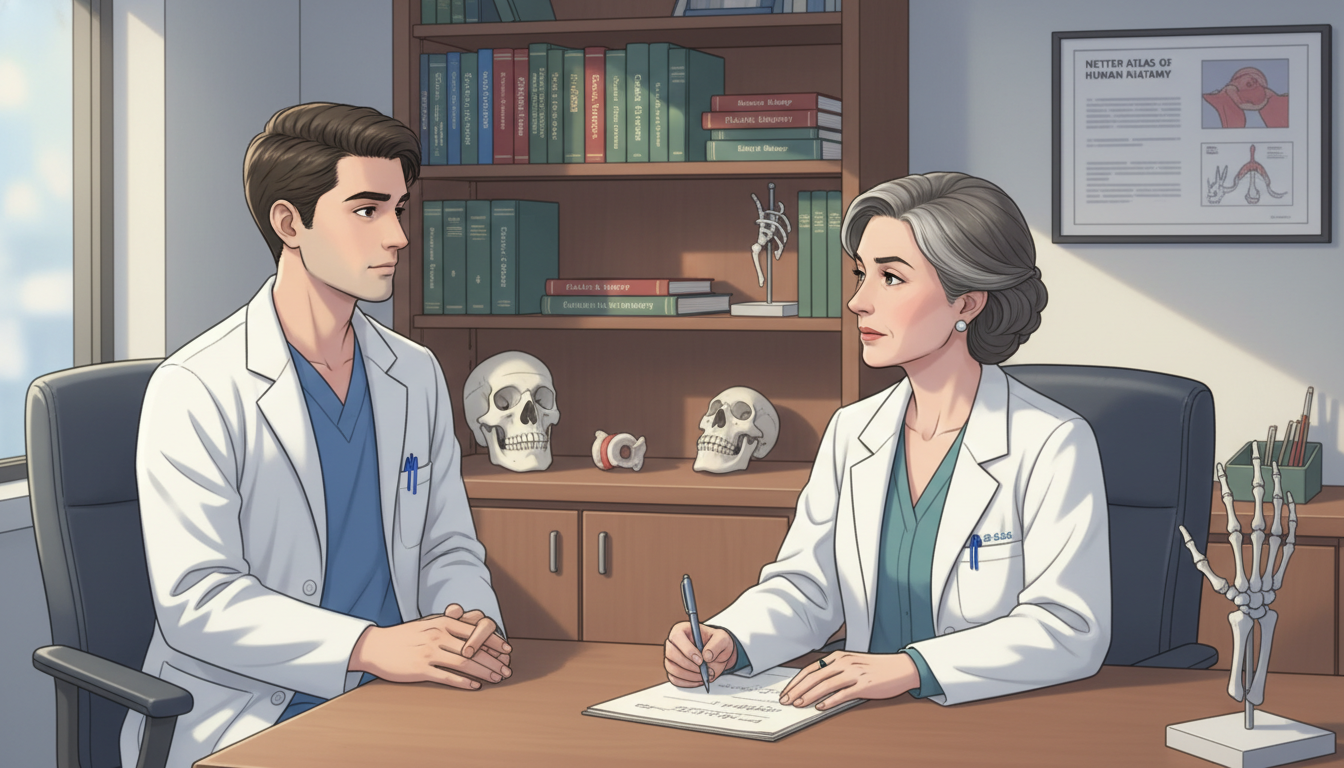
Because programs often put their best face forward on interview day, you need a structured approach to uncover potential residency red flags.
Step 1: Pre-Interview Research
Before you interview, look beyond the glossy website.
What to look for:
- Resident roster continuity
Check if each class has the expected number of residents and if they’re still listed year to year. - Alumni outcomes and transparency
Are graduates getting fellowships/jobs that align with your interests? Does the program show a full list, or is it selectively curated? - GME or institutional issues in the news
Google the institution and keywords like “resident lawsuit,” “ACGME warning,” or “disciplinary action.”
Questions to ask mentors:
- “Do you know anyone who trained there in plastic surgery?”
- “Have you heard concerns about culture or attrition at this program?”
- “If you had a child going into plastic surgery, would you be comfortable with them training there?”
Step 2: Strategic Questions on Interview Day
You can’t ask “Is your program malignant?” directly, but you can ask about structures that correlate with toxicity.
For residents:
- “If a resident feels unsafe or mistreated, what happens next in your program?”
- “Have there been residents who left the program in the last 5–10 years? Why?”
- “How often do you feel comfortable saying no to additional cases or staying late if you’re exhausted?”
- “How does the program respond when duty hours are exceeded?”
- “Can you tell me about a time a resident made a mistake and how it was handled?”
For program leadership:
- “How do you monitor and respond to resident wellness concerns?”
- “What mechanisms exist for residents to give anonymous feedback about faculty?”
- “Have you ever had to address problematic behavior or professionalism concerns among faculty?”
You’re listening not only to the content of the answer but also to the tone: openness, transparency, and specificity usually signal healthier environments.
Step 3: Reading Between the Lines of Resident Responses
Residents often feel pressure to be positive, especially with faculty nearby. Pay attention to:
- Nonverbal cues: hesitation, glances at each other before answering.
- Overly vague praise: “We work hard, but it’s worth it,” with no specifics.
- Inconsistency between junior and senior residents’ comments.
- Responses like:
- “They really push us to be our best” (ask: “What does that look like day to day?”)
- “We’re like a family” (ask: “Tell me about a time the program supported someone through a hard situation.”)
If multiple residents independently hint at fear of retaliation or normalized humiliation, take that seriously—even if it’s delivered jokingly.
Distinguishing Tough-but-Good from Truly Toxic
Not every negative comment means a program is malignant. It’s crucial to separate expected challenges from harmful environments.
Normal (If Imperfect) Realities of Plastic Surgery Training
It is generally normal to hear about:
- High caseloads, especially on trauma or microsurgery services.
- Periods of fatigue, especially during early years or night float.
- Occasional tense interactions in the OR when patient safety is at stake.
- Real-time, blunt feedback about surgical performance.
- Pressure to publish or maintain strong academic output.
These can exist in healthy programs where:
- Residents still feel safe asking for help.
- Duty hours are taken seriously overall, even if occasionally exceeded.
- Faculty apologize or repair relationships after conflict.
- There is a clear pattern of mentorship and growth.
Patterns Suggesting True Malignancy
Watch for patterns rather than isolated anecdotes:
- Multiple residents independently mention fear, humiliation, or retaliation.
- Problems are described as “how it’s always been” rather than something leadership is actively addressing.
- Red flags appear in several domains simultaneously (duty hours, culture, supervision, attrition).
- Residents primarily sell the reputation or case volume to compensate for a poor environment (“You just suck it up for 6 years; the name is worth it.”).
If the only clear benefits residents can articulate are prestige and case numbers—while culture, support, and wellness all sound negative—that may signal a toxic residency program.
Practical Strategies for Applicants: Protecting Yourself in the Match
You can’t change a program’s culture as an applicant, but you can make informed choices and minimize risk during the integrated plastics match.
1. Use Your Away Rotations Wisely
Away rotations are your best window into daily reality.
On rotation, observe:
- How do attendings treat residents when cases are stressful or behind schedule?
- How do residents speak about leadership when they think no one is listening?
- Are residents able to step away for basic needs (bathroom, food, sleep), or is that mocked?
- When mistakes happen, is the first response to fix and teach, or to blame and punish?
Questions you can safely ask residents:
- “What surprised you most about this program when you started?”
- “What’s the hardest part of training here—besides just long hours?”
- “If you had to pick again, would you rank this program first?”
Pay more attention to hesitations and caveats than to polished talking points.
2. Don’t Ignore Your Gut Feeling
If you leave a visit feeling:
- Drained or anxious in a way that’s different from typical interview stress
- Afraid of specific faculty
- Unsafe or constantly on edge
Those emotional reactions matter. They’re often early indicators of deeper problems.
3. Rank List Strategy: Weighing Risk vs. Reputation
Name recognition and case volume are tempting, especially in a competitive field like plastic surgery. However:
- A malignant residency program can lead to burnout, depression, leave of absence, or even leaving the specialty.
- Fellowship directors increasingly value professionalism, resilience, and strong mentorship, not just brand names.
- A supportive, moderately busy program often produces better long-term surgeons than a high-volume, toxic one.
When building your rank list:
- Ask: “Can I see myself being here at my worst—on my most tired, stressed day?”
- Consider moving programs with strong culture but slightly lower prestige above those with repeated reports of toxicity.
- Talk with trusted mentors honestly about your impressions.
4. Have a Plan if You Land in a Problematic Program
Even with careful vetting, some applicants will match into programs that prove more toxic than expected.
If that happens:
- Document issues early and factually (dates, times, specific incidents).
- Build a support system:
- Co-residents you trust
- Faculty mentors, even outside your department
- Mental health professionals through your institution
- Learn your institutional structures:
- GME office
- Designated institutional official (DIO)
- Ombuds office or confidential reporting systems
- If necessary, explore transfer options:
- Discreetly discuss with trusted mentors
- Be honest but professional about your reasons
- Focus on seeking better training fit rather than attacking your current program
Knowing these steps in advance can reduce the feeling of being trapped.
FAQs: Identifying Malignant Plastic Surgery Residency Programs
How can I tell if a plastic surgery residency is malignant from outside the program?
Look for patterns across multiple sources: online alumni lists, resident attrition, mentors’ impressions, and your own interview-day observations. Consistent reports of fear, humiliation, chronic duty-hour abuse, and lack of support for resident concerns are stronger indicators than any single complaint. If several independent people warn you about culture or prior ACGME issues, take it seriously.
Are high-volume or “hardcore” plastic surgery programs always toxic?
No. Many high-volume programs are rigorous but healthy: they emphasize education, respect, and safety despite long hours. The presence of long workdays or demanding cases alone doesn’t define a toxic program. It becomes malignant when high demands are coupled with unsafe expectations, chronic disrespect, or retaliation for voicing concerns.
Should I avoid a program if one attending is known to be difficult?
Not necessarily. Many excellent training environments have one or two challenging personalities. The key questions are:
- Is problematic behavior contained and addressed by leadership?
- Do residents still feel safe and supported overall?
If a single difficult faculty member is balanced by strong mentorship, transparent feedback systems, and a generally healthy culture, the program may still be a good fit. If that person is protected, feared, and central to the culture, that’s more concerning.
How should I factor potential malignancy into my rank list for the integrated plastics match?
Treat serious residency red flags as high-weight factors, at least equal to reputation and case volume. If a program is repeatedly described as malignant or toxic, consider ranking safer programs higher—even if they seem less prestigious on paper. Over six or seven years of plastic surgery residency, your environment profoundly affects your skill development, mental health, and long-term career satisfaction. In most cases, a supportive program with solid training will serve you far better than a malignant residency program with a big name.