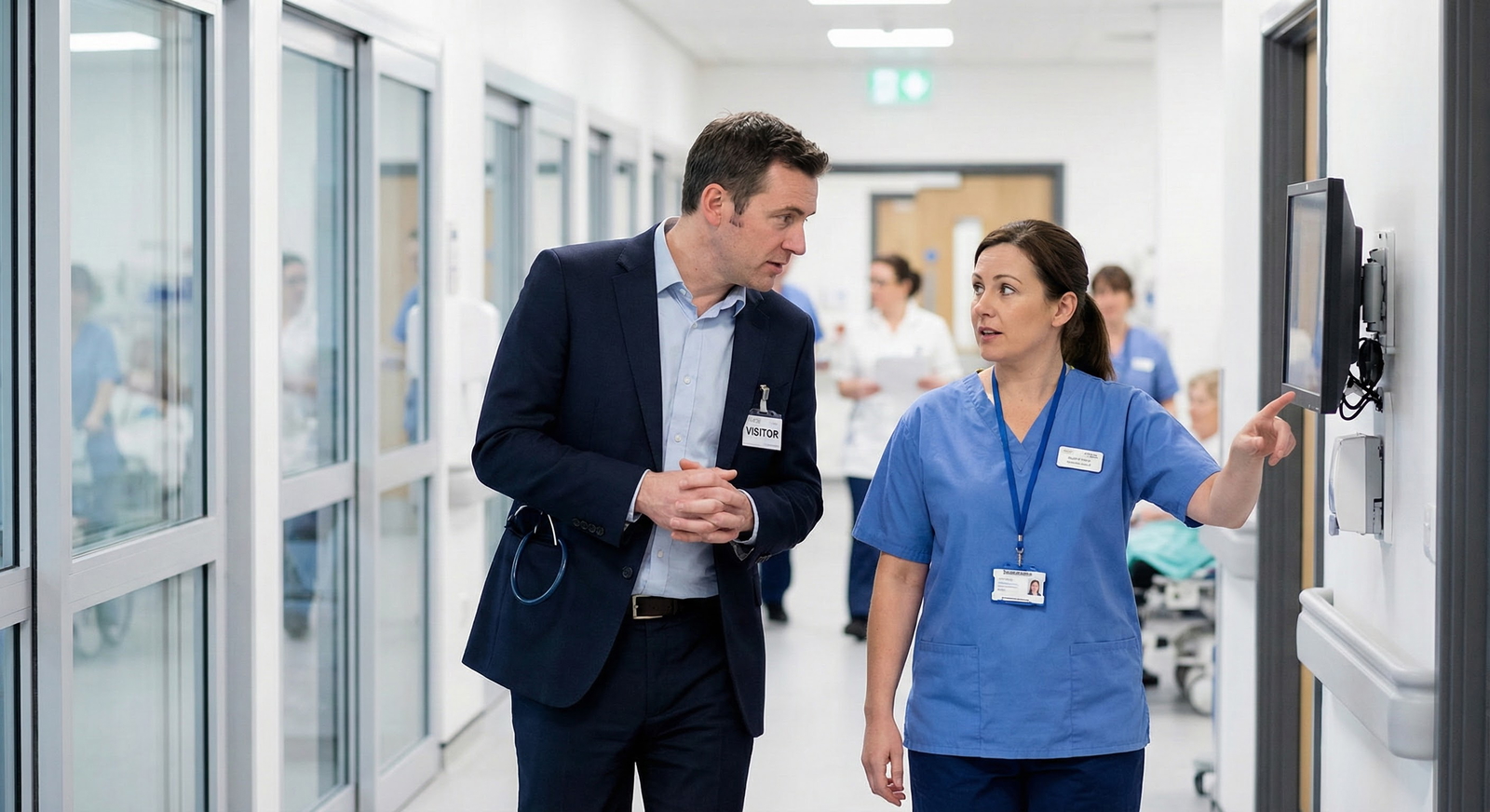
Why Malignant Radiology Programs Matter for US Citizen IMGs
For a US citizen IMG (American studying abroad), securing a diagnostic radiology residency is both an exciting and high‑stakes process. Because your margin for error in the match is often narrower than for US MD seniors, choosing the right program is critical—not just any program that offers you an interview.
“Malignant residency program” is an informal term, but residents across specialties consistently use it to describe programs with:
- Chronic disrespect or abuse
- Systematic overwork and poor education
- Retaliation against residents who speak up
- A culture of fear, toxicity, or dishonesty
In diagnostic radiology, where the learning curve is steep and board exams are high‑stakes, malignant or toxic program signs can significantly affect your training, mental health, and career trajectory.
As a US citizen IMG, you may feel pressure to rank all the programs that invite you, even if some feel “off.” This article will help you:
- Understand what a malignant radiology residency program looks like
- Recognize residency red flags early (from websites, emails, and interviews)
- Ask targeted questions that reveal culture and expectations
- Use data and informal intel to protect yourself
- Balance risk vs. opportunity when ranking programs
The goal is not to make you paranoid, but to make you strategic—so you can confidently avoid programs likely to harm your training and well‑being.
What “Malignant” Really Means in Diagnostic Radiology
The Difference Between “Hard” and “Harmful”
Radiology is demanding by nature. Long reading days, high expectations for accuracy, and substantial board exam preparation are normal. A strong program can be rigorous without being malignant.
Hard but healthy programs often have:
- High case volume with strong attending support
- Clear expectations and fair evaluations
- Active teaching and feedback
- Residents who are tired but proud and growing
- PDs and chiefs who acknowledge stress and try to improve culture
Malignant programs cross clear lines:
- Persistent humiliation, shouting, or public shaming
- Unpredictable, punitive behavior from attendings or leadership
- Zero tolerance for mistakes, even as a learner
- Cultures where fear and gossip replace feedback and coaching
- Active discouragement from seeking help or wellness resources
For diagnostic radiology specifically, a malignant culture is especially harmful because:
- You rely heavily on attendings for image interpretation feedback
- Case mix and structured teaching are essential for board prep
- A non-supportive environment makes learning to “see” pathology harder
- You may end up underprepared for independent practice or fellowship
Core Features of a Malignant Radiology Residency
1. Educational Neglect Disguised as “Autonomy”
Healthy radiology independence is progressive and supported. Malignant programs misuse “autonomy” to abandon residents.
Red flags:
Constant service over education
- Residents spending most of the day pushing studies, answering phones, and doing clerical tasks instead of interpreting exams
- Little protected time for readouts or conferences
Chaotic, inconsistent teaching
- Attendings who rarely sit down for structured readouts
- Feedback limited to “good job” or “you missed that” without coaching
Nonexistent curriculum
- No clear conference schedule or core curriculum
- Residents learning primarily by trial and error, with minimal guidance
Questions you can ask:
- “How often do you have one‑on‑one readouts with attendings on a typical rotation?”
- “Are didactic conferences protected time, or are residents frequently pulled away to cover service?”
- “Can you describe how the curriculum prepares you for core and certifying boards?”
If residents answer vaguely, contradict each other, or seem uncomfortable, treat that as a signal.
2. Chronic Disrespect and Humiliation
Diagnostic radiology requires humility and precision, but malignant programs weaponize error.
Warning behaviors:
Public shaming of misses
- Conferences where errors are repeatedly tied to specific residents with mocking or ridicule
- Faculty who use sarcasm or “grilling” for dominance, not learning
Fear-based communication
- Residents saying things like “You just don’t want to be on call with Dr. X” or “We all try to avoid attending Y”
- Stories of attendings yelling at residents over phone calls with clinicians or surgeons
Retaliation for speaking up
- Residents who complain about workload or mistreatment being labeled “unprofessional”
- Rumors of residents being “blacklisted” from fellowships or letters after conflicts
As a US citizen IMG, you may worry you’ll be seen as “replaceable” or “less protected” in such environments, especially if the program leadership already shows bias against IMGs.
Questions you can ask:
- “How does feedback typically happen? Is it more written, in person, or during readouts?”
- “When residents make mistakes, how are they addressed?”
- “Have residents felt comfortable raising concerns with leadership? What happened afterward?”
You’re listening for examples of psychological safety, not generic statements like “we’re like a family.”
3. Exploitative Workload and Unsafe Call Structures
Diagnostic radiology can be intense during call and night float, but malignant programs treat heavy workload as a badge of honor, not a problem to solve.
Toxic program signs in radiology call:
Unsafely high nighttime volume
- Single resident covering ED, inpatient, and multiple modalities (CT, MRI, US, X‑ray) with minimal backup
- Frequent expectations to stay beyond shift to complete unfinished studies
Unclear or unenforced duty hours
- Residents regularly exceeding 80‑hour weeks or minimal rest periods
- A culture where logging hours honestly is discouraged (“just round down”)
Little attending support
- Attendings not readily available by phone, slow to respond, or critical of “too many” questions
- Expectations that residents issue final reports with minimal review
For US citizen IMGs under visa or evaluation pressures, it’s easy to feel you must “prove yourself” by tolerating abusive call situations. But a program that routinely engages in unsafe practices is a serious residency red flag.
Questions you can ask:
- “What does a typical call shift look like? Which services are you covering?”
- “On a busy weekend night, can you get help easily? How responsive are attendings?”
- “Do you feel duty hours are respected and accurately reported?”
4. Dishonest or Opaque Leadership
Malignant residency programs often have leaders who are charming on the surface but evasive or inconsistent when pressed on concrete issues.
Patterns to watch:
Data that doesn’t add up
- Board pass rates that are missing or “we don’t really track that”
- Vague answers about resident attrition, remediation, or leave of absence rates
Blaming residents rather than systems
- Leadership stories that always frame departing residents as “not a good fit” or “unprofessional,” never reflecting on program structure
- Dismissive responses to questions about wellness or burnout (“That’s just residency”)
Inflexible, top‑down control
- Little resident input into curriculum, schedule, or call adjustments
- Chief residents who seem more like administrators than advocates
A trustworthy program director will be transparent about past challenges and specific about what they’ve changed. A malignant one will be defensive, minimize problems, or lean on vague platitudes.
Questions you can ask directly to leadership:
- “Have there been any significant changes to the program in the last 3–5 years based on resident feedback?”
- “How do you track and respond to issues like burnout, sleep, or educational gaps?”
- “Have any residents left the program or failed boards recently, and how did the program respond?”
Look for specific, concrete examples—not just “We care a lot about wellness.”
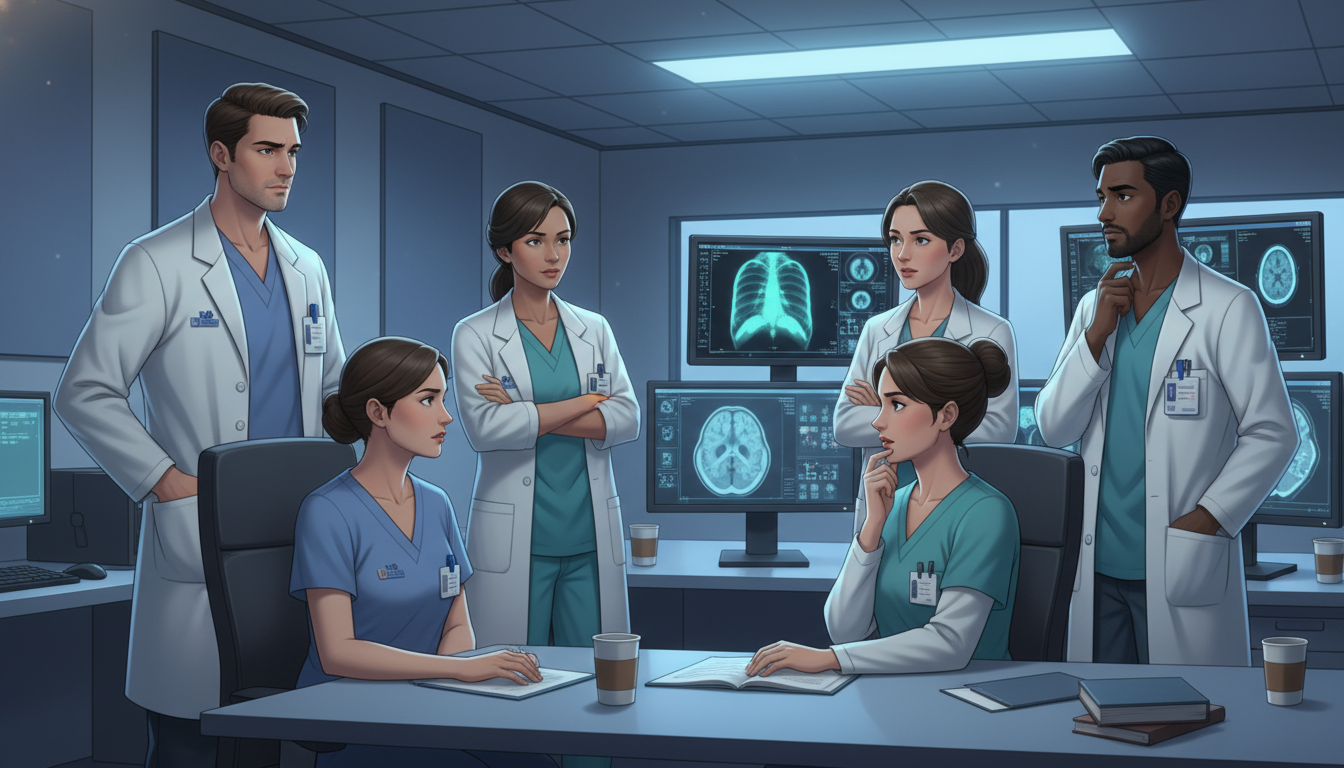
Issues Especially Relevant to US Citizen IMGs
1. Subtle (and Not-So-Subtle) Bias
As a US citizen IMG, you may encounter programs that appear open to IMGs during recruitment but treat them differently once matched.
Potential red flags:
Tiered treatment of residents
- IMGs systematically assigned less desirable rotations or more call
- Comments like “our US grads usually go into more competitive fellowships”
Assumptions about knowledge or ability
- Attendings openly questioning your training background or making jokes about “Caribbean schools” or “foreign schools,” even if you’re a US citizen
- Lower standards of mentoring because “you’re just lucky to be here”
Limited support for visa needs (for dual citizens/others)
- Confusion, disorganization, or reluctance around visa or paperwork issues if relevant
- History of residents losing training time due to administrative delays
How to investigate:
Ask directly during resident rooms:
- “How do IMG vs US MD residents tend to do in terms of fellowship placement and leadership roles?”
- “As a US citizen IMG, have you noticed any differences in expectations or opportunities?”
Look at current residents:
- Are IMGs present in leadership roles (chiefs, committee reps)?
- Do they seem integrated and respected, or isolated and quiet?
2. Overreliance on IMGs to Fill an Unstable Program
Some programs recruit heavily among US citizen IMGs or other IMGs not because they value diversity, but because they have trouble attracting or retaining US MD or DO applicants due to a toxic environment.
Pattern that should make you pause:
- Rapid expansion of class size in the last few years with little evidence of new faculty or improved infrastructure
- A sudden jump from few to many IMGs after a period of resident attrition or probation
- A reputation in word‑of‑mouth forums as a program people enter only as a last resort
Ask yourself: Are they genuinely supportive of IMGs, or are they using us to plug holes?
Targeted questions:
- “How has the program changed in the last 5 years in terms of size and structure?”
- “What motivated the increase in resident positions, and how have faculty and resources scaled with that?”
Check whether the clinical volume, faculty numbers, and teaching resources realistically match the resident cohort.
3. Limited Fellowship and Job Outcomes for IMGs
For a US citizen IMG, matching into diagnostic radiology is a major win—but your end goal is practice, not just a residency slot. Malignant or weak programs may leave you ill‑prepared for competitive fellowships.
Concerning signs:
- Sparse or nonspecific fellowship match lists (“Our graduates do well!” with no detail)
- A pattern where US MDs get academic or high‑profile fellowships, while IMGs cluster into less competitive or local private practice roles—without clear explanation based on individual goals
- Residents admitting they felt underprepared for fellowship interviews or early attending life
How to probe:
- “Can you share where your most recent US citizen IMG graduates matched for fellowship?”
- “Do you have any recent alumni who were IMGs and matched into MSK, IR, or neuro?”
- “What support do you provide for fellowship applications, especially for those without pre‑existing US networks?”
Look for names and places, not just “top programs” or “good fellowships.”
How to Spot Toxic Program Signs Before You Rank
1. Use Objective Data Strategically
While numbers don’t tell the entire story, they often provide early warning signals.
Key data points to review:
ACGME citations or probation history
- Check the ACGME public reports and do a quick search:
“[Program name] ACGME citation”or"ACGME warning". - Not all citations are malignant-program related, but repeated citations over many years can indicate systemic problems.
- Check the ACGME public reports and do a quick search:
Board pass rates in diagnostic radiology
- A good program is proud of its Core and Certifying exam performance.
- Lack of data or evasive answers: “We don’t really track that” is a red flag.
Resident attrition
- A small number of residents leaving over a decade is not unusual.
- A pattern of residents transferring, taking leaves, or quietly disappearing from the website is concerning.
Follow‑up questions when something looks off:
- “I noticed your class size changed recently—what prompted that?”
- “How have your residents been doing on Core exams over the last 5 years?”
The tone of the answer matters as much as the content. Defensive or dismissive responses are telling.
2. Trust (But Verify) Informal Sources
Residency applicants frequently rely on:
- Reddit (r/medicalschool, r/radiology)
- SDN (Student Doctor Network)
- Specialty‑specific Discord or Slack groups
- Word‑of‑mouth from recent grads or residents at nearby programs
These can be helpful but must be interpreted carefully.
How to use them effectively:
Look for patterns, not single complaints.
Pay attention when multiple sources over several years describe:
- “Toxic culture,” “malignant,” “avoid this place,”
- Or repeat the same issues (e.g., abusive attendings, unstable leadership).
Reach out 1‑on‑1 if possible:
- A brief, polite email or message to a recent alum:
- “I’m a US citizen IMG applying to DR and considering Program X. Would you be open to a quick 10–15 minute chat about your experience?”
- A brief, polite email or message to a recent alum:
Red flag: Residents or alumni seem afraid to speak freely, ask to talk off‑record only, or repeatedly warn you not to mention specific concerns to leadership.
3. Read the Interview Day Carefully
The diagnostic radiology interview day itself is a powerful lens into program culture.
Yellow‑to‑red flags during interviews:
Residents seem unusually quiet or scripted
- Everyone gives similar, rehearsed answers; no one mentions any areas for improvement.
- Residents seem watchful of each other or of faculty during Q&A.
You never get unobserved time with residents
- Faculty are always present, or resident‑only breakout rooms are short and tightly monitored.
Overly negative talk about other programs or applicants
- Faculty or residents trash talk other institutions or specialties.
- Leadership makes passive‑aggressive comments about IMGs or “less competitive” applicants.
Weird comments about wellness
- Jokes like “We don’t believe in sleep here” or “We’re malignant—but in a good way!”
- Dismissing burnout questions with “If you’re tough enough, you’ll be fine.”
Pay attention to your own physical reactions: tension, unease, or a gut sense that “something isn’t right” are worth respecting.

Balancing Risk vs. Opportunity as a US Citizen IMG in Radiology
As an American studying abroad, you may feel pressure to “just get in somewhere.” That pressure is real—but not all matches are better than no match.
When a Higher-Risk Program Might Still Be Acceptable
There are programs that are:
- Rough around the edges but improving
- Historically under-resourced but now under new, honest leadership
- Located in less desirable areas but provide solid volume and teaching
These may have some yellow flags, such as:
- Limited research infrastructure
- Moderate call burden
- Growing pains from recent expansion
If residents openly acknowledge these issues and can describe:
- Concrete improvements over time
- Leadership that listens and adjusts
- Good board outcomes and decent fellowships
…then the program might still be a reasonable choice, even if not ideal.
When You Should Seriously Consider Leaving a Program Off Your List
You should strongly consider not ranking a program if you see a combination of:
- Multiple credible reports of malignant behavior (forums, alumni, audition rotators)
- Current residents clearly unhappy, exhausted, or unwilling to talk
- Evasive leadership, unclear board performance, or repeated resident departures
- A culture of open disrespect toward IMGs, other specialties, or patients
- Unsafe call schedules with minimal attending backup
Walking away from such programs can feel risky, but matching into a truly malignant residency can damage your mental health, learning, and long-term career—sometimes permanently.
Practical Checklist: Evaluating Programs as a US Citizen IMG
Use this simplified checklist when reviewing diagnostic radiology residency options:
Before Interview Season
- Review ACGME status and any public citations
- Check program website for:
- Clear curriculum
- Recent resident list (any missing faces?)
- Fellowship match outcomes
- Search online forums for recurring negative themes
During Interviews
Ask residents about:
- Typical day on rotations
- Call volume and attending support
- How mistakes are handled
- Wellness and schedule changes over time
Ask leadership about:
- Resident attrition and board pass rates
- Program changes based on feedback
- Outcomes for US citizen IMG graduates
Observe atmosphere:
- Do residents seem genuine and candid?
- Is there space for honest criticism?
After Interviews
- Reach out to at least one alum or upper-level resident (if possible)
- Compare notes from different residents for consistency
- Reflect on your own comfort level:
- Did you feel respected?
- Could you see yourself asking questions and admitting uncertainty there?
If multiple boxes under “respect,” “education,” and “transparency” go unchecked, treat that program as high risk regardless of location prestige or name recognition.
FAQs: Malignant Radiology Programs and US Citizen IMGs
1. Is it better to match into a malignant radiology program than not match at all as a US citizen IMG?
Not always. While matching is crucial, a truly malignant program can lead to burnout, poor training, board failure, or even needing to resign or transfer—a far more complicated situation than reapplying. If credible reports and your own impressions suggest severe toxicity, consider ranking that program low or not at all, and strengthening your application for a future cycle if necessary.
2. How can I tell if a program’s reputation as “malignant” is outdated or exaggerated?
Look at the timeline and sources:
- Have there been leadership changes (new PD or chair) in the last 2–3 years?
- Do current residents describe real, specific improvements?
- Are recent online comments more positive than older ones?
If multiple current residents, especially upper levels, independently confirm that the culture has improved and can point to concrete changes, it may be a program in recovery rather than currently malignant.
3. Are community diagnostic radiology programs more likely to be malignant than academic ones for US citizen IMGs?
Not inherently. Some community programs are outstanding, with supportive faculty and excellent case volumes, and some academic programs are deeply toxic. What matters is:
- Culture of respect
- Adequate supervision and teaching
- Clear curriculum and board preparation
- Honest leadership and responsive change
Evaluate each program on its own merits rather than assuming academic = safe and community = risky.
4. Should I disclose concerns about a program’s malignancy during my interview or after Match?
During interviews, you can and should ask probing but professional questions (about board rates, attrition, culture, call). However, openly stating “I heard your program is malignant” is unlikely to be productive and could backfire. After Match, if you encounter serious mistreatment or patient-safety issues, you can use institutional channels (GME office, ombudsman, ACGME) to report concerns. Before matching, focus on gathering high-quality information and making an informed ranking decision.
By approaching the diagnostic radiology match process with clear eyes and a structured strategy, you—as a US citizen IMG—can avoid malignant residency programs, prioritize healthy learning environments, and set yourself up for a successful, sustainable radiology career.