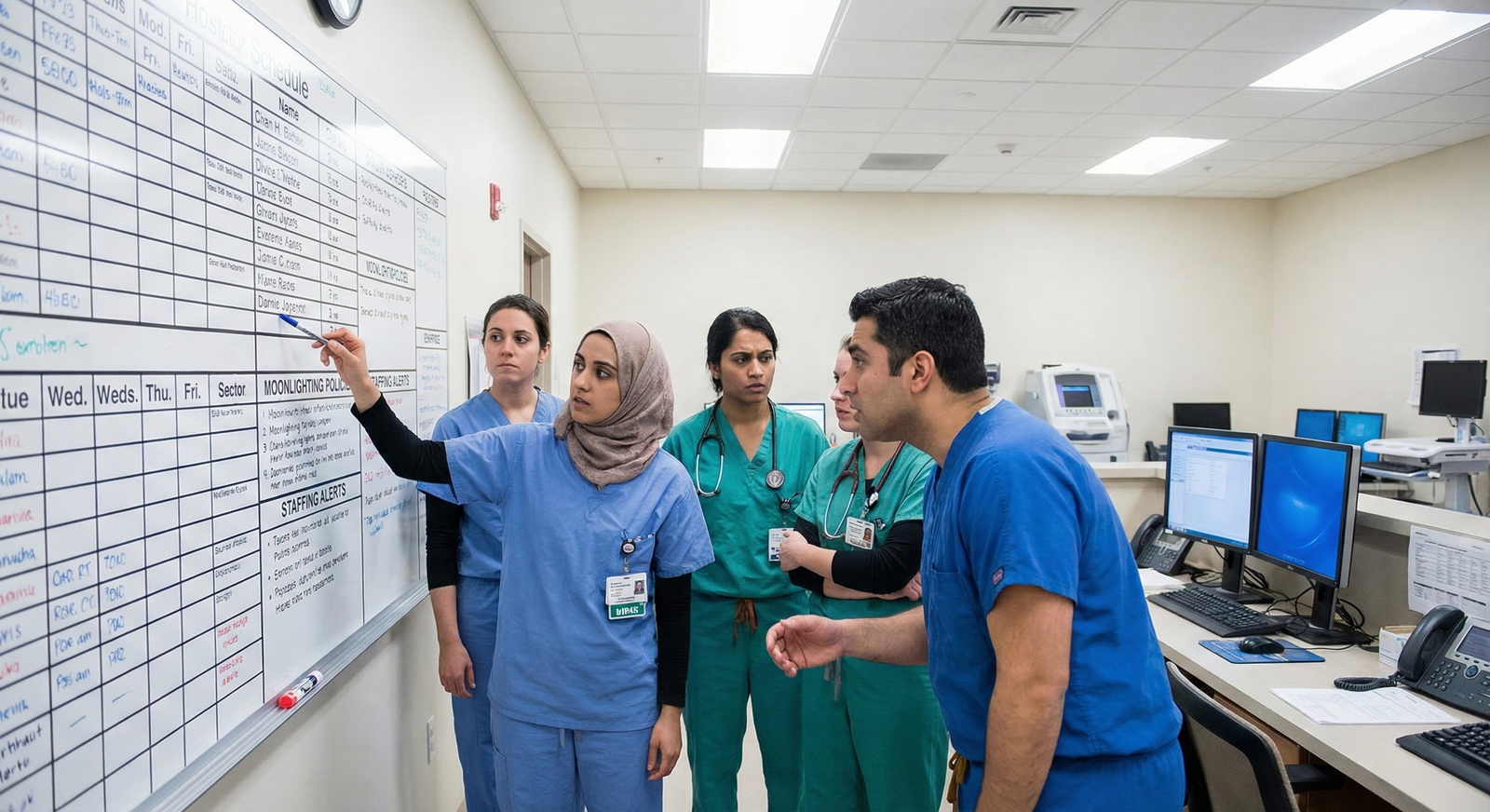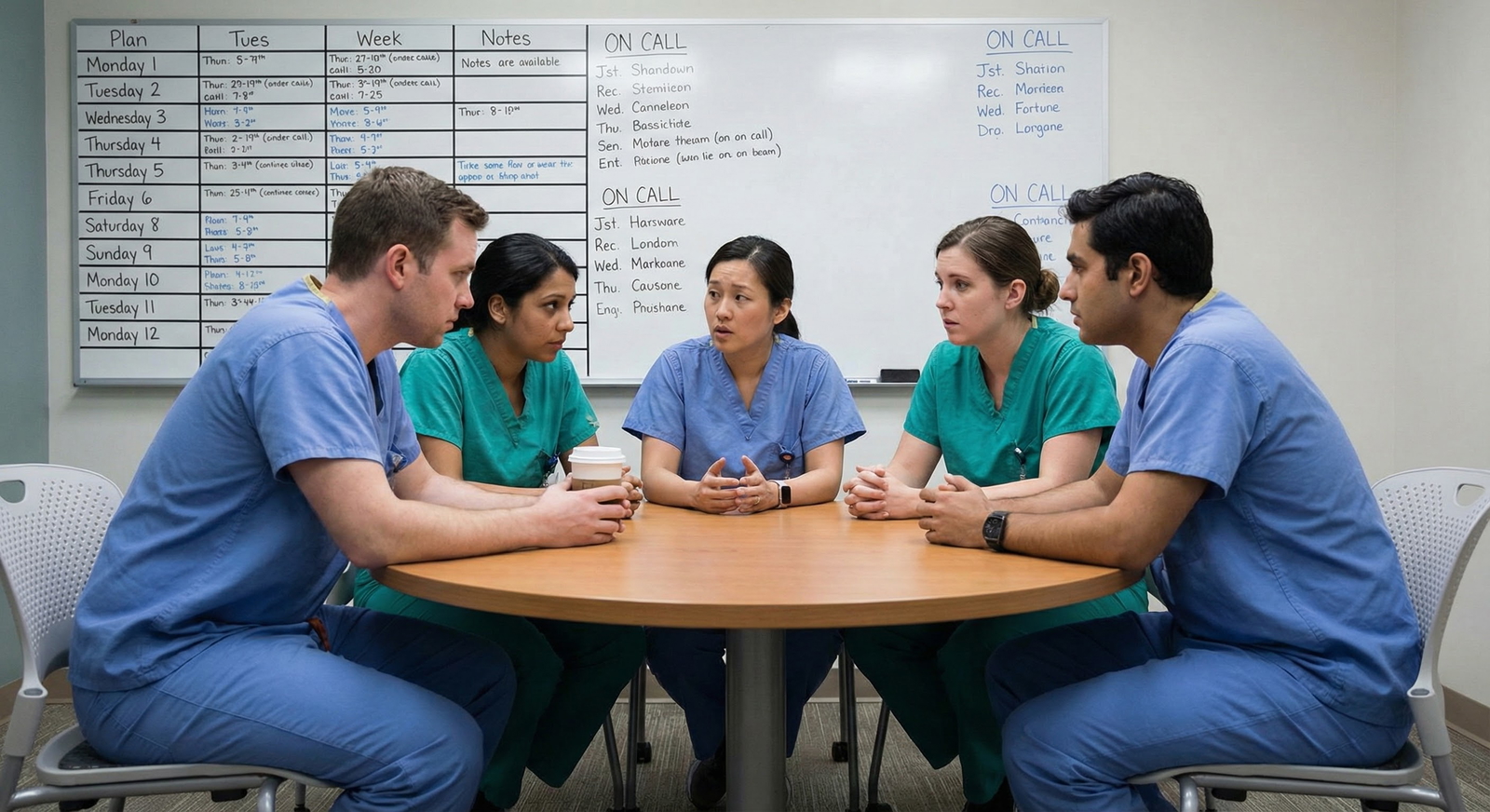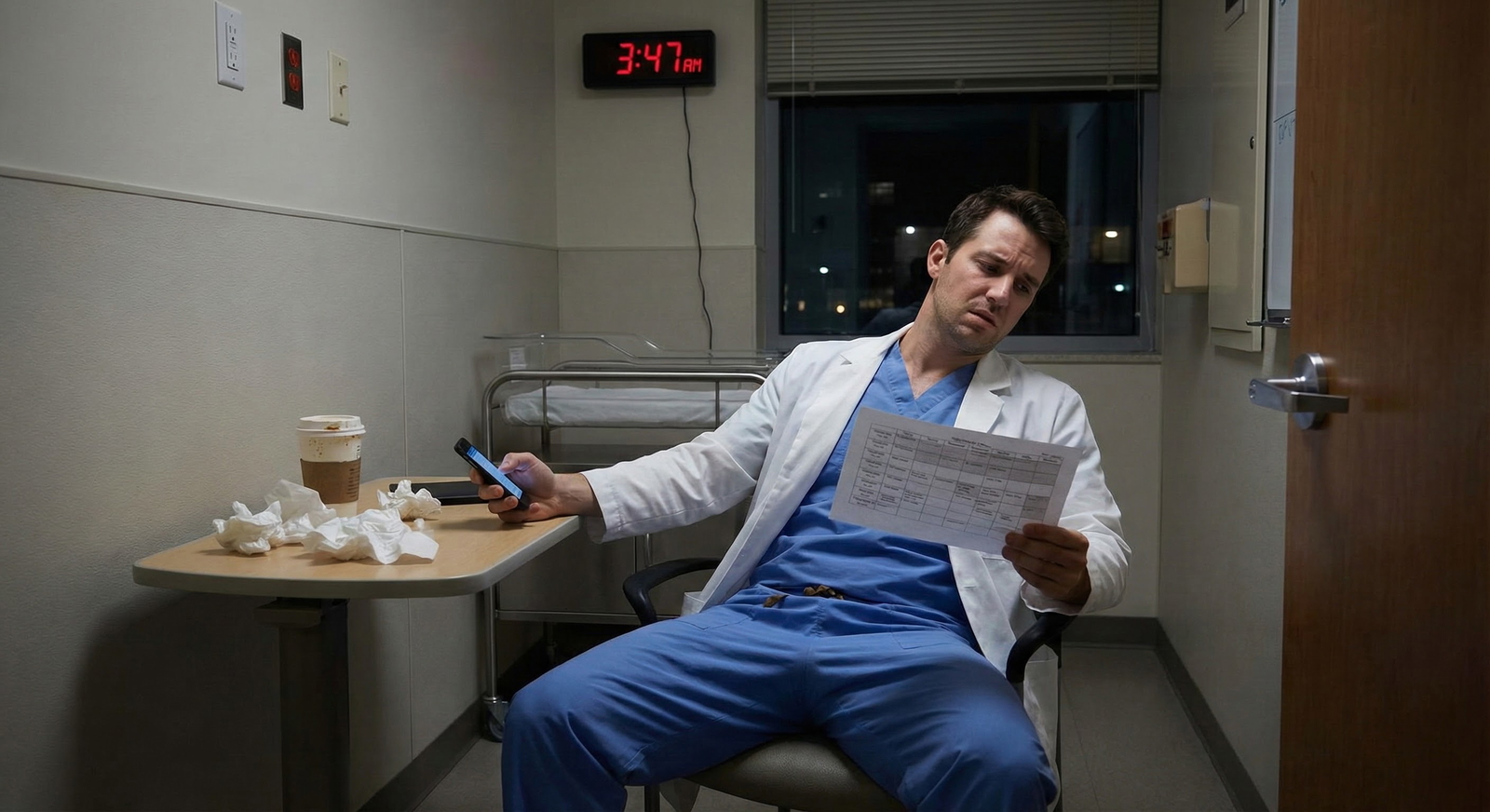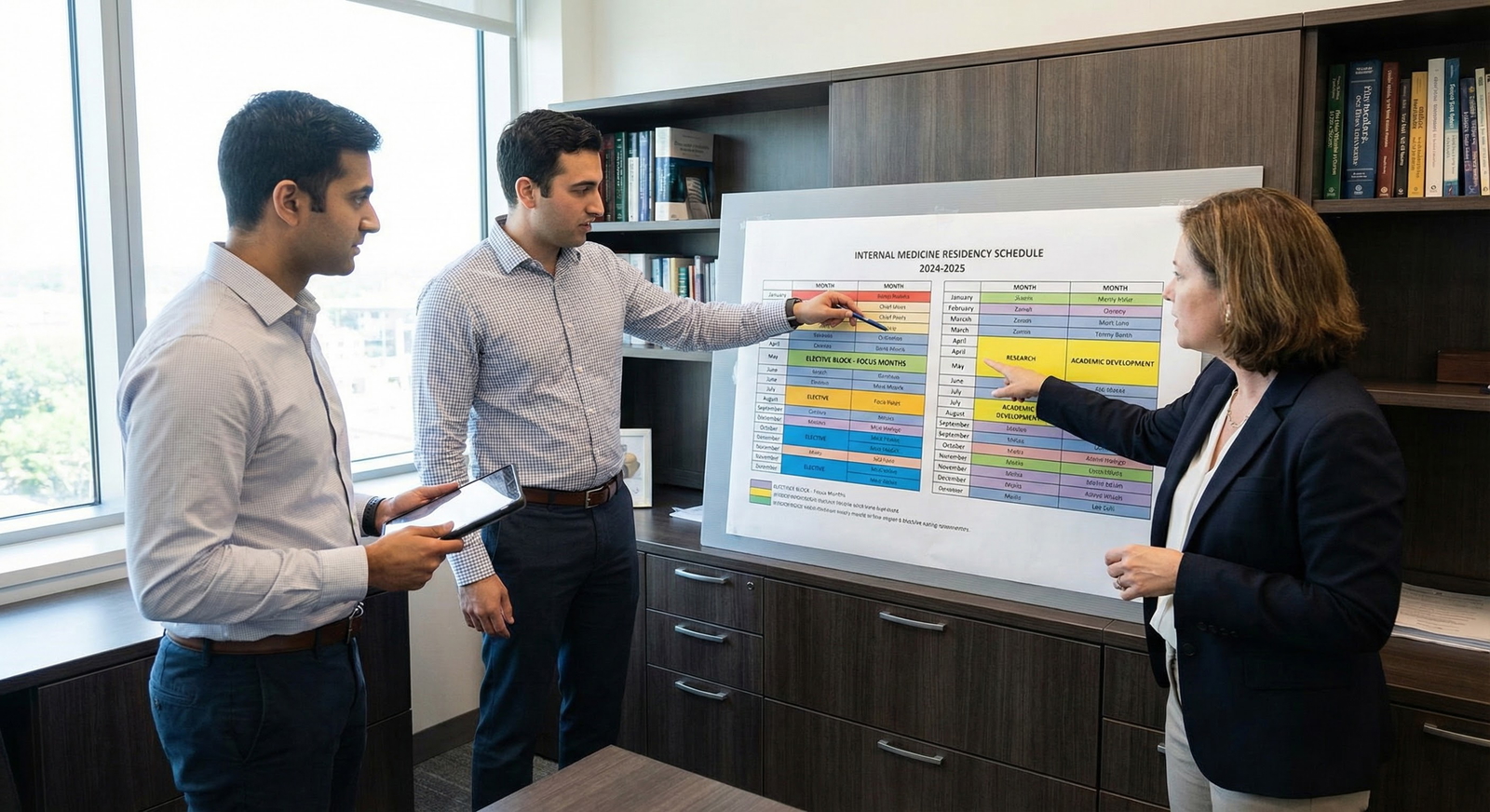
Why Program Culture Matters Even in a Single Preliminary Surgery Year
A preliminary surgery year is often viewed as “just one year” – a bridge to categorical surgery, anesthesiology, radiology, or another specialty. That mindset can be dangerous.
Even 12 months in a malignant residency program can have lasting consequences:
- Burnout severe enough to derail your career plans
- Damaged confidence and skills from chronically unsafe workloads
- Poor letters of recommendation that hurt your next match attempt
- Mental health crises, family strain, or financial stress from needing to leave or repeat a year
Because prelims are often more vulnerable (no guaranteed continuation, often ranked lower in hierarchy, and heavily dependent on letters for their next step), recognizing residency red flags early is critical.
This guide focuses on how to identify malignant programs in preliminary surgery before you sign your rank list—and how to protect yourself if you land in a questionable environment.
We’ll cover:
- What “malignant” really means in the context of prelim surgery
- Specific toxic program signs to watch for before and during interview season
- How prelim positions differ from categorical spots in risk and culture
- Practical strategies to investigate programs and ask high-yield questions
- What to do if you suspect your prelim surgery residency is malignant once you start
What Does a “Malignant” Preliminary Surgery Program Actually Mean?
“Malignant” gets thrown around a lot on forums, but for prelim surgery, it has a fairly consistent set of characteristics.
A malignant residency program is one where the culture, structure, and leadership create a systematically harmful environment for residents—especially vulnerable groups like prelims and international medical graduates (IMGs).
Malignancy is less about being busy and more about chronic disregard for education, safety, and basic respect.
Core Features of a Malignant Prelim Surgery Program
Exploitation of Prelims as Disposable Labor
- Prelims are used to “plug holes” in coverage with no true educational plan.
- No effort to help prelims secure their next position or specialty.
- Frequent comments like:
- “You’re just a prelim—you’ll be gone next year.”
- “That’s why we have prelims: to do the scut.”
Systemic Dishonesty and Broken Promises
- Program sold as “supportive” or “collegial,” but reality is punitive and chaotic.
- Promised: help finding categorical spots, research opportunities, or OR exposure. Delivered: service-heavy work with little to no operative experience.
- Advertised compliance with duty hours, but residents are pressured to under-report.
Punitive, Fear-Based Culture
- Public shaming, yelling, or humiliation in front of staff or patients.
- Threats of non-renewal, bad letters, or retaliation if residents speak up.
- Medical errors handled as personal failures instead of system-learning opportunities.
Educational Neglect
- Little to no teaching in the OR or on rounds.
- Conferences canceled frequently or treated as optional service time.
- Prelims rarely get meaningful cases, despite doing most of the floor work.
Unsafe Workload and Poor Supervision
- Chronic violation of ACGME duty hours, with no meaningful correction.
- Prelims covering multiple services or ICUs with minimal attending backup.
- No clear escalation pathway for patient safety concerns.
A hard but healthy surgery program is not automatically malignant. Surgery is demanding. Long hours, heavy call, and steep learning curves are standard. The difference is:
- Healthy demanding: you’re tired but learning, supervised, and respected.
- Malignant: you’re exhausted, unsafe, unsupported, and afraid.

Unique Vulnerabilities of a Preliminary Surgery Year
Understanding the structure of prelim positions helps explain why they’re at higher risk of toxicity.
How Prelim Surgery Differs from Categorical Surgery
Job Security
- Categorical: Multi-year contract with clear progression to graduation.
- Prelim: One-year contract with no guarantee of renewal or advancement.
Program Priorities
- Categorical residents are the “investment” for board pass rates and fellowship placement.
- Prelims are often seen as flexible workforce to cover off-service rotations, extra calls, or low-yield services.
Future Dependence on the Program
- Prelims rely heavily on:
- Strong letters from faculty
- Networking help from PD/APDs
- Advocacy for open PGY-2 categorical spots
- Malignant programs may provide none of the above.
- Prelims rely heavily on:
Schedule and Rotations
- Prelims may be disproportionately assigned:
- Night float, ICU months, ED or floor-heavy services
- Fewer high-yield OR months
- Schedules may change last-minute with no regard for your wellbeing or learning.
- Prelims may be disproportionately assigned:
Common Prelim-Specific Residency Red Flags
- “Our prelims mostly cover nights and cross-cover multiple services.”
- Prelims consistently log far fewer operative cases than categorical peers.
- High rate of prelims failing to match into PGY-2 or another specialty.
- No established process or track record of converting prelims to categorical.
Ask yourself: If this program treats its prelims as interchangeable and disposable, what will my year here actually look like?
Concrete Toxic Program Signs to Watch For (Before You Rank)
You can’t directly observe everything before you match, but you can gather enough data to avoid the worst programs.
Below are high-yield areas to investigate and specific red flags for a prelim surgery residency.
1. Patterns in How They Treat Prelims
Questions to ask during interviews or second looks:
- “How many prelim surgery residents do you have per year?”
- “What proportion of your prelims in the last 3–5 years obtained categorical PGY-2 positions—either here or elsewhere?”
- “What support structures are in place to help prelims with their next match (mentoring, letters, PD advocacy)?”
- “Do prelims attend the same conferences and educational activities as categoricals?”
Red flags:
- Vague or evasive answers about prelims’ outcomes: “Some do fine, some don’t. It’s really up to them.”
- Faculty or residents don’t know (or won’t share) what happened to recent prelims.
- Prelims excluded from didactics, M&M, or simulation sessions.
- Program leadership speaks about prelims as:
- “Extra hands”
- “Coverage for the floor”
- “A way for applicants to prove themselves,” but with no documented history of successful conversion.
2. Duty Hours, Call, and Workload
Questions to ask:
- “How is duty hour compliance monitored, and what happens when residents are approaching limits?”
- “How many days off do residents actually get per month (not just on paper)?”
- “What is the typical call schedule for prelims vs categorical PGY-1s?”
- “Do prelims have protected time for interviews if they’re reapplying?”
Toxic program signs:
- Residents joke nervously about working “120 hours” or “living in the hospital.”
- You’re told: “We’re compliant in MedHub, but in real life we’re more old-school.”
- Pressure to falsify duty hours: “If you log that, we’ll get in trouble with the ACGME.”
- Prelims routinely doing back-to-back calls, excessive night float, or continuously covering multiple busy services.
3. Culture, Communication, and Psychological Safety
Questions to ask residents informally:
- “How comfortable do you feel calling attendings or seniors at night with questions?”
- “When something goes wrong, how is it handled?”
- “Have you ever seen someone punished for raising a concern?”
- “What’s the expectation around showing up to work sick, or during personal emergencies?”
Red flags in language and behavior:
- Residents describe culture using words like “toxic,” “fear-based,” “cutthroat,” or “sink or swim.”
- Stories of:
- Being yelled at in front of nurses, patients, or OR staff
- Threats about “ending someone’s career”
- Attending surgeons who pride themselves on “breaking interns”
- Residents warn you off the record: “Don’t quote me on this, but I’d think carefully before ranking us.”
4. Educational Quality and OR Experience
Questions to ask:
- “How are OR cases assigned between prelims and categoricals?”
- “What is the average case log for prelim PGY-1s by the end of the year?”
- “Are prelims allowed to scrub in on major cases, or mainly minor/assist roles?”
- “How often do attending surgeons teach at the table vs just operate?”
Red flags:
- Prelims report very little OR time despite heavy work: “I mostly manage floor work and cross-cover at night.”
- Junior residents talk about “stealing” cases or competing aggressively instead of a structured, fair assignment system.
- Scheduled didactics regularly interrupted by pages, floor work, or expectations to prioritize service over learning without exception.
5. Outcomes, Turnover, and Scut Work
Data to look for or ask about:
- How many residents have left the program in the last 3 years?
- Have there been ACGME citations or probationary periods?
- What proportion of prelims get high-quality recommendation letters from faculty?
Red flags:
- High turnover among:
- Residents (attrition, transfers)
- Program leadership (PD or APD turnover every 1–2 years)
- Core faculty
- Residents describe a lot of non-educational tasks:
- Transporting patients
- Chasing down labs
- Drawing most of the blood work themselves
- Endless paperwork with minimal team support
None of these alone definitively proves a malignant residency program, but clusters of these residency red flags—especially around prelim treatment—should give you serious pause before ranking.

How to Investigate Programs Strategically as a Prelim Applicant
You have more tools than you might think to identify malignant programs before you match.
1. Use Interview Day Wisely
Most applicants focus on selling themselves; you also need to interview the program.
High-yield tactics:
Ask the same key questions at multiple points (PD, APD, chief residents) and compare consistency:
- Prelim outcomes over 3–5 years
- OR exposure
- Duty hour enforcement
- Support for reapplying or finding PGY-2 spots
Ask behavioral questions:
- “Can you describe a time a resident made a serious error and how the program handled it?”
- “Tell me about a recent conflict between residents and leadership. How was it resolved?”
Pay attention not just to what they say, but how comfortable they seem answering.
2. Look Beyond the Official Interview Structure
- Informal resident interactions (pre-interview dinners, Zoom socials, walk from one room to another) often reveal more than formal Q&A sessions.
- Ask residents:
- “What’s one thing you would change about this program if you could?”
- “Have you ever considered leaving? What made you stay?”
If residents seem guarded, look around for nonverbal cues:
- Forced jokes about having no life
- Awkward silence when leadership is mentioned
- Quick subject changes when you ask about duty hours or culture
3. Use External Data Sources—Carefully
- FREIDA, program websites, and ACGME public info:
- Look for size changes, new sponsors, or citations.
- Forums and social media (e.g., Reddit, SDN, specialty-specific groups):
- Useful for pattern recognition—if multiple people, across different years, report similar issues, that’s notable.
- Separate emotional venting from consistent, specific complaints (e.g., “prelims never get OR time and do only nights”).
Caution: Online reports can be outdated or biased. Use them as clues, not absolute truth.
4. Leverage Your Network
- Talk to:
- Recent graduates from your med school who matched into prelim surgery.
- Residents or fellows rotating at your home institution who trained elsewhere.
- Faculty with national connections: “What do you know about the culture at Program X?”
Give people permission to be candid:
“I’m specifically interested in any concerns you’ve seen about how they treat prelims or how supportive they are.”
5. Read Between the Lines in Offer Structures
Certain structural traits can hint at risk:
- Very large number of prelim-only positions compared to categorical spots
- Heavy reliance on non-designated prelims (who are not tied to a specific later-year specialty spot)
- Programs in smaller markets with:
- Few affiliated fellowships
- High service demands (trauma centers, safety-net hospitals)
- Limited ancillary support
These features aren’t automatically malignant, but they mean you should scrutinize culture even more carefully.
If You Land in a Malignant Prelim Surgery Residency: Protecting Yourself
Even with careful vetting, some applicants will end up in toxic environments. Your primary goals then are:
- Protect your health and safety
- Preserve your professional trajectory
- Position yourself for a better next step
1. Set Clear Personal Boundaries from the Start
- Know your non-negotiables:
- No falsification of duty hours
- No participating in unsafe practice (e.g., covering beyond your competence without backup)
- Seeking help early for severe fatigue, depression, or suicidal thoughts
Document objectively:
- Dates, times, and nature of concerning events
- Who was involved and any witnesses
- Emails or messages where expectations or threats are made
This documentation can be vital if you need to:
- Request rotation changes
- Seek help from GME
- Justify a transfer or explain a gap year later
2. Identify Allies and Safe Channels
- Find at least one senior resident and one faculty member you trust.
- Meet early with the program director or associate PD to clarify expectations and your career goals:
- “I’m interested in [categorical surgery/anesthesia/rads/etc.]. How can I best position myself this year?”
If the PD is part of the problem:
- Seek support from:
- DIO (Designated Institutional Official)
- GME office
- Employee health or resident wellness services
- Ombuds services if available
3. Prioritize What You Need for the Next Step
In a bad prelim environment, you may not be able to fix the culture, but you can still extract:
- Strong performance on core rotations where someone will notice and can vouch for you
- At least one or two good letters (aim for faculty who:
- Worked with you directly
- Are known outside your institution
- Are willing to discuss your work ethic and resilience positively)
Strategize your year:
- Front-load strong impressions on rotations that happen early in the year.
- If possible, request rotators that align with your target specialty.
4. Start Planning Your Next Move Early
If aiming for categorical PGY-2 in surgery:
- Ask about internal conversion opportunities and their actual track record.
- Begin monitoring open PGY-2 positions (via program websites, national listings, or specialty societies) as early as winter.
If switching specialties:
- Discuss realistic options with trusted mentors.
- Plan for Step 3 timing, letters, and application materials.
5. Know When It’s Unsafe to Stay
Malignant doesn’t always mean you must leave, but you should strongly consider exit strategies if:
- Your mental health is deteriorating severely despite seeking help.
- You’re repeatedly placed in situations where patient safety is at risk.
- You’re being harassed, discriminated against, or threatened.
Leaving or transferring can be complex, but your safety and long-term career matter more than surviving a single harmful year.
Frequently Asked Questions (FAQ)
1. Are most preliminary surgery programs malignant?
No. Many prelim surgery programs are demanding but fair, with:
- Reasonable supervision
- Respectful culture
- Genuine efforts to help prelims secure categorical positions
However, prelim positions are overrepresented in problematic environments because they’re often used to fill workforce gaps. That’s why extra due diligence is essential.
2. How can I tell if a program is just “hard” versus truly malignant?
Ask yourself:
- Are residents tired but still learning, or exhausted and terrified?
- Do leaders respond to concerns with problem-solving, or with blame and threats?
- Is workload high but distributed and supervised, or dangerously unsupported?
High volume, strong expectations, and tough feedback can all be part of good surgical training. Malignancy involves chronic disrespect, unsafe expectations, and indifference to resident wellbeing, especially for prelims.
3. Should I avoid all programs with many prelim positions?
Not necessarily. A large number of prelims is a yellow flag, not an automatic disqualifier.
Look for:
- Clear data on where their prelims go (into categorical positions or other specialties).
- Evidence of structured support: advising, letters, interview flexibility.
- Testimonials from former prelims, if possible.
If a program can show consistent, positive outcomes for prelims, size alone isn’t disqualifying.
4. If I suspect a program is malignant but it’s my only option, should I still rank it?
This is deeply personal and depends on your risk tolerance and alternatives:
- If the red flags are moderate (e.g., very busy, limited OR time, but not clearly abusive or unsafe), you might choose to rank it while preparing robust backup plans.
- If the signs include clear dishonesty, duty hour violations, abuse, or unsafe practice, carefully consider whether the potential damage to your health and career is worth the risk.
Discuss specifics with a trusted advisor (dean, faculty mentor, or resident you know). Sometimes, waiting a year with a strong application improvement plan is safer than intentionally entering a clearly malignant environment.
A preliminary surgery year can be a powerful launchpad—or an unnecessarily harmful detour. By understanding how malignant residency programs operate, recognizing concrete toxic program signs, and asking focused questions during interviews, you can drastically reduce your odds of landing somewhere unsafe.
Approach every prelim offer as both an opportunity and a contract: you’re committing a year of your life, health, and career trajectory. Make sure the program’s culture, track record, and treatment of prelims are worthy of that investment.