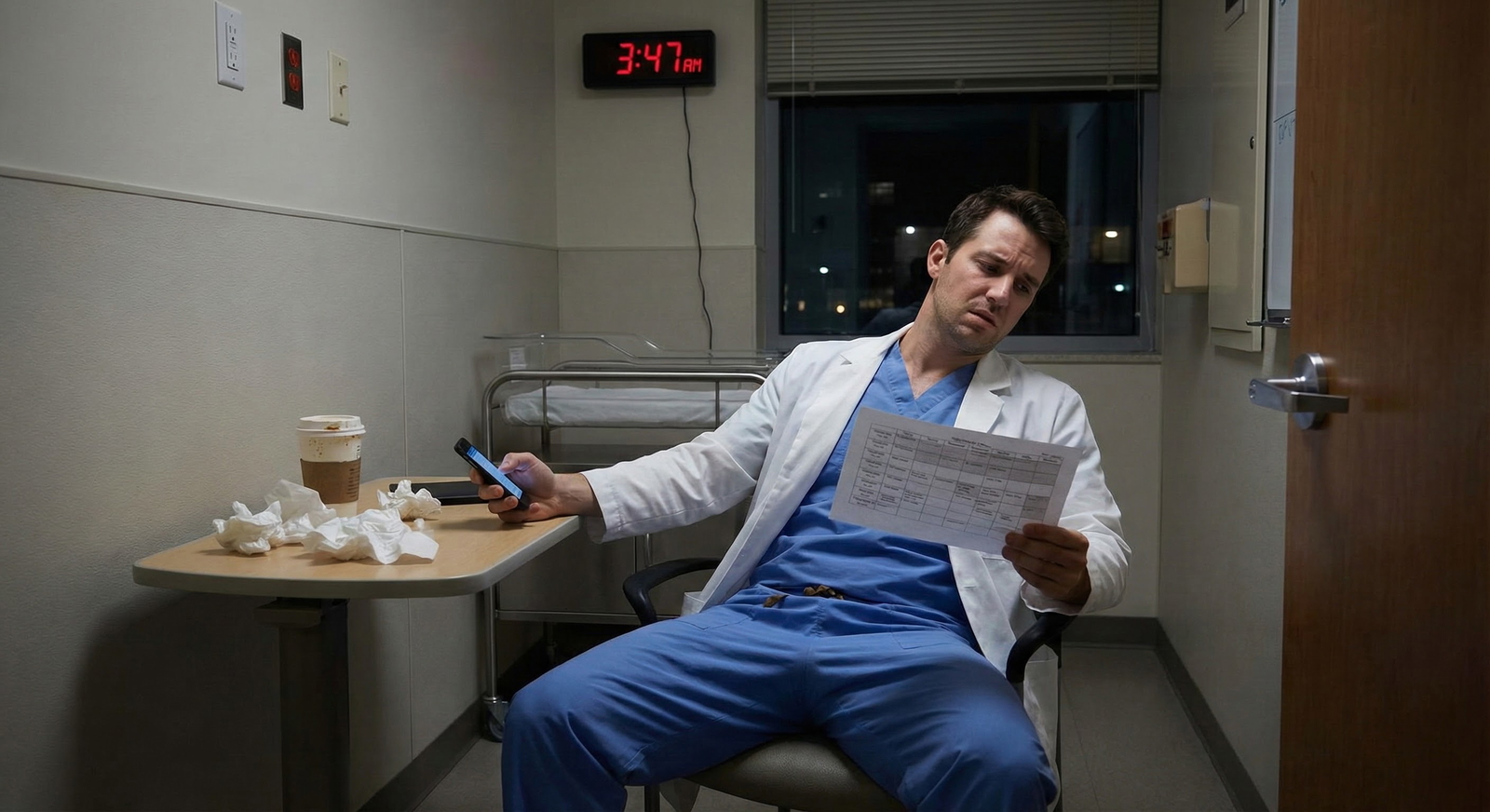
Why Malignant Programs Matter So Much for US Citizen IMGs in Peds-Psych
Choosing a residency is never just about prestige or location—especially in a highly specialized track like Pediatrics-Psychiatry (Peds-Psych) or Triple Board (Pediatrics/General Psychiatry/Child & Adolescent Psychiatry). For a US citizen IMG or an American studying abroad, the stakes are even higher. Your first residency environment will shape:
- Your long-term career in child mental health
- Your board pass rates and fellowship options
- Your work–life balance and mental health
- Your visa or licensure timeline (if applicable)
A malignant residency program—one with a persistently toxic culture, unsafe workload, or punitive leadership—can derail all of that. These programs may still fill all their positions each year and look fine “on paper,” but the day-to-day reality for residents is damaging.
This article focuses on how a US citizen IMG interested in Peds-Psych or Triple Board can identify toxic program signs before ranking programs, avoid serious residency red flags, and ask the right questions on interview day.
Understanding Malignant vs. Challenging Programs
Not every demanding residency is malignant. Pediatrics, psychiatry, and especially Peds-Psych and Triple Board tracks are inherently intense: you’re dealing with vulnerable children, complex family systems, and high emotional stakes. Distinguishing healthy high expectations from true malignancy is crucial.
What Is a “Malignant” Residency Program?
While there’s no official definition, a malignant residency program usually has several of these features:
Chronic disregard for duty hours
Systematically ignoring ACGME limits; residents working far beyond 80 hours/week on average, without adjustments or documentation.Punitive culture and fear-based leadership
Public shaming, yelling, threats over minor errors; residents afraid to speak up.Lack of educational focus
Residents functioning as service-only workers, with minimal protected teaching, supervision, or feedback.Retaliation against advocacy
Residents who report concerns are punished with poor evaluations, bad schedules, or blocked fellowship letters.High resident attrition and burnout
Frequent leaves of absence, multiple residents quitting or not renewing contracts.
What Is NOT Malignancy?
Some aspects may feel uncomfortable but do not necessarily mean the program is malignant:
- A busy clinical service with high patient volume but strong supervision
- Constructive criticism given respectfully and privately
- Temporary scheduling stress during a system transition or pandemic surge
- Residents who are simply tired but still feel supported and valued
The key difference is whether the core culture is supportive and educational or exploitative and unsafe.
Why US Citizen IMGs Are Especially Vulnerable
As a US citizen IMG or American studying abroad, you may face unique challenges:
Less informal intel:
You might have fewer older classmates or home institution alumni who have rotated at these programs, limiting your “backchannel” information.Pressure to accept any offer:
Because peds psych residency and Triple Board positions are relatively few, you may feel compelled to rank all programs that show interest, including problematic ones.Perceived replaceability:
In malignant cultures, IMGs sometimes report being treated as more disposable or less protected than US MDs/DOs.Visa or licensing timing (for some US citizen IMGs):
Even if you’re a citizen, you may be dealing with state licensing delays, ECFMG documentation, or needing to quickly finish training to start attending jobs. A toxic environment can magnify these pressures.
Recognizing these vulnerabilities helps you adopt a more critical, proactive approach when evaluating programs.
Core Residency Red Flags in Pediatrics-Psychiatry and Triple Board
Although many malignant patterns are similar across specialties, Peds-Psych and Triple Board have some unique dynamics because they overlap pediatrics, psychiatry, and child & adolescent psychiatry.
Below are the key residency red flags to watch for, categorized and illustrated with examples.

1. Culture and Resident Morale
Red flags:
- Residents seem visibly anxious when faculty are present and only open up in private chat or separate calls.
- You hear phrases like:
- “We just put our heads down and get through the three years.”
- “You don’t really complain here; it’s not worth it.”
- No one can describe positive role models or mentors in child mental health.
- Residents describe frequent crying in call rooms, “dreading” certain rotations, or feeling trapped.
Peds-Psych specific concerns:
- Residents talk about constant conflict with pediatrics or psychiatry departments, e.g., “We’re always the ones blamed because we’re triple board,” or “Neither side wants to own us.”
- Minimal integration: you feel like you’d be a guest in every department rather than fully belonging anywhere.
Healthy alternative signs:
- Residents can candidly say, “It’s busy and emotional, but our attendings really care and teach.”
- They describe concrete examples of faculty standing up for them when boundaries are crossed (e.g., limiting unsafe caseloads, addressing bullying nurses or attendings).
2. Workload, Call, and Duty Hours
Red flags:
- Residents consistently laugh off duty hour questions with comments like:
- “We don’t really log those.”
- “If you’re efficient, you can get it done,” but then mention 28–30 hour shifts as routine.
- Unpaid “pre-rounding at home” expectations that effectively extend the day into 14–16 hours regularly.
- Residents describe doing both inpatient pediatrics and psychiatry calls simultaneously with unrealistic patient loads.
- For Triple Board: no clear system for balancing call across three specialties, with residents reporting:
- “We’re always filling holes in the peds schedule.”
- “We get pulled from psych frequently and miss most teaching.”
Peds-Psych realities vs. malignancy:
- Realistic: On pediatrics, nights may be busy; on psychiatry, nights can be emotionally intense with ED consults and crisis evaluations.
- Malignant:
- Constant post-call clinic without rest.
- Regularly missing mandated days off.
- Pressure to “just not report” extra hours.
Ask bluntly: “In the last 6 months, how often have you honestly worked more than 80 hours a week?” Pay attention to the hesitation before the answer.
3. Supervision, Safety, and Scope of Practice
Red flags:
- Residents managing acutely suicidal or psychotic children alone overnight with little or no attending back-up.
- Pediatric units where residents are expected to handle complex child abuse or medical-psychiatric overlap without proper consult-liaison support.
- Attendings who are unreachable, consistently late, or dismissive of concerns about child safety, abuse suspicion, or self-harm risk.
- No clear process for debriefing traumatic events (e.g., codes, patient deaths, severe abuse cases).
For Peds-Psych and Triple Board, you will face some of the most emotionally taxing cases in medicine: child abuse, eating disorders, suicidality, complex neurodevelopmental disorders. Malignant programs treat these as routine work to be endured; healthy programs treat them as sensitive clinical situations requiring robust supervision and support.
Questions to ask:
- “How often are attendings physically present on the unit vs. phone only?”
- “What happens after a particularly traumatic case? Is there any structured debriefing?”
4. Education vs. Service: Is There Real Training?
Red flags:
Didactics frequently canceled or replaced with extra clinical coverage.
Chief residents saying, “Honestly, you learn by doing; there isn’t much formal teaching.”
No clear plan for:
- Psychotherapy training
- Neurodevelopmental assessment
- Pediatric psychopharmacology
- Family therapy and systems-based practice
Peds-Psych residents feeling like perpetual floaters: “We’re always plugging gaps in pediatrics, psych, or child psych so we rarely get continuity or specialty clinics.”
What a healthy Peds-Psych/Triple Board curriculum looks like:
- Clearly mapped, with dedicated time in:
- Inpatient pediatrics
- Outpatient pediatrics
- Adult psychiatry
- Child & adolescent psychiatry
- Consult-liaison and integrated care (e.g., pediatric ED psych consults)
- Protected weekly didactics that residents actually attend and value.
- Regular, scheduled supervision for psychotherapy and complex cases.
Ask for specific examples:
- “How many hours per week are truly protected didactics?”
- “Do you feel you’re adequately prepared for both pediatrics and psychiatry boards?”
- “How many graduates passed both sets of boards on their first try in the last 3–5 years?”
5. Outcomes, Attrition, and Reputation
Red flags:
- Multiple residents who leave the program early or transfer out, with vague explanations.
- Faculty evasive when you ask, “Where have your graduates gone in the last 5 years?”
- A pattern of poor board pass rates, especially if blamed entirely on the residents (“They just didn’t study enough.”).
- You hear through backchannels that the program is known locally as “malignant” or has been on ACGME warning—and leadership denies or minimizes this without clear explanation.
For US citizen IMGs, outcomes matter enormously. You need robust proof that:
- Graduates match into good fellowships (child & adolescent psychiatry, pediatric subspecialties, consult-liaison).
- Graduates obtain strong jobs in academic or community settings.
- The program actively advocates for them beyond residency.
Use multiple sources:
- Program website “Where are they now?” pages (if missing or outdated, ask why).
- Alumni on LinkedIn or Doximity.
- Confidential conversations with former residents if possible.
6. Diversity, Inclusion, and IMG-Friendliness
Red flags affecting US citizen IMGs:
- No or almost no IMGs among current residents, despite the program claiming to be “IMG friendly.”
- Microaggressions or dismissive attitudes toward IMGs, foreign schools, or nontraditional backgrounds.
- Residents quietly warn you that IMGs are given worse rotations, schedules, or evaluations.
- Frequent comments like, “This is just how things are in this hospital; you’ll have to toughen up.”
Especially for Americans studying abroad, you want programs that value your international perspective, not simply tolerate it.
Ask directly:
- “How many current residents or recent graduates are US citizen IMGs?”
- “Do you see any differences in how IMGs vs. US grads are supported or evaluated?”
- “How does the program support residents from nontraditional pathways?”
Pay attention to who answers: Do residents answer before faculty? Are they allowed to speak freely?
Practical Strategies to Spot Toxic Program Signs Before Ranking
Knowing the red flags is one thing; detecting them in real time during interviews and virtual tours is another. Use a multi-pronged strategy.

1. Prepare a Structured Red-Flag Checklist
Before interview season, create a simple table you can fill out after each program:
- Resident morale (1–5)
- Honesty of responses (1–5)
- Workload realism (1–5)
- Educational structure (1–5)
- Support for IMGs (1–5)
- Safety/supervision (1–5)
- Gut feeling (1–5)
For each, write 1–2 concrete observations, not just impressions. For example:
- “Resident said: ‘We survive by texting each other at 2 am.’”
- “PD emphasized wellness but could not describe specific policies.”
Compare these across programs objectively before finalizing your rank list.
2. Ask Targeted Questions During Resident-Only Sessions
When faculty are absent, residents often feel safer being candid. Good targeted questions:
- “What’s something you wish you had known before ranking this program?”
- “Have there been recent changes in leadership? How did they impact residents?”
- “Have any residents left the program in the last few years? Why?”
- “How does the program respond when residents are struggling—mentally, academically, or personally?”
Listen for consistency: if multiple residents independently give similar, concerning answers, that’s a strong signal.
3. Read Between the Lines in Faculty Responses
Faculty and program leadership will rarely say anything overtly negative, but you can decode some patterns:
- Overly defensive or evasive when asked about:
- Duty hours
- ACGME citations
- Resident attrition
- Heavy use of buzzwords—“resilience,” “wellness,” “grit”—without concrete infrastructure (e.g., schedule changes, backup systems, mental health resources).
- Minimizing of legitimate concerns: “Every residency is hard; you just need to be tough.”
Healthy leaders can:
- Admit past problems clearly.
- Explain specific corrective actions.
- Describe how they solicit and act on resident feedback.
4. Use Backchannel Information Wisely
As a US citizen IMG, you may need to be creative about obtaining informal feedback:
- Contact Peds-Psych or Triple Board residents or alumni via LinkedIn or email.
Message template example:- “I’m a US citizen IMG applying in Triple Board. I’m very interested in your program and would value any honest insight you can share about the culture and training experience.”
- Ask your medical school advisors if any alumni rotated at these programs.
- Browse forums (Reddit, Student Doctor Network) cautiously—not as absolute truth, but as signals worth probing further on interview day.
If you see multiple independent reports of malignant residency program behavior over several years, proceed with caution.
5. Trust Your Gut—but Anchor It in Data
Emotional impressions matter. If you leave an interview feeling deeply uneasy despite glossy presentations, pay attention. But always anchor that feeling in specific observations, for example:
- “At multiple points, residents seemed scared to answer questions about call.”
- “No one could describe how the program handles safety concerns on pediatrics wards.”
- “I did not meet any current US citizen IMG residents; when I asked, I got a vague answer.”
When your gut feeling and the objective red flags align, take that very seriously.
How to Balance Risk: When (If Ever) to Rank a Questionable Program
There are scenarios where an applicant considers ranking a program despite some concerns—especially when positions in Peds-Psych and Triple Board are limited.
Ask Yourself These Questions
- Is this program merely “rough around the edges,” or truly malignant?
- Some programs are busy, under-resourced, or in transition but fundamentally honest and supportive.
- Could I safely complete 5 years here (for Triple Board) without serious risk to my health or career?
- Consider mental health, physical safety, burnout, and board preparation.
- Do I have alternative options?
- Categorical pediatrics or psychiatry positions may be safer than a single malignant combined program.
- Does the program show evidence of improvement?
- New leadership, new wellness policies, validated feedback mechanisms.
Practical Ranking Strategy for US Citizen IMGs
- Never rank a program you truly believe is dangerous to your safety or mental health, even if you feel pressure to match anywhere.
- Consider ranking solid categorical programs (e.g., pediatrics alone or psychiatry alone) above a highly toxic combined program. You can pursue child and adolescent psychiatry fellowship later without Triple Board.
- If a program seems borderline, but you might accept a match there:
- Rank it below all programs where you feel genuinely safe and supported.
- Have a plan for monitoring your own well-being and seeking help/transfer if needed.
Remember: a “less prestigious” but healthy program will almost always serve you better than a malignant program with a big-name hospital logo.
FAQs: Malignant Programs and Peds-Psych for US Citizen IMGs
1. As a US citizen IMG, should I avoid programs with no current IMGs?
Not automatically. Some smaller Peds-Psych or Triple Board programs may just have had limited IMG applicants. However, this is a yellow flag that warrants deeper questioning:
- Ask directly if they’ve trained IMGs in the past.
- Explore how they support residents from diverse educational backgrounds.
- Notice whether they seem genuinely excited about your unique path or subtly skeptical.
If they have never taken IMGs and cannot articulate why—or if their responses suggest bias—consider this a more serious concern.
2. Is it normal for residents in Peds-Psych or Triple Board to feel overwhelmed?
Yes, feeling overwhelmed at times is normal across all residencies, especially combined ones. What is not normal:
- Persistent fear or hopelessness.
- Lack of any meaningful support from faculty or peers.
- Being regularly forced into unsafe workloads or unsupervised situations.
Healthy programs acknowledge the intensity and provide tools, mentorship, and structural changes to help residents cope and grow.
3. How can I ask about malignant or toxic program signs without sounding confrontational?
Frame questions around learning and growth rather than accusation:
- “What changes has the program made in response to resident feedback over the last few years?”
- “How do you handle situations where residents are struggling with workload or burnout?”
- “Have there been any major challenges in the past 5 years, and what did leadership do to address them?”
The responses will tell you far more than the exact wording.
4. If I realize my program is malignant after I match, what can I do?
You’re not powerless. Steps you can take:
- Document specifics: dates, incidents, emails related to duty hour violations, unsafe practices, or harassment.
- Seek allies: chief residents, trusted faculty, GME office, or ombudsman.
- Take care of your mental health: ensure you have an outside therapist or physician if needed.
- Consider transfer: Talk to mentors about the possibility of transferring to another program if the environment is truly untenable.
- If there are clear ACGME violations, you can confidentially report to the ACGME; your safety is a priority.
Still, prevention is far better than remediation—which is why careful pre-match evaluation is so critical.
Identifying malignant programs as a US citizen IMG interested in Pediatrics-Psychiatry or Triple Board is about being honest, meticulous, and self-protective. You are investing years of your life into training that should challenge and support you—not break you. By recognizing residency red flags, decoding toxic program signs, and asking the right questions, you greatly increase your odds of landing in a program where you will thrive as both a pediatrician and a psychiatrist, and ultimately deliver the high-quality care that children and families deserve.