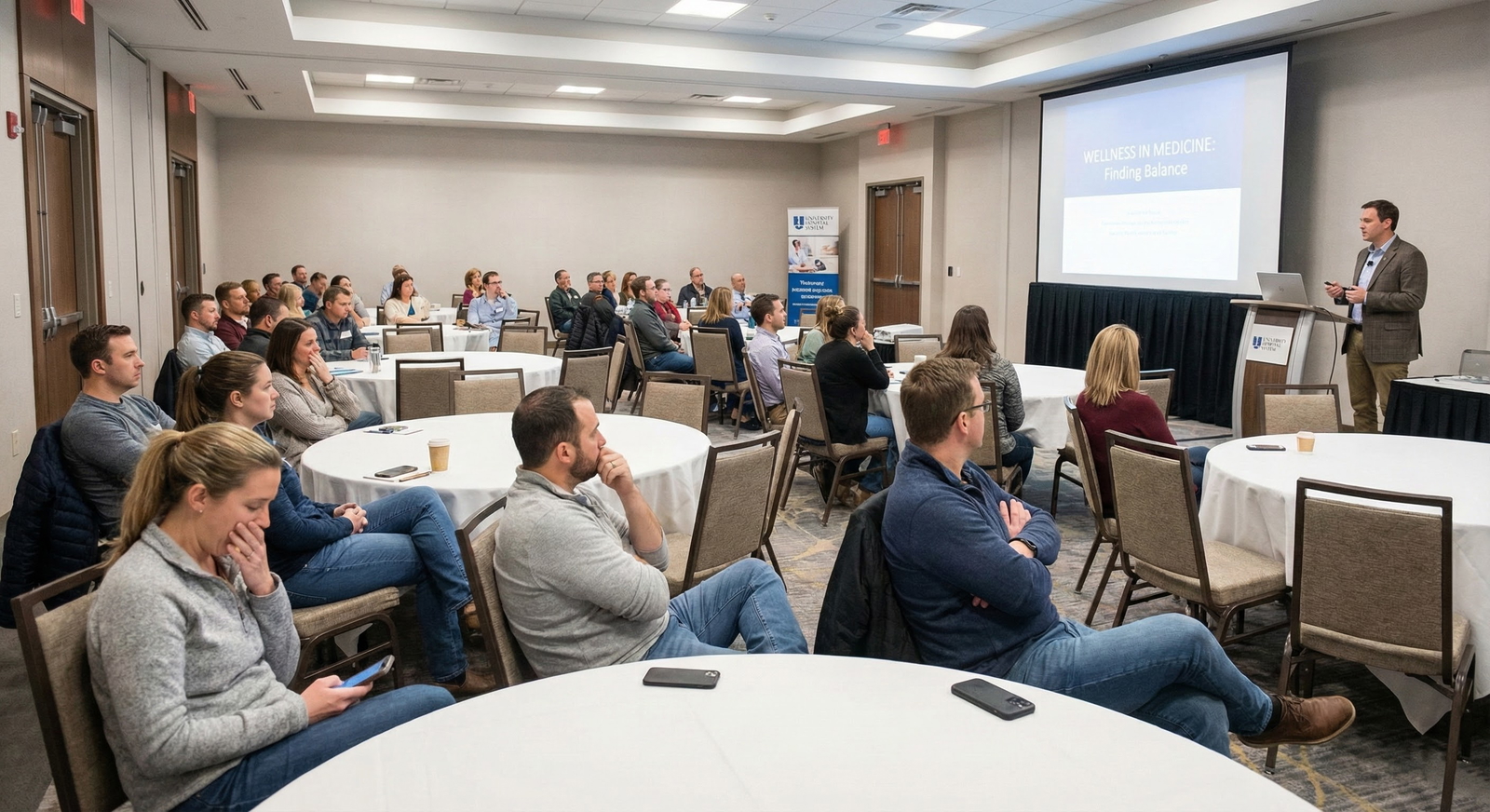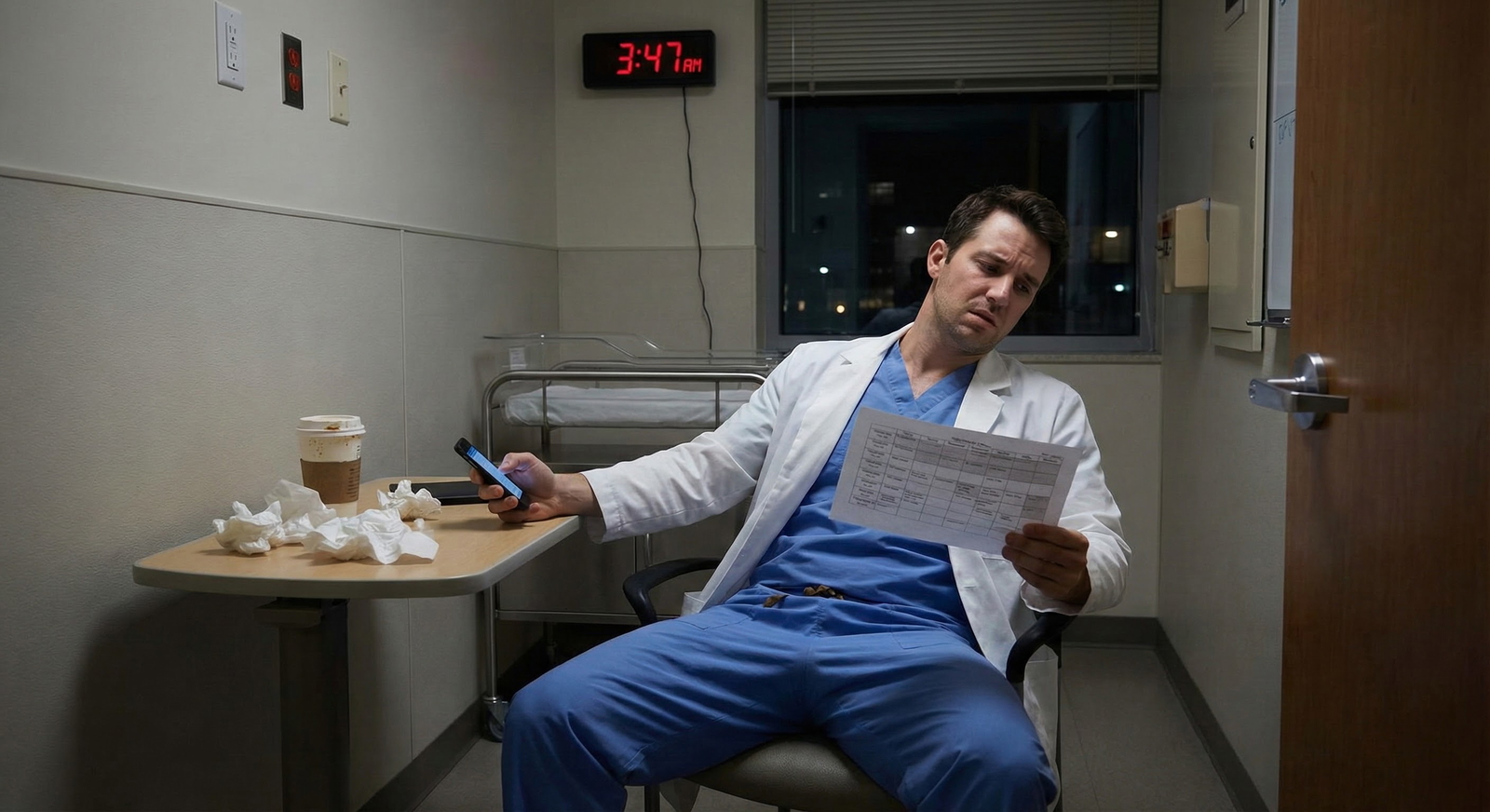
Neurosurgery is one of the most competitive and demanding medical specialties. The training is long, the responsibility is immense, and the learning curve is steep. In that context, the culture and structure of your neurosurgery residency program will profoundly shape not only your career but also your physical and mental health.
This guide focuses on identifying malignant programs in neurosurgery—those brain surgery residency environments where systemic dysfunction, abuse, or neglect significantly harms trainees. You’ll learn how to spot residency red flags, distinguish normal rigor from toxicity, and protect yourself before you match into a situation that could derail your training and well-being.
Understanding “Malignant” in Neurosurgery Residency
The term “malignant residency program” is widely used among residents and applicants, but it’s often poorly defined. In neurosurgery, where culture has historically tolerated extreme hierarchy and long hours, the line between “tough but fair” and “toxic and dangerous” can blur.
What “Malignant” Usually Means
A program is often described as malignant when it has one or more of the following features:
- Abusive culture: Regular humiliation, yelling, threats, or retaliation.
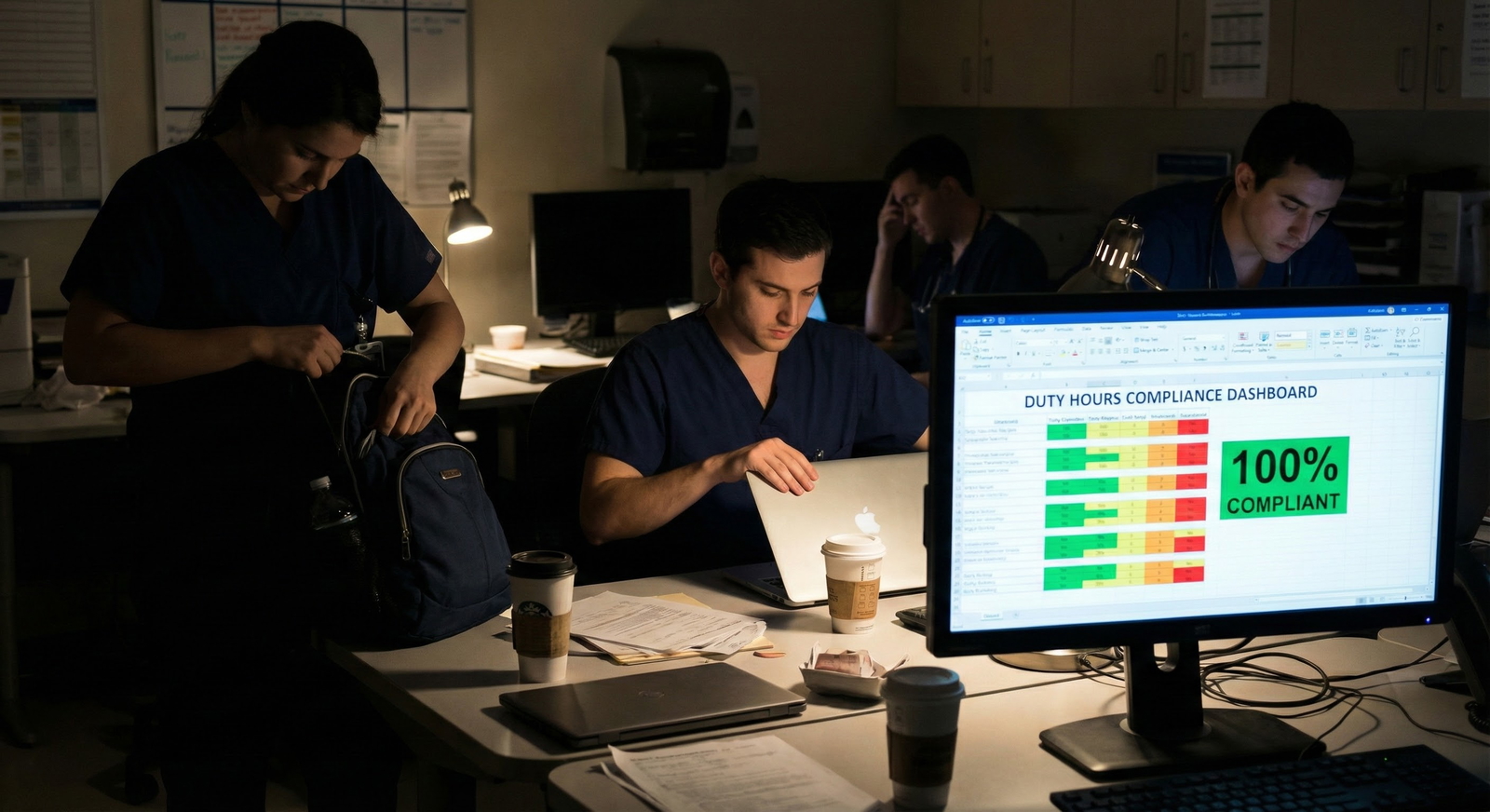
- Chronic disregard for duty hours: Systemic, unremedied duty hour violations.
- Institutional neglect: Lack of supervision, unsafe operative practices, or pressure to work beyond competence.
- Punitive environment: Mistakes are met with punishment rather than teaching.
- Non-responsiveness to resident concerns: Repeated, serious issues go unaddressed over years.
Malignancy is not defined by difficulty alone. Neurosurgery is inherently demanding, and tough training does not automatically equal toxic training.
High-Intensity vs. Malignant: Key Distinctions
A high-intensity neurosurgery residency is expected; a toxic program is not. A useful mental model:
High-Intensity, Healthy Program
- Long hours, but duty hours generally monitored and respected.
- High expectations, but feedback is constructive.
- Attending surgeons push your learning, but do not belittle you.
- Outcomes matter, but patient safety and resident safety come first.
- Mistakes trigger debriefing, support, and learning.
Malignant, Toxic Program
- Long hours without regard for rules; reporting violations is discouraged.
- Feedback is primarily shaming or public humiliation.
- Attendings or seniors use fear and intimidation to control residents.
- Patient safety may be compromised by fatigue, under-supervision, or pressure to cut corners.
- Mistakes are weaponized, and blame is personalized.
Your goal as an applicant is not to avoid hard work. It’s to avoid structurally harmful environments that can damage your health, learning, and long-term career.
Core Toxic Program Signs in Neurosurgery
Certain patterns repeatedly show up in accounts of malignant neurosurgery programs. When enough of these are present—especially across multiple independent sources—you should be extremely cautious.
1. Chronic Duty Hour Violations and Culture of Silence
Neurosurgery training is intense, but even in this specialty, ACGME duty hour standards still apply. The trouble starts when violation is not occasional but structured into the program.
Red flags to look for:
- Residents laugh off or dismiss duty hours questions:
- “We don’t really track duty hours here.”
- “You’ll just put in 80 no matter what.”
- Statements implying systematic violation:
- “This is neurosurgery; if you care about duty hours, this isn’t the place for you.”
- PGY-1s and PGY-2s consistently pre- and post-rounding off the clock.
- Night float or call systems that clearly cannot be compatible with 80 hours/week.
- Residents are visibly exhausted on interview day, yet minimize or joke about it in a rehearsed way.
Isolated busier weeks are part of training. Malignancy emerges when:
- The official message (“We follow duty hours”) radically contradicts the resident reality.
- Residents hint that reporting hours is discouraged or altered after submission.
2. Unprofessional or Abusive Behavior from Faculty or Seniors
Neurosurgery remains hierarchical, but professionalism is non-negotiable. Malignant programs normalize or excuse abuse as “old school neurosurgery.”
Warning signs:
- Multiple residents independently allude to:
- Yelling or being cursed at in the OR.
- Being called “stupid,” “useless,” or similar insults.
- Attendings throwing instruments or slamming equipment.
- Stories where a resident’s career was threatened for minor errors or for requesting time off.
- Faculty publicly humiliating residents in front of staff, patients, or students.
- Jokes that normalize abuse:
- “We eat our young.”
- “If you survive here, you can survive anywhere.”
Ask residents directly:
“How do attendings typically handle mistakes in the OR?”
If the answer includes fear, humiliation, or punishment, that signals unhealthy culture.
3. High Attrition, Transfers, or Non-Completion
Neurosurgery residencies are long (7+ years), and some attrition is expected. But a pattern of residents leaving, transferring, or vanishing from program materials is deeply concerning.
Concrete red flags:
- The program can’t explain where former residents are, or gives vague answers.
- The website shows gaps in residency classes (missing PGY-4 or PGY-5 residents without replacement).
- Residents speak cautiously about “some people not working out” without clarity.
- Multiple people in recent years:
- Changed specialties,
- Transferred out,
- Left training altogether.
Ask:
“What has resident attrition looked like during the last 5–10 years? How many residents left and why?”
A transparent, non-defensive answer is reassuring. Evasive or contradictory responses are not.

4. Lack of Supervision and Compromised Patient Safety
Neurosurgery is unforgiving; inadequate supervision can be dangerous for both patients and residents.
Red flags:
- Juniors describe being alone for:
- Complex cases,
- Unstable trauma patients,
- High-risk emergent procedures, without an appropriate backup.
- Residents mention being pressured to operate beyond their level of competence.
- The program seems proud of a “sink or swim” philosophy.
- Residents say they avoid calling attendings overnight because of:
- Anger,
- Retaliation,
- Or being labeled “weak.”
Look for warning statements like:
- “You learn fast because no one is going to hold your hand.”
- “We expect PGY-1s to manage the ICU independently pretty early.”
Learning autonomy is good; unsupervised high-risk autonomy is not.
5. Exploitative Service vs. True Education
Every neurosurgery resident spends time doing scut work. Malignancy emerges when service consistently eclipses education, and leadership is indifferent.
Signs of a service-heavy, potentially malignant brain surgery residency:
- Residents regularly miss conferences or OR cases just to finish floor work.
- Clinic, ward, or ICU coverage demands frequently prevent attendance at:
- Morbidity & Mortality (M&M) conferences,
- Grand rounds,
- Core curriculum sessions.
- Residents have limited or no protected time for research in a program that claims to emphasize academic output.
- Senior residents complain about insufficient operative experience because of relentless service demands.
Ask residents:
- “How often do you get bumped from the OR for service needs?”
- “How protected is your time for conferences and education?”
- “What does a typical week look like for PGY-2, PGY-4, and chief years?”
If the answers consistently center on survival rather than learning, be wary.
6. Retaliation, Fear, and Lack of Psychological Safety
A hallmark of malignant environments is that residents do not feel safe speaking up about concerns.
Indicators of a fear-based culture:
- Residents lower their voices, change the topic, or look around before answering certain questions.
- They discourage you from asking about specific attendings or rotations.
- Subtle comments like:
- “You just have to know who not to cross.”
- “You learn when to keep your head down.”
- No anonymous or trusted channels to report harassment, discrimination, or safety issues—or residents do not trust the channels that exist.
- Residents imply that people who complained in the past were pushed out or made miserable.
A healthy neurosurgery program may be intense, but residents should still express some trust in leadership and confidence that serious concerns will be addressed.
How to Spot Residency Red Flags Before You Match
You’ll never get a fully transparent view of a program from one interview day. But you can systematically probe for toxic program signs at each stage: research, communication, interviews, and post-interview reflection.
1. Pre-Interview Research: Reading Between the Lines
Start with publicly available information, but interpret it critically.
Program websites & social media:
- Look for:
- Resident lists across all PGY levels. Are there missing residents?
- Graduate placement: Do graduates consistently match strong fellowships or secure positions?
- A mix of educational content (grand rounds, research highlights) vs. pure marketing.
- Red flags:
- Outdated list of residents with obvious gaps.
- No mention of resident wellness, mentoring, or support structures.
- Photos or content that emphasize “toughness” or “grit” without mention of learning or support.
Reputation and word-of-mouth:
- Speak with:
- Your home neurosurgery faculty,
- Recent graduates from your school who matched neurosurgery,
- Residents at your away rotations.
- Ask directly if any neurosurgery residency programs are known to be malignant or problematic.
- Be cautious with single anecdotes, but pay attention to recurrent themes from independent sources.
2. Asking the Right Questions on Interview Day
The interview is your main window into the internal culture. Plan your questions in advance and ask different residents similar questions to see if responses align.
Key question categories:
Culture and behavior
- “How are residents treated after a complication or bad outcome?”
- “Is there yelling or public shaming in the OR? How is that handled?”
- “Do you feel comfortable asking for help or admitting you don’t know something?”
Duty hours and workload
- “On an average week, how many hours do you actually work?”
- “How does the program handle duty hour violations when they occur?”
- “Do you have any true days off? How often?”
Supervision and autonomy
- “How often are you alone in difficult cases or high-acuity situations?”
- “Are there times you felt unsafe or under-supervised?”
Attrition and resident outcomes
- “Have any residents left or transferred in the last several years? Why?”
- “Do you feel residents are generally happy here and would choose this program again?”
Support and wellness
- “If someone is struggling—personally, academically, or clinically—how does the program respond?”
- “Can you actually use your vacation? How is coverage handled?”
Compare answers across PGY levels and across separate conversations. Consistency is reassuring; big discrepancies are worrisome.
3. Reading Non-Verbal and Environmental Cues
What you see and feel on interview day can be just as telling as what you hear.
Positive indicators:
- Residents interact with each other in a relaxed, collegial way.
- Faculty and residents seem comfortable together; there’s visible mutual respect.
- Residents do not appear universally burned out or disengaged.
- People make eye contact, joke naturally, and do not seem guarded.
Negative indicators:
- Tense atmosphere; residents appear anxious when faculty are around.
- Residents give obviously scripted, generic answers.
- Visible fatigue and cynicism in mid-level or senior residents.
- Faculty make dismissive comments about work-life balance or trainee concerns.
Your intuition matters. If the environment feels oppressive or strained, don’t ignore that signal.
Special Considerations in Neurosurgery: What’s “Normal” vs. Not
Because neurosurgery is uniquely demanding, it helps to recalibrate expectations. Some aspects that might be red flags in other specialties are, unfortunately, common here—but even then, they should be managed, justified, and balanced by strong education and mentorship.
Normal (Within Reason) for Neurosurgery
- Long training duration (7+ years) with significant call and ICU exposure.
- Frequent overnight call, especially in junior years, with trauma and emergencies.
- High-pressure OR environment, including very direct feedback.
- Significant service load early on, including consults, admissions, and floor work.
- Periods of exhaustion during particularly busy rotations, such as spine trauma or vascular neurosurgery.
These are acceptable when:
- Residents learn a lot from them.
- Faculty actively teach, mentor, and protect patient safety.
- The program leadership monitors workload and tries to mitigate extremes.
Not Normal (Dangerous or Malignant Patterns)
- PGY-1s or PGY-2s consistently working 90–100+ hours with no meaningful efforts to adjust.
- Residents going multiple days without meaningful sleep on a regular basis.
- Repeated accounts of abuse, intimidation, or retaliation that leadership minimizes.
- Residents afraid to report fatigue, near misses, or safety concerns.
- Emotionally crushed residents who advise you off the record to rank the program low or not at all.
Your goal is to distinguish “hard but formative” from “harmful and unsustainable.”
Strategies to Protect Yourself During the Neurosurgery Match
You cannot control every variable in the Match, but you can take concrete steps to reduce your risk of landing in a malignant neurosurgery residency.
1. Build an Honest Advisory Network
Surround yourself with people who will be candid:
- Home neurosurgeons and program leadership (even if you’re not applying there).
- Residents you meet during away rotations—especially mid-levels and chiefs.
- Recent alumni from your school who are now in neurosurgery.
Ask them:
- “Are there programs you would strongly recommend avoiding?”
- “Have you heard about any neurosurgery residencies with toxic culture or high attrition?”
- “If you could rank again, which programs would you move down and why?”
Patterns matter. If three independent people warn you about the same brain surgery residency, listen.
2. Use Away Rotations Strategically
Away rotations are your most accurate window into neurosurgery programs.
During the rotation, pay attention to:
- How attendings treat residents—and how residents treat medical students.
- Whether junior residents are supported or left to drown.
- How complications and errors are discussed.
- The balance between service and teaching.
If you see:
- Regular public humiliation,
- Residents openly miserable with no path forward,
- Or widespread fear of a particular attending or the program director,
you should be very cautious about ranking that program highly—even if it is prestigious.
3. Weigh Prestige vs. Culture Rationally
Highly prestigious programs may offer:
- Elite fellowship opportunities,
- High surgical volume,
- Strong academic reputations.
But these benefits are not worth:
- Severe burnout,
- Long-term mental health consequences,
- Damaged confidence and professional identity.
Consider:
- You’re choosing where you will live and work for most of a decade.
- A mid-tier but supportive program may produce a more confident, skilled, and balanced neurosurgeon than a prestigious but malignant one.
When in doubt, prioritize:
- Psychological safety, solid case volume, and strong mentorship
over rankings, name recognition, or social media buzz.
4. Rank Lists: Trust Your Data and Your Gut
When you build your rank list:
- Review your notes from each visit.
- Reflect on:
- How residents behaved and what they said,
- Any serious red flags that emerged,
- Whether you could picture yourself thriving there.
If a program:
- Has multiple indicators of being a malignant residency program,
- Left you feeling anxious or unsettled,
- Or was universally described as “rough” or “toxic” by people you trust,
it should move down or off your list. Matching into neurosurgery is not “at any cost”; the cost can be very high if the environment is unsafe.
Frequently Asked Questions (FAQ)
1. Is there such a thing as a “perfect” neurosurgery residency program?
No. Every neurosurgery residency has:
- Heavy workload,
- Stressful situations,
- Occasional interpersonal conflict.
The goal is not perfection but functional, supportive, and ethically sound training. A good program:
- Acknowledges its weaknesses,
- Works to improve them,
- Treats residents as learners and colleagues, not disposable labor.
2. How many red flags are “too many” for a program?
There’s no exact number, but be particularly wary when multiple of the following coexist:
- High or unexplained attrition,
- Repeated stories of abuse or humiliation,
- Unremedied duty hour violations,
- Poor supervision of high-risk clinical situations,
- Residents expressing fear of retaliation.
If two or more of these are consistent across multiple informants, that program is at high risk of being malignant.
3. What if a program has a bad reputation but I have a good experience during interview day?
Single-day impressions can be misleading. If your experience was positive but:
- Multiple trusted sources describe longstanding problems,
- There is documented high attrition or clear gaps in resident classes,
take those external data seriously. Weigh:
- The breadth and credibility of negative reports,
- Whether leadership has recently changed and is genuinely reforming the culture.
When in doubt, move the program lower rather than higher on your list.
4. If I discover my program is malignant after I match, what can I do?
Options are limited but real:
- Engage internal resources: Program leadership, GME office, ombudsman, wellness committees.
- Document issues: Dates, events, witnesses, and any efforts to resolve problems.
- Seek external support: Specialty societies, trusted mentors at other institutions, potentially the ACGME if there are serious violations.
- In extreme cases, it may be possible to:
- Transfer to another neurosurgery residency,
- Or change specialties, though both paths are challenging.
Even in a malignant environment, allies and mentors can help you navigate and protect your long-term career.
Neurosurgery residency will test your limits wherever you train. The difference between a demanding but healthy program and a truly malignant one can define your entire professional trajectory. By learning to recognize residency red flags, asking hard questions, and trusting both your data and your instincts, you give yourself the best chance to train in a place where you can grow into a capable, resilient neurosurgeon without sacrificing your safety or dignity.