Why Understanding Malignant Neurosurgery Programs Matters for MD Graduates
Entering neurosurgery residency is one of the most demanding commitments in medicine. As an MD graduate, you’ve already survived allopathic medical school, USMLEs, sub-internships, and the allopathic medical school match process. The next decision—where you train—will shape your skills, your well-being, and your career opportunities for life.
Neurosurgery’s intensity and hierarchy make it especially vulnerable to malignant residency programs—environments where the culture, workload, leadership, and structure are consistently unsafe, exploitative, or psychologically damaging. These are not just “tough” or “high-expectation” programs; they are toxic.
This article focuses on how an MD graduate interested in neurosurgery residency or brain surgery residency can recognize residency red flags and avoid toxic program signs—before you rank a program and certainly before you sign a contract.
We’ll cover:
- What “malignant” means in the context of neurosurgery training
- Specific red flags to look for during interviews, sub-internships, and online research
- How to interpret data and resident behavior
- What is “tough but healthy” versus truly toxic
- How to protect yourself while still matching into a strong, high-volume program
What “Malignant” Really Means in Neurosurgery Training
Distinguishing “Demanding” from “Malignant”
Neurosurgery is demanding everywhere. Long call nights, complex cases, and high-stakes decisions are standard. A high-volume, academically rigorous program is not automatically a malignant residency program.
A neurosurgery residency becomes malignant when:
- Educational priorities are consistently ignored in favor of service
- Abusive or humiliating behavior is normalized and not corrected
- Duty hour rules are chronically violated and falsified
- Residents feel unsafe—emotionally, physically, or professionally
- Reporting concerns leads to retaliation or career harm
The core issue is not that the work is hard; it’s that the environment is chronically unhealthy, unsafe, and unchanging despite feedback.
Why Neurosurgery Is High-Risk for Toxic Cultures
Several structural aspects increase risk:
- Steep hierarchy: Attending–fellow–senior–junior chains can amplify power imbalances.
- Small programs: With only a handful of residents per year, one toxic leader can dominate the entire culture.
- Emergency-heavy workload: High acuity and long call can mask or justify chronic abuse (“This is just neurosurgery”).
- Competitive fellowships and jobs: Residents may stay silent out of fear of losing letters, cases, or post-residency opportunities.
As an MD graduate evaluating an allopathic medical school match in neurosurgery, you need tools to distinguish healthy rigor from malignant toxicity.
Core Toxic Program Signs: Red Flags You Cannot Ignore
Below are high-yield, practical residency red flags that often signal a malignant neurosurgery program. No single red flag automatically disqualifies a program, but clusters and patterns should raise major concern.
1. Chronic Duty Hour Violations and Culture of Falsification
What you might see or hear:
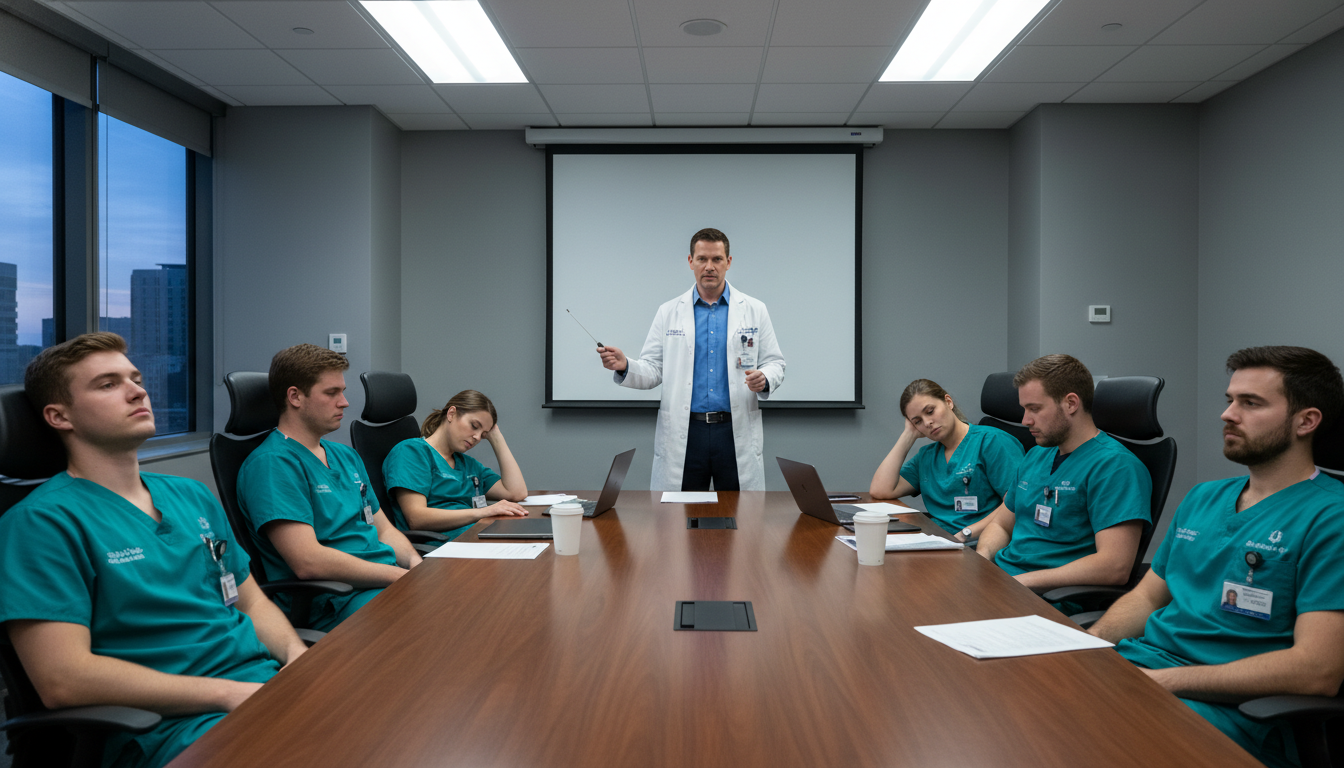
- Residents casually mention 100+ hour weeks, every week.
- Statements like, “We log 80 hours, but everyone knows it’s more like 110.”
- Jokes about never seeing sunlight, sleeping in the OR lounge, or “interns living at the hospital.”
- Residents hesitate, glance at each other, or shut down when duty hours are mentioned by faculty.
What this usually means:
- The program’s staffing and call structure are unsustainable.
- There’s an implicit expectation that residents falsify logs and “take one for the team.”
- Leadership is either ignoring or actively encouraging ACGME noncompliance.
Why it’s dangerous:
- Chronic sleep deprivation affects surgical performance, cognition, and mental health.
- Falsifying duty hours places all responsibility on residents, not the program.
- It signals a culture where rules and accreditation standards are optional, raising broader concerns.
2. Openly Disrespectful or Abusive Behavior from Faculty or Seniors
Examples of malignant behavior:
- Regular public humiliation, yelling, or name-calling in the OR or conference.
- Attending surgeons throwing instruments, slamming charts, or making personal insults.
- Seniors mocking juniors’ questions or shaming them for not knowing details.
- Sexist, racist, or otherwise discriminatory remarks dismissed as “jokes” or “old-school neurosurgery.”
Subtle cues during interview day:
- Faculty interrupt residents or each other, dismiss their input, or talk about them as “workhorses” rather than colleagues.
- Residents appear tense or excessively deferential even in “informal” settings like lunch.
- No one pushes back when a faculty member is clearly demeaning.
Interpretation:
Neurosurgery is high-pressure, but consistent humiliation-based teaching is not a training style—it’s abuse. A malignant culture often normalizes this and labels it as “toughening you up.”
3. High Resident Attrition or Sudden PGY-Level Gaps
Concrete signs:
- Multiple unexplained missing residents in group photos.
- Program materials that avoid listing graduated classes or only show current PGY levels, not alumni outcomes.
- Residents speak vaguely about past colleagues: “Some people decided neurosurgery wasn’t for them.”
- Frequent transfers or dismissals at the PGY-2–3 level.
Questions you can ask:
- “Have any residents left the program or transferred in the last 5 years?”
- “How many residents have successfully graduated in the past 10 years?”
- “When a resident struggles, how does the program support them?”
If answers are vague, defensive, or inconsistent between faculty and residents, consider this a strong red flag.
4. Poor or Opaque Case Volume and Case Distribution
In a healthy brain surgery residency, volume is high but educationally structured:
- Juniors get appropriate basic cranial and spine cases.
- Seniors advance to complex vascular, tumor, functional, and trauma leadership roles.
- Fellowships, if present, augment, not cannibalize, resident opportunities.
Toxic patterns to watch for:
- Senior residents hint that they must “fight” for cases or that one attending operates with fellows only.
- Juniors report primarily scut work (notes, discharges, floor calls) with minimal OR exposure.
- The program cannot provide case logs or clear expectations for each PGY level.
- Residents describe case distribution as “random,” “political,” or “very attending-dependent.”
Neurosurgery is defined by operative skill; if the structure to gain that skill is haphazard or hoarded, the program may be educationally malignant even if the culture seems polite.
5. Lack of Resident Voice and Retaliation Against Feedback
Indicators:
- No resident presence or input on the program evaluation or curriculum committees.
- Residents cannot name any specific changes made in response to resident feedback in recent years.
- When asked, “How does leadership respond to concerns?” residents answer with jokes, eye contact avoidance, or “We just figure it out ourselves.”
- Stories about a resident who “spoke up” and later lost cases, opportunities, or was pushed out.
This points to a fear-based culture, where concerns are suppressed instead of addressed. In a malignant residency program, the message is: “You are replaceable; be quiet and work.”
6. Systematic Disrespect for Wellness, Family, and Medical Needs
Neurosurgery will stress any life outside the hospital, but it should not punish it.
Red flags:
- Residents who became parents report feeling penalized—missing cases, subtle shaming, being told they’re “less committed.”
- Difficulty attending medical appointments or scheduling personal care.
- Zero or minimal mention of mental health resources, or dismissive comments about counseling (“We don’t really do that here”).
- No maternity/paternity leave information or residents who had to “negotiate” basic leave.
A program that explicitly or implicitly demands that you sacrifice your health and family is not just demanding; it is toxic.
7. Program Instability: Frequent Leadership Turnover or Accreditation Issues
What to look for:
- Recent or repeated ACGME citations, warning letters, or probation history.
- Abrupt changes in program director or chair with minimal explanation.
- Multiple attending neurosurgeons leaving in short succession.
- Residents unsure of long-term plans for key rotations or sites.
You can check the ACGME and FREIDA, and also simply ask:
- “Have there been any recent ACGME citations?”
- “Have there been major leadership changes in the last 3–5 years?”
Vague, defensive, or contradictory responses across interviewers should weigh heavily in your assessment.
How to Spot Malignant Neurosurgery Programs During the Application Season
You have multiple windows into a program: online research, communications, interviews, and sub-internships. Use all of them deliberately.

A. Pre-Interview: Research and Online Recon
Before you even visit:
Check official data sources
- ACGME public reports for citations or probation history.
- FREIDA for program size, case mix, and fellowships.
- Program websites for:
- Graduation rates and alumni outcomes
- Resident roster continuity (do classes appear to shrink?)
- Clear, updated information on curriculum and expectations
Look for pattern-based reputational signals
- Student Doctor Network (SDN), Reddit, and specialty forums often exaggerate individual stories, but repeated similar complaints over years are informative.
- Pay attention to themes: chronic overwork, harassment, OR hoarding by fellows, sudden resident departures.
Non-response or poor communication
- Very delayed or dismissive responses to student inquiries (especially about clerkships/sub-Is) can signal disorganization or lack of respect for trainees.
B. During Away Rotations and Sub-Internships
As an MD graduate, you may already have done neurosurgery sub-Is, or you might schedule one as a PGY-1/2 considering transfer. These are the best opportunities to detect malignant residency programs.
Focus on:
1. Day-to-Day Resident Behavior
Ask yourself:
- Do residents appear chronically exhausted or emotionally numb?
- Do they only interact with each other about work tasks and never about teaching or learning?
- Is there open camaraderie, or only dark humor and venting?
Pay attention to:
- Whether they protect each other’s breaks and call rooms, or undercut one another.
- Whether seniors take time to teach, even briefly, or only bark orders.
2. How Residents Talk When Attending Are Absent
Find organic, private moments (e.g., walking between cases, late night on call) and ask:
- “What do you wish you had known before coming here?”
- “If your sibling wanted neurosurgery, would you recommend this program?”
- “What’s the hardest part about training here?”
- “Have any residents left or transferred, and why?”
If answers are evasive, if they change the subject quickly, or if they tell you “you’ll figure it out,” assume there are deeper problems.
3. How Residents Are Treated When They Make Mistakes
Observe:
- When a case complication or error comes up, is it used as a teaching opportunity or for public shaming?
- In M&M, are residents blamed while systemic factors are ignored?
- Do attendings yell or humiliate in emergencies, or maintain constructive communication under pressure?
Even in intense OR moments, consistent verbal abuse is not a necessary or acceptable norm in a neurosurgery residency.
C. Interview Day: Strategic Questions for an MD Graduate
During interviews, especially the resident-only sessions, ask targeted questions that reveal culture.
Questions for Residents
- “How is feedback typically delivered? Publicly? Privately?”
- “What changes have you seen in the program over the last few years in response to resident feedback?”
- “Have you ever felt unsafe, unsupported, or unable to speak up?”
- “On average, what are your weekly hours, including call? Do duty hours actually reflect this?”
- “If you could change one thing about this program, what would it be—and why hasn’t it changed yet?”
Pay attention not just to words, but tone, facial expressions, and consistency among residents at different PGY levels.
Questions for Faculty and Leadership
- “How do you define and handle resident underperformance?”
- “What mechanisms are in place for anonymous resident feedback?”
- “Can you describe any ACGME citations or areas targeted for improvement in the past 5–10 years?”
- “What specific wellness or support initiatives exist for residents?”
Look for concrete examples: policies, committees, curriculum changes, not vague generalities like “Our door is always open.”
Differentiating Tough but Healthy from Truly Malignant
Some of the best neurosurgery residency programs are brutally hard yet not malignant. Distinguishing the two is essential, especially for an MD graduate who wants robust operative experience without burning out.
Signs of a Tough but Healthy Program
- High case volume but clear, graduated responsibility and protected teaching.
- Residents are tired but bonded; they support and mentor each other.
- Faculty are demanding but predictable and fair; criticism is about performance, not personal attacks.
- Duty hours may be strained in specific rotations, but:
- Violations are acknowledged and addressed.
- Leadership adjusts schedules or staffing rather than expecting residents to lie.
- When adverse events occur:
- There is structured debriefing, not scapegoating.
- Quality improvement focuses on systems, not solely on individuals.
In these environments, residents still grow, learn, and—despite fatigue—often say, “I’d choose this again.”
Signs of a Truly Malignant Program
- Chronic fear: Residents fear attendings, leaders, speaking up, or even talking honestly with applicants.
- No clear path to improvement: Complaints are met with dismissal or threats.
- Isolation: Residents feel they can’t rely on each other; competition is weaponized.
- Identity erosion: Trainees describe themselves only as “workhorses,” “scut machines,” or “numbers,” not as developing neurosurgeons.
- No change over time: Older residents say, “It’s always been like this. Nothing ever changes.”
In a malignant residency program, high expectations combine with chronic disregard for resident well-being and safety, with no willingness to reform.
Practical Strategies for MD Graduates to Protect Themselves
As you pursue an MD graduate residency in neurosurgery, you can’t fully eliminate risk, but you can meaningfully reduce the chance of landing in a toxic program.
1. Build a Trusted Advisor Network
Find 2–3 people who know neurosurgery well:
- A neurosurgery faculty mentor at your home institution
- A senior resident or recent graduate in neurosurgery
- A program director or advisor familiar with the allopathic medical school match landscape
Ask candidly:
- “Are there any neurosurgery programs you would avoid?”
- “What are the hallmark toxic program signs you’ve seen?”
- “How would you rank these programs in terms of culture, not prestige?”
Faculty are often reluctant to badmouth other institutions publicly, but off-the-record guidance can be lifesaving.
2. Use Sub-Internships Strategically
If possible:
- Do one away rotation at a program you’re strongly considering for your top ranks.
- Use another at a contrasting program (e.g., high-volume urban vs. mid-volume academic) to calibrate your sense of normal.
During sub-Is, focus as much on:
- How people treat each other
- How residents talk about their lives
as you do on the complexity of cases and academic reputation.
3. Weigh Culture Heavily in Your Rank List
Prestige, fellowship placement, and case volume matter, but they cannot compensate for a malignant culture that endangers your mental and physical health.
As you finalize your rank list, ask yourself:
- “Where did I feel like a future colleague, not just cheap labor?”
- “Where would I trust the seniors and faculty to have my back on my worst day?”
- “At which program would I still likely grow into the neurosurgeon I want to be if I struggle or hit a personal crisis?”
If a program looks exceptional “on paper” but multiple red flags surfaced during rotations or interviews, do not rank it highly just for prestige or case volume.
4. Have a Contingency Plan
Even with careful selection, you may land in a program that’s worse than expected.
Know in advance:
- Who you would contact if you experience harassment or unsafe conditions:
- Program ombudsperson
- GME office
- ACGME resident hotline
- That transferring programs is possible, especially within neurosurgery, though challenging.
- That your health and safety always come before any single job or training position.
FAQs: Malignant Neurosurgery Programs for MD Graduates
1. How can I tell if negative online comments about a neurosurgery residency are exaggerated?
Look for patterns over time and across platforms. A single angry post could be an outlier; multiple reports over years (e.g., chronic 110+ hour weeks, bullying attendings, disappearing residents) are more credible. Validate with:
- Conversations with alumni or current residents (ideally off the record).
- Questions about attrition, duty hours, and culture during interviews.
- Your own impressions on a sub-internship if possible.
2. Is a high-volume, very busy neurosurgery residency automatically malignant?
No. High volume is common in excellent neurosurgery training programs and can be a major educational asset. The key distinctions:
- Are duty hours managed and acknowledged, or routinely falsified?
- Are residents supported and supervised, or abandoned and blamed?
- Is the workload paired with structured teaching, or just endless service?
Busy plus support and respect is not malignant; busy plus fear, abuse, and dishonesty usually is.
3. I heard some malignant programs still place residents into top fellowships. Should I still consider them?
Fellowship placement is not the only—and certainly not the most important—measure. Consider:
- Cost to your mental health and personal life.
- Risk of burnout, depression, or career disillusionment.
- Whether your learning is optimized or you’re simply surviving.
Many non-toxic programs also place residents into excellent fellowships. You do not have to trade basic respect and safety for career success.
4. What should I do if I realize my program is malignant after I start?
First, protect yourself:
- Document serious incidents (dates, times, people involved).
- Seek confidential support: trusted faculty, GME office, counseling services.
- If local avenues fail and the environment is genuinely unsafe, you may contact the ACGME or specialty organizations.
Consider:
- Whether conditions might improve with leadership changes or ACGME oversight.
- Whether a transfer to another neurosurgery residency or another specialty is in your best interest.
Your career is a marathon, not a single job. Preserving your health and integrity should always come first.
Choosing a neurosurgery residency is one of the highest-stakes decisions of your career as an MD graduate. By understanding toxic program signs, spotting residency red flags, and valuing culture as highly as volume and prestige, you give yourself the best chance to train in an environment that is demanding but not destructive—one that shapes you into the brain surgeon you aim to become, without sacrificing your humanity in the process.