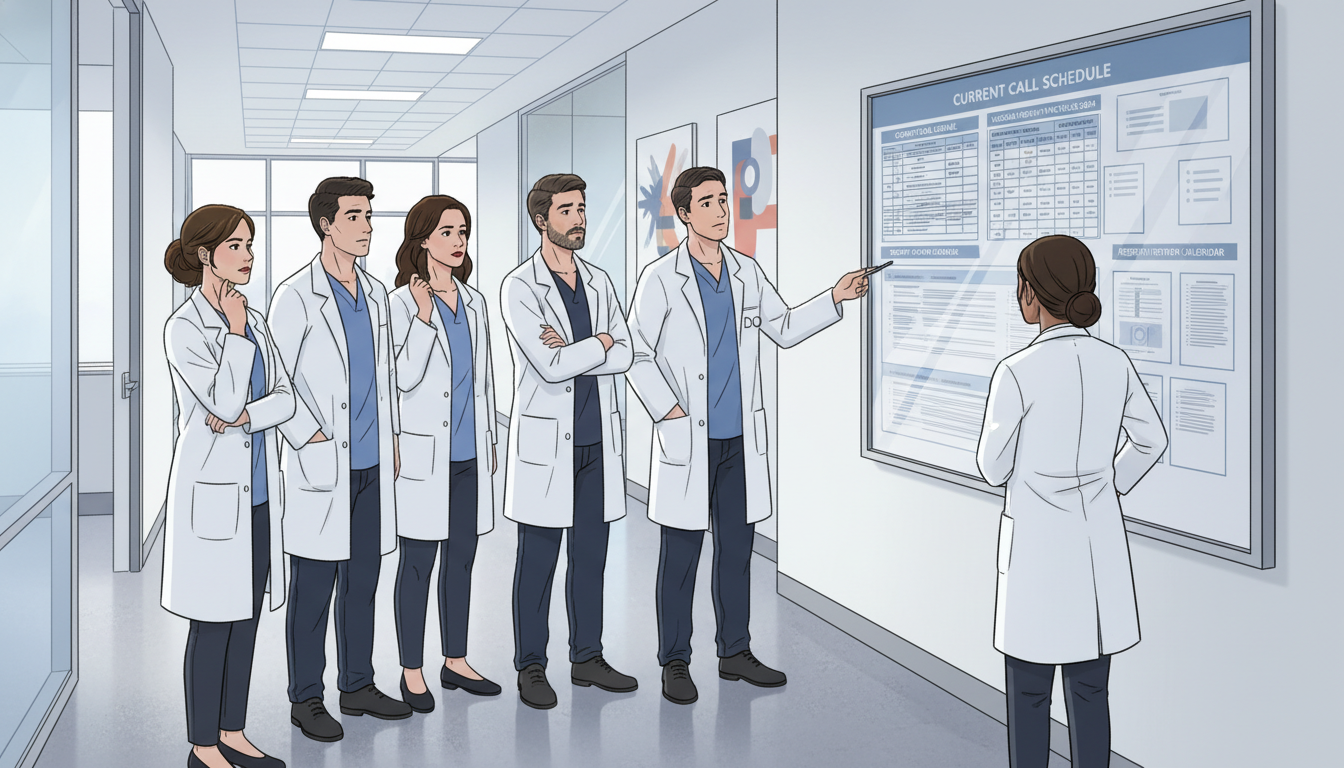
Why “Malignant” Nuclear Medicine Programs Matter for MD Graduates
For an MD graduate pursuing a nuclear medicine residency, choosing the right program is as critical as matching itself. A “malignant residency program” is an unofficial but widely used term describing a training environment that is consistently harmful to residents’ education, well‑being, or long‑term career prospects. These programs are not just “tough” or “high‑volume” — they are toxic, often marked by systemic disrespect, exploitation, or chronic disorganization.
As an allopathic medical school graduate, you’ve already invested enormous time and effort to be competitive for the nuclear medicine match. Ending up in a malignant residency program can lead to:
- Burnout and mental health struggles
- Inadequate preparation for independent practice
- Difficulty obtaining strong letters or fellowships
- Consideration of early resignation or retraining
This article will help you identify toxic program signs early, using specialty‑specific insight for nuclear medicine. We will walk through:
- How nuclear medicine residency is structured and what “healthy” looks like
- Core residency red flags at the program, faculty, and resident level
- Specialty‑specific concerns for nuclear medicine residency
- How to gather real‑world intelligence before and after the interview
- What to do if you realize a program is malignant — before ranking and after the match
What a Healthy Nuclear Medicine Residency Looks Like
Before identifying malignant programs, you need a mental model of what “good” or at least non‑toxic looks like in a nuclear medicine residency.
1. Educational Priorities Are Clear and Visible
In a strong program, education is explicitly protected:
- Regular didactic schedule: lectures, case conferences, journal clubs, physics and radiobiology sessions
- Board‑focused curriculum: clear alignment with ABNM/ABR requirements
- Protected teaching time respected in practice, not just in brochures
- Attending physicians who actively teach on cases rather than simply signing reports
Nuclear medicine is more niche than many other fields; you depend heavily on structured teaching to develop expertise in:
- Radiopharmaceutical pharmacokinetics
- PET/CT interpretation (oncology, neurology, cardiology)
- Theranostics (e.g., Lu‑177, I‑131, Ra‑223)
- Radiation safety and regulations
If your exposure to these domains is mostly “on your own time,” that’s a concern.
2. Reasonable Clinical Volume and Supervision
A healthy nuclear medicine residency balances volume, complexity, and supervision:
- Steady, diverse case volume: PET/CT, SPECT, cardiac, endocrine, bone, infection imaging
- Adequate faculty staffing: attendings present, accessible, and reading alongside residents
- Clear and safe escalation pathways for challenging cases or unstable patients
High volume is not inherently malignant; the problem arises when high volume is paired with:
- Minimal supervision
- Pressure for “productivity quotas”
- Little room for teaching or review
3. Supportive Culture and Professionalism
You should see:
- Faculty who know residents by name, show interest in their growth
- Leadership receptive to feedback and transparent in decision‑making
- Administrative staff who are responsive and respectful
- Approachable program coordinator and PD
You’re still a trainee, not cheap labor. A respectful culture is non‑negotiable.
4. Transparency in Outcomes
Robust programs will gladly discuss:
- Board pass rates (ABNM and/or ABR)
- Fellowship and job placement for recent graduates
- Alumni in academic, private, or hybrid practices
If they are proud of their outcomes, they will provide specifics. Evasion or vague answers here can be a major residency red flag.

Core Malignant Program Traits: General Residency Red Flags
While every specialty has its quirks, malignant programs across all fields share a similar pattern. As an MD graduate entering the allopathic medical school match, watch for these universal toxic program signs during your research, interviews, and away rotations.
1. Disrespect, Bullying, and Humiliation
Red flag: Recurrent stories of faculty or senior residents yelling at, belittling, or publicly humiliating trainees.
- Case: An attending consistently mocks residents during readouts (“How do you not know that?” “Did they even teach you medicine at your school?”).
- Case: Morbidity & mortality conferences used to shame residents rather than examine systems issues.
Pay attention to:
- How current residents talk about feedback: “brutal,” “demoralizing,” “you just have to develop a thick skin”
- Whether residents spontaneously mention any supportive or mentoring figures — silence can be telling
A demanding environment can still be respectful; a malignant one normalizes abuse as “part of training.”
2. Chronic Understaffing and Exploitation
Red flag: Residents are repeatedly covering multiple roles, often doing work that should be handled by technologists, nurses, or administrative staff, with little educational value.
Signs:
- Regular “unofficial” expectations to stay well past duty hours
- Residents frequently cover sick calls because the program has no backup plan
- Call schedules that appear unsafe (q2 call without post‑call day, for example)
Even in nuclear medicine (which often has more predictable hours than surgical specialties), malignant programs will:
- Stack on overnight call for cross‑sectional imaging or on‑call consults
- Expect residents to perform non‑educational scut (transporting patients, chasing labs) instead of image interpretation or therapy planning
3. Lack of Transparency and Evasive Answers
During interviews or Q&A sessions, note how program leadership responds when you ask about:
- Board pass rates
- Recent ACGME citations
- Why residents left the program (if there’s known attrition)
- Moonlighting policies and call burden
Red flag phrases:
- “We don’t really track that.” (about board pass rates or job outcomes)
- “Every program has some issues; it’s just residency.”
- “Some residents just couldn’t handle it.” (blaming attrition solely on resident weakness)
When programs avoid specifics or spin critical information, treat it as meaningful data.
4. High Attrition and Silent Turnover
High attrition is one of the most important residency red flags, especially in smaller specialties like nuclear medicine, where each resident is relatively visible.
Signals to probe:
- “We’ve had a few people leave, but that happens everywhere.”
- Residents referring to “someone who transferred” without details
- Difficulties obtaining contact information for recent graduates
Ask direct but neutral questions:
- “Have any residents left the program or transferred in the past 5 years? What were the main reasons?”
- “Could I speak with a recent graduate who is now in practice?”
A healthy program will be candid. A malignant residency program will often deflect or minimize.
5. Resident Burnout, Fear, and Learned Helplessness
Body language and tone can tell you more than scripted answers:
- Residents appear exhausted, anxious, or guarded during social events
- They glance at each other or faculty before answering your questions
- They say things like “It’s survivable,” “You just get through it,” or “It’s not as bad as it used to be”
Contrast that with:
- Residents who acknowledge challenges but can articulate specific benefits (“We work hard, but the PET/CT training is phenomenal and attendings are supportive.”)
Nuclear Medicine–Specific Red Flags: What MD Graduates Must Watch
Beyond general malignancy, nuclear medicine carries unique considerations. As an MD graduate targeting a nuclear medicine residency, you need to ensure you’re getting the specialty‑specific training you need for the modern imaging and theranostics landscape.
1. Insufficient PET/CT and Cross‑Sectional Imaging Exposure
For contemporary practice, especially post‑residency, robust PET/CT experience is essential. Programs that remain “stuck in the planar/SPECT era” can handicap you in the job market.
Specific red flags:
- Very low PET/CT volume without a clear plan to expand
- PET/CT reading dominated by radiology with little involvement from nuclear medicine residents
- Residents not routinely correlating PET findings with CT or MRI
Ask:
- “On average, how many PET/CTs does a senior nuclear medicine resident interpret per day?”
- “Do nuclear medicine residents have primary responsibility or are they just ‘observers’ on PET/CT?”
If they cannot give basic numbers or the residents seem unsure, that’s a warning for your future employability.
2. Weak or Outdated Theranostics and Therapy Training
Theranostics is a critical growth area in nuclear medicine. A malignant or simply outdated program may neglect this domain.
Red flags:
- Minimal or no exposure to Lu‑177 PSMA or DOTATATE, I‑131 therapies, Ra‑223, or radioimmunotherapy
- Residents relegated to paperwork and logistics while attendings manage all critical decision‑making
- No structured teaching on dosimetry, toxicity management, and patient selection
Ask targeted questions:
- “How many Lu‑177 or I‑131 therapies did your most recent graduates personally manage?”
- “Do residents participate in multidisciplinary tumor boards related to theranostics?”
A high‑quality program will have clear, quantified answers.
3. Isolation from Radiology and Other Specialties
Nuclear medicine thrives at the intersection of radiology, oncology, cardiology, and endocrinology. Professional isolation is a major nuclear medicine residency red flag.
Warning signs:
- Nuclear medicine residents housed in a separate, physically or culturally isolated space from diagnostic radiology residents
- Limited or no participation in radiology conferences, tumor boards, or multidisciplinary rounds
- Adversarial relationship between nuclear medicine and radiology departments
This isolation can:
- Limit your learning of cross‑sectional anatomy
- Reduce your access to mentors and diverse career paths
- Undermine your integration into future hybrid practices (where NM and radiology often coexist)
4. Questionable Accreditation or Board Eligibility Pathways
Because training pathways in nuclear medicine can be more complex (e.g., dedicated nuclear medicine residency vs. DR + NM or DR + nuclear radiology), clarity is essential.
Red flags include:
- Confusion or inconsistent messaging about board eligibility (ABNM vs. ABR nuclear radiology)
- Unresolved or recurrent ACGME citations specifically around curriculum or supervision
- Program leaning heavily on “we think this will work out” regarding new tracks or formats
As an MD graduate, you should insist on precise answers:
- “Which boards will I be eligible for upon graduation?”
- “Have any recent residents had issues obtaining board eligibility or certification?”
If they can’t answer in a sentence or two, proceed with caution.
5. Exploitation Through Non‑Educational Service
In a healthy nuclear medicine program, scut work is minimized so you can focus on interpretation and therapy skills. In a malignant residency program, you may be used as underpaid staff.
Be wary if:
- Residents frequently transport patients or handle routine phone calls that could be managed by staff
- You hear stories of being “on‑call” primarily for administrative tasks instead of meaningful clinical decision‑making
- Residents regularly forgo conferences or teaching activities to handle service demands
A brief season of heavier service is understandable; a chronic pattern is toxic.
How to Research Malignant Programs Before the Nuclear Medicine Match
Identifying malignant programs requires active, strategic information‑gathering. This is especially important in smaller fields like nuclear medicine, where online reviews may be sparse and networks are close‑knit.
1. Use Your Existing Network Wisely
As an allopathic medical school graduate, start with:
- Radiology and nuclear medicine faculty at your home institution
- Recent grads who matched into nuclear medicine or radiology fellowships
- Alumni networks and specialty interest groups
Ask specific, open‑ended questions:
- “Are there any nuclear medicine programs you would advise me to avoid, and why?”
- “Have you heard anything about the culture and training quality at [Program X]?”
Faculty are often more candid in one‑on‑one settings than in emails.
2. Read Between the Lines on Official Materials
Program websites and brochures usually show their best side, but subtle clues may surface:
- Lack of updated resident roster (e.g., a missing PGY class) suggesting attrition
- No mention of board pass rates or job placement
- Emphasis on “work ethic” or “resilience” without corresponding emphasis on mentorship and education
Also verify:
- Current ACGME accreditation status and any public RRC actions
- Number of faculty and their subspecialty interests — is there enough manpower to teach?
3. Leverage Peer‑to‑Peer Platforms — Carefully
Forums, social media, and unmoderated review sites can provide early warnings, but they can also distort reality. Use them as signals, not verdicts.
Approach:
- Look for consistent patterns in comments (e.g., multiple people mentioning hostile leadership at the same program)
- Distinguish between single‑person grievances and widely echoed themes
- Cross‑check with independent conversations from residents or faculty when possible
4. Ask Strategic Questions During Interviews
During interviews and resident socials, target your questions to reveal toxic program signs without sounding accusatory.
For faculty:
- “How do you handle situations when residents are struggling with performance or wellness?”
- “What changes have you made to the program in the last 3–5 years based on resident feedback?”
- “Can you share your most recent ACGME survey results in terms of strengths and areas for improvement?”
For residents:
- “What is one thing you would change about the program if you could?”
- “When residents have conflicts or concerns, do they feel safe bringing them up? Does anything actually change?”
- “How do you think your training here compares to that of your peers at other institutions, especially in PET/CT and theranostics?”
Listen for hesitations, vague answers, or rehearsed responses.
Ranking Strategy: Balancing Opportunity vs. Risk
Once you’ve collected data, you must translate your impressions into a rank list strategy for the nuclear medicine match.
1. Weigh Malignancy Higher Than Prestige
A common trap for MD graduates is overvaluing name recognition or perceived reputation over day‑to‑day reality.
Consider:
- A mid‑tier, supportive program with strong theranostics may be far superior to a big‑name institution with abusive culture and high attrition.
- Employers often care more about your skill set, references, and professionalism than the specific brand on your diploma — especially in nuclear medicine where the field is small and reputations travel fast.
If a program feels malignant, do not rank it highly “just in case.”
2. Differentiate Between “Hard” and “Toxic”
Some programs are demanding but fair:
- High case volume with strong attending support
- Long hours at times, but clear educational gains
- Honest culture with room for feedback and improvement
Toxic/malignant programs often:
- Have unpredictable workloads with poor supervision
- Punish residents for illness or personal emergencies
- Use shame and fear more than teaching
When ranking:
- Give credit to programs transparent about challenges but proactive about solutions.
- Downgrade programs that dismiss resident concerns as “weakness” or “entitlement.”
3. Consider Your Personal Risk Tolerance
If your mental health, family situation, or prior experiences make you vulnerable to high‑stress environments, be extra conservative:
- Avoid any program with multiple serious red flags, even if they offer unique research or prestige.
- Prioritize environments where residents describe genuine psychological safety.
Remember: It’s better to match slightly “lower” on your list into a healthy environment than to spend years recovering from a malignant training experience.
What If You Realize a Program Is Malignant After You Match?
Despite careful vetting, some MD graduates still find themselves in a malignant residency program. If this happens in nuclear medicine, you still have options.
1. Document Everything
Maintain a confidential record of:
- Specific incidents of bullying, discrimination, or exploitation
- Violations of duty hour rules, supervision policies, or safety standards
- Emails or messages relevant to the issues
Objective documentation is essential if you later:
- Request intervention from GME or institutional leadership
- Seek transfer or external advocacy (e.g., specialty organizations, legal counsel)
2. Use Internal Support Channels
Most institutions have:
- A Designated Institutional Official (DIO) or GME office
- Human resources and institutional ombudsperson
- Wellness officers or confidential counseling services
You can:
- Request a private meeting to express concerns
- Ask about aggregate ACGME survey results and how they’re being addressed
- Seek accommodations if you’re under significant psychological strain
3. Explore Transfer Options Thoughtfully
Transferring out of a malignant program is possible but logistically complex, particularly in a small specialty like nuclear medicine.
Steps:
- Quietly reach out to trusted mentors at your medical school or other institutions.
- Inquire about open PGY positions in nuclear medicine or related radiology specialties.
- Be honest but measured about your current situation, focusing on fit and education, not only grievances.
Even if immediate transfer isn’t possible, knowing your options can provide psychological relief.
4. Protect Your Long‑Term Career
In a malignant residency program:
- Seek out individual mentors, even outside your department (e.g., in radiology, oncology, or physics).
- Prioritize developing a marketable skill set: PET/CT, theranostics, multidisciplinary communication.
- Use elective time strategically for away rotations, research, or networking at healthier institutions.
Your residency does not define your entire career; many physicians have thrived despite difficult training environments by carefully steering their later steps.
FAQs: Malignant Nuclear Medicine Residency Programs for MD Graduates
1. How common are malignant programs in nuclear medicine specifically?
True malignant programs are uncommon but not rare. Nuclear medicine’s smaller size means that reputations spread quickly; truly toxic programs often become known among faculty. However, because public discussion is limited, MD graduates may not easily find this information without asking directly. Use your radiology and nuclear medicine mentors, and ask targeted questions during interview season.
2. Should I rank a potentially malignant program if it’s my only chance to do nuclear medicine?
This is a deeply personal decision. Consider:
- Your mental health history and support system
- Availability of alternative paths (e.g., diagnostic radiology followed by nuclear radiology fellowship)
- Severity and number of residency red flags you observed
If a program shows multiple serious toxic program signs (e.g., high attrition, abusive culture, poor supervision, unclear board eligibility), it may be safer to rank fewer programs or consider alternate pathways rather than risk a malignant environment.
3. How can I tactfully ask residents about red flags without making them uncomfortable?
Strategies:
- Use broad, non‑accusatory questions: “What have been the biggest challenges of training here?”
- Ask for examples rather than yes/no: “Can you tell me about a time when you or a co‑resident raised a concern and how it was handled?”
- Offer anonymity when appropriate: “If you’re comfortable, I’d love to follow up by email later for any additional candid thoughts.”
Respect that some residents may be hesitant; you’re looking for patterns across multiple voices, not a single definitive testimony.
4. Are there objective metrics that always signal a malignant residency program?
There is no single metric that proves malignancy, but strong warning signs include:
- Repeated or serious ACGME citations, especially related to supervision or duty hours
- Persistent high attrition with vague explanations
- Poor or unknown board pass rates
- Residents who appear uniformly guarded, fearful, or demoralized during your visit
Use these indicators in combination with qualitative feedback from residents and faculty. When in doubt, err on the side of protecting your well‑being and long‑term educational needs.
By understanding these patterns and asking the right questions, you can approach the nuclear medicine match as an informed MD graduate, identify malignant programs early, and choose a training environment that supports both your professional growth and personal health.