
Understanding Resident Turnover in Orthopedic Surgery Programs
Resident turnover is one of the clearest windows into a program’s true health. For an MD graduate residency applicant in orthopedic surgery, it can be both a critical warning sign and a nuanced data point that requires context.
Unlike some specialties, orthopedic surgery residency is long (typically 5 years), physically demanding, and highly competitive. Some attrition is expected across the country—people change specialties, face health or family issues, or pursue research. But when multiple residents leave a single program, or there’s a pattern over time, you should ask why.
As an allopathic medical school graduate entering the allopathic medical school match, understanding turnover patterns can help you distinguish between:
- Normal, explainable attrition
- A program with minor growing pains
- A toxic training environment with systemic problems
Your goal isn’t to avoid any program where a resident has ever left—that would be unrealistic. Instead, you want to identify resident turnover red flags that suggest ongoing program problems that could compromise your education, wellness, and long‑term success in orthopedic surgery.
In this guide, you’ll learn:
- What “resident turnover” really means and what’s “normal”
- How to spot red flags versus benign explanations
- Concrete questions to ask on interview day and away rotations
- How to interpret turnover in the context of other warning signs
- Practical steps for using turnover data in your ortho match rank list strategy
What Resident Turnover Really Means in Ortho
Orthopedic surgery residency is a demanding path. Before interpreting turnover, you need to understand the baseline realities of the specialty.
Typical Length and Demands of Orthopedic Training
- Training length: 5 years of residency, often followed by 1 year of fellowship
- Workload: Early-morning rounds, long OR days, trauma call, night float, weekend coverage
- Physical demands: Long cases, lead aprons, standing for hours, heavy retraction
- Academic expectations: Board exam prep, journal clubs, research productivity, conferences
Because of this intensity, even well-run programs will occasionally see residents leave or switch tracks. All attrition is not equal.
Common, Benign Reasons Residents Might Leave
Some reasons for departure are not necessarily reflective of serious program problems. These may include:
Career redirection
- A resident discovers they prefer PM&R, radiology, anesthesiology, or another specialty.
- They may realize they’re more interested in non-operative sports medicine or research.
Health or family issues
- Serious illness, pregnancy complications, family caregiving needs.
- Sometimes residents transfer geographically closer to home.
Research or academic detour
- A resident may leave clinical residency to pursue full-time research or a PhD.
- In some cases, they re-enter training later at a different institution.
Performance or professionalism concerns (single resident)
- One resident fails to meet basic clinical or professionalism standards.
- If this is a single, isolated case, it may indicate that the program actually enforces standards.
Any single departure, clearly explained and not part of a pattern, may be perfectly reasonable. A healthy program will be candid about what happened (while maintaining privacy) and will frame it with context.
When Turnover Becomes Concerning
Turnover becomes a red flag when:
- Multiple residents leave the program over a short period (e.g., 2–3+ residents in 2 years in a medium-sized class)
- Departures are clustered within a specific postgraduate year (PGY) level
- There’s a long-term pattern (e.g., “we’ve lost a resident almost every year for the last 5 years”)
- No one can clearly or consistently explain why residents left
- Residents express fear or discomfort in talking about former colleagues
- Turnover occurs across multiple classes (suggesting systemic issues, not isolated cases)
For an MD graduate residency applicant in orthopedics, repeated or unexplained residents leaving the program is a strong signal to dig deeper before ranking that program highly in your ortho match list.
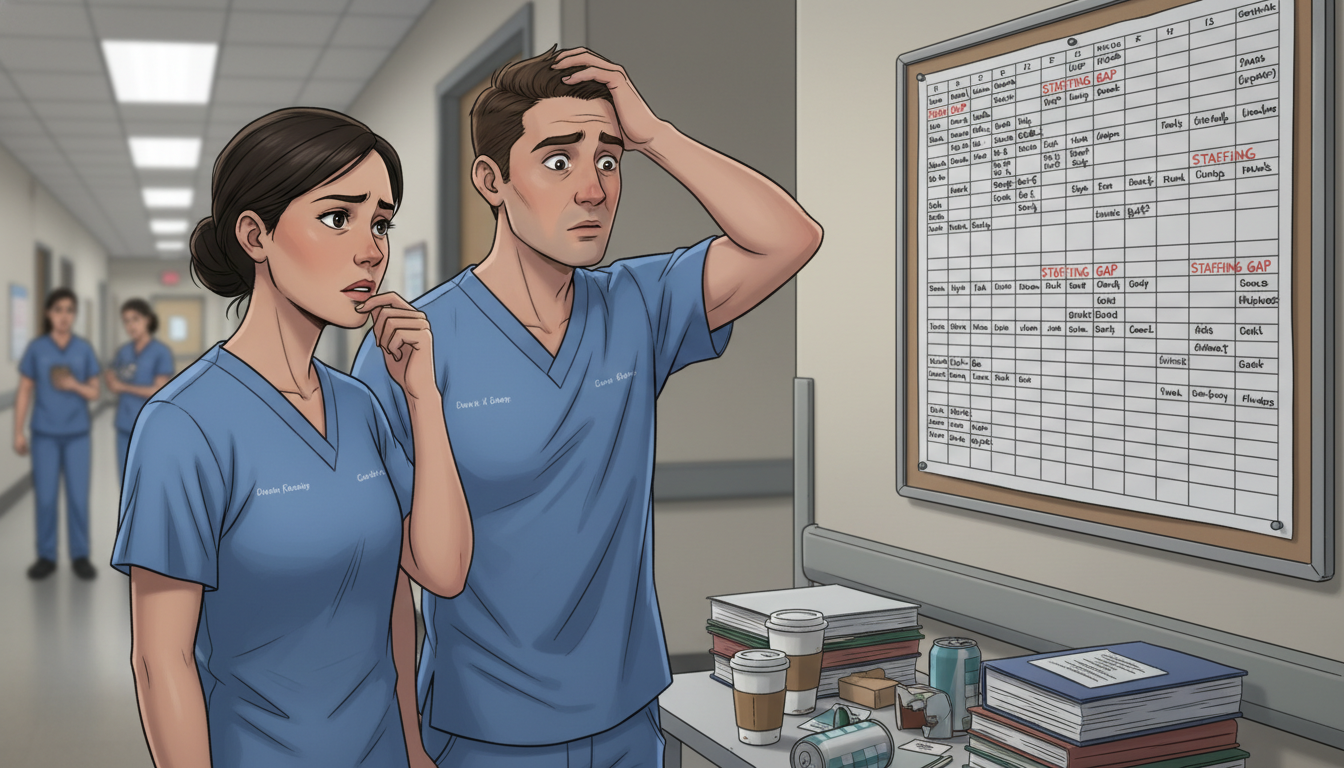
Turnover Red Flags: Patterns You Should Recognize
Not all turnover looks the same from the outside. Here are specific resident turnover warning signs to watch for as you research orthopedic surgery residency programs.
1. Repeated Loss of Residents in the Same Year (PGY Level)
Pattern: You hear that several PGY-2s left in the last few years, or multiple PGY-3s have disappeared from group photos or rosters.
Why it matters:
- PGY-2 and PGY-3 are particularly demanding years in ortho (trauma-heavy, lots of call, steep responsibility curve).
- Multiple residents leaving at the same stage suggests something about that year—either:
- Workload is unsustainable
- Education is poor (e.g., scut work, limited operative exposure)
- Culture at that level (e.g., bullying seniors or attendings) is problematic
Questions to consider:
- Did the curriculum change recently at that level?
- Is there a specific rotation or site everyone dreads?
- Are mid-level residents (2s and 3s) happy and engaged, or angry and exhausted?
2. Frequent Mid-Year Withdrawals or Transfers
Pattern: Residents leave mid-year rather than at the end of a PGY year. You hear things like “we had a PGY-4 who left in January.”
Why it matters:
- Most residents will try to “finish the year” if possible—for continuity, evaluations, and personal closure.
- Mid-year exits often indicate acute distress:
- Severe conflict with faculty or leadership
- Unsafe workloads
- Hostile work environment
- Serious breakdown in trust
If this happens once in many years, it could be personal. If it happens multiple times, it’s a serious red flag.
3. Residents Disappearing Quietly from Rosters or Photos
Pattern:
- Program website group photos show different faces each year without clear explanation.
- Residents obviously vanish from online rosters with no mention in newsletters or graduation announcements.
- When asked, people respond vaguely: “They’re not here anymore… I’m not sure what happened.”
Why it matters:
Transparency reflects program culture. When residents leave under reasonable circumstances, programs usually:
- Acknowledge their departure
- Wish them well
- Offer a straightforward explanation (e.g., “transferred to X program to be closer to family”)
If instead you see secrecy, discomfort, or obvious attempts to avoid answering, that’s a strong warning sign.
4. Turnover Across Multiple Classes and Over Years
Pattern: Instead of a single “bad year,” you see a multi-year trend:
- “We had one resident leave three years ago, one last year, and two this year.”
- “We’ve had residents leave from almost every class over the past several cycles.”
Why it matters:
Sustained attrition suggests systemic program problems, such as:
- Chronically unreasonable workload or call burden
- Unresolved cultural issues (bullying, racism, sexism, harassment)
- Poor communication, inconsistent expectations, or chaotic leadership
- Loss of key faculty or case volume leading to poor training quality
In the context of the allopathic medical school match, you are competing for limited orthopedic surgery spots. It’s not typical for high-achieving MD graduates to abandon ortho training unless they feel they have no other choice.
5. Inconsistent or Conflicting Stories About Why Residents Left
Pattern:
- The program director says, “They left for family reasons.”
- A senior resident says, “They didn’t feel supported.”
- Another resident claims they went into a completely different specialty.
- No one’s story fully matches, and there’s visible tension when you ask.
Why it matters:
- Small differences in details are normal, but major inconsistencies suggest people are shaping the narrative.
- A program that can’t provide a coherent, honest explanation may be hiding deeper problems:
- Retaliation against residents who report issues
- Formal complaints to GME or the ACGME
- Prior citations or probationary status (sometimes reflected in ACGME letters)
6. Sudden Class Size Changes Without Clear Explanation
Pattern:
- Program historically took 5 residents per year, but suddenly there are 3 or 4.
- Or the current class is “short” because “people left and we didn’t refill the spots.”
Why it matters:
- Class size changes can be benign (funding shifts, planned downsizing).
- But in the setting of known attrition, unfilled or dropped positions may indicate:
- Chronic difficulty retaining residents
- Institutional decision to cut positions instead of addressing problems
- Possible ACGME concerns (occasionally programs reduce positions under pressure)
Ask directly: “I noticed the class sizes vary. Was that a planned change or related to residents leaving the program?”
How to Detect Turnover During Interviews and Rotations
You won’t see “resident turnover” listed prominently on a program’s website. You must actively look for signs and ask strategic questions during interviews, pre-interview dinners, and away rotations.
1. Analyze the Program’s Website and Public Materials
Before your interview:
Compare group photos year-to-year
- Go back 3–5 years, if available.
- Note how many faces change from one year to the next. Some turnover is expected due to graduation—focus on non-graduating PGY levels.
Look for graduation announcements
- Does every PGY-5 appear in past rosters?
- Are some residents missing from graduation lists?
Check for mid-year roster changes
- Use cached pages or older versions from search engines if needed.
- If a resident disappears between July and December, that suggests mid-year attrition.
2. Ask Smart, Open-Ended Questions to Residents
On interview day or during away rotations, residents are your best information source about the ortho match experience and program stability. Good questions include:
- “Have any residents left the program in the past 5 years?”
- “How common is it for residents to transfer or change specialties from here?”
- “Has anyone left recently, and were they able to land in a good place afterward?”
- “Would you say people generally finish this program, or is attrition something that comes up?”
Listen for:
- Comfort level: Do they answer directly, or do they tense up and glance around?
- Consistency: Do multiple residents give similar accounts?
- Framing: Are departures framed as understandable and rare, or are they minimized and brushed off?
3. Observe the Overall Mood and Culture
Resident turnover rarely happens in isolation. While on site, watch for:
Body language and tone
- Are residents joking and supportive, or cynical and defeated?
- Do they speak well of faculty when faculty aren’t present?
How they talk about work hours and call
- “It’s busy, but manageable and fair” vs. “It’s brutal; we just survive.”
Interaction between classes
- Do seniors mentor juniors or berate them?
- Do different PGY classes mix socially, or appear isolated and guarded?
A program with ongoing high turnover often has a strained atmosphere—residents may be polite but guarded, avoid specifics, or signal burnout without explicitly saying it.
4. Direct, Yet Professional Questions to Leadership
It’s acceptable—and smart—for an MD graduate to directly address turnover with the program director or assistant program director. You might say:
- “I noticed some variations in the resident roster over the last several years. Could you talk about resident retention in your program?”
- “How often do residents leave the program before completing training, and what are the typical reasons?”
- “What steps has the program taken in recent years to support resident wellness and retention?”
Strong programs usually respond with:
- Clear, matter-of-fact explanations (without violating confidentiality)
- Evidence of self-reflection (“We realized our PGY-2 trauma schedule was unsustainable, so we changed X and added Y support.”)
- Examples of residents who left on good terms and landed in solid positions
Programs with deeper issues may become defensive, vague, or oddly dismissive: “People leave every program; it’s not a big deal,” without offering data or context.

Interpreting Turnover in the Context of Ortho Program Quality
Resident turnover alone does not define a program, but it can magnify other concerns. As you evaluate programs in the orthopedic surgery residency match, consider how turnover interacts with these additional factors.
1. Educational Quality and Operative Experience
Ask yourself:
- Are residents getting appropriate case volume and case diversity?
- Do senior residents speak confidently about being ready for independent practice or fellowship?
- Were any residents who left specifically concerned about operative exposure?
If residents are leaving and those who remain express anxiety about their operative experience, that’s a strong signal of poor training quality rather than just culture issues.
2. Duty Hours, Call Burden, and Support
Look for patterns like:
- Chronic duty hour violations that residents feel pressured to underreport
- Residents taking frequent extra call to cover unfilled positions
- Poor backup systems for sick call or family emergencies
- Minimal mid-level support (e.g., no PAs/NPs despite high volume)
High turnover + unmanageable workload often leads to a vicious cycle: as more residents leave, the remaining ones absorb extra burdens, increasing the chance of further attrition.
3. Leadership Stability and Responsiveness
A program with a series of residents leaving may also have:
- Frequent changes in program director or department chair
- Faculty departures, especially in key subspecialties (trauma, joints, sports, spine)
- Conflicts between the residency and hospital administration
Ask residents:
- “When concerns are raised, how does leadership typically respond?”
- “Have there been any major changes in leadership or curriculum in the last few years? How has that affected the program?”
A concerning pattern is when turnover, leadership churn, and demoralized residents all coexist.
4. Culture: Respect, Inclusion, and Professionalism
Allopathic MD graduates from diverse backgrounds should pay close attention to inclusivity and psychological safety. Red flags include:
- Multiple residents from specific groups (e.g., women, underrepresented minorities, international backgrounds) leaving the program
- Offhand comments suggesting dismissiveness toward diversity or wellness
- A “sink or swim” attitude framed as “that’s just ortho” without evidence of mentorship or support
If turnover disproportionately affects certain groups, that’s a serious alarm about cultural toxicity.
Using Turnover Information in Your Ortho Match Strategy
Even with resident turnover concerns, you may face complex decisions:
- The program is in your preferred geographic area.
- The case volume is high, and graduates match strong fellowships.
- You’re balancing program strengths with potential risks.
Here’s how to use turnover data strategically as an MD graduate residency applicant.
1. Weigh Turnover Against Your Personal Priorities
Ask yourself:
- How important are geography, family support, and lifestyle to you?
- Are you willing to tolerate a “tougher” culture for strong operative exposure, and where is your line?
- What is your risk tolerance for potential burnout or dissatisfaction?
If a program has:
- Isolated turnover, clear explanations, and strong resident satisfaction otherwise → It may still be a good choice.
- Patterned turnover with vague explanations and visibly stressed residents → Consider ranking it lower or not at all, especially if you have safer options.
2. Triangulate Data Sources
Don’t base decisions solely on one interview day. Triangulate:
- Your personal impressions
- Conversations with current and former residents (including alumni if accessible)
- Website history and rosters
- Reputation among your home institution’s faculty:
- Ask: “Have you heard anything about resident retention or culture at this program?”
3. Consider Long-Term Outcomes
Look at where graduates end up:
- Strong fellowship placements and academic or private practice jobs suggest that, despite any challenges, training quality is high.
- If a program has both high turnover and poor placement outcomes, the risk is much higher.
For an ambitious MD graduate aiming for a competitive fellowship (sports, spine, oncology, etc.), choosing a program with major retention issues may jeopardize networking, mentorship, and research opportunities.
4. Trust Patterns Over Promises
Programs may acknowledge “historical issues” and assure you things are improving. Some genuinely are. Signs that improvements are real:
- Specific, concrete changes (schedule redesigns, new faculty hires, structured mentorship)
- Residents confirm those changes are making a difference
- Duty hours and wellness initiatives are actively discussed and measured
If you hear “we’re working on it” without details, and residents seem unconvinced, assume the pattern continues.
FAQs: Resident Turnover and Ortho Match Decisions
1. Is it normal for an orthopedic surgery residency to lose some residents?
Yes. Across the country, some attrition is expected. One or two residents leaving over several years—especially for clear reasons like family relocation or a well-considered specialty change—does not necessarily indicate major program problems. Look for patterns of repeated, poorly explained turnover before you consider it a serious resident turnover red flag.
2. How many residents leaving a program should worry me?
There’s no absolute number, because programs vary in size. As a rough guide, in a typical ortho program with 3–6 residents per year:
- One departure in 5 years → may be normal
- Multiple departures across different classes over a short time (e.g., 3–4 residents in 3–4 years) → concerning
- Clusters at the same PGY level or repeated mid‑year withdrawals → strong warning signals worth probing carefully
3. How directly can I ask about residents leaving during interviews?
You can be professionally direct. Phrasing like, “Could you speak about resident retention here and whether residents typically complete the program?” is appropriate. Program leadership expects applicants to ask about support, wellness, and outcomes. The key is your tone—curious and respectful, not accusatory.
4. Should I completely remove a program from my rank list because of turnover concerns?
Not always. If turnover was limited, clearly explained, and residents otherwise seem supported and satisfied, you may still rank the program, just with appropriate caution. However, if you see persistent patterns of residents leaving the program, inconsistent stories, visible burnout, and other red flags, it may be wise to rank that program lower—or not at all—especially if you have other acceptable options. Your physical and mental health, as well as your long-term success in orthopedic surgery, should take precedence over prestige or location.
By approaching resident turnover with a critical but nuanced eye, you can better protect yourself from training environments that could undermine your growth. As an MD graduate entering the competitive world of orthopedic surgery residency, using turnover as a key diagnostic tool—alongside culture, education quality, and outcomes—will help you build a safer, smarter rank list and navigate the allopathic medical school match with confidence.