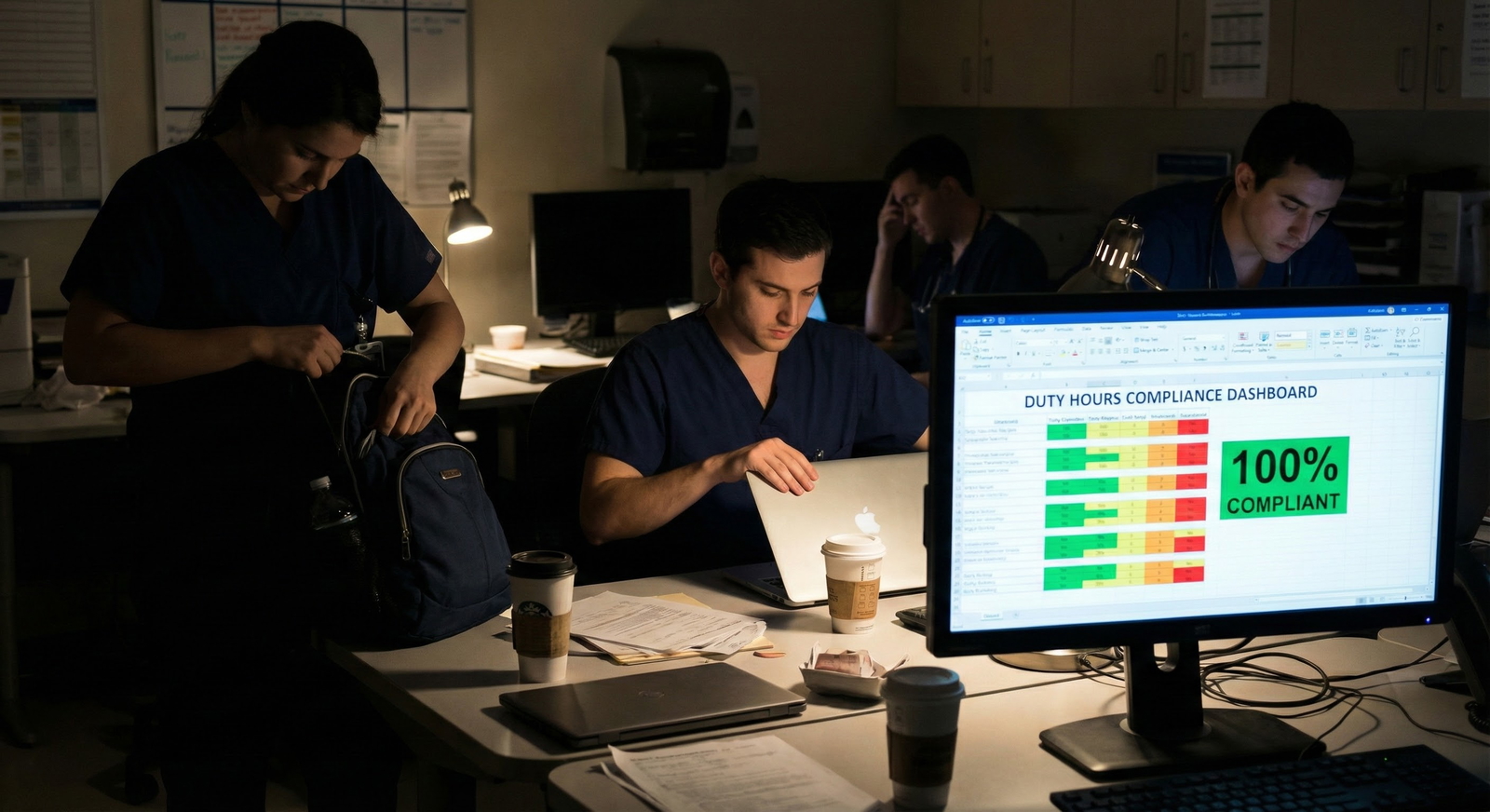
As a US citizen IMG and American studying abroad in medical school, you’re already navigating a more complex pathway to the anesthesia match than many U.S. MD seniors. One of the most critical—but often overlooked—skills you need is the ability to recognize residency program red flags, especially around resident turnover.
In anesthesiology, where training is intense, team-based, and safety-critical, high resident turnover is rarely random. It often points to deeper program problems in culture, workload, leadership, or education quality. Knowing how to detect these issues before you rank programs can save you from years of frustration—or even from joining a residency where residents are leaving the program in alarming numbers.
This guide breaks down the resident turnover warning signs you should watch for as a US citizen IMG pursuing anesthesiology residency, and how to ask smart questions on interview day without sounding confrontational.
Understanding Resident Turnover in Anesthesiology
Resident turnover is more than a single person switching programs. In the context of anesthesiology residency, it can include:
- Residents transferring to other anesthesia programs
- Residents switching out of anesthesiology entirely
- Residents taking extended leaves and never returning
- Sudden disappearances of senior residents from the schedule
- Graduates failing to finish on time or quietly disappearing from the “graduates” slide
Because anesthesiology is team-based (ORs, ICUs, procedural suites), losing even a few residents can dramatically affect:
- Call burden
- Educational opportunities
- Faculty supervision availability
- Morale and burnout levels
For a US citizen IMG—who may already feel less secure and more dependent on a stable training environment—the impact can be even more significant.
What Is “Normal” vs. Concerning Turnover?
Some movement is normal:
- A single resident per class transferring for family reasons
- A resident who realizes they prefer another specialty
- A one-off issue like health or unexpected life events
What is not normal:
- Multiple residents per class leaving or transferring
- Repeated stories of departures over several years
- Residents openly warning you about “people quitting”
- Faculty or leadership giving vague or evasive answers when you ask about turnover
When evaluating programs, don’t just ask yourself “Can I match here?”—also ask “Will I want to stay here for four years?”
Why Resident Turnover Matters Even More for US Citizen IMGs
As a US citizen IMG and American studying abroad, you’re not just choosing a training environment—you’re choosing:
- Your first professional network in the U.S.
- Your primary source of letters for fellowship and job applications
- Your initial reputation among anesthesiology attendings
If you end up in a program with chronic turnover and resident turnover red flags, consequences can include:
- Heavier workload: Fewer residents means more calls, longer hours, less protected learning time.
- Weak educational culture: Faculty focused on staffing gaps instead of teaching.
- Limited support for IMGs: Programs with high turnover may lack the structure to support non-traditional or IMG backgrounds.
- Career impact: A struggling program may have lower board pass rates or weaker fellowship placement, which can especially harm an IMG trying to stand out.
As an anesthesiology applicant, your priority should be program stability and educational quality, not just whether they are “IMG friendly” or offer visas (even if you as a US citizen IMG do not require one).
Concrete Signs of Problematic Resident Turnover
Here are the most important resident turnover warning signs to watch for. None of these alone proves a bad program, but patterns should make you cautious.
1. Residents Missing from the Usual Graduation Story
On interview day, programs love to show a slide of:
- “Recent graduates & where they are now”
- “Fellowship and job placements”
- Or a wall of graduation photos
Warning signs:
- A year or two where there are noticeably fewer graduates than the class size you were told (“We normally take 12 per year, but that year we had 8 graduates”).
- No explanation given for missing residents.
- Faculty or chiefs quickly move past those slides without discussion.
Follow-up questions you can safely ask:
- “I noticed the class sizes seem to vary a bit—has the class size structure changed over the past few years?”
- “Have most residents tended to stay all the way through? Have there been many transfers or career changes recently?”
You are not accusing anyone—you’re asking about stability.

2. Residents Hinting About People Leaving the Program
You can learn more from informal resident conversations than from any official presentation. Pay close attention when current residents mention:
- “We’ve had some people leave recently.”
- “A few people transferred out a couple of years ago.”
- “We’ve lost some seniors, which has been hard on call coverage.”
The key issue isn’t just that residents left—it’s why.
Safer probing questions:
- “When residents have left in the past, what have been the most common reasons?”
- “Do you feel like leadership tries to understand why residents leave and make changes?”
- “When someone leaves the anesthesiology residency, does it significantly affect your call schedule or workload?”
What you don’t want to hear:
- Broad, vague statements like “people were unhappy” without concrete explanations.
- Multiple mentions of “toxic” or “unsupportive” culture.
- Residents appearing fearful to speak openly (glancing at faculty, giving very short answers).
For a US citizen IMG, note whether residents mention IMGs specifically:
- “We’ve had trouble supporting international grads.”
- “The program isn’t really structured for people who didn’t train in the U.S.”
Even if you are a U.S. citizen, if your clinical foundation is international, lack of support for IMGs could become a serious issue.
3. Frequent Changes in Program Leadership or Structure
A single leadership change can be positive (new PD with fresh ideas), but constant turnover at the top is a potential sign of program problems.
Red flags include:
- New Program Director every 1–3 years.
- Frequent assistant PD or chair changes.
- Residents saying, “We’ve had three PDs in the last five years.”
- Abrupt restructuring of rotations or call systems without resident input.
Ask:
- “How long has the current PD been in place?”
- “Have there been any major changes in the program over the last few years?”
- “How involved are residents in giving feedback about changes?”
If residents describe sudden, top-down changes that worsened their schedules or education—and several of them express unresolved frustration—that’s concerning.
4. Overworked Residents and Strained Call Schedules
One of the clearest downstream effects of residents leaving the program is stress on the remaining group.
Watch for:
- Residents openly talking about excessive call or last-minute schedule changes.
- Comments like “We’re really short-staffed this year” or “We’ve been covering extra nights.”
- Body language: tired, burned-out appearance, especially among CA-2 or CA-3 residents.
You can ask:
- “How often do you get called in on your days off?”
- “Have call schedules changed significantly in recent years?”
- “Do you feel the current resident number is adequate for the workload?”
Pay special attention if residents say:
- “It used to be better, but since people left, all of us are on more call.”
- “We’re just getting by.”
Remember, a high-call, understaffed program is especially dangerous for a new US citizen IMG who may need more time to adapt to U.S. systems, EMRs, and communication styles. You don’t want to combine a learning curve with a chronically overloaded schedule.
5. Defensive or Vague Answers from Leadership
You can safely bring up turnover and culture in a way that sounds professional:
- “How do you track resident satisfaction and address concerns?”
- “What have been some recent challenges for the program, and how have you responded?”
- “Have there been any changes to resident recruitment or retention strategies recently?”
Concerning responses include:
- Evasive answers: “We’re always improving” without specifics.
- Blaming residents: “Some people just weren’t a good fit” repeated multiple times.
- Minimizing: “Everyone loses residents; it’s normal now” without context.
On the other hand, a positive sign is when leadership openly acknowledges past issues and describes:
- Specific changes made (e.g., redesigned call schedules, new wellness initiatives).
- Measurable improvements (lower attrition, better survey scores).
- Willingness to involve residents in problem-solving.
You are not looking for a perfect program—you’re looking for an honest and responsive one.
Special Considerations for US Citizen IMGs in Anesthesiology
Because you are a US citizen IMG / American studying abroad, your threshold for accepting risk should be lower. You want a program that has proven success training people whose background is similar to yours.
1. Track Record with IMGs or Non-Traditional Paths
Ask specifically:
- “Have there been US citizen IMGs or international medical graduates in the program recently?”
- “How have they done in terms of board pass rates and fellowship placement?”
- “What kind of support is available for residents who might need extra orientation to U.S. healthcare systems?”
Warning signs:
- Long pause, then “We had one, but they left early.”
- Stories of IMGs struggling, failing boards, or transferring.
- Vague answers about how they support non-U.S. trained grads.
Positive signs:
- Multiple classes with at least one or more IMGs or US citizen IMGs.
- Specific descriptions of how they on-board IMGs (extra EMR training, simulation, orientation).
- Residents mentioning IMG colleagues who are doing well.
Even though you hold U.S. citizenship, your prior clinical environment may differ significantly from the U.S., and you want a program that recognizes this.
2. Board Pass Rates and Academic Support
Turnover sometimes correlates with academic or board exam problems. For anesthesiology residency, that includes:
- ITE (In-Training Exam) scores
- BASIC and ADVANCED ABA exam pass rates
Ask:
- “What are your recent ABA pass rates?”
- “How does the program support residents who struggle academically?”
- “Have there been residents who failed boards or had difficulty completing training?”
Red flags:
- PD cannot give approximate pass rates.
- A history of multiple residents repeating CA-3 or not graduating on time.
- Residents whispering about people who “disappeared after not passing boards.”
For an IMG trying to establish a strong foundation in U.S. anesthesiology, reliable academic support is non-negotiable.
3. Program Reputation and Stability in the Anesthesia Match
Use publicly available information and your network:
- Talk to attendings or anesthesiologists at your home or away rotation sites.
- Ask: “Have you heard anything about resident turnover or program instability at [X program]?”
- Check whether the program chronically struggles to fill all its spots in the anesthesia match (though this data is less transparent at the individual program level).
Patterns that may suggest underlying issues:
- Program regularly goes into SOAP for multiple anesthesia positions.
- Sudden large increase in available positions without clear explanation.
- Relatively low applicant interest compared to peers in the same region or tier.
You can’t rely solely on this, but when combined with what you observe on interview day, it can help confirm your impression.

How to Ask About Resident Turnover Without Sounding Negative
You might worry that asking about residents leaving the program or resident turnover red flags will hurt your chances. If you phrase questions professionally and frame them around fit and support, they’re entirely appropriate.
Here are some tactful, concrete questions you can use:
Questions for Residents
- “How often do residents transfer out or leave the anesthesiology residency here?”
- “If someone has left in the past, what were the main reasons?”
- “Do you feel leadership listens when residents are unhappy or burned out?”
- “Have there been big changes over the last few years due to turnover or resident feedback?”
Questions for the Program Director or Leadership
- “How has resident retention been over the last five years?”
- “Have you made any specific changes in response to resident feedback?”
- “What are you most proud of about the resident culture here, and what are you still working on improving?”
- “What do you see as the greatest challenge for your residents right now?”
Your tone matters. Ask with genuine curiosity, not as if you’re cross-examining. Programs that react badly to such questions may be revealing more than they realize.
Balancing Risk and Opportunity as a US Citizen IMG
As a US citizen IMG in the anesthesia match, you might feel pressure to rank any program willing to interview you. But there is a difference between:
- A less competitive program that is still healthy, stable, and supportive, and
- A truly dysfunctional program where high turnover signals serious, unresolved problems.
Turning down (or ranking low) a program with clear resident turnover red flags is not self-sabotage—it’s long-term career protection.
How to Weigh a Program with Mixed Signals
If you notice some concerns but also see strengths, ask yourself:
Is the turnover clearly explained?
- Example: “We had two residents in one year leave for family reasons to another city; we changed our support policies afterward.”
- Transparent explanations are reassuring.
Has the program responded constructively?
- Example: they added wellness resources, restructured call, hired more faculty, or shrank class size temporarily.
What do multiple residents say?
- If CA-1, CA-2, and CA-3 residents all independently describe the same issues and same improvements, that consistency suggests honesty.
Can I realistically thrive here as a US citizen IMG?
- Compare the support, culture, and structure to other interviews you’ve seen.
- You don’t need perfection—but you do need psychological safety, decent workload, and reliable supervision.
Practical Checklist for Interview Day
Use this brief mental checklist when visiting anesthesiology programs:
Look For:
- Residents who seem broadly satisfied (even if tired)
- Consistent stories about leadership responsiveness
- Clear explanations for any past resident departures
- Stable or improving board pass rates
- Reasonable and clearly structured call schedules
Be Cautious If You Notice:
- Several residents per class missing from recent graduation photos
- Whispers of people “leaving early” without clear reasons
- Constant complaints about call, coverage, or schedule changes
- Defensive or vague answers from leadership
- Stories of IMGs or US citizen IMGs struggling or leaving the program
As you finalize your rank list, revisit your notes and specifically ask:
“Did I see any resident turnover warning signs here, and how confident am I that the program is addressing them?”
FAQs: Resident Turnover and Anesthesiology Programs for US Citizen IMGs
1. As a US citizen IMG, should I avoid any program where residents have left?
No. A single resident leaving, especially for clear reasons (family, geography, career change), is not a red flag. What you should avoid is patterns: multiple residents leaving, vague explanations, obvious strain on the remaining residents, or defensive leadership. Focus on how the program responds to turnover, not just whether it has ever occurred.
2. How can I find out about resident turnover if residents seem guarded during the interview day?
Use indirect, neutral questions:
- Ask about stability of class size, recent graduates, and “how often residents change programs.”
- Observe non-verbal cues—hesitation, glances between residents, or very short, rehearsed answers.
- Reach out to recent alumni via LinkedIn or institutional websites and ask them privately about culture and retention.
If multiple independent sources suggest high turnover or residents leaving the program due to culture or workload, treat that as a serious concern.
3. Is high workload always a red flag for an anesthesiology residency?
Anesthesiology is a demanding specialty; busy ORs and ICUs are normal. The red flag is chronic overload combined with instability, such as:
- Frequent last-minute schedule changes due to unfilled resident spots
- Residents regularly working beyond duty hours without support
- Complaints that patient care or learning is being compromised
Busy but well-supported programs can be excellent training environments. Busy and unstable programs, especially with frequent turnover, are risky.
4. What if a program with some turnover concerns is my only realistic chance to match in anesthesiology?
You have several options:
- Consider a transitional or preliminary year in medicine or surgery first, then reapply with stronger U.S. experience.
- Apply broadly across different regions and program types to increase your options.
- If you still choose to rank a concerning program, go in with eyes open:
- Have a plan to seek early mentorship and support.
- Prioritize wellness and academic performance from day one.
- Be prepared to explore transfer options if serious issues arise.
You deserve a stable, educationally sound anesthesia residency. As a US citizen IMG, your path is already demanding—don’t underestimate the cost of training in a program where resident turnover warning signs are ignored or minimized.
By learning to recognize these resident turnover warning signs and asking informed, respectful questions, you put yourself in the best possible position to choose an anesthesiology residency where you can not only match, but truly thrive.