
Residency is demanding under the best of circumstances. When you add high resident turnover, unclear communication, or a toxic culture, training can quickly become unsafe, unsustainable, or simply miserable. As a DO graduate entering the osteopathic residency match or an ACGME-accredited family medicine residency, knowing how to recognize resident turnover warning signs is critical to protecting your education, career, and well‑being.
This guide is written specifically for DO graduates targeting the family medicine residency and FM match. You’ll learn how to spot red flags, interpret them realistically, and ask smart questions so you can distinguish between normal change and true resident turnover red flag situations that suggest deeper program problems.
Understanding Resident Turnover in Family Medicine
Not all turnover is bad. Some is expected, normal, and even healthy. The key is learning to distinguish expected transitions from concerning patterns.
Normal vs. concerning turnover
Normal or neutral causes of resident turnover:
- Residents graduating early due to credit for prior training
- Residents transferring for family reasons (spouse/partner relocation, caregiving)
- Military activation or HPSP obligations
- Resident realizes they want a different specialty (e.g., moves from family medicine to psychiatry)
- Occasional academic dismissal with a well-documented remediation trail
These situations can happen in even the best programs and might not mean the program has systemic issues.
Concerning causes of high turnover:
- Multiple residents leaving the program in the same year without clear explanation
- Residents transferring laterally to another family medicine residency in the same region for non‑personal reasons
- Repeated resignations from the same PGY level (e.g., PGY-2s leaving year after year)
- Sudden dismissals with vague or inconsistent explanations
- Residents openly discouraging applicants from ranking the program
When residents are leaving the program repeatedly and quietly, it can signal program problems such as:
- Unsafe workload or chronic understaffing
- Toxic leadership or bullying
- Poor educational environment (scut work > learning)
- Questionable professionalism or ethical behavior
- Unresponsive GME leadership to resident feedback
Why Turnover Matters Especially for DO Graduates
As a DO graduate targeting the osteopathic residency match or ACGME FM match, certain factors make resident turnover even more relevant to you.
1. Osteopathic recognition and continuity of training
If you are seeking an osteopathic-focused family medicine residency or a program with Osteopathic Recognition:
- Loss of osteopathic faculty or DO leadership can undermine your OMT training.
- High turnover of key DO faculty may signal that the osteopathic track is unstable.
- If DO residents are disproportionately leaving compared with MD residents, that’s a serious warning sign.
Ask specifically:
- “How many DO residents have left the program in the last 3–5 years?”
- “Has your osteopathic curriculum or OMT clinic changed recently due to faculty turnover?”
2. Board preparation and dual board pathways
DO graduates often care about:
- Strong COMLEX and USMLE support
- Faculty familiar with both exam styles
- An educational environment that respects osteopathic principles
If residents are leaving because of poor board pass rates, weak teaching, or limited faculty support, you may face unnecessary risk to your future practice eligibility.
3. Culture fit: DO-friendly vs. DO-tolerant
High resident turnover can sometimes reveal an underlying cultural mismatch, where DO graduates:
- Feel undervalued or dismissed in multidisciplinary teams
- Have fewer leadership or teaching opportunities than MD colleagues
- Experience subtle or overt bias around training, background, or scope of practice
In a healthy program, DO and MD graduates are integrated, respected, and advanced based on performance, not pedigree.
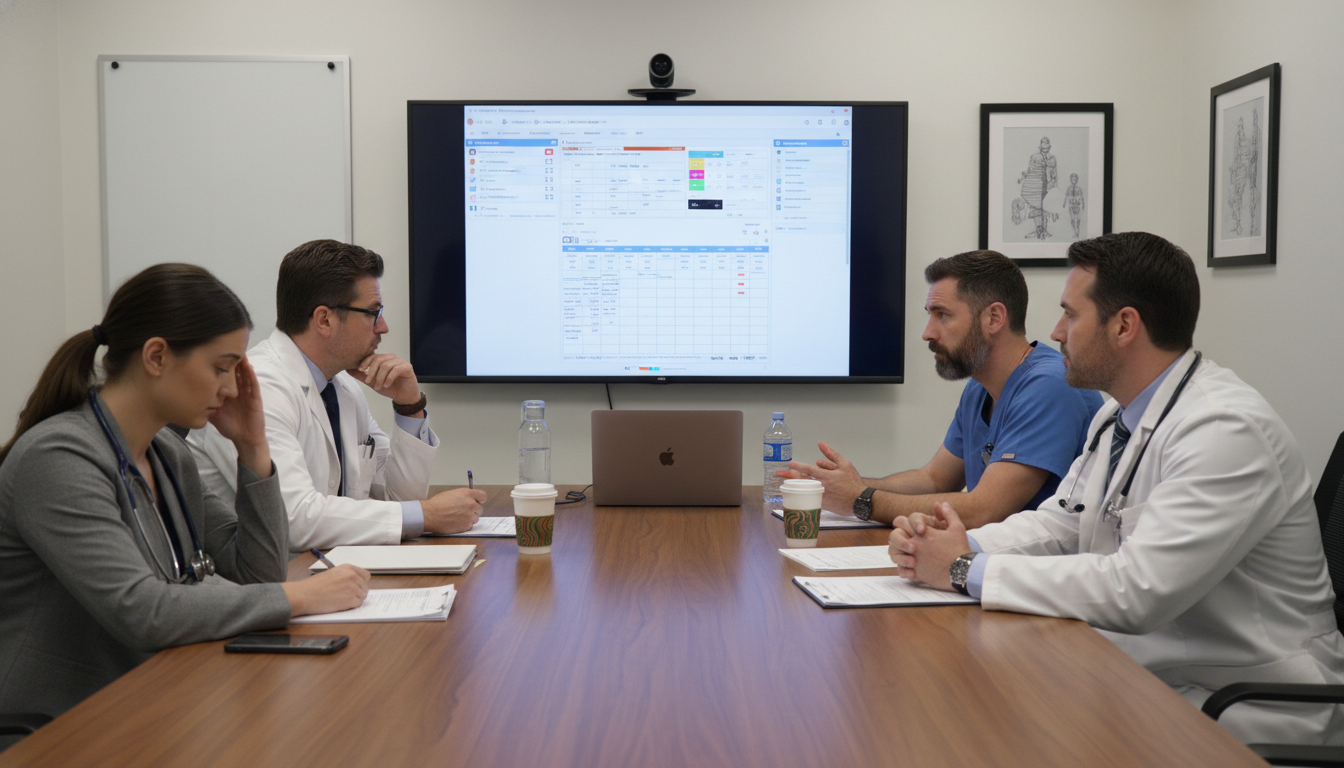
Concrete Resident Turnover Red Flags to Watch For
Below are specific patterns and behaviors to watch during interview season, social events, and online research. A single sign in isolation may not be damning, but clusters of these warnings should make you very cautious about ranking a program highly.
1. Residents hint that “people leave a lot”
Pay attention to how residents talk about current and past colleagues:
- “We’ve had a few people… move on.”
- “This year’s been a little rough for our class.”
- “We’re short a couple residents right now, but we’re making it work.”
Follow-up questions you can ask:
- “How many residents started with your class, and how many are still here?”
- “In the last 3–5 years, how many residents left your program before graduating?”
- “What were the main reasons they gave for leaving?”
A thoughtful, transparent answer that includes specific reasons and examples is reassuring. Vague, nervous, or evasive responses suggest there may be deeper program problems.
2. Frequent class size changes without clear rationale
Look for patterns such as:
- A program that usually has 8 residents per year now has 5–6 “for scheduling reasons”
- One or more PGY classes notably smaller than others
- Faculty or coordinators explaining missing residents differently than the residents themselves
This can signal:
- Unfilled positions due to a poor reputation in the FM match
- Residents leaving mid‑year and not being replaced
- A program down‑sizing under quiet ACGME or institutional pressure
Ask during your interview:
- “I noticed the PGY-2 class is smaller. Did residents transfer or was this an intentional reduction?”
- “Has your complement changed in recent years, and if so, why?”
3. Inconsistent stories about why residents left
If you ask different people the same question and get conflicting answers, pay attention:
- Faculty: “She left for family reasons.”
- Resident: “I think she just couldn’t take the workload anymore.”
- Coordinator: “We can’t really talk about that.”
While some confidentiality is appropriate, major discrepancies in how departures are explained indicate something is being obscured. Patterned secrecy is a classic resident turnover red flag.
4. Disproportionate loss from certain groups
Be alert if several residents who share a characteristic have left:
- Multiple DO residents leaving while MD colleagues remain
- Women, IMGs, or underrepresented minorities disproportionately transferring or resigning
- Part‑time or parental-leave residents not returning
This may point toward:
- Bias, microaggressions, or discrimination
- Inflexibility around life events (pregnancy, illness, caregiving)
- Differential support for DOs versus MDs
You can ask diplomatically:
- “How does the program support residents needing parental leave or schedule flexibility?”
- “Have there been any formal DEI or wellness initiatives in response to resident feedback?”
5. Survivorship bias and “we just suck it up” culture
Sometimes residents don’t leave, but they clearly want to. This can be almost as concerning as actual turnover.
Warning phrases during interviews or dinners:
- “It’s tough, but it’s only three years.”
- “You just have to be resilient and push through.”
- “We’re like a family because we’ve been through so much together.”
Ask yourself: Is this healthy camaraderie, or are residents bonding over shared trauma and burnout? When residents consistently normalize suffering instead of describing solutions, that suggests a chronically unhealthy environment that drives residents out or keeps them trapped.
6. High faculty turnover alongside resident departures
Turnover isn’t limited to residents. Notice:
- Many new core faculty within the last 1–2 years
- A revolving door of program directors or associate program directors
- Multiple vacancies on the website labeled “TBD” or left blank
This combination often signals:
- Institutional conflict with GME leadership
- Shifting priorities (e.g., productivity pressure > education)
- Programs being restructured under accreditation scrutiny
For DO graduates, also ask:
- “How long have your osteopathic faculty been here?”
- “Has your DO faculty or osteopathic curriculum changed in the last 2–3 years?”
7. Chronic understaffing and schedule strain
A core reason residents leaving program becomes common is unsustainable workload:
Signs include:
- Residents constantly mentioning “coverage,” “stretching thin,” or “picking up extra shifts”
- Multiple services where one resident is covering roles that used to be split between two
- Frequent last‑minute schedule changes, cancelled days off, or unreliable vacation
You can ask directly:
- “How often do you have to cover for missing residents?”
- “When someone leaves mid‑year, how is the workload redistributed?”
- “How easy is it to get your scheduled vacation and days off?”
If residents describe heroic coping rather than clear, system‑based solutions, that’s a major red flag.
How to Detect Turnover Red Flags During Interviews and Virtual Interactions
You’ll rarely see “we have a turnover problem” on a website. You need to gather indirect data from what you see, hear, and don’t hear.
1. Pre‑interview research
Use these strategies before you show up:
Check the website for current residents:
- Compare class sizes across PGY levels.
- Look for missing photos or vague listing (“Resident PGY-2” with no name).
- Search names on LinkedIn to see if they list a different current program.
Residency forums and review sites:
- Take anonymous comments with caution, but patterns over multiple years can be meaningful.
- Note repeated mentions of “people keep leaving,” “toxic PD,” or “unsafe workload.”
Accreditation status:
- Search ACGME for citations involving duty hours, supervision, or work environment.
- For osteopathic programs, look at any changes around Osteopathic Recognition.
2. Strategic questions for interview day
Use neutral, data‑oriented questions:
To residents:
- “How many residents have left the program early in the last few years?”
- “When that happens, how does the program support the remaining residents?”
- “If you had to choose again, would you still come here—and why?”
To faculty/program leadership:
- “What are some recent challenges the program has faced, and how did you address them?”
- “How has resident retention changed over the last few years?”
- “What are you most proud of regarding your resident wellness and support systems?”
3. Read nonverbal cues and group dynamics
During pre‑interview dinners or Zoom socials, observe:
- Do residents openly disagree or speak candidly around each other?
- Does one senior resident dominate the conversation while others stay quiet?
- Do residents glance at each other nervously when turnover questions arise?
Online:
- Notice if breakout rooms seem heavily moderated or monitored by faculty.
- Pay attention to how quickly residents answer tough questions and whether they seem rehearsed.
Genuine, nuanced answers (e.g., “We had a rough year in 2022, but here’s what changed…”) are more trustworthy than uniformly positive, vague responses.

Balancing Red Flags with Reality: How to Decide Whether to Rank a Program
No program is perfect, and some level of turnover is expected in any family medicine residency. The question is whether the pattern and program response to it suggests growth or ongoing risk.
1. Key questions to ask yourself after the interview
After you visit or interview virtually, reflect honestly:
- Did I see evidence of residents leaving program in multiple classes?
- Were explanations for departures:
- Specific and consistent?
- Vague and inconsistent?
- Avoided altogether?
- Did residents seem genuinely supported or just surviving?
- How did leadership talk about wellness, feedback, and change?
Try writing down your impressions the same day. Later, compare across programs to see which ones raise the most concern.
2. When high turnover might be acceptable
There are a few situations where some turnover is understandable:
New or rapidly expanding program: Early years often involve adjustments. What matters most is:
- Responsiveness to feedback
- Clear curricular structure
- Honest discussion about what’s still being built
Major external changes: Hospital mergers, new EMR, new leadership. Turnover may spike temporarily, but:
- Residents should be able to describe how things are stabilizing.
- Leadership should acknowledge disruption and outline a clear plan.
In these cases, ask:
- “What has concretely improved in the last 12–18 months?”
- “If I started here now, what challenges would I likely still experience?”
3. When turnover should heavily lower a program on your rank list
Consider ranking a program low—or not at all—if:
- Multiple residents across classes have left in recent years, and:
- Reasons are consistently vague or inconsistent, or
- Residents hint at fear of retaliation or lack of psychological safety
- There’s obvious resident burnout—exhausted faces, flat affect, “we just get through it” attitudes.
- Faculty turnover, especially program leadership, is also high or recent.
- There are whispers of ACGME issues, probation, or loss of Osteopathic Recognition.
- DO residents specifically seem more dissatisfied, unsupported, or absent.
Your residency years shape your entire career. For a DO graduate aiming for a long, sustainable future in primary care, a supportive, stable learning environment is more valuable than prestige or geography.
4. Protecting yourself if you end up in a problematic program
Even with careful vetting, some applicants match into programs with unexpected issues. If you find yourself in a setting with high resident turnover red flag signs:
- Document concerns early: Keep a factual log of hours worked, unsafe situations, and unaddressed issues.
- Use internal support pathways:
- Meet with your chief residents or mentors.
- Talk to the program director and, if needed, the DIO (Designated Institutional Official).
- Know your rights:
- Review ACGME duty hour and supervision standards.
- For DOs, familiarize yourself with state board and AOA resources.
- Seek external advice if necessary:
- Quietly consult with trusted attendings or advisors from your medical school.
- Explore transfer options only after careful consideration—switching programs is possible but complex.
While leaving is sometimes the healthiest choice, it’s also a last resort. Many programs will work hard to address problems once they are clearly raised.
Practical Takeaways for DO Graduates in the FM Match
As you navigate the osteopathic residency match or combined ACGME FM match:
- Research widely, not just on interview day. Website rosters, LinkedIn, and program reviews can reveal turnover patterns.
- Ask everyone the same turnover question. Compare answers from residents, faculty, and leadership.
- Pay attention to DO‑specific issues. Are DOs present, visible in leadership, and staying in the program?
- Look beyond the sales pitch. Resident body language, tone, and off‑the‑record comments can be more revealing than formal presentations.
- Prioritize your long‑term well‑being over short‑term desires. A safe, supportive, resident-centered program is more valuable than a certain city or brand name.
Resident turnover is a symptom, not a diagnosis. Your job as an applicant is not to find a “perfect” program, but to avoid places where persistent, poorly explained turnover clearly signals program problems that could compromise your training and health.
FAQ: Resident Turnover Warning Signs for DOs in Family Medicine
1. How much resident turnover is “too much” in a family medicine residency?
There’s no fixed number, but as a rule of thumb, in a stable, mid‑sized family medicine residency (e.g., 8 residents per year), it’s reasonable to see:
- 0–1 residents leaving early over 3–5 years: likely normal.
- 2–3 residents leaving over 3–5 years: pay attention, ask why, but not necessarily disqualifying.
- 1+ resident leaving almost every year, especially from the same PGY level or demographic group: strong red flag.
What matters most is why they left, how transparently the program discusses it, and whether there’s evidence of meaningful changes.
2. As a DO graduate, should I avoid programs where DO residents have left?
Not automatically—but you should investigate carefully. Ask:
- “How many DO residents have left in recent years, and why?”
- “How does the program support osteopathic training and OMT now?”
- “Have any changes been made in response to feedback from DO residents?”
If DOs who left cited lack of osteopathic support, poor respect for their training, or differential treatment, that is a serious concern. If departures were for neutral reasons (e.g., spouse relocation) and the program has strong DO leadership, it may still be a good fit.
3. Are new family medicine programs always risky because of turnover?
New programs often have growing pains—curriculum tweaks, evolving schedules, and some initial turnover. They’re not inherently bad, but you should:
- Look for clear structure: defined rotations, didactics, evaluation systems.
- Ask how they handle resident feedback and examples of recent improvements.
- Confirm that leadership (especially PD and core faculty) is stable and experienced, ideally with prior GME involvement.
- Make sure they can support your DO‑specific needs—OMT opportunities, COMLEX guidance, and osteopathic mentorship.
If multiple residents have already left a very new program, and explanations are vague, that’s a major caution sign.
4. How can I politely ask about residents leaving a program during an interview?
You can keep the tone professional and neutral:
- “I understand that in any residency, some residents may leave early for various reasons. Over the past few years, about how many residents have left the program before graduation, and what were the primary reasons?”
- “When residents do leave mid‑training, how do you support both the departing resident and the remaining team in terms of workload and morale?”
- “Have any patterns emerged from resident feedback—positive or negative—and how has the program responded?”
These questions show maturity and insight, and strong programs will answer them confidently and transparently.
By understanding and recognizing resident turnover warning signs—especially in the context of being a DO graduate pursuing family medicine—you can approach the FM match with clarity and confidence, ranking programs where you’re most likely to thrive, learn, and build a sustainable, satisfying career in primary care.