
Understanding Resident Turnover as a DO Applicant in Neurosurgery
For a DO graduate aiming for neurosurgery, the stakes in the residency match are exceptionally high. Neurosurgery is long (7+ years), demanding, and relatively small in terms of positions. Choosing a program with hidden problems can derail your training, happiness, and future career. One of the most powerful clues to a program’s health is resident turnover—when residents leave, transfer, or fail to complete the program.
High or unexplained resident turnover is often a major red flag. But not all turnover is automatically bad, and not every program will be fully transparent. As a DO graduate, you also have to consider additional layers: how DO-friendly a program truly is, whether DO residents stay and graduate, and how integrated osteopathic trainees are in the culture.
This article breaks down how to evaluate resident turnover warning signs specifically for a DO graduate targeting neurosurgery, and how those signs relate to larger program problems such as culture, education, and leadership.
Why Resident Turnover Matters So Much in Neurosurgery
The Long Game: 7 Years (or More) of Your Life
Neurosurgery residency is one of the longest training pathways in medicine—typically 7 years, sometimes with additional research time. Compared with a 3-year specialty, resident turnover in neurosurgery amplifies risk:
- Longer exposure to potential toxicity, burnout, or unstable leadership
- Higher opportunity cost if you need to transfer, repeat a year, or switch specialties
- Fewer programs nationally, so transferring is far more difficult than in larger specialties
When you see multiple residents leaving a program, especially in a small neurosurgery department, that’s not just a data point—it can represent a substantial proportion of the total resident body.
Turnover as a Proxy for Culture and Stability
Most residents are highly motivated to finish where they start. It generally takes significant dissatisfaction or serious issues for a neurosurgery resident to leave:
- Chronic mistreatment or lack of support
- Unsafe operative conditions
- Persistent violations of duty hours
- Poor educational experiences or lack of operative exposure
- Unstable leadership or loss of key faculty
In neurosurgery, turnover is rarely random. If several residents have left or been dismissed, that frequently points to system-level weaknesses rather than individual failings.
The DO Graduate Lens: Are DO Residents Staying?
As a DO applicant, you’re not just asking, “Do residents stay?” You’re asking:
- Do DO residents stay and graduate?
- Are DO residents as successful as MD residents at this program?
- Is there a pattern of DO residents quietly disappearing from the roster?
The osteopathic residency match has evolved under the single accreditation system, but biases and barriers remain in some competitive specialties, including neurosurgery. If your fellow DOs are consistently leaving or not graduating, that’s a serious resident turnover red flag for you specifically.
Types of Resident Turnover and What They Really Mean
Not all turnover is bad. Distinguish between acceptable, concerning, and truly alarming patterns.
1. Normal or Neutral Turnover
Some turnover is expected and not necessarily a sign of program problems:
- A resident switches to another specialty after realizing neurosurgery is not their passion
- A spouse/partner’s relocation leads to a transfer
- A rare, well-explained case of a resident with significant health or family issues
- A program undergoing planned downsizing or restructuring, openly explained and consistent with case volume
In these cases, the program usually:
- Can clearly explain what happened (without violating privacy)
- Shows no pattern over multiple years
- Has transparent graduate outcomes and stable faculty
2. Concerning Turnover Patterns
Patterns that warrant caution:
- Multiple residents leaving over a few consecutive years
- Residents “transferring” without clear explanations
- Current residents becoming visibly tense or evasive when you ask about turnover
- Faculty giving vague, rehearsed answers that minimize or dismiss your questions
Neurosurgery is small enough that losing even one or two residents in a short time can represent a major proportion of the cohort. If this happens repeatedly, it may point to:
- Toxic culture
- Poor mentorship or supervision
- Serious mismatch between workload and support
- Program disorganization or loss of accreditation requirements
3. Severe Red-Flag Turnover
Some patterns should immediately elevate your concern:
- Residents leaving from multiple classes simultaneously
- A disruption in the PGY structure (e.g., no PGY-3 class, or notably fewer senior residents than expected)
- Frequent non-promotion or extension of training without strong educational justification
- Rumors (or clear evidence) of loss of accreditation status, probation, or citations related to the learning environment
In neurosurgery, where programs are small, even one class gap can change your entire educational environment: fewer senior mentors, heavier call burden, and fewer people to share operative opportunities.
How to Investigate Resident Turnover Before You Rank
You’ll rarely see “residents leaving program” advertised on a website. You’ll have to look for signals, ask targeted questions, and read between the lines—especially as a DO applicant in a competitive field like neurosurgery.

Step 1: Analyze the Program Website and Public Data
Resident Roster and Graduation Lists
Go to the program’s website and look at:
- Current residents by class year
- Recent graduates and their fellowships or jobs
Red flags to note:
- Missing class years (e.g., no PGY-4s listed)
- Historically larger classes that suddenly shrink without explanation
- Graduates who disappear from the graduation list on the website
- Very few graduates over a 7–10-year window relative to expected intake
Ask yourself:
- “If they take 2 residents per year for 7 years, why do I only see 5–6 graduates over the last 5 years?”
- “Were there residents who started but are not on the website anymore?”
Accreditation and Board Pass Rates
Check:
- ACGME accreditation status (on ACGME or program website)
- ABNS board pass rates (if listed or mentioned during the interview)
Repeated board failures or accreditation issues can be connected to deeper program problems, sometimes coinciding with residents leaving or being pushed out.
Step 2: Use Interview Day Strategically
Interview day is your best chance to observe live dynamics and ask about turnover directly—without being confrontational.
Questions to Ask Residents
Use open-ended, non-accusatory phrasing:
- “How stable has the resident group been over the last few years?”
- “Have any residents left the program during your time here? Can you share (in general) what happened?”
- “How often do residents need to repeat a year or extend their training?”
- “Do you feel supported if you struggle—academically, technically, or personally?”
For your situation as a DO applicant, add:
- “How have DO residents done here historically—do they tend to stay and graduate?”
- “Is there (or has there been) a DO resident in the program, and how integrated were they in the team?”
Pay as much attention to how they answer as to what they say:
- Do they glance at faculty before responding?
- Do they speak freely and in detail, or do they stick to vague, “we’re like a family”-type talking points?
- Is there discomfort when the topic of prior residents comes up?
Questions to Ask Faculty and Program Leadership
To leadership, you can be a bit more direct—but still professional:
- “What has your resident retention been like in the past 5–7 years?”
- “Have there been residents who transferred out or left the program? How did the program respond and what did you learn from that experience?”
- “How do you support residents who are struggling, whether clinically, academically, or personally?”
- “Can you describe specific changes you’ve made based on resident feedback?”
Faculty who are confident their program is healthy will usually answer these calmly, sometimes acknowledging a past issue and how they fixed it. Faculty who are evasive, defensive, or dismissive may be signaling unresolved problems.
Step 3: Observe Resident Behavior and Team Dynamics
Your observations matter as much as the answers you receive.
Warning signs during the interview day:
- Residents appear exhausted, anxious, or guarded
- Residents subtly warn you about workload and culture (“We work hard, really hard… like, really hard”) with forced smiles
- Residents contradict each other or faculty in describing schedule, operative autonomy, or wellness
- Social events feel stiff, staged, or heavily monitored by faculty
Positive signs:
- Juniors speak openly and respectfully about seniors and faculty
- Residents acknowledge challenges but describe specific supports and changes
- Clear camaraderie and humor that doesn’t rely on hazing or belittling
- DO residents (if present) seem fully included and as supported as MD colleagues
DO-Specific Warning Signs: When DOs Leave or Struggle
Because you are targeting neurosurgery as a DO graduate, you need to look for osteopathic-specific turnover patterns that might not be obvious at first glance.
1. The “Invisible DO” Problem
Warning signs:
- The program claims to be DO-friendly but has no DO residents or graduates over the last several years
- A DO resident appears on an archived photo but is “missing” from later rosters with no explanation
- Faculty speak in generalities (“We’re totally open to DOs!”) but can’t name a single DO graduate
Questions to consider:
- Are DO applicants only used to fill gaps in the rank list or unfilled spots?
- If a DO was there and is not now, did they leave, fail to be promoted, or face subtle bias?
2. Patterns of DO Underperformance or Attrition
Look for:
- Past DO residents who struggled disproportionately compared with MDs
- Stories (from other residents or alumni) about DOs being sidelined or given fewer operative opportunities
- DO residents being disproportionately involved in remediation or extension of training
While individual performance varies, repeated DO-specific issues may indicate:
- Insufficient understanding of osteopathic training background
- Unconscious bias affecting evaluations or operative assignments
- Lack of support tailored to different prior training experiences
If DO residents are more likely to leave or be forced out, this is a powerful resident turnover red flag specific to your trajectory.
3. Tokenism vs Genuine Inclusion
Distinguish between:
- Token DO presence: A single DO resident touted heavily on social media but isolated in reality
- Genuine integration: DO and MD residents mixed across classes, with equal achievements, fellowships, and support
Ask DO or recent alumni (if available):
- “Have you felt that expectations and opportunities were the same for you as for MD residents?”
- “Did any DO residents leave or consider leaving the program? What were the main issues?”
If DOs frequently leave, transfer, or seem to plateau compared with their MD peers, this strongly suggests program problems that will directly impact you.
How Resident Turnover Connects to Other Program Red Flags
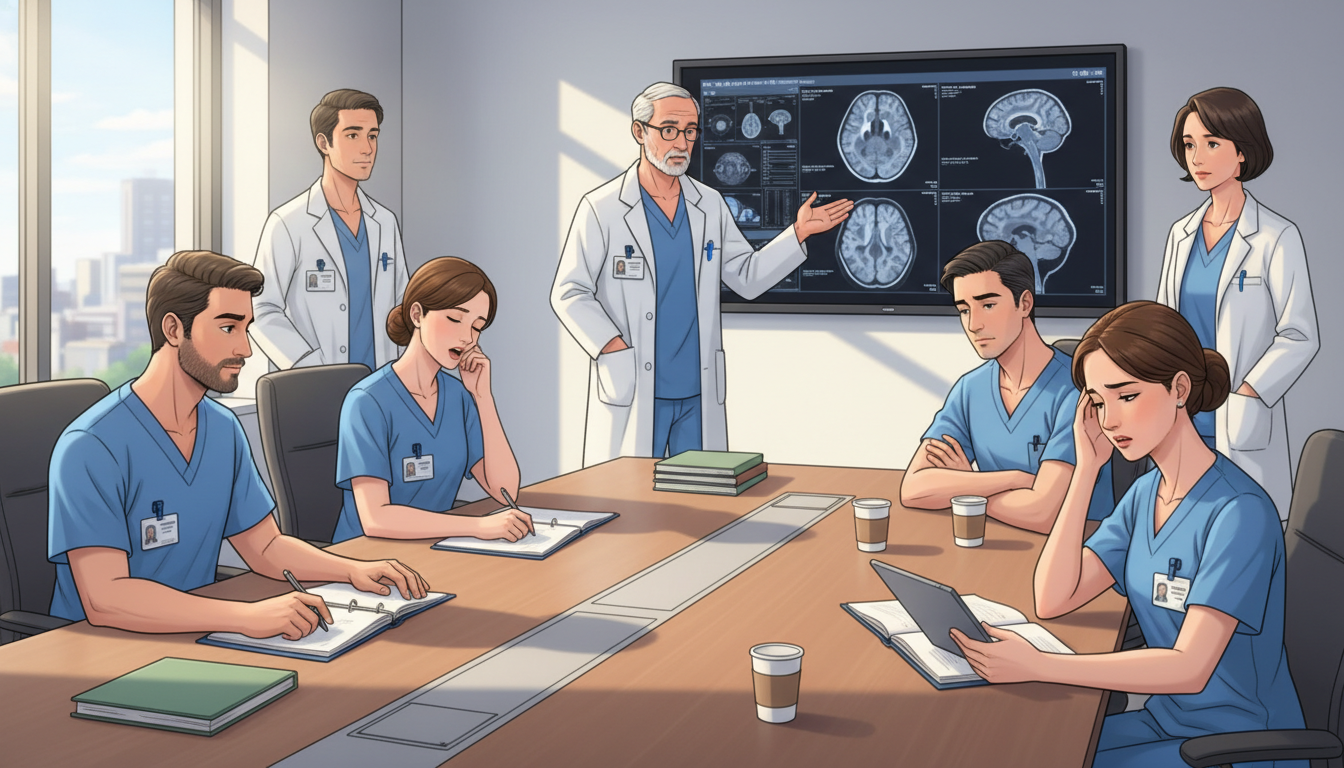
High or unexplained turnover rarely occurs in isolation. It often connects to other warning signs that you should evaluate together.
1. Leadership Instability
Turnover often spikes when:
- A long-standing program director retires and leadership turns over rapidly
- Multiple key faculty, especially high-volume neurosurgeons, leave within a few years
- The chair or program director is new and has already seen residents exit
Large leadership changes aren’t automatically bad, but if residents leave during or after turmoil, it may indicate fracture within the department.
Action point: Ask directly about leadership transitions, why they happened, and what changes have followed.
2. Toxic or Disorganized Culture
Turnover can reflect:
- Regular humiliation or public shaming of residents
- A culture of “sink or swim” rather than teaching
- Poor communication and unclear expectations
- Bullying disguised as “tough love” or “old school neurosurgery”
This might show up as:
- Residents repeatedly hinting that “this place isn’t for everyone”
- Jokes about surviving, suffering, or “earning your stripes”
- Faculty minimizing wellness concerns or dismissing ACGME rules
Neurosurgery is demanding by definition, but there’s a difference between high standards with support and chronic, normalized mistreatment.
3. Educational Weakness and Operative Volume Issues
Residents may leave a brain surgery residency if they don’t get the training they were promised:
- Insufficient case volume to meet ABNS expectations
- Over-reliance on mid-level providers for cases that should be resident opportunities
- Disorganized didactics, inconsistent feedback, and minimal mentorship
If multiple residents have transferred out citing lack of operative experience or inadequate teaching, that’s a serious red flag. As a DO graduate, you want a program that will actively invest in your development, not simply use you for service.
4. Duty Hour and Safety Violations
Programs with chronic duty hour violations, unsafe staffing, or frequent sentinel events may see higher turnover:
- Residents quitting due to burnout and safety concerns
- Pressure to under-report hours or misrepresent call burdens
- Stories of serious near-misses or complications tied to overwork
Ask residents privately about actual schedules, not just what’s on paper. If they imply that what’s reported to ACGME is not reality, you should be very cautious.
Practical Strategies for DO Applicants: Balancing Risk and Opportunity
Weighing Red Flags Against Your Goals
As a DO applicant in neurosurgery, you may feel pressure to accept more risk to secure a spot. That pressure is real—but not all risk is worth taking.
Consider:
- Severity and pattern of turnover
- Evidence of recent positive changes (e.g., new leadership, clear efforts to fix old issues)
- Availability of support and mentorship from faculty
- Presence and success of recent DO or non-traditional residents
If you see severe, ongoing turnover with no clear remediation, you should strongly consider ranking that program lower, even if it is one of your few neurosurgery options.
How to Ask About Turnover Without Burning Bridges
You can be honest and professional:
- “Given the length and intensity of neurosurgery training, I want to be somewhere stable where residents tend to finish. Can you share your resident retention over the past several years?”
- “I’m particularly interested as a DO graduate in whether osteopathic residents here have historically stayed and succeeded.”
Programs that value transparency will respect a thoughtful question. Programs that react negatively to legitimate concerns are often confirming your worries.
Have a Backup Strategy
Because neurosurgery is highly competitive—especially for DO graduates—have a parallel plan:
- Consider backup specialties if needed (e.g., neurology, PM&R, general surgery, or other fields aligned with neuro interests).
- Be thoughtful about your rank list: don’t place a clearly toxic program just to “match at any cost.”
- Stay attuned to your long-term career satisfaction; a slightly different path may still allow you to work with neurosurgical patients (e.g., endovascular neurology, neurocritical care, spine-focused orthopedics).
FAQs: Resident Turnover and Neurosurgery Residency for DO Graduates
1. Is any resident turnover automatically a red flag in neurosurgery?
No. One or two residents leaving over many years, with clear and reasonable explanations (family issues, career change, spouse relocation), is not necessarily concerning. What’s worrisome is repeated turnover, lack of transparency, missing resident classes, or patterns tied to specific groups (e.g., DOs, women, international grads).
2. How can I find out if DO residents have left a specific neurosurgery program?
Start with the program website and alumni lists, then:
- Compare historical and current rosters to see if any DOs vanish from later years.
- Ask residents directly, especially if you can speak with any current or former DOs.
- Politely bring it up with the program director: “Have you had DO residents in the past, and how have they done?”
If answers are evasive or inconsistent, treat that as a significant warning sign.
3. What if a program had serious problems in the past but claims they’ve changed?
Programs can improve, but you need evidence:
- Clear leadership changes with specific initiatives (e.g., redesigned call schedule, added faculty, wellness resources).
- Residents confirming that things are better now than before, with concrete examples.
- Stabilized resident numbers and improved board pass rates over the last few years.
If the program acknowledges past turnover, explains why, and demonstrates real remediation, it might still be a reasonable option—especially if other signals are strong.
4. As a DO applicant, should I ever accept a program with known resident turnover issues just to match into neurosurgery?
This is a deeply personal decision. Consider:
- How severe and current the problems are
- Whether DOs specifically have struggled or left
- Your tolerance for risk and your backup plans
In some cases, a moderately troubled but improving program may be the right choice. However, if a program shows ongoing severe turnover, DO-specific attrition, and cultural toxicity, the risk to your mental health, training quality, and long-term career may outweigh the benefit of “matching at any cost.” In those situations, it may be wiser to rank that program lower or pivot to a more supportive environment, even in another specialty.
Resident turnover is one of the most revealing metrics of a neurosurgery residency’s true culture and stability. As a DO graduate, you’re not just evaluating programs in general—you’re evaluating whether a program will support you, your background, and your career trajectory for the next seven critical years. Use turnover patterns thoughtfully, ask targeted questions, and trust what you observe. Your future as a neurosurgeon—or as a physician who thrives in a related field—depends on it.