Why Resident Turnover Matters So Much for Non‑US Citizen IMGs in Anesthesiology
For a non-US citizen IMG or foreign national medical graduate pursuing anesthesiology residency, resident turnover is not just an abstract metric—it can determine your visa stability, training quality, board eligibility, and long‑term career prospects in the US.
Anesthesiology is a high‑stakes, procedure‑heavy specialty where you rely heavily on consistent mentorship, structured clinical exposure, and stable case volume. When residents are frequently leaving a program, it often signals deeper problems: poor leadership, toxic culture, inadequate supervision, visa mishandling, or unsafe workloads.
You should approach resident turnover not with fear, but with curiosity and a systematic strategy. Understanding why residents leave and how to detect red flags before ranking a program can help you:
- Avoid unsafe or unstable environments
- Protect your visa status and ability to remain in the US
- Ensure that you get the clinical breadth you need for boards and fellowship
- Reduce the risk of burnout, failure to graduate, or struggling alone in a toxic system
This guide is written specifically for the non-US citizen IMG applicant targeting anesthesiology residency, with a focus on identifying resident turnover warning signs during your research, interviews, and communications with programs.
Understanding Resident Turnover in Anesthesiology: Normal vs Problematic
Not all turnover is bad. You need to distinguish “expected” transitions from red‑flag patterns that suggest program problems.
What Counts as Normal Turnover?
Some resident movement happens in almost every anesthesiology residency:
- Single transfer out due to personal reasons (family, partner’s job, geographic preference)
- Genuine career change (e.g., anesthesia resident switching to radiology or internal medicine)
- Occasional remediation or dismissal for severe professionalism or performance issues, if handled transparently and fairly
- Graduation-related reshuffling (chief resident leaving early for fellowship start, etc.)
These are usually isolated and accompanied by a clear, reasonable explanation from faculty or current residents.
What Is Concerning Turnover?
Patterns that should raise concern, especially for a non‑US citizen IMG relying on a stable training environment:
- Multiple residents leaving the program in the same year
- Repeated vacancies across PGY levels (e.g., every year one or more residents “disappear” from the roster)
- Recent or ongoing loss of faculty in key areas (cardiac, critical care, pain)
- Talk of “toxic” or “unsupportive” culture in informal channels
- A history of residents failing boards or not graduating on time
In anesthesiology, unstable programs can result in:
- Inconsistent OR and ICU rotations
- Inadequate procedural exposure (nerve blocks, epidurals, advanced airways)
- Poor supervision in high‑risk cases
- Gaps in didactics and exam preparation
For a foreign national medical graduate on a visa, the stakes are even higher: leaving a program may mean scrambling for another sponsor, delayed training, or, in worst cases, having to leave the US.
Core Resident Turnover Red Flags You Must Watch For
Below are key resident turnover warning signs, tailored for anesthesiology and especially relevant to non‑US citizen IMG applicants.
1. Unexplained Gaps in Current Resident Lists
What to look for:
- Program website shows fewer residents than expected in a given class (e.g., only 5 residents in a class that should have 8)
- Multiple PGY‑2 or CA‑1 spots listed as “vacant” or “TBA”
- Residents page is outdated or inconsistent with what program leadership says
Why it matters:
In a normally functioning anesthesiology residency, classes are usually full. Vacancies may indicate:
- Residents who transferred out mid‑training
- Residents who were dismissed or encouraged to resign
- Sudden expansion followed by inability to retain residents
A single vacancy is not necessarily alarming. But multiple unexplained absences—especially across different years—strongly suggests resident turnover often related to program problems.
How to explore this diplomatically:
During interviews or virtual meet‑and‑greets, you can ask:
“I noticed your class sizes differ a bit between PGY levels. Has the program recently changed total positions, or were there transfers?”
You are not accusing; you are requesting context. Pay attention to whether explanations are:
- Consistent (faculty and residents say similar things)
- Specific (“One resident transferred to be closer to family in another state”)
- Or vague/defensive (“People move on sometimes; we don’t really keep track of that.”)
Vague answers alongside visible vacancies = resident turnover red flag.
2. High Rate of Residents Leaving the Program or Transferring
Warning sign pattern:
- Multiple residents over the past 2–3 years have left anesthesiology altogether or transferred to another anesthesia program.
- Residents mention “a lot of people have moved on” without clear, neutral explanations.
- Program leadership reframes repeated departures as “not a good fit” without describing specific, understandable reasons.
Why this is dangerous for non‑US citizen IMGs:
As a foreign national medical graduate, transferring programs is substantially harder:
- You must find another program willing to take a transfer on your current visa type (J‑1 or H‑1B)
- Your training clock may be disrupted, delaying board eligibility
- Transition stress is compounded by licensing, contracts, and immigration timelines
If the pattern shows many residents leaving, you must assume you might end up in that situation—and consider whether you have the flexibility to take that risk.
Questions to ask:
- “Have there been residents who transferred out in the last few years, and what were the main reasons?”
- “How often do residents complete the program on time?”
You don’t need exact percentages; you want to see if they acknowledge turnover honestly and provide plausible reasons.
3. Frequent Mid-Year Recruiting or Off-Cycle Openings
Signals to notice:
- Program posts frequently on forums, social media, or mailing lists about off‑cycle CA‑1 or CA‑2 positions
- Emails or listserv messages like: “Immediate opening for a CA‑2 anesthesiology resident due to unforeseen vacancy”
- Program repeatedly appears on “open positions” boards year after year
Some off‑cycle openings are legitimate (resident illness, sudden family emergencies). But when a program keeps advertising such openings, it often indicates residents keep leaving during the year.
Implications in anesthesiology:
- High stress environment with inadequate support
- Conflicts between residents and faculty or leadership
- Underlying institutional financial or accreditation concerns
If you see this pattern, especially combined with other issues such as negative word‑of‑mouth, treat it as a strong resident turnover red flag.
4. Residents Seem Fearful, Guarded, or Unhappy
How residents talk—and what they avoid saying—may be the strongest clue to a program’s culture.
Warning behaviors during interview day or virtual socials:
- Residents hesitate before answering questions about workload, leadership, or why past residents left
- They stick to generic praise (“It’s fine, we’re busy, but you learn a lot”) and never give specific positive examples
- When the topic of past residents comes up, they change the subject or give visibly uncomfortable non‑answers
- Off-camera or one‑on‑one, they say things like:
- “There’s some turnover, but you’ll be okay if you keep your head down.”
- “They push people out if they complain too much.”
For non‑US citizen IMGs:
Be especially attentive if other IMGs or foreign national medical graduates signal:
- They feel they must “stay quiet” about problems
- They are not included in key committees or wellness efforts
- They say IGMs “get less support” with visas, remediation, or evaluation disputes
These are significant program problems that tend to fuel residents leaving the program—especially those who feel most vulnerable.
Actionable tip:
Ask for a private few minutes with one or two residents (virtual or in‑person). Then ask targeted questions like:
- “If your best friend were applying here, what would you tell them honestly?”
- “Have there been any big changes in the program after residents raised concerns?”
You are watching more for tone and comfort level than for perfectly positive answers.
5. Abrupt Leadership Changes and Faculty Turnover
Resident instability is often connected to faculty and leadership instability.
Red flag patterns:
- Recent or sudden change in Program Director (PD) or Department Chair with little explanation
- Multiple anesthesiology attendings have recently left, especially in core specialties:
- Cardiac anesthesia
- Critical care
- Pain management
- Obstetric anesthesia
- Residents say, “We’ve had a lot of new attendings; things are still being figured out”
These may correspond with:
- Conflicts between GME leadership and the anesthesia department
- Institutional financial issues affecting the OR or ICU structure
- Changes in call system or case distribution that worsen resident workload
How it affects your training:
- Less consistent mentorship and unclear expectations
- Changing evaluation criteria
- Fewer role models with board certification and established reputations
- Disrupted fellowship networking (especially important for cardiac, critical care, pain)
Ask directly but respectfully:
- “I saw there has been a recent change in program leadership. What new directions is the program taking?”
- “Have there been changes in faculty staffing, and how has that affected your clinical experience?”
Healthy programs acknowledge changes and can describe concrete improvements. Troubled programs may be vague or defensive.
6. Chronic Overwork, Unsafe Workload, and Burnout Culture
High clinical volume is normal—and valuable—in anesthesiology. But when a program uses “you’ll work hard” to hide unsafe practices, residents burn out and leave.
Workload-related warning signs:
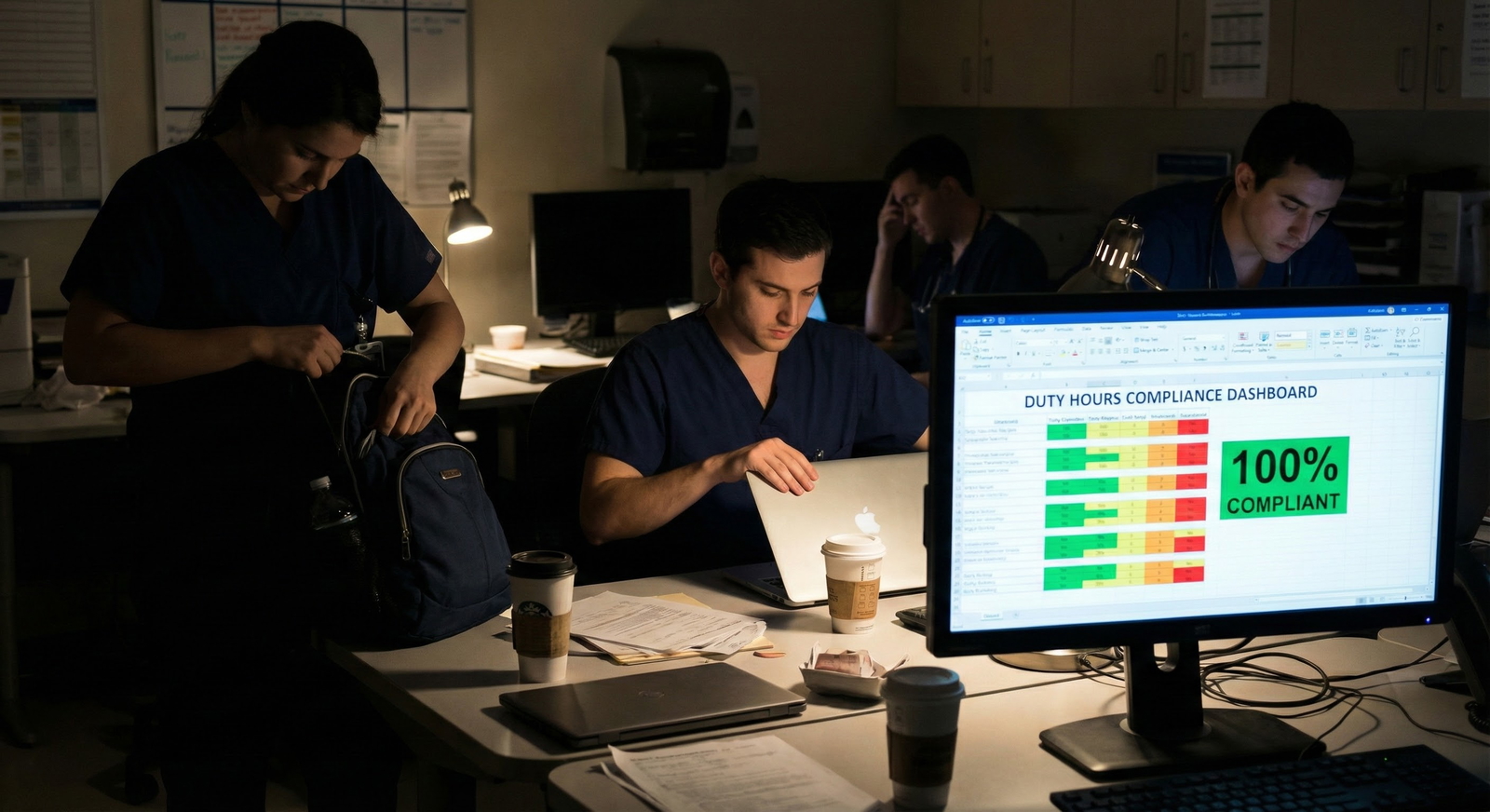
- Residents regularly stay far beyond expected duty hours to finish notes or cases
- Repeated violations of ACGME duty hour rules that are not addressed by leadership
- Call schedules that seem disproportionately heavy compared to similar programs
- CA‑1s or junior residents being thrown into complex cases with minimal backup
If you ask about wellness and hear phrases like:
- “It’s intense, but that’s just anesthesia.”
- “You learn to survive.”
- “People who complain usually don’t last.”
…you’re seeing the cultural underpinning of resident turnover.
For you as a non‑US citizen IMG, this kind of environment can be especially dangerous:
- Less margin for error if you struggle or need remediation
- Less time to adjust to a new healthcare system, documentation style, and culture
- Higher risk of being labeled “underperforming” when really you are exhausted and undersupported
Ask:
- “How does the program respond when residents report being overwhelmed?”
- “Can you give an example of a time leadership changed something after resident feedback?”
You want to see specific examples (restructured call, added mid‑level support, increased attending presence) rather than just “We have an open‑door policy.”
Special Considerations for Non‑US Citizen IMGs: Visa, Support, and Stability
Resident turnover has added layers of consequence for non‑US citizen IMGs. You must evaluate not only how often residents leave, but how the program manages visa‑dependent residents during instability.
1. Visa Sponsorship Practices and History
Look closely at:
- Does the program routinely sponsor J‑1, H‑1B, or both for anesthesiology residents?
- Are there current residents who are non‑US citizen IMGs on your intended visa type?
- When residents have left or struggled, how did the program handle their immigration status?
Questions to ask explicitly:
- “Have there been situations where a visa‑holding resident had to leave the program? How did the program support them?”
- “Do you have a dedicated GME or visa office, and how closely do they work with the residency?”
If they hesitate, seem confused about visa specifics, or have no current foreign national medical graduate in training, proceed carefully. Resident turnover combined with weak visa infrastructure is a major risk.
2. Support for IMGs and International Graduates
A healthy anesthesiology program that truly values IMGs typically shows:
- At least a few current non‑US citizen IMGs in the roster
- Faculty who previously trained as IMGs and are visible mentors
- Structured support for:
- US documentation and EMR systems
- Communication and team dynamics in the OR/ICU
- Cultural aspects of patient care and consent
When turnover disproportionately affects IMGs (for example, you hear “a couple of international graduates left early”), probe deeper:
- Was it due to in‑training exam performance with inadequate educational support?
- Was it due to perceived “fit” problems that may actually relate to bias or lack of cultural understanding?
- Were those residents given remediation plans and fair opportunities?
Asking residents privately:
“Do you feel the program supports international medical graduates in adapting to the system here?”
Their comfort and specificity will speak volumes.

3. Communication Transparency: A Proxy for Program Health
Transparent programs tend to have lower harmful turnover, even when they are busy or evolving. Signs of transparency:
- Website and presentations clearly state:
- Number of positions per year
- Tracks (categorical vs advanced)
- Call structure
- Leadership is honest about:
- Areas they are improving (e.g., “We had some issues with ICU workload last year; we’ve since hired more NPs and adjusted schedules.”)
- Residents are allowed to speak freely without PD hovering or controlling the conversation
In contrast, programs with hidden or unexplained turnover often:
- Avoid direct answers (“Our graduates go everywhere; we don’t track exact data.”)
- Minimize concerns (“Every program has people leave sometimes; it’s normal.”)
- Over‑market generic strengths without addressing concrete structures
For a non-US citizen IMG, transparency is a key factor in deciding whether potential resident turnover is being managed responsibly—or suppressed until it becomes a crisis.
How to Research and Validate Turnover Concerns Before Ranking
You can’t see everything from the outside, but you can combine multiple data sources to assess risk.
Step 1: Basic Program Data Review
- Program website: Compare advertised positions per year with the actual resident list.
- FREIDA and ACGME: Check approximate program size, accreditation status, and any warnings or citations.
- Match results: If available, look for whether they consistently fill all anesthesia positions or have unfilled spots.
Patterns like repeatedly unfilled anesthesia positions or years with sudden class shrinkage may reflect underlying resident turnover red flags.
Step 2: Online Reputation with Caution
Use forums, social media, and whisper networks carefully:
- If you see multiple comments about residents leaving the program, “toxic leadership”, or “unsafe workload”, treat it as a signal to investigate further, not proof.
- Watch for consistency: Are similar concerns repeated over several years by different people?
Do not base decisions solely on anonymous posts, but combine them with what you observe directly during interviews.
Step 3: Strategic Questions During Interview Season
Prepare a short list of non-confrontational, specific questions to ask:
To residents:
- “Over the last 3–5 years, have most residents finished on time?”
- “If someone is struggling academically or clinically, what does the support process look like?”
- “Have there been changes in call or workload based on resident feedback?”
To program leadership:
- “How have you adapted the program in response to resident feedback over the past few years?”
- “Have you had residents transfer out recently, and what did you learn from those experiences?”
You’re not demanding names—just gauging whether they acknowledge reality and learn from it.
Step 4: Pay Attention to Your Gut—But Check It
As a non-US citizen IMG, it’s easy to doubt your instincts, especially if you feel grateful just to receive interviews. Still:
- If multiple conversations leave you uneasy about residents leaving the program…
- If visa questions are brushed off or answered unclearly…
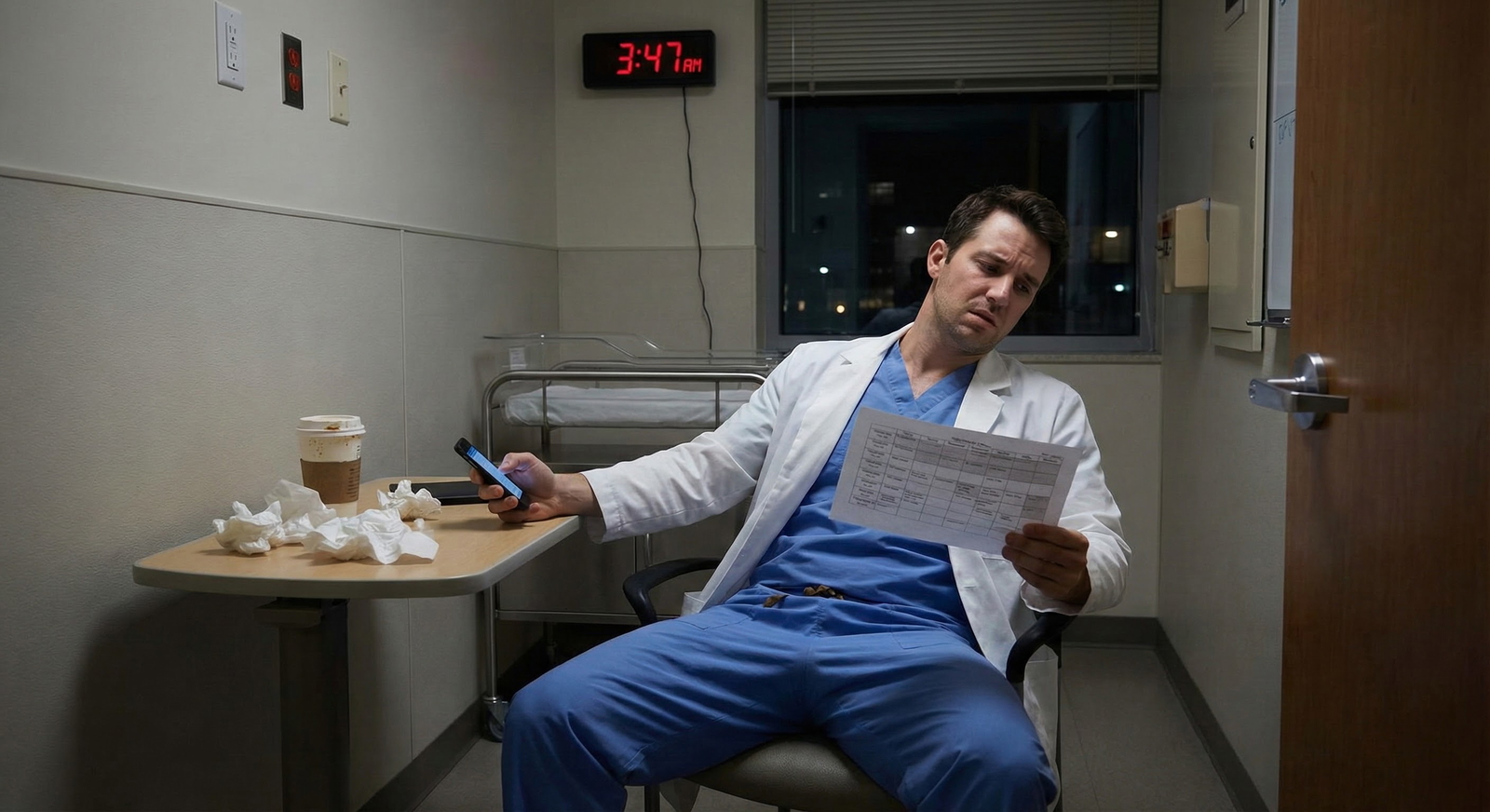
- If residents look tired, stressed, and reluctant to talk…
…treat this as valuable data. Cross-reference with objective information, and, if the pattern persists, consider ranking such programs lower—no matter how strong their name sounds.
FAQs: Resident Turnover and Red Flags for Non‑US Citizen IMGs in Anesthesiology
1. How much resident turnover is “too much” when evaluating an anesthesiology program?
There is no strict number, but concerning patterns include:
- More than one resident per year leaving or transferring over several consecutive years
- Multiple vacancies in different PGY levels without clear explanation
- Repeated off‑cycle openings for CA‑1 or CA‑2 positions
Ask for general trends (not names or details). If leadership dodges the question or residents seem fearful answering, consider it a resident turnover red flag.
2. As a non‑US citizen IMG, should I avoid any anesthesiology program that has had residents leave?
Not necessarily. One or two residents leaving over several years for personal or geographic reasons is normal. What you should avoid is a pattern of:
- Recurrent departures
- Vague explanations
- Negative or anxious resident body language
- Weak visa infrastructure
Your goal is not perfection but stability and honesty. A program that acknowledges past issues and shows specific improvements may still be a safe choice.
3. How can I safely ask about residents leaving the program without damaging my chances?
Use neutral, systems‑oriented wording, for example:
- “Over the past few years, what proportion of residents have completed the program here, and have there been residents who transferred out?”
- “Have there been recent changes to the program structure or workload based on residents’ experiences?”
You are asking how the system performs, not accusing anyone. Programs used to serious applicants will recognize this as a sign of maturity, not hostility.
4. If I end up in a program with problems, what are my options as a non‑US citizen IMG?
Options depend on your visa and timing, but may include:
- Attempting to work with program leadership to address issues and request support or remediation
- Speaking confidentially to the GME office or DIO about safety or duty hour concerns
- Exploring transfer opportunities in anesthesiology, ensuring any new program can sponsor your current visa type
- Consulting an immigration attorney if training disruptions threaten your status
Because these paths are complex, your best strategy is prevention: carefully evaluating resident turnover warning signs before ranking programs.
By paying close attention to resident turnover patterns, program transparency, visa competence, and the lived experiences of current trainees, you can make more informed choices in the anesthesia match. As a non‑US citizen IMG, your training environment must be not just academically solid, but structurally stable—so that you can grow into a confident, safe, and fully supported anesthesiologist in the US.