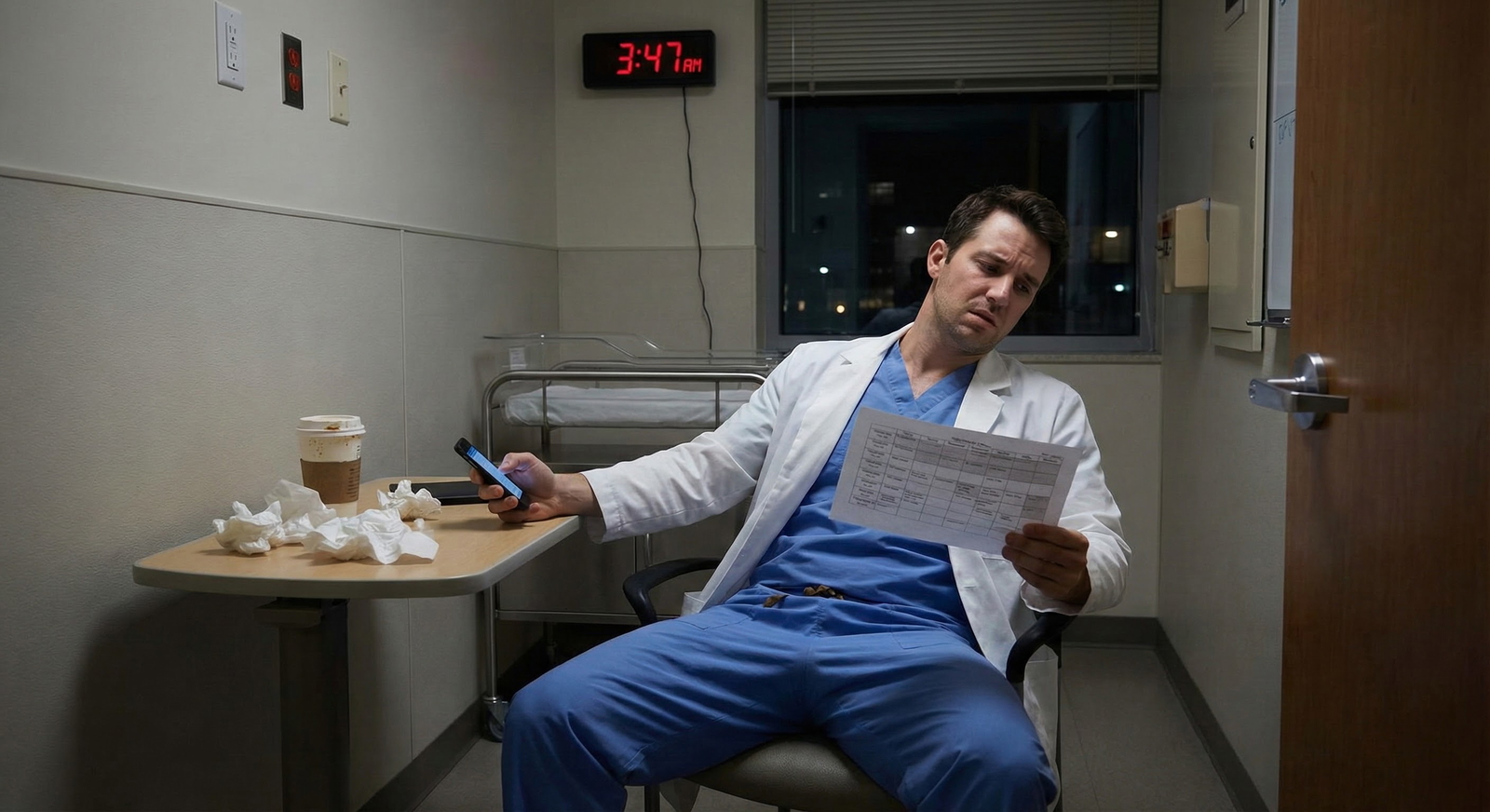
Pathology residency can be a fantastic fit for an MD graduate who enjoys diagnostics, pattern recognition, and bridging basic science with clinical care. But even the strongest applicant can struggle if they end up in a program with serious problems—especially when those problems show up as persistent resident turnover. For an MD graduate entering the pathology match, understanding resident turnover warning signs is critical to choosing a healthy, stable training environment.
This article focuses on how to interpret resident turnover as a red flag, how to distinguish between normal attrition and concerning patterns, and what specific questions to ask to protect yourself during the allopathic medical school match process.
Why Resident Turnover Matters in Pathology Residency
In every specialty, residents occasionally leave programs for valid reasons: family moves, visa issues, dual-degree changes, or a specialty switch. But when leaving becomes a pattern, particularly in pathology residency where cohorts are smaller and training is highly team-based, it can signal deeper program problems.
How Turnover Affects Your Training
In a pathology residency, resident turnover can impact:
Workload and call
Fewer residents means heavier call schedules, more frozen sections, increased weekend coverage, and less flexibility to attend conferences or study.Teaching and mentoring
Senior residents are central to teaching sign‑out skills, grossing efficiency, and lab management. When they leave, junior residents may lose mentors and role models.Program reputation
Programs with recurrent turnover can develop a negative reputation among faculty, fellowship directors, and applicants. That can affect your future fellowship and job opportunities.Well‑being and morale
Seeing colleagues struggle or leave can amplify stress, burnout, and distrust, especially when communication about departures is opaque or dismissive.
For an MD graduate preparing for the allopathic medical school match, resident stability should be weighed as heavily as case volume, prestige, or location. A slightly less “big‑name” program with stable, satisfied residents may be much better for your long‑term growth than a better‑known institution where residents are leaving regularly.
Normal Attrition vs Red-Flag Turnover: What’s the Difference?
Not all turnover is a red flag. Understanding what is expected versus concerning will help you interpret what you hear during interviews and informal conversations.
Examples of Normal or Acceptable Turnover
A single resident leaving a pathology residency program—especially if the reasons are transparent and reasonable—does not automatically mean there are program problems. Common, normal scenarios include:
- A PGY‑1 realizes they prefer another specialty (e.g., switches from pathology to radiology or internal medicine).
- A resident transfers to a program closer to family or a partner.
- A resident transitions into a research pathway, PhD, or industry track with program support.
- A resident has major life events (serious illness, immigration/visa challenges, caregiving) and takes extended leave or withdraws.
Key features of healthy attrition:
- Rare (e.g., one resident every few years).
- The remaining residents are open about the situation and don’t seem fearful to discuss it.
- Faculty and program leadership are transparent, supportive, and non-defensive when explaining what happened.
- Residents do not express lingering resentment or trauma associated with the departure.
When Turnover Suggests a Resident Turnover Red Flag
Turnover becomes a significant red flag when it is:
- Frequent – Multiple residents leaving in a short time (e.g., several residents in 2–3 consecutive years).
- Clustered – Departures concentrated in a single class or two adjacent classes.
- Hidden – Residents are vague, guarded, or visibly uncomfortable discussing what happened.
- One-directional – Residents leave the program more often than residents transfer in.
For pathology in particular, where yearly class sizes are often 3–8 residents, losing even one or two per class can be highly disruptive. If you learn that:
- Two of four PGY‑2s left in one year;
- A class matriculated with eight residents yet only four remain as PGY‑4s; or
- The program has had to recruit off-cycle more than once to replace departing residents,
you should interpret this as a strong resident turnover warning sign and probe deeply.
Concrete Turnover Warning Signs to Watch For
Below are specific patterns and behaviors MD graduates should monitor when evaluating a pathology residency program, especially during interview season and second looks.
1. Multiple Residents Leaving the Program in Recent Years
This is the most obvious pathology match red flag related to turnover.
What to look for:
- Large discrepancies between the number of residents originally matched per year and current roster.
- Stories of residents who “used to be here” that come up repeatedly.
- Mention of off-cycle PGY‑2 or PGY‑3 hires to fill gaps.
How to gather this information:
- Compare the program website’s “Current Residents” list to past rosters (using web archives or older PDFs if available).
- Ask directly during resident-only sessions:
“Has anyone left the program in the past few years? What were the circumstances?” - During the interview with leadership:
“Have there been residents who transferred or resigned recently? What changes did the program make in response?”
Interpreting the responses:
- Green-ish flag: One resident left for a clearly explained, noncontroversial reason aligned with personal life or academic goals, and residents still speak positively about the program.
- Yellow flag: More than one departure in the last few cycles, but explanations are detailed, non-defensive, and residents emphasize that issues were addressed and culture has improved.
- Red flag: Several departures, vague or dismissive explanations (“not a good fit,” “couldn’t keep up”), or conflicting stories between residents and faculty.

2. Persistent Gaps in Coverage and Overburdened Residents
Turnover often manifests in the day-to-day experience of residents: excessive service demands, frequent schedule changes, and over-reliance on a small core group.
Warning signs in pathology training:
- Residents frequently mentioning:
- “We’re short-staffed on call.”
- “We’re covering two services at once more often now.”
- “There’s been a lot of schedule shuffling since people left.”
- PGY‑1s or junior residents regularly covering duties that should belong to seniors (e.g., running busy frozen section services alone, managing complex transfusion consults without backup).
- Excessive call frequency for the size of the program (e.g., Q3–4 call in a moderate‑size program due to resident losses).
Questions to ask:
- “How often do you take call, and has that changed over the last couple of years?”
- “How often are you asked to cover extra rotations or services because someone is out or a position is unfilled?”
- “When residents left the program, how did that impact call and vacation coverage?”
If residents hesitate, exchange glances, or give clearly rehearsed answers, consider that another warning sign.
3. Culture of Fear or Silence Around Departures
In a healthy program, residents can speak candidly—within reason—about colleagues who left and what the program learned from those situations. In a toxic environment, there may be a strong culture of silence or fear.
Red-flag behaviors include:
- Residents saying things like:
- “We’re not supposed to talk about that.”
- “The program prefers we don’t discuss those details.”
- “I’ll tell you more later, but not on Zoom.”
- Faculty quickly changing the subject when the topic arises.
- A visible change in residents’ facial expressions or body language when you ask about past residents or turnover.
Why this matters:
A culture that discourages honest reflection about resident turnover often also:
- Stigmatizes residents who struggle or seek help.
- Avoids root-cause analysis when residents leave.
- Prioritizes reputation over resident well-being and educational quality.
As an MD graduate entering the allopathic medical school match, you want a pathology residency where resident feedback is valued and open discussion is encouraged—not one where speaking up is punished or discouraged.
4. Inconsistent or Conflicting Explanations
You may hear one story from leadership and a very different one from residents. These inconsistencies can be subtle but are important.
Example scenario:
- Program director says: “We’ve had very little turnover—just one resident in five years who left to pursue a PhD.”
- Residents say: “We’ve had three people leave in the last four years, including two who transferred to other pathology programs.”
This type of mismatch between official narrative and resident perspective suggests possible minimization of problems and is a strong resident turnover red flag.
How to test consistency:
- Ask the same neutral question to multiple people across the day:
- “Has the program lost any residents in recent years? How did that affect training?”
- Notice whether faculty, chief residents, and junior residents tell a coherent, overlapping story or whether explanations diverge significantly.
If the story changes depending on who you ask, proceed with caution.
5. Sudden Curriculum Changes After Multiple Departures
Curriculum revisions can be very positive—adding more CP exposure, molecular rotations, or structured board review. But when major changes follow a wave of residents leaving (or threatening to leave), pay attention.
Pattern to watch:
- Several residents left or attempted to transfer →
- The program suddenly:
- Introduces “resident wellness” initiatives without structural changes.
- Announces new didactics but doesn’t reduce service burden.
- Rebrands rotations without addressing core issues like toxic attendings or chronic overwork.
Ask yourself: Are these changes addressing the root causes of resident dissatisfaction, or are they superficial?
Key questions:
- “What changes have been made in the last few years in response to resident feedback?”
- “How did you incorporate resident input when redesigning the curriculum?”
- “What issues are you still working on improving?”
You’re looking for evidence that the program can self-reflect, listen to residents, and follow through—traits that distinguish a program that had issues but is improving from a program that remains high-risk.

6. Reputation Among Fellows, Faculty, and Outside Residents
You should not make decisions solely on rumors, but repeated, independent reports about “residents leaving that program” are worth investigating.
Sources of information:
- Fellows and junior attendings at your medical school or rotation sites who trained at or interviewed with the program.
- Residents at neighboring programs in the same city or state.
- Pathology subspecialty fellows (e.g., heme, cyto, dermpath) who have worked with graduates from the program.
Questions you might ask informally:
- “When you were a resident, what did you hear about [Program X]?”
- “Have you worked with graduates from [Program X]? How well prepared do they seem?”
- “Do you know of any residents leaving that program in recent years?”
Your goal is not to chase gossip, but to triangulate: if multiple independent sources describe the pathology residency as having high resident turnover, strained culture, or under-supported trainees, you should treat that as a major warning sign.
Special Considerations for Pathology: Why Turnover Hits Harder
Pathology training has unique features that can magnify the impact of residents leaving a program.
Small Classes and Tight Teams
Many pathology programs match only 3–5 residents per year. Losing even one can:
- Double call frequency for remaining residents.
- Leave juniors without senior mentors on specific subspecialty services.
- Increase pressure during high-volume seasons (e.g., major cancer center expansions, flu/respiratory peaks impacting lab workload).
As an MD graduate focused on a pathology residency, use class size as context when evaluating turnover. Losing two residents in a very large program (e.g., 10+ residents per year) is meaningful but less disruptive; losing two in a class of three is a major event.
Heavy Reliance on Senior Residents for Teaching
In pathology, senior residents:
- Model efficient grossing and case sign-out habits.
- Teach frozen section decision-making and triage.
- Provide guidance on board prep and fellowship applications.
- Run quality improvement projects and lab management tasks.
When seniors leave:
- Juniors lose day-to-day role models.
- Faculty can become overwhelmed trying to fill educational gaps.
- Peer teaching, which is central to pathology education, suffers.
Impact on Fellowship Placement
Pathology is subspecialty-heavy. A program with resident turnover and program problems may also:
- Have weaker connections to competitive fellowship programs.
- Produce residents who feel underprepared for high-demand fellowships.
- Suffer reputational damage among fellowship directors (“their residents often struggle” or “we’ve heard of instability there”).
When evaluating a program, ask specifically:
- “How have your residents done in the last five years in matching into fellowships of their choice?”
- “Have there been changes in fellowship placement trends, and if so, why?”
Persistent difficulty placing residents into reasonable fellowships, combined with high turnover, is particularly worrisome.
How to Investigate Turnover Before Ranking Programs
Knowing that resident turnover can signal serious problems is only useful if you know how to gather information efficiently and tactfully during the pathology match process.
1. Prepare Targeted Questions for Interview Day
During resident-only sessions or social events, consider asking:
- “Have any residents left the program in the last 5–7 years? What was the general situation?”
- “If someone is struggling or unhappy, how does the program typically respond?”
- “Have you ever felt that someone wanted to leave but stayed only because transferring is hard?”
- “How has the call schedule changed in recent years? Was that related to resident numbers?”
With faculty or the program director, frame questions in a constructive, non-accusatory way:
- “What are some challenges the program has faced in recent years, and how have you addressed them?”
- “Have there been any residents who transferred, and what did the program learn from that experience?”
2. Use Second Looks (If Available) Strategically
If you’re seriously considering a program where you sense turnover issues, a second look can help clarify.
Focus on:
- Observing resident interactions—do they seem supported, collaborative, or strained and guarded?
- Asking to see actual call schedules or rotation blocks (with names removed if needed).
- Speaking with residents who were not present on interview day, especially mid-level residents who have seen the program over several years.
3. Review Program Materials and Accreditation Data
While detailed ACGME data may not always be public, you can sometimes:
- Look up the program’s accreditation history.
- Search for any public citations or probation history.
- Review past program websites (via the Internet Archive) to reconstruct class sizes and see whether cohorts visibly shrink over time.
Any pattern of shrinking rosters or gaps in PGY levels may reflect residents leaving program positions unfilled.
4. Trust Patterns, Not Single Comments
One resident’s negative experience doesn’t necessarily signal a systemic issue. But if you notice consistent themes across:
- Multiple residents within the same program,
- External physicians or fellows, and
- Objective signs like frequent off-cycle recruiting or shrunken class sizes,
you should assume the risk is real, even if no one explicitly says “this program has serious problems.”
Balancing Risk: When Is Turnover a Dealbreaker?
Not every program with some turnover should be automatically removed from your rank list. You’ll need to balance risk, self‑knowledge, and your own priorities.
When You Might Still Rank a Program with Some Turnover
Consider ranking a program—though perhaps lower—if:
- There were one or two departures, clearly and transparently explained (e.g., family move, research pathway, specialty switch).
- Residents generally seem satisfied, cohesive, and supported.
- Leadership acknowledges past issues and can concretely describe how they addressed them.
- Educational structure, case mix, faculty accessibility, and fellowships remain strong.
In these scenarios, the pathology residency may simply have gone through a rough patch but is fundamentally sound.
When Turnover Should Be a Major Red Flag (and Possibly a Dealbreaker)
Treat a program as high-risk if:
- Multiple residents have left in the last few years, especially from the same class.
- Explanations are vague, conflicting, or clearly minimized.
- Residents appear anxious, overworked, or unwilling to talk openly.
- There are visible signs of service strain: excessive call, double-coverage of services, or frequent schedule reshuffling.
- External sources independently confirm a reputation of residents leaving program positions and a long-standing culture of dissatisfaction.
If these features cluster together, that program should drop significantly on your rank list—or come off entirely—especially if you have other reasonable options in the pathology match.
Practical Takeaways for MD Graduates Entering the Pathology Match
- Resident turnover is one of the strongest proxies for program health. Persistent or poorly explained turnover is almost always a resident turnover red flag.
- In pathology, small class sizes magnify the impact of each departure. Losing even one resident per class can significantly affect call, teaching, and morale.
- Ask direct but respectful questions about residents leaving the program. Pay careful attention to consistency, transparency, and body language in responses.
- Triangulate information across residents, leadership, and external colleagues to distinguish one-off situations from systemic program problems.
- Prioritize stability, support, and educational quality over prestige. A mid-tier but stable, well-run program often leads to better training and career outcomes than a big-name institution with chronic resident turnover.
As an MD graduate from an allopathic medical school, your pathology residency will shape not just your skillset but also your professional identity. Choosing a program with low turnover, transparent leadership, and supported residents is one of the most powerful ways to safeguard your well-being and future success.
FAQ: Resident Turnover and Pathology Residency
1. Is it always bad if a pathology resident leaves a program?
No. One resident leaving a pathology residency every few years for clear, personal reasons—family relocation, dual-degree pursuits, or a well-explained specialty change—is not inherently a red flag. It becomes concerning when departures are frequent, clustered, poorly explained, or accompanied by visible strain on remaining residents and services.
2. How can I politely ask about residents leaving a program during interviews?
You can frame questions neutrally and focus on learning, not accusing. For example:
- “Have any residents transferred or left the program in recent years, and how did that affect training and scheduling?”
- “What support systems are in place for residents who are struggling or reconsidering their path?”
Most reasonable programs will answer honestly and appreciate your thoughtfulness.
3. What if a program denies having turnover, but I hear otherwise from outside sources?
If you receive independent reports of residents leaving the program and leadership explicitly denies any turnover, this discrepancy is a serious warning sign. You don’t need to confront them, but you should weigh:
- The number and reliability of your external sources, and
- Whether you are comfortable training in a program where transparent communication may be lacking.
In such cases, it is often safest to rank the program lower or exclude it if you have better-validated options.
4. How much weight should I give turnover compared to case volume or prestige?
For most MD graduates entering pathology, program stability and culture should be at least as important as prestige and case volume—often more. High case volume is only an advantage if you are well-taught and reasonably supported. A prestigious name cannot compensate for chronic resident turnover, burnout, and inadequate training. A stable, mid-tier program with good mentoring and low turnover will usually prepare you better for boards, fellowship, and practice than an unstable, high-profile program.