
Understanding Resident Turnover as a DO Applicant in Interventional Radiology
Resident turnover is one of the most powerful—yet underused—signals of a program’s true culture and stability. For a DO graduate applying to interventional radiology residency, understanding resident turnover warning signs can help you avoid toxic environments, unstable training, and long-term career setbacks.
Interventional radiology (IR) training is demanding: long cases, high-stakes procedures, call intensity, and a steep learning curve. In such a high-pressure specialty, persistent residents leaving a program, unexplained gaps in classes, or frequent resident turnover red flags often reflect deeper program problems that will directly affect your education, wellness, and career trajectory.
This article will walk you through:
- Why turnover matters—especially in IR and especially for DO graduates
- Concrete warning signs in program structure and staffing
- Behavioral and cultural red flags during interviews and away rotations
- Questions you should ask to uncover hidden issues
- How DO graduates can interpret turnover patterns in the context of the osteopathic residency match and IR Match
Why Resident Turnover Matters So Much in Interventional Radiology
Turnover happens in every specialty. A single resident leaving is not automatically a sign of a toxic program. But patterns of departure—especially in a relatively small specialty like interventional radiology—are significant.
IR Training Is Highly Dependent on Team Stability
Interventional radiology residency (integrated or independent) depends heavily on:
- Continuity of case experience
- Close longitudinal mentorship
- A stable call pool
- Predictable didactics and procedural opportunities
When residents leave mid-training, the remaining residents often absorb:
- Extra call shifts
- More floor or consult responsibilities
- Less protected time for education
- Emotional stress and anxiety about their own future
Over time, that pressure can further fuel burnout and more departures, creating a vicious cycle.
Why DO Graduates Need to Pay Extra Attention
As a DO graduate in IR, you face some unique dynamics:
- Not all IR programs have equal experience integrating DO residents or DO-focused mentorship.
- Some programs may struggle with osteopathic residency match integration after the single accreditation system transition.
- If support for DO residents is weaker, turnover patterns might disproportionately affect DO residents.
For a DO graduate specifically, red flags like residents leaving program—especially if those residents are DOs—need to be taken seriously, and investigated thoughtfully.
Structural Turnover Red Flags: What the Numbers Are Telling You
Some of the clearest resident turnover warning signs show up in the basic structure of the residency program—its rosters, schedules, and recent history.
1. Missing or “Invisible” Residents on the Website
A simple but high-yield step: carefully review the residency’s website.
Look for:
Incomplete resident lists:
- PGY levels not all represented (e.g., no PGY-4s listed)
- Sudden gaps like “Current residents: PGY-2, PGY-3, PGY-5 only”
Frequent “updated soon” banners that stay up all cycle
Residents present in old photos but not in current rosters
Former residents listed as “transferred” without explanation
In IR, where programs are small (often 1–3 residents per year for integrated programs), even one missing resident in a class can be a major signal. A class that began with 3 and now has 1 is not a small blip; it’s a pattern that demands explanation.
2. Chronic Understaffing and Coverage Gaps
Ask yourself: do the numbers make sense?
Warning signs:
- The program takes 3 residents per year but is covering the clinical volume like a 5-resident class.
- Current residents mention “we don’t have a full class above us” or “we’ve been short-staffed for years.”
- Multiple independent IR positions unfilled in recent cycles.
In IR, understaffing leads to:
- More nights, weekends, and holiday call for each person.
- Less ability to protect you for complex elective cases or IR clinic.
- Shortcuts in education (canceled conferences, rushed teaching).
Chronic understaffing linked with prior residents leaving is a strong resident turnover red flag.
3. Frequent Class Size Changes Without Clear Rationale
Some fluctuations are normal (e.g., expanding a growing program). Others raise questions.
Be cautious if:
- Class sizes repeatedly go up and down (3 → 1 → 2 → 4) with no transparent explanation.
- The program director vaguely says, “We’re still figuring out our ideal size,” but the pattern coincides with years you later learn residents left.
- There’s a noticeable drop in the current PGY-4 or PGY-5 IR cohorts compared to prior years.
In the context of the IR Match, programs sometimes expand ambitiously, only to discover they cannot support the volume, faculty, or procedural needs of larger cohorts—leading to dissatisfaction and turnover.
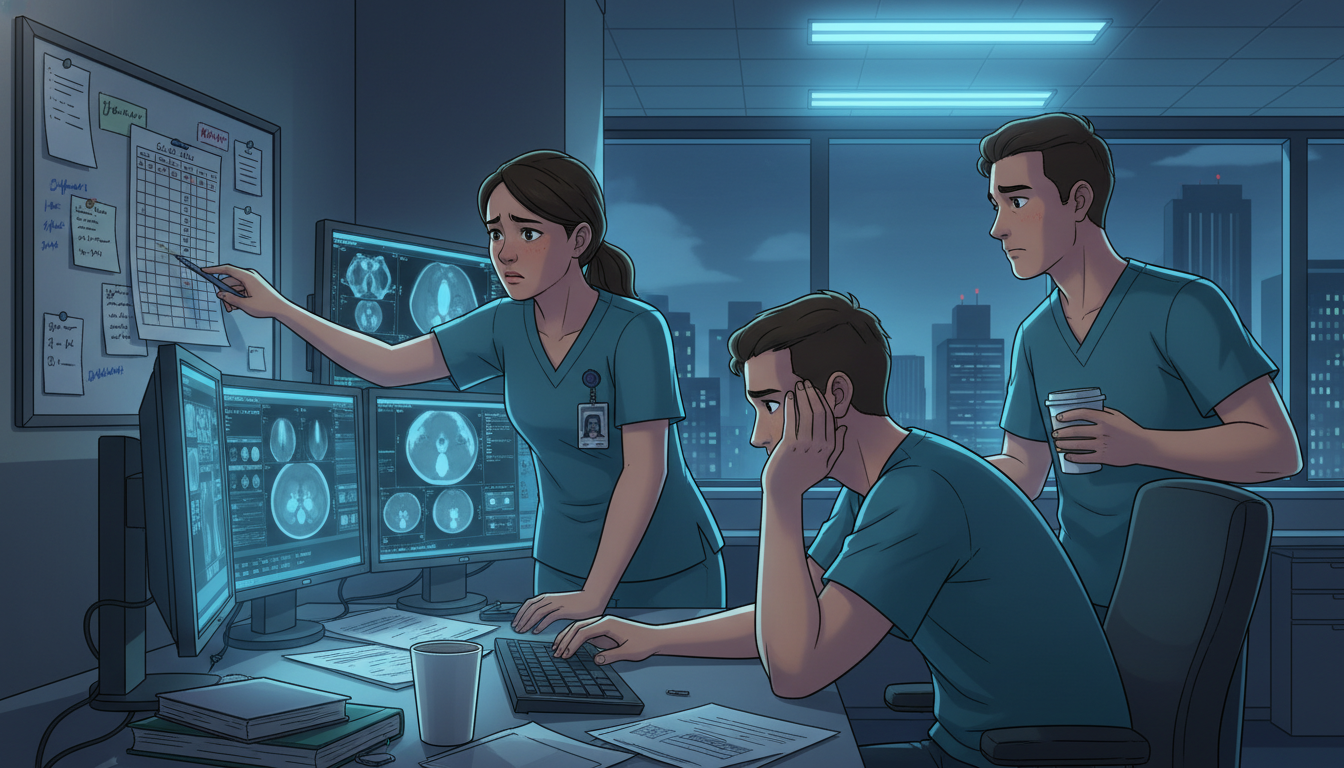
Behavioral and Cultural Turnover Red Flags During Interviews
Some of the strongest clues about program problems appear not in numbers but in how faculty and residents talk—or don’t talk—about the program.
1. Evasive Answers About Past Residents Leaving
You should always ask some version of:
“Have any residents left or transferred in the last 3–5 years?”
Concerning responses include:
- “We don’t really talk about that.”
- “It’s complicated, but everything is fine now.”
- “They just weren’t a good fit,” repeated multiple times.
- A quick subject change, nervous laughter, or silence.
A professional, transparent program will usually say something like:
“Yes, one resident transferred to diagnostic radiology at another institution for family reasons. We supported the process and have since adjusted XYZ to improve flexibility.”
The more vague the explanation, the higher the probability that the issue was serious (e.g., toxic culture, excessive workload, lack of support) and possibly unresolved.
2. Inconsistent Stories Between Residents and Faculty
Ask the same question about turnover—independently—to both:
- Program leadership (PD, APD, chair)
- Current residents (especially senior IR residents)
Red flag patterns:
- Faculty: “We’ve never had residents leave!”
- Senior resident (later, on Zoom): “We lost two people in the last three years, but we’re doing better now.”
- Conflicting narratives about why someone left (e.g., faculty says “personal reasons,” resident says “they couldn’t handle the call load and lack of support”).
Honest programs may not share every detail, but they should have consistent, aligned explanations that feel credible.
3. Residents Seem Guarded, Fearful, or Overly Scripted
During resident-only Q&A sessions, pay close attention to:
- Long pauses before answering critical questions about workload or culture
- Residents repeatedly saying, “We’re like a family” without giving concrete examples
- Residents who look at each other nervously when you ask about attrition, call, or conflicts
- Repeated emphasis on “resilience,” “grit,” or “this place really toughens you up” without discussion of support and wellness
If residents seem afraid to say anything negative, it might reflect:
- Retaliation or punishment for speaking up in the past
- Poor relationship between residents and leadership
- High stakes around Match reputation overshadowing truth
4. Negative Nonverbal Cues Around IR Workload
Because interventional radiology is procedure-heavy, the quality of your experience closely tracks with workload and case structure.
Watch for:
- Eye rolls, sighs, or shared looks when discussing call or weekend IR coverage
- Comments like “Let’s just say, you get a LOT of experience,” said with clear frustration
- Jokes about never seeing the sun, constant pages, or missing required conferences because of nonstop procedures
While busy IR programs can be great for operative experience, overburdened residents plus prior turnover is a warning that the system is unsustainable.
IR-Specific Red Flags: When Turnover Signals Deeper Training Problems
Interventional radiology residency has some unique training elements that make certain warning signs particularly concerning.
1. Senior Residents Leaving Late in Training
A senior integrated IR resident (e.g., PGY-5 or PGY-6) or late-stage independent IR resident who leaves or switches out is a major red flag.
Why it matters:
- By this point, residents have invested heavily in IR. Leaving suggests serious dissatisfaction—either with training quality, case mix, supervision, or culture.
- It may indicate that the IR side of the program (not just diagnostic radiology) has unaddressed problems: poor organization, unsafe staffing, inadequate support during complex procedures.
In a small IR cohort, losing a senior resident is especially destabilizing for teaching and call coverage.
2. Frequent Complaints About Procedural Autonomy and Case Distribution
Turnover in IR often stems from a mismatch between expectations and reality:
- Residents expecting progressive autonomy but remaining “button pushers” while fellows or attendings do all meaningful parts of cases.
- Fellows “eating” all complex procedures, leaving residents with only minor lines or paracenteses.
- Residents competing with each other intensely for limited advanced cases (e.g., TIPS, complex embolizations).
If you hear about past residents leaving and current residents express frustration about:
- “Never getting hands-on time in advanced cases”
- “Being stuck on floor work while someone else gets the good cases”
- “Fighting with fellows over procedures”
…those are strong IR-specific resident turnover warning signs.
3. Rapid Turnover in IR Faculty Alongside Resident Turnover
Resident instability in IR becomes more concerning when paired with faculty churn:
- Multiple IR attendings leaving or being replaced in a short span
- New PD or section chief every 2–3 years
- Residents hinting at “a lot of changes in leadership lately”
High faculty turnover in IR can lead to:
- Inconsistent standards for autonomy and supervision
- Abrupt changes to call, case mix, or rotation structure
- Loss of mentors and research support
For a DO graduate trying to build a strong academic or procedural portfolio, unstable leadership can significantly limit your long-term development.
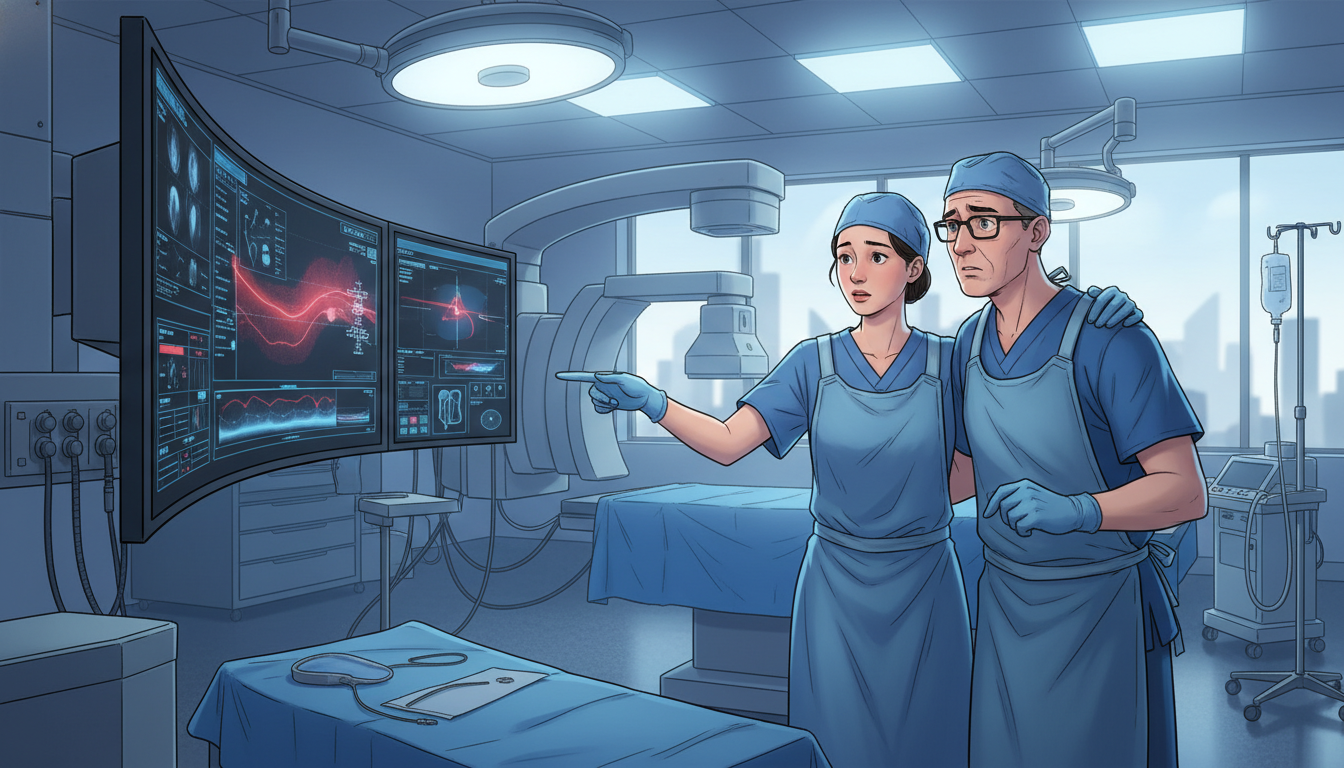
Practical Strategies for DO Graduates to Evaluate Turnover Risk
You cannot entirely eliminate risk, but you can substantially reduce the chance of matching into a problematic program by systematically evaluating resident turnover red flags.
1. Do Your Homework Before the Interview
Use these steps for every interventional radiology residency on your list:
Study the resident roster over time
- Use the Wayback Machine (archive.org) to see prior versions of the residency page.
- Note any classes that “shrink” over time.
Search for public signals of turmoil
- News articles about leadership changes, loss of accreditation, or institutional scandals.
- ACGME citations or probation history (if publicly available).
Talk to alumni from your DO school
- Ask where they are training in IR and whether they’ve heard about programs with residents leaving program frequently.
- DO graduates are often candid about osteopathic residency match realities at specific institutions.
2. Ask Targeted Questions About Turnover—Tactfully
During interviews or second looks, consider asking:
- “Have there been any residents who left the program or transferred in recent years? What were the circumstances?”
- “How has the program responded to feedback from past residents who had concerns?”
- “How stable has your IR faculty group been over the last 5 years?”
- “How do you monitor resident workload and burnout, especially given the call intensity in IR?”
For DO-specific concerns, you might also ask:
- “How many DO graduates have trained here recently? How have their experiences been?”
- “Have there been any differences in outcomes or support needs between MD and DO residents?”
You’re not interrogating; you’re assessing whether the program can have a candid, professional conversation about its history.
3. Weigh a Single Departure Differently From a Pattern
Interpreting turnover often comes down to context:
Single resident leaving, with a clear, understandable reason (e.g., family relocation, switched to another specialty they were more passionate about, health issues) and consistent explanations:
- Not necessarily a red flag.
Multiple residents leaving, especially within the same 3–5-year window, or leaving late in IR training, or with vague, inconsistent explanations:
- Strongly concerning; this is where the phrase resident turnover red flag most directly applies.
When evaluating your rank list, treat patterns of unexplained departures as heavily negative factors—especially if paired with signs of high workload and poor support.
4. Consider How Turnover Intersects With IR Match Competitiveness
Because interventional radiology residency positions and the overall IR Match are highly competitive, some applicants are tempted to “take any spot I can get.” For a DO graduate, that pressure can feel even stronger.
But remember:
- A toxic, unstable IR program may damage your career far more than waiting a year, matching into diagnostic radiology first, or pursuing IR via ESIR or an independent track later.
- A program with residents leaving program regularly may struggle to provide the procedural volume, case diversity, or mentorship you need to be competitive for jobs or fellowships after training.
- Your board performance, mental health, and long-term satisfaction are at significant risk in chronically unstable programs.
Choosing a healthier, slightly less “prestigious” program with solid culture and stable residents is often wiser than joining a name-brand institution with deeply entrenched program problems.
Balancing Risk and Opportunity: How Much Turnover Is Too Much?
Turnover is nuanced. Here’s a simple framework you can use as a DO applicant in IR:
Mild Concern (Monitor, Ask Questions)
- One resident left over 5+ years.
- Clear, specific explanation (e.g., family move, personal medical reason).
- Current residents express mostly positive experiences and feel supported.
- Faculty turnover minimal; teaching structure stable.
Action: Keep the program in consideration but confirm that any issues have been addressed.
Moderate Concern (Proceed With Caution)
- Two residents have left in ~5 years, or one left late in IR training.
- Explanations are somewhat vague or inconsistent between sources.
- Some current residents hint at heavy workload or limited autonomy.
- Notable faculty turnover in IR group.
Action: Ask direct questions during interviews and second looks; downgrade on your rank list if responses remain unclear.
High Concern (Serious Red Flag)
- More than two residents left or transferred in 3–5 years, especially in a small IR program.
- Class sizes appear reduced, with unexplained gaps on the website.
- Explanations are defensive, evasive, or inconsistent.
- Residents appear burned out, fearful, or uniformly guarded with their answers.
- Significant IR faculty churn with changing leadership and system instability.
Action: Strongly consider ranking this program low or not ranking it at all, even if it feels like your “best shot” on paper.
FAQs: Resident Turnover and IR Residency for DO Graduates
1. As a DO graduate, should I avoid any IR program that’s had a resident leave?
No. A single resident departure is not automatically disqualifying, particularly if:
- The reason is specific and plausible (family, health, career pivot).
- The program can clearly explain what, if anything, they changed afterward.
- Current residents seem genuinely satisfied and supported.
You’re looking for patterns of turnover, especially combined with signs of overwork, poor communication, or unstable leadership.
2. How can I tell if DO residents specifically have had problems at a program?
Try these strategies:
- Ask directly if the program has trained DO residents and whether any have left.
- Reach out (via alumni networks, social media, or your school) to recent DO graduates who matched there.
- Look at past resident lists for “DO” designations and track where those residents ended up.
If multiple DO residents have left or transferred, you should assume there may be systemic issues in how the program supports or integrates DO trainees.
3. Is it safer to match diagnostic radiology first and pursue IR later if I’m worried about turnover?
For some DO applicants, yes. Matching into a strong, stable diagnostic radiology program with ESIR pathways can offer:
- Time to find an interventional radiology residency or independent IR program with a better track record.
- More flexibility to avoid programs with major program problems or high turnover.
- A more secure fallback specialty if you ultimately change your career focus.
This path may be strategically wiser than committing early to an integrated IR program that shows multiple resident turnover red flags.
4. What if a program is very prestigious but has had several residents leave?
Prestige does not protect you from:
- Burnout
- Toxic culture
- Poor mentorship or autonomy
- Chaotic systems that compromise education
If a highly ranked or famous IR program has a pattern of residents leaving program, missing classes, or evasive explanations, treat that as seriously as you would at any other institution. Your day-to-day quality of life and long-term growth matter more than name recognition on your CV.
Resident turnover is one of the clearest windows into a residency program’s true health. As a DO graduate targeting interventional radiology, taking the time to carefully evaluate resident turnover warning signs—and integrating them into your IR Match strategy—can help you avoid unstable programs, protect your well-being, and build the strongest possible foundation for your career in IR.