The 2 AM Panic: Are My Folded Paper Lists Ruining My Career Before It Starts?
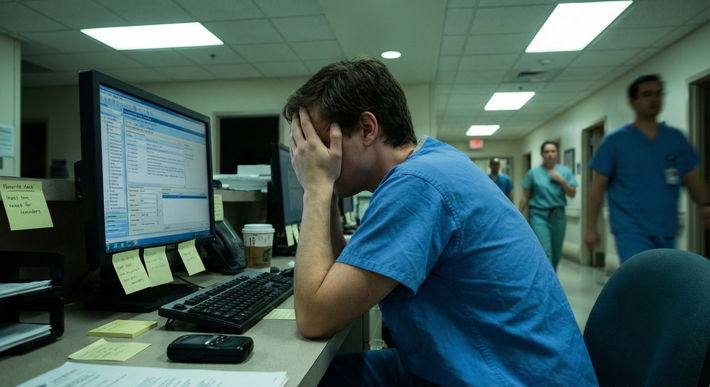
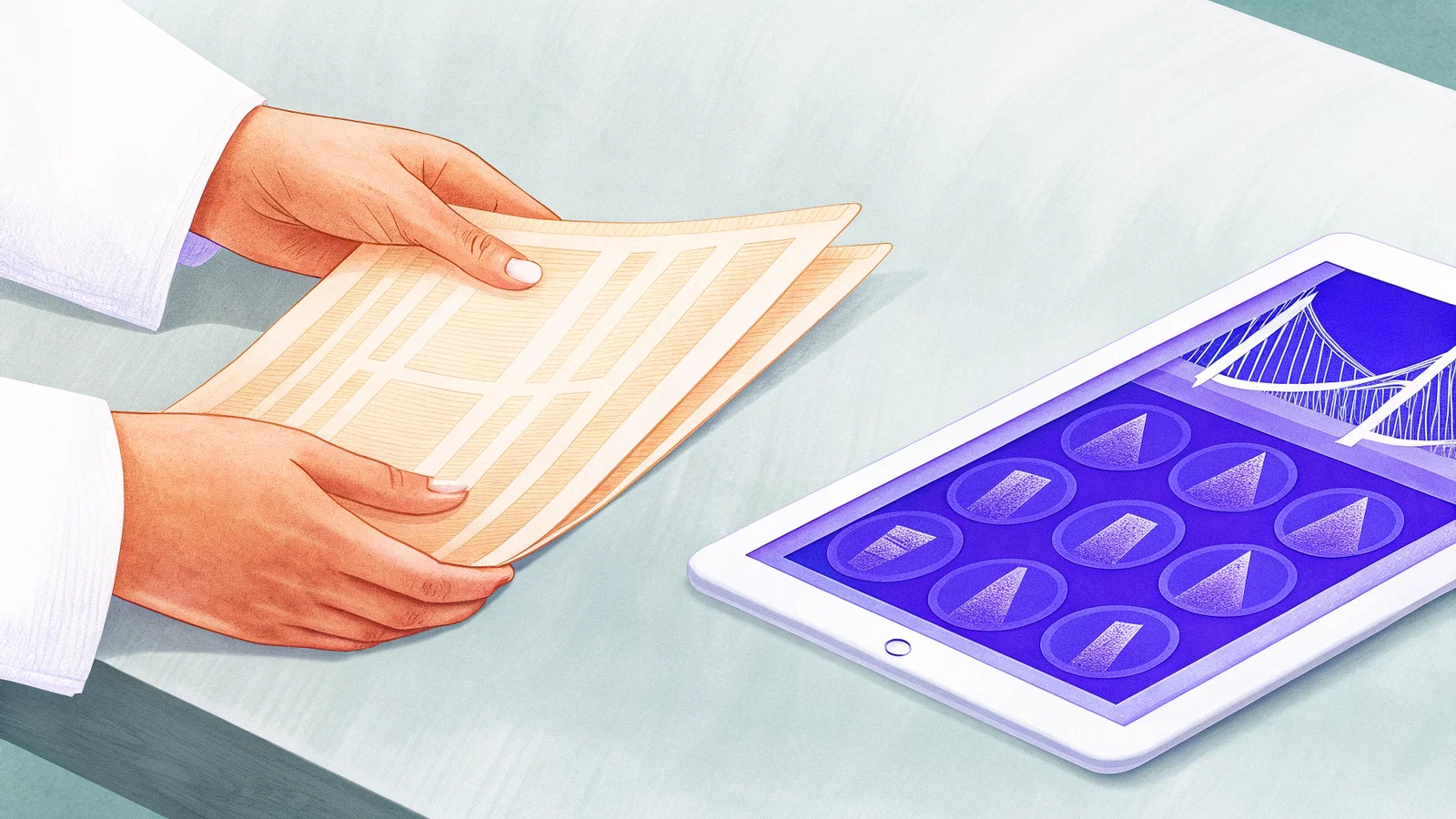
It's 2:17 AM and I'm doing it again. Staring at the ceiling. Not thinking about the crashing patient I barely stabilized during call, not replaying the brutal M&M from last week. No. I'm fixated on that stupid, folded rectangle of printer paper resting on my nightstand. The one I'll shove into my white coat pocket tomorrow morning. The one that looks like a crumpled receipt compared to Sarah's gleaming iPad Pro with its color-coded patient tracking app and haptic-feedback checklist.
Building a reliable system requires moving past the illusion of memory and adopting structured templates to track critical updates. (See also: Why 'I'll Just Remember It' Is a Dangerous Residency Myth for more.)
Yesterday, I saw her swipe through her dashboard mid-rounds, pulling up labs faster than I could unfold my damn list. And my brain whispered the worst-case scenario: This is it. The attending thinks I'm a dinosaur. He's mentally filing me under "clinically incompetent, analog, not worth teaching." Every time I pull out my paper list, I imagine him silently judging my entire existence. "Can't even use modern tools. Must be slow. Probably relying on outdated habits. Next."
I've been here before. The spiral is relentless. You start wondering if every minute detail of your presentation, your handwriting, your folding technique, your choice of ink color, is being scrutinized. You convince yourself that the other interns have it all figured out, that their digital dashboards make them look like the future of medicine while you're some relic from a bygone era of illegible notes and dropped labs. The fear isn't really about the paper. It's about feeling like you're already behind, that you're one wrong move away from being branded a failure. At 2 AM, the ceiling is a perfect canvas for your imposter syndrome to paint the ugliest picture.
I've replayed rounds in my head and counted the milliseconds the attending looked at my list versus the iPad. I've tried to read his facial expressions for hidden disgust. It's exhausting. And honestly? I've never once heard an attending complain about paper. But logic doesn't live here at 2 AM.
Myth vs. Reality: Where Did the Fear of Paper Actually Come From?
Somewhere along the way, we internalized a myth: high-performing residents glide through rounds with sleek tablets, tapping into secure messaging apps, and pulling up uptodate at the bedside. The flip side, then, is that paper = outdated, low-tech, and ultimately, incompetent. This myth is perpetuated by medical school orientations that tout the latest EMR-integrated apps and by those rare, Instagram-ready studygrams showing a crisp iPad with a stylus. But the reality is much messier.
I've stood on rounds where my attending paused mid-presentation to wait for a co-intern to silence a buzzing notification. I've seen an attending tilt her head and say, "Can you put the screen down and just tell me what you think?" She wasn't nostalgic for the stone age. She was looking for a human being, not a pair of glowing eyes. The truth is, many seasoned physicians actively distrust digital devices during rounds. They see them as potential distractions. They want you to process the data, not just parrot it from a screen. They want you to look at the patient, not a glowing rectangle.
The gap between perception and reality is staggering.
Imposter syndrome twists a simple organizational choice into a glaring neon sign of incompetence. You look at your folded paper and see a confession of weakness, while the attending sees a tool that keeps you engaged and reduces the chance of you missing a critical lab value because you were busy closing a pop-up ad. The fear isn't grounded in empirical evidence. It's grounded in the terrifying belief that everyone else is better than you, and that your toolkit is one more piece of proof.
The Cognitive Load Trap: Why Digital Devices Might Actually Be Hurting You
Here's the brutal truth I've learned the hard way: staring at a tablet screen during rounds can make you look exactly like what you fear, disengaged, distracted, and lost in notification hell. The cognitive load of a digital device is enormous. You're not just trying to recall the patient's potassium trend. You're also subconsciously checking for Slack messages, group chat pings, and the constant temptation to swipe. The attendings see it. They see your eyes flicker away from the patient. They see you scrolling instead of listening. And they draw conclusions.
I once watched a co-intern pull up a patient's chart on a tablet, only to have a text from his girlfriend pop up. He blushed, fumbled, and the attending just stared. It wasn't career-ending, but it was a micro-moment of lost trust. The analog alternative? A folded paper list forces you to engage in active recall. You handwrote the morning labs, so you're more likely to remember them. You physically processed the data, not blindly copied and pasted from the EMR. That's not incompetence. That's a deliberate cognitive strategy.
The following flowchart is the mental model I now use to stop panicking:
What attendings are actually looking for: clinical reasoning. Communication. Safety. They don't care if your stationery is a $2 notepad or a $1,200 iPad. They care if you know the patient's code status, if you recognized the trending creatinine, if you've already called the consult. The tool is irrelevant. The judgment is about your brain, not your gear.
Surviving Residency Ward Culture: Finding Your Own Sustainable Workflow
Residency is a war of attrition against your own sanity. You don't need to win a tech fashion show. You need a system that prevents dropped labs and lets you sleep at night. I've developed a hybrid workflow that stops the 2 AM spiral: I extract data from the EMR in the morning, distill it onto a standardized paper template (the classic "fold-in-half-then-thirds" layout), and keep a minimalist digital backup on my phone for quick reference only. No notifications. No apps. Just a secure, offline view of the essentials.
Here's how to build your own bulletproof sheet:
- Use a template with clear sections for vitals, labs, checklist, and a rapid recall box for the attendings' pet peeves (like "did they have a bowel movement?").
- Fold it so patient identifiers are hidden, HIPAA fear is real, and you don't want to be the one who drops a list in the cafeteria.
- Write in pencil or erasable pen so you can update throughout the day without creating a chaotic mess.
- Always shred your list at shift end. No exceptions. The terror of a breach is far worse than the terror of looking uncool.
You are not defined by your clipboard or your paper. You are defined by your care for your patients and your willingness to learn. The attendings who matter will notice that you're the one who caught the heparin drip dose error, not the one with the most expensive tablet. The paper is just a tool. The panic is just a lie your brain tells you at 2 AM.