Follow this exact 4-week night float roadmap for residents: when to shift sleep, time caffeine, and schedule workouts to adapt fast and avoid burnout now.
27 articles found in 1.07s
Follow this exact 4-week night float roadmap for residents: when to shift sleep, time caffeine, and schedule workouts to adapt fast and avoid burnout now.
Evidence-based data on caffeine, sleep loss, and pre-exam panic in medical students, plus physiology, timing, and study-performance impacts.
Optimize caffeine timing and dosing for night-shift performance - evidence-based schedules to boost vigilance, reduce errors, and protect post-call sleep.
Practical 72-hour plan to switch from night shifts back to day shifts without crashing. Use sleep, light, and caffeine strategies to stay functional fast.
Post-call recovery: a 24-hour, hour-by-hour plan for residents to protect sleep, manage caffeine, optimize naps, and reboot energy safely after 24-28 hour shifts.
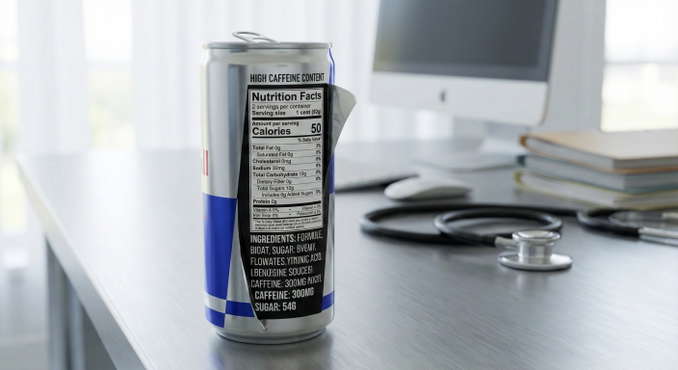
Evidence-based guidance for staying awake safely on night shifts: when to use caffeine, why energy drinks harm sleep, and smarter alertness strategies.
How much caffeine is safe on night shifts? Practical limits and timing for residents, evidence-based 100-300 mg recommendations and 400 mg ceiling.
Practical strategies for residents to optimize short 'anchor sleep' blocks during night float rotations, schedules, naps, light exposure, and caffeine tips.
Night float week guide for interns: week-by-week plans to prepare, adapt, and recover with sleep training, caffeine strategy, gear, and shift tactics.
Resident guide to reset after night shifts: timed sleep, light, and caffeine tips to restore circadian rhythm and be functional on day one.