Build a realistic reading schedule for heavy night-call months: maintain knowledge with micro-reading, filtered flashcards, and short Q-bank goals for residents
944 articles found in 1.07s
Build a realistic reading schedule for heavy night-call months: maintain knowledge with micro-reading, filtered flashcards, and short Q-bank goals for residents
Master using night-call and cross-cover stories in behavioral interviews: show judgment, escalate appropriately, avoid heroism, and choose safer examples.
Compare night-call loads across residency specialties and PGY levels, see typical nights/month, call types, and where training demands the most overnight work.
Improve night-call performance: when to nap before call, best nap lengths (15-90 min), and timing tips to avoid sleep inertia for residents.
Master oral board night-call scenarios with a structured on-call algorithm, clear triage triggers, and phone-to-bedside steps to demonstrate safe judgment.
Practical night-call guide for residents: rapid GI bleed assessment - prioritize airway, circulation, IV access, urgent labs, and early ICU/GI activation.
Analyze duty hours and call frequency across common prelim models (TY, IM, surgery). See weekly-hour averages, night-call patterns, and pick the right program.
Afraid to ask for help overnight? Learn why calling isn't incompetence, how seniors respond, and how to make confident night-call decisions.
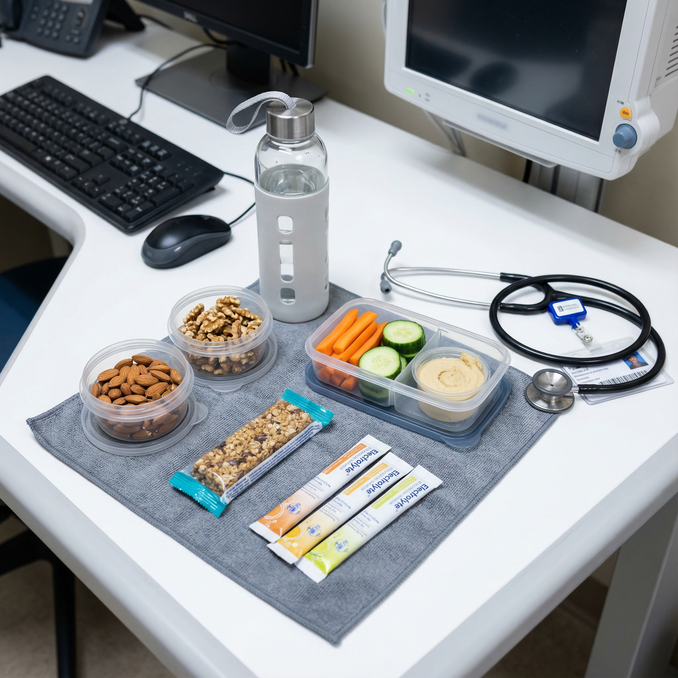
On-call bag packing checklist for residents: must-have medical tools, phone power, ID, snacks, sleep and hygiene essentials to survive call nights. Pack smart.
Hate night call? Learn which specialties and practice setups minimize overnight work, tradeoffs, and practical steps to shape a low-call medical career.