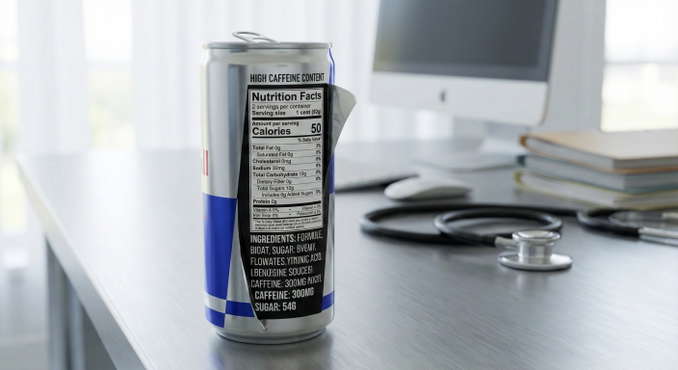
Optimize caffeine timing and dosing for night-shift performance - evidence-based schedules to boost vigilance, reduce errors, and protect post-call sleep.
87 articles found in 1.16s
Optimize caffeine timing and dosing for night-shift performance - evidence-based schedules to boost vigilance, reduce errors, and protect post-call sleep.
Compare 8-, 12-, and 24-hour shift models and learn how shift length, weekly hours, and schedule control affect burnout, fatigue, and medical error risk.
How much sleep do residents need to stay safe? Learn evidence-based sleep needs, risks of sleep deprivation, and practical tips for 6-8 hours.
Learn evidence-based guidance on how many consecutive night shifts are safest for residents, compare night shift schedules, risks, and recovery strategies.
Compare night float vs 24-hour call outcomes: resident sleep, fatigue, patient safety, errors, and education, evidence-based data to guide program decisions.
Evidence-based guide: how much sleep residents need to function safely (7-8 hrs), why <6 hrs is risky, and how to reduce fatigue-related errors.
Identify when night shift anxiety is normal vs. a real safety risk for residents, learn key signs, when to seek help, and practical next steps.
4-week plan to fix chronic sleep deprivation in residency: practical tracking, naps, anchors, and habits to boost resident sleep and reduce fatigue.
Cohort studies show night shifts raise medical errors, injuries, and resident burnout. Read evidence-based risks and practical mitigation strategies.
Explore data linking residency work hours to burnout and depression, learn thresholds, sleep impacts, and actionable steps to reduce resident mental health risks.