From Panic to Peace: How to Tackle Test Anxiety Head-On in Medical School
Test anxiety is more than just “pre-exam jitters”—especially in medical school, where a single test can feel like it determines your future specialty, residency prospects, or even your worth as a future physician. The combination of high stakes, relentless evaluation, and heavy workload can turn otherwise capable, hardworking students into anxious, self-doubting versions of themselves.
If you’ve ever:
- Felt your heart race or your hands shake as you open an exam booklet
- Blank out on questions you know you studied
- Spent the night before an exam catastrophizing about failing out of school
…you’re not alone. Test anxiety is common, treatable, and manageable with the right exam strategies and anxiety management tools.
This guide is tailored for medical students and residents in training. It will help you:
- Understand what test anxiety really is and how it affects performance and mental health
- Recognize the symptoms and impact on student success
- Learn concrete, evidence-informed strategies to manage anxiety before, during, and after exams
- Build long-term habits that support both academic performance and overall mental health
The goal is not to eliminate anxiety completely—that’s neither realistic nor necessary. Instead, you’ll learn how to transform overwhelming panic into focused, productive energy so you can perform closer to your true potential.
Understanding Test Anxiety in Medical Training
Test anxiety is a specific type of performance anxiety: a strong emotional, cognitive, and physical reaction that occurs before or during evaluation situations like written exams, OSCEs, shelf exams, and standardized tests (e.g., USMLE, COMLEX).
What Is Test Anxiety—Really?
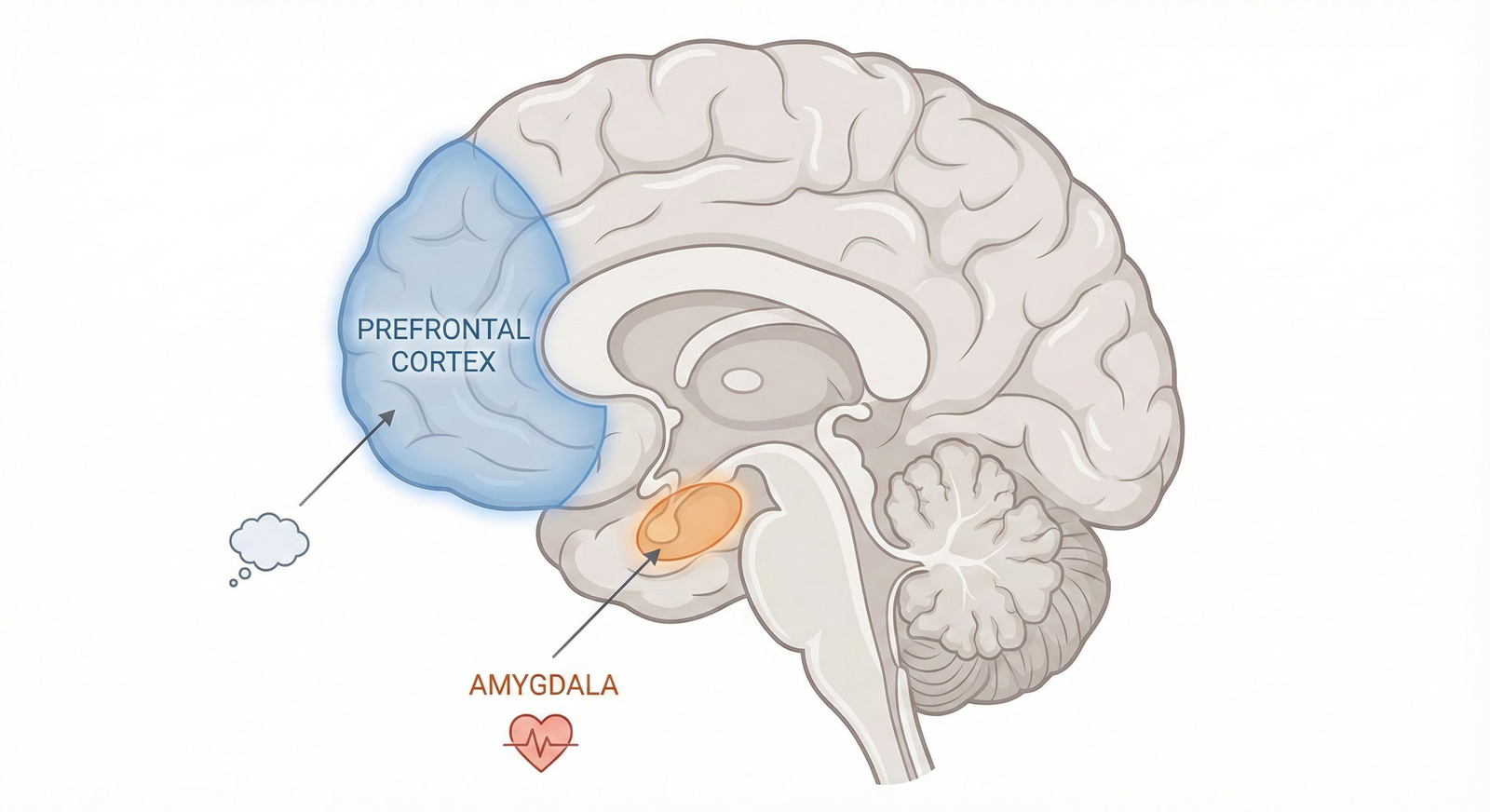
At its core, test anxiety is your brain’s “threat response” misfiring in an academic context. Your body responds to an exam as if you’re in danger, triggering:
- Physiological arousal: Adrenaline, increased heart rate, sweating
- Cognitive changes: Narrowed focus, racing thoughts, “blanking out”
- Emotional distress: Fear, dread, shame, irritability
A moderate amount of anxiety can actually sharpen focus and boost performance. The problem arises when anxiety becomes so high that it interferes with your ability to think clearly, recall information, and use exam strategies effectively.
Common Causes of Test Anxiety in Medical Students
The general causes of test anxiety apply to all students, but medical training introduces unique pressure points:
Fear of Failure and Catastrophic Thinking
- “If I fail this exam, I’ll never match into residency.”
- “If I don’t honor this rotation, everyone will think I’m incompetent.”
These thoughts turn a single assessment into a perceived threat to your entire future.
Perfectionism and Impostor Syndrome
- Perfectionistic standards: Expecting to know everything in a field that is inherently vast and evolving.
- Impostor feelings: Believing you’re a fraud and that any exam might “expose” you.
Both drive chronic self-doubt and amplify test anxiety.
Lack of Effective Preparation (Not Just Hours Studied)
Test anxiety is often worsened by:- Passive studying (re-reading, highlighting) instead of active recall
- Inconsistent or last-minute studying
- Not practicing with exam-style questions
Even very hard-working students can feel anxious if their study strategies are inefficient.
Previous Negative Experiences
- A failed exam, low score, or humiliating oral questioning (“pimping”) can leave emotional scars.
- You may start to associate any exam setting with shame, fear, or panic.
Underlying Anxiety or Mood Disorders
- Generalized Anxiety Disorder (GAD), depression, ADHD, or other conditions can amplify test anxiety.
- Sleep deprivation, burnout, and chronic stress in medical training further erode resilience.
High-Stakes, High-Frequency Testing
- Frequent quizzes, OSCEs, NBME exams, boards—all stacked together.
- Constant evaluation can keep you in a near-constant “threat mode.”
Recognizing your personal mix of triggers is the first step toward effective anxiety management.
Symptoms: How Test Anxiety Shows Up
Test anxiety can manifest in three overlapping domains:
Physical Symptoms
- Rapid heartbeat, tight chest, or shortness of breath
- Sweaty palms, trembling, or muscle tension
- Nausea, stomach pain, or urge to use the bathroom
- Headaches, dizziness, feeling “wired” or unusually fatigued
Cognitive Symptoms
- Difficulty concentrating on questions or reading stems
- Racing or “crowded” thoughts
- Mental “white-out” or blanking on information you know
- Intrusive worries: “I’m going to fail,” “I’m not cut out for this”
Emotional Symptoms
- Intense fear, dread, or sense of impending doom
- Irritability, frustration, or anger
- Shame, hopelessness, or feeling defeated before even starting
If these symptoms repeatedly interfere with studying or test performance, it’s a sign your test anxiety deserves a structured plan—not just “trying harder.”
How Test Anxiety Impacts Performance, Learning, and Mental Health
Test anxiety doesn’t only affect your score on a single test; it can influence your entire medical school experience and mental health trajectory.
The Vicious Cycle of Anxiety and Performance
- You feel anxious about an exam.
- Anxiety distracts you during studying and on test day.
- Performance suffers—even if you knew the material.
- The disappointing result reinforces beliefs like “I’m bad at tests” or “I’m not good enough for this field.”
- Anxiety increases for the next exam, and the cycle repeats.
Over time, this can turn into chronic self-doubt, avoidance of challenging opportunities, and burnout.
Effects on Learning and Long-Term Retention
High anxiety:
- Reduces working memory capacity, making it harder to hold and manipulate information
- Interferes with encoding new material and retrieving it later
- Encourages short-term cramming instead of durable learning (spaced repetition, retrieval practice)
This means test anxiety can weaken not just your grades, but your actual clinical knowledge and confidence.
Mental Health and Student Success
Unchecked test anxiety can contribute to:
- Sleep disruption and chronic fatigue
- Increased use of caffeine, stimulants, or other substances
- Burnout, emotional exhaustion, and detachment
- Worsening depression or generalized anxiety
Addressing test anxiety is not just about getting better scores; it’s a core part of protecting your mental health, preserving your motivation, and supporting long-term student success.

Evidence-Informed Strategies to Tackle Test Anxiety
Test anxiety responds best to a multi-pronged approach: improving how you prepare, how you think, and how you manage your body’s stress response. The strategies below are tailored for the realities of medical training.
1. Build a Smarter, Not Just Harder, Study System
A. Start Earlier Than Feels Comfortable
Aim to start structured studying 2–4 weeks before a block exam and several months before major standardized exams. Early preparation reduces last-minute panic and helps your nervous system feel more in control.
B. Use Active Learning and Retrieval Practice
Shift from passive to active study methods:
- Question Banks (Q-banks): Treat them as a primary tool, not an afterthought. Practice with timed blocks to mimic real testing conditions.
- Flashcards (Anki or similar): Use spaced repetition for high-yield facts, formulas, and diagnostic criteria.
- Teach-Back Method: Explain a topic out loud as if teaching a classmate. If you can teach it clearly, you likely understand it.
C. Structure Your Study Sessions
Break large tasks into smaller, more manageable blocks:
- 25–50 minutes study + 5–10 minutes break (Pomodoro-style)
- Daily plan: specific topics + number of Q-bank questions
- Weekly review: revisit weaker areas based on your question performance
A predictable structure reduces uncertainty, which itself can be a major trigger for test anxiety.
2. Strengthen Test-Taking Skills and Exam Strategies
Even well-prepared students can struggle if they lack effective test-taking skills.
A. Simulate the Exam Environment
At least once a week (more often as exams approach):
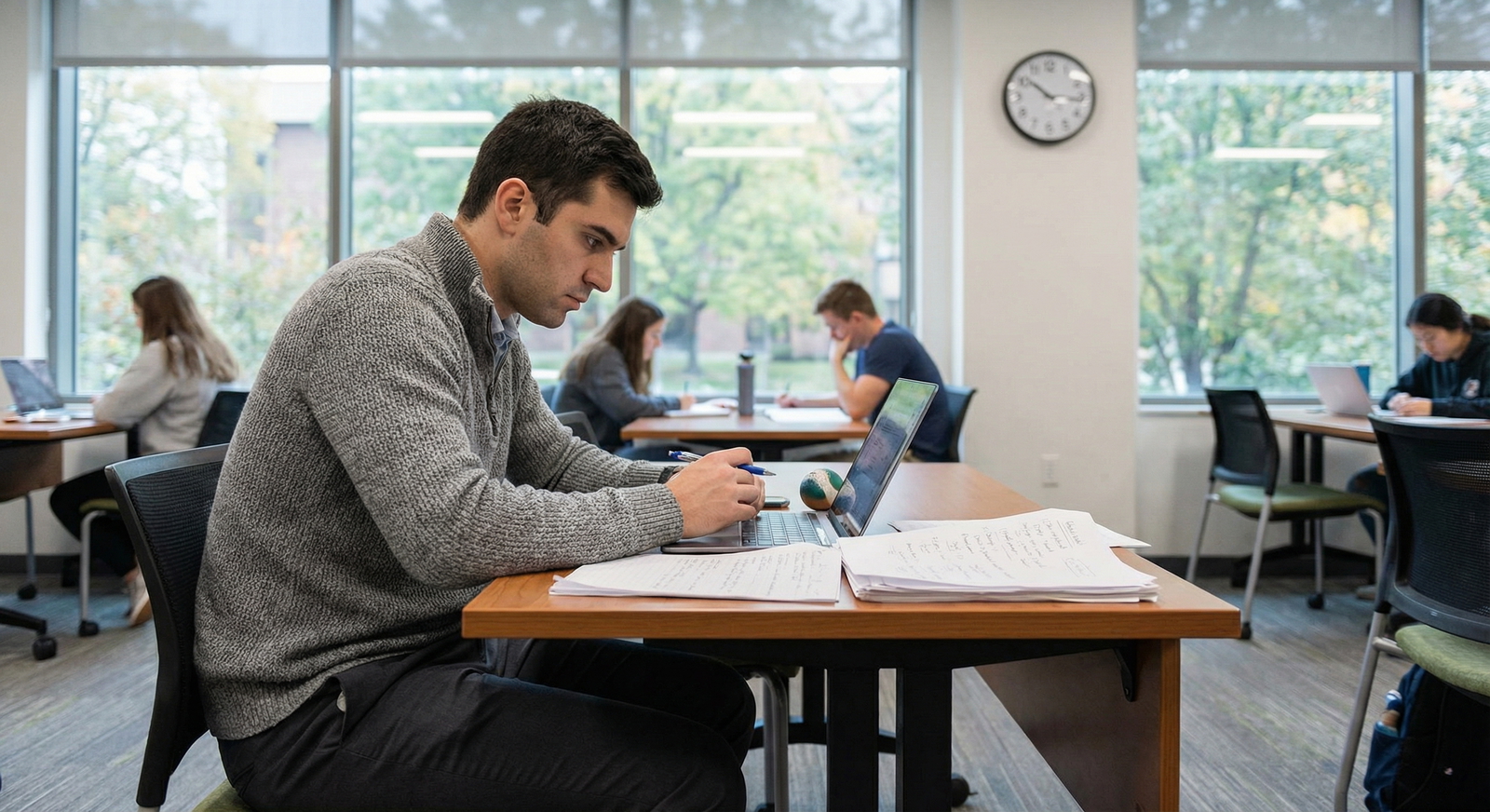
- Sit in a quiet place
- Time yourself as you do a block of questions
- No phone, no interruptions
This helps desensitize your nervous system to the pressure of the clock and the exam interface.
B. Develop a Pre-Exam Game Plan for Question Approach Practice a consistent method for each test question:
- Read the last sentence of the stem first to know what’s being asked.
- Quickly skim the stem to identify key clues.
- Generate a hypothesis before looking at answer choices.
- Use elimination and pattern recognition to narrow answers.
The more automatic your process, the less cognitive bandwidth anxiety steals.
C. Learn to Triage During the Exam
- Start with easier questions to build confidence.
- Flag very difficult questions and move on; return if time permits.
- Avoid getting stuck on a single item—this is a major anxiety trap.
3. Use Mental Preparation and Anxiety Management Techniques
Mental rehearsal and cognitive-behavioral strategies can significantly reduce test anxiety and improve performance.
A. Visualization and Mental Rehearsal
Spend 3–5 minutes daily:
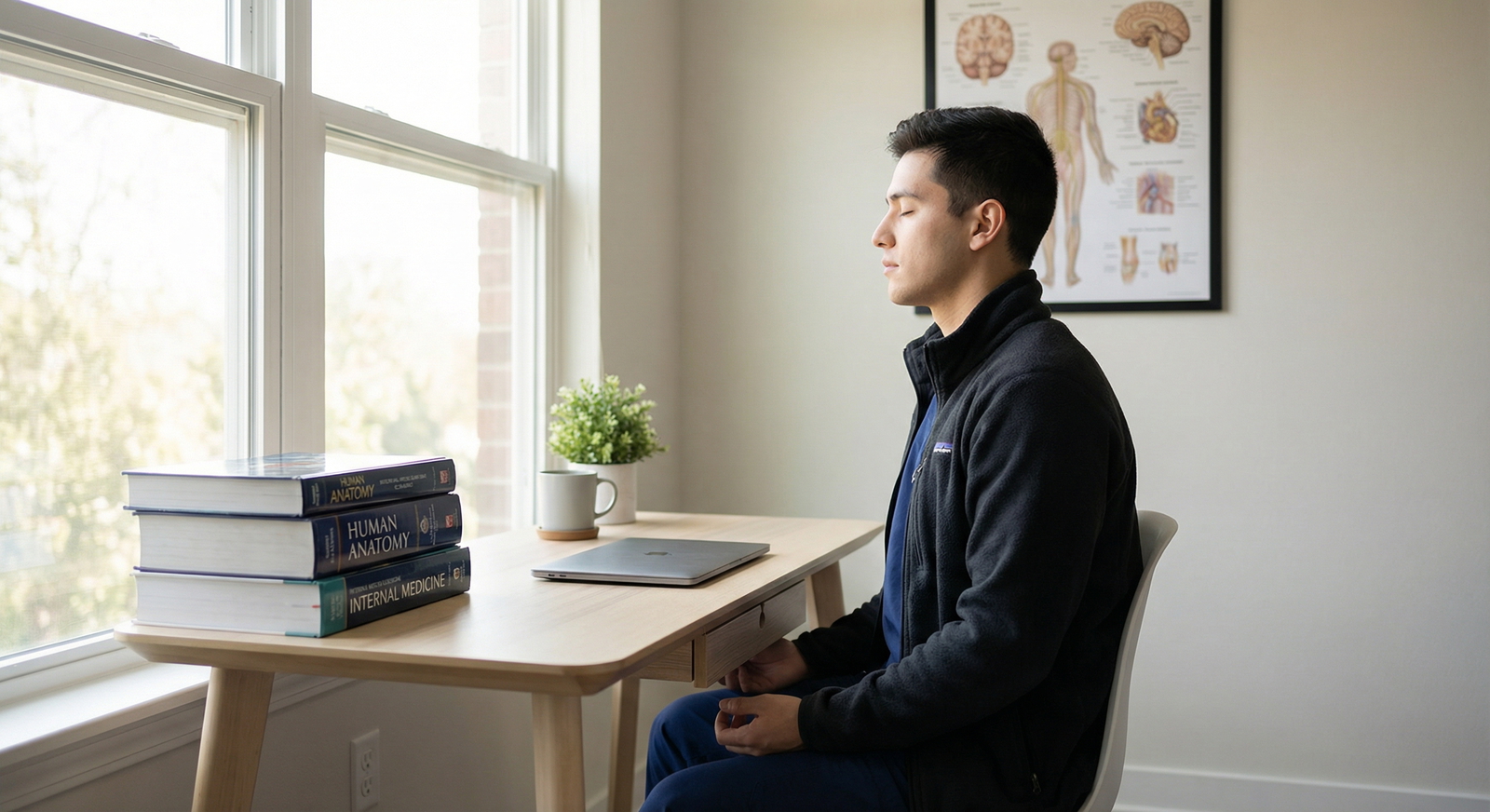
- Visualize yourself walking into the exam room feeling calm and prepared.
- Imagine reading questions, recalling information smoothly, and pacing yourself well.
- See yourself finishing the exam with a sense of competence, not dread.
This trains your brain to associate exams with control and capability rather than panic.
B. Cognitive Restructuring (Challenging Unhelpful Thoughts)
Notice common anxious thoughts and actively challenge them:
Thought: “If I don’t honor this exam, I’ll never match.”
- Reframe: “One exam is important but not all-determining. My application is built over years, not one day.”
Thought: “I always mess up under pressure.”
- Reframe: “I’ve succeeded under pressure before. Anxiety is uncomfortable, but I can function with it.”
Thought: “Everyone else knows more than I do.”
- Reframe: “I only see others’ highlights, not their struggles. I’m improving at my own pace.”
Write down your top 3 anxious thoughts and create rational, kinder counter-statements. Review them regularly, especially before tests.
C. Mindfulness and Grounding for Test Anxiety
Incorporate short daily practices:
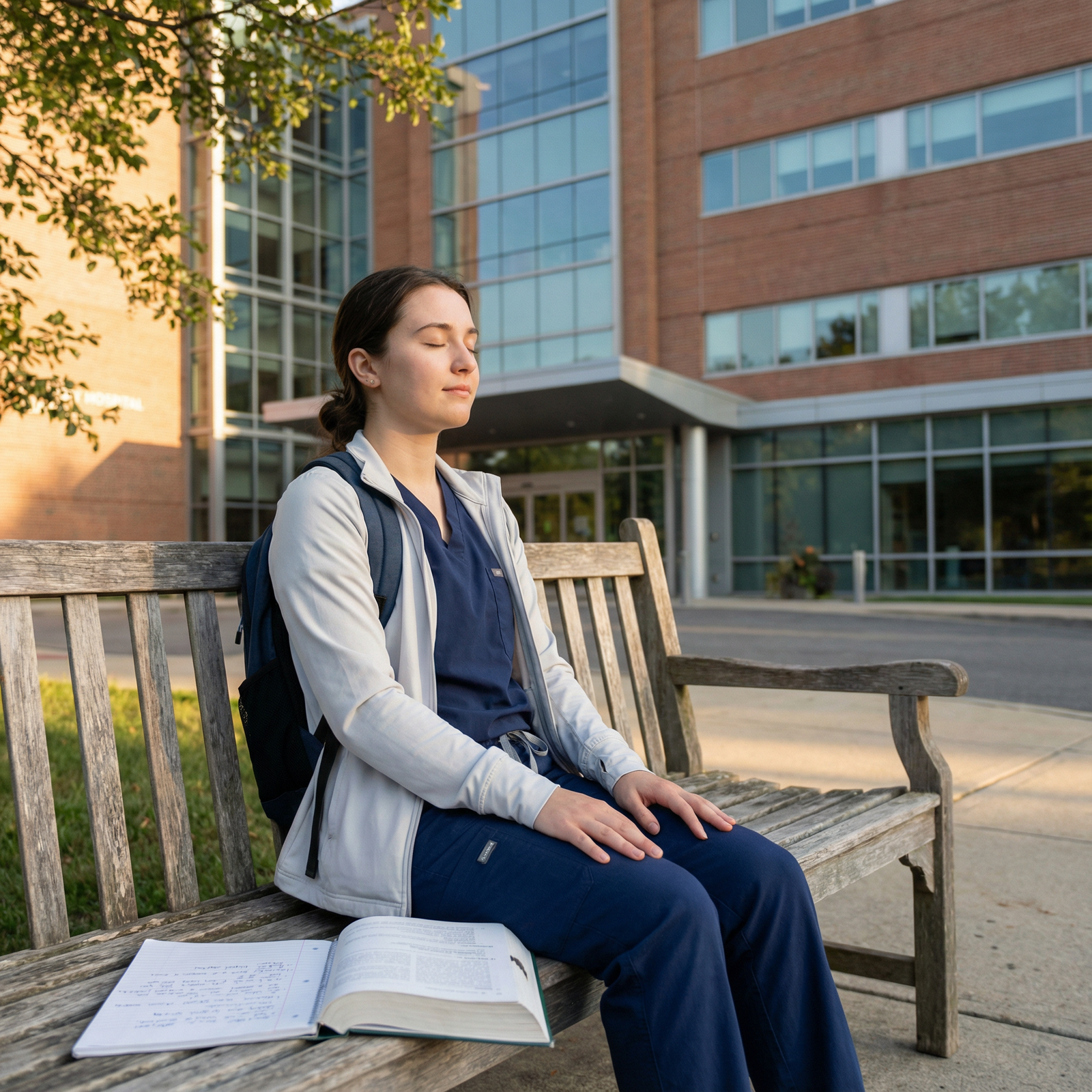
- One-minute breathing check-ins between study blocks
- Body scan before bed to release tension
- 5–4–3–2–1 grounding (during intense anxiety):
- 5 things you see
- 4 things you can touch
- 3 things you hear
- 2 things you can smell
- 1 thing you can taste
These techniques help pull you out of catastrophic thinking and back into the present moment.
4. Establish a Consistent Pre-Test Routine
A stable routine can cue your body and mind into a “ready” state.
Consider including:
The Night Before
- Stop heavy studying at least 2–3 hours before bed
- Light review only (flashcards or summary notes)
- Prepare exam materials (ID, pencils, snacks, water, directions)
- Aim for 7–9 hours of sleep—use sleep hygiene: no screens 30–60 minutes before bed, dim lights, cool room
The Morning Of
- Wake up with enough buffer time to avoid rushing
- Eat a balanced, familiar breakfast (nothing brand new to your stomach)
- 5–10 minutes of gentle movement (walk, stretches) to reduce physical tension
- 3–5 minutes of breathing or visualization
Arriving at the Test Site
- Avoid last-minute panic discussions or “rapid high-yield reviews” with very anxious peers
- Use a short, calming ritual: a few deep breaths, repeating a grounding phrase like, “I’ve prepared. I can handle this one question at a time.”
Consistency turns this routine into a psychological “anchor,” which stabilizes your nervous system.
5. Manage Anxiety During the Exam in Real Time
Test anxiety management doesn’t stop once the exam starts. Use these in-exam strategies:
A. Controlled Breathing (Box Breathing or 4–4–4–4)
When you feel anxiety spike:
- Inhale through your nose for 4 seconds
- Hold for 4 seconds
- Exhale slowly through your mouth for 4 seconds
- Hold empty for 4 seconds
Repeat for 3–5 cycles.
This slows your heart rate and signals safety to your nervous system.
B. Micro-Resets Between Questions
If you blank on a question:
- Notice the panic: “I’m freaking out.”
- Take one deeper breath.
- Tell yourself: “It’s one question. I don’t need perfection. I just need my best reasonable guess.”
- Make your best guess, flag if allowed, and move on.
Avoid letting one hard question contaminate the rest of the exam.
C. Time Checkpoints
If the exam is 2 hours long:
- Aim to quickly check the clock at 30, 60, and 90 minutes.
- Adjust your pace if needed, but avoid obsessive time-checking.
6. Build Support Systems and Use Available Resources
Test anxiety often improves faster when you’re not tackling it alone.
A. Study Partners and Groups
- Choose peers who are collaborative, not competitive or catastrophizing.
- Use group time for: teaching difficult concepts, quizzing each other, and explaining rationales for questions.
B. Mentors and Faculty
- Ask senior students or residents how they managed test anxiety and which exam strategies worked for them.
- Reach out to course directors if anxiety is affecting your performance; they may suggest resources or adjustments.
C. Counseling and Mental Health Services
Many medical schools offer free or low-cost counseling:
- Cognitive Behavioral Therapy (CBT) is well-supported for test anxiety.
- Therapy can also address underlying mood or anxiety disorders, perfectionism, and self-worth issues.
Seeking help is a sign of professionalism and self-awareness, not weakness.
7. Reflect and Reset After the Exam
How you handle the after phase can either reinforce the anxiety cycle or gradually break it.
A. Limit Post-Exam Autopsy
- Avoid hours of “question-by-question” debrief with classmates.
- Accept that you will not know your score immediately, and rumination will not change it.
B. Structured Debrief—When You’re Ready
Once results are out, ask:
- What worked in my preparation?
- Where did I lose points—content gaps, timing, anxiety, misreading questions?
- What one or two changes will I make next time?
C. Practice Self-Compassion
Remind yourself:
- One exam does not define your ability to be an excellent physician.
- Learning medicine is a long process; discomfort and imperfection are inherent.
This compassionate stance supports resilience and sustainable growth.
Lifestyle Habits That Support Anxiety Management and Student Success
Your baseline mental and physical health profoundly influences test anxiety.
Sleep: The Non-Negotiable Foundation
- Aim for 7–9 hours most nights, especially in the week leading up to exams.
- Chronic sleep deprivation worsens attention, memory, and emotional regulation—directly worsening test anxiety.
- If you struggle with falling or staying asleep, consider sleep hygiene strategies or consulting a clinician.
Physical Activity as a Natural Anxiety Regulator
You don’t need intense workouts—consistent movement is key:
- 20–30 minutes of walking, light jogging, or yoga on most days
- Short stretching or movement breaks between study blocks
Exercise helps burn off stress hormones, improves sleep quality, and boosts mood.
Nutrition, Caffeine, and Substance Use
- Eat regular meals with a balance of protein, complex carbs, and healthy fats.
- Avoid excessive caffeine, especially in the 6–8 hours before sleep or an exam; too much can mimic anxiety symptoms.
- Be cautious with self-medicating using alcohol, sedatives, or unprescribed stimulants—these can worsen anxiety, especially long term.
Boundaries and Burnout Prevention
- Schedule at least small, regular breaks for non-academic life: hobbies, friends, family, nature.
- Protect at least one block of time weekly as “no-study” time to reset.
These habits are not luxuries; they are protective factors against severe anxiety and burnout.

Frequently Asked Questions (FAQs) About Test Anxiety in Medical School
Q1: Is some level of test anxiety normal, or should I be worried?
A moderate level of anxiety is completely normal and can even enhance performance by increasing alertness and motivation. It becomes a concern when:
- You repeatedly blank out on information you studied
- Physical symptoms (heart racing, nausea, shaking) feel unmanageable
- You avoid studying or exams due to fear
- Your anxiety significantly impacts your grades, sleep, or daily functioning
If that sounds like you, it’s a sign to work proactively on anxiety management—and consider professional support.
Q2: What are a few quick techniques I can use right before or during an exam?
Useful “in-the-moment” tools include:
- Box breathing (4–4–4–4 pattern) for 1–3 minutes
- Grounding exercise (5–4–3–2–1 senses) while waiting to start
- Micro self-talk scripts, such as:
- “I don’t need to feel perfect to do well.”
- “One question at a time.”
- “I’ve prepared; I can handle this.”
Practice these during study sessions so they feel familiar on test day.
Q3: How can I manage test anxiety in the long term, not just for one exam?
Long-term anxiety management is built on consistency:
- Develop a structured, active study routine with spaced repetition and regular Q-bank practice.
- Use CBT-style cognitive restructuring to challenge catastrophic thinking patterns.
- Incorporate daily or near-daily anxiety management habits: short mindfulness, exercise, and consistent sleep.
- Seek ongoing support (mentors, counseling, peer groups) rather than waiting for crisis points.
Over time, these practices retrain your brain’s response to testing and evaluation.
Q4: Can lifestyle changes really make a noticeable difference in my test anxiety?
Yes. While they may feel “too basic,” lifestyle interventions are strongly linked to reduced anxiety and better cognitive performance:
- Adequate sleep improves memory consolidation and emotional regulation.
- Regular exercise lowers baseline anxiety and improves mood.
- Balanced nutrition and moderated caffeine intake prevent physiological states that mimic or worsen anxiety.
These changes don’t replace other strategies—but they significantly enhance their effectiveness.
Q5: When should I seek professional help for test anxiety?
Consider meeting with a mental health professional if:
- Your anxiety regularly feels overwhelming or out of control
- You experience panic attacks in exam-related situations
- Your academic performance is suffering despite studying
- You notice persistent low mood, loss of interest, or thoughts of self-harm
- Your coping strategies involve risky substance use or self-destructive behaviors
A clinician (psychologist, psychiatrist, or counselor) can help differentiate test anxiety from broader anxiety or mood disorders and recommend targeted treatments, such as CBT, medication, or both.
By combining intentional exam strategies, effective study habits, and practical anxiety management tools, you can move from feeling paralyzed by test anxiety to approaching exams with more calm, control, and confidence. This transformation doesn’t happen in a single test cycle—but with each exam, you have the opportunity to practice new skills, refine your approach, and steadily shift from panic toward peace on your path to becoming a physician.