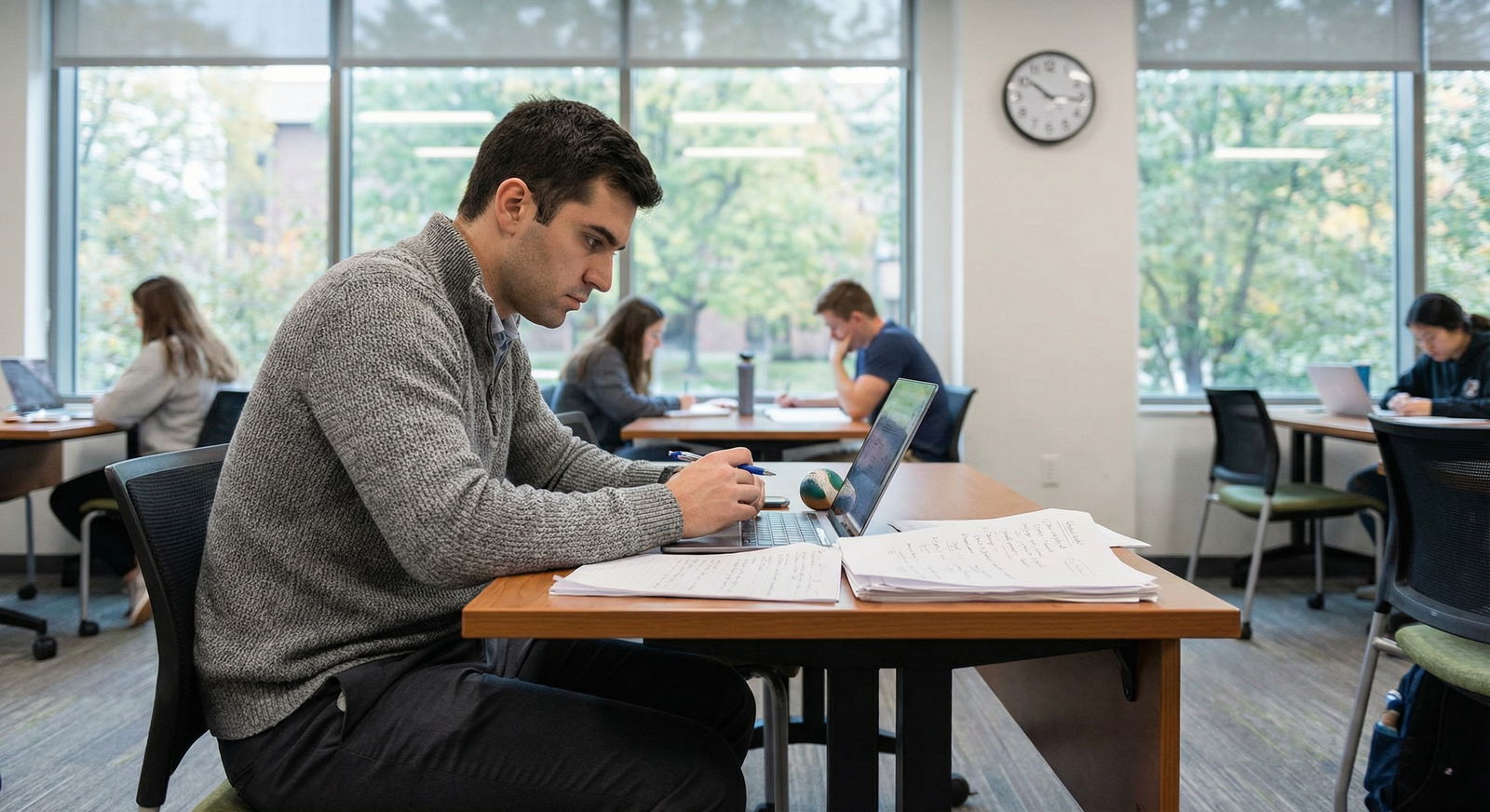
Practice Makes Progress: How Mock Exams Reduce Test Anxiety and Boost Performance
Test Anxiety is common across all levels of education, but it can feel especially intense in medical school and during high‑stakes exams like the MCAT, USMLE, COMLEX, or in‑training exams. The fear of failure, pressure to match into a competitive specialty, and the sheer volume of content can combine to create powerful physical and emotional symptoms that impair performance.
One of the most evidence‑supported and practical tools for managing this kind of stress is the deliberate, structured use of Mock Exams. When used strategically—not just as random practice questions—mock exams can transform Exam Preparation from a source of dread into a powerful engine for Student Success.
This guide walks you through why mock exams work, how to integrate them into your Study Strategies, and how to use them to directly target Test Anxiety rather than intensify it.
Understanding Test Anxiety in Medical Education
What is Test Anxiety?
Test Anxiety is a specific form of performance anxiety triggered by evaluation—often examinations. It’s not simply “being nervous”; it is an intense response that can interfere with concentration, recall, reasoning, and decision‑making.
Common symptoms include:
- Emotional: dread, irritability, feeling “blank,” catastrophizing (“If I fail this, my career is over”)
- Physical: sweating, trembling, racing heart, shortness of breath, nausea, headaches
- Cognitive: difficulty concentrating, intrusive worries, negative self‑talk (“I’m not smart enough,” “Everyone else is more prepared”)
- Behavioral: procrastination, avoidance of studying, overstudying without direction, sleep disturbance
For many medical students and residents, this anxiety peaks before:
- NBME subject/shelf exams
- USMLE/COMLEX Steps/Levels
- OSCEs and clinical skills assessments
- In‑training and board certification exams
Left unmanaged, test anxiety can lead to underperformance despite adequate knowledge, reinforcing a harmful cycle of doubt and fear.
Why Medical and Pre‑Medical Students Are Especially Vulnerable
Several features of medical training amplify Test Anxiety:
- High stakes: Exams often influence class rank, specialty options, and residency competitiveness.
- Constant comparison: Class curves, score reporting, and social media amplify perceived competition.
- Perfectionism: Many students equate minor mistakes with failure or unworthiness.
- Volume and complexity: The breadth of content creates a persistent feeling of “never enough.”
Mock Exams—when applied thoughtfully—can help address all of these factors by turning vague fear into measurable, manageable data and experience.
Why Mock Exams Are So Effective for Test Anxiety
Mock Exams are more than just practice tests. When designed and used correctly, they function as controlled simulations that expose you to the same triggers you’ll face on exam day—but in a safe, low‑stakes environment. This combination of exposure, feedback, and strategic practice makes them uniquely powerful for reducing anxiety and improving Exam Preparation outcomes.
1. Familiarity with Exam Format Reduces Uncertainty
Uncertainty fuels anxiety. Mock Exams directly attack that uncertainty by recreating:
- The question style (e.g., multi‑step clinical vignettes for USMLE)
- The interface (on‑screen highlighting, strikeout tools, calculator)
- The timing and length of blocks
- The instructions and rules of the test environment
By repeatedly practicing under these conditions, you:
- Know exactly what to expect on test day
- Spend less cognitive energy on logistics and more on reasoning
- Reduce fear of the unknown, a major driver of Test Anxiety
Example:
A third‑year medical student completing NBME‑style shelf mock exams becomes used to reading long stems quickly and identifying key clinical clues. On exam day, these stems feel routine instead of intimidating, decreasing stress and improving accuracy.
Actionable tip:
At least once a month (and weekly closer to the exam), complete a full‑length mock exam that closely matches the real test’s structure. If your exam is on a computer, avoid doing all your practice on paper.
2. Mock Exams Sharpen Time Management and Pacing
Poor time management is a frequent and correctable source of Test Anxiety. Many students panic when the clock runs down, leading to rushed guesses, incomplete sections, and a sense of losing control.
Mock Exams help you:
- Practice pacing under realistic time pressure
- Discover how many minutes you can safely spend per question
- Notice when you’re over‑investing in one item
- Learn when to move on and come back later
Practical approach:
- For a 40‑question block in 60 minutes, set a checkpoint:
- At 15 minutes: should be near question 10
- At 30 minutes: around question 20
- At 45 minutes: near question 30
If you’re consistently behind, you can identify why (slow reading, overthinking, second‑guessing) and adjust your strategy.
Time management practice idea:
- Alternate between
- “Accuracy blocks”: take more time but aim for maximum correctness.
- “Speed blocks”: move at test speed and accept some imperfection.
Then use full Mock Exams to integrate both speed and accuracy under realistic conditions.
3. Repetition Builds Confidence and Psychological Safety
Confidence is not just “believing in yourself”—it’s evidence‑based trust built from repeated exposure and improvement. Mock Exams provide that evidence.
Each completed practice test:
- Normalizes the test situation
- Teaches you that anxiety rises and then falls without overwhelming you
- Offers measurable proof of progress (raw scores, percentiles, or even just fewer “wild guesses”)
Over time, your brain starts to associate exam conditions with competence rather than danger.
Example (USMLE prep):
A student’s first self‑assessment shows a borderline passing score. After 6 weeks of targeted studying guided by mock exams, their next two practice tests show steady improvement. Anxiety shifts from “I might fail” to “If I stay on this trajectory, I will be ready.”
Actionable tip:
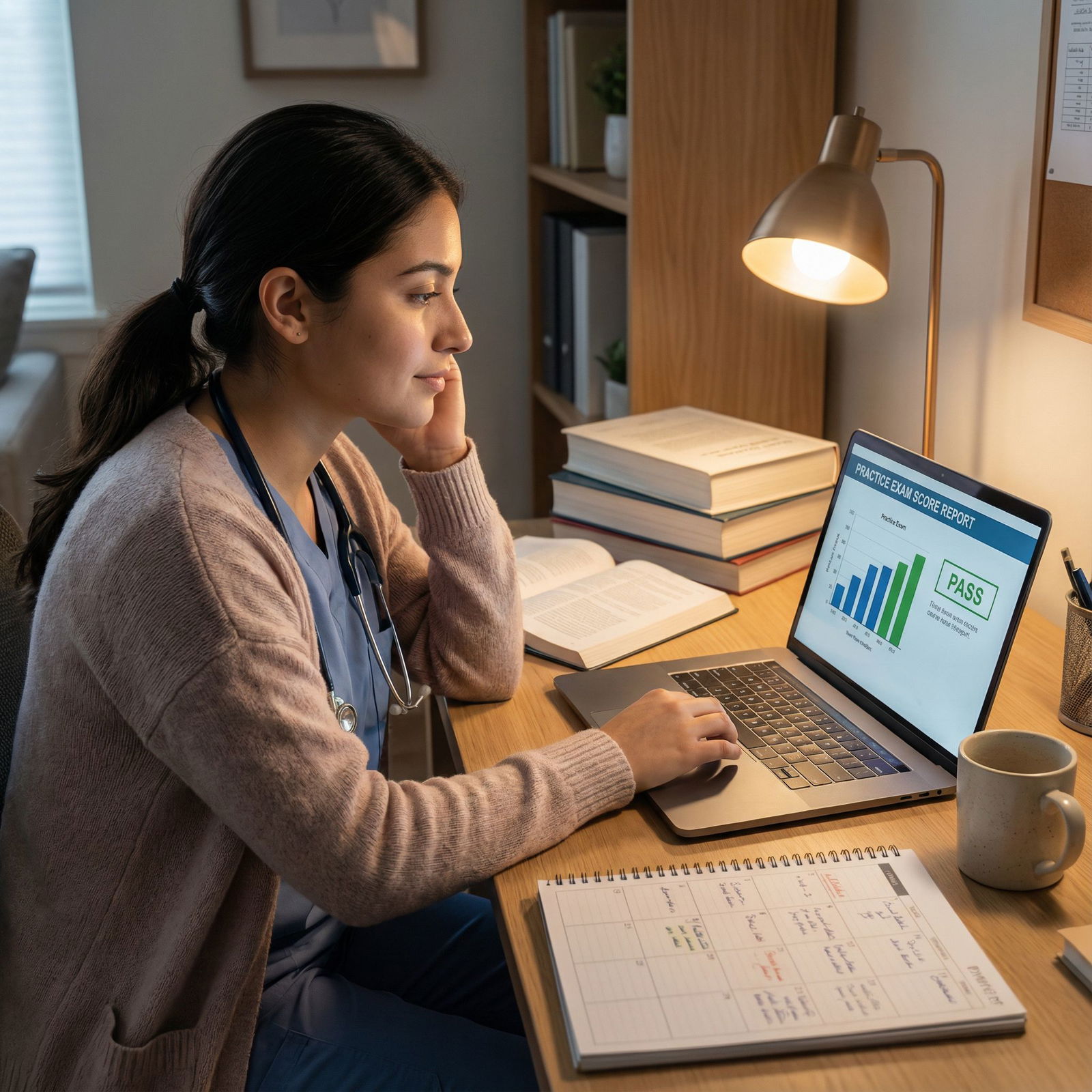
Track your mock exam results in a simple spreadsheet:
- Date
- Resource used
- Score
- Key weak topics
- Strategy changes for next time
Watching your trajectory over time can be very reassuring, even when individual scores fluctuate.
4. Using Mock Exams to Diagnose Strengths and Weaknesses
Well‑analyzed Mock Exams are diagnostic tools, not just score predictors. The post‑exam review is where much of their value lies.
Identifying Strengths
Recognizing what you already do well:
- Builds realistic confidence
- Prevents wasting time endlessly reviewing already mastered topics
- Allows more efficient Study Strategies and energy allocation
Example:
You consistently perform well on cardiology questions. You can reduce cardio review from 25% of your study time to 10–15%, freeing time for weaker systems.
Targeting Weaknesses
Mock Exams clearly reveal:
- Persistent content gaps (e.g., biostatistics, EKG interpretation)
- Recurrent errors (e.g., misreading labs, confusing similar diagnoses)
- Process problems (e.g., changing answers from right to wrong, overthinking)
Use these data to refine your Exam Preparation:
- Create target lists: “Top 5 topics I must reinforce this week.”
- Schedule focused review (videos, flashcards, question banks) on these areas.
- Reassess them in the next mock exam to confirm improvement.
Actionable review strategy:
After each mock exam:
- Categorize missed questions by type:
- Knowledge gap
- Misread question
- Rushed/poor time management
- Overthinking / second‑guessing
- For each category, write one concrete behavior change for the next mock (e.g., “I will underline the actual question before looking at answer choices”).
5. Developing and Testing Test‑Taking Strategies
Mock Exams are the safest place to experiment with your approach to questions and blocks. They allow you to refine:
- Question approach frameworks
- For clinical vignettes: read the last line first, then the stem
- For multi‑step questions: identify what the question is truly asking (diagnosis vs. next step vs. mechanism)
- Multiple‑choice tactics
- Process of elimination: rule out clearly wrong options before choosing among the remaining
- Pattern recognition: linking classic presentations with likely diagnoses
- Intelligent guessing: avoiding random choices even when unsure
Example:
You trial a strategy where you mark any question that still feels uncertain after 60–75 seconds and move on. In your next mock exam, you find you complete the block with 5–7 minutes remaining for review—enough to revisit flagged items more calmly.
Key point:
Only strategies tested and refined during Mock Exams should be used on the real exam. Test day is not the time to experiment; it’s the time to execute what you’ve already practiced.
6. Mock Exams as Anchors in a Structured Study Routine
A chaotic or last‑minute study pattern feeds anxiety. Integrating scheduled Mock Exams into a structured study calendar helps create:
- Clear milestones (“By this date, I’ll have completed X practice tests”)
- Built‑in feedback loops
- Realistic expectations for progress
Example of a structured approach (Step 1, 8‑week dedicated period)
- Weeks 1–2: One half‑length mock per week; focus on identifying baseline strengths/weaknesses.
- Weeks 3–5: One full‑length mock every 7–10 days; heavy emphasis on reviewing missed questions.
- Weeks 6–7: One full‑length mock per week; focus on fine‑tuning timing and stamina.
- Week 8: One final mock exam 5–7 days before the real test; light review afterward to avoid burnout.
Mock exams become checkpoints, reassuring you that you are moving forward and allowing course correction early rather than discovering problems only after the real exam.
7. Simulating Performance Under Pressure
Test Anxiety often spikes not because of content gaps, but because of unfamiliar physiological arousal—the feeling of your heart racing, hands sweating, or mind going blank.
Mock Exams help train your nervous system by:
- Recreating the pressure of the clock
- Forcing you to problem‑solve even when stressed
- Giving you safe opportunities to practice in‑moment coping tools
In‑exam coping strategies you can rehearse during mock exams
- Controlled breathing: 4–6 slow diaphragmatic breaths between blocks or during a brief pause
- Grounding techniques:
- Notice 5 things you can see, 4 you can feel, 3 you can hear
- Briefly feel your feet on the floor and relax your shoulders
- Self‑talk scripts:
- “I’ve practiced this. I know how to handle hard questions.”
- “One difficult block does not define my score or my career.”
Practicing these during mock exams makes them available and automatic on test day.
Example:
During a timed practice block, you notice your anxiety spiking after a series of hard questions. You pause for 20 seconds, take 4 slow breaths, relax your jaw and shoulders, and continue. Over time, you learn that your anxiety can rise and fall without ruining your performance.
8. Supporting Mental Well‑Being Through Repeated Exposure
From a psychological perspective, mock exams work a bit like exposure therapy. Instead of avoiding the situation that scares you (tests), you repeatedly and safely face it until the fear loses much of its intensity.
Benefits for mental well‑being include:
- Reduced fear response to exam environments
- A shift from catastrophic thinking (“I will fail”) to realistic thinking (“I know how I typically perform and what to expect”)
- Improved sense of control: you see a clear link between your behaviors and your progress
Integrating mock exams into a broader self‑care plan can multiply their positive impact:
- Consistent sleep schedule leading up to full‑length mocks
- Scheduled breaks between blocks (as on test day)
- Post‑exam decompression (short walk, hydration, light meal)
- Limiting immediate score checking when it fuels rumination—focus first on learning from mistakes
9. Leveraging Peer Support and Group Mock Exam Sessions
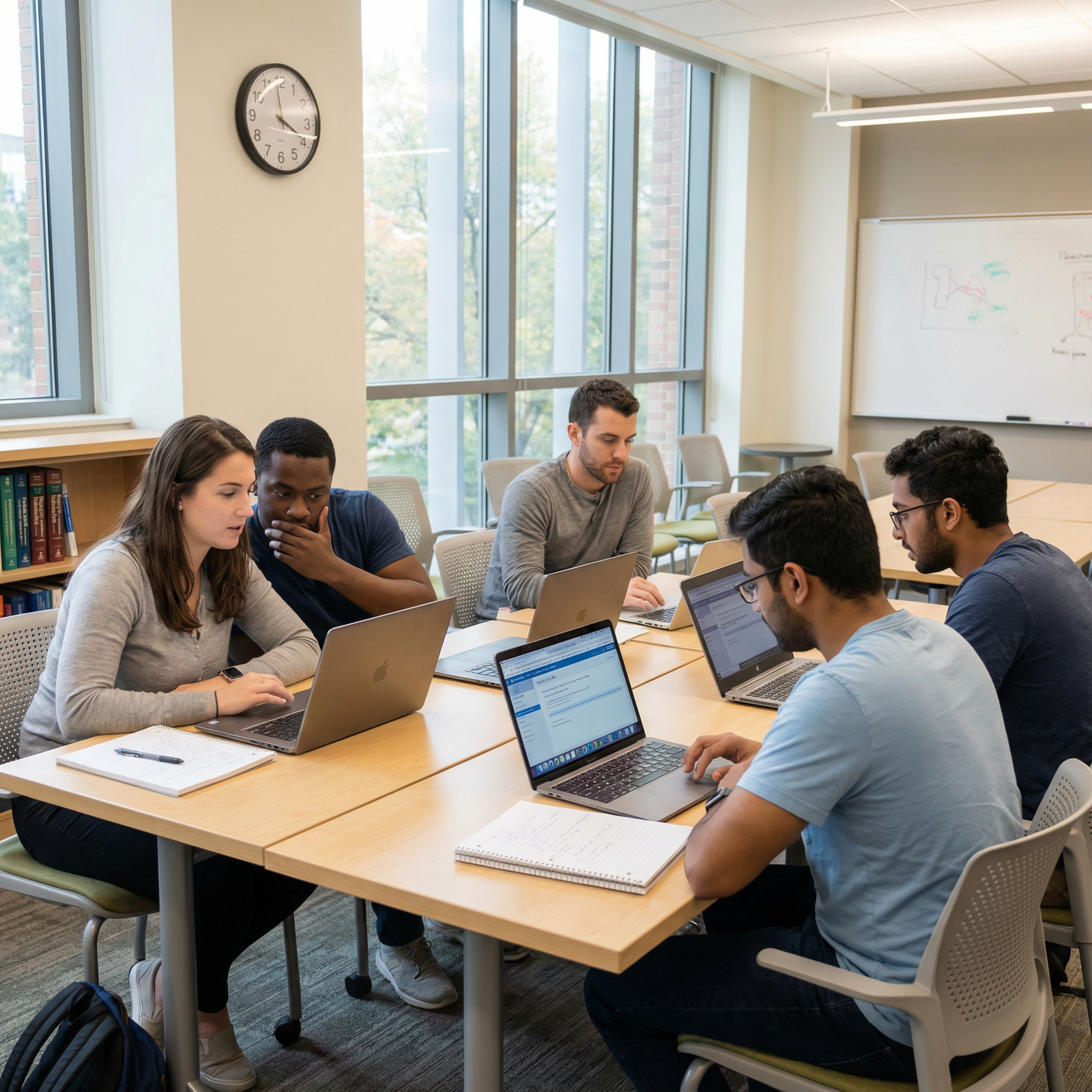
Studying in isolation can amplify anxiety and distort reality (“Everyone else is doing better than I am”). Group‑based mock exam sessions provide:
- Normalization: You see that others also find certain topics difficult.
- Discussion: Comparing reasoning processes after the exam (not during) deepens understanding.
- Accountability: Scheduled group mocks make you more likely to stick to your plan.
- Emotional support: Shared experiences of stress and improvement foster resilience.
How to run a productive group mock exam:
- Agree on a specific resource and number of questions in advance.
- Take the exam individually, timed, and in silence, to preserve realism.
- Afterwards, discuss:
- Why you chose certain answers
- Alternative ways to approach the same question
- High‑yield concepts that came up frequently
The goal is not to compare raw scores obsessively, but to understand reasoning patterns and reinforce content.
Making Mock Exams Work for You: Practical Implementation Tips
To maximize the benefits of Mock Exams for Test Anxiety and Student Success, consider these concrete strategies:
Choosing the Right Mock Exam Resources
- Use exam‑aligned resources (NBME self‑assessments, UWorld self‑assessments, official practice tests) as your primary mocks.
- Supplement with question banks, but treat only full, timed blocks as true mock experiences.
- For OSCEs and clinical exams, simulate with classmates or standardized patient encounters whenever possible.
How Often Should You Take Mock Exams?
Frequency depends on your timeline:
- Long‑term preparation (6–12+ months):
- One mock every 4–6 weeks to track progress.
- Moderate interval (3–4 months):
- One mock every 3–4 weeks at first, then every 2 weeks.
- Dedicated period (4–8 weeks before exam):
- One full‑length mock every 7–10 days, with intense review in between.
More is not always better; quality review of each exam is more valuable than churning through large numbers of tests without reflection.
How to Review Mock Exams Without Overwhelm
- Resist the urge to immediately judge yourself based on the raw score.
- Start by skimming your performance by topic/system.
- Then, for a subset of questions (especially missed ones):
- Re‑answer them without looking at explanations first.
- Compare your initial reasoning with the explanation.
- Write down one key takeaway per question (fact, pattern, or strategy).
- Translate insights into a focused mini‑study plan for the next 3–7 days.
Frequently Asked Questions (FAQ) About Mock Exams and Test Anxiety
1. How often should I take mock exams if I have significant test anxiety?
If your test anxiety is high, start with less frequent, shorter exposures and gradually build up:
- Begin with single timed blocks (e.g., 40 questions in 60 minutes) once every 1–2 weeks.
- As your comfort improves, progress to half‑length and then full‑length mock exams every 1–2 weeks in the last months before the test.
The key is consistency and deliberate review—not overwhelming yourself with too many full exams at once.
2. What should I do if I perform poorly on a mock exam?
A low score can be discouraging, but it is also incredibly valuable information:
- View it as diagnostic, not as a verdict on your ability or future career.
- Analyze:
- Which topics or question types were especially weak?
- Were there timing issues?
- Did anxiety spike at particular points (e.g., first block, last block)?
- Create a targeted plan to address the main 3–5 problems identified.
- Schedule another mock in 2–4 weeks to reassess.
One poor performance—especially early in preparation—does not predict your final outcome, particularly if you use it to adjust your Study Strategies.
3. Can I use mock exams on my own, or do I need a group or tutor?
You can absolutely benefit from mock exams on your own. Many students prepare successfully this way. However:
- Solo mock exams are ideal for simulating true exam conditions and testing your independent reasoning.
- Group debriefs after the exam (in person or virtual) can deepen understanding and provide emotional support.
- Tutors or mentors can help you interpret patterns in your performance if you feel stuck or overwhelmed.
A blended approach—solo testing, optional group review, occasional expert input—often works best.
4. Should I perfectly mimic real testing conditions during every mock exam?
Not every practice set needs to be fully simulated, but your major mock exams (especially in the final 4–6 weeks) should closely follow real conditions:
- Same approximate start time as your actual exam
- Timed blocks with minimal interruptions
- Only using allowed materials (e.g., scratch paper, earplugs if permitted)
- Restricting phone use and social media during the test window
Earlier in preparation, you can be more flexible, but as exam day approaches, realistic simulation becomes increasingly important for managing Test Anxiety.
5. How can I maintain focus and manage anxiety during a long mock exam?
Use Mock Exams to practice stamina and in‑the‑moment coping techniques:
- Before the exam:
- Sleep adequately the night before.
- Eat a light, balanced meal.
- Plan your break snacks and hydration.
- During the exam:
- Use brief micro‑breaks (5–10 seconds) to roll your shoulders, relax your jaw, and take a slow breath.
- If you get stuck, move on and return later to avoid spiraling.
- Remind yourself that mock exams are practice arenas—not final judgments.
- After the exam:
- Schedule a short decompression period before starting review.
- Focus review on learning and strategy building, not self‑criticism.
Mock Exams, when used as part of a thoughtful, structured Exam Preparation plan, are one of the most powerful tools available for managing Test Anxiety, refining Study Strategies, and improving Student Success. With each realistic practice test, you transform anxiety into information, fear into familiarity, and uncertainty into a step‑by‑step strategy—bringing you closer to confident, competent performance on the exams that matter most.