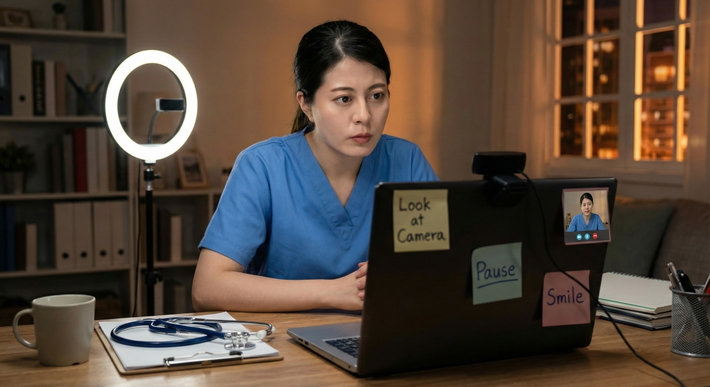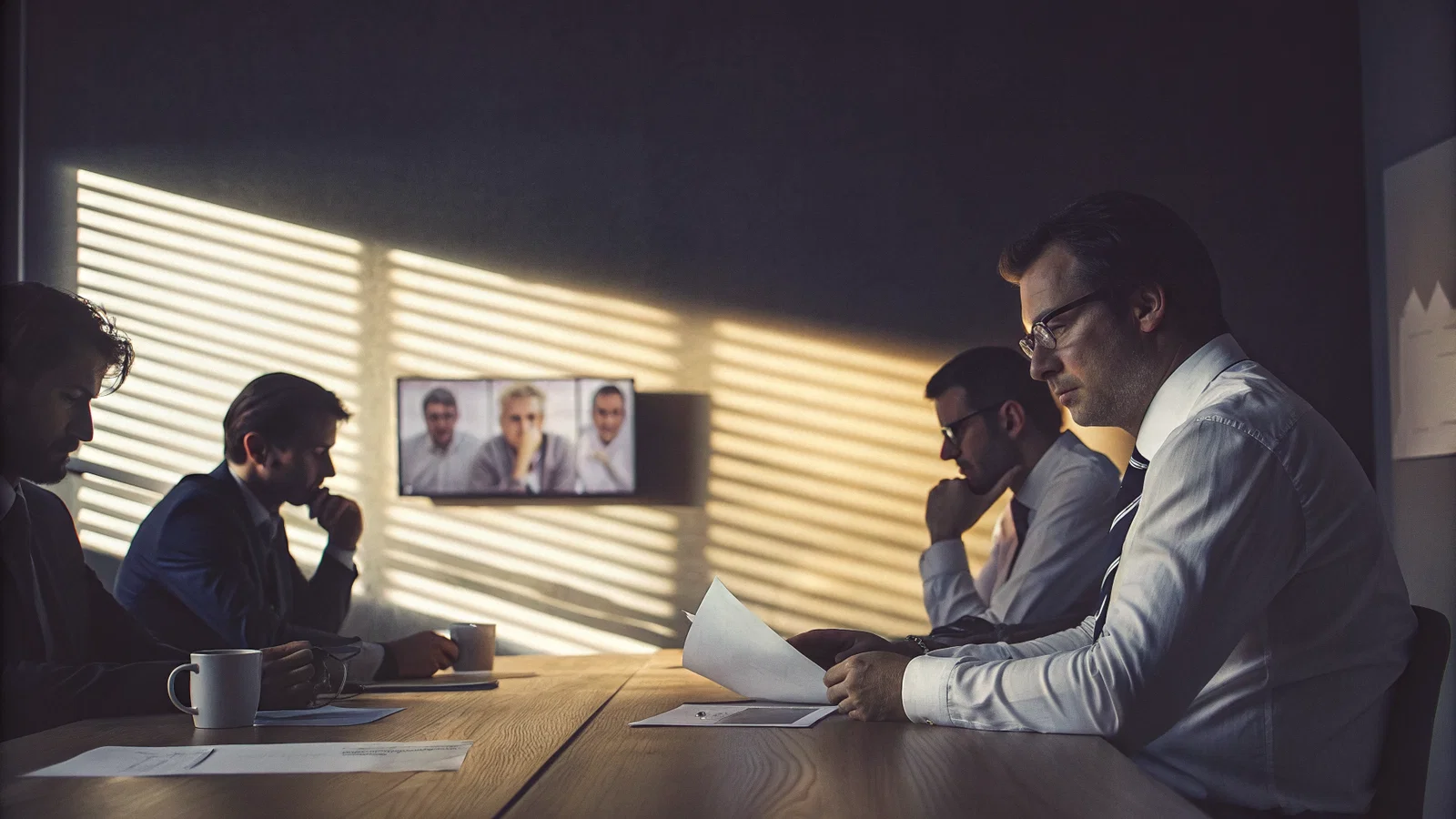
You think the interview starts when somebody smiles, says your name, and asks, "Can you hear us okay?"
Wrong.
Let me tell you what really happens. The virtual interview starts the second you click Join. Not when the PD appears. Not when the coordinator admits you. Not when you unmute and deliver your polished little "Good morning, thank you so much for having me." By then, first impressions may already be made. Quietly. Casually. Permanently.
I've sat in on faculty discussions after interview days. I've heard the throwaway comments that become ranking-list gravity. "Seemed frazzled before we even started." "Background was chaos." "Looked annoyed in the waiting room." "Tech issues, and somehow acted like it was our fault." These aren't always fatal mistakes. But they absolutely shape tone. And tone matters more than applicants want to believe.
Virtual interviews created a dangerous illusion: that the waiting room is dead space. It isn't. It's a live audition. A soft launch of your professionalism. And a lot of applicants sabotage themselves there because nobody told them the rules. Or worse, because somebody told them the wrong ones.
The Virtual Green Room: What Program Directors Actually See Before You Unmute
The Zoom waiting room has a reputation among applicants as a kind of digital hallway. A place where nothing counts yet. A holding pen. A pause screen.
That is fantasy.
In many residency interviews, the coordinator, chief residents, faculty interviewers, and sometimes the PD or APD are already logged in before your block starts. They're wrapping up comments from the previous applicant, checking the participant list, adjusting breakout rooms, and yes, looking at the incoming screens. Sometimes directly. Sometimes passively. Sometimes through a co-host view you forgot existed.
Here's the behind-the-scenes truth nobody advertises: there is often a running backchannel. Not always malicious. Not always dramatic. But real. A private chat between faculty and coordinators. Notes like, "Applicant 12 is here." "Running 5 min behind." "Can someone move her to Dr. Lee's room next?" And mixed into that operational chatter? Human reactions. "He looks frozen, tech issue?" "She seems nervous." "Background is a mess." Tiny observations. Tiny judgments. Tiny seeds.
Do these comments always make or break you? No. But they shape the emotional weather around your interview before you've spoken a word. And if you think exhausted faculty are immune to first impressions at 8:10 a.m. on their sixth interview of the morning, you haven't spent enough time around academic medicine.
What applicants miss is that the waiting room is not always visually or psychologically separate from the interview. The coordinator may admit you into a general room where faculty can already see you while they finish a sentence. A chief resident may pop in early. A co-host may be toggling through participant windows while setting up. Your camera feed isn't entering a vacuum. It's entering a workplace full of overcaffeinated people making snap assessments because that's what clinicians do all day.
And no, you are not "off the record" because nobody has greeted you yet. That myth has caused an unbelievable amount of self-inflicted damage. I've seen applicants checking their hair while staring into the camera with visible irritation, mouthing complaints to someone off-screen, eating, texting, slumping so far back they looked half-asleep, or laughing at something on their phone while the room was technically live. They assumed nobody was watching. Somebody usually was.
Think of the waiting room as the hospital lobby with microphones. You may not be in the formal meeting yet, but you are absolutely inside the institution's field of view.
That's the frame you need. Not paranoia. Professional awareness. The interview starts at join.

Mistake #1: The Unprepared Background and Unfiltered Persona
A messy background is never just a messy background.
Applicants want to believe faculty ignore it. They don't. They may not say it out loud in the moment, but they register it instantly. Piles of laundry. Unmade bed. Random roommate traffic. A neon gaming setup pulsing behind your head like you're streaming at midnight. Or the other extreme: bizarre virtual backgrounds that glitch every time you move, slicing off your shoulders and making you look like a weather forecaster trapped in a stock photo.
It all reads as one thing: poor judgment.
Is that entirely fair? Maybe not. Is it real? Absolutely.
Attendings and PDs are constantly using small clues to predict larger behavior. That's what selection is. We infer. We extrapolate. We make calls from incomplete data. A chaotic environment can suggest disorganization, weak preparation, lack of seriousness, or failure to anticipate obvious problems. You may be brilliant. You may be the most clinically capable applicant in the pool. But if your visual setup says, "I threw this together three minutes ago," you've made your excellence harder to see.
And yes, your room becomes a proxy for your professional habits. That's the secret. Faculty aren't literally ranking your furniture. They're asking themselves, consciously or not: Does this person control details? Do they prepare? Do they understand context? Would I trust them with patients, handoffs, consults, and deadlines?
The fix is simple and brutally unglamorous. Use a clean, neutral, distraction-free background. Blank wall. Bookcase that doesn't look staged by a lifestyle influencer. Tidy desk area. Soft lighting. Nothing weird. Nothing memorable. Your goal is not aesthetic brilliance. Your goal is visual competence.
If your real space is clean and quiet, use it. Add slight background blur if needed. If your real space is a disaster or unpredictable, use a realistic professional virtual background that doesn't shimmer or cut around your face. No beaches. No skylines. No operating room cosplay. No "fun" choices. Residency interview day is not the time to reveal your whimsical side through tropical scenery.
You want your setup to communicate one message: this person is composed, prepared, and already halfway to chief resident energy.
Mistake #2: The 'Too Relaxed' Posture and Off-Camera Body Language
Applicants underestimate body language on video because they think the screen flattens everything.
It doesn't. If anything, it magnifies laziness.
Slouching. Leaning back with your arms behind your head. Looking off to the side every ten seconds. Resting your face in your hand like you're waiting for a delayed flight. Checking your phone while you think nobody important is present. I've seen all of it. And the truly amazing part is how often people do this before the first question, as if the waiting room is a private rehearsal studio.
Program coordinators notice. Chief residents notice. Faculty notice. And coordinators, especially, are not silent observers. They report things. Maybe not in a formal incident log, but in conversation. "He seemed distracted." "She looked irritated waiting." "He kept checking his phone." Those comments travel.
Here's another uncomfortable truth: coordinators often have excellent instincts. They've watched hundreds of applicants move through the process. They can spot entitlement, panic, arrogance, and poor social awareness faster than most faculty can. Ignore them at your own risk.
Your waiting-room posture should look like someone who is ready to begin now. Upright in the chair. Shoulders relaxed but alert. Eyes near camera level. Face neutral to pleasant. Hands off the phone. No fidgeting with your hair every six seconds. No spinning in your chair. No dramatic sighing. No glancing repeatedly at another monitor like you're trying to finish emails before medicine starts.
This doesn't mean sitting like a wax statue. You can blink. You can breathe. You can smile naturally. But your baseline presence should signal engaged professionalism, not casual collapse.
The best candidates understand that every pre-verbal cue either reduces anxiety for the interviewer or creates it. Faculty don't want to wonder whether you're disinterested, unstable, annoyed, or unprepared. They want reassurance. Your posture gives it to them before your mouth ever does.
Mistake #3: Audio/Visual Fumbling and Technical Arrogance
Nothing irritates interviewers faster than avoidable tech chaos paired with a weird sense of innocence about it.
If you log in 30 seconds before start time with a dead microphone, camera permissions blocked, AirPods malfunctioning, and your laptop at 4% battery, faculty are not impressed by your "Oops, Zoom is acting up today." No. You are acting up today. Zoom did not ambush you. You failed to prepare for the most predictable part of a virtual interview.
And yes, people talk about this afterward. I've heard versions of the same line for years: "If they can't manage basic Zoom logistics, how are they going to handle cross-cover pages, discharge tasks, and a crashing patient?" Is that perfectly fair? Again, fairness is not the standard here. Signal interpretation is.
Technical trouble by itself is forgivable. Storms happen. Internet hiccups happen. Software crashes happen. What gets remembered is your response. Calm troubleshooting? Fine. Clear apology, quick recovery, gratitude toward the coordinator? Excellent. Visible frustration, blaming the platform, snapping at support staff, or acting like everyone should wait while you improvise? Fatal vibe.
And let me say this plainly: the coordinator is not your help desk employee. They are often the operational backbone of the interview day. Treat them like royalty. If they email instructions, read them. If they ask you to rename yourself a certain way, do it. If they suggest logging in early for a tech check, that is not optional fluff. That is them trying to save you from yourself.
The golden rule is simple. Test your full setup twice. Camera, microphone, speaker output, display name, internet stability, charging cable, lighting, background, and Zoom updates. Then log in 10 to 15 minutes early. Not 45 minutes early like a zealot. Not 53 seconds early like a gambler. Early enough to solve problems without turning your first impression into a rescue mission.
Professionalism in a virtual interview is often just disciplined boredom. You handled the obvious things before anyone had to notice them.
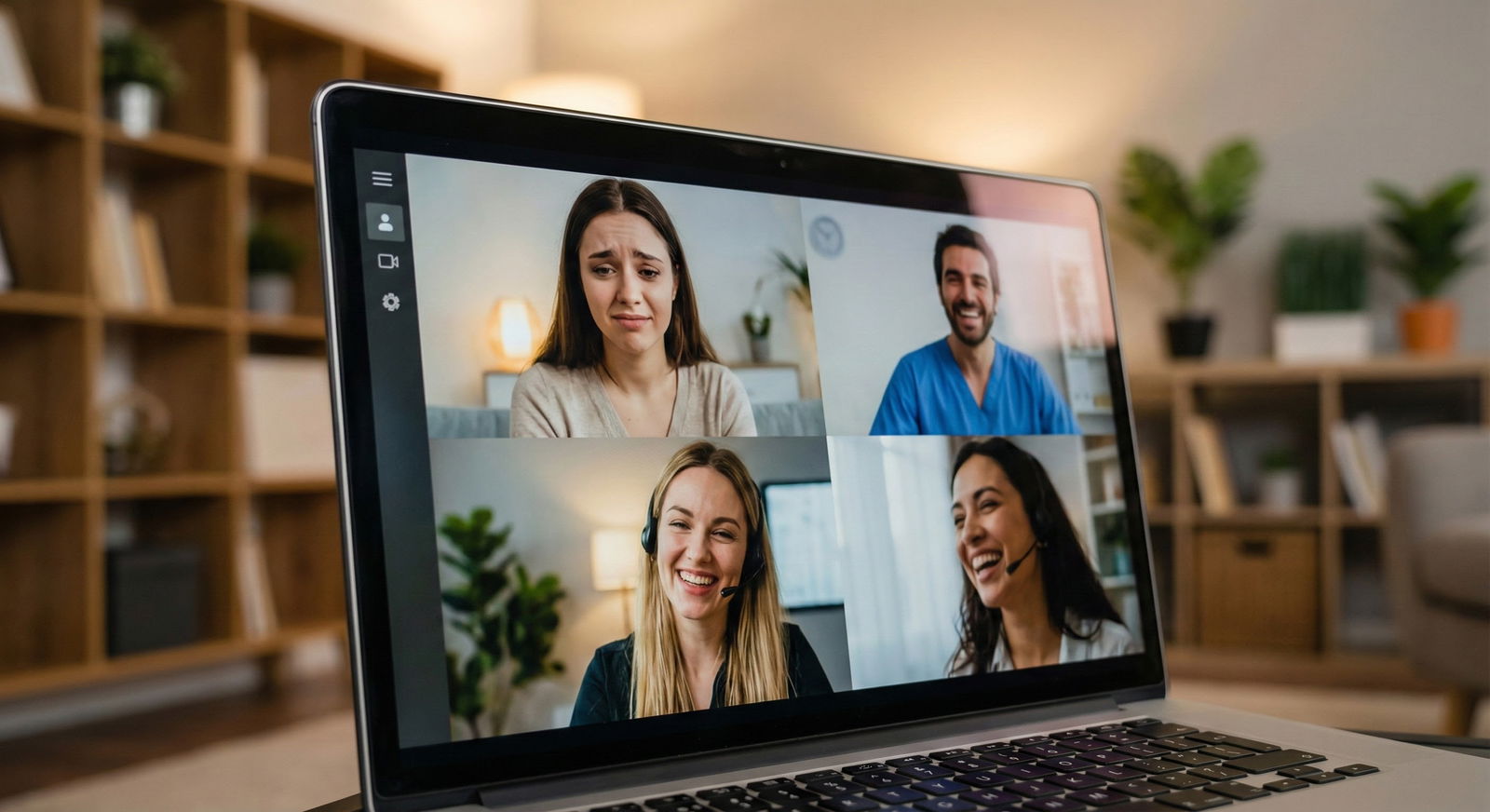
Mistake #4 & #5: Inappropriate Pre-Interview Chatter and Forgetting the 'Mute' Rule
Now we get to the disasters. The stories faculty retell later with equal parts horror and amusement.
Applicants assume the waiting room is socially empty, so they start talking. Sometimes to other applicants in chat. Sometimes to a friend nearby. Sometimes to themselves. And because medicine attracts stressed, sleep-deprived overachievers who occasionally confuse honesty with good judgment, the content can get ugly fast.
I've heard about applicants criticizing other programs while waiting for a completely different program to begin. Complaining that another interview was "way more impressive." Mocking a resident's introduction from earlier in the day. Whispering, "I'm only here because my advisor told me not to cancel." Typing too casually in a room they thought was informal. None of that is charming. It reads as arrogance and immaturity.
The waiting-room chat is not your group text. Use it only for necessary logistics, and even then, keep it painfully polite. "Good morning, this is Jane Doe. I'm present and having trouble with audio." Fine. "Anyone else exhausted from these interviews lol?" No. "Did you all hear that PD from X program?" Absolutely not.
And then there's the hot mic. The undefeated champion of self-destruction.
Every year, someone forgets they are unmuted. You can almost set your clock by it. A sigh loud enough to register as contempt. A muttered complaint. A family member speaking in the background. A sarcastic comment. A curse after a tech glitch. Sometimes it's minor. Sometimes it's catastrophic. Either way, it instantly shifts how people see you.
What makes hot-mic incidents so damaging is not just the content. It's the glimpse of your unguarded professional reflexes. Under mild stress, did you stay composed? Or did irritation pour out the second you thought the curtain was down? Faculty notice because residency is full of moments when the curtain is down. Hallways. Workrooms. Call rooms. Team rooms. If you lose control in a waiting room, people imagine you losing control elsewhere.
Here's the playbook I want you to follow. Enter the waiting room already camera-ready. Assume you can be seen. Assume you can be heard. Keep yourself muted unless directly asked to speak, but still behave as if the mute could fail at any moment, because sometimes it does. Don't gossip. Don't vent. Don't joke about ranking, other applicants, other programs, or how burned out you feel. Save every uncensored thought for after the laptop is fully closed.
Professional silence is underrated. So is polite neutrality. In the waiting room, those are signs of maturity, not stiffness.
The core lesson is simple, and applicants resist it because they want there to be safe little pockets where they can drop the performance. But this isn't performance. It's professionalism. There's a difference. You're not being asked to act like a robot. You're being asked to show that you understand context, respect other people's time, and can hold yourself together during a structured evaluation.
That's residency. Really. Not brilliance alone. Not charisma alone. Reliable judgment under observation.
So don't overcomplicate this. Clean background. Good posture. Tested tech. No gossip. Mute on. Calm face. Early login. Respect the coordinator. Treat the waiting room like part of the interview because it is.
Do that, and you eliminate a whole category of dumb mistakes that sink otherwise strong applicants. That's the good news. Most of this is fixable by tonight.
And if you've made one of these mistakes before? Fine. Learn fast. The Match rewards applicants who adjust. The best candidates aren't perfect; they're coachable. Be one of them.