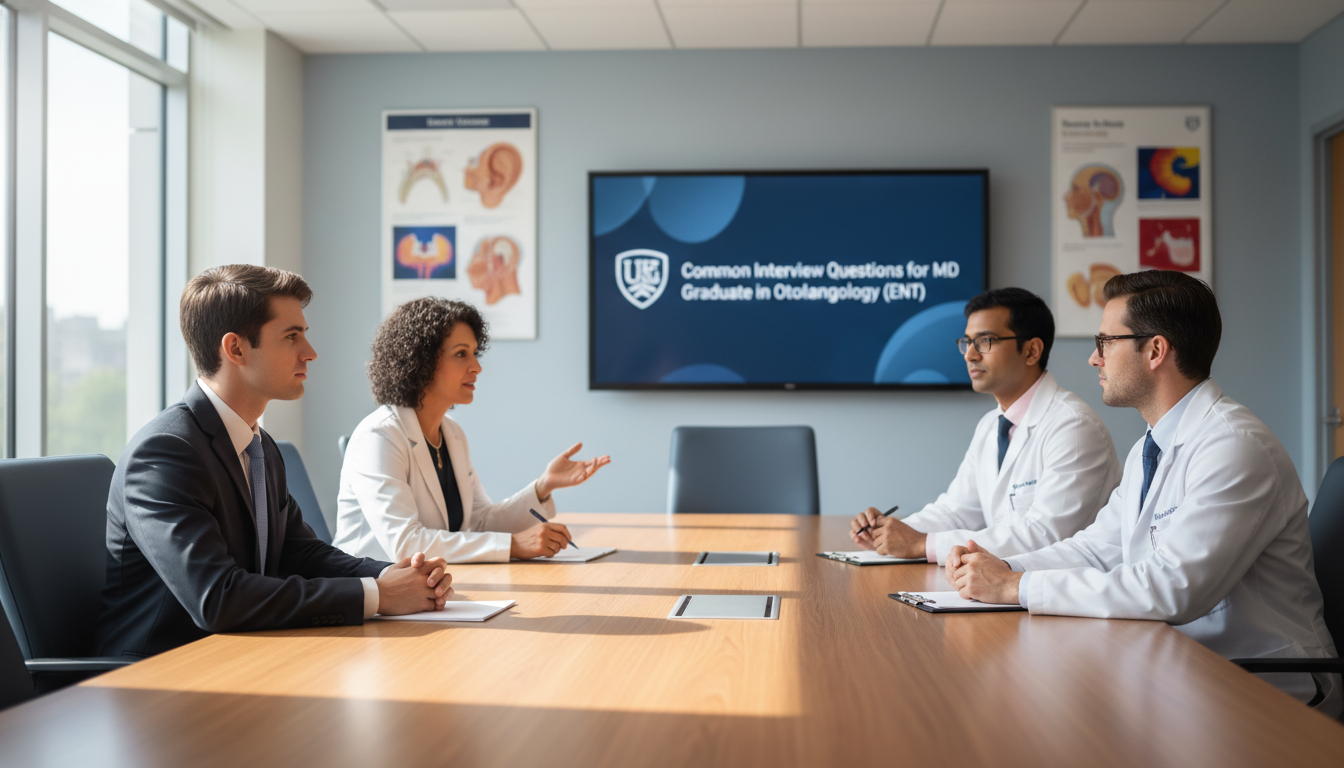
Landing a preliminary surgery year as a Caribbean IMG is absolutely possible—but you must be strategic and exceptionally prepared, especially for behavioral and classic residency interview questions. Programs want to know not only that you can work hard, but that you’ll be coachable, dependable, and a good fit for a demanding, team‑based environment.
Below is a comprehensive guide to common interview questions you’ll face as a Caribbean medical school residency applicant aiming for preliminary surgery. You’ll learn what programs are really asking, how to structure answers, and how to turn your Caribbean background into a strength rather than a liability.
Understanding the Interview Landscape for Caribbean IMGs
Preliminary surgery spots are high-demand, high-pressure positions. They can be stepping stones to categorical surgery, other specialties, or a strong PGY‑1 year to boost your profile. That means:
- Competition is intense even for prelim surgery residency positions.
- Caribbean IMGs are closely scrutinized for professionalism, resilience, and long-term goals.
- Behavioral interview medical questions are common—programs want evidence you’ll function well in stress, hierarchy, and uncertainty.
You’ll encounter three main types of questions:
- Traditional questions (e.g., “Tell me about yourself,” “Why surgery?”).
- Behavioral/competency-based questions (e.g., “Describe a time you made a mistake.”).
- Program- and background-specific questions (e.g., “Why a preliminary surgery year?” “Why a Caribbean medical school?”).
Your goal: Give concise but rich answers backed by specific examples, showing maturity, insight, and fit for surgery.
Core “Story” Questions You Must Master
These questions appear in almost every residency interview. As a Caribbean IMG targeting a preliminary surgery year, your answers must be particularly polished.
1. “Tell me about yourself”
This is often the first and most important question. Many Caribbean IMGs either overshare or ramble. Think of this as your 30–60 second elevator pitch that frames the rest of the conversation.
What they’re really asking:
- Can you communicate clearly and professionally?
- Do you understand your own journey and goals?
- How do you connect your Caribbean medical school residency experience to a surgical path?
Structure (3-part framework):
- Brief background (where you’re from + medical school).
- Medical/surgical trajectory (key experiences that led you to surgery).
- Current goals (why you’re here interviewing for a preliminary surgery residency and what you hope to contribute).
Example (adapted for a Caribbean IMG applicant):
“I grew up in New Jersey in a family that emphasized service, which initially drew me to medicine. I completed my MD at St. George’s University, where I quickly gravitated toward surgery during my core rotations—especially after my third-year general surgery clerkship at a busy urban hospital, where I loved the immediacy of operative care and the team-based environment.
Over the last two years, I’ve focused on building a strong surgical foundation through sub-internships in general surgery and vascular surgery, as well as a quality improvement project on reducing post‑op wound complications. I’m applying for a preliminary surgery year because I want intensive operative and perioperative experience, and I’m committed to contributing as a reliable, hardworking intern who enhances communication and follow‑through on the team.”
Tips:
- Avoid personal details that don’t connect to medicine.
- Don’t start with childhood unless it leads directly to your surgical interest.
- Practice out loud until it feels natural—not memorized.
And always remember: for many programs, your “tell me about yourself” answer sets their initial impression of you as a Caribbean IMG.
2. “Why surgery?” (And not just any surgery—why now, why you?)
What they’re really asking:
- Is your interest in surgery realistic and informed?
- Do you understand the lifestyle and demands?
- Will you persevere when preliminary surgery gets tough?
Use the “Head–Heart–Hands” framework:
- Head (intellectual attraction): Problem-solving, anatomy, critical thinking.
- Heart (motivation/meaning): What feels personally meaningful to you.
- Hands (action/experience): Concrete clinical exposure that proved you like the day-to-day work.
Sample answer:
“Surgery appeals to me on multiple levels. Intellectually, I enjoy the diagnostic challenge and the need to integrate anatomy, physiology, and imaging quickly to make decisions. On a personal level, I find it deeply satisfying to see a tangible improvement in a patient’s condition—for example, watching someone with acute appendicitis go from severe pain to walking the hall the next day.
During my core and sub‑I rotations in general surgery and trauma at SGU-affiliated hospitals, I found that I was consistently energized by the OR environment and rounded patients thoroughly because I cared about their progress. Even on long call nights, I preferred being actively involved in resuscitations and pre‑op evaluations rather than more passive roles. Those experiences confirmed that the tempo, procedures, and team culture of surgery are where I see myself.”
Common mistakes to avoid:
- Saying “I like working with my hands” with no specific stories.
- Focusing only on the OR and not the full continuum (clinic, wards, ED, consults).
- Ignoring the reality of long hours and stress—acknowledge you’ve seen it and still want it.
3. “Why a preliminary surgery year?” (Critical for your specialty and level)
This question is central for prelim surgery residency applicants and can decide your rank position.
What they’re really asking:
- Do you understand what a preliminary surgery year actually is?
- Are you likely to leave mid-year or cause issues?
- Do you have a realistic plan for PGY‑2 and beyond?
Key points to hit:
- You understand that it’s often non-categorical and one year only.
- You want intense surgical training to build a foundation.
- You have realistic, flexible long-term goals (categorical surgery, another surgical field, or a strong PGY‑1 for other specialties).
- You are grateful, not entitled.
Sample answer:
“I’m seeking a preliminary surgery year because my goal is to build the strongest possible foundation in operative and perioperative care. As a Caribbean IMG, I know I have to prove myself clinically and work ethic–wise. A preliminary surgery year will allow me to gain high-volume experience with floor management, consults, and the OR while working closely with surgical attendings and seniors who can observe my performance over time.
Long term, I’m very interested in pursuing a categorical surgical position if the opportunity arises, but I also recognize the reality of the match and I’m open to different paths such as transitioning to a related field like anesthesia or critical care if that’s where my skills and opportunities align. Regardless of what PGY‑2 looks like, I’m committed to making the most of this year and being a dependable, low‑maintenance intern for the team.”
Red flags to avoid:
- “I just need a year while I figure things out.”
- “I’m only here as a backup for something else” (even if true, frame positively).
- “I expect you to give me a categorical spot later” (never imply entitlement).

Addressing Your Caribbean Background and Academic Profile
Programs will often probe your training background, especially as a Caribbean IMG. Prepare thoughtful, confident responses.
4. “Why did you choose a Caribbean medical school?” / “Tell me about your time at SGU (or other school)”
This is extremely common for Caribbean medical school residency interviews, particularly if you’re from an institution like SGU with a well-known match profile (e.g., SGU residency match data is often reviewed by PDs).
What they’re really asking:
- Are you reflective and honest about your path?
- Did you make the most of the opportunities you had?
- Are there any professionalism or academic concerns?
Sample answer (SGU example, adaptable to other schools):
“I chose St. George’s University because it offered me a clear path to U.S. clinical training and a strong record of SGU residency match outcomes in multiple specialties, including surgery. I knew it would be a challenging route as a Caribbean IMG, but I was prepared to work hard to build my clinical and academic record.
At SGU, I took advantage of early anatomy lab exposure and later focused my clinical years on strong U.S. core rotations, especially my surgery and ICU months. The experience taught me to adapt quickly to different hospital systems and to advocate for myself to gain hands-on responsibility, which I believe will serve me well in a preliminary surgery residency.”
Tips:
- Acknowledge the challenges of being a Caribbean IMG without apologizing for your path.
- Emphasize adaptability, exposure to diverse systems, and initiative.
- If from SGU, you can briefly mention SGU residency match strengths as something you considered—but don’t overdo the statistics.
5. “Can you explain this gap / low score / repeated exam?”
Programs will examine your Step scores, failures, leaves of absence, and clinical timelines closely.
What they’re really asking:
- Have you learned from past difficulties?
- Are there ongoing issues that might recur under residency stress?
- Are you honest and self-aware?
Use the “Issue–Insight–Improvement” framework:
- Issue: Brief, factual description (no excuses).
- Insight: What you learned about yourself and your approach.
- Improvement: Specific changes and improved outcomes since then.
Example (for a Step 1 failure or low score):
“During Step 1 preparation, I underestimated how much structure and question-based learning I needed, and as a result, my initial score was below my target. That experience taught me that I perform best with a highly structured schedule, frequent self-assessment, and active remediation of weak areas.
For Step 2 CK, I implemented those changes—studying with daily question blocks, weekly NBME practice exams, and a study group that kept me accountable. My Step 2 CK score of [XXX] reflects that improvement. More importantly, on my clinical rotations I’ve consistently received strong evaluations for knowledge, work ethic, and reliability, which I think demonstrates that my earlier difficulties have been addressed.”
Key principles:
- Own the problem. Avoid blaming others or systems.
- Move quickly from the issue to the improvement.
- End confidently with evidence of current readiness.
High-Yield Behavioral Interview Questions for Preliminary Surgery
Behavioral interview medical questions are designed to predict your future behavior based on real past examples. Use the STAR method:
- Situation – brief context
- Task – your role/responsibility
- Action – what you actually did
- Result – outcome + what you learned
Below are essential categories with sample questions and response strategies.
6. Teamwork and Communication
Common questions:
- “Tell me about a time you had a conflict with a team member.”
- “Describe a time you had to give difficult feedback.”
- “Tell me about a time when you worked in a multidisciplinary team.”
Programs know that prelim surgery interns spend much of their time coordinating care, calling consults, and updating families. They need to know you can collaborate and de-escalate conflict.
Sample answer (conflict with a team member):
“During my internal medicine rotation, I worked with another student who often left tasks incomplete, such as pending orders and progress notes. This created tension because I felt it reflected poorly on the team.
I first made sure my own responsibilities were clearly defined, then approached him privately and asked how he was managing the workload. He admitted he was overwhelmed and unsure how to prioritize. I shared the checklist system I used and suggested we divide the patient list by complexity each morning. We also agreed to check in at midday to ensure nothing was missed.
After that, his performance improved and the resident even commented that our team’s organization was much better. I learned that approaching conflict with curiosity and offering practical help, rather than criticism, can improve both relationships and patient care.”
Key points: You didn’t complain behind his back; you protected patient care; you proposed a solution.
7. Handling Stress, Workload, and Mistakes
Prelim surgery can be brutal at times. Interviewers want evidence you will ask for help early, be honest about errors, and recover from stress constructively.
Common questions:
- “Tell me about a time you were overwhelmed and how you handled it.”
- “Describe a significant mistake you made in clinical training.”
- “How do you cope with long hours and stress?”
Sample answer (overwhelmed on a busy call):
“On one of my general surgery night calls as a sub‑I, we had multiple admissions and post‑op issues at once. I initially tried to juggle everything myself—putting in orders, returning pages, and pre‑charting—it quickly became clear that I was falling behind.
I paused, prioritized tasks using an ABC (airway–breathing–circulation) and acuity approach, then updated the senior resident with a concise summary: which patients were unstable, what orders I had entered, and what remained. I asked directly for help with two tasks that I couldn’t safely complete in time.
Together we redistributed workload and things stabilized. I learned that in high-acuity situations, early communication and prioritization are far more important than trying to appear independent. Since then, I’ve been more proactive about identifying and escalating concerns early.”
Sample answer (mistake):
Avoid “I work too hard” as a “mistake.” Choose a real but non-catastrophic clinical or communication error.
“During my OB/GYN rotation, I once failed to clarify a lab order that had an unusual abbreviation. I assumed it meant a standard test, but it was actually a different panel. The error was caught by the resident before it reached the lab, but it was a preventable mistake.
I realized I had allowed my embarrassment about asking a ‘simple’ question to override patient safety. Since then, I’ve made it a rule to clarify any ambiguous abbreviation or order, no matter how basic it seems, and I’ve become more comfortable saying, ‘I’m not familiar with that—can I confirm what you’d like?’ This experience reinforced that patient safety must always come before my ego.”
Programs want to see: humility, growth, and a patient-centered mindset.

8. Leadership, Initiative, and Reliability
Even as a prelim surgery intern, you’ll lead at the micro-level: organizing notes, coordinating discharges, and managing wards overnight.
Common questions:
- “Tell me about a time you took initiative to improve a process.”
- “Describe a time when you had to lead a team.”
- “When have you gone above and beyond for a patient?”
Sample answer (initiative):
“During my general surgery rotation, I noticed that discharge instructions for post‑op hernia patients were inconsistent, and patients frequently called the clinic with similar questions about activity restrictions and wound care.
I reviewed our existing instructions, looked at ACS guidelines, and drafted a standardized discharge template with clear bullet points and diagrams. I presented it to the chief resident and attending, incorporated their feedback, and we piloted it for two weeks.
The number of post‑discharge clarification calls for those patients dropped noticeably, and the attending later mentioned they were adopting a version of the template for other procedures. This experience reinforced that small, organized changes can improve patient understanding and reduce workload for the team.”
Key: Measurable impact (fewer calls) and collaboration with seniors and attendings.
Surgery-Specific and Ethics/Professionalism Questions
As a prelim surgery candidate, you may be probed on topics unique to the OR and surgical culture.
9. OR Dynamics, Feedback, and Hierarchy
Common questions:
- “Tell me about a challenging interaction you had in the OR.”
- “How do you handle criticism, especially in front of others?”
- “What role do you see for a prelim intern in the OR and on the floor?”
Sample answer (criticism in OR):
“During my first general surgery rotation, a scrub nurse corrected me sharply for contaminating the sterile field while passing an instrument. I felt embarrassed in front of the team but recognized the importance of maintaining sterility.
I immediately acknowledged the error, stepped back to re‑scrub, and afterward asked the nurse if she could walk me through her expectations for instrument handling and field awareness. Over the next cases, I made a conscious effort to anticipate her needs and double-check my movements. Our working relationship improved, and by the end of the rotation she commented that I had come a long way.
I learned that in the OR, direct feedback—even when blunt—is about patient safety, and responding with humility and a desire to improve is essential.”
Emphasize: patient safety over pride, openness to feedback, and growth.
10. Ethics, Difficult Patients, and Cultural Sensitivity
As a Caribbean IMG, you may also be asked about working with diverse populations and maintaining professionalism despite differences or challenging behaviors.
Common questions:
- “Tell me about a time you dealt with a difficult patient or family.”
- “Describe an ethical dilemma you faced.”
- “How do you handle a patient who refuses your recommendations?”
Sample answer (difficult family):
“On my surgery rotation, I cared for a patient with advanced cancer whose family members were very anxious and sometimes confrontational with staff. They felt updates were inconsistent and worried we weren’t ‘doing enough.’
I requested permission from the resident to schedule a brief family meeting after rounds. With the resident present, I helped summarize what we knew, what had been done, and what the realistic goals of care were. I made sure to use clear, nontechnical language and paused regularly to check understanding.
Although the family remained understandably distressed, their tone became less adversarial, and they began directing questions more constructively. The resident later mentioned that the meeting reduced the number of frustrated calls to the nursing station. This experience taught me that proactive, transparent communication often defuses tension before it escalates.”
Highlight: empathy, clarity, and collaboration with the team.
Preparing Strategically as a Caribbean IMG Applicant
Content alone isn’t enough. You must also refine your delivery and overall interview presence.
11. Practice Common Residency Interview Questions (The Right Way)
Focus especially on these high-yield categories:
- “Tell me about yourself”
- “Why surgery?” / “Why a preliminary surgery year?”
- “Why our program?”
- Behavioral: teamwork, conflict, stress, mistakes, leadership
- Caribbean-specific: “Why your medical school?” “Challenges as a Caribbean IMG?”
- Red-flag clarifiers: gaps, scores, leaves, repeats
Actionable steps:
- Make a question bank from your past interviews and this article.
- Outline bullet-point answers; don’t memorize full scripts.
- Record mock interviews on video with a mentor or peer.
- Pay attention to:
- Eye contact and posture
- Filler words (“um,” “like”)
- Length (most answers 60–90 seconds)
12. Tailor Your Story to Prelim Surgery Programs
Program directors want to see that you understand the role of a prelim intern.
Emphasize:
- You’re comfortable with a service role: notes, orders, calls, consults.
- You’re ready for long hours and steep learning curves.
- You appreciate the opportunity and won’t treat the year as disposable.
- You communicate clearly and ask for help early.
When they ask, “Where do you see yourself in 5–10 years?”:
- Be honest but flexibly optimistic.
- Example: “Ideally as a board-certified surgeon or working in a field that builds on strong surgical training, such as anesthesia or critical care. This preliminary surgery year is an important step in building that foundation.”
FAQs: Common Concerns for Caribbean IMGs in Preliminary Surgery Interviews
1. How should I answer if they ask directly about SGU residency match or Caribbean match rates?
Acknowledge it briefly and pivot to your individual preparation and performance:
“One reason I chose SGU was its established history of placing graduates into a wide range of specialties, including surgery. But I’ve always known that, as a Caribbean IMG, I’d need to distinguish myself through strong clinical evaluations, board scores, and work ethic. My focus has been on maximizing each of my rotations, building good relationships with faculty, and preparing myself to function as a reliable intern from day one.”
Avoid debating statistics; emphasize your personal track record.
2. What if I’m using a preliminary surgery year as a bridge to another specialty?
You don’t have to hide it, but frame it constructively:
“My long-term interest includes fields that benefit from strong surgical training, such as anesthesia or critical care. A preliminary surgery year will give me intensive exposure to perioperative medicine, acute care, and procedural skills. Regardless of my ultimate specialty, I intend to be fully committed to this role and to adding value to the surgical team.”
Programs want assurance you will work hard, not disappear mid-year.
3. How do I handle a question I genuinely don’t know the answer to?
For clinical or situational questions:
- Acknowledge the gap: “I haven’t encountered that exact scenario yet.”
- Show reasoning: “Based on similar situations, I would…”
- Emphasize seeking help: “I would also discuss it with my senior/attending to ensure the best plan.”
For personal/behavioral questions:
- Take a short pause to think.
- If you don’t have a perfect story, choose the closest relevant example and be honest.
4. What are red-flag answers that are especially dangerous for Caribbean IMGs?
Avoid:
- Speaking negatively about your Caribbean school, mentors, or prior programs.
- Blaming others for academic issues without accepting any responsibility.
- Complaining about workload or hours (“I’m worried surgery might be too much”).
- Sounding entitled to a categorical position from a prelim year.
- Overly vague answers to “Why surgery?” or “Why a preliminary surgery year?”
Every answer should reinforce the same message: You are mature, resilient, grateful for the opportunity, and ready to work hard as part of the team.
By preparing targeted, thoughtful responses to these common interview questions—and practicing them until they are confident but conversational—you can present yourself as a strong candidate for a preliminary surgery residency, even as a Caribbean IMG. Your goal is to show programs that, if they invest a year in you, they’ll get a reliable, teachable, and motivated intern who elevates the team and provides safe, compassionate care to patients.