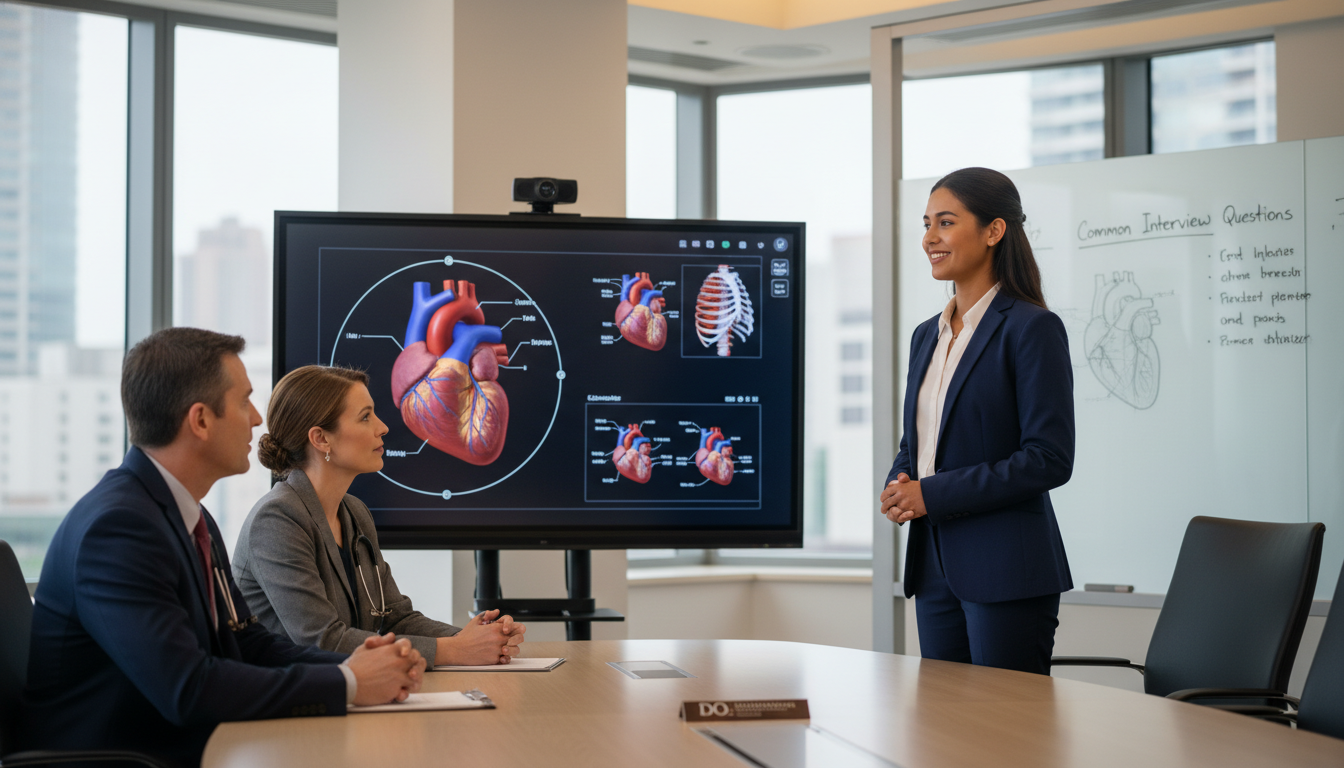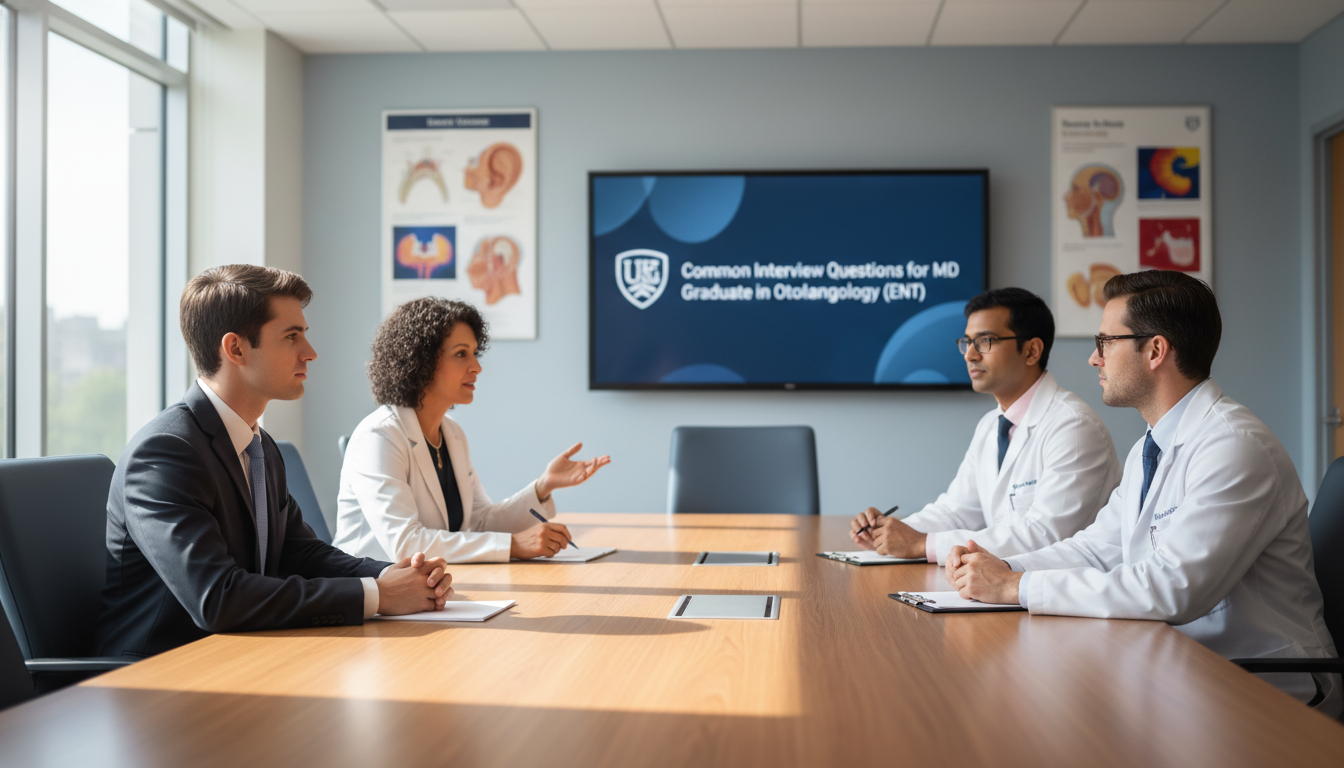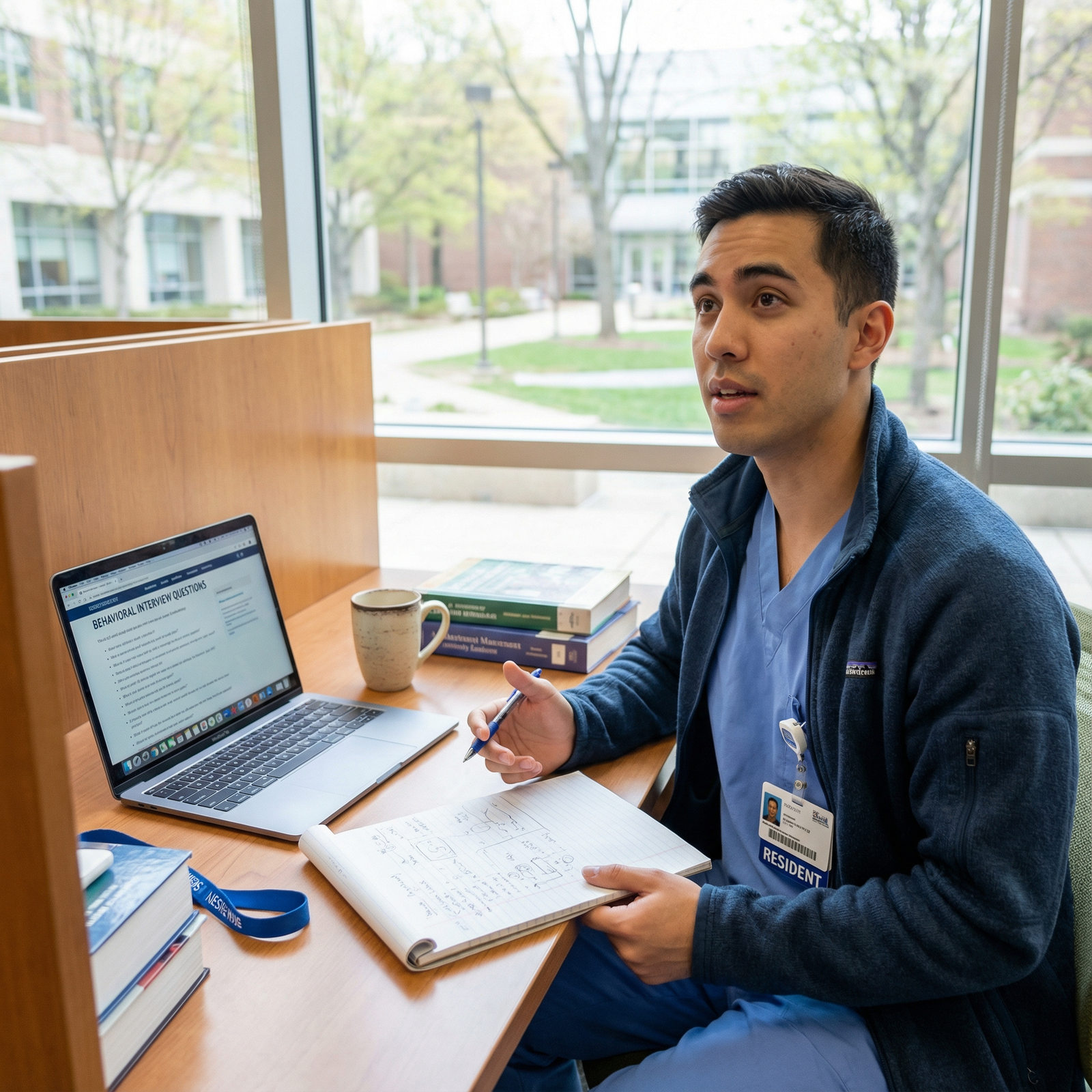
Understanding the Nuclear Medicine Residency Interview Landscape as a DO Graduate
Nuclear medicine is a small, highly specialized field—meaning every interview counts. As a DO graduate, you bring a distinct training background and a holistic philosophy that can be a genuine asset, but you may also encounter subtle questions or assumptions about your osteopathic education. Preparing specifically for common interview questions—especially behavioral interview medical questions—is critical for a strong osteopathic residency match outcome.
This guide focuses on the most common and high‑yield residency interview questions you’ll face as a DO applicant to nuclear medicine residency programs, with sample answers, pitfalls to avoid, and strategies to show that you’re ready for the demands of this imaging‑intensive, physics‑heavy specialty.
1. Foundational Questions: Setting the Tone
These questions typically come early, shape the interviewer’s first impression, and often guide the rest of the conversation.
“Tell me about yourself.”
This is almost guaranteed. It’s not small talk; it’s a test of how you frame your story and relevance to nuclear medicine residency.
Goal: Provide a concise, chronological “elevator pitch” that connects your background, DO training, and motivations to nuclear medicine.
Suggested structure (2–3 minutes):
- Background snapshot
- Where you’re from, key personal or academic influences
- Medical school and DO identity
- Why a DO path, meaningful osteopathic elements
- Path to nuclear medicine
- Pivotal experiences steering you toward the specialty
- Current goals & fit
- What you’re looking for in a program and what you bring
Example (DO nuclear medicine–focused):
“When I’m asked, ‘Tell me about yourself,’ I usually start with where I began. I grew up in a small town in Ohio where access to advanced imaging was limited, so patients often had to travel hours for tests. That early exposure to fragmented care made me very conscious of timely, accurate diagnosis.
In college, I majored in biomedical engineering and loved learning how imaging systems worked. I chose osteopathic medical school because the DO philosophy—looking at the whole patient and emphasizing function and quality of life—really resonated with me. During second year, I became fascinated by radiology, but it was my third-year rotation with a nuclear medicine physician that solidified my interest. Seeing how a single SPECT/CT perfusion scan changed the management of a patient with suspected coronary disease highlighted how powerful functional imaging can be.
Since then, I’ve sought out nuclear medicine electives, worked on a project assessing FDG-PET’s role in lymphoma restaging, and completed extra physics coursework. I’m now looking for a nuclear medicine residency where I can build strong foundations in imaging interpretation, radiopharmaceutical therapy, and research, and I believe my DO background in holistic, patient-centered care will help me communicate effectively with patients who are often anxious about radiation and cancer.”
Tips for DO graduates:
- Briefly, but confidently, mention why you chose a DO path; don’t sound defensive.
- Integrate a patient-centered, whole-person lens as a natural extension of being a DO.
- End on a future-oriented note: what kind of nuclear medicine physician you aim to become.
“Why nuclear medicine?” / “Why did you choose this specialty?”
For a small, niche field, motivation matters. Programs want to ensure applicants understand what the day-to-day really looks like.
Key points to cover:
- Understanding that nuclear medicine is functional imaging + therapeutic (e.g., radioiodine, Lu-177, Y-90).
- Interest in physics, radiopharmaceuticals, and image interpretation.
- Enjoyment of consultative, interdisciplinary roles.
- Alignment with your DO values (e.g., precision diagnostics supporting whole-person care).
Sample answer elements:
- A clinical story in which nuclear imaging altered management
- An academic interest (oncology imaging, cardiac imaging, theranostics)
- Awareness of the field’s trajectory (e.g., PET/MR, novel tracers, radiotheranostics)
Pitfalls to avoid:
- Vague statements like “I like radiology” without nuclear‑specific examples.
- Not acknowledging the physics, radiation safety, and regulatory components.
- Framing nuclear medicine as a “backup” for diagnostic radiology.
“Why our program?”
Program-specific questions are nearly universal in the nuclear medicine match. They test whether you did your homework and whether your goals align with what they offer.
Preparation checklist:
- Know unique clinical strengths: e.g., oncologic PET/CT volume, strong cardiac imaging, theranostic clinic, pediatric nuclear medicine presence.
- Know research or innovation areas: new tracers, dosimetry, AI tools, radiation safety projects.
- Know structural features: duration (1- or 3-year pathways), integrated vs standalone, affiliated residency programs.
Example structure:
- Specific clinical or research feature(s) you value
- How it aligns with your goals
- Something about culture or environment (teaching style, mentoring, DO-friendly attitude)
DO angle:
If their current or past trainees include DOs, mention that. If not, emphasize how your osteopathic training complements their strengths (e.g., patient communication for complex procedures like radionuclide therapy).
2. Behavioral Interview Questions: Stories that Show Who You Are
The behavioral interview medical style uses “Tell me about a time…” questions to assess how you’ve handled real situations. Nuclear medicine services are small; your behavior and reliability matter immensely.
Common Behavioral Questions and How to Approach Them
1. “Tell me about a time you made a mistake in clinical care.”
What they’re evaluating:
- Insight into your own fallibility
- Ability to take responsibility
- Steps taken to prevent recurrence
- Emotional maturity and professionalism
Answer framework (STAR method):
- Situation – context
- Task – what you needed to do
- Action – what you did (including the mistake)
- Result – outcome and what you learned/changed
Example (adapted for imaging):
“During my third-year internal medicine rotation, I was responsible for following up on a patient’s imaging results. The team ordered a V/Q scan for suspected pulmonary embolism. I checked for the result late in the day, saw that it was reported as ‘low probability,’ and verbally reassured the patient.
The next morning, my attending pointed out a note from the nuclear medicine physician recommending clinical correlation and possible lower extremity Doppler due to high clinical suspicion. I had not read the full narrative, just the impression line. We discussed this with the patient and arranged the Doppler, which fortunately was negative, but it highlighted a gap in my process.
I took responsibility for the oversight and changed my workflow: I now always review the full report, including recommendations, and document how we are acting on them. This experience made me more meticulous with imaging reports and has carried over to my later rotations and electives.”
For nuclear medicine residency:
You can frame similar stories around following protocols, verifying radiopharmaceutical doses, or carefully reviewing safety checks on rotations or electives.
2. “Tell me about a time you had a conflict with a team member and how you handled it.”
What they’re evaluating:
- Communication skills
- Professionalism under stress
- Willingness to listen and compromise
Guidelines:
- Avoid stories that make you sound hostile, rigid, or disparaging.
- Show that you sought understanding, clarified roles or expectations, and learned from it.
- Emphasize how you maintained respect and patient safety.
Example:
“On a busy medicine service, I worked with another student who would often disappear during rounds to check on lab values, which frustrated the residents. I was assigned to present imaging updates, but sometimes the labs he was gathering were crucial for interpretation.
Instead of venting to the team, I approached him directly and asked how we could better coordinate. It turned out he felt he wasn’t contributing enough and was overcompensating by independently gathering labs. We agreed on a plan: he would text me the critical results as he got them, and I would incorporate them into our imaging presentations.
We updated the senior resident on our plan, and over the next week, rounds were smoother and the conflict dissipated. That experience reinforced the importance of direct, respectful communication and clarifying shared goals—principles I’ll bring to collaborating with technologists, physicists, and other consultants in nuclear medicine.”
3. “Tell me about a time you had to adapt when things didn’t go as planned.”
Nuclear medicine often involves equipment downtime, radiotracer delays, or schedule disruptions. Programs want flexible physicians.
Example themes:
- Clinic or OR schedule changed last minute
- Canceled or delayed imaging studies
- Unexpected patient reactions (e.g., anxiety about radiation)
DO-specific twist:
Highlight how you maintained patient-centered care, explained complex imaging concepts in accessible language, or addressed holistic concerns (e.g., balancing radiation exposure fears with diagnostic benefits).
Behavioral Questions You Should Prepare For
Create at least one strong story for each of these prompts:
- “Tell me about a time you led a project or team.”
- “Tell me about a time you had to give difficult feedback.”
- “Tell me about a time you were overwhelmed and how you handled it.”
- “Tell me about a time you advocated for a patient.”
- “Tell me about a time you received constructive criticism and what you did with it.”
Write out bullet points using the STAR format and practice out loud. Nuclear medicine faculty often value clarity and precision in communication; rehearsed but genuine responses reflect that.
3. Specialty-Specific Questions for Nuclear Medicine
Beyond general behaviorals, programs will explore how well you understand the specialty and your long-term plans.
“What aspects of nuclear medicine interest you most?”
Use this to show you’ve thought deeply beyond “I like PET/CT.”
Possible angles:
- Oncologic imaging: FDG-PET/CT, prostate-specific tracers, response assessment.
- Cardiac imaging: Myocardial perfusion, viability, new tracers.
- Theranostics: I-131, Lu-177 DOTATATE/PSMA, Y-90 therapies, personalized dosimetry.
- Physics and instrumentation: SPECT/CT, PET/MR, quantitative imaging.
- Research: Novel radiotracers, AI in image analysis, outcome studies.
Tie your interest to concrete experiences (electives, research, case conferences).
“How comfortable are you with physics and quantitative imaging?”
Nuclear medicine residency is physics-heavy; interviewers want to know you can handle it.
As a DO graduate:
- Mention any extra physics courses, imaging electives, or self-study.
- If you initially struggled with physics, frame it as a growth story: what you changed and how you improved.
- Discuss practical steps: regular review sessions, collaboration with physicists, use of structured resources.
Example:
“I recognize that nuclear medicine is uniquely dependent on physics and quantitative principles. During medical school, I sought out a radiology physics elective and used it as an opportunity to strengthen my foundational understanding—especially of attenuation, scatter, and half-life calculations. I’ve found that approaching physics through clinical cases—for example, understanding how body habitus affects SPECT camera settings—helps me retain details.
In residency, I plan to build a systematic approach by reviewing physics topics weekly, attending joint conferences with medical physicists, and using board-style questions to test my understanding. I’m comfortable with the material and see it as central to being a competent nuclear medicine physician.”
“Describe a nuclear medicine case that impacted you.”
This is a chance to show both clinical understanding and empathy.
Strong answers will:
- Briefly summarize the indication and imaging study.
- Highlight the key findings and how they changed management.
- Reflect on the patient impact, not just the image.
- If appropriate, integrate your DO perspective on holistic care.
Example:
“On my nuclear medicine elective, I observed a PET/CT study in a patient with suspected recurrent lymphoma. The patient had already undergone multiple cycles of chemotherapy and was exhausted, both physically and emotionally. The PET/CT showed no evidence of active disease. I watched as the nuclear medicine attending carefully explained the findings to the patient, acknowledging their fatigue and fear, and reinforcing the plan for surveillance rather than more immediate treatment.
Seeing how our interpretation—grounded in physics and biology—translated directly into stopping toxic therapy, improving the patient’s quality of life, and providing psychological relief was powerful. It solidified my interest in nuclear medicine as a field where precise, quantitative imaging decisions can profoundly affect the whole person, which aligns closely with my osteopathic training.”
“Where do you see yourself in 5–10 years?”
Programs want to know if your goals align with what their training can provide.
Common paths in nuclear medicine:
- Academic practice with a focus on oncologic imaging or theranostics
- Hybrid roles (nuclear medicine + diagnostic radiology)
- Community-based nuclear medicine practice
- Industry or regulatory roles (radiopharmaceutical development, imaging AI, FDA/ACR roles)
Be honest but flexible. Show openness to evolving opportunities.
4. DO-Specific Considerations in the Osteopathic Residency Match
As a DO graduate residency applicant, you may be asked directly or indirectly about your osteopathic background.
Questions You Might Hear
- “Why did you choose a DO program instead of MD?”
- “What does osteopathic training mean to you now?”
- “How do you see osteopathic principles fitting into nuclear medicine?”
- Occasionally: “Do you still use OMT?”
Key strategy:
Answer confidently and positively. Emphasize added value, not hierarchy or competition between degrees.
Approach:
- Affirm your choice of DO training and what you gained.
- Connect osteopathic principles (whole-person care, structure-function relationships, prevention, patient communication) to nuclear medicine practice.
- Clarify that you apply these principles even if you don’t regularly perform OMT in imaging settings.
Example answer:
“I chose a DO program because I appreciated the emphasis on treating the whole person and understanding how structure and function interact. Even though nuclear medicine is highly technical, those principles apply daily. When we interpret PET or SPECT scans, we’re not just looking at uptake patterns in isolation; we’re integrating the patient’s overall clinical picture, comorbidities, and goals of care.
My DO background has also trained me to communicate complex information—like radiation risk or equivocal findings—in a way that acknowledges patients’ concerns and values. While I don’t expect to routinely use manual OMT techniques in nuclear medicine, the osteopathic mindset of holistic, patient-centered care is central to how I want to practice.”
Addressing Potential Bias or Concerns
If you sense unspoken concerns (e.g., about board exams, competitiveness), you can proactively highlight:
- Strong COMLEX and, if applicable, USMLE performance.
- Rigorous rotations at academic centers.
- Positive feedback from radiology/nuclear medicine faculty.
- Research or scholarly activity that demonstrates academic engagement.
Avoid being defensive; instead, frame your DO path as the foundation of your strengths.
5. Practical Preparation Strategies and Sample Questions
Building Your Question Bank
To prepare effectively for the nuclear medicine match, create and practice responses to questions in these categories:
- Personal & motivational
- “Tell me about yourself.”
- “Why nuclear medicine?”
- “Why our program?”
- “Strengths and weaknesses?”
- Behavioral & professionalism
- Conflict, mistakes, feedback, leadership, stress management.
- Specialty-specific
- Interest areas, physics comfort, future plans, memorable cases.
- DO-specific
- Osteopathic training, OMT, dual-board exams, holistic care.
- Ethics & judgment
- “Tell me about an ethical dilemma you faced.”
- “How do you handle uncertainty in imaging findings?”
Practicing Your Delivery
- Record yourself answering “tell me about yourself” and “why nuclear medicine?”
- Practice with a mentor or peer who can simulate residency interview questions.
- Time your answers: aim for 1–3 minutes per question.
- Maintain professional but warm body language—particularly important in small subspecialty interviews.
Questions You Should Ask Programs
Programs expect you to ask thoughtful questions. Examples:
- “How does your program integrate residents into theranostic clinics and radiopharmaceutical therapy?”
- “What opportunities exist for DO graduates to pursue academic or hybrid nuclear medicine–radiology roles after training?”
- “How are residents supported in learning physics and preparing for boards?”
- “What does a typical day look like for your nuclear medicine residents?”
Thoughtful questions signal maturity, curiosity, and genuine interest.
6. Frequently Asked Questions (FAQ)
1. Are DO graduates at a disadvantage in the nuclear medicine residency match?
Many nuclear medicine residency programs are open and welcoming to DO graduates, especially since the transition to a single accreditation system. You are not inherently at a disadvantage. Your competitiveness depends more on:
- Board scores (COMLEX and, if available, USMLE)
- Clinical performance and letters of recommendation
- Nuclear medicine exposure (electives, research, case conferences)
- Interview performance and professionalism
Highlight your osteopathic strengths—holistic care, communication, systems awareness—and show that you understand the technical and academic demands of the field.
2. What are the most important behavioral interview questions to prepare for?
The highest-yield behavioral interview medical questions include:
- “Tell me about a time you made a mistake and how you handled it.”
- “Tell me about a time you had a conflict with a team member.”
- “Tell me about a time you were under significant stress and what you did.”
- “Tell me about a time you led a team or project.”
Prepare at least one strong, specific story for each, using the STAR framework. Make sure your examples highlight traits critical for nuclear medicine: attention to detail, reliability, professionalism, and teamwork.
3. How can I show genuine interest in nuclear medicine if my school had limited exposure?
If your school had limited nuclear medicine exposure:
- Pursue away rotations or electives at institutions with active nuclear medicine departments.
- Attend nuclear medicine conferences or online webinars (e.g., SNMMI educational content).
- Engage in a small research or QI project related to imaging, radiation safety, or tracer use.
- Read foundational texts or review articles and bring up specific concepts during the interview (e.g., theranostics, PET/MR, new PSMA tracers).
- In your answers, emphasize how you proactively sought out experiences despite structural limitations; programs value initiative.
4. What if I’m asked a technical question I don’t know the answer to?
Some interviewers may ask basic conceptual questions (e.g., half-life of a common tracer, general mechanism of PET imaging). If you don’t know:
- Be honest—don’t guess wildly.
- Show how you’d approach finding the answer.
- If you know related concepts, briefly articulate them without overcomplicating.
Example:
“I’m not certain of the exact half-life, but I know that technetium-99m has a relatively short half-life that balances radiation exposure with maintaining adequate counts for imaging over a few hours. In practice, I would verify the half-life and decay scheme using standard reference materials and consult our physicists or protocols before planning or adjusting a study.”
This demonstrates humility, safety consciousness, and a thoughtful approach—qualities nuclear medicine programs value highly.
By anticipating these common questions and tailoring your responses to highlight your DO training, your understanding of nuclear medicine, and your professional maturity, you can present yourself as a compelling candidate in the osteopathic residency match for nuclear medicine.