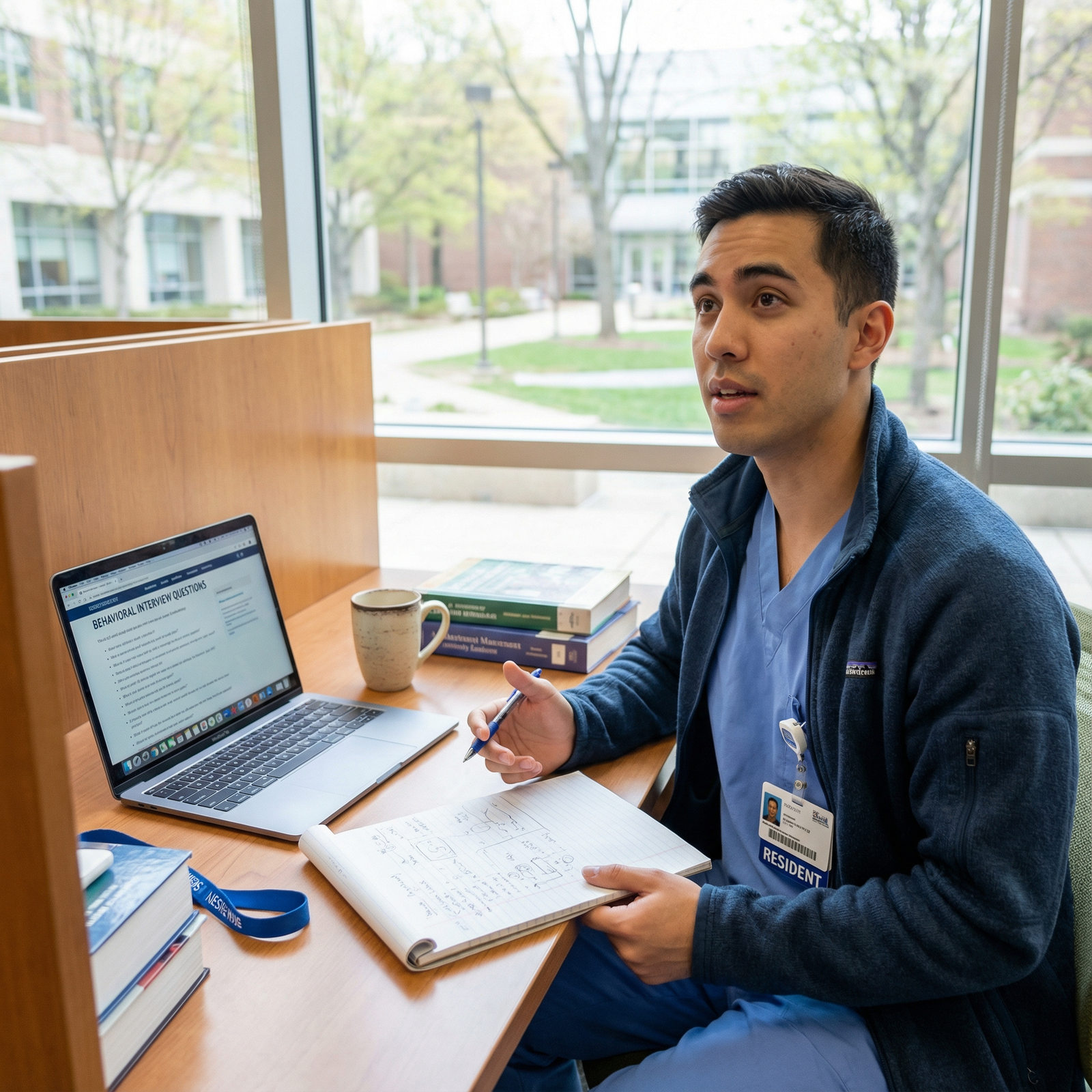
Dermatology residency interviews are competitive and fast-paced—especially for a DO graduate aiming for a strong derm match. Knowing the most common interview questions, what programs are really trying to assess, and how to respond in a way that showcases your strengths as an osteopathic physician can make a significant difference.
This guide is tailored specifically for DO graduates applying to dermatology residency. It focuses on common interview questions, how to structure your answers, and how to highlight your osteopathic training as an asset rather than an “explainer.”
Understanding the Dermatology Residency Interview Landscape as a DO
Dermatology remains one of the most competitive specialties, and the osteopathic residency match has fully merged with the ACGME process. As a DO graduate, you’re evaluated alongside MD applicants—and that can be a powerful advantage if you know how to articulate your unique training and perspective.
What Programs Are Really Looking For
When programs ask common residency interview questions, they’re not just checking if you studied their website. They’re assessing:
- Clinical competence and work ethic
- Genuine interest in dermatology, not just its lifestyle or prestige
- Teamwork and professionalism
- Reliability and resilience under stress
- Teachability and growth mindset
- Fit with the program’s culture and mission
- Communication skills and bedside manner, especially important in a visual, patient-facing specialty
As a DO graduate, you also have an opportunity to highlight:
- Your holistic, patient-centered training
- Comfort with chronic disease management, behavior change, and whole-person care
- Exposure to musculoskeletal and systemic conditions that intersect with dermatology (psoriasis and arthritis, lupus, vasculitis, etc.)
Keep this context in mind as you review the most common dermatology residency interview questions below.
1. Core “Tell Me About Yourself” and Motivation Questions
These questions often come early and shape the interviewer’s first strong impression of you.
“Tell me about yourself.”
This is one of the most common residency interview questions and often the first one you’ll hear. Programs use it to assess your communication style, organization, and what you think is most important about your story.
Aim for:
- 1.5–2 minutes
- Chronological, clear, and relevant to dermatology
- Focused on your path, not a full autobiography
Simple structure (Present → Past → Future):
- Present: Who you are now and where you are in training
- Past: Key experiences that shaped your interest in medicine and dermatology
- Future: What you’re looking for in a dermatology residency and career
Example (DO-focused):
“As a fourth-year DO student at [School], I’m currently on a dermatology elective where I’ve been managing a wide range of medical derm and procedural cases under supervision. I grew up in a small town where access to specialists was limited, which first sparked my interest in medicine and especially in fields where visual diagnosis and longitudinal relationships really matter. During my pre-clinical years, I gravitated toward dermatology because it combines complex internal medicine, procedures, and the ability to immediately improve a patient’s quality of life—whether that’s controlling severe psoriasis or addressing scarring acne in a teenager.
As an osteopathic student, I’ve been trained to look at the whole person and how skin disease impacts their function, mental health, and social life. That perspective has shaped the way I approach patients on my derm rotations. Looking forward, I’m seeking a dermatology residency with strong medical and surgical training, a collaborative culture, and opportunities to care for diverse and underserved populations.”
Tips for DO graduates:
- Explicitly mention being a DO once, early, and then move on confidently to your strengths.
- Avoid apologizing for COMLEX or “making up” for anything. Frame your training as an asset.
“Why dermatology?”
This is a core derm match question. Programs need to know you’re committed and realistic about the field.
What they’re screening for:
- Depth of understanding of dermatology beyond “good lifestyle”
- Exposure to the field (rotations, research, shadowing)
- Authentic connection between your experiences and derm
Answer framework:
- Clinical reasons: Intellectual fit (medical + procedural + visual)
- Patient impact: Quality-of-life changes, chronic disease relationships
- Personal experiences: Rotations or mentors that shaped your interest
- Long-term alignment: How derm fits your career goals
Pitfalls to avoid:
- Only emphasizing lifestyle or income
- Being too vague: “I just think it’s really interesting.”
- Over-focusing on cosmetics unless you back it with meaningful clinical perspective
“Why did you choose osteopathic medicine?” / “How has being a DO shaped you?”
As a DO graduate, expect some variation of this question, even in fully unified training environments.
Strong themes to highlight:
- Holistic, patient-centered care
- Attention to function, lifestyle, and psychological impact of disease
- Comfort with chronic disease, behavior change, and patient education
- Exposure to musculoskeletal and systemic disease, which often overlaps with derm
Example: “I chose osteopathic medicine because I resonated with the philosophy of treating the whole person, not just a disease. That’s been particularly powerful in dermatology—psoriasis or atopic dermatitis aren’t just rashes; they affect sleep, work, relationships, and mental health. My DO training has made me very intentional about asking how a skin condition is impacting a patient’s daily function and wellbeing, and it’s pushed me to partner with patients on practical treatment plans they can actually follow.”

2. Behavioral Interview Questions in Dermatology
Behavioral questions (“Tell me about a time when…”) are common in a behavioral interview in medical settings because they predict how you’ll function on the team.
Use the STAR method:
- Situation – brief context
- Task – your role or objective
- Action – what you did (most of your answer)
- Result – outcome + what you learned
Common Behavioral Questions and How to Approach Them
1. “Tell me about a time you made a mistake in patient care.”
They’re checking for:
- Accountability
- Insight
- Willingness to learn
- Systems thinking (how to prevent recurrence)
Tips:
- Choose a real, but not catastrophic, example.
- Take clear ownership; don’t blame others.
- Conclude with how you changed your behavior or approach.
2. “Describe a conflict you had on a team and how you handled it.”
They want to know:
- Whether you’re difficult to work with
- How you communicate under tension
- Your maturity and professionalism
Example outline:
- Situation: Disagreement about patient triage or documentation.
- Task: Maintain patient safety and team function.
- Action: Private, respectful conversation, clarifying roles, seeking compromise.
- Result: Resolution + better working relationship.
3. “Tell me about a time you had to give difficult feedback or receive criticism.”
Dermatology is small; reputation and collegiality matter. Show that you:
- Can receive feedback without defensiveness
- Can provide feedback thoughtfully and respectfully
4. “Tell me about a time you cared for a challenging patient.”
As a derm resident, you’ll see:
- Patients frustrated by chronic pruritus or chronic skin conditions
- Complex medical histories
- High emotional burden with visible disease
Emphasize:
- Empathy and validation
- Communication strategies
- Setting realistic expectations
- Leveraging your osteopathic training to see the whole person
Behavioral Questions Specific to Dermatology
You may get specialty-tailored scenarios:
- “Tell me about a time you had to deliver bad news.”
- “Describe a patient with a skin condition that changed how you view dermatology.”
- “How do you handle patients with unrealistic expectations about cosmetic outcomes?”
For each:
- Tie in communication strategies
- Highlight shared decision-making
- Emphasize ethical and patient-centered thinking
3. Academic, Clinical, and Derm-Specific Questions
Programs also probe your clinical reasoning and interest in dermatology’s day-to-day reality.
“Tell me about a memorable dermatology patient or case.”
Good answer elements:
- Brief summary of the case (age, key diagnosis or dilemma)
- Your role and learning level
- What made it memorable (diagnostic challenge, impact on patient, rare condition)
- What you learned and how it shapes your approach now
DO angle:
Highlight how you considered systemic disease, psychosocial impact, or functional limitations in addition to the skin.
“What aspects of dermatology are you most interested in?”
Be honest but balanced. Common interests:
- Medical dermatology (psoriasis, CTCL, bullous diseases)
- Procedural / surgical derm (excisions, MOHS exposure later)
- Pediatric dermatology
- Complex medical-dermatology and inpatient consults
- Community or underserved dermatology
Avoid making it sound like:
- You’re only interested in high-end cosmetics
- You’d be unhappy on inpatient or general derm
“How have you prepared yourself for a career in dermatology?”
Include:
- Rotations (home and away/audition rotations)
- Research, posters, or publications (even small)
- Shadowing or longitudinal mentors
- Dermatology interest group leadership
- Quality improvement or curriculum projects relevant to derm
For a DO graduate, it’s useful to:
- Highlight any time you sought out dermatology exposure at MD-affiliated sites or large academic centers.
- Note steps taken to bridge gaps if your school had limited derm faculty (e.g., virtual derm electives, teledermatology experiences).
“Tell me about your research” or “What was your role in this project?”
Programs want to know:
- You understand the methods and limitations
- Your specific contribution, not just your name on a poster
- How research shaped your thinking or practice
Be ready with:
- 1–2 minute summaries of your main projects
- A clear description of your role (data collection, chart review, analysis, drafting, IRB submission)
- A takeaway that connects research to better patient care or interest in dermatology
“Where do you see yourself in 5–10 years?”
Derm programs are screening for:
- Long-term commitment to dermatology
- Realistic self-awareness
- Whether your goals align with what the program offers (academics vs community, research intensity, etc.)
Example themes:
- Becoming a well-rounded dermatologist with strong medical and procedural skills
- Involvement in teaching and mentoring
- Contributing to quality improvement or research in a focused area (e.g., skin cancer in rural populations, skin of color, complex medical derm)
4. Program Fit, Values, and Culture Questions
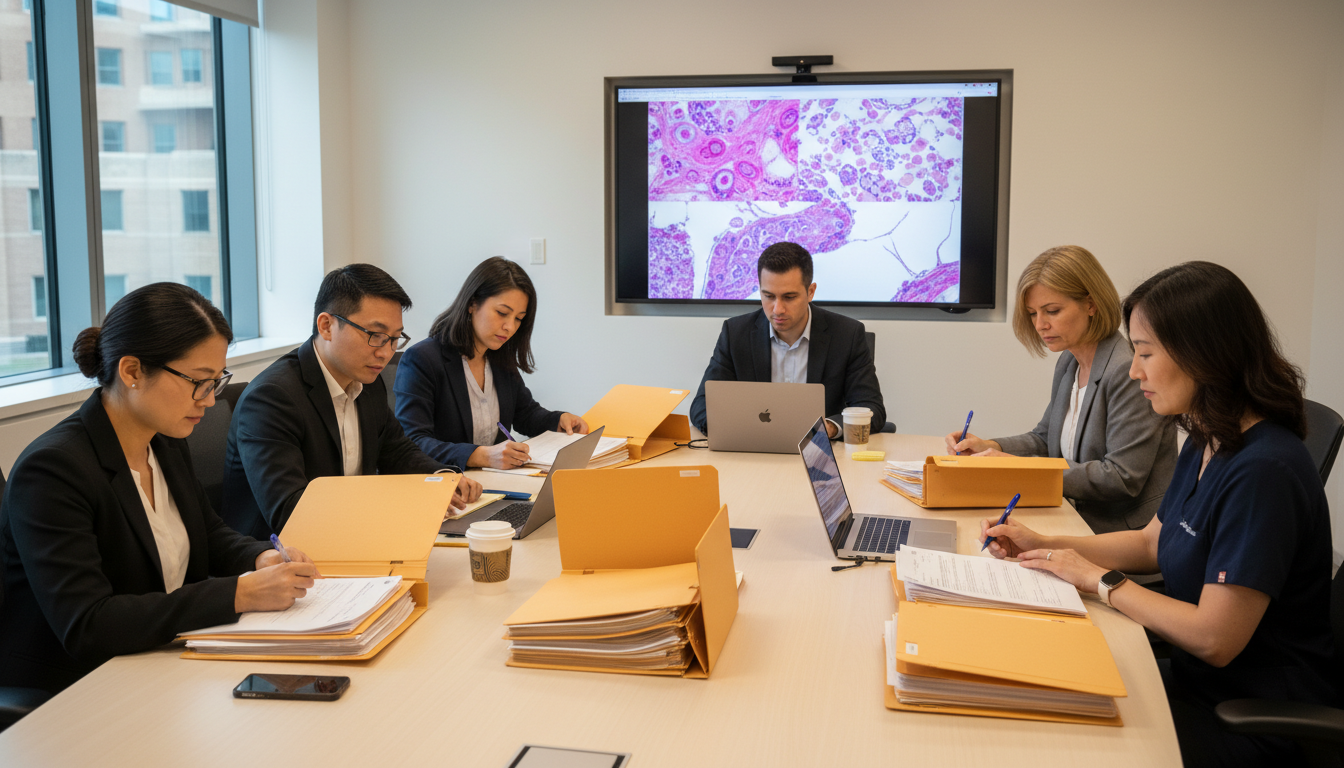
Dermatology is a small world; programs want residents who will be good colleagues for 3+ years.
“Why our program?”
This is one of the most critical questions in any osteopathic residency match or ACGME derm match.
Your answer should demonstrate:
- You did specific research about the program
- You understand their strengths and style of training
- You’ve reflected on your own needs and goals
Concrete elements to mention:
- Strong medical derm / complex consult volume
- Surgical / MOHS exposure and hands-on opportunities
- Community vs tertiary referral center focus
- Diversity of patient population (e.g., skin of color, rural/urban mix)
- Faculty interests aligned with yours
- Emphasis on teaching, scholarly work, or global/underserved care
Avoid:
- Generic answers that could apply to any program
- Over-emphasizing location without tying it to your story
“What are you looking for in a dermatology residency program?”
This often pairs with “Why our program?” and your answer should be consistent.
Consider:
- Strong clinical training across the full breadth of derm
- Supportive, collegial culture
- Opportunities to teach students or junior residents
- Flexibility to explore niche areas (peds derm, rheum-derm, procedural)
- Mentoring in research or career development
As a DO graduate, you might also mention:
- A program that values diverse training paths
- Faculty who are supportive in career planning (fellowship vs general practice)
“What do you consider your strengths and weaknesses?”
This is standard, but programs listen closely for:
- Insight
- Honesty
- Non-defensiveness
- A growth mindset
Strengths for dermatology might include:
- Visual pattern recognition
- Persistence and attention to detail
- Patient communication and empathy
- Procedural comfort and manual dexterity
- Reliability and strong work ethic
When sharing weaknesses:
- Pick something real, but not disqualifying
- Show you’ve taken concrete steps to improve
Example: “I have a tendency to take on too many tasks at once because I genuinely want to help the team. Over time, I’ve learned to communicate more proactively with my seniors about my workload and to prioritize tasks based on patient safety and urgency. This has helped me stay reliable while still being as helpful as possible.”
“How would your classmates or attendings describe you?”
Avoid generic traits only (“hard-working, nice”). Add behavioral evidence:
“Classmates often describe me as calm under pressure and very approachable. On my medicine rotation, for example, I became the point person for organizing handoffs and clarifying plans with consultants, which helped the team run more smoothly.”
5. Logistics, Red Flags, and “Pressure” Questions
Programs sometimes ask tougher or more probing questions to understand your judgment and resilience.
Application- or Background-Specific Questions
Be ready for questions about:
- COMLEX/USMLE scores (especially if there’s a dip)
- A leave of absence or extended time in medical school
- Failed exams or failed rotations
- Limited dermatology exposure
Key principles:
- Be direct and concise
- Take responsibility
- Emphasize growth and improvement
- End on a note of current readiness
“If you don’t match into dermatology, what will you do?”
Many DO and MD applicants fear this question. Programs are assessing:
- Realism
- Resilience
- Level of commitment (without appearing rigid or desperate)
Balanced answer elements:
- Strong commitment to dermatology
- Recognition that match outcomes are not always fully in your control
- Clear short-term plan (e.g., research year, preliminary medicine year while reapplying)
- Emphasis on continuing to build skills relevant to derm (internal medicine, rheum, allergy)
“Do you have any questions for us?”
You must have thoughtful questions—this is part of the interview, not a formality.
Strong question types:
- Curriculum and training structure
- Resident autonomy and graduated responsibility
- Resident wellness and support systems
- Opportunities in your areas of interest (e.g., peds derm, complex medical derm, skin of color)
- How DO grads or non-traditional applicants have done at the program
Avoid:
- Questions easily answered on the website
- Early, aggressive questions about vacation or moonlighting
6. Practical Strategies to Prepare and Stand Out as a DO Graduate
Build Your “Answer Bank”
Create a document with:
- 6–8 patient care stories
- 3–4 teamwork/conflict stories
- 2–3 examples of leadership or initiative
- 2–3 research/academic examples
Map each story to potential behavioral interview medical questions:
- Mistake, conflict, leadership, difficult feedback, time management, ethical dilemmas, etc.
Practice Out Loud—Especially “Tell me about yourself”
Even very strong applicants underperform if they’ve never said their answers out loud.
- Record yourself and review clarity, pacing, and filler words.
- Do mock interviews with:
- Advisors
- Residents
- Peers applying to other specialties (fresh perspective)
Frame Your DO Background as an Advantage
Throughout your answers, subtly integrate:
- Holistic approach to care
- Emphasis on function and wellbeing
- Comfort managing comorbidities that impact skin disease (obesity, diabetes, arthritis, autoimmune disease)
- Experience in community or underserved settings—very relevant to access issues in dermatology
You don’t need to mention OMT unless relevant; focus on philosophy, communication skills, and patient-centered care.
Handling Virtual Interviews
Many programs now use virtual formats for at least some stages.
- Ensure professional background and lighting.
- Look at the camera when answering, not just the screen.
- Test audio and connection beforehand.
- Keep notes nearby, but do not read; glancing occasionally is fine.
Day-of Interview Checklist
- Review each program briefly: key features, faculty, rotation sites.
- Have printed or digital copies of your CV, personal statement, and ERAS application handy.
- Prepare 2–3 tailored questions for each interviewer type (PD, faculty, resident).
- Have a brief, clear closing remark if given the chance (e.g., “Is there anything else you’d like me to clarify?” or “I appreciate how your program… and feel it aligns with my goals because…”).
FAQ: Common Questions About Dermatology Interviews for DO Graduates
1. As a DO graduate, should I address my COMLEX vs USMLE situation directly?
If they ask specifically, answer clearly: which exams you took, how you prepared, and any context for score differences. If you only took COMLEX and the program has historically accepted COMLEX alone, you generally don’t need to proactively defend it—present your performance confidently and focus on the rest of your application (rotations, letters, derm exposure).
2. How can I stand out in dermatology residency interviews without a big research portfolio?
Emphasize:
- Deep commitment shown through derm rotations and strong letters.
- Quality improvement or smaller scholarly projects (case reports, posters, chart reviews).
- Clear, thoughtful reflection on what you’ve learned from each experience.
- Outstanding interpersonal skills and team orientation during interview day—programs invest heavily in people they genuinely enjoy working with.
3. What are the most important questions I should be prepared for?
At minimum, be ready to answer, smoothly and confidently:
- “Tell me about yourself.”
- “Why dermatology?”
- “Why our program?”
- “Tell me about a time you made a mistake.”
- “Tell me about a time you had a conflict on a team.”
- “What are your strengths and weaknesses?” Nail these “core” questions and you’ll be in a strong position, even if some curveball questions arise.
4. How honest should I be when asked about my interest in cosmetic dermatology?
You should be truthful but balanced. If cosmetics interests you, say so—but also recognize and value general medical derm, skin cancer care, and chronic disease management. Programs worry about applicants who appear interested only in high-end cosmetics and may be less engaged in bread-and-butter or complex medical derm. Emphasize that you want to be a well-rounded dermatologist first, with room to develop areas of focus over time.
Preparing thoughtfully for these common interview questions will help you present your best, most authentic self as a DO applicant in dermatology. With clear stories, structured answers, and a confident understanding of your osteopathic identity, you can walk into each interview ready to show programs why you’ll be a strong, collegial, and committed dermatology resident.