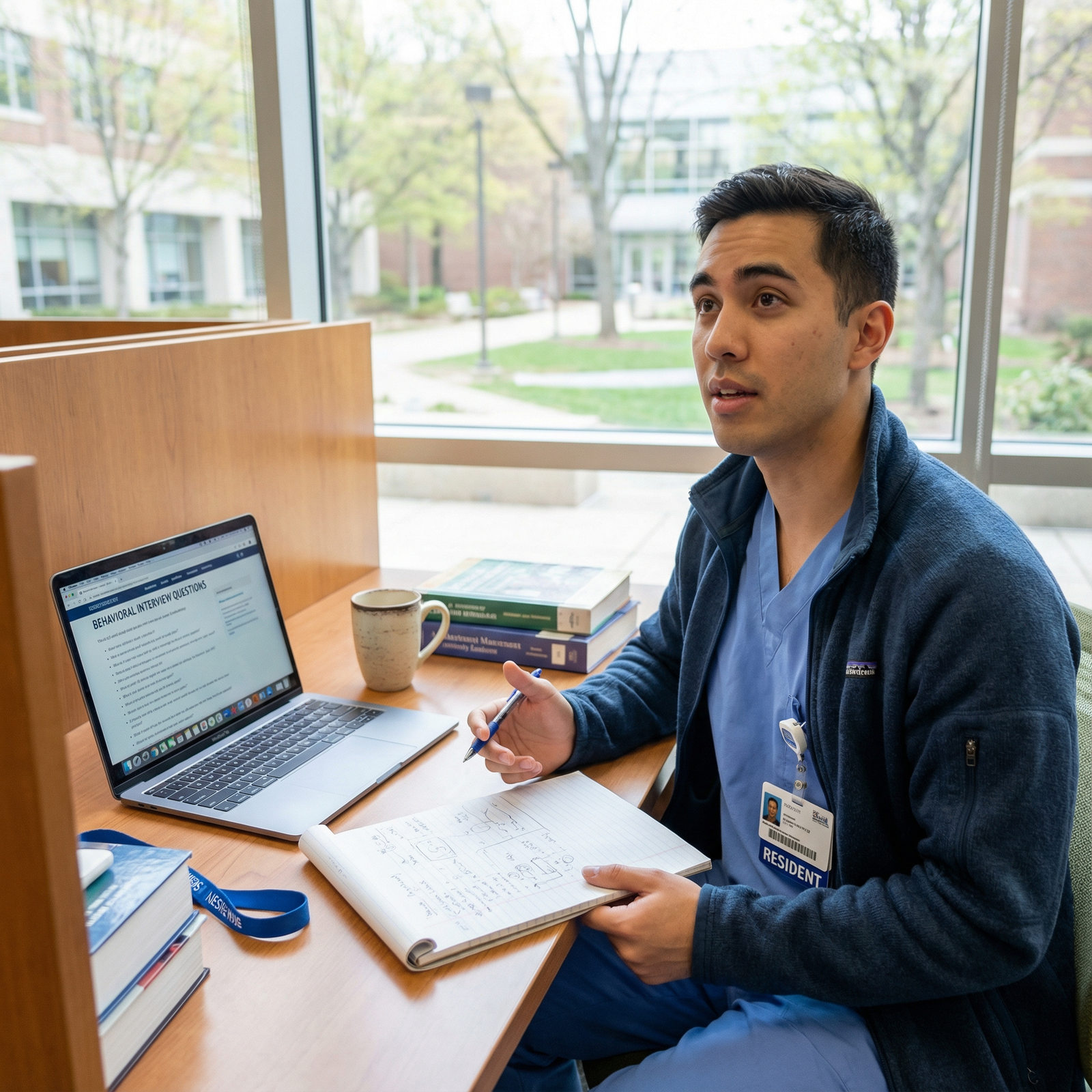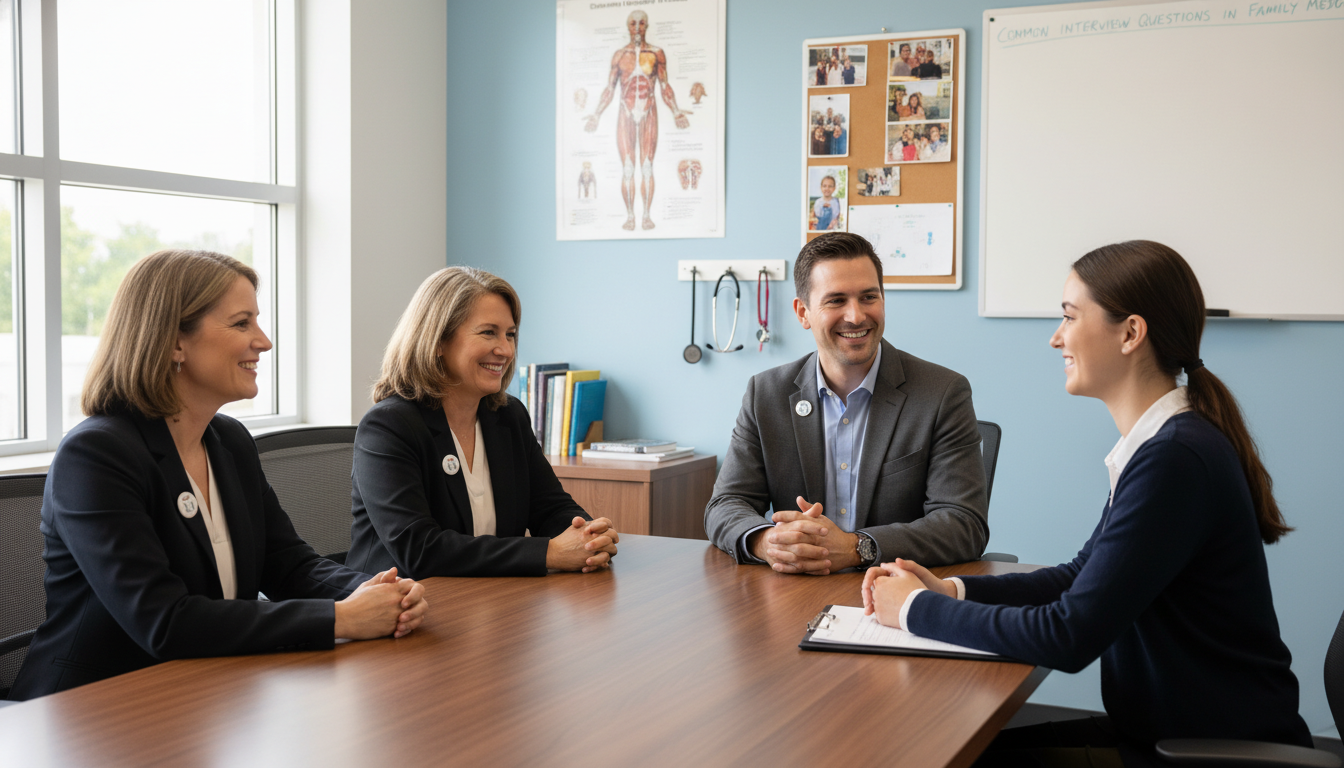
As a DO graduate aiming for a medical genetics residency, you’re stepping into a niche but rapidly expanding field. Programs know that DO applicants often bring a strong holistic and patient-centered background—but they will still rigorously test your fit using both traditional and behavioral interview questions.
This guide focuses on common interview questions you’re likely to face, how to answer them, and how to leverage your osteopathic training in the osteopathic residency match and specifically in the genetics match landscape.
Understanding the Medical Genetics Residency Interview Landscape
Medical genetics is small and competitive, with programs looking for applicants who are:
- Intellectually curious and comfortable with complexity
- Compassionate, especially around sensitive topics like reproductive risk, cancer predisposition, and pediatric syndromes
- Strong communicators who can translate complex science for patients and families
- Collaborative and able to work with multidisciplinary teams
For DO graduates, interviews also frequently explore:
- Your understanding of and alignment with the MD-dominated environment
- How osteopathic principles shape your approach to genomics, rare disease care, and longitudinal family counseling
- Your readiness for heavy cognitive work and less procedural focus
Expect interviews to blend:
- Traditional questions (“Why medical genetics?”)
- Behavioral interview medical questions (“Tell me about a time you handled conflict on a team.”)
- Ethics and professionalism scenarios
- Scientific or case-based questions to test your reasoning
- Classic openers like “Tell me about yourself”
You should be ready with structured, thoughtful responses that clearly connect your story, your DO training, and your experiences to a career in medical genetics.
Core Traditional Questions You’ll Almost Certainly Be Asked
1. “Tell me about yourself.”
This is almost guaranteed. Interviewers use it to understand your narrative and communication style. It often shapes the direction of the entire interview.
Your goal: Deliver a concise, 1–2 minute professional story that hits:
- Who you are now (DO graduate, where you trained)
- Key experiences that shaped your interest in medical genetics
- Why genetics and why now
- What you’re looking for in a residency
Sample structure (for a DO graduate):
“I’m a recent DO graduate from [School], where I developed a strong interest in caring for patients with complex, chronic conditions. Early in my clinical years, I met a child with an undiagnosed neurodevelopmental disorder whose family had spent years searching for answers. Working with genetics and neurology on that case introduced me to the power of genomic medicine and multidisciplinary care.
Since then, I’ve pursued electives in medical genetics and pediatrics, participated in a research project on variant interpretation in hereditary cancer syndromes, and volunteered with a family support group for rare diseases. My osteopathic training has really reinforced a holistic view of patients and families, which I believe is essential in genetics.
I’m now looking for a medical genetics residency where I can grow as a clinician and educator, work closely with multidisciplinary teams, and contribute to expanding access to genetic services for underserved populations.”
Tips for DO graduates:
- Explicitly mention your DO background and how holistic care informs your interest in lifelong, family-centered genetic counseling and management.
- Avoid reciting your CV in chronological order; focus on a cohesive story.
- Practice out loud; this question shapes first impressions.
2. “Why medical genetics?”
Programs want to see that you understand what the specialty actually is—and that you’re committed to it.
Key elements to include:
- When and how your interest was sparked
- Specific aspects you enjoy: diagnostic puzzles, longitudinal care, counseling, family-centered approach, or integration of cutting-edge science
- Awareness that the field involves a lot of counseling, ambiguity, and rapidly evolving evidence
Strong answer components for a DO graduate:
- Link genetics to your osteopathic emphasis on whole-person and family systems.
- Highlight fascination with complex pathophysiology and pattern recognition.
- Mention exposure to genetic clinics, tumor boards, or undiagnosed disease programs.
Example points to weave together:
- Early exposure: a patient or rotation in genetics or a related subspecialty (peds, oncology, neurology).
- Intellectual fit: love for integrating molecular biology with real-world clinical decisions.
- Emotional fit: motivated by helping families navigate uncertainty and make informed reproductive or cancer surveillance choices.
- Long-term vision: interest in academic medicine, research, or evolving genomic technologies.
3. “Why are you interested in our program specifically?”
Programs are wary of generic answers. You must demonstrate genuine interest and detailed knowledge.
How to prepare:
- Research: curriculum structure (combined pediatrics-genetics, internal medicine-genetics, categorical genetics), research strengths, unique clinics (cancer genetics, metabolic disorders, neurogenetics, prenatal).
- Understand the program’s philosophy: community/underserved focus, academic focus, rare disease center, etc.
- Review faculty interests and ongoing projects.
Sample answer framework:
- Start with program-specific features: combined training track, unique clinics, or renowned research.
- Connect them to your goals: clinical interests (e.g., cancer genetics, pediatric syndromes), research interests, or career aspirations.
- Add a cultural/values component: collaborative environment, teaching opportunities, support for DO graduates, diversity and inclusion efforts.
DO-specific angle:
You can say you’re drawn to programs that value holistic, patient-centered care and interprofessional collaboration, aligning with your osteopathic training.
4. “What are your strengths?” and “What are your weaknesses?”
These classic residency interview questions are nearly universal.
For strengths in medical genetics:
Consider skills such as:
- Strong communication and ability to explain complex concepts at multiple literacy levels
- Pattern recognition and attention to detail in physical exams and pedigrees
- Empathy, patience, and comfort with emotionally heavy conversations
- Collaborative approach with multidisciplinary teams
- Lifelong learning mindset, important in a rapidly evolving field
Answer example:
“One of my key strengths is clear communication. In medical school, I gravitated toward patient education, especially when explaining complex topics like testing and long-term management. During my genetics elective, I often helped break down test results and options in accessible language for families. I think this skill will be especially valuable in medical genetics, where patients make life-altering decisions based on nuanced information.”
For weaknesses:
- Choose something real but not disqualifying (e.g., perfectionism, difficulty delegating, initial discomfort with uncertainty).
- Show insight and active improvement strategies.
- Frame it in the context of medical genetics if appropriate (e.g., learning to tolerate uncertainty in variant interpretation).
Example:
“I tend to be uncomfortable with ambiguity and used to feel pressured to give patients definitive answers quickly. Genetics often doesn’t provide that certainty, with variants of uncertain significance and evolving evidence. I’ve been working on reframing this by being transparent with patients about what we know and don’t know, and by staying engaged in longitudinal follow-up as more data emerge. I also participate in variant review meetings and journal clubs to strengthen my comfort in discussing uncertainty in a structured way.”

Behavioral Interview Questions in Medical Genetics: What to Expect
Residency programs increasingly use behavioral interview medical questions, based on the idea that past behavior predicts future performance. They’re often phrased as:
- “Tell me about a time when…”
- “Give me an example of…”
Use the STAR method (Situation, Task, Action, Result) to answer:
- Situation: Brief background
- Task: Your responsibility
- Action: What you did
- Result: Outcome and what you learned
5. Teamwork and Conflict
Common questions:
- “Tell me about a time you had a conflict with a team member. How did you handle it?”
- “Describe a challenging interaction with a nurse or consultant.”
In medical genetics, you’ll work with:
- Genetic counselors
- Pediatricians, internists, oncologists, neurologists
- Social workers, psychologists, and lab staff
Good example themes:
- Disagreement about a patient workup
- Different communication styles causing friction
- Navigating role boundaries with other team members
Key points to show:
- Respect for all team members
- Willingness to listen and seek understanding
- Focus on patient-centered resolution
- No blaming; emphasize growth and collaboration
DO-specific advantage:
You can highlight your osteopathic emphasis on teamwork and whole-person care in resolving conflicts.
6. Difficult Patient or Family Interactions
Genetics often involves:
- Delivering bad news (e.g., serious inherited disease, cancer risk)
- Discussing uncertain or probabilistic results
- Navigating cultural or religious beliefs about testing and reproduction
Common questions:
- “Tell me about a time you had to deliver bad news.”
- “Describe a challenging interaction with a patient or family and how you handled it.”
What interviewers want to hear:
- Ability to remain empathetic and composed
- Use of clear, non-technical language
- Respect for patient autonomy, even when you disagree
- Reflection on what you learned and might do differently next time
Example scenario:
Explaining a poor prognosis or a significant diagnostic finding to a family and managing their reactions (anger, denial, grief) while maintaining support and honesty.
7. Handling Ambiguity and Uncertainty
In medical genetics, you will routinely face:
- Variants of uncertain significance
- Incomplete penetrance and variable expressivity
- Limited data on rare conditions
Likely questions:
- “Tell me about a time you faced an uncertain clinical situation. What did you do?”
- “Describe a case where there was no clear answer. How did you handle it with the patient and team?”
Important to show:
- Comfort with saying “I don’t know, but I will find out.”
- Reliance on evidence, guidelines, and consultation with experts
- Clear communication with patients about uncertainty and follow-up
- Longitudinal mindset—willingness to adjust management as new data emerge
8. Ethics and Professionalism Scenarios
Genetics is rich with ethical dilemmas:
- What to do when a patient refuses testing that could affect family members
- Handling incidental findings
- Testing minors for adult-onset conditions
- Confidentiality vs. duty to warn relatives
Common interview questions:
- “Tell me about a time you faced an ethical dilemma in patient care.”
- “How would you handle a situation where a patient’s decision conflicts with what you believe is in their best interest?”
Approach:
- Mention using structured ethical frameworks and seeking guidance (ethics committee, guidelines).
- Emphasize respect for patient autonomy within legal and institutional constraints.
- Highlight your awareness of specific genetics-related guidelines (e.g., testing minors, return of results).
DO-Specific Considerations: Standing Out as an Osteopathic Graduate
As a DO graduate in the osteopathic residency match applying for medical genetics, programs may ask questions that probe:
- How your osteopathic training influences your patient care philosophy
- Whether you can integrate into a largely MD environment
- Your exposure to genetics if your school did not heavily emphasize it
9. “How has your DO training shaped the kind of physician you are becoming?”
This is your chance to reframe any perceived disadvantage as a strength.
Themes to highlight:
- Whole-person focus: integrating physical, emotional, social, and family aspects of care
- Emphasis on longitudinal relationships with patients and families
- Interprofessional collaboration and communication
- Comfort with chronic, complex illness—common in genetics patients
Example:
“My DO training emphasized viewing patients in the context of their families, communities, and environments. In medical genetics, I see that same philosophy in caring not just for an individual but often for multiple family members across generations. The osteopathic focus on communication and trust-building has prepared me to have nuanced conversations about testing, risk, and long-term management that respect patients’ values and preferences.”
10. “Have you faced any challenges as a DO applicant, and how have you addressed them?”
Your answer should be honest but confident.
Possible points:
- Extra effort to secure away rotations or mentorship in genetics at MD institutions
- Proactively seeking research or scholarly projects in genetics
- Using board scores, honors, or research to demonstrate academic strength
- Learning to advocate for yourself and your training background
Avoid sounding defensive or resentful. Frame challenges as opportunities for growth and initiative.

Specialty-Specific Questions: Showing You Understand Medical Genetics
Beyond general residency interview questions, expect specialty-specific queries to assess your insight into medical genetics as a career.
11. “What do you think a career in medical genetics looks like day-to-day?”
Programs want realism. Avoid vague or overly research-heavy descriptions unless that truly is your path.
Include:
- New patient consults and follow-ups in clinic (pediatric, adult, prenatal, cancer)
- Performing detailed physical exams and dysmorphology assessments
- Constructing and interpreting pedigrees
- Ordering and interpreting genetic tests (microarray, panel testing, WES/WGS, targeted tests)
- Multidisciplinary clinics and tumor boards
- Time spent counseling patients and families
- Collaboration with genetic counselors and laboratory staff
- Long-term, family-based care and surveillance
Demonstrating a concrete understanding reassures programs that you are committed to this path.
12. “What areas of medical genetics interest you the most?”
It’s fine not to be fully decided, but you should have some areas of genuine interest:
- Pediatric genetics / dysmorphology
- Cancer genetics
- Neurogenetics
- Metabolic genetics
- Prenatal genetics
- Laboratory and molecular genetics
- Undiagnosed disease programs
Tie your interests to experiences (rotations, research, personal stories) and stay open-minded:
“I’m particularly drawn to pediatric and cancer genetics because of my experiences with families navigating inherited cancer risk and congenital syndromes, but I’m very open to exploring other areas during training.”
13. “Tell me about a genetics-related case that influenced you.”
Select a case that shows:
- Clinical curiosity and follow-through
- Compassion and holistic attention to the patient and family
- Understanding of the uncertainty and complexity in genetics
Discuss:
- The clinical scenario and what made it challenging or memorable
- Your role (student, observer, contributor)
- How the case shaped your view of medical genetics
14. “How do you stay current with advances in genomics?”
Demonstrate habits that show you’re prepared for a rapidly evolving field:
- Following key journals or newsletters (e.g., American Journal of Medical Genetics, Genetics in Medicine)
- Attending genetics grand rounds, seminars, online lectures
- Participating in case conferences or variant interpretation meetings
- Using online resources like GeneReviews, OMIM, ClinVar
Mention anything you already do and how you plan to expand these habits in residency.
Practical Preparation Strategies for DO Graduates
To excel in medical genetics residency interviews and the genetics match, combine content preparation with delivery practice.
Build a Personal Bank of Stories
For behavioral and traditional questions, prepare 8–10 versatile stories that show:
- Teamwork and leadership
- Conflict resolution
- Ethical challenges
- Communication with difficult or distressed patients/families
- Instances of learning from mistakes
- Initiative and advocacy (especially for rare disease or genetics-related care)
- Experiences specifically involving genetic testing, counseling, or complex diagnoses
Map each story to several types of questions so you can adapt quickly.
Practice Common Residency Interview Questions Aloud
Especially focus on:
- “Tell me about yourself.”
- “Why medical genetics?”
- “Why our program?”
- Your top 2–3 strengths and 1–2 weaknesses
- 3–4 key behavioral questions using STAR
Record yourself or practice with mentors or peers. Pay attention to:
- Clarity and conciseness (avoid rambling)
- Professional but authentic tone
- Avoiding negative language about past programs, colleagues, or institutions
Prepare Thoughtful Questions to Ask Programs
At the end of the interview, you’ll be asked if you have questions. Have a list ready that shows insight into:
- How the program integrates DO graduates and supports them
- Exposure to various genetics subspecialties
- Opportunities for research, QI, or teaching
- How residents are supported in wellness and work-life balance
- How the program handles evolving testing technologies and guidelines
FAQs: Medical Genetics Interview Questions for DO Graduates
1. As a DO graduate, will I be asked different residency interview questions than MD applicants?
You’ll be asked many of the same core residency interview questions and behavioral scenarios as MD applicants. However, you may get additional questions about your decision to pursue osteopathic training, how DO principles shape your practice, whether you’ve had adequate exposure to medical genetics, and how you’ve prepared yourself for an MD-heavy specialty. Anticipate these and frame your DO background as a strength that enhances holistic, family-centered genetic care.
2. How can I best answer “Tell me about yourself” as a DO graduate interested in genetics?
Keep your answer focused on your professional story: briefly introduce your medical school background, highlight the experiences that led you to medical genetics (key rotations, patient encounters, research), and connect your DO training to your interest in holistic, longitudinal family care. Avoid personal details that don’t support your candidacy. Aim for 1–2 minutes and make sure your answer naturally leads into follow-up questions about your genetics experiences and goals.
3. Will I be asked technical or science-heavy questions in a medical genetics residency interview?
Some programs may ask basic conceptual questions (e.g., how you would approach a suspected genetic syndrome, what resources you use for variant interpretation, or your understanding of different testing modalities). They’re not expecting you to function as a geneticist already, but they do want to see that you have a foundational understanding, clinical curiosity, and the ability to reason through cases. Be honest about what you know and emphasize your eagerness to learn.
4. How can I show that I’m prepared for the genetics match if my school had limited genetics exposure?
Highlight the ways you proactively filled that gap: electives in genetics or related subspecialties, shadowing in genetics clinics, research projects, online courses or self-study, participation in genetics journal clubs or case conferences, and mentorship from geneticists or genetic counselors. Discuss specific patients or projects that solidified your interest. This shows initiative and commitment, which are highly valued in small, specialized fields like medical genetics.
By thoughtfully preparing for these common interview questions and tailoring your responses to reflect both your DO graduate identity and your genuine enthusiasm for medical genetics, you’ll present yourself as a well-rounded, insightful, and committed applicant ready to thrive in this evolving specialty.