
Preparing for residency interviews in emergency medicine means mastering not just your story, but also the specific types of questions you’re likely to face. EM programs use interviews to assess far more than grades and board scores—they’re evaluating your judgment, resilience, communication under pressure, and how you’ll function on a team at 3 a.m. when the department is slammed.
This guide walks you through common emergency medicine residency interview questions, why they’re asked, what strong answers look like, and how to organize your responses. While every program is different, most follow similar patterns—especially in behavioral and situational interviewing. If you prepare thoughtfully for these, you’ll be ready for almost anything.
Understanding the EM Residency Interview Landscape
Before diving into specific questions, it helps to understand what interviewers in emergency medicine are really looking for.
What EM programs are assessing
In an emergency medicine residency interview, programs are trying to determine:
- Clinical maturity and judgment – Can you think through undifferentiated complaints? Do you recognize limits and ask for help?
- Teamwork and communication – How do you interact with nurses, techs, consultants, and peers under stress?
- Adaptability and resilience – How do you respond to chaos, fatigue, difficult patients, and bad outcomes?
- Self-awareness and professionalism – Do you understand your strengths, weaknesses, and growth edges?
- Fit with the program culture – Will you thrive here, work hard, and be someone others want on their shift?
Because of these goals, you’ll see a heavy emphasis on behavioral interview medical questions (“Tell me about a time when…”) and situational judgment scenarios.
Types of common EM interview questions
Most questions fall into several broad categories:
- Traditional questions (e.g., “Tell me about yourself”)
- Motivation and specialty choice
- Behavioral questions (conflict, leadership, failure, stress)
- Ethical and professionalism scenarios
- Clinical/EM-specific scenarios
- Program fit and future goals
- Your questions for them
Being aware of these categories helps you prepare targeted, high-yield examples rather than memorized speeches.
Core Traditional Questions (and How to Nail Them)
These classic residency interview questions will almost certainly appear in some form. They are your chance to frame your narrative and set the tone for the rest of the conversation.
1. “Tell me about yourself.”
This is one of the most common residency interview questions across all specialties, and it almost always appears in the EM match interview process. It’s not small talk—this question shapes the interviewer’s overall impression of you.
What they’re assessing:
- Your ability to communicate clearly and concisely
- How you prioritize information
- Your self-awareness and professional identity
How to structure your answer (Past → Present → Future):
- Past (brief) – Where you’re from or a quick background that led you toward medicine/EM
- Present – Who you are now as a senior medical student: key experiences, interests, or roles
- Future – What you’re looking for in an emergency medicine residency and long-term goals
Example framework:
“I grew up in a small town where our local ED was often the only access to care, which was my first exposure to acute medicine. In medical school at [X], I gravitated toward fast-paced, team-based environments and became especially interested in [e.g., resuscitation, ultrasound, toxicology]. I’ve taken on leadership in [e.g., EM interest group, simulation teaching, QA project] which reinforced how much I value teamwork and systems-based practice.
At this point, I’m looking for an emergency medicine residency that offers strong training in [e.g., critical care, ultrasound, diverse patient population] and a supportive, collegial culture. Long-term, I see myself working in [academic/community/critical access] emergency medicine with a focus on [education, administration, global health, etc.].”
Keep it 1.5–2 minutes and avoid reciting your CV. Instead, tell a cohesive story that connects your background, personality, and goals.
2. “Why emergency medicine?”
You’ll be asked this in almost every interview. A generic “I like variety and procedures” answer is not enough.
What they’re assessing:
- Authenticity and reflection
- Understanding of the realities of EM (overnights, boarding, social complexity, burnout risk)
- Whether your motivations align with what the specialty actually demands
Tips for a strong answer:
- Combine emotional reasons (what draws you in) with practical experiences (what confirmed EM is right for you).
- Acknowledge challenges of EM and why you’re still committed.
- Connect your personal traits to EM-specific needs (e.g., comfort with uncertainty, multitasking, teamwork).
Sample outline:
- Initial spark – A case, rotation, or early exposure
- Confirmatory experiences – EM rotation, sub-I, longitudinal ED work
- Alignment with your strengths/values – What about EM fits you
- Realistic perspective – Demonstrate you understand the difficult parts
Example elements you might include:
“I love that emergency medicine is the safety net for anyone, at any time. On my sub-I, I appreciated working through undifferentiated complaints and making time-sensitive decisions with limited information. I enjoy coordinating a team under pressure and value the EM culture of collaboration. I’m also aware of the challenges—boarding, limited follow-up, difficult social situations—and I still feel strongly that this is where my skill set and values fit best.”
3. “Why our program?”
This question explores your preparation and genuine interest.
What they’re assessing:
- Whether you did your homework about the program
- If your goals align with what they offer
- Your likelihood of ranking them highly
How to prepare:
- Review the program website, social media, and any EMRA/ACGME data.
- Identify 3–4 specific program features that matter to you (not generic “strong clinical training”).
Potential specifics to mention:
- Volume and diversity of patient population
- Trauma exposure or specific affiliated hospitals
- Strengths in ultrasound, toxicology, critical care, EMS, global health
- Educational culture: simulation, resident autonomy, wellness, mentorship
- Fit with your future plans (academic vs community)
Example structure:
“There are a few reasons your program stands out to me. First, the high-volume, high-acuity ED with both community and tertiary care sites aligns with my goal to train in a diverse environment. Second, I’m particularly interested in ultrasound, and your dedicated ultrasound rotation and resident-led teaching track are appealing. Finally, every resident and faculty I spoke with described the culture as supportive but high-expectation, which matches how I learn best.”

Behavioral Questions: Your Past Performance as a Predictor
Behavioral questions are at the heart of many emergency medicine residency interviews. They often start with:
- “Tell me about a time when…”
- “Describe a situation where…”
- “Give me an example of…”
These are classic behavioral interview medical questions. Programs use them because how you behaved in the past is one of the best predictors of how you’ll behave in the future—especially under stress.
Using the STAR method
Organize your responses with STAR:
- S – Situation: Brief context
- T – Task: Your role/responsibility
- A – Action: What you did (focus here)
- R – Result: Outcome and what you learned
Keep your stories focused and reflective rather than overly dramatic.
4. “Tell me about a time you dealt with a difficult patient or family.”
What they’re assessing:
- Communication skills and empathy
- De-escalation strategies
- Professionalism under stress
Example STAR structure:
- Situation: “During my internal medicine rotation, I cared for a patient with COPD exacerbation whose family was very anxious and upset about perceived delays.”
- Task: “As the student frequently in the room, I saw an opportunity to help de-escalate and improve communication.”
- Action: “I first listened without interrupting, acknowledged their concerns, and clarified what had been done so far. I then spoke with the senior resident to coordinate a family meeting with the attending to review the plan. I remained available to provide updates, using plain language.”
- Result: “Their tone shifted from confrontational to collaborative. The patient continued to receive appropriate care, and the family later thanked the team for improving communication. I learned how vital transparent, proactive updates are, especially in high-stress settings like the ED.”
5. “Tell me about a conflict you had with a team member. How did you handle it?”
EM is intensely team-based. Programs want to know you can work through disagreements professionally.
What they’re assessing:
- Insight into your own behavior
- Respect for other team members, particularly nurses and staff
- Ability to resolve conflict constructively
Tips:
- Avoid stories where you insult or demean the other person.
- Don’t frame yourself as the hero who was 100% right.
- Emphasize listening, perspective-taking, and resolution.
Example outline:
- Situation: Miscommunication with a nurse about discharge plans
- Task: Ensure safe patient care while preserving team relationship
- Action: Privately clarified concerns, listened to their perspective, reviewed the plan together, and acknowledged your own miscommunication if appropriate
- Result: Improved mutual understanding and later collaboration; reflection on the importance of closed-loop communication
6. “Tell me about a time you made a mistake.”
This is a crucial question. Everyone makes mistakes—what matters is insight and growth.
What they’re assessing:
- Honesty and integrity
- Ability to reflect and learn
- Emotional response to error
Guidance:
- Choose a real mistake, not a fake “strength in disguise.”
- Avoid major, unreported patient harm; focus on early-stage errors or near misses where you learned a lot.
- Emphasize what changed in your practice afterward.
Example key points:
“On my surgery rotation, I delayed escalating a concern because I assumed it was expected postoperative pain. When the patient later deteriorated, I realized I had underappreciated subtle changes. Since then, I’ve become more proactive about asking for help when something doesn’t feel right, especially in the ED where conditions can change rapidly. I now double-check vital trends and advocate earlier for reassessment.”
7. “Tell me about a stressful situation and how you handled it.”
Emergency medicine is stress-heavy. They’re testing your coping mechanisms and insight.
What they’re assessing:
- How you perform in high-pressure situations
- Emotional regulation
- Resilience and coping strategies
You might describe:
- Multiple critically ill patients at once
- Juggling clinical responsibilities and exams
- A family emergency during a busy rotation
Emphasize:
- How you prioritized tasks
- How you communicated with your team
- How you processed the event afterward (debriefing, reflection, self-care)
Clinical and EM-Specific Interview Questions
EM faculty often explore how you think in the clinical environment, even if they don’t quiz you on minutiae. They’re more interested in your reasoning, safety, and teamwork than your exact knowledge.
8. “Tell me about a patient that impacted you during your EM rotation.”
What they’re assessing:
- Clinical insight and empathy
- Understanding of EM’s broader social and emotional context
- Depth of reflection
Choose a case that highlights:
- Undifferentiated complaint and your thought process
- A social determinants of health component
- Communication challenges or systems issues
Include what you felt, what you did, and what you took away (e.g., about bias, resource limitations, follow-up challenges).
9. “How do you handle uncertainty in patient care?”
EM thrives on uncertainty. This is a core question for the specialty.
You might cover:
- Using systematic approaches (differential diagnosis, red flags)
- Recognizing when to widen the workup or escalate concern
- Talking with patients about unknowns and shared decision-making
- Safety-netting and return precautions
Sample points:
“In the ED, we rarely have complete information. I handle uncertainty by using structured differentials, focusing first on life-threats, and being honest with patients about what we do and don’t know. I prioritize safety-netting: clear return precautions, involving family, and ensuring the patient understands when to come back.”
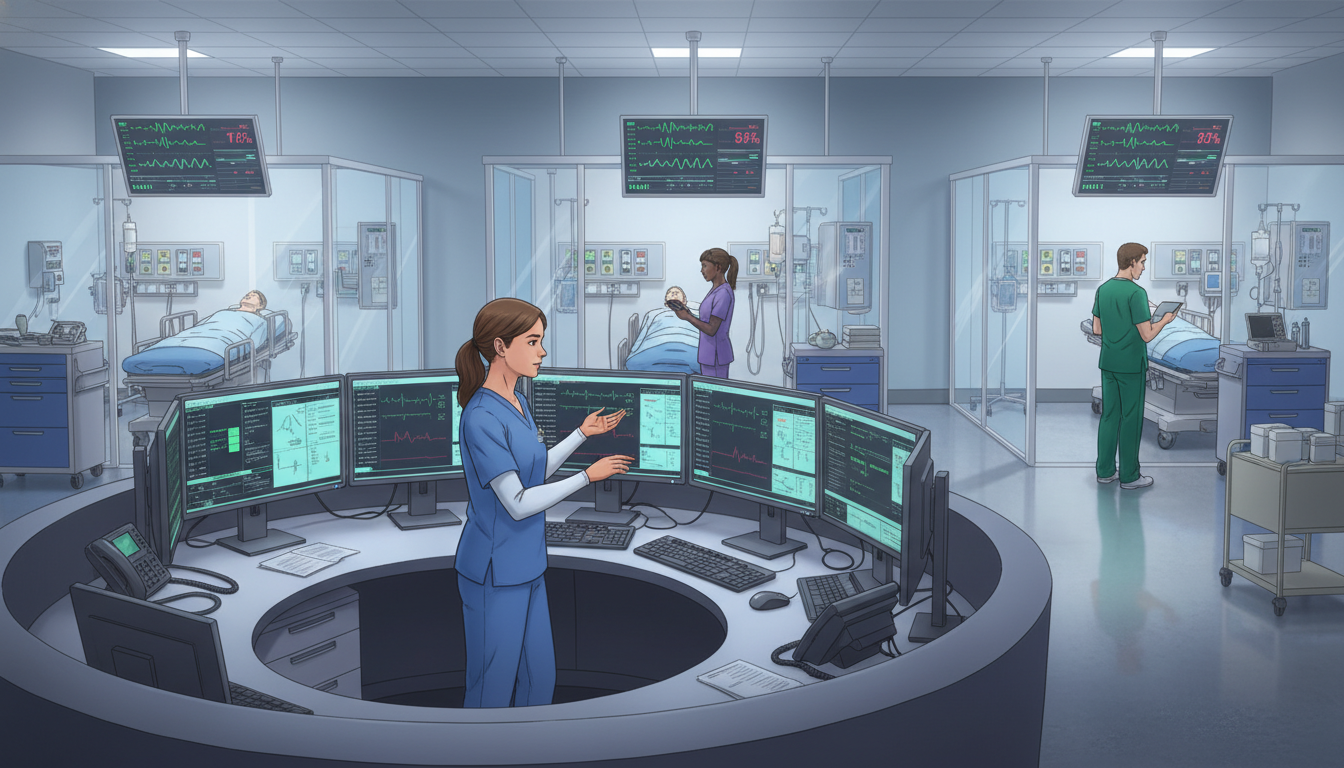
10. Scenario-style questions
You may be given situations like:
- “You’re the only provider available and three critical patients arrive at once. What do you do?”
- “You feel your attending is missing something important on a patient. How do you respond?”
- “A consultant is refusing an admission you believe is necessary. How do you handle it?”
They’re looking for:
- Triage and prioritization
- Patient advocacy
- Professional communication: assertive but respectful
- Understanding of chain of command
Tips:
- Verbalize priorities (airway/breathing/circulation, who is unstable).
- Mention using your team: nurses, other residents, calling for backup.
- Emphasize patient safety over ego or hierarchy.
Professionalism, Ethics, and Fit Questions
Emergency medicine involves complex ethical and professionalism challenges. Programs want to know your values and how you behave when nobody is watching.
11. “Tell me about a time you witnessed unprofessional behavior. What did you do?”
What they’re assessing:
- Moral courage
- Understanding of appropriate reporting channels
- Respect for confidentiality and hierarchy balance
Address:
- The behavior (without unnecessary identifying details)
- Your immediate response
- Whether and how you escalated
- What you learned about culture and professionalism
12. “How do you cope with bad outcomes or patient deaths?”
EM physicians regularly face death and trauma. Programs are evaluating your emotional processing and support systems.
You might discuss:
- Participating in debriefs
- Reflective writing or talking with mentors/peers
- Maintaining empathy while preventing emotional exhaustion
- Recognizing when to seek formal support
Demonstrate both emotional honesty and healthy coping mechanisms.
13. “What are your strengths and weaknesses?”
Still very common, and often revealing.
Strengths:
- Tie them to EM-specific skills (e.g., calm in chaos, communication, adaptability, efficiency).
- Back them up with one brief example.
Weaknesses:
- Choose something real but improvable, not a critical flaw.
- Avoid “I care too much” or “I work too hard” clichés.
- Describe what you’ve done to address it.
Example weakness:
“I can be overly self-critical after tough shifts or cases. I’ve been working on balancing reflection with self-compassion—seeking feedback from residents and attendings, focusing on specific, actionable improvements rather than global judgments, and using debriefs to process emotionally while still learning from the experience.”
14. “Where do you see yourself in 5–10 years?”
What they’re assessing:
- Alignment with program opportunities (academic vs community, leadership, fellowships)
- Stability and realistic planning
- Commitment to EM as a career
You don’t need a perfectly defined path, but you should show:
- Interest areas (ultrasound, EMS, global health, admin, education)
- Openness to growth during residency
- A vision of being a competent, independent EM physician
Practical Strategies to Prepare for EM Interview Questions
Knowing common questions is half the battle. The other half is deliberate preparation.
Build your “story bank”
Instead of memorizing answers, prepare a bank of 8–12 stories that you can adapt. For example:
- A leadership experience
- A teamwork success
- A conflict and its resolution
- A mistake and what you learned
- A stressful or high-acuity situation
- A meaningful patient encounter
- A time you advocated for a patient
- An ethical dilemma or professionalism issue
Each story can be re-framed to fit multiple behavioral interview questions.
Practice out loud
- Use mock interviews with your EM advisors, deans, or peers.
- Record yourself answering “Tell me about yourself” and “Why emergency medicine?”
- Pay attention to filler words, pacing, and clarity.
Prepare for virtual and in-person formats
For virtual interviews:
- Test your audio, internet, and camera.
- Use a neutral background and professional attire.
- Maintain eye contact by looking at the camera, not the screen.
For in-person:
- Arrive early.
- Interact respectfully with everyone—coordinators, residents, faculty.
- Be ready for informal “interview moments” on tours or during meals.
Have thoughtful questions for programs
Your questions demonstrate interest and help you gauge fit. Ask residents and faculty about:
- Resident autonomy and supervision
- Shift structure, wellness, and scheduling
- Faculty feedback and evaluation systems
- Opportunities in your interest areas (e.g., ultrasound, EMS)
- Culture: How do residents support each other? What makes this place unique?
Avoid questions easily answered on the website.
FAQ: Common Questions About EM Residency Interviews
1. How important are interviews in the EM match compared to scores and letters?
Interviews are critical. Once you’re invited, your clinical performance, SLOEs, and scores have already cleared the initial bar. Programs then use interviews to rank you: they weigh heavily your communication skills, professionalism, fit with their culture, and how you might function on their team. A strong interview can elevate you; a poor one can seriously hurt your position on a rank list.
2. How should I answer if I’m asked about low board scores or a gap in my application?
Be honest, concise, and forward-focused. Briefly explain contributing factors without making excuses, take ownership where appropriate, and highlight what you did to improve (e.g., changed study strategies, sought support, demonstrated stronger performance later). Then pivot to current strengths and readiness for residency.
3. Will I be asked clinical trivia or pimped on medical content?
Most emergency medicine programs don’t focus on gotcha medical trivia during the residency interview. Some may ask broad clinical or situational questions to understand your reasoning and safety mindset. They care far more about how you think, prioritize, and ask for help than whether you remember a rare guideline detail.
4. How can I stand out among many strong EM applicants answering similar questions?
Specificity and authenticity. Use concrete, vivid examples rather than generic statements (“I’m a hard worker”). Connect your experiences and goals directly to EM and to that particular program. Show that you understand the realities of emergency medicine and have reflected on why you’re choosing this path despite its challenges. Your unique story, told clearly and thoughtfully, is what makes you memorable.
By anticipating these common emergency medicine residency interview questions and preparing honest, structured, and reflective responses, you position yourself to show programs not just that you can survive their training—but that you can thrive, grow, and become the kind of colleague they want at the bedside when the department is at its busiest.