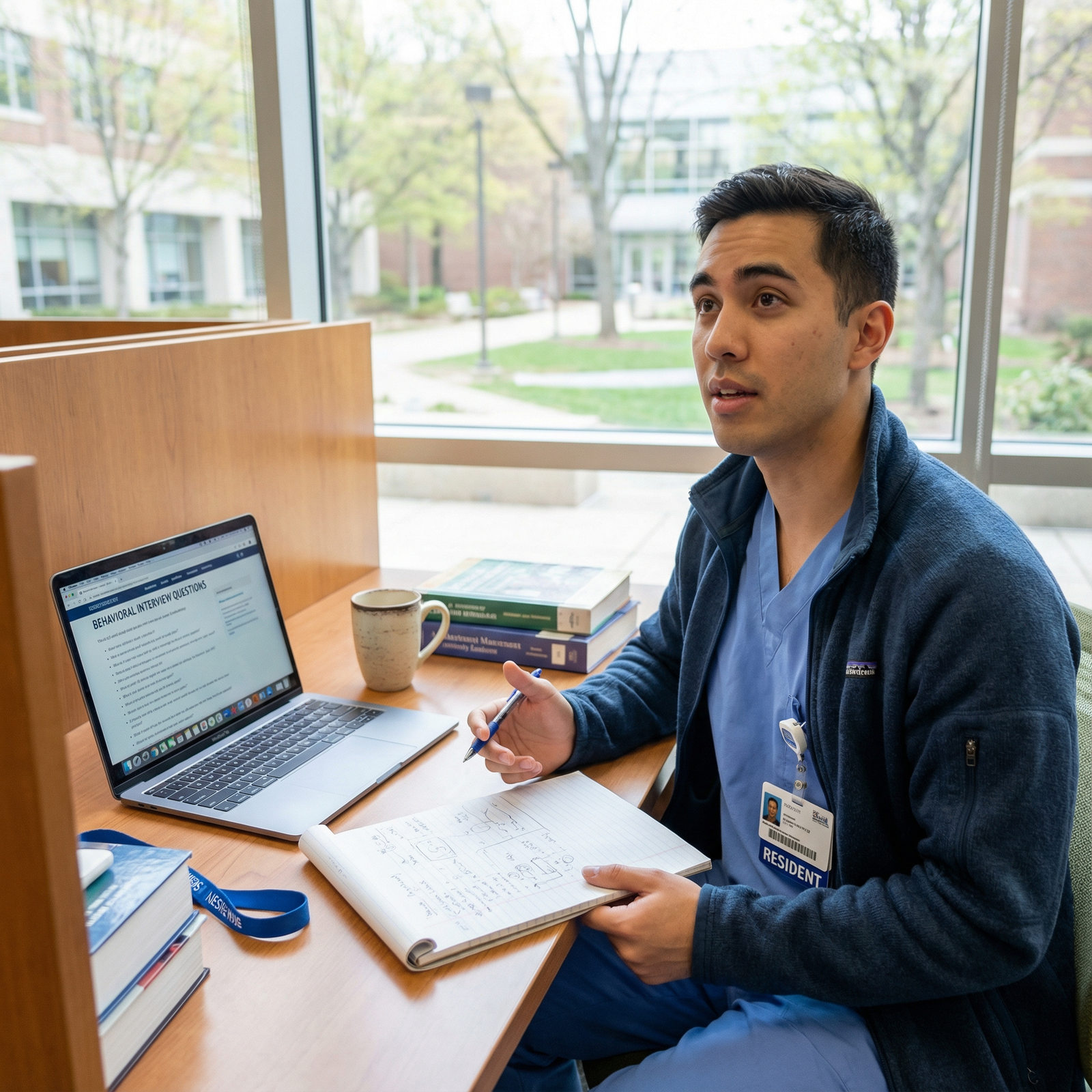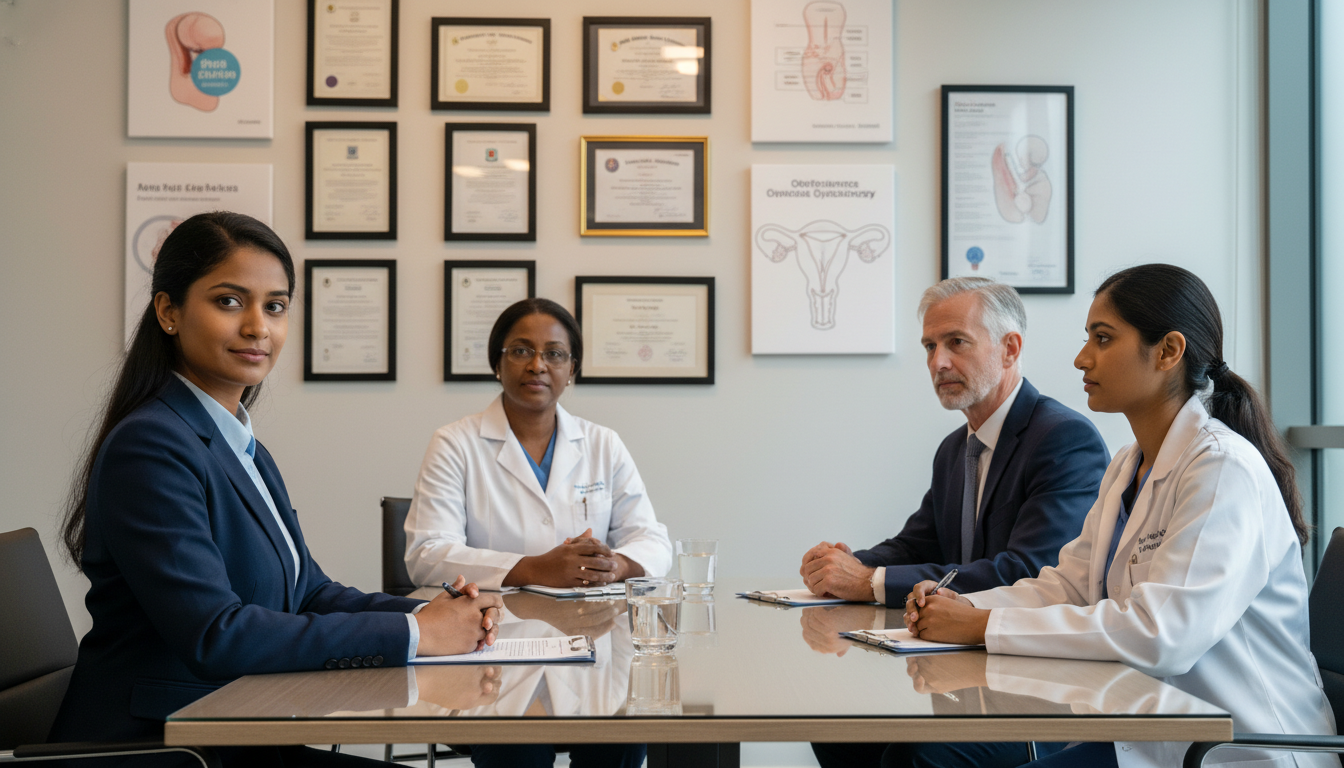
International Medical Graduates (IMGs) applying to Obstetrics & Gynecology (OB GYN) residency face a unique blend of clinical, cultural, and communication challenges in interviews. Program directors know you likely have strong foundational clinical skills; they are primarily assessing your fit, communication style, professionalism, and adaptability to the U.S. system.
This IMG residency guide focuses specifically on common interview questions you’ll encounter as an IMG applying to OB GYN, what programs are really looking for, and practical strategies (with sample answers) to help you stand out.
Understanding the Purpose of OB GYN Residency Interviews for IMGs
Before diving into specific residency interview questions, it helps to understand what interviewers are trying to evaluate, especially for an international medical graduate.
Program directors in obstetrics and gynecology are asking themselves:
- Can this candidate safely care for pregnant and gynecologic patients in a high‑stakes environment?
- Will they be a good colleague and team member in labor and delivery (L&D), clinic, and the OR?
- Can they adapt to the U.S. healthcare system and documentation standards?
- Do they have professionalism, resilience, and insight to handle OB GYN’s emotional and ethical challenges?
- Will they stay in the program, complete residency, and represent us well in the future?
For IMGs, they are often paying special attention to:
- Communication skills and clarity of spoken English
- Understanding of U.S. training structure, scope of practice, and cultural norms
- Reasons for pursuing OB GYN and training in the U.S. (not just “I couldn’t match at home”)
- Evidence that you can function on a busy OB GYN service: L&D, triage, clinic, OR, and night call
- How you handle ethical dilemmas, sensitive topics, and women’s health autonomy
Behavioral interview medical questions (the “tell me about a time when…” type) are increasingly common and heavily weighted. You should be prepared not only for knowledge-based questions but also to tell your story through experiences.
Core General Questions Every IMG Should Expect
These are the foundational questions almost every international medical graduate will receive in an OB GYN residency interview. Prepare these thoroughly and customize them to each program.
1. “Tell me about yourself.”
This is almost guaranteed and is one of the most important questions. It shapes the first impression and often guides follow‑up questions.
What they’re looking for
- A coherent, concise narrative: who you are, where you trained, and what brought you to OB GYN and the U.S.
- Professional focus rather than a full life story
- Evidence of maturity, focus, and insight
- Ability to communicate clearly and logically
Structure for a strong answer
Use a simple 3‑part framework:
- Brief background
- Where you’re from, medical school, and key clinical identity.
- Clinical/academic path and why OB GYN
- Major experiences that led you to obstetrics and gynecology.
- Current status and what you’re seeking
- What you’re doing now and why you’re excited about their program.
Sample answer (adapted for an IMG OB GYN applicant)
“I completed my medical degree at [University] in [Country], where I first developed a strong interest in women’s health during my third‑year rotations. After graduation, I worked for two years as a junior doctor in a government hospital, spending much of my time on the labor ward and gynecology clinics.
Those experiences—especially managing high‑risk pregnancies with limited resources—inspired me to pursue OB GYN as a career. I realized I enjoyed acute decision‑making in labor and delivery, but also valued the long‑term relationships with patients in antenatal and gynecology follow‑up.
Over the last year, I’ve completed observerships in OB GYN in the U.S. and worked on a small research project in hypertensive disorders of pregnancy, which strengthened my interest in evidence‑based obstetrics. I’m now looking for a residency program where I can grow into a well‑rounded OB GYN, with strong training in both high‑risk obstetrics and minimally invasive gynecologic surgery, and I’m particularly interested in your program because of [specific program feature].”
Avoid turning this into your entire CV. This question is not just factual; it’s your first opportunity to show personality and clarity.
2. “Why OB GYN?”
This question tests your motivation and whether it’s grounded in real experience.
They are assessing
- Depth of exposure to obstetrics and gynecology
- Awareness of the realities of the specialty: nights, emergencies, lawsuits, emotional cases
- Genuine passion, not vague clichés (“I like delivering babies”)
How to answer
Link specific experiences to specific aspects of the specialty:
- L&D: acute decision‑making, teamwork, high stakes
- Clinic: longitudinal care, preventive health, contraception counseling
- OR: surgical skills, procedures, gynecologic oncology or MIS interest
- Public health: maternal mortality, access to care, women's rights
Weak answer example
“I like OB GYN because I enjoy working with women and bringing new life into the world.”
Stronger answer structure
- Start with a defining experience or theme.
- Name 2–3 aspects of OB GYN you enjoy (obstetrics, surgery, continuity, women’s advocacy).
- Link to long‑term career goals.
Sample points for IMGs
- Experience managing high‑risk pregnancies with limited resources in your home country
- Exposure to maternal morbidity/mortality and desire to improve systems
- Interest in reproductive rights, family planning, or global women’s health
3. “Why do you want to train in the United States?”
For an international medical graduate, this question is central. Interviewers want to ensure you are intentional, not just escaping your home system.
They are assessing
- Understanding of how U.S. training differs (structured curriculum, subspecialties, research opportunities)
- Long‑term plans (stay in U.S., go back home, academic vs. community practice)
- Professional—not purely personal—reasons
Answer tips
- Acknowledge benefits of training in your home country but explain what additional training the U.S. offers.
- Mention evidence‑based medicine, structured residency programs, simulation, subspecialties, and multidisciplinary care.
- If immigration or family factors influenced your decision, you can be honest but keep the focus primarily professional.
Example components
“I value my training in [Country], but I’m seeking U.S. residency because of the structured curriculum, exposure to a wide range of pathology including complex high‑risk pregnancies, and access to subspecialty training in areas like MFM and REI. I also appreciate the culture of multidisciplinary care and quality improvement here.”
4. “Why our program?”
This question distinguishes candidates who did their homework from those applying broadly without clear priorities.
Do your research:
- Program strengths: MFM, MIGS, global health track, simulation lab, research, robotic surgery
- Patient population: underserved, diverse languages, high‑risk, rural vs urban
- Culture: resident wellness, mentorship, strong OB vs strong GYN balance
Answer framework
- Mention 2–3 specific program features
- Connect each to your goals/interests
- Show you understand the type of resident who thrives there
Weak response
“I like your program because it’s academic and has a good reputation.”
Stronger response
“I’m particularly drawn to your program’s strong maternal‑fetal medicine presence and the volume of high‑risk obstetric patients you serve, because I hope to develop expertise in managing medically complex pregnancies. I also appreciate your global health track, which aligns with my experience in [Country] and my long‑term goal of improving maternal health in resource‑limited settings. Finally, the emphasis on resident autonomy in the OR, especially with minimally invasive procedures, fits my desire to develop strong surgical skills during residency.”
Behavioral Interview Questions: “Tell Me About a Time When…”
Behavioral interview medical questions are designed to predict future behavior based on your past actions. For OB GYN, these often focus on stress, teamwork, conflict, ethical dilemmas, and communication.
Use the STAR method for structure:
Situation – Task – Action – Result (and Reflection, if you can add it briefly).

5. “Tell me about a time you dealt with a difficult patient or family.”
OB GYN involves intense emotions: fertility challenges, pregnancy loss, fetal anomalies, postpartum complications.
They are assessing
- Your empathy and professionalism
- Communication skills under stress
- Ability to stay calm and respectful
- Understanding of patient autonomy and cultural sensitivity
Key elements to include
- Show that you listened actively
- Demonstrate how you used clear, non‑judgmental communication
- Mention teamwork if relevant (calling senior, social worker, interpreter)
- End with what you learned about handling similar situations
6. “Tell me about a time you made a mistake.”
This question tests honesty, insight, and accountability—critical in obstetrics where outcomes can be life‑changing.
Avoid
- Claiming you’ve never made a mistake
- Choosing a trivial example that shows no real learning
- Blaming others
Better approach
- Pick a real but not catastrophic example (e.g., delayed communication, incomplete documentation, mis‑triaged patient).
- Highlight what you learned and how you changed your behavior.
Outline
- Situation: clinical context
- The mistake: be clear and own it
- Immediate response: how you mitigated harm and informed supervisor
- Long‑term change: protocols, checklists, improved habits
7. “Tell me about a conflict with a colleague or nurse and how you handled it.”
In OB GYN, interprofessional collaboration is essential—especially in L&D.
They are assessing
- Ability to work in teams
- Respect for nursing staff and other disciplines
- Conflict resolution skills and emotional control
Tips
- Choose an example where you and the other person both had valid perspectives.
- Emphasize listening, clarifying, and finding a compromise.
- Avoid criticizing the other person harshly; focus on the process of resolution.
8. “Describe a time you were under significant pressure or stress.”
OB GYN is high‑pressure: shoulder dystocia, postpartum hemorrhage, emergency C‑section.
Answer should show
- Prioritization skills
- Maintaining composure
- Effective communication with team
- Awareness of when to escalate to seniors
For an IMG, it’s powerful to draw from resource‑limited settings where quick decisions were necessary.
OB GYN‑Specific Clinical and Ethical Questions
While many interviews are primarily behavioral, some programs may include clinical or scenario‑based questions, especially in obstetrics match processes where they want to see how you think.
9. “What aspects of OB GYN do you enjoy most: obstetrics, gynecology, clinic, surgery?”
They want to know your preferences but also whether you’ll embrace the full scope of training.
Balanced answer
Acknowledge your interests (e.g., high‑risk obstetrics, MIGS, gyn oncology) while emphasizing you understand residency requires strong performance in all areas: L&D, clinic, benign gyn, surgery.
10. “How would you handle a patient who refuses a recommended C‑section?”
This tests your understanding of informed consent, patient autonomy, and risk communication.
Key points
- Confirm patient’s understanding of risks and benefits
- Use clear, non‑technical language and check for comprehension
- Explore reasons for refusal (fear, cultural beliefs, prior trauma)
- Involve senior physician, interpreter, or ethics consult if needed
- Respect patient autonomy if they have decision‑making capacity, document thoroughly
Avoid answers that sound paternalistic (“I would convince her that I’m right”). Focus on shared decision‑making.
11. “How do you feel about managing pregnancy termination or contraception in adolescents?”
OB GYN inevitably involves reproductive ethics, religion, and personal values.
They are assessing
- Whether you can provide non‑judgmental care
- Your ability to comply with local laws and institutional policies
- Respect for patient autonomy
You can acknowledge personal beliefs but must emphasize:
- Commitment to professionalism and patient‑centered care
- Willingness to follow program policies and ensure patients receive timely, appropriate care, even if that involves transferring care to another provider for certain procedures
IMG‑Specific Challenges and How to Address Them in Interviews
As an international medical graduate, you may face additional questions or scrutiny around gaps, US clinical experience, and adaptation.

12. “Can you discuss this gap in your CV?”
Many IMGs have exam preparation periods, immigration processes, or family responsibilities that create apparent gaps.
Answer approach
- Be honest and straightforward.
- Briefly explain the reason (USMLE prep, research, observerships, family responsibilities).
- Emphasize what you did productively in that time: studying, volunteer work, online courses, research, language improvement.
- Show you are now ready and available for full‑time training.
13. “What U.S. clinical experience do you have, and what did you learn from it?”
US clinical experience (USCE) is key to your IMG residency guide for OB GYN.
They want to see
- That you understand the U.S. system: EMR, documentation, team structure.
- Familiarity with patient‑centered communication and shared decision‑making.
- Ability to adapt from your home country’s style.
Highlight:
- Rotation settings: safety‑net hospital, academic center, community clinic
- Skills learned: charting, SBAR handoffs, consent process, interdisciplinary rounds
- Any feedback from attendings that showed growth
Common Residency Interview Questions About Strengths, Weaknesses, and Future Plans
These are standard but still high‑impact in the obstetrics match.
14. “What are your strengths?”
Choose 2–3 strengths relevant to OB GYN, such as:
- Calm under pressure (e.g., emergencies in L&D)
- Empathy and strong patient communication
- Work ethic and reliability during long calls
- Surgical dexterity or attention to detail
- Commitment to lifelong learning and evidence‑based practice
Support each strength with a brief example.
15. “What are your weaknesses?”
They are testing your self‑awareness and growth mindset, not perfection.
Good strategies for IMGs
- Choose a real but manageable weakness: e.g., initial discomfort speaking up in large groups, tendency to overcommit, or perfectionism in documentation.
- Show concrete steps you’ve taken to improve: feedback from mentors, communication workshops, deliberate practice.
- Avoid weaknesses that are core to the job (e.g., “I struggle with time management” without a strong, convincing plan).
16. “Where do you see yourself in 5–10 years?”
In OB GYN, they’re curious about:
- Interest in fellowship (MFM, MIGS, Gyn Onc, REI, Urogyn, Family Planning) vs generalist practice
- Academic vs community vs global health careers
- Whether your long‑term plans fit with program strengths
As an IMG, be clear but flexible:
“I’m open to both general OB GYN practice and fellowship, but I’m particularly interested in [MFM/global health/MIGS]. I see myself working in a setting where I can combine clinical care with teaching and possibly international collaboration, building on my background in [Country].”
Practical Preparation Strategies for OB GYN IMG Interviews
Build a “story bank”
Instead of trying to memorize answers to every possible question, prepare 10–12 key experiences from your training that demonstrate:
- Leadership
- Teamwork
- Dealing with conflict
- Handling mistakes
- Managing stress or emergencies
- Ethical dilemmas in women’s health
- Caring for underserved or vulnerable patients
You can re‑use these stories to answer many behavioral interview questions with slight modifications.
Practice core questions out loud
At minimum, rehearse:
- Tell me about yourself
- Why OB GYN?
- Why the U.S.?
- Why our program?
- Strengths and weaknesses
- A time you made a mistake / faced a challenge / worked with a difficult patient
Use mock interviews with:
- Mentors
- IMG support groups
- Peers applying in the same cycle
- Video recording yourself to check clarity, speed, and body language
Anticipate program‑specific questions
For example, if a program:
- Serves a high‑risk, underserved population: be ready to discuss health disparities and social determinants of health.
- Has a strong research focus: be ready for questions on your research, statistics basics, and future projects.
- Emphasizes global health: be prepared to discuss your home country experiences and how they shape your goals.
Frequently Asked Questions (FAQ)
1. How can an IMG stand out in an OB GYN residency interview?
- Provide specific, vivid examples rather than general statements.
- Show a deep, realistic understanding of OB GYN—the joy and the difficulty.
- Highlight your unique perspective as an international medical graduate: resilience, exposure to different healthcare systems, multilingual abilities, global women’s health insight.
- Demonstrate that you’ve done research on each program and can clearly articulate why you fit there.
- Communicate clearly and confidently in English, especially when answering behavioral interview medical questions.
2. Will I be asked clinical knowledge questions in OB GYN residency interviews?
Many programs focus mainly on behavioral and fit questions, but some will ask basic clinical or scenario‑based questions, especially if you graduated a few years ago. Expect questions such as:
- Approach to a patient with preeclampsia
- Management priorities in postpartum hemorrhage
- How you would counsel a patient with a fetal anomaly
They’re testing your clinical reasoning, not detailed memorization. Think out loud, be organized, and don’t be afraid to say, “I’m not certain of the exact guideline, but my approach would be…”
3. How do I handle questions about controversial topics like abortion or contraception?
Answer with professionalism and respect:
- Emphasize your commitment to evidence‑based, patient‑centered care.
- Acknowledge that patients come from diverse backgrounds, and your role is to provide them with information and support to make informed decisions.
- If your personal beliefs limit what you would personally perform, state clearly that you will follow institutional policies and ensure patients have uninterrupted access to legally available services.
4. How important is the “Tell me about yourself” question for IMGs in the obstetrics match?
It’s extremely important. It’s often the first deep impression you create and frames the rest of the conversation. For an IMG, it’s your chance to connect your country of origin, medical school journey, OB GYN experiences, and reason for coming to the U.S. into a coherent story. A clear, focused response can set you apart before any other residency interview questions are even asked.
Preparing for OB GYN residency interviews as an international medical graduate requires more than memorizing answers. It means understanding the values and realities of the specialty, reflecting deeply on your own experiences, and practicing how to communicate them clearly and confidently. If you build a strong narrative, anticipate common questions, and approach each interview as a genuine conversation about shared goals in women’s health, you’ll be well‑positioned to succeed in the obstetrics match.