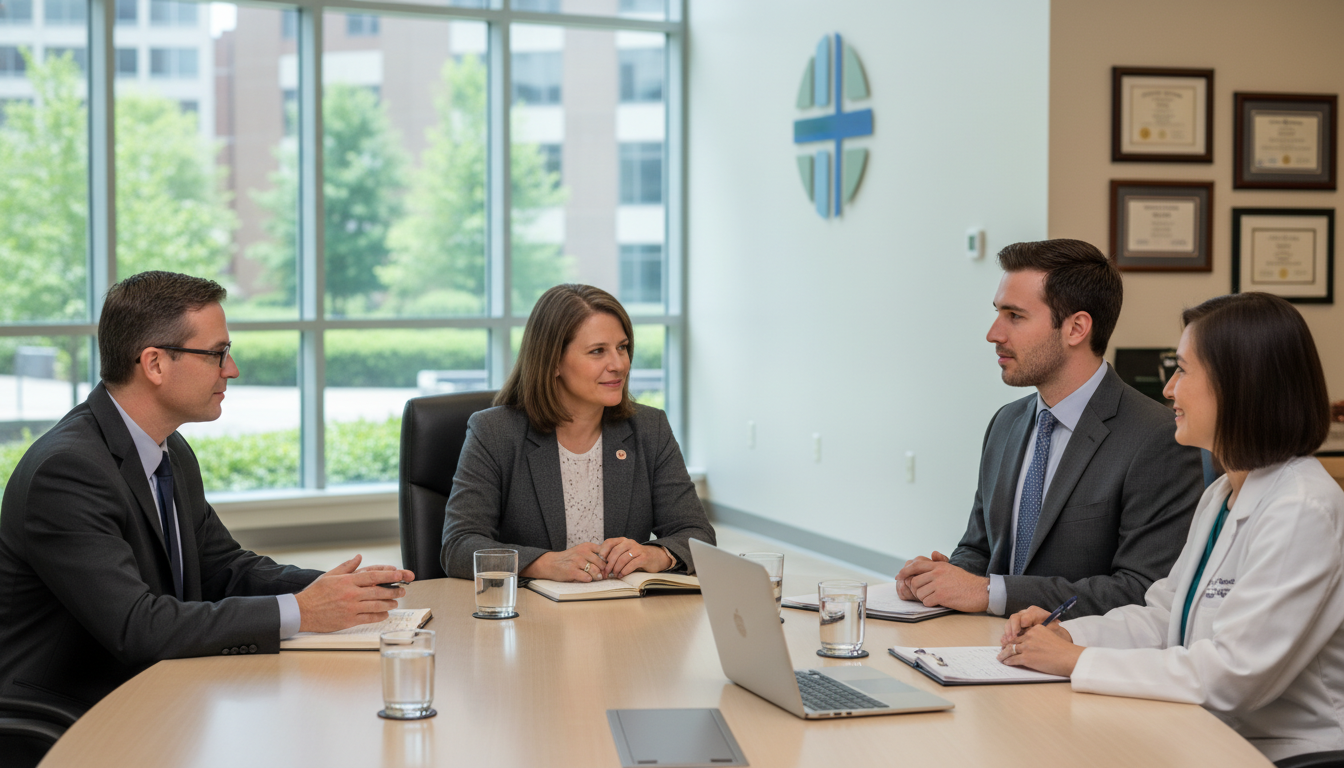
Preparing for pediatrics residency interviews as an international medical graduate (IMG) is both exciting and intimidating. Programs know you bring unique strengths—global experience, adaptability, cultural competence—but you also have to address specific concerns: visa status, clinical experience in the U.S., communication skills, and understanding of the American healthcare system.
This IMG residency guide will walk you through the most common pediatrics residency interview questions, what programs are truly assessing, and how to craft strong, authentic answers. You’ll also see tailored advice, sample response frameworks, and specific tips for IMGs.
Understanding the Pediatrics Residency Interview for IMGs
Pediatrics is a relationship‑driven specialty. Programs seek residents who are:
- Compassionate and child‑centered
- Strong communicators with families
- Team‑oriented and respectful
- Resilient, self‑aware, and teachable
- Reliable and safe in clinical practice
For IMGs, interviewers are also quietly assessing:
- Can you communicate clearly with patients and families in English?
- Will you adapt to the U.S. healthcare and training system?
- Are you genuinely committed to pediatrics (and not just matching anywhere)?
- Do you understand the demands of residency and life in the U.S.?
- Are there any red flags (gaps, attempts, visa needs) you haven’t addressed?
Most questions fall into a few key categories:
- Introductory and “Tell Me About Yourself”
- Motivation for Pediatrics and Career Goals
- Behavioral and Situational Scenarios
- Clinical Experiences and Skills
- IMG‑specific and Personal Adaptation Questions
- Program Fit and Questions You Ask Them
Knowing these categories helps you prepare targeted examples and stories.
1. Foundational Questions: “Tell Me About Yourself” and Your Story
These open‑ended questions set the tone for your interview and are almost guaranteed to appear.
1.1 “Tell Me About Yourself”
This is one of the most important residency interview questions. It’s not asking for your entire life story—programs want a focused, professional narrative that leads naturally to “why pediatrics” and “why here.”
Goal: In 60–90 seconds, show who you are, what you have done, and why you are sitting in a pediatrics interview today.
Suggested structure (3‑part):
- Brief background
- Where you are from, medical school, and a high‑level summary of your path
- Key experiences and strengths
- A few highlights that relate to pediatrics and residency success
- Present and future focus
- Why pediatrics in the U.S., and what you are looking for in training
Example (adaptable for an IMG):
“I grew up in [Country] and completed my medical degree at [University], where I quickly realized I was most energized by working with children and their families. During medical school, I spent extra time on the pediatric wards and served as a volunteer in a community clinic for underserved children, which strengthened my interest in preventive care and health education.
After graduation, I worked as a pediatric resident/house officer in [Country] for two years, developing strong skills in managing common pediatric conditions and working in resource‑limited settings. To better understand the U.S. healthcare system, I completed observerships at [Hospital] and [Hospital], where I appreciated the emphasis on multidisciplinary care and family‑centered rounds.
Now I am seeking pediatrics residency training in the U.S. because I want to combine my global perspective with strong academic training, especially in [field of interest – e.g., general pediatrics, pediatric hospital medicine]. I’m particularly interested in your program because of your commitment to underserved populations and strong teaching culture.”
Common mistakes IMGs make:
- Repeating their entire CV chronologically
- Getting lost in personal childhood stories without linking to medicine
- Giving an answer that could fit any specialty
- Going longer than 2 minutes
Practice your answer out loud until it sounds natural but not memorized.
1.2 “Walk Me Through Your CV” / “Tell Me About Your Journey to This Point”
This is similar but usually invites more detail regarding timeline and transitions, including:
- Graduation date and what you did afterward
- USMLE attempts and delays
- Gaps in training or work
- Moves between countries
Strategy:
Walk through in chronological order, focusing on:
- Major decisions (why you chose each step)
- Skills gained
- How each step led you closer to pediatrics in the U.S.
Be honest and concise when addressing gaps or changes. Show reflection and growth, not just explanation.
2. Why Pediatrics, Why the U.S., and Why This Program?
Programs want to confirm that you truly want pediatrics, not just “any match,” and that you understand the specialty.
2.1 “Why Pediatrics?” / “Why Did You Choose Pediatrics Over Other Specialties?”
What they’re assessing:
- Genuine motivation
- Understanding of pediatric practice
- Alignment with pediatric values (patience, communication, empathy)
Use this 3‑step structure:
- Origin: How your interest began
- Experience: Specific clinical examples that deepened your commitment
- Fit: Why your personality and skills suit pediatrics
Example:
“My interest in pediatrics started during my third‑year clerkship. I found that even on the most tiring days, my energy increased when I was working with children. One case that especially influenced me was a 5‑year‑old child with asthma whose family struggled with medication adherence. I learned how important it is to educate not just the child but the parents and to adapt our explanations to the family’s understanding.
I enjoy taking time to communicate, using creativity, and partnering with families—that fits my personality. I’m patient, I like breaking down complex information, and I’m motivated by prevention and long‑term relationships. All of these are central to pediatrics, and that’s why I’m committed to this specialty.”
Avoid vague answers like “I love kids” without concrete examples.
2.2 “Why Pediatrics Residency in the U.S. as an International Medical Graduate?”
This is particularly important for IMGs.
They want to know:
- Are you realistic about practicing in a new system?
- Are you committed to staying and contributing here?
- Have you experienced U.S. clinical settings?
Strong points to include:
- Appreciation of U.S. medical education structure (evidence‑based, supervised, multidisciplinary)
- Differences from your home system and what you value about each
- How you plan to combine your international perspective with U.S. training
Example themes:
- Desire for structured academic training and research
- Interest in subspecialty training that is more readily available in the U.S.
- Commitment to underserved or immigrant communities in the U.S.
2.3 “Why Our Program?” / “What Attracted You to This Institution?”
This question tests program fit and whether you did your homework.
Avoid: Generic answers like “strong teaching, diverse patients, research opportunities.”
Instead, research:
- Specific tracks (global health, advocacy, primary care)
- NICU/PICU strengths
- Community partnerships, free clinics
- Resident feedback (websites, social media)
Use a 3‑part answer:
- Mission & population: Something distinctive about their patient population or mission
- Training features: A few concrete program elements
- Personal fit: How this aligns with your goals and your strengths
This is also where you can highlight why you’d thrive there as an IMG (e.g., diversity, support systems, prior IMGs in the program).

3. Behavioral Interview Questions for Pediatrics (and How to Answer Them)
Behavioral interviewing is central to the peds match process. These questions begin with:
- “Tell me about a time when…”
- “Give me an example of…”
- “Describe a situation where…”
They are assessing how you think, act, and interact—not just what you know.
3.1 Use the STAR Method
For any behavioral interview medical question, use the STAR framework:
- S – Situation: Brief context
- T – Task: Your role/responsibility
- A – Action: What you did (focus here)
- R – Result/Reflection: Outcome and what you learned
Keep your answer within 1.5–2 minutes.
3.2 Common Behavioral Questions in Pediatrics
Below are common questions with tips to shape your answer.
a) “Tell me about a time you had a difficult interaction with a parent or family.”
Pediatrics is family‑centered. They are assessing communication, empathy, and professionalism.
Tips:
- Choose a story that shows de‑escalation and listening
- Show how you validated concerns and clarified misunderstandings
- Avoid blaming the family or your team
Key message: You can remain calm, respectful, and solution‑focused even when families are upset.
b) “Describe a time you made a mistake in clinical care. What did you do?”
They are checking for honesty, accountability, and patient safety.
Strong answer includes:
- Clear explanation without hiding the error
- Immediate actions to ensure patient safety
- Communicating with your supervisor
- Reflection on how you prevent it now (checklists, double‑checking, asking early)
Avoid minimizing the mistake or blaming others.
c) “Tell me about a time you worked with a difficult team member.”
They want to see professionalism and collaboration.
Focus on:
- Staying respectful
- Clarifying roles and expectations
- Using direct, calm communication
- Involving a supervisor only when needed
Do not insult the other person. Show maturity and focus on patient care.
d) “Give an example of a stressful situation and how you handled it.”
Residency is stressful. They want to know your coping strategies.
Good examples:
- Busy on‑call shifts with many sick children
- Juggling multiple responsibilities
- Personal stress while fulfilling clinical duties
Show:
- How you prioritized tasks
- When you asked for help
- Techniques you use (e.g., structured task lists, brief pauses to refocus)
- Healthy coping outside work (exercise, family, hobbies, faith)
e) “Tell me about a time you advocated for a patient.”
Advocacy is central to modern pediatrics.
Examples:
- Ensuring a child gets medications or insurance coverage
- Arranging social work help for housing or food insecurity
- Standing up for a child’s safety in suspected abuse
Show that you understand children’s dependence on adults and systems—and your role in protecting them.
3.3 Behavioral Questions Specifically Relevant to IMGs
Programs may probe how you adapt and communicate in a new environment.
Common IMG‑focused behavioral questions:
- “Describe a time you had to adapt quickly to a new culture or system.”
- “Tell me about a communication challenge you had due to language or cultural differences and how you handled it.”
- “Give an example of when you received critical feedback and what you did with it.”
Prepare at least one strong story for each of these areas.
4. Clinical, Ethical, and Scenario‑Based Questions in Pediatrics
Programs also test your clinical reasoning and ethical judgment. They are not expecting board‑level detail but want to see a logical, safe approach.
4.1 Common Clinical Scenario Themes
You may hear questions like:
- “A 2‑year‑old presents with fever and cough. How would you approach this case?”
- “How would you counsel parents who refuse vaccinations?”
- “What would you do if parents want to leave against medical advice with a sick child?”
- “How do you handle a teenager asking for confidentiality about sexual activity?”
General approach:
- Clarify history and exam you would perform
- Mention key differentials
- Emphasize patient safety and red flags
- Highlight communication and shared decision‑making with families
- Reference guidelines or evidence‑based practice if familiar
You don’t have to be perfect; it’s more important to sound systematic, cautious, and family‑centered.
4.2 Ethics and Professionalism Questions
Programs may ask:
- “What would you do if you suspected child abuse?”
- “How would you respond if you witnessed an attending yelling at a nurse in front of a family?”
- “What would you do if a colleague came to work impaired?”
Core principles to emphasize:
- Child safety and best interest
- Respect and confidentiality
- Following legal and institutional policies
- Using appropriate chains of command
- Seeking supervision and support
As an international medical graduate, you can note how laws and systems differ between countries but always bring your answer back to U.S. practice standards and guidelines.

5. IMG‑Specific Questions: Gaps, Scores, Visa, and Adaptation
Programs understand that IMGs have varied pathways. They will often ask directly about aspects of your file.
5.1 “Can You Explain This Gap in Your CV?” / “What Were You Doing During This Period?”
Be transparent. Programs become more concerned by vague answers than by honest explanations.
Good approach:
- Briefly state the reason (e.g., family illness, research, exam preparation, relocation, COVID disruptions).
- Highlight any constructive activities (courses, observerships, volunteering, research, language improvement).
- Emphasize what you learned and how you are now ready for residency.
Avoid long, emotional explanations. Keep it factual and reflective.
5.2 “Can You Tell Me About Your US Clinical Experience?”
For the peds match, programs value genuine U.S. clinical exposure (observerships, externships, hands‑on electives).
Prepare to discuss:
- Where you rotated and for how long
- What you observed/learned about U.S. pediatrics
- How this confirmed your decision to train here
- Any pediatric residency interview questions you asked attendings or residents that shaped your perspective
If you have limited U.S. experience, emphasize:
- How you’ve learned about U.S. healthcare through research, reading, or mentorship
- Your adaptability to new systems in the past
5.3 “What Are Your Visa Needs?” / “Do You Plan to Stay in the U.S. Long‑Term?”
These may be asked by program leadership.
Advice:
- Know your visa category (J‑1, H‑1B) and be clear and confident.
- State sincere long‑term goals without over‑promising.
Example:
“I am eligible for a J‑1 visa and understand the associated requirements. My long‑term goal is to practice pediatrics in the U.S., ideally continuing to serve diverse and underserved populations. I’m committed to building my career here after completing the necessary steps.”
If your plan eventually involves returning to your home country, you can frame it around global health, capacity‑building, and durable partnerships.
5.4 “How Do You Think Your International Background Will Help You as a Pediatrician Here?”
This is an opportunity to highlight your unique strengths as an international medical graduate:
- Experience with resource‑limited settings
- Comfort with cultural and linguistic diversity
- Flexibility and resilience
- Broader perspective on global child health, infectious diseases, and social determinants
Connect these strengths to the program’s patient population.
6. Your Questions for the Interviewers (and Common Pitfalls)
Every interview ends with: “Do you have any questions for us?”
This is not just formality. Programs judge your curiosity, preparation, and fit based on the quality of your questions.
6.1 Strong Question Topics for Pediatrics and IMGs
Questions you might ask:
Education & mentorship
- “How are residents supported when they struggle with a clinical or communication skill?”
- “Can you describe your mentorship structure for residents with interests in [primary care/global health/subspecialty]?”
International and IMG support
- “How has your program supported international medical graduates in adapting to the U.S. system?”
- “Are there resources for residents who are far from their families or new to the country?”
Clinical exposure
- “What are typical responsibilities for interns on the general pediatrics wards?”
- “How much exposure do residents have to community pediatrics versus inpatient care?”
Well‑being
- “How does your program monitor and support resident wellness and burnout prevention?”
Avoid questions easily found on the website (e.g., “How long is your residency?”).
FAQs: Common Concerns from IMG Applicants in Pediatrics
1. How can I practice answering residency interview questions effectively as an IMG?
- Record yourself answering common prompts like “tell me about yourself,” “why pediatrics,” and 5–7 behavioral questions.
- Practice with a mentor or peer familiar with U.S. interview style.
- Focus on clear, simple English and structured responses (STAR method).
- Get feedback on pacing, clarity, and body language.
Aim for content that sounds natural, not memorized speeches.
2. What pediatric‑specific topics should I review before the interview?
Review common pediatric conditions and approaches:
- Fever in infants and children
- Asthma management
- Dehydration and gastroenteritis
- Growth and development milestones
- Vaccination schedules and vaccine counseling
- Child abuse recognition and reporting
- Adolescent confidentiality and consent
You don’t need to be an expert, but you should be able to reason safely through typical clinical and ethical scenarios.
3. How should I address lower scores or multiple attempts on exams if asked?
Be honest and concise:
- Briefly explain circumstances (if relevant).
- Emphasize what you changed: study strategies, resources, time management.
- Highlight subsequent improvements (e.g., better scores, strong clinical performance, letters of recommendation).
Focus on growth and resilience, not excuses.
4. What if I am very nervous speaking in English during the interview?
- Practice aloud repeatedly, especially for key answers (“tell me about yourself,” “why pediatrics”).
- Slow your speaking speed; clarity is more important than accent.
- Use short, simple sentences instead of long, complex ones.
- If you don’t understand a question, it’s acceptable to say, “Could you please repeat or rephrase the question?”
Interviewers know you’re an international medical graduate. They are evaluating your ability to communicate effectively, not your ability to sound like a native speaker.
Preparing thoroughly for common pediatrics residency interview questions—especially behavioral interview medical scenarios and IMG‑specific topics—will help you present yourself as a confident, reflective, and patient‑centered future pediatrician. With deliberate practice and clear storytelling, your unique background can become one of your greatest strengths in the peds match.