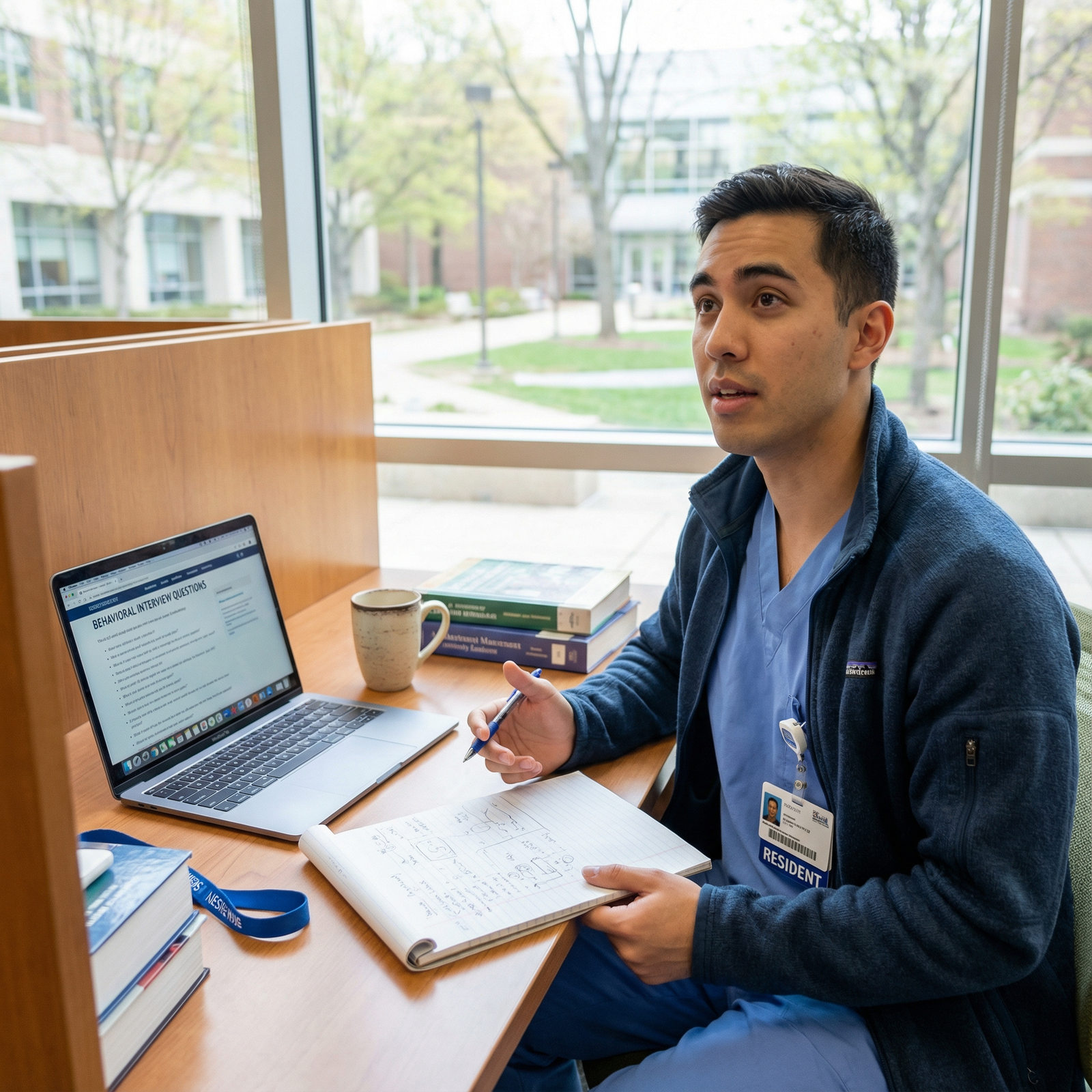
Understanding the Med-Peds Interview Landscape as a Non‑US Citizen IMG
Medicine-Pediatrics (Med-Peds) is uniquely positioned at the intersection of internal medicine and pediatrics, demanding versatility, resilience, and strong communication skills. As a non-US citizen IMG or foreign national medical graduate, you will likely face a combination of:
- Standard US residency interview questions
- Med-Peds–specific scenarios and values-based questions
- Behavioral interview medical questions focused on professionalism, adaptability, and teamwork
- Immigration and visa-related clarifications
This article focuses on the most common interview questions you can expect, how they are often evaluated, and how to prepare compelling responses—especially for the medicine pediatrics match as a non-US citizen IMG.
Core Foundational Questions You Will Almost Certainly Be Asked
These questions show up in almost every Med-Peds residency interview. Strong answers here set the tone for the entire conversation.
1. “Tell Me About Yourself”
This is nearly always the first question and is one of the most important. It shapes the interviewer’s first impression and often guides the rest of your discussion.
What programs are assessing:
- Your ability to communicate clearly and concisely
- Your professional identity and narrative
- How your background as a non-US citizen IMG fits Med-Peds
- Emotional maturity and reflection
How to structure your answer (2–3 minutes):
Use a simple, three-part structure: Past – Present – Future
- Past: Your background and formation
- Where you grew up and studied medicine
- Key formative experiences (e.g., global health, underserved populations, academic projects)
- Present: What you are doing now
- Current clinical work, research, observerships, or preparation in the US
- What you are learning about the US healthcare system
- Future: Career goals
- Why Med-Peds specifically
- Type of career you envision (hospitalist, primary care, academic, global health, etc.)
Example (non-US citizen IMG, adapted):
“I was born and raised in [Country], where I completed my medical degree at [University]. Early in medical school, I became very interested in chronic disease management and how it affects both children and adults in the same family. During my clinical rotations, I spent extra time in internal medicine and pediatrics departments, where I saw how fragmented care could become when patients transitioned between pediatric and adult services.
Currently, I am in the US completing observerships in internal medicine and pediatrics at [Institution], while also volunteering at a community clinic. This has helped me understand the US healthcare system, electronic medical records, and multidisciplinary team communication.
Looking ahead, I am drawn to Medicine-Pediatrics because it allows me to care for entire families across the lifespan, especially in underserved and immigrant communities. My long-term goal is to work as a Med-Peds physician in an academic or community setting where I can combine clinical care, teaching, and possibly global health partnerships between the US and [Country].”
Tips specific to non‑US citizen IMGs:
- Briefly address your transition to the US: why now, why this system, and how you are adapting
- Emphasize your English communication skills through clear, slow, confident delivery
- Highlight maturity and intentionality: you are not just “looking for any spot,” but specifically committed to Med-Peds
2. “Why Medicine-Pediatrics and Not Internal Medicine or Pediatrics Alone?”
Med-Peds programs want to be sure you deeply understand and specifically want this combined specialty.
What they are assessing:
- Insight into the Med-Peds identity (not just “I like adults and kids”)
- Understanding of the structure of Med-Peds training
- Long-term vision that requires dual training
- Your awareness of the challenges of a combined residency
Strong angles to highlight:
- Continuity across the lifespan: Managing conditions that start in childhood and persist into adulthood (e.g., congenital heart disease, cystic fibrosis, type 1 diabetes)
- Family-centered care: Caring for multiple generations in the same family
- Complex, transitional care: Patients with special healthcare needs moving from pediatric to adult services
- Flexibility in career options: Primary care, hospital medicine, subspecialties, global health
Example points to include:
- A story of a young adult with a childhood-onset condition who struggled with the transition to adult care
- Experience in clinics or wards where you saw the gap between pediatrics and internal medicine
- How your background in [Country] gives you perspective on family-centered care and continuity
3. “Why Our Program?”
Every program wants to know why you chose them, especially when reviewing hundreds of applicants.
What they’re evaluating:
- Did you research the program?
- Do your goals align with their strengths?
- Will you be a good fit for their culture and training environment?
How to prepare:
Before interview day, identify 3–4 specific reasons for each program:
- Unique features of their Med-Peds curriculum (ex: combined continuity clinic, global health tracks, advocacy training)
- Patient population (safety-net hospital, immigrant communities, rural populations)
- Teaching style and program size
- Support for IMGs and for non-US citizens (visa sponsorship, past foreign national medical graduate residents)
Sample structure:
- Brief sentence showing you know the program context
- 2–3 specific aspects that match your goals
- A closing sentence linking this to your long-term plans
4. “Why the United States for Residency?” (Common for Non‑US Citizen IMG)
This question is almost guaranteed for non‑US citizen IMGs.
What they’re checking:
- Your motivation to train in the US vs. your home country or other systems
- That you understand the implications of training and possibly working in the US
- Maturity about immigration and long-term planning
Points you can include:
- Desire for broad clinical exposure and evidence-based training
- Strong Med-Peds tradition in the US (since many countries do not have a Med-Peds equivalent)
- Structured residency education with supervision and teaching
- Commitment to bringing back or sharing skills with your home country or similar populations in the US
Avoid negative comparisons that insult your home country’s system. Instead, focus on positive reasons to choose the US.

Behavioral Interview Questions: How to Show Professionalism, Resilience, and Teamwork
Behavioral interview medical questions are now common in many Med-Peds programs. The idea: past behavior predicts future performance.
You will often hear:
“Tell me about a time when…”
“Give me an example of…”
“Describe a situation where…”
Use the STAR Method
For nearly all behavioral questions, structure your answer with STAR:
- S – Situation: Brief context
- T – Task: What your role or responsibility was
- A – Action: What you did
- R – Result: What happened; what you learned
Aim for answers that are 2–3 minutes, with emphasis on the Action and Result.
Common Behavioral Questions You Should Practice
1. “Tell Me About a Time You Had a Conflict with a Colleague or Team Member.”
What programs want to see:
- Emotional maturity and professionalism
- Ability to resolve disagreements constructively
- Respect for hierarchy, but not passivity
Pitfalls to avoid:
- Blaming others entirely
- Describing unprofessional behavior without reflection
- Revealing unresolved anger or resentment
Example STAR outline:
- Situation: During your internal medicine rotation, you and another intern disagreed about the prioritization of tasks for a patient with multiple comorbidities.
- Task: You needed to ensure patient safety and coordinate care while maintaining team harmony.
- Action: You calmly asked to speak privately, acknowledged their perspective, explained your concerns based on guidelines, and suggested involving the senior resident.
- Result: The senior resident clarified priorities, the patient received timely care, and you built a better working relationship with your colleague. You learned the value of early, respectful communication.
2. “Tell Me About a Time You Made a Mistake” or “A Time You Failed.”
What they are measuring:
- Honesty and accountability
- Insight into patient safety
- Willingness to learn and improve
Choose a real, non-catastrophic mistake where you had some responsibility but also clear learning.
Strong approach:
- Briefly describe the mistake, avoid excessive detail or drama
- Focus on: what you did to correct it, how you communicated, and how you changed your practice afterward
3. “Describe a Time You Worked with a Difficult Patient or Family.”
In Med-Peds, you deal with:
- Worried parents of pediatric patients
- Adult patients with chronic disease fatigue or mistrust
- Families with complex social situations
What interviewers look for:
- Empathy and patience
- De-escalation skills
- Respect for cultural and socioeconomic differences
As a foreign national medical graduate, you can highlight:
- Navigating language or cultural differences
- Using interpreters effectively
- Awareness of cultural beliefs about illness and treatment
4. “Tell Me About a Time You Led a Team” or “Showed Leadership.”
Med-Peds physicians often lead teams in wards, clinics, and community settings.
Examples you might draw from:
- Leading a student group during a clinical rotation
- Organizing a quality improvement project
- Coordinating community or public health campaigns
- Serving as chief intern or class representative
Make sure your story shows:
- Initiative
- Organization
- Communication skills
- Reflection on leadership style
Med-Peds–Specific Interview Questions You Should Expect
Med-Peds programs will test whether you understand the specialty and its culture.
1. “What Do You See as the Unique Role of a Med-Peds Physician?”
Useful points:
- Bridge between childhood and adult care
- Expertise in conditions that span ages (e.g., sickle cell disease, congenital heart disease, cystic fibrosis, childhood cancer survivors)
- Comfort caring for medically complex patients at all ages
- Ability to work in many settings: hospitalist, primary care, academic, subspecialty, transitional clinics
2. “Describe a Patient Who Made You Want to Pursue Med-Peds.”
This is your chance to tell a compelling, human story.
Tips:
- Choose a case involving both pediatric and adult aspects, or a young adult in transition
- Focus on how you felt responsible for the whole person and their family context
- Reflect on how this experience shaped your career decision
3. “How Would You Handle Caring for Both Adults and Children on the Same Day?”
They want to know you can switch cognitive frameworks and communicate appropriately.
Points to address:
- Mental flexibility in history-taking and physical exams
- Adjusting explanations depending on age and developmental stage
- Time management during busy clinic sessions
- Using checklists or structured approaches to avoid errors when switching contexts
4. “What Are Your Long-Term Career Goals as a Med-Peds Physician?”
Make your answer:
- Specific enough to show thought
- Flexible enough to show openness to growth
Examples:
- Med-Peds hospitalist caring for adult and pediatric inpatients
- Combined primary care, especially for immigrant or underserved communities
- Academic career with focus on transitional care, quality improvement, or medical education
- Global health with an emphasis on continuity of care for chronic diseases across ages
Link this answer back to why being a Med-Peds physician (and not IM or pediatrics alone) is essential for your goals.

Questions Specific to Non‑US Citizen IMGs and Foreign National Graduates
Programs frequently ask questions shaped by your international background, visa status, and US transition.
1. “Tell Me About Your Experience in the US Healthcare System.”
If you have US clinical experience, they want to know:
- What you did (observerships, externships, research, volunteering)
- What you learned about the system, documentation, and team roles
- How comfortable you are with EMR, interdisciplinary teams, and US patient expectations
If you have limited US experience:
- Focus on your efforts to learn (online courses, readings, mentorship)
- Emphasize your adaptability and past transitions to new systems or environments
- Highlight any short exposures: conferences, workshops, shadowing, volunteer work
2. “How Have You Adapted to Living and Working in a New Culture?”
This is especially relevant for a non-US citizen IMG.
What they’re evaluating:
- Cultural sensitivity
- Resilience in adjusting to a new environment
- Communication and interpersonal skills
Use specific examples:
- Challenges in your first months in the US (language nuances, patient expectations, hierarchy)
- How you sought feedback from attendings, residents, or nurses
- Changes you made in your communication style or approach to teamwork
3. “What Challenges Do You Anticipate as a Foreign National Medical Graduate in US Residency?”
Show honest insight and proactive coping:
Possible challenges:
- Navigating immigration and visa processes
- Being away from family and support systems
- Adapting to different documentation requirements and EMRs
- Working within a strongly patient-centered, litigation-aware culture
- Handling potential bias or misunderstanding as a non-US citizen IMG
Follow with strengths and strategies:
- Past examples of adapting to new environments
- Support systems you’ve built (friends, mentors, IMG communities)
- Commitment to ongoing language and communication improvement
- Openness to feedback and mentoring
4. Visa and Commitment Questions
Programs may ask indirectly about:
- Long-term plans: Do you intend to stay in the US after training? Return to your home country?
- Visa needs: J-1 vs H-1B; prior US training; any immigration complications
Keep answers:
- Honest, but not overly detailed legally
- Focused on your commitment to complete training and contribute professionally
- Clarifying that you understand typical pathways (J-1 waiver, H-1B possibilities) if appropriate
Academic, Clinical, and Ethical Question Themes
Med-Peds interviews also cover your academic background and clinical thinking.
1. “Tell Me About a Research or Quality Improvement Project You Have Worked On.”
If you have research:
- Summarize the question, your role, and what you learned in simple language
- Tie it to Med-Peds if possible (e.g., chronic disease, health disparities, systems of care, global health)
If minimal research:
- Highlight any smaller QI projects, audits, or case reports
- Emphasize your interest in learning and participation rather than claiming expertise
2. “Describe a Clinical Case That Challenged You.”
Focus on:
- Your reasoning process (without turning it into a full case presentation)
- How you managed uncertainty or lack of resources
- Collaboration with team members and consultants
- What you learned that will help you as a Med-Peds resident
3. “How Do You Handle Stress and Prevent Burnout?”
Residency is demanding, and Med-Peds is intense.
Consider discussing:
- Specific strategies (exercise, hobbies, faith/spirituality, social support)
- Past example where you were under heavy pressure and responded constructively
- Awareness of early signs of burnout in yourself
- Willingness to seek help (mentors, counseling, program resources)
4. “What Are Your Strengths and Weaknesses?”
Strengths:
- Choose strengths that matter in Med-Peds: reliability, empathy, communication, analytical thinking, adaptability, language skills, cross-cultural understanding
- Support with brief examples (“My attendings consistently commented that…”)
Weaknesses:
- Choose a real but workable area (e.g., initial shyness, perfectionism with time management, overcommitting)
- Show how you are actively working on it
- Avoid clichés like “I work too hard” without substance
Questions You Should Ask Programs (and Why They Matter)
Almost every interview ends with, “Do you have any questions for us?” Having thoughtful questions is essential.
Themes you can ask about:
Med-Peds identity and integration:
- “How do Med-Peds residents integrate with categorical IM and pediatrics residents?”
- “How does the program support Med-Peds identity and mentorship?”
IMG and non‑US citizen support:
- “What support systems exist for international medical graduates in your program?”
- “Could you share how recent non-US citizen IMG residents have done after graduation?”
Clinical training and curriculum:
- “Can you tell me more about the continuity clinic experience across adult and pediatric patients?”
- “How are Med-Peds residents involved in transitional care clinics?”
Career development:
- “What are typical career paths of your recent graduates?”
- “What opportunities are there for research, QI, or advocacy during residency?”
Avoid questions that are clearly answered on the website or that focus solely on salary, vacation, or moonlighting early in the conversation.
Practical Preparation Tips for the Medicine Pediatrics Match
Create a personal answer bank:
List 10–15 experiences from medical school and US rotations (clinical, leadership, conflict, mistake, success). Map each to multiple behavioral questions.Practice aloud, not memorized:
Sound conversational, not rehearsed. Record yourself answering “tell me about yourself,” “why Med-Peds,” and two behavioral questions.Adapt for virtual interviews:
- Check lighting, sound, and background
- Maintain eye contact with the camera, not just the screen
- Have program notes and your CV nearby, but don’t read from them
Mock interviews:
Ask mentors, Med-Peds residents, or other IMGs who matched to run practice sessions, including tough behavioral and visa-related questions.Reflect as a Med-Peds physician-in-training:
While you are still a student or graduate, speak as someone already committed to this combined identity: someone who is comfortable caring for both children and adults, and who understands the responsibility that comes with it.
FAQ: Common Questions About Med-Peds Interviews for Non‑US Citizen IMGs
1. Are interview questions different for non-US citizen IMGs compared to US graduates?
Core questions are the same—“tell me about yourself,” “why Med-Peds,” “why our program,” and behavioral scenarios. However, as a non-US citizen IMG you are more likely to be asked about your visa needs, your adaptation to US healthcare, and why you chose the US for training. Programs also look for evidence that you understand the challenges of transitioning into a new system.
2. How much should I talk about visa issues during the interview?
Answer clearly when asked (e.g., J-1 vs H-1B preference, prior visa type) but do not dominate the conversation with immigration details. Brief, honest, and confident responses are best. Use the majority of your time to highlight your clinical abilities, Med-Peds fit, and personal qualities.
3. What if I don’t have extensive US clinical experience?
Be transparent and focus on what you do have: strong clinical training at home, adaptability, any observerships or volunteer work, and serious efforts to understand the US system (courses, reading, mentorship). Emphasize your capacity to learn quickly and give examples of successfully adapting to new environments in the past.
4. How can I show I’m a strong fit for Med-Peds specifically, not just any residency?
Use stories that highlight: caring for patients across age groups, interest in chronic and transitional care, family-centered perspectives, and experiences where you wished you could follow patients from childhood into adulthood. In every key answer—“tell me about yourself,” “why this specialty,” “clinical cases”—anchor your reasoning in Medicine-Pediatrics values and identity.
By anticipating these common interview questions and preparing thoughtful, structured responses, you can present yourself as a mature, adaptable, and committed Med-Peds physician-in-training—no matter where you started your medical journey as a non-US citizen IMG.