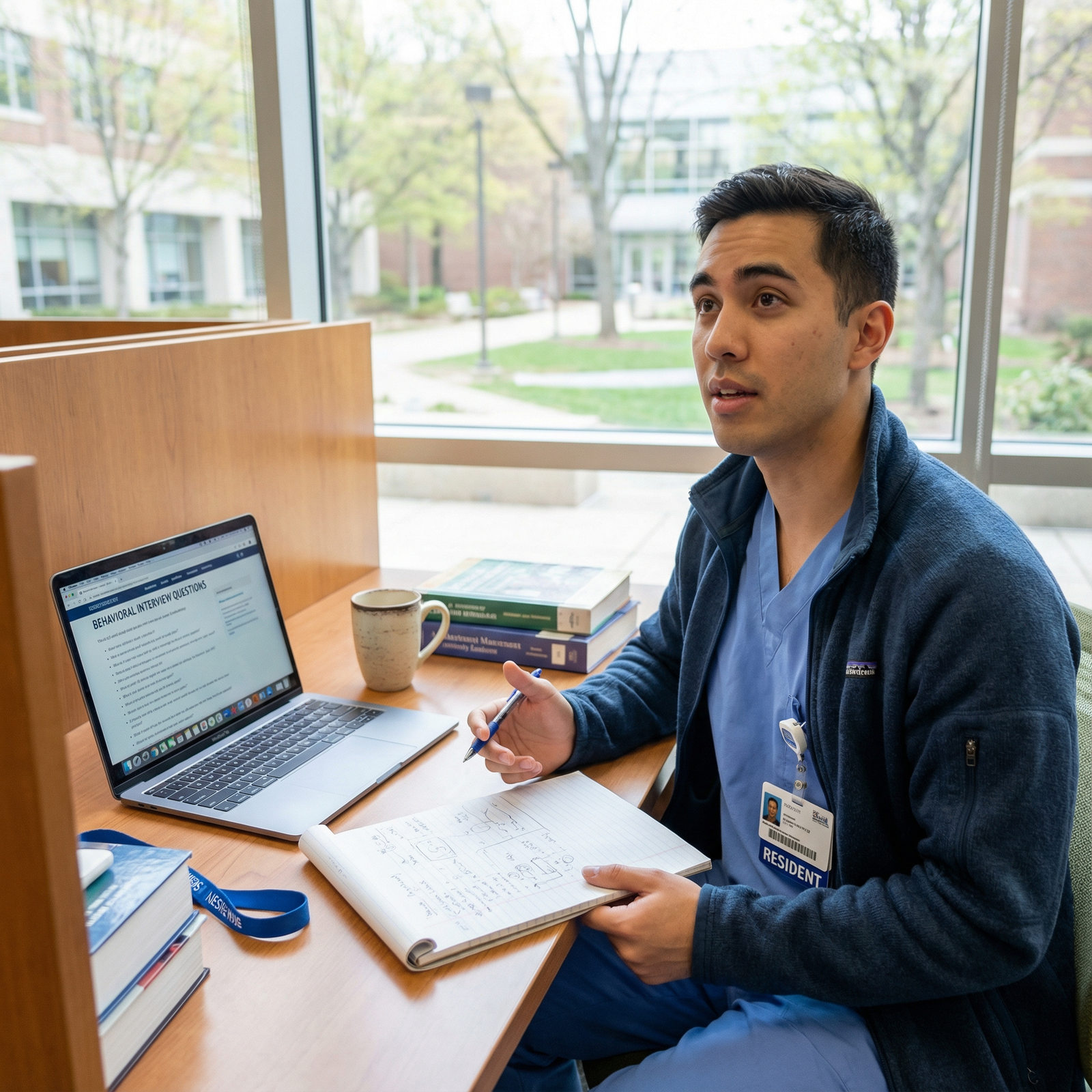
Understanding the Neurosurgery Residency Interview Landscape
For an MD graduate targeting neurosurgery, the residency interview is less a casual conversation and more a high‑stakes, structured evaluation. Programs know they’re investing 7+ years of intensive training; you’re not just applying for a job, you’re applying to join a small, high‑trust surgical team that will depend on you in life‑and‑death situations.
Neurosurgery residencies typically use a mix of:
- Traditional questions (e.g., “Why neurosurgery?”)
- Behavioral interview questions (“Tell me about a time you failed”)
- Technical and clinical judgment questions
- Stress or challenge questions to assess composure
- Personality and fit questions (“Tell me about yourself”)
You should anticipate variability by program, but the core evaluation goals are consistent:
- Clinical potential and stamina for brain surgery residency training
- Team compatibility and professionalism
- Ethical judgment and maturity
- Resilience, self‑awareness, and teachability
- Authentic motivation for neurosurgery, not just prestige or income
Below is a comprehensive overview of common interview questions for MD graduates in neurosurgery, how to think about them, and concrete example answers and strategies.
Core “Story” Questions: Tell Me About Yourself, Why Neurosurgery, Why This Program
These questions define your narrative. They’re nearly guaranteed in any allopathic medical school match interview, and they shape how interviewers remember you.
1. “Tell me about yourself.”
This is often the first question and sets the tone. It’s not your full life story; it’s your 30–90 second professional narrative tailored to neurosurgery.
What they’re assessing:
- Your ability to communicate clearly and succinctly
- Your professional identity as an MD graduate
- Whether your path to neurosurgery feels coherent and deliberate
Framework (3–4 sentences):
- Present: Who you are now (MD graduate + current stage)
- Past: Key experiences that led you toward neurosurgery
- Future: What you’re aiming for in neurosurgery residency and beyond
- Tie‑in: Why their program makes sense for that path
Example answer (condensed):
“I’m an MD graduate from an allopathic medical school with a strong interest in neuro-oncology and complex spine. I entered medical school thinking about internal medicine, but early on I joined a neurosurgery lab studying glioblastoma imaging, and my first OR experience with awake craniotomies changed my trajectory. Since then, I’ve pursued neurosurgery sub‑internships, taken call with residents, and completed several projects on outcomes in malignant brain tumors. I’m looking for a neurosurgery residency that combines strong operative exposure with protected research time, and your program’s neuro-oncology focus and NIH‑funded labs align closely with where I hope to build my career.”
Common pitfalls:
- Reciting your CV chronologically
- Getting lost in childhood stories or non‑medical tangents
- Rambling beyond 2 minutes
Practice aloud until it sounds natural, not memorized.
2. “Why neurosurgery?” / “Why brain surgery residency?”
This is a central question for any neurosurgery residency. Your answer must go beyond generic admiration (“I like the brain,” “I enjoy complex surgery”).
What they’re assessing:
- Depth and authenticity of your motivation
- Realistic understanding of lifestyle and training demands
- Alignment with the specialty’s values: precision, resilience, compassion, team‑oriented care
Key elements to include:
- A defining exposure or experience (clinical or research)
- What cognitive and technical aspects of neurosurgery you enjoy
- An acknowledgment of the challenges and why they still attract you
- A forward‑looking vision (academic, research, community, subspecialty interests)
Example answer:
“My interest in neurosurgery started with a third‑year rotation when I followed a patient with a ruptured aneurysm from the ED through their craniotomy and recovery. It was striking how a single operation changed the trajectory of their life and family. I enjoy the combination of detailed neuroanatomy, high‑stakes decision making, and longitudinal relationships with patients in clinic. I’ve also spent two years in a vascular neurosurgery lab, which showed me how much of the field is still evolving—particularly around intra‑operative imaging and minimally invasive techniques. I’m very aware of the long hours, overnight calls, and emotional weight of neurosurgical complications, but I’ve found that I thrive in high‑acuity environments and value being part of a team that patients trust with their most critical moments. Long‑term, I see myself in an academic setting where I can operate, teach, and continue research in cerebrovascular disease.”
3. “Why our program?”
Every program wants to know that you didn’t recycle the same answer. This question shows whether you’ve done your homework on their neurosurgery residency.
What they’re assessing:
- Genuine interest in their specific program
- Understanding of what makes them unique (case mix, culture, research)
- How you’d contribute and fit into their community
Preparation tips:
Before the interview, identify 3–4 program‑specific points:
- Unique clinical strengths (e.g., high‑volume trauma, functional, pediatrics)
- Research infrastructure (e.g., basic science labs, outcomes research, AI imaging)
- Culture and training philosophy (resident autonomy, mentorship structure)
- Any geographic/family/personal connections
Example answer:
“I’m drawn to your program for several reasons. First, your high volume of complex spine and functional neurosurgery aligns with my interest in movement disorders and pain neuromodulation. Second, the dedicated research year with access to the neuroengineering lab would allow me to build on my background in brain–computer interface work. When I spoke with your residents, they described a culture of close mentorship and early operative involvement, which is important to me. Finally, I have family in this region and can see myself building a long-term career here, so I’m looking for a program where I can invest fully in both the institution and the community.”
Avoid generic statements like “You’re a top program” or “I like your research” without details.
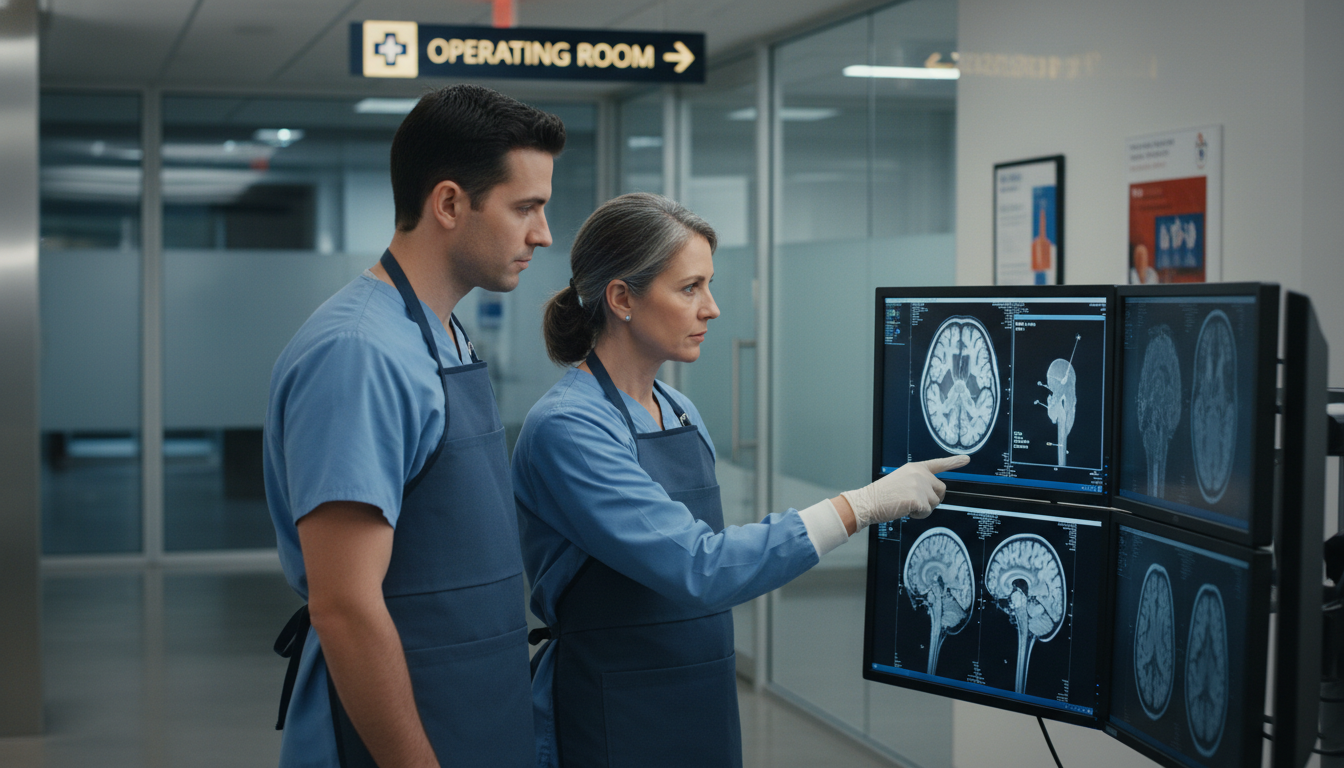
Behavioral Interview Questions: How You Think, Act, and Recover
Behavioral interview medical questions are increasingly common in neurosurgery to assess judgment, teamwork, and resilience. They often start with:
- “Tell me about a time when…”
- “Give me an example of…”
- “Describe a situation where…”
Use the STAR method:
- Situation – Brief context
- Task – Your role
- Action – What you did (focus here)
- Result – Outcome and what you learned
4. “Tell me about a time you made a mistake in clinical care.”
They’re not looking for perfection—they’re looking for accountability, insight, and growth. Avoid catastrophic errors that suggest unsafe behavior, but don’t choose something trivial.
Strong example structure:
Situation/Task: “During my sub‑internship on neurosurgery, I was responsible for pre‑rounding on several post‑op patients. One morning I failed to follow up on a lab result in a timely manner for a patient after a decompressive craniectomy.”
Action: “The next day the senior resident pointed out the delay. I reviewed the chart, realized I had misprioritized my task list, and immediately owned the oversight. I apologized to the team and to the resident, ensured the lab was addressed, and then developed a new system for my workflow—using time‑stamped checklists and EMR flags for critical studies. I also asked my senior for feedback on how they manage multiple tasks efficiently on busy days.”
Result/Learning: “Since then, I haven’t missed a follow‑up study, and I’ve become more proactive about asking for help when my workload feels at risk of affecting patient care. The experience reinforced that in neurosurgery, details and timely follow‑up are not optional, and it’s better to voice workload concerns early than to let something slip.”
Key points: You admit fault, take corrective action, and demonstrate growth.
5. “Tell me about a time you had a conflict with a team member.”
Neurosurgery is team‑intensive. Interpersonal conflict is inevitable; how you handle it is critical.
Do:
- Choose a real, non‑petty conflict (scheduling, communication, patient care plan)
- Show that you sought understanding and resolution
- Emphasize professionalism and focusing on patient care
Example outline:
“On my neurosurgery rotation, a senior resident and I disagreed about whether a patient could safely downgrade from the ICU to the floor. I was concerned about their neurologic status, while the resident was focused on bed availability. Instead of escalating emotionally, I calmly presented my concerns, referenced the neuro checks trend, and suggested we discuss it with the attending. The attending agreed closer monitoring was warranted, and we kept the patient in the ICU another 24 hours. After rounds, I spoke with the resident privately and explained that my intention was patient safety, not undermining their authority. We clarified communication expectations and had a good working relationship for the rest of the rotation. The situation reinforced for me that disagreements in neurosurgery should be resolved through data, respectful communication, and a shared focus on patient outcomes.”
Avoid blaming language; emphasize respect, data, and patient-centered reasoning.
6. “Tell me about a time you failed.”
Neurosurgery residents must cope with setbacks in exams, research, and clinical outcomes.
Strong answers:
- Describe a specific failure (USMLE, research rejection, leadership challenge, personal goal)
- Focus on your response, not the drama of the failure
- Show concrete changes you made afterward
Example:
“During my second year, I failed my first major neuroanatomy exam. Up to that point I’d done well with more conceptual courses, and I underestimated how much daily repetition is required to retain detailed neuroanatomy. I met with the course director and upper‑class students to get feedback. I changed my study approach to include daily spaced repetition, drawing pathways from memory, and regular self‑testing. I also formed a small study group focused on teaching each other. I passed the remediation exam with one of the top scores and have maintained that study structure since. The experience taught me to respond to setbacks with structured reflection and deliberate changes, which I know will be crucial in a neurosurgery residency.”
7. “Tell me about a time you were under significant stress. How did you handle it?”
Residency is inherently stressful. They want to know that you can function and protect yourself from burnout.
Answer components:
- High‑stress situation (heavy call schedule, family crisis, Step exam plus rotations)
- How you organized, prioritized, and sought support
- Healthy coping strategies (exercise, mentors, time management), not just “I worked harder”
Clinical and Technical Judgment Questions in Neurosurgery
You’re not expected to function as a resident yet, but they want to see how you think logically and whether you understand basic neurosurgical principles.
8. “Describe a neurosurgical case that had a big impact on you.”
This question blends clinical and behavioral aspects. Choose a case where:
- You had a meaningful role (even as a student)
- There was clinical complexity or ethical nuance
- You learned something about neurosurgery and yourself
Example structure:
- Brief patient description (e.g., 65‑year‑old with subdural hematoma; 40‑year‑old with glioblastoma)
- Your role on the team
- Key decision points or challenges
- What you learned about neurosurgical care and communication
9. “How do you approach a patient who presents with acute neurologic deficits in the ED?”
They’re testing your initial approach and priorities, not your ability to fully manage independently.
Emphasize:
- ABCs and stabilization
- Focused neurologic exam
- Immediate imaging priorities (CT vs MRI)
- Early neurosurgery and stroke team involvement
- Communication and documentation
Show that you understand the urgency of conditions like epidural hematoma, subarachnoid hemorrhage, or spinal cord compression.
10. Ethics and End‑of‑Life Questions
Common examples:
- “How would you handle a family requesting maximal intervention for a patient with a devastating brain injury and poor prognosis?”
- “What if the team recommends comfort care, but the family disagrees?”
They want to see:
- Understanding of patient autonomy, beneficence, and non‑maleficence
- Comfort with goals‑of‑care conversations
- Willingness to involve interdisciplinary teams: palliative care, ethics, social work
Outline how you’d:
- Clarify the patient’s previously expressed wishes and values.
- Communicate prognosis honestly but compassionately.
- Involve the attending and multidisciplinary support.
- Recognize that neurosurgeons are not just technicians—they guide families through life‑altering decisions.
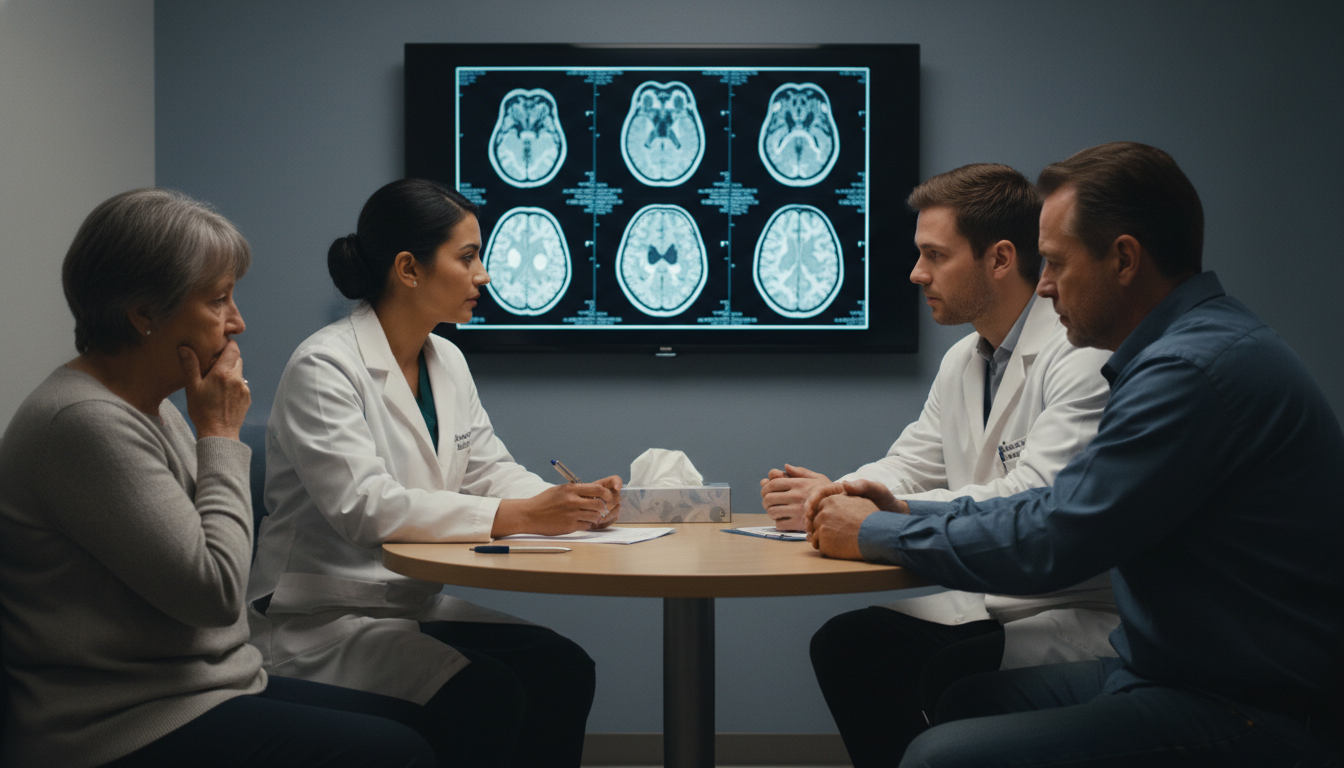
Stress, Personality, and Fit Questions in Neurosurgery Interviews
Neurosurgery programs want colleagues, not just operators. These questions probe your values, personality, and stamina.
11. “What are your strengths and weaknesses?”
Keep it relevant and sincere.
Strengths:
- Select 2–3 that clearly apply to neurosurgery (e.g., attention to detail, calm in crises, persistence in research, team communication).
- Back each with a brief example.
Weaknesses:
- Choose a real area of growth that isn’t a core competency you absolutely must have (e.g., “I procrastinate everything” is poor; “I used to overcommit to too many projects” is better).
- Show that you’ve actively addressed and improved it.
Example weakness answer:
“I tend to take on too many projects because I’m genuinely interested in different areas of neurosurgery, from vascular to neuro-oncology. Last year, I realized this was affecting my ability to move a few key projects across the finish line. Since then, I’ve adopted a more structured system: I limit myself to a defined number of active projects, discuss bandwidth honestly with mentors before committing, and meet monthly with my primary research mentor to prioritize. This has helped me deliver higher‑quality work and is a strategy I plan to carry into residency where time will be even more limited.”
12. “How do you handle long hours and sleep deprivation?”
Programs are vetting your resilience and realistic understanding of neurosurgery lifestyle.
Avoid saying, “I don’t mind; I function fine on no sleep.” That can sound naive or unsafe.
Better approach:
- Acknowledge that you’ve experienced demanding schedules (sub‑I, ICU rotations, night float).
- Explain specific strategies: structured pre‑call prep, strategic napping, caffeine in moderation, checklists to prevent fatigue‑related errors.
- Emphasize self‑awareness: you recognize when you’re tired and use systems/team support to protect patient safety.
13. “What do you do outside of medicine?”
They’re looking for well‑roundedness and sustainability. Have 1–3 genuinely meaningful hobbies or interests you can discuss:
- Physical outlets: running, weightlifting, climbing
- Creative pursuits: music, writing, photography
- Community involvement: volunteering, mentoring
Describe what you do, how often, and why it matters to you. Programs are thinking: “Will this person burn out in year 3, or do they have a healthy identity outside the hospital?”
Program-Specific and Curveball Questions
14. “What neurosurgery research are you most proud of?”
As an MD graduate applying to neurosurgery residency, research is often central to your application.
Be ready to:
- Summarize 1–2 projects succinctly: question, methods, findings, your role.
- Discuss challenges you faced (IRB delays, data collection issues, negative results).
- Explain how the project influenced your career interests.
If your work isn’t published yet, be honest—talk about manuscripts in progress, abstracts, or posters.
15. “Where do you see yourself in 10–15 years?”
They’re gauging your long‑term commitment to neurosurgery and whether your goals match what their program can offer.
Options might include:
- Academic neurosurgeon with specific subspecialty (vascular, spine, functional, pediatrics, tumor, trauma)
- Surgeon‑scientist with R01‑level funding aspirations
- Community neurosurgeon with broad case mix and local leadership roles
It’s fine not to be hyper‑specific, but avoid saying, “I have no idea.” Provide a plausible, flexible vision.
16. “If you couldn’t do neurosurgery, what would you do?”
This probes how singular—and possibly brittle—your identity is.
Tips:
- Don’t say, “There’s nothing else for me; I would be lost.” That may raise concern.
- Choose a specialty or career path with overlapping values or skills (neurology, critical care, interventional radiology, engineering, neuroscience research).
- Emphasize that you’re fully committed to neurosurgery, but you have broader interests and adaptability.
17. Common Residency Interview Questions Across Specialties (That Still Matter in Neurosurgery)
Expect general allopathic medical school match questions such as:
- “What are you looking for in a residency program?”
- “Tell me about a leadership experience.”
- “Tell me about a time you had to quickly learn a new skill.”
- “What was the most challenging period of medical school for you?”
- “Is there anything in your application you’d like to explain?” (e.g., exam dips, leaves of absence)
Prepare targeted, honest responses with emphasis on:
- Reflection
- Growth
- Alignment with neurosurgery training demands
Practical Strategies to Prepare for Your Neurosurgery Residency Interview
Build Your Personal Question Bank
List categories and 3–5 questions in each:
- Story & motivation: Tell me about yourself, why neurosurgery, why this program.
- Behavioral: Mistake, failure, conflict, stress, leadership.
- Clinical/ethical: Impactful cases, neurologic emergency approach, end‑of‑life.
- Personal/fit: Strengths/weaknesses, outside interests, long‑term goals.
Draft bullet‑point answers, not word‑for‑word scripts.
Practice Out Loud and Get Feedback
- Do mock interviews with neurosurgery faculty, residents, or your school’s career office.
- Record yourself answering key questions like “tell me about yourself” and “why neurosurgery” to refine clarity and tone.
- Ask for specific feedback: content, concision, eye contact, and how “coachable” you sound.
Prepare Questions to Ask Them
Your questions signal what you value. For neurosurgery, consider:
- “How is autonomy in the OR progressed over the 7 years?”
- “How do residents get involved in research, and what support do they have for fellowships or academic careers?”
- “How does the program support resident well‑being given the intensity of neurosurgery training?”
- “What qualities distinguish residents who thrive here from those who struggle?”
Avoid questions that are easily answered on the website or overly focused on vacation policies.
Frequently Asked Questions (FAQ)
1. How different are neurosurgery residency interview questions from other surgical specialties?
Neurosurgery interviews include many standard residency interview questions, but they place heavier emphasis on resilience, long‑term commitment, research productivity, and ethical decision‑making in high‑stakes scenarios. You’re more likely to encounter deeper discussions of specific neurosurgical cases, your lab or outcomes research, and your understanding of 7‑year training demands than you would in shorter surgical residencies.
2. How technical will the questions be for an MD graduate without extensive neurosurgical research?
Programs generally don’t expect you to function like a junior resident on day one. Technical questions usually test your approach and reasoning, not detailed operative steps. For example, you might be asked how you’d evaluate acute neurologic deficits or how you’d explain a common neurosurgical condition to a patient. If you don’t know something, it’s better to admit it, outline what you do know, and describe how you would find the answer than to guess.
3. How should I handle behavioral questions if I feel I haven’t had many dramatic experiences?
You don’t need dramatic ICU disasters to answer behavioral interview medical questions well. Common clinical situations—difficult feedback, busy call nights, scheduling conflicts, or research setbacks—can all be excellent examples if you show clear context, your specific actions, and what you learned. Focus less on the drama of the story and more on demonstrating maturity, teamwork, and growth using the STAR framework.
4. What’s the best way to prepare for “tell me about yourself” and similar open‑ended questions?
Write a short, structured outline that links your past, present, and future in neurosurgery, then practice aloud until it feels conversational. Aim for 1–2 minutes, and ensure you naturally incorporate key points—your MD graduate background, your path into neurosurgery, and what you’re seeking in a neurosurgery residency. Ask a mentor or resident to listen and tell you what they remember; if your neurosurgery‑specific motivations and strengths don’t come through, refine your answer.
By anticipating these common interview questions and preparing thoughtful, honest responses, you’ll enter each neurosurgery residency interview with clarity and confidence. Your goal is not to perform a role, but to present a coherent, resilient, and teachable version of yourself that programs can easily envision as a trusted colleague in the OR and on the wards.