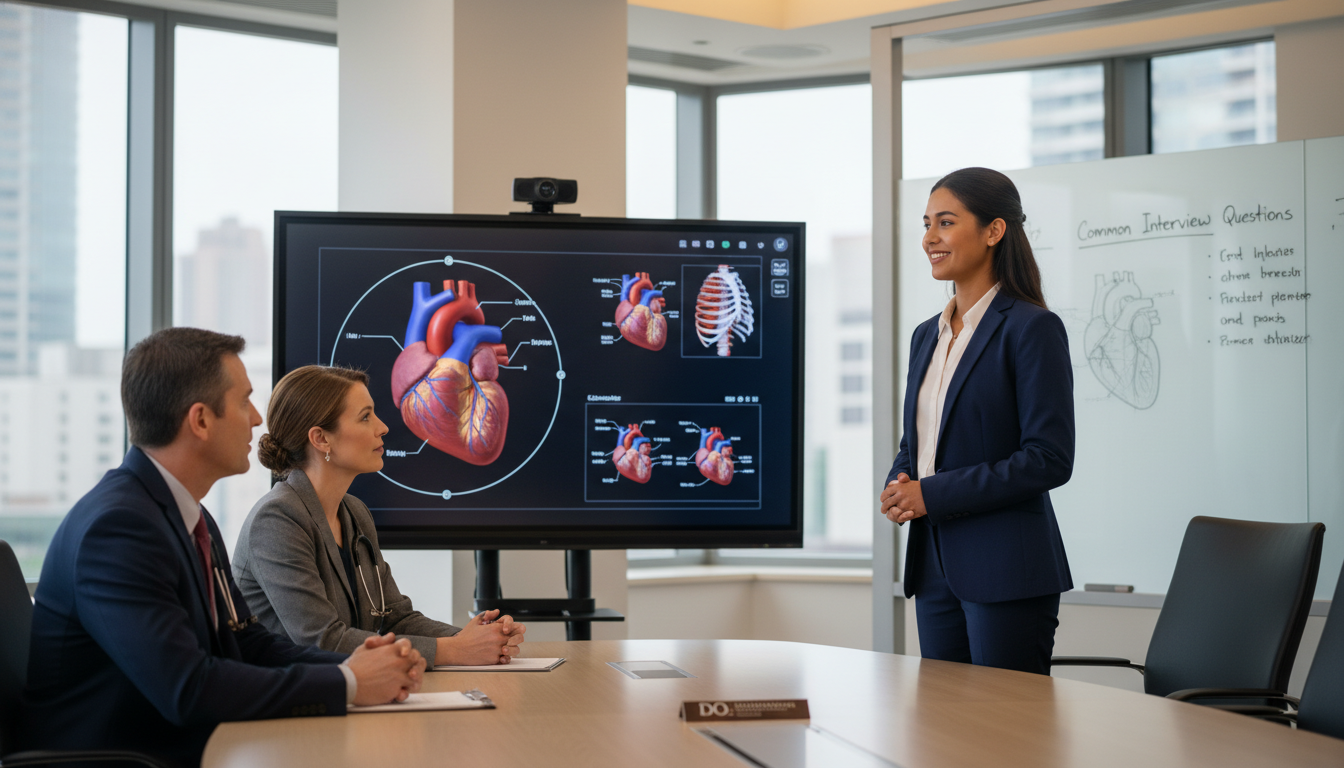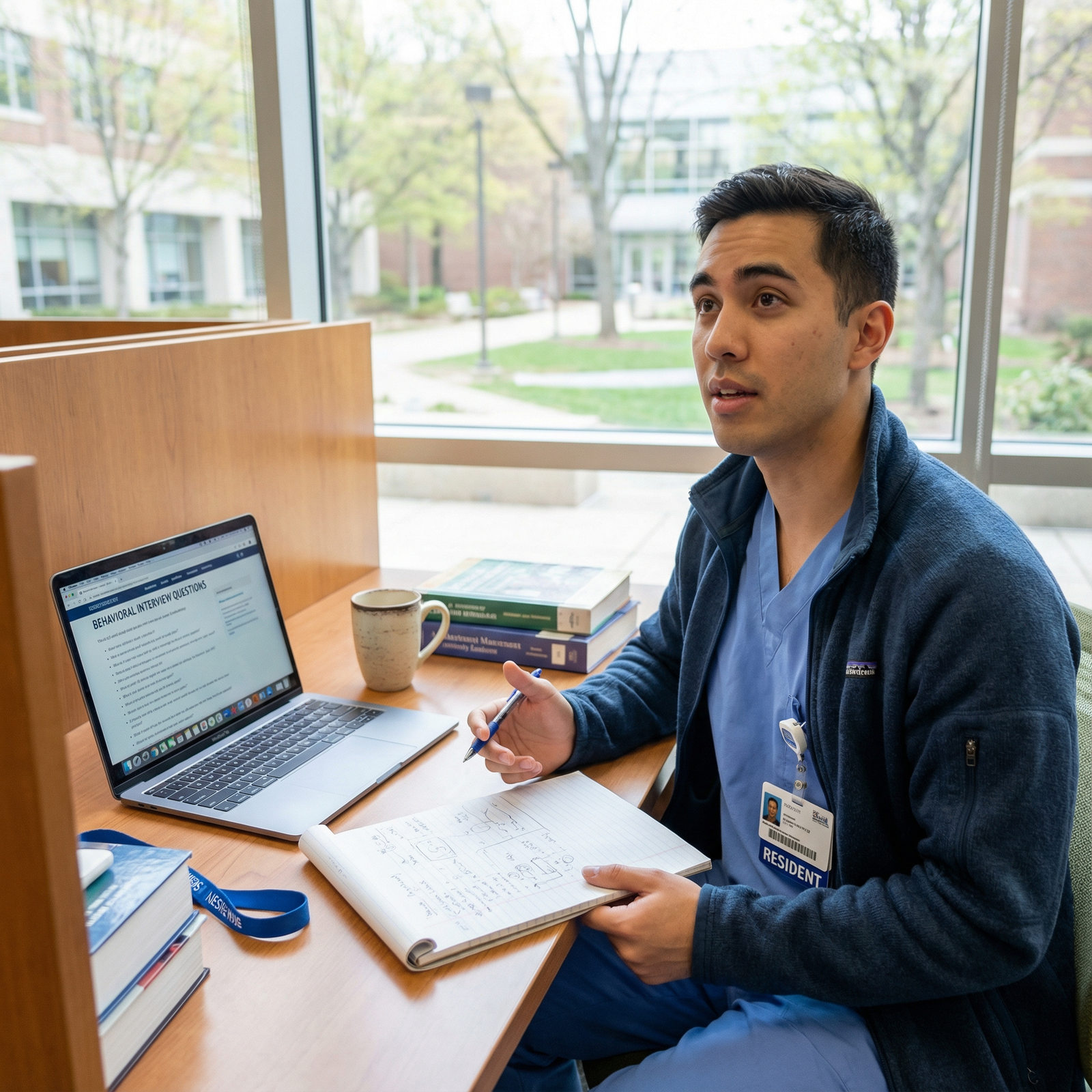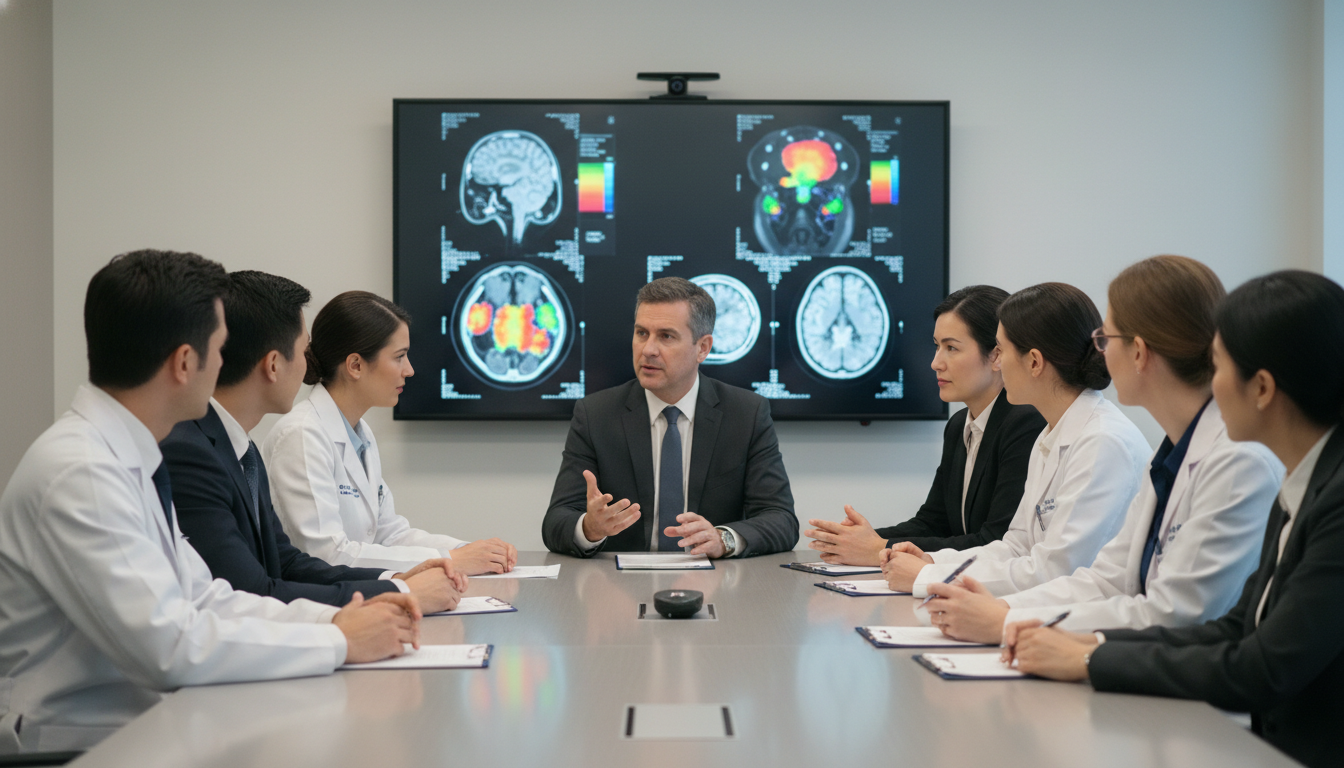
Preparing for a nuclear medicine residency interview requires more than memorizing facts about radiopharmaceuticals and imaging techniques. Programs are looking for residents who are technically capable and emotionally intelligent, team-oriented, resilient, and ready to grow in a high‑responsibility specialty. This guide walks you through the most common interview questions in nuclear medicine, what programs are actually assessing, and how to structure strong, memorable answers.
Understanding the Nuclear Medicine Residency Interview
Nuclear medicine is a relatively small, highly specialized field, and the nuclear medicine match is competitive despite limited positions. Because programs are small, every resident significantly affects the culture, workload, and educational environment. That’s why interviews focus so heavily on behavioral interview medical questions and on gauging your fit with the team.
What Programs Are Really Evaluating
When they ask residency interview questions, faculty and program directors are generally trying to assess:
- Clinical readiness – How well your prior training (radiology, internal medicine, etc.) prepares you to transition into nuclear medicine.
- Technical curiosity – Whether you show genuine interest in imaging physics, radiopharmacy, and theranostics.
- Safety mindset – Your approach to radiation safety, patient safety, and quality improvement.
- Professionalism and communication – How you interact with patients, technologists, peers, and multidisciplinary teams.
- Resilience and insight – How you handle mistakes, feedback, stress, and long‑term learning.
- Program fit – Whether your goals match what the program offers (clinical vs. research‑heavy, emphasis on PET/CT, theranostics, academic vs. community).
Knowing this helps you go beyond superficial responses and target what interviewers care about most.
Classic Opening Questions (and How to Answer Them Well)
Nearly every nuclear medicine residency interview will include some variation of these foundational residency interview questions. They may seem simple, but they often set the tone for the entire conversation.
1. “Tell Me About Yourself”
This is one of the most common and important questions in any interview, and nuclear medicine is no exception. Programs use this to evaluate your communication style, organization, and whether you can present a coherent professional narrative.
Goal: A concise, 2–3 minute summary that connects your background and experiences to nuclear medicine.
Suggested structure (Past → Present → Future):
- Past: Briefly summarize your background and training.
- Present: Explain what you’re doing now and why you’re applying in this cycle.
- Future: State your career goals and how nuclear medicine — and this program specifically — fits.
Example answer outline:
- Past: “I completed my medical degree at X, where I was first exposed to imaging during my third‑year internal medicine clerkship. I went on to complete a preliminary internal medicine year at Y, where I managed many oncology and cardiac patients.”
- Present: “Currently I’m in a diagnostic radiology residency at Z, where I’ve developed a particular interest in PET/CT for oncology and cardiac imaging.”
- Future: “I’m applying to nuclear medicine residency to deepen my expertise in molecular imaging and theranostics, with the goal of an academic career building clinical and research programs in targeted therapies.”
Tips:
- Avoid reciting your CV chronologically.
- Connect specific experiences to nuclear medicine (e.g., PET/CT cases, thyroid disease management, radionuclide therapy).
- Practice out loud until it sounds natural and confident.
2. “Why Nuclear Medicine?”
This question tests your motivation and understanding of the field.
Programs are asking:
- Do you understand what nuclear medicine physicians actually do?
- Are you genuinely interested or just using this as a backup?
- Do your long‑term goals align with the specialty?
Key elements to include:
- A clinical or patient story that sparked your interest.
- The intellectual appeal: physiology, molecular imaging, theranostics.
- The impact on patient care: early detection, individualized therapy.
- How nuclear medicine fits your skills and personality.
Sample talking points:
- “I’m drawn to how nuclear medicine visualizes physiology before anatomy changes appear, especially in oncology and cardiology.”
- “The integration of imaging with targeted radionuclide therapy feels like the future of personalized medicine.”
- “I enjoy working with complex data, correlating imaging findings with clinical context, and collaborating with oncologists, surgeons, and cardiologists.”
Avoid vague phrases like “I like radiology” without specifying what makes nuclear medicine distinct.
3. “Why This Program?”
Expect this question in nearly every interview. It differentiates applicants who did homework from those sending generic applications.
Do before the interview:
- Review the program’s website: case mix (oncology, cardiac, neuro), theranostics, imaging modalities, research.
- Look at faculty interests and publications.
- Note any unique features: strong PET/MR program, residency‑run QI projects, high‑volume radionuclide therapy, close collaboration with oncology.
Example components of a strong answer:
- “Your high‑volume theranostics program, particularly with Lu‑177 PSMA and Lu‑177 DOTATATE, aligns perfectly with my interest in oncology imaging and therapy.”
- “I appreciate the structured physics curriculum and hands‑on radiopharmacy exposure, which I feel are essential to becoming a well‑rounded nuclear medicine physician.”
- “The small program size and close mentorship described by your residents really appeal to me — I learn best with direct feedback and longitudinal relationships.”
Make your answer specific enough that it could not be copied and pasted to another program.

Core Behavioral and Situational Questions in Nuclear Medicine
Behavioral interview medical questions are designed around the idea that past behavior predicts future performance. Many will start with “Tell me about a time when…”
Use the STAR framework for structured answers:
- Situation – Brief context
- Task – Your role and responsibility
- Action – What you did (focus here)
- Result – Outcome and what you learned
4. “Tell Me About a Time You Made a Clinical Mistake”
Nuclear medicine involves radiation exposure, complex dosing, and interdisciplinary coordination. Programs want to know you recognize fallibility and prioritize safety.
What they’re assessing:
- Honesty
- Insight and accountability
- Willingness to seek help
- Preventive mindset
How to answer:
- Choose a real but non-catastrophic example (e.g., almost mis‑labeling a side, delayed follow‑up, miscommunication).
- Take clear ownership.
- Describe the corrective steps you took.
- Explain the system or personal change that prevents recurrence.
Example outline:
- Situation: You nearly missed a critical lab value that affected radiopharmaceutical dosing.
- Action: You recognized the oversight, notified the team, re‑checked labs, adjusted plan.
- Result: Patient managed safely; you helped create a checklist for pre‑procedure review.
Never say you’ve “never made a mistake.” That suggests lack of insight.
5. “Describe a Difficult Interaction With a Colleague or Technologist”
Nuclear medicine often requires close collaboration with technologists, physicists, and other specialists. Interpersonal skills are crucial.
Focus on:
- Respectful communication
- Willingness to listen
- Ability to negotiate and compromise
- Maintaining patient safety as the priority
Example scenario:
- A technologist wants to adjust the protocol to speed workflow; you’re concerned about diagnostic quality.
- You acknowledge their perspective, explain your clinical concerns, review guidelines together, and involve the attending if needed.
- Outcome: You reach a modified protocol, and you learn to discuss expectations up front during busy days.
Avoid blaming others or describing yourself as always correct.
6. “Tell Me About a Time You Managed a High‑Stress Situation”
On busy days, nuclear medicine services manage stress tests, PET/CT, urgent scans, and therapy patients simultaneously.
Strong answers show:
- Prioritization
- Calm communication
- Situational awareness
- Appropriate use of support (calling for backup)
Example approach:
- You were on call when multiple oncology patients needed urgent scans plus one inpatient coded during a stress test.
- You prioritized emergent issues, delegated tasks, communicated clearly with nursing/technologists, and notified the attending early.
- Result: Patient care maintained, and you reflected later on how to better anticipate such bottlenecks.
7. “Give an Example of a Time You Received Critical Feedback”
Nuclear medicine residents receive frequent feedback on reporting style, image interpretation, and communication.
Key elements:
- A specific instance of constructive or negative feedback.
- Your initial reaction (be honest but professional).
- Steps you took to improve.
- Evidence of improvement (e.g., attending comments, faster reporting, better clarity).
This shows you’re coachable and focused on growth, which is essential in a small, apprenticeship‑style specialty.
Nuclear Medicine–Specific Clinical and Technical Questions
Programs also want to assess your baseline understanding of nuclear medicine concepts, adapted to your training level (radiology vs. internal medicine vs. direct pathway).
You are not expected to be an expert, but you should demonstrate curiosity, preparation, and basic familiarity.
8. “What Areas of Nuclear Medicine Interest You Most?”
Common areas:
- Oncology imaging (FDG PET/CT, PSMA imaging)
- Cardiac imaging (SPECT, PET perfusion, viability)
- Neuroimaging (epilepsy, dementia, movement disorders)
- Theranostics (I‑131, Lu‑177 DOTATATE, Lu‑177 PSMA, Y‑90, etc.)
Answer by connecting interest to experience:
- “I’m particularly drawn to oncologic PET/CT because of its role in staging and monitoring treatment response in lymphoma and lung cancer; during my rotation at X, I saw how PET findings frequently changed management.”
- “Theranostics excites me, especially Lu‑177 therapies, because it combines precise imaging with targeted treatment; I’d like to contribute to clinical trials in this area.”
9. “How Do You Approach Interpreting a PET/CT Study?”
This type of question checks your systematic thinking, even if your technical depth is limited.
You might answer:
- Clinical context – Review indication, history, prior imaging, and labs.
- Technical review – Confirm radiopharmaceutical, dose, uptake time, blood glucose (for FDG), and scan quality.
- Systematic interpretation – Head‑to‑toe survey, correlating PET findings with CT anatomy.
- Pattern recognition – Distinguish physiologic from pathologic uptake.
- Comparison – Compare with prior scans when available.
- Clinically relevant impression – Clear, actionable conclusion that guides management.
Emphasize that you seek attending guidance for complex or borderline findings.
10. “How Do You Think Nuclear Medicine Will Evolve Over the Next 5–10 Years?”
Programs use this to gauge your awareness of the field’s trajectory.
Potential themes:
- Expansion of theranostics, particularly PSMA and neuroendocrine tumor therapies.
- New radiotracers for oncology, neurology, and cardiology.
- Increasing use of PET/MRI in selected populations.
- Greater integration with artificial intelligence for image analysis and workflow.
- Closer collaboration with oncology, cardiology, neurology in multidisciplinary clinics.
Structure your answer around:
- A specific trend you find exciting.
- Why it matters for patients.
- How you hope to participate (research, clinical programs, QI, education).

Commonly Asked Behavioral and Ethical Scenarios in Nuclear Medicine
Because nuclear medicine involves radiation and complex logistics, ethics and professionalism questions are frequent.
11. “How Would You Handle a Patient Who Refuses a Recommended Nuclear Medicine Study?”
Key points:
- Respect for patient autonomy.
- Clear, jargon‑free explanation of risks and benefits.
- Empathy for fears about radiation.
- Involvement of the referring clinician if needed.
Example approach:
- Explore the patient’s concerns (“Can you tell me more about what worries you?”).
- Provide clear information on radiation dose in relatable terms.
- Explain how the study influences management.
- Offer alternatives if appropriate.
- Respect the patient’s final decision and document the discussion.
12. “What Would You Do If You Noticed a Potential Radiation Safety Violation?”
Programs want reassurance that you will take safety seriously even when it’s uncomfortable.
Your answer should include:
- Immediate safety steps if there’s an ongoing hazard.
- Alerting the nuclear medicine physician, technologist supervisor, or radiation safety officer.
- Honest documentation and incident reporting.
- Focus on systems improvement, not blame.
Show that patient and staff safety takes precedence over hierarchy.
13. “Tell Me About a Time You Worked in a Multidisciplinary Team”
Nuclear medicine intersects constantly with oncology, cardiology, surgery, endocrinology, and neurology.
Structure your answer around:
- Your role (e.g., presenting imaging findings for a tumor board).
- The communication challenge.
- How you facilitated understanding (e.g., explaining imaging findings in clinical terms).
- The positive outcome for patient care or team function.
If you haven’t had formal multidisciplinary experience, draw from any setting where you worked across professions (e.g., coordinating with pharmacists, nurses, therapists).
Personal Attributes, Career Goals, and “Fit” Questions
These questions help programs understand who you are beyond your exam scores and publications.
14. “What Are Your Strengths and Weaknesses?”
Strengths:
Choose 2–3 that are directly relevant to nuclear medicine:
- Attention to detail
- Comfort with complex datasets
- Strong communication skills with non‑physicians
- Reliability and follow‑through
- Curiosity and commitment to lifelong learning
Support each with a brief example.
Weaknesses:
- Choose a real but manageable area (e.g., delegating tasks, public speaking, over‑committing).
- Explain specific steps you’re taking to improve.
- Show progress.
Avoid cliches like “I’m a perfectionist” unless you explain how it has caused problems and what you’re doing to manage it.
15. “Where Do You See Yourself in 5–10 Years?”
Programs want to know whether they can support your goals and whether you’re likely to thrive in their environment.
Potential directions:
- Academic nuclear medicine with a focus on research or education.
- Hybrid careers (diagnostic radiology + nuclear medicine, or nuclear cardiology).
- Community practice with emphasis on PET/CT and therapies.
- Leadership in theranostics programs or imaging departments.
Align your answer with:
- The program’s strengths (e.g., high‑volume PET/CT, strong theranostics, research infrastructure).
- Your track record (research, QI, teaching, leadership).
16. “What Do You Like to Do Outside of Medicine?”
Programs are looking for balance and fit. Be honest and specific:
- Hobbies (music, sports, reading, travel, photography, coding).
- Family commitments.
- Community service.
Emphasize what helps you stay resilient and well‑rounded. You don’t need extraordinary achievements; they just want to see you as a sustainable colleague.
Questions You Should Ask the Interviewers
Your questions demonstrate your priorities and how thoughtfully you approach your training. Prepare 3–5 specific questions for each program.
Possible categories:
Curriculum and Clinical Exposure
- “How is time divided between PET/CT, SPECT, and theranostics?”
- “What level of autonomy do residents have in protocol selection and interaction with referring clinicians?”
Mentorship and Career Development
- “How are mentors assigned, and how often do residents meet with them?”
- “What have recent graduates gone on to do after completing this nuclear medicine residency?”
Research and Quality Improvement
- “What types of research or QI projects are current residents involved in?”
- “Are there opportunities to participate in clinical trials or theranostics program development?”
Culture and Wellness
- “How would you describe the relationship between residents and technologists or physicists?”
- “What does the program do to support resident well‑being during busy periods?”
Avoid questions easily answered on the website unless you’re asking for clarification or deeper detail.
Practical Preparation Tips for the Nuclear Medicine Match
To stand out in the nuclear medicine match, combine strong application materials with intentional interview preparation.
1. Build a Concise Story
- Write down key points for:
- “Tell me about yourself”
- “Why nuclear medicine?”
- “Why this program?”
- Practice with a mentor, friend, or advisor.
2. Prepare Behavioral Examples
List 6–8 experiences you can flexibly adapt:
- A time you led a team.
- A time you made a mistake.
- A conflict you managed.
- A stressful clinical situation.
- Receiving critical feedback.
- A research or QI project.
Connect each to nuclear medicine‑relevant skills: communication, safety, teamwork, resilience.
3. Review Core Nuclear Medicine Concepts
Based on your background:
- For radiology residents: emphasize indications, common tracers, interpretation frameworks, and integration with CT/MR.
- For internal medicine or other backgrounds: understand basic indications, common therapies, and safety considerations.
You’re not being tested like a board exam, but basic knowledge shows genuine interest.
4. Practice Answering Aloud
- Use mock interviews with:
- Faculty in radiology/nuclear medicine.
- Career services.
- Peers applying to other specialties.
- Focus on:
- Clear structure.
- Avoiding rambling.
- Maintaining professional but warm tone.
5. Plan the Logistics
- Test your technology in advance for virtual interviews: camera, microphone, connection.
- Choose a quiet, well‑lit, professional‑looking background.
- Have a printed or digital copy of your CV and personal statement nearby.
Frequently Asked Questions (FAQ)
1. How technical are nuclear medicine residency interview questions?
They vary by program and your background. Most programs focus heavily on behavioral and fit‑related questions, with some basic clinical or conceptual nuclear medicine questions tailored to your training. You’re expected to know indications, basic tracers, and how nuclear medicine impacts patient care, not detailed physics or obscure isotope production processes.
2. How should I answer if I have limited prior exposure to nuclear medicine?
Be honest but show initiative:
- Explain how your interest developed (even if late).
- Highlight any elective rotation, shadowing, or research, even if brief.
- Emphasize self‑directed learning: reading, webinars, case conferences.
- Focus on transferable skills from internal medicine, radiology, oncology, or cardiology.
Programs understand that formal exposure can be limited; they care more about your commitment and curiosity.
3. What if I get a residency interview question I truly don’t know how to answer?
It’s acceptable to pause and think. You can say:
- “That’s a great question; let me think about that for a moment.”
- Then provide your best structured attempt:
- Clarify the question.
- Use similar experiences if you lack a direct one.
- For technical questions, outline your reasoning process, not just the final answer.
Interviewers are often more interested in how you think than in whether you know every detail.
4. How important are interviews compared with board scores and letters in the nuclear medicine match?
In a small specialty like nuclear medicine, interviews are critical. Scores, letters, and research may secure you an invitation, but the interview determines whether faculty believe you’ll be a good colleague in a small, close‑knit department for 1–3 years. Strong interpersonal skills, professionalism, and demonstrated interest can significantly influence your ranking.
By understanding why programs ask particular questions and preparing thoughtful, structured responses, you can enter your nuclear medicine residency interviews with clarity and confidence. Use the common questions in this guide to rehearse out loud, refine your story, and show programs not just that you want to match in nuclear medicine residency — but that you’re ready to contribute meaningfully to their team and to the evolving field of molecular imaging and theranostics.