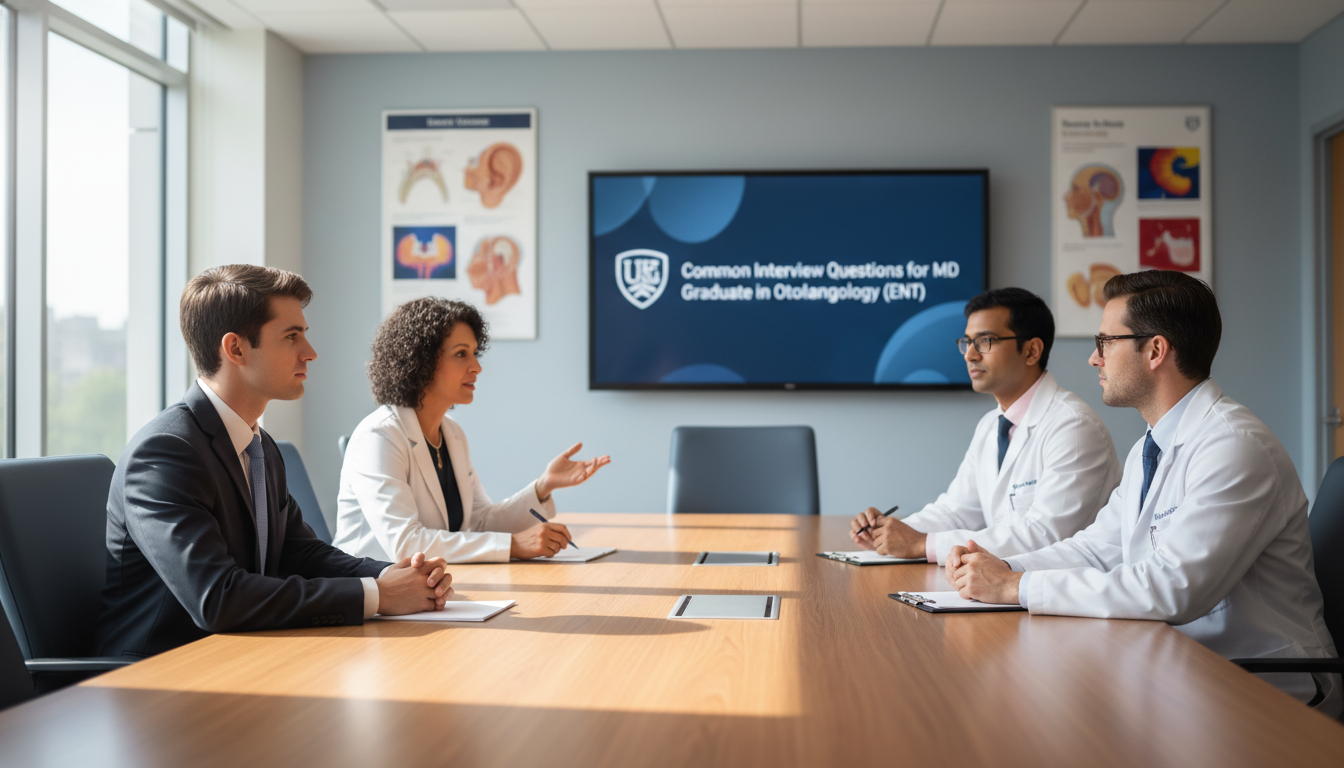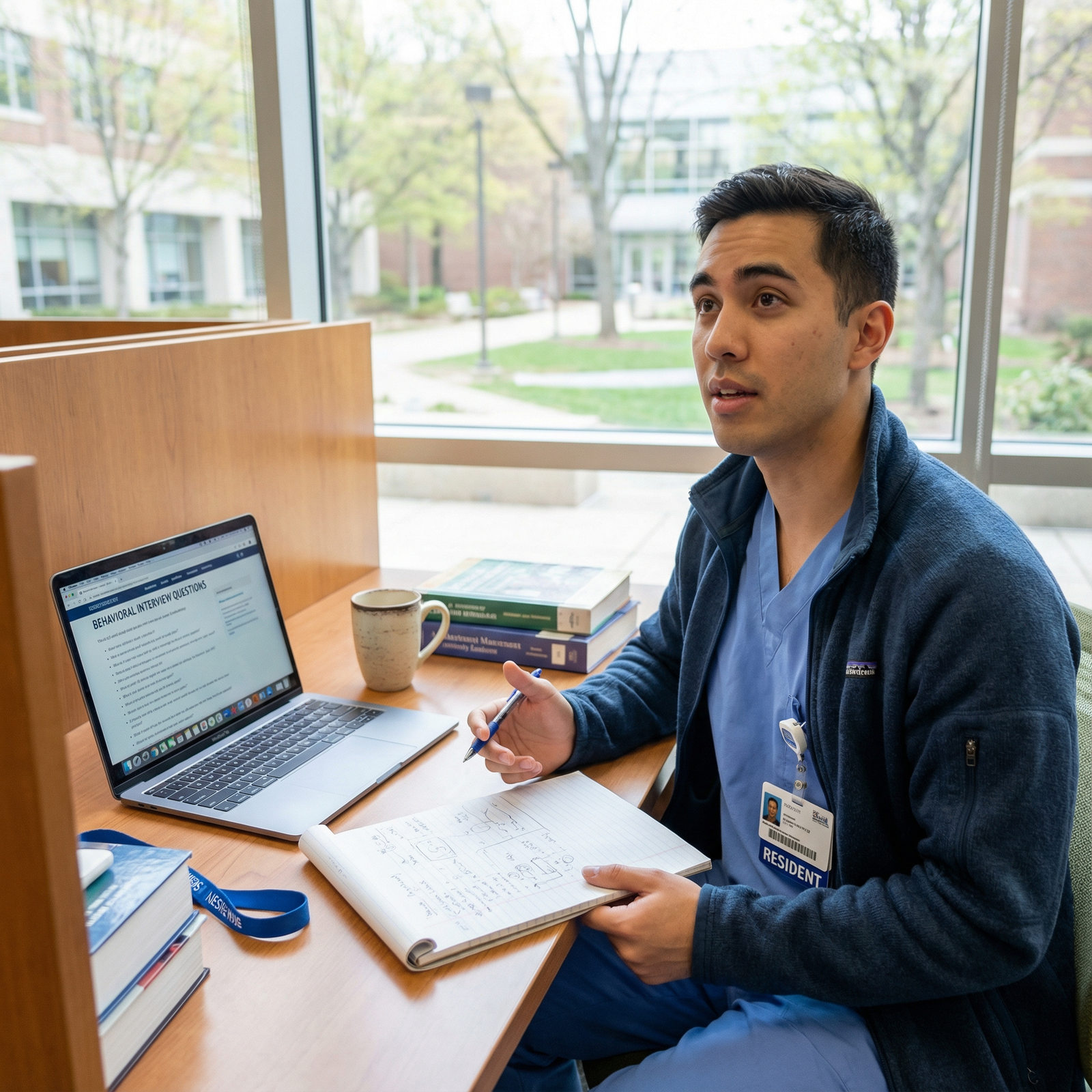
Understanding the Family Medicine Residency Interview Landscape as a DO Graduate
As a DO graduate applying to family medicine, you’re entering a specialty that highly values communication, empathy, and a holistic view of patients—values that align naturally with osteopathic training. The interview is your primary chance to demonstrate those qualities in person and to show that you are ready to thrive in a family medicine residency.
Most programs use a combination of:
- Traditional questions (“Why family medicine?”)
- Behavioral interview medical questions (“Tell me about a time you made a mistake”)
- Situational questions (“What would you do if…?”)
- Fit and motivation questions (“Why our program?”)
- Osteopathic-specific questions (OMM, holistic care, DO identity)
- Classic openings like “Tell me about yourself”
This guide focuses on common interview questions for DO graduates in family medicine, with suggested frameworks, sample answers, and specific advice tailored to the osteopathic residency match (NRMP + AOA legacy context).
Core “Fit” Questions for DO Graduates in Family Medicine
These are the high-yield questions you are almost guaranteed to hear in a family medicine residency interview. Thoughtful, concise answers here immediately signal maturity and self-awareness.
1. “Tell me about yourself.”
This is one of the most frequently asked residency interview questions and often the very first one. Programs use it to assess your communication skills, focus, and insight into your own story.
Purpose of the question:
- Warm-up and rapport-building
- Assess how you organize and present information
- See what you think is important about your journey
Structure your answer using P-P-F (Past–Present–Future):
- Past: Where you came from and what led you toward medicine/family medicine
- Present: Who you are now as a DO graduate—experiences, strengths, interests
- Future: Your goals in residency and long-term, and why this program fits
Example (adapt and personalize):
“I grew up in a small town in Ohio where our family doctor knew three generations of my family. That early experience with continuity of care stayed with me and ultimately led me to pursue medicine.
During medical school as a DO student, I found myself drawn to rotations where I could build long-term relationships—especially my family medicine clerkship. I enjoyed managing chronic conditions, counseling on lifestyle changes, and using osteopathic principles to think about the whole patient, not just their diagnosis. I’ve developed strengths in patient communication, working with underserved populations, and team-based care, especially during my community health center rotation.
Looking ahead, I’m seeking a family medicine residency where I can continue to develop strong outpatient skills, care for a diverse population, and integrate osteopathic principles, particularly in musculoskeletal complaints and preventive care. I’m especially interested in your program’s strong continuity clinic and community outreach, which aligns well with how I hope to practice in the future.”
Tips for DO graduates:
- Mention being a DO early, and connect it to your holistic mindset, not just OMM.
- Keep it 2–3 minutes max—practice out loud.
- Avoid reciting your CV; tell a coherent story that leads to family medicine.
2. “Why family medicine?”
Programs want to separate applicants who chose family medicine as a first choice from those who “ended up” here. As a DO graduate, your holistic philosophy should reinforce your interest in primary care and continuity.
Consider including:
- A specific moment or patient that crystallized your interest
- The aspects of family medicine you deeply value
- How your osteopathic training fits naturally with FM
Possible answer structure:
- Start with a personal or clinical experience
- Connect that experience to core FM values (continuity, breadth, prevention, community)
- Explain how your skills and DO background align with those values
- Tie to your long-term goals
Example:
“I chose family medicine because it’s the specialty that best reflects how I want to practice—caring for patients across their lifespan, in the context of their families and communities. During my family medicine rotation at a community clinic, I met a patient with uncontrolled diabetes who was seen multiple times in the ED but never had consistent primary care. Over several visits, I saw how education, trust, and small, realistic lifestyle changes dramatically improved his A1c.
That experience reinforced what I value: continuity, prevention, and understanding social determinants of health. As a DO graduate, I’ve been trained to consider the whole person—physical, emotional, and social—and I see family medicine as the ideal setting to live out that philosophy every day. Long-term, I hope to practice in a community-based setting where I can build relationships, teach, and advocate for better access to care.”
Common pitfalls to avoid:
- Being vague: “I like everything” (give specifics).
- Saying you chose FM only because of lifestyle.
- Presenting FM as a backup after not matching another specialty.
3. “Why our program?”
This is where your preparation and genuine interest matter. In the osteopathic residency match environment, programs want residents who will invest in their community and training structure.
Before the interview, research:
- Clinic sites, patient population, community context
- Curriculum highlights (OB, procedures, behavioral health, osteopathic track)
- Program’s mission (underserved care, rural health, community medicine)
- Faculty interests and research, if relevant
Structure:
- Show you know them: One or two specific program features
- Show alignment: How those features match your goals/values
- Show contribution: What you will bring as a DO graduate
Example:
“I’m very interested in your program because of your strong emphasis on community-oriented primary care and your diverse patient population. I was particularly drawn to your longitudinal continuity clinic at the community health center and the opportunity to work with medically underserved patients, including recent immigrants.
As a DO graduate with a background in community health outreach, I value prevention and addressing social determinants of health. Your integrated behavioral health and your osteopathic recognition track are also a great fit with my interests in mental health and using OMT appropriately in primary care. I see myself thriving in an environment where I can care for a wide range of ages and conditions, while also participating in community outreach and quality improvement projects. I believe my communication skills, osteopathic perspective, and commitment to underserved care would allow me to contribute meaningfully to your team.”

Behavioral and Situational Questions: How to Showcase Your Osteopathic Mindset
Most modern programs use behavioral interview medical questions because they predict future performance better than purely theoretical questions. These often begin with “Tell me about a time when…”
Use the STAR method for clear answers:
- Situation – brief context
- Task – your role
- Action – what you did
- Result – what happened and what you learned
4. “Tell me about a time you made a mistake.”
This is a classic. They are not trying to trap you—they’re testing honesty, accountability, and growth.
Strong response elements:
- Choose a real, not trivial, example (but not catastrophic harm).
- Take ownership: avoid blaming others.
- Show insight and specific changes you made.
Example:
“During my third-year inpatient rotation, I was responsible for calling a patient’s primary care physician for collateral information. I put it off until late in the day, and as a result, our team didn’t have important information about the patient’s medication adherence before rounds. This led to some confusion about why the patient’s blood pressure remained uncontrolled.
I realized I had underestimated the importance of timely communication. I spoke with my senior resident, took responsibility, and called the PCP immediately. We clarified the history, adjusted the plan, and documented the conversation. Since then, I’ve created a personal checklist to complete high-yield tasks early in the day and I proactively communicate with outpatient providers. This experience reinforced for me how crucial timely, interprofessional communication is, especially in family medicine where coordination across settings is essential.”
Linking back to family medicine and DO values (communication, continuity) strengthens your answer.
5. “Tell me about a difficult patient or family interaction.”
Family medicine is full of complex dynamics—chronic disease, psychosocial issues, cultural differences. Programs need to know you can navigate these respectfully.
Key points:
- Avoid negative labeling (“non-compliant”, “difficult people”).
- Emphasize listening, empathy, and problem-solving.
- Show you understand social and psychological dimensions (osteopathic holistic lens).
Example:
“On my family medicine rotation, I saw a patient with poorly controlled hypertension who became frustrated and defensive whenever we discussed lifestyle changes. Initially, I felt that I wasn’t getting through to him.
I realized I needed to step back and listen more. I asked open-ended questions about his daily routine and challenges. It turned out he was working two jobs, had limited access to healthy food, and was caring for his mother. I acknowledged those stressors and validated how overwhelming it must feel. Together, we identified one small, realistic change—reducing sugary drinks—and scheduled more frequent, shorter follow-up visits.
Over a few weeks, his blood pressure improved modestly, and our relationship became more trusting. This experience taught me the value of meeting patients where they are and considering the broader context of their lives, which aligns with my osteopathic training and is central to family medicine.”
6. “Tell me about a time you worked with someone you didn’t get along with.”
Residency is inherently team-based. They want to see professionalism, conflict management, and respect.
Answer tips:
- Don’t attack the other person’s character.
- Describe the behavioral conflict, not personal drama.
- Focus on communication, collaboration, and resolution.
Example:
“During one rotation, I worked with a fellow student whose working style was very different from mine. He preferred to do things last minute, while I’m more structured and like to prepare in advance. This led to tension when we were assigned a joint patient education project.
I decided to address it directly but respectfully. I asked if we could sit down to divide responsibilities and set deadlines. I explained that I work best with a clear plan and asked about his preferences. We agreed to a compromise: we set milestone dates and communicated more regularly about progress.
The project ultimately went well, and we both received positive feedback. I learned that addressing differences early, focusing on shared goals, and being flexible are essential skills—ones I know will be important in residency, especially in a busy family medicine clinic where the team has to function smoothly.”
7. “Describe a time you handled stress or burnout.”
Family medicine training can be demanding. Programs want resilient residents who recognize their limits and use healthy coping strategies.
Include:
- The stressful situation
- Healthy coping strategies (time management, seeking support, self-care)
- How you’ll apply these strategies in residency
Example:
“During my third year, I had a period when I was juggling Step 2 preparation, clinical responsibilities, and a family situation at home. I started to notice I was more irritable and less focused.
I took a step back and reassessed my schedule. I created a more realistic study plan, talked with my clerkship director about my concerns, and reached out to a mentor for guidance. I also committed to small but consistent self-care activities—regular exercise and unplugging from electronics before bed.
My performance and mood improved noticeably. This experience taught me to recognize early signs of stress and to proactively adjust my workload and seek support. In residency, I plan to continue using these strategies, and I appreciate programs like yours that emphasize wellness, mentorship, and open communication.”
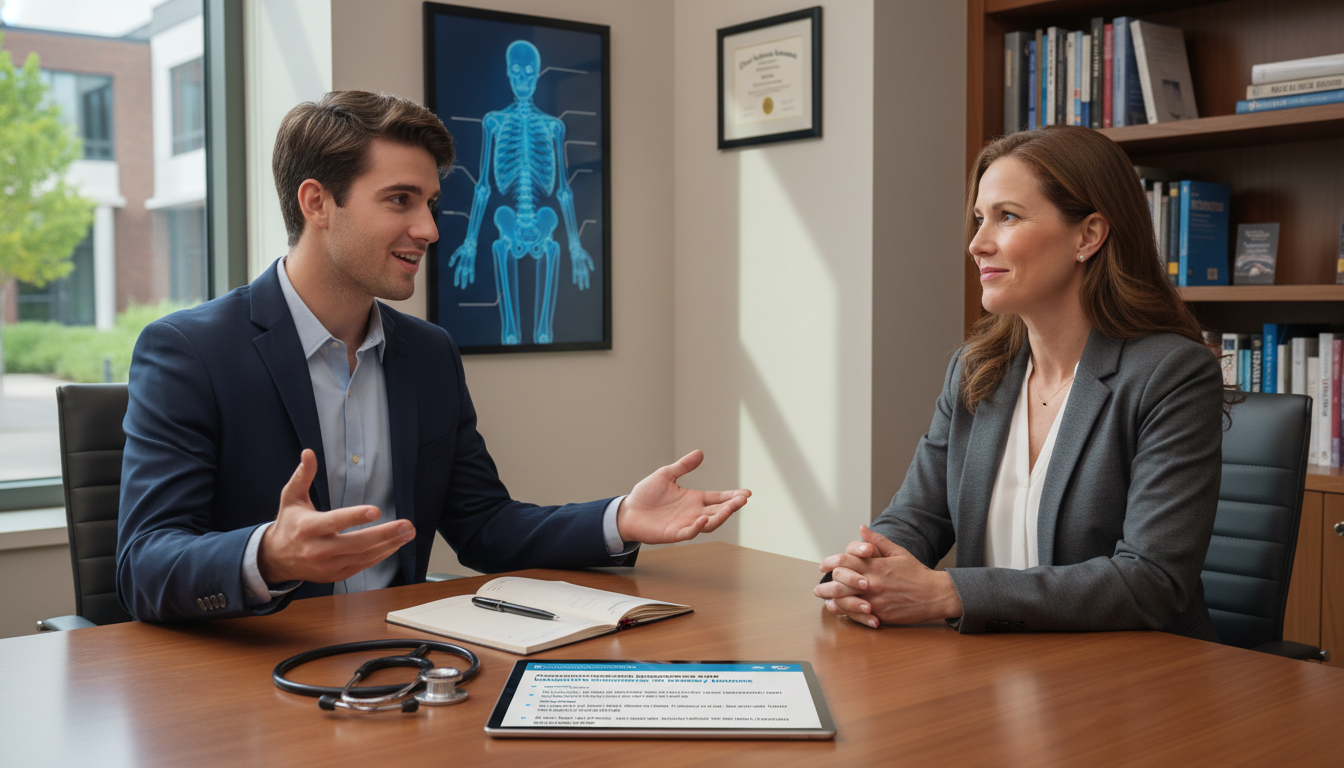
Osteopathic-Specific and Family Medicine–Focused Questions
As a DO graduate in the FM match, you should anticipate questions about osteopathic identity, OMM/OMT, and holistic care.
8. “How has your DO training influenced how you practice medicine?”
This is your chance to distinguish yourself positively and combat any outdated biases.
Focus on:
- Holistic, patient-centered approach
- Understanding structure–function relationships
- Preventive care and lifestyle medicine
- Communication and empathy
Example:
“My DO training has shaped how I think about patients beyond their diagnoses. I’m consistently asking: What’s happening in this patient’s life, environment, and musculoskeletal system that might be contributing to their symptoms?
In family medicine, this perspective is invaluable. For example, when seeing a patient with chronic low back pain, I don’t just think about medications or imaging. I consider posture, occupational strain, psychosocial stressors, and physical activity. I’ve found that even when I’m not performing OMT directly, the osteopathic emphasis on structure and function and on the interrelationship of body systems helps me develop more comprehensive care plans.
It has also reinforced my commitment to prevention, education, and empowering patients—key aspects of effective primary care.”
9. “How do you see OMT fitting into your future family medicine practice?”
Not all programs expect heavy OMT use, but they do want a thoughtful, realistic answer.
If you plan to use OMT frequently:
- Describe how (e.g., musculoskeletal complaints, headaches, pregnancy-related discomfort).
- Emphasize evidence-based and patient-centered use.
If you plan to use it selectively:
- Acknowledge its value and your willingness to use/refer as appropriate.
- Emphasize that OMT is part of a broader holistic skill set, not your sole focus.
Example:
“I see OMT as one of several tools I can offer patients, particularly in musculoskeletal conditions such as low back pain, neck pain, and some headache syndromes. In my clinical rotations, I found that incorporating OMT, when appropriate, helped some patients reduce their reliance on medications and improved their function and satisfaction.
In a busy family medicine clinic, I understand there are time and space constraints. I anticipate using OMT primarily when it clearly adds value and fits within the workflow, and I’m also interested in teaching patients exercises and stretches that build on osteopathic principles. I would also be eager to collaborate with any osteopathic faculty or help maintain an osteopathic track if the program has one. Ultimately, I want to use OMT in a way that is evidence-based, efficient, and aligned with patient preferences.”
10. “What populations or clinical areas within family medicine interest you most?”
Family medicine is broad. Programs like to see some emerging interests, while knowing you’re still open-minded.
Common interest areas:
- Underserved / urban or rural health
- Women’s health and OB
- Geriatrics
- Procedures (joint injections, skin procedures)
- Behavioral health / addiction medicine
- Sports medicine
- Academic medicine / teaching
Example:
“I’m especially interested in caring for underserved populations and integrating behavioral health into primary care. My rotations in community clinics exposed me to the challenges patients face around housing instability, food insecurity, and mental health access. I’d like to be in a residency where I can gain strong skills in managing common behavioral health conditions, coordinating with social workers and therapists, and advocating for resources.
At the same time, I want broad training—I’m very interested in women’s health, pediatric care, and office procedures, so I can be as comprehensive as possible for my future patients.”
Classic Residency Interview Questions You Should Expect
Beyond behavioral and osteopathic-specific questions, interviewers often ask high-yield “classic” questions. Being prepared will help you answer confidently and concisely.
11. “What are your strengths?”
Align your strengths with what makes a great family medicine resident:
- Communication and listening
- Teamwork and reliability
- Cultural humility and empathy
- Organization and time management
- Adaptability and teachability
Example:
“One of my greatest strengths is my ability to build rapport with patients quickly. I’m comfortable using open-ended questions, reflective listening, and simple language to explain complex topics. This has been especially helpful in family medicine clinics, where I’ve worked with patients from diverse cultural and socioeconomic backgrounds.
Another strength is my reliability and organization—preceptors have commented that I consistently follow through on tasks and manage my time well, which allowed me to balance patient care, charting, and independent learning on rotations.”
12. “What are your weaknesses?” (or “area for improvement”)
Use this to show self-awareness and genuine growth. Avoid cliché non-answers like “I work too hard.”
Guidelines:
- Choose a real, but not fatal, weakness.
- Show specific steps you’ve taken to improve.
- Connect it to how you’ll keep improving in residency.
Example:
“Earlier in my training, I sometimes hesitated to speak up on rounds when I had a different perspective from the team. I worried about being wrong and appearing unprepared.
After feedback from a mentor, I made a conscious effort to prepare more thoroughly and to share my thoughts respectfully, even if they were tentative. I started framing ideas as questions or alternatives, which made me more comfortable contributing. Over time, I became more confident in my clinical reasoning, and attendings encouraged my engagement.
I’m still working on this, but I now see speaking up as an important part of patient advocacy and team learning—skills I intend to continue developing in residency.”
13. “How do you handle conflict with seniors, attendings, or nurses?”
You will inevitably face disagreements in residency.
Key concepts:
- Respectful communication
- Clarifying expectations
- Patient safety as the priority
- Seeking supervision when needed
Example:
“If I disagreed with a plan, I would approach the situation with respect and curiosity. I might say, ‘I was thinking about this from another angle—could we consider…?’ and present my reasoning. I’ve found that framing it as a shared problem-solving conversation rather than a challenge helps keep the focus on the patient.
If the issue involved patient safety or a serious ethical concern, and I felt it wasn’t being addressed, I would escalate appropriately through the chain of command—first to the senior resident, then to the attending or program leadership—while documenting objectively.
I value the perspectives of nurses and other team members as well, and I try to listen carefully when they raise concerns, since they often know the patients best.”
14. “Where do you see yourself in 5–10 years?”
This question helps programs see whether your goals align with what their family medicine residency offers.
Possible directions:
- Community or academic family physician
- Rural or urban practice
- Fellowship (sports medicine, geriatrics, palliative care, etc.)
- Leadership, advocacy, or medical education
Example:
“In 5 to 10 years, I see myself practicing as a full-spectrum family physician in a community setting, ideally caring for a diverse patient population with a mix of ages and conditions. I’d like to be involved in resident or student teaching and in quality improvement projects focused on chronic disease management and population health.
I’m open to fellowship training if I develop a strong interest in an area like sports medicine or behavioral health, but my primary goal is to be a solid, comprehensive primary care physician who patients can rely on over the long term.”
Practical Preparation Tips for DO Graduates in the FM Match
Build a Personal “Question Bank”
Create a document and outline:
- 3–4 clinical stories (success, mistake, difficult interaction, teamwork)
- 2–3 leadership or project stories (Q.I., community service, research, teaching)
- 2–3 examples that show resilience and adaptability
You can then adapt these stories to multiple behavioral interview medical questions.
Practice Out Loud
- Run mock interviews with mentors, advisors, or friends.
- Practice answering “Tell me about yourself” and “Why family medicine?” until they feel natural and under 3 minutes.
- Record yourself on video if possible to check body language and filler words.
Prepare Thoughtful Questions for the Interviewers
Good questions to ask:
- “How does your program support resident wellness and work-life balance?”
- “Can you describe your continuity clinic experience and patient population?”
- “How are DO graduates supported in maintaining or expanding their OMT skills here?”
- “What qualities distinguish residents who thrive in this program?”
Highlight Your DO Identity Confidently
For the DO graduate residency path:
- Don’t be defensive; be matter-of-fact and proud of your training.
- Emphasize your holistic lens, communication strengths, and primary care orientation.
- If you faced biases or hurdles, frame them as growth experiences, not complaints.
FAQs: Common Interview Questions for DO Graduates in Family Medicine
1. Are interview questions different for DO graduates compared with MD applicants?
Most residency interview questions are similar for DO and MD applicants, especially in family medicine. However, DO graduates are more likely to be asked:
- How their DO training affects their clinical approach
- How they intend to use OMT
- Why they chose a DO path
Be ready to address these confidently and positively. Many family medicine programs actively value DO graduates because of their alignment with holistic, primary care–oriented training.
2. How much should I talk about OMT/OMM in my interviews?
Mention OMT as a meaningful part of your skill set, but not your only identity. Emphasize:
- OMT as one tool among many for musculoskeletal and related issues
- Your understanding of realistic clinic constraints
- Your flexibility in using OMT based on patient need, evidence, and program resources
Programs rarely expect you to do OMT all day, but they do appreciate residents who can thoughtfully integrate it.
3. What if I’m asked very challenging behavioral questions I didn’t prepare for?
Take a breath, pause, and:
- Use the STAR method (Situation, Task, Action, Result).
- Be honest if the exact scenario hasn’t happened; you can say, “I haven’t faced that exact situation, but a similar one was…”
- Focus on your thought process, values (patient safety, professionalism, teamwork), and willingness to seek help.
Interviewers are often more interested in how you think and communicate than in the specific story itself.
4. How can I stand out in the FM match as a DO graduate?
You can stand out by:
- Giving clear, specific answers rather than generic ones
- Demonstrating deep understanding of family medicine values: continuity, prevention, community, and holistic care
- Linking your DO background to these values naturally
- Showing insight into your strengths, weaknesses, and growth
- Asking thoughtful, program-specific questions that show you did your homework
Approach each interview as a conversation about mutual fit. With solid preparation on these common questions and a confident presentation of your DO training, you’ll be well positioned to succeed in the osteopathic residency match for family medicine.