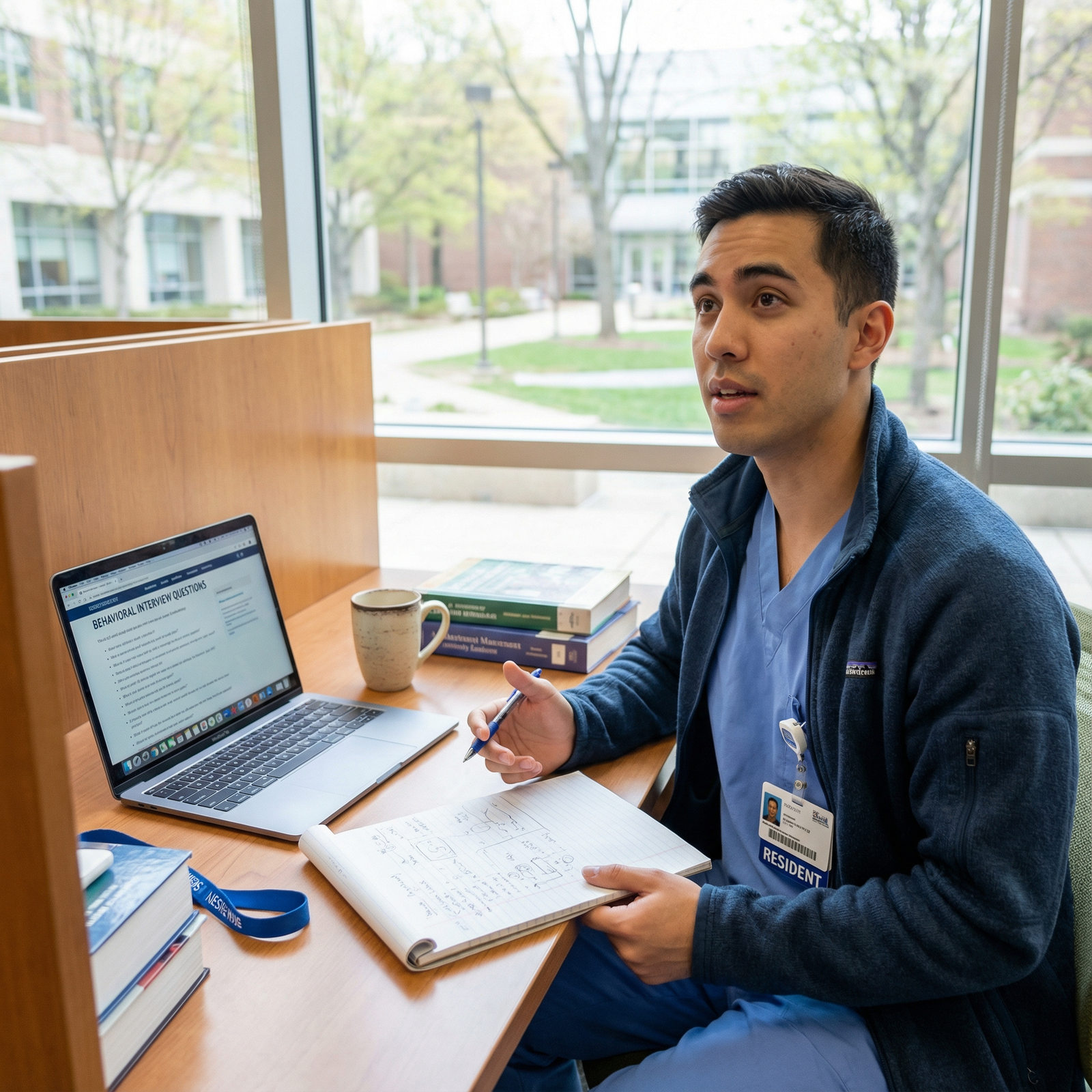
Entering the residency match as a US citizen IMG and aiming for a medical genetics residency puts you in a unique, competitive position. You’re juggling two major challenges at once: explaining your path as an American studying abroad and demonstrating that you truly understand, and are committed to, the specialized world of medical genetics.
This guide focuses on common interview questions you are likely to face as a US citizen IMG applying to medical genetics programs, with a particular emphasis on behavioral interview medical style questions. You will find examples of strong answers, tips for structuring your responses, and advice tailored specifically to US citizen IMG candidates.
Understanding the Interview Landscape in Medical Genetics
Medical genetics remains a relatively small specialty with tightly knit departments and faculty who often know each other’s programs well. That means every candidate is scrutinized carefully—not only for clinical competence, but for fit, maturity, and long-term potential in the field.
As a US citizen IMG or an American studying abroad, you will typically face three broad categories of questions:
General residency interview questions
- “Tell me about yourself”
- “Why this program?”
- “What are your strengths and weaknesses?”
IMG-specific and pathway questions
- “Why did you attend medical school abroad as a US citizen?”
- “How did your international training prepare you for the US system?”
- “What challenges did you face as an IMG and how did you overcome them?”
Medical genetics–specific questions
- “Why medical genetics?”
- “How do you see the role of genetics in healthcare evolving?”
- Clinical/ethical scenarios common in genetics practice.
On top of these, you will almost certainly encounter behavioral questions, which probe how you think, communicate, and act in real-world situations. Programs know they are training future consultants who must communicate complex information to anxious families, collaborate across specialties, and navigate ethically complex cases.
Mastering “Tell Me About Yourself” as a US Citizen IMG
“Tell me about yourself” is more than an icebreaker—it sets the tone for your entire interview. For a US citizen IMG targeting a medical genetics residency, your answer must do three things simultaneously:
- Provide a clear, chronological narrative of your path
- Normalize and positively frame your status as an American studying abroad
- Lead naturally into your interest in medical genetics
Strategy for Your Answer
Aim for 2–3 concise minutes. Use a simple structure:
- Brief background (undergrad, early interest in medicine/science)
- Decision to study abroad and key achievements in medical school
- Clinical and research experiences that led to genetics
- Current goals and what you hope to contribute
Avoid turning this into a recitation of your CV. Instead, tell a coherent story.
Sample Framework
1. Brief background & early interests
- Where you grew up in the US
- Undergrad major and any early exposure to genetics, research, or patient care
2. Why you’re a US citizen IMG
Programs expect this explanation; address it proactively:
- Demonstrate that your choice was intentional or pragmatic, not random
- Acknowledge any structural differences in training abroad
- Emphasize what you gained: adaptability, cultural competence, resourcefulness
3. Pathway to medical genetics
Connect specific experiences (e.g., a genetics rotation, exposure to rare disease clinics, research in genomics) to a deepening interest in genetics.
4. Current goals
End by tying your background to what you want from a medical genetics residency and what you bring to the program.
Example Response (Condensed)
“I grew up in New Jersey and completed my undergraduate degree in biology at Rutgers, where I first became interested in genetics through a lab studying gene expression in metabolic disease. I knew I wanted a career that combined complex problem-solving with long-term relationships with patients and families.
I decided to attend medical school in Poland because it offered an English-language program with strong clinical exposure from early in training, and it was an opportunity to gain experience working with diverse populations in a resource-conscious system. As a US citizen IMG, I’ve learned to adapt quickly, navigate differences in healthcare systems, and advocate for my patients even when resources are limited.
During my third year, I completed a rotation with a pediatric neurologist who worked closely with genetics. I was struck by how molecular diagnoses changed families’ lives—clarifying prognosis, guiding treatment, and connecting them to support networks. I sought out more exposure, including an elective in a clinical genetics department in the US, where I participated in counseling sessions and multidisciplinary case conferences. That confirmed my interest in medical genetics as a specialty where I can combine my fascination with genomics and my commitment to patient-centered communication.
Now I’m looking for a medical genetics residency that emphasizes both rigorous clinical training and involvement in translational research. I hope to contribute my background in genomics research, cross-cultural communication skills from training abroad, and genuine enthusiasm for helping families navigate complex genetic information.”

Common General & Behavioral Interview Questions (With US IMG Angles)
1. “Why did you choose to attend medical school abroad as a US citizen?”
This is almost guaranteed for any US citizen IMG. Programs want to ensure your pathway was thoughtful and that you understand how to transition successfully into US training.
What they’re looking for:
- A rational, mature explanation
- No bitterness or defensiveness
- Evidence that you maximized the opportunities you had abroad
- Insight into how this experience makes you stronger, not weaker
Strong Answer Elements:
- Practical reasons (admissions timing, financial considerations, program structure)
- Positive experiences (early clinical exposure, diverse health systems)
- Skills gained (adaptability, cross-cultural communication, resourcefulness)
- Clear bridge to US system (US electives, familiarity with US guidelines, USMLE performance)
Sample Response:
“I applied broadly to US schools, but when I didn’t receive an offer that fit my timeline and financial situation, I decided to pursue an English-language program in Ireland with a strong track record of training physicians who return to the US. The program offered early hands-on clinical exposure and access to a wide range of pathology in a national referral hospital system.
Training abroad has taught me to adapt quickly to new healthcare systems, communicate effectively across cultural and language barriers, and practice medicine in settings where resources are often more limited. I’ve complemented that with clinical electives in the US, where I learned documentation standards, US-based guidelines, and workflow. I feel that this combination—training abroad and focused US exposure—has given me a broader perspective and prepared me well for residency here.”
2. “Why medical genetics?”
This is central in any medical genetics residency interview. As a smaller specialty, programs want to be confident that you understand what the field actually involves.
Key Points to Address:
- Intellectual interest in genetics/genomics (but not only at the molecular level)
- Appreciation for longitudinal, family-centered care
- Awareness of the consultative, multidisciplinary nature of the specialty
- Recognition of ethical, psychosocial, and communication challenges
- Some understanding of career paths (clinical, lab, research, policy, industry)
Avoid:
- Vague statements like “I like genetics” without concrete experiences
- Overemphasis on research with no mention of patient interaction
- Confusing medical genetics with purely lab-based careers
Example Response Outline:
- A specific clinical or patient encounter that sparked your interest
- How additional exposure confirmed your fit and interest
- The aspects of the work you find most meaningful
- How your skills/personality align with the specialty
3. Behavioral Interview Questions in Medical Genetics
Programs increasingly use a behavioral interview medical format: “Tell me about a time when…”
Use the STAR method for structure:
- Situation – Brief context
- Task – Your role/responsibility
- Action – What you did
- Result – Outcome and what you learned
Common Behavioral Themes (With Genetics Angles)
Handling emotionally complex situations
- “Tell me about a time you had to deliver bad news or explain something difficult to a patient or family.”
- In genetics, this might foreshadow discussions about serious diagnoses, carrier status, or reproductive risk.
Working in multidisciplinary teams
- “Describe a time you worked as part of a team to manage a complex patient.”
- Genetics is inherently collaborative: pediatrics, neurology, oncology, maternal–fetal medicine, etc.
Dealing with uncertainty or lack of clear answers
- “Tell me about a time you didn’t know the answer to a clinical question. What did you do?”
- Reflects daily reality of variants of uncertain significance and rapidly evolving evidence.
Ethical dilemmas and professionalism
- “Describe an ethical dilemma you faced in clinical training and how you handled it.”
- Often linked to confidentiality, disclosure of risk, or family dynamics.
Example Behavioral Question & Answer
Question:
“Tell me about a time you had to explain a complex medical concept to a patient or family member with limited medical background.”
Sample Answer (STAR-formatted):
Situation: During my internal medicine rotation abroad, I cared for a patient in his 50s recently diagnosed with a hereditary cardiomyopathy. His family had many questions about what this meant for them.
Task: My attending asked me to speak with the patient and his two adult children to explain the diagnosis and implications in understandable terms before they met with cardiology.
Action: I first asked them what they already understood, then used simple analogies to explain that this condition could run in families because of changes in the “instructions” in our genes. I drew a basic family tree and described how first-degree relatives might be at higher risk, emphasizing that screening does not mean they will definitely develop disease, but helps catch problems early. I avoided jargon and checked in frequently for understanding. When I reached the limits of my knowledge on specifics of genetic testing, I was transparent and reassured them we would involve a genetics specialist. I documented the discussion and flagged the chart to prompt a genetics referral.
Result: The family reported feeling more prepared and less overwhelmed when they subsequently met with cardiology and genetics. For me, it reinforced the importance of breaking down complex genetic risk into visual, concrete terms and recognizing when to involve subspecialists. It also motivated me to seek additional electives in genetics so I can have these conversations more effectively in the future.
Medical Genetics–Specific Interview Questions You Should Expect
Beyond general behavioral questions, programs want to see that you understand the nature of medical genetics practice. You are not expected to be an expert, but you should show foundational knowledge and genuine engagement with the field.
1. “What do you think are the major challenges currently facing the field of medical genetics?”
Areas You Can Mention:
- Rapid pace of genomic discovery vs. slow translation into practice
- Interpreting variants of uncertain significance
- Ensuring equitable access to genetic testing and counseling
- Direct-to-consumer genetic testing and misinformation
- Ethical challenges around secondary/incidental findings
- Workforce shortages and increasing demand for services
- Integration of genomics into primary and specialty care
Link at least one challenge to patient care and one to systems-level issues.
2. “How do you see your career developing after residency in medical genetics?”
Programs want reassurance you see a viable future in the specialty.
Examples:
- Clinician–educator in an academic center
- Combined practice in clinical genetics and metabolic genetics
- Involvement in genomic research, precision medicine initiatives, or gene therapy trials
- Roles in laboratory genetics, variant interpretation, or test development (if you plan additional training)
- Policy, bioethics, or industry collaborations
As a US citizen IMG, show that you have realistic expectations and have explored the field thoughtfully (e.g., shadowing, informational interviews, conference attendance).
3. “Tell me about a patient or case that solidified your interest in genetics.”
Use this to showcase:
- Your empathy and communication skills
- Your understanding of the impact of a genetic diagnosis
- How genetics changes management, counseling, or family planning

Handling Challenging or Sensitive Questions as a US Citizen IMG
As an American studying abroad, you may face added scrutiny about your training, exam performance, and readiness for US clinical work. Prepare for these sensitive topics so you can respond calmly and confidently.
1. Questions About Gaps, Delays, or Exam Attempts
Common forms:
- “I noticed there’s a gap between your graduation and now; can you tell me about that?”
- “Can you explain your Step 1/Step 2 score?”
- “Did you experience any challenges with your USMLE exams?”
Approach:
- Be honest, concise, and non-defensive
- Own any missteps, then pivot quickly to what you learned and how you improved
- For gaps, highlight meaningful activities (research, observerships, family responsibilities, additional training)
Programs are less concerned that you were perfect than that you are self-aware, resilient, and improving.
2. “How will you adapt to the US healthcare system after training abroad?”
Link your answer to:
- Your US clinical electives/observerships
- Understanding of US documentation, EMR use, and interprofessional communication
- Familiarity with US guidelines, evidence-based medicine, and team-based care
- Your proactive approach to learning (asking for feedback, reading independently, using institutional protocols)
3. “What are your strengths and weaknesses?” (With a Genetics Lens)
Try to make at least one strength and one weakness relevant to medical genetics.
Possible Strengths:
- Strong foundation in molecular biology or genomics
- Communication skills, especially explaining complex concepts simply
- Patience and comfort with long, detailed consultations
- Attention to detail in family histories and pedigree construction
Possible Weaknesses (Framed Constructively):
- Limited exposure to certain subspecialty areas of genetics—but highlight how you’re addressing it
- Tendency to over-research complex cases; learning to prioritize time and use team resources effectively
- Naturally quiet in large groups; working on speaking up more proactively in multidisciplinary meetings
Always end a weakness with specific steps you are taking to improve.
Practical Tips for Acing Medical Genetics Interviews as a US Citizen IMG
1. Align Your Experiences with Genetics
Well before the interview, review your CV and identify:
- Any cases involving:
- Congenital anomalies
- Inborn errors of metabolism
- Hereditary cancers
- Neuromuscular disorders or developmental delay
- Any family histories you took that had genetic implications
- Any genomics or genetics-related research you participated in
- Any exposure to genetic counseling or newborn screening programs
Prepare 2–3 patient stories that highlight different aspects of genetics in clinical care.
2. Anticipate Classic Residency Interview Questions
Common residency interview questions that you should be ready for:
- “Why this program specifically?”
- “Where do you see yourself in 5–10 years?”
- “Describe a conflict you had on a team and how you resolved it.”
- “Tell me about a time you made a mistake.”
- “What do you do to manage stress or prevent burnout?”
- “What questions do you have for us?”
For each, consider adding a genetics angle when appropriate—especially when talking about your future goals and interests.
3. Prepare Insightful Questions to Ask Programs
Strong questions can differentiate you and signal your sincere interest in medical genetics. Examples:
- “How do residents get involved in variant interpretation and multidisciplinary case conferences?”
- “What opportunities exist for residents to participate in research related to gene therapy or genomics implementation?”
- “How does your program support residents in preparing for the ABMGG boards?”
- “What types of patients and conditions are most common in your clinic?”
- “How do you envision the role of medical genetics evolving in your institution over the next 5–10 years?”
FAQs: Medical Genetics Interviews for US Citizen IMGs
1. As a US citizen IMG, will programs question the quality of my training?
Some interviewers may be unfamiliar with your school or system, but this is your opportunity to educate them through your performance, not defensiveness. Emphasize:
- Strong USMLE scores or improvements over time
- US clinical electives or observerships and strong letters from US physicians
- Breadth of pathology you have seen abroad
- Skills you developed navigating a different healthcare system
Show that you are ready to integrate seamlessly into US residency training.
2. How can I stand out in a medical genetics residency interview?
You can stand out by:
- Demonstrating genuine, specific interest in medical genetics (not just “I like rare diseases”)
- Discussing recent developments (e.g., gene therapy, genome-wide sequencing, pharmacogenomics) in understandable terms
- Providing thoughtful, self-reflective responses to behavioral questions
- Showing that you’ve done your homework about that specific program
- Communicating clearly, empathetically, and with humility—qualities essential in genetics
3. Should I disclose that I’m also interested in another specialty, like pediatrics or internal medicine?
Yes, but frame it appropriately. Many genetics residents have strong ties to pediatrics, internal medicine, or another base specialty. You can say, for example:
“My initial interest was pediatrics, and I still value that skill set. Over time, I realized that medical genetics allows me to combine that foundation with my interest in genomics and family-centered care.”
Make it very clear that you are committed to medical genetics as your specialty choice and see your other interests as complementary, not competing.
4. How can I prepare for ethics-related questions in genetics?
Review common ethical topics:
- Testing minors for adult-onset conditions
- Incidental findings on exome/genome sequencing
- Confidentiality when a diagnosis has implications for relatives
- Reproductive decision-making and prenatal testing
- Balancing patient autonomy with beneficence and non-maleficence
You are not expected to have perfect answers, but you should show thoughtfulness, respect for patient autonomy, awareness of guidelines, and a willingness to seek guidance from ethics committees, supervisors, and professional standards.
Approaching the genetics match as a US citizen IMG requires you to be especially prepared, reflective, and articulate. By anticipating the most common residency interview questions, structuring your responses with clarity, and tying your experiences thoughtfully to the unique demands of medical genetics, you can present yourself as a mature, well-prepared candidate ready to thrive in this rapidly evolving specialty.