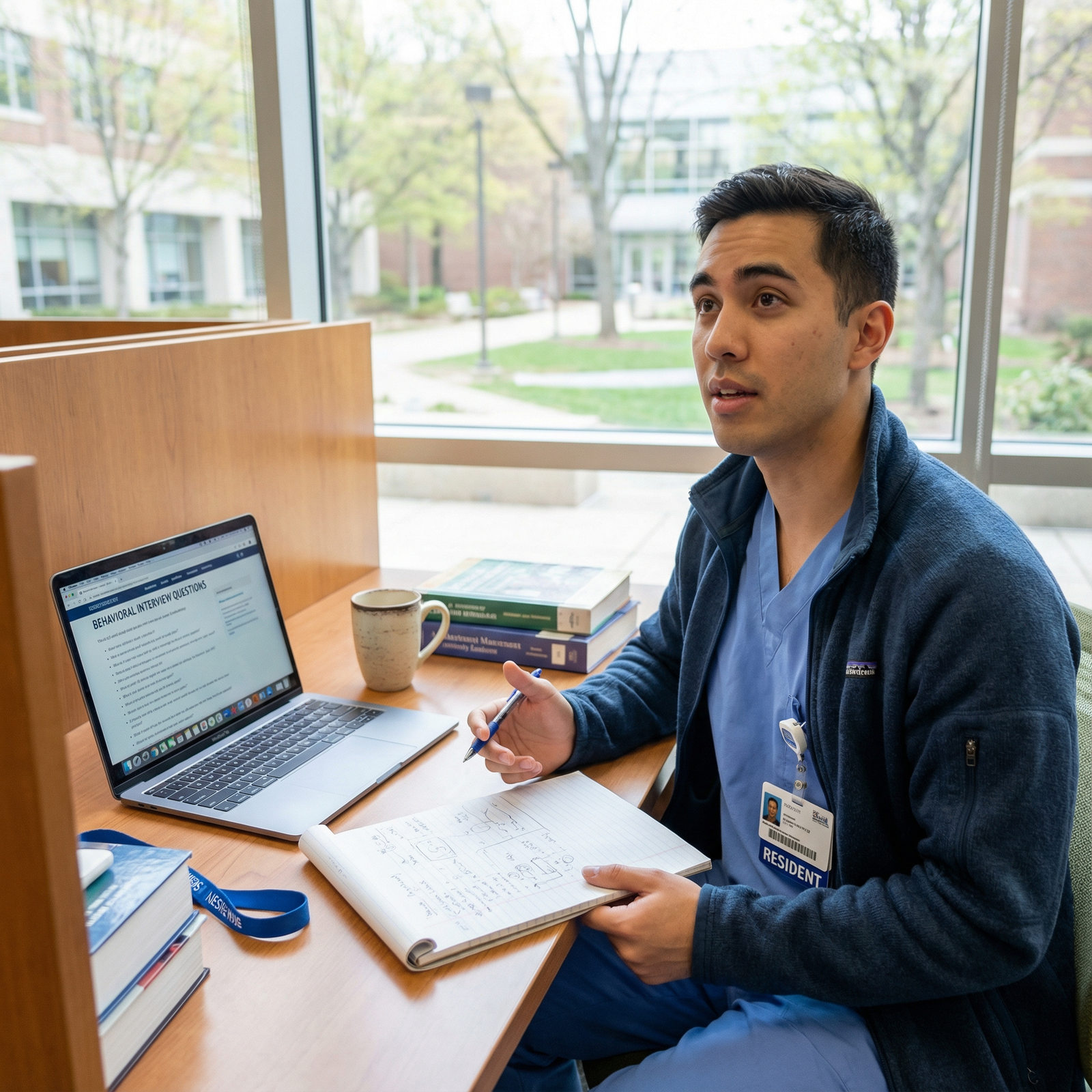
Landing a vascular surgery residency as an MD graduate takes far more than strong board scores and solid letters. Successful candidates are those who can articulate their story, demonstrate maturity, and show that they understand exactly what they are signing up for. Mastering common interview questions—especially behavioral and specialty-specific ones—is a core part of that process.
This guide walks you through the most common vascular surgery residency interview questions, why they are asked, what strong answers look like, and how to prepare effectively as an allopathic medical school graduate targeting an integrated vascular program.
1. Framing the Vascular Surgery Interview: What Programs Are Looking For
Before diving into specific residency interview questions, it helps to understand what vascular surgery program directors are actually trying to assess.
When they interview an MD graduate for a vascular surgery residency, they are typically trying to answer:
- Can you handle the intensity and lifestyle of vascular surgery?
- Do you know what vascular surgeons actually do day-to-day?
- Are you resilient, coachable, and self-aware?
- Will you be a good colleague on a small, tight-knit team?
- Are you committed to a career in vascular surgery—not just “surgical enough”?
They use behavioral interview medical questions (“Tell me about a time when…”) and traditional questions (“Why vascular surgery?”) to assess those traits.
A clear preparation strategy:
- Know your own story: motivations, turning points, and inflection points in your journey as an MD graduate.
- Know vascular surgery: patient population, scope of practice, procedures, and lifestyle.
- Know the program: faculty, case mix, call schedule, research focus, and culture.
The questions below will help you align your answers with what vascular surgery programs care about.
2. Foundational Questions: Your Story and Career Goals
These core questions appear in almost every allopathic medical school match interview, and the way you respond sets the tone for everything that follows.
2.1 “Tell me about yourself.”
This is almost guaranteed, and it’s often the first question. Many applicants fumble here because they recite their CV instead of telling a coherent story.
What they’re really asking
- Can you communicate clearly and concisely?
- Do you have insight into who you are and where you’re heading?
- How does your path logically lead to vascular surgery?
How to structure your answer (3-part framework)
Brief background (10–20 seconds)
- Where you grew up / undergrad / medical school
- One or two relevant personal identifiers
Key experiences shaping your interest in vascular surgery (60–90 seconds)
- Clinical exposures, mentors, meaningful patient cases
- Any research or longitudinal involvement that cemented your interest
Where you’re heading (30–45 seconds)
- Your near-term training goals
- Early sense of your career direction (academics vs. private practice, research interest, etc.)
Example outline for an MD graduate residency interview
“I’m originally from Houston and completed my undergraduate degree in biomedical engineering at UT Austin, then went straight to [Allopathic Medical School]. Early in third year, I thought I’d pursue general surgery, but during my vascular rotation I was struck by how quickly interventions could salvage limbs and lives in critically ill patients.
I ended up following a patient with critical limb ischemia through their angioplasty and eventual bypass, and the combination of high-stakes decision-making, technical precision, and continuity of care really resonated with me. That led to a year of vascular outcomes research focusing on limb salvage and revascularization trends.
Going forward, I’m looking for an integrated vascular program where I can develop strong open and endovascular skills while contributing to clinical research in limb salvage and health disparities, with an ultimate goal of working in an academic center serving a high-risk, underserved population.”
You don’t need to copy this content, but aim for similar coherence, trajectory, and specificity.
2.2 “Why vascular surgery?”
This is the defining question for an integrated vascular program interview. Vague answers like “I like working with my hands” are not enough.
Elements of a strong answer
Specific attraction to vascular:
- Longitudinal care of complex chronic disease
- Mix of open and endovascular procedures
- Acute, limb- and life-saving interventions
- Team-based care with cardiology, IR, podiatry, nephrology
Demonstrated exposure:
- Rotations, sub-I, elective, away rotation, research, shadowing
Realistic understanding of lifestyle and patient population:
- High comorbidity, frequent emergencies, challenging outcomes, high follow-up needs
Pitfalls to avoid
- Overemphasizing prestige or “cool procedures”
- Sounding like you could give the same answer for general surgery or cardiology
- Not acknowledging the difficult aspects (e.g., complications, limb loss, patient nonadherence)
Example talking points
- A specific patient encounter that crystallized your interest in vascular surgery
- How you enjoy following patients with PAD or aneurysmal disease long-term
- Your appreciation of both catheter-based and open skills
- A mentor who modeled the type of vascular surgeon you hope to become
2.3 “Why an integrated vascular surgery residency instead of general surgery first?”
As an MD graduate applying directly to an integrated pathway, you must signal that you’ve thought carefully about this choice.
What programs worry about
- Are you choosing integrated vascular just to “shortcut” training?
- Are you sure you won’t regret giving up broad general surgery exposure?
- Do you understand the consequences if you decide you don’t like vascular?
Key points to address
- You’ve explored other surgical fields and deliberately chose vascular
- You value early and continuous exposure to vascular patients and techniques
- You’re committed to the field and comfortable forgoing other paths
You might add that you appreciate that integrated programs still give you foundational general surgery exposure, but you like the progressive focus on vascular from day one.

3. Behavioral Interview Questions for Vascular Surgery Applicants
Behavioral questions are now standard in the allopathic medical school match, and vascular surgery programs use them heavily. These behavioral interview medical questions are designed to predict how you will act in the future by examining how you behaved in the past.
Use the STAR method (Situation, Task, Action, Result), plus a brief reflection at the end.
3.1 “Tell me about a time you made a mistake.”
This is almost always asked in some form. Do not claim you’ve never made a mistake.
What they’re assessing
- Accountability
- Insight and willingness to learn
- Integrity under pressure
How to answer
- Choose a real, non-trivial clinical or professional mistake
- Make sure it’s:
- Early enough in training that it’s understandable
- Not an egregious breach of ethics or patient safety
- Emphasize:
- How you took responsibility
- What you did to address it
- Concrete steps you’ve taken so it doesn’t repeat
Example scenario types
- Delayed lab follow-up leading to postponed treatment
- Incomplete pre-op checklist or poor handoff that caused confusion
- Overconfidence in a clinical interpretation that later proved wrong
End with: “Since then, I always make sure to…” to show specific growth.
3.2 “Tell me about a conflict you had on a team and how you handled it.”
Programs want to know: can you function in high-stress, interprofessional teams?
Good examples
- Disagreements about patient management between team members
- A nurse raising concerns about your order, or vice versa
- Conflict with a peer over fairness of workload or credit on a project
What to highlight
- Listening to the other person’s perspective
- Maintaining professionalism and respect
- Prioritizing patient safety and team function over ego
- Seeking supervision appropriately if needed
Avoid answers where:
- You “won” by overpowering the other person
- You portray yourself as the only competent person
- The story shows you as passive and helpless
3.3 “Describe a time you were under significant pressure. How did you handle it?”
Vascular surgery is high-pressure by nature: ruptured aneurysms, acute ischemia, bleeding, and critically ill patients.
Option 1 – Clinical pressure
- Taking care of multiple unstable patients on a busy call night
- Coordinating care in the ED with multiple consults
Option 2 – Academic or personal pressure
- Balancing Step exams with clinical duties and family responsibilities
- Managing a major research deadline alongside clerkships
Key elements
- How you prioritized tasks
- Use of resources (asking for help, delegating)
- Time-management strategies
- Emotional regulation (staying calm, focused, and communicative)
3.4 “Tell me about a time you had to give difficult feedback or receive difficult feedback.”
Surgery is a feedback-rich culture. They need residents who can both accept and deliver feedback constructively.
For giving feedback:
- Example: sharing concerns with a peer about recurrent tardiness on rounds
- Emphasize: timing, privacy, empathy, and focus on behavior, not character
For receiving feedback:
- Example: attending criticized your note-writing or OR preparation
- Emphasize: listening, asking clarifying questions, applying changes quickly
3.5 “Describe a time you advocated for a patient.”
This is common in all specialties, but powerful for a vascular surgery residency interview when tied to vulnerable patients.
Strong scenarios
- Ensuring timely imaging or consults for a patient with limb-threatening ischemia
- Addressing language or socioeconomic barriers that affected follow-up
- Clarifying goals of care with a patient/family before a major operation
End with what you learned about patient-centered care and health systems navigation.
4. Vascular Surgery–Specific Clinical and Ethical Questions
Program directors also want to know that you understand the clinical realities of vascular surgery.
4.1 Clinical reasoning questions
You may be asked:
- “Walk me through how you would evaluate a patient with new-onset claudication.”
- “How would you approach a patient with a suspected ruptured AAA in the ED?”
They’re not expecting a board-certified vascular surgeon, but they want to see:
- Logical, stepwise thinking
- Awareness of when to escalate and when to ask for help
- Familiarity with basic workup (ankle-brachial index, Doppler ultrasound, CT angiography)
- Understanding of urgency and time sensitivity
Preparation tips
- Review basic evaluation of PAD, aneurysms, acute limb ischemia, carotid disease, and DVT/PE
- Be ready to say: “As a resident, I would notify my senior/attending early while ensuring ABCs and initial stabilization…”
4.2 “Tell me about a meaningful vascular surgery patient you cared for.”
This is an opportunity to integrate your clinical exposure, empathy, and understanding of the specialty.
Choose a case that:
- Involves a classic vascular condition (e.g., CLI, AAA, carotid stenosis)
- Shows the impact of vascular intervention on quality of life
- Demonstrates your reflection on chronic disease, adherence, or end-of-life issues
Highlight:
- The complexity of comorbidities (diabetes, CKD, smoking)
- The importance of multidisciplinary care
- Your evolving understanding of realistic outcomes: not everyone walks out cured
4.3 Ethical and gray-area questions in vascular surgery
You might hear:
- “How would you approach a patient with severe limb ischemia who refuses amputation?”
- “What are your thoughts on operating on a patient with advanced dementia and a large AAA?”
These questions test:
- Respect for autonomy
- Understanding of beneficence vs. nonmaleficence
- Ability to communicate risks, benefits, and alternatives clearly
- Recognition of when to involve palliative care, ethics consults, or family meetings
You don’t need a “perfect” answer; you need a thoughtful process, emphasizing:
- Shared decision-making
- Multidisciplinary input
- Aligning treatment with the patient’s goals and values
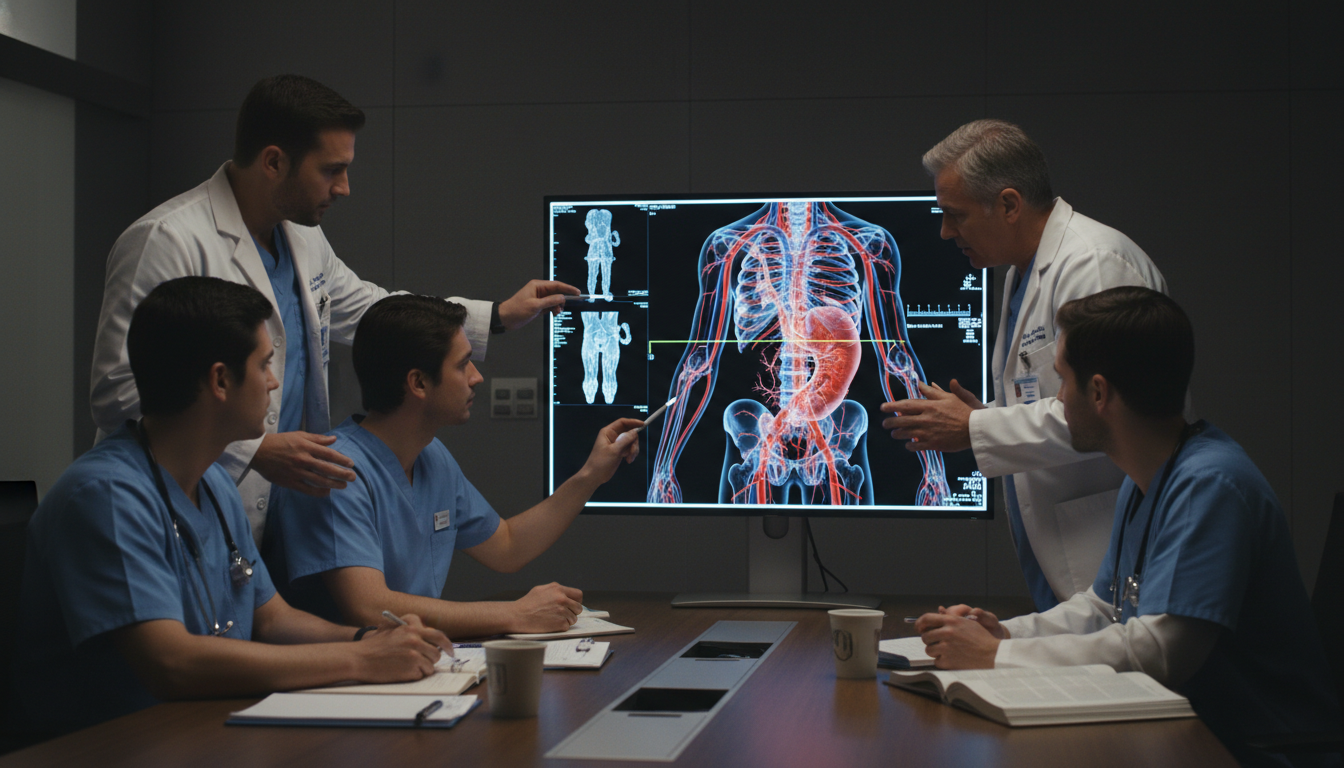
5. Program Fit, Personality, and “Soft Skills” Questions
Once you’ve covered your background and clinical thinking, many vascular surgery residency interviews shift to questions about fit, personality, and long-term vision.
5.1 “What are your strengths and weaknesses?”
This classic question is still central in MD graduate residency interviews.
Strengths
Pick 2–3 that are genuinely useful in an integrated vascular program:
- Calm under pressure
- Strong work ethic and reliability
- Clear communicator with patients and teams
- Well-organized and detail-oriented (important for complex peri-op care)
- Curiosity and commitment to evidence-based practice
Weaknesses
Choose a real but manageable weakness, and show active improvement.
Examples:
- “Tendency to overcommit to projects” → describe how you’ve learned to set boundaries and prioritize
- “Initially hesitant to ask for help” → discuss how you learned the risks of that and now seek clarification early
- “Public speaking anxiety” → outline steps you’ve taken, like presenting at case conferences
Avoid:
- “I’m a perfectionist” as a cliché, unless you unpack it and show concrete change
- Weaknesses that imply you’ll struggle with surgical residency basics (chronically disorganized, poor teamwork, etc.)
5.2 “Where do you see yourself in 5–10 years?”
They’re assessing your career vision and commitment to vascular surgery.
Examples of reasonable answers:
- Academic vascular surgeon with a focus on clinical outcomes research
- High-volume community vascular surgeon emphasizing limb salvage
- Surgeon-educator involved in residency leadership and curriculum
- Health-services researcher focused on disparities in vascular care
You don’t have to have all the details locked in—just convey:
- A clear intention to practice vascular surgery long-term
- Openness to how your interests might evolve
- Any early research or teaching interests you might build on
5.3 “What do you like to do outside of medicine?”
This seems casual, but programs are asking:
- Do you have healthy outlets and coping mechanisms?
- Will you be someone others enjoy working with?
- Are you a balanced, realistic individual?
Good answers:
- Hobbies: running, hiking, music, cooking, sports, language learning
- Activities: volunteering, mentoring, tutoring, creative pursuits
- Family and community involvement
Avoid:
- Interests that raise professionalism concerns (e.g., partying)
- Claiming you “have no time for hobbies” (suggests poor balance or burnout risk)
5.4 “Why our program?”
Every integrated vascular program wants to feel you’ve done your homework.
Tailor your answer based on:
- Case volume and diversity (e.g., complex aortic work, limb salvage, carotid disease)
- Early and sustained endovascular exposure
- Unique rotations (e.g., time in interventional radiology or cardiology)
- Research infrastructure and mentorship
- Culture and size of the program, call schedule, fellow presence (or lack thereof)
Mention:
- Specific faculty whose interests align with yours
- Conferences, clinics, or longitudinal experiences that appeal to you
- How you see yourself fitting in and contributing to the program community
6. Strategy and Practice: How to Prepare for Vascular Surgery Interview Questions
6.1 Build your “answer bank”
For an allopathic medical school match, preparation is more than memorizing lines. Instead:
List 8–10 key experiences from med school:
- 3–4 clinical situations (successes and difficulties)
- 2–3 teamwork/leadership situations
- 2–3 challenge/failure/resilience stories
For each, outline using STAR:
- Situation: brief context
- Task: what your role was
- Action: what you did
- Result: outcome + what you learned
Map each story to common categories:
- Conflict, mistake, leadership, pressure, ethics, advocacy, teamwork
Most behavioral interview medical questions can then be answered by drawing on this bank.
6.2 Practice the high-yield “tell me about yourself” and “why vascular surgery” questions
These two shape first impressions.
- Practice out loud and time yourself (aim for 2–3 minutes each)
- Record yourself to refine clarity, tone, and filler words
- Avoid sounding memorized; use bullet points, not a script
6.3 Get feedback from mentors and peers
Have:
- A vascular surgery mentor or senior resident run a mock interview, focusing on specialty questions
- A general surgery or medicine faculty member test your behavioral answers
- A peer or advisor listen specifically for clarity and consistency
Ask for feedback on:
- Content: depth, authenticity, completeness
- Structure: logical flow, staying on point
- Delivery: eye contact, pace, tone
6.4 Common pitfalls for MD graduates in vascular surgery interviews
- Over-focusing on technical aspects without acknowledging the long-term, chronic care dimension of vascular medicine
- Underestimating lifestyle intensity, failing to show insight into nights, weekends, and emergent cases
- Giving generic answers that could apply to any surgical specialty
- Not having a clear story for why integrated rather than categorical general surgery then fellowship
- Weak or superficial answers to behavioral questions, especially around conflict and mistakes
Being aware of these helps you consciously avoid them.
FAQs: Vascular Surgery Residency Interview Questions for MD Graduates
1. How different are vascular surgery residency interview questions from general surgery interviews?
Many core residency interview questions—like “Tell me about yourself,” “Why this specialty?” and behavioral scenarios—are similar. What distinguishes a vascular surgery residency interview is:
- Deeper probing into why you chose vascular specifically
- Questions about integrated vs. general surgery then fellowship
- More emphasis on chronic vascular disease, endovascular skills, and limb salvage
- Program directors testing your understanding of the patient population and lifestyle
2. How much clinical detail should I include when answering clinical scenario questions?
Aim for a level appropriate to an MD graduate, not a vascular fellow. Focus on:
- Stabilization and initial assessment (ABCs, hemodynamics)
- Key diagnostics (e.g., ABI, duplex ultrasound, CT angiography)
- Recognizing urgency and need for early escalation to senior/attending
- Logical, stepwise thinking rather than obscure details
If you don’t know something, say so honestly and explain how you’d find the answer or involve your senior.
3. Can I reuse the same story for multiple behavioral questions?
Yes, but vary the angle. One strong clinical scenario can demonstrate:
- Handling pressure
- Teamwork and communication
- Reflective learning and growth
However, avoid relying on only one or two stories; have a diversified “answer bank” so your interview doesn’t feel repetitive.
4. How should I answer if asked about applying to other surgical specialties?
Honesty with perspective works best. You might say:
“As a third-year student I explored general surgery and interventional cardiology seriously, but through rotations and mentorship I realized that vascular surgery uniquely combines the continuity of caring for chronic vascular disease with the technical variety of open and endovascular procedures. I applied broadly within vascular surgery because I’m committed to this field, but I wanted to keep an open mind early on while I was still exploring.”
This shows thoughtful decision-making and genuine commitment to a vascular surgery career.
By anticipating and practicing these common residency interview questions—especially the behavioral and vascular-specific ones—you’ll walk into your integrated vascular program interviews with clarity, confidence, and a compelling story that aligns with what programs are truly seeking in an MD graduate.