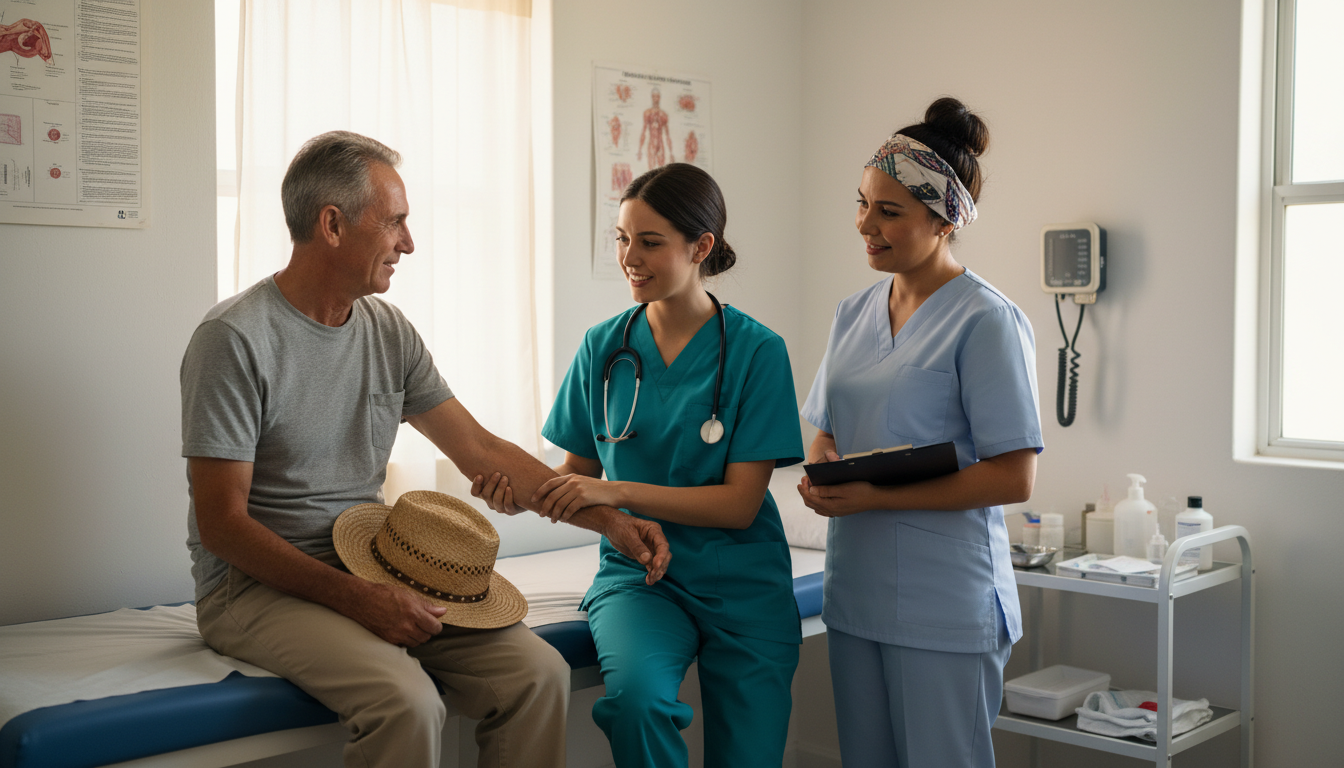
Most premeds misunderstand rural clinical volunteering—they treat it as “just more hours” instead of the single most concentrated lesson in real-world medicine they will ever get.
Let me be explicit: one semester in a well-run rural clinic can teach you more about systems-based practice, health equity, and actual doctoring than multiple years of shadowing in shiny tertiary-care hospitals.
You are not just “helping out.” You are stepping into an environment where:
- There are fewer resources
- Relationships matter more
- And every small decision has outsized impact
That is exactly why medical schools and residency programs pay careful attention when you can speak meaningfully about rural health experiences.
Why Rural Clinical Volunteering Is Not Just “Shadowing in a Smaller Town”
Most premeds lump rural clinical volunteering into the same category as generic hospital volunteering. That is a mistake.
Urban academic centers are built for redundancy—multiple subspecialists, backup services, endless consults. Rural health care is built for adaptation. One clinician may be:
- Managing chronic disease
- Counseling on mental health
- Coordinating social services
- Handling urgent care all in the same 15-minute visit.
When you volunteer clinically in this setting, you are exposed to three unique dimensions that urban sites rarely reveal clearly:
Clinical breadth compressed into a small space
You see primary care, urgent care, basic procedures, chronic disease management, and sometimes prenatal care all through one door. You witness the skill set of a true generalist rather than an army of subspecialists chopping care into tiny slices.Resource limitation as a constant, not an exception
A lab that is “down” for a day in a big center is a crisis. In some rural clinics, certain labs or imaging are always unavailable or delayed. You learn how clinicians think and prioritize when “ideal” is not an option.Continuity and community
Patients are not anonymous bed numbers. They might be neighbors, coworkers, or parents of classmates. You see how trust, reputation, and longitudinal relationships shape clinical decisions over years, not just one admission.
This is not just atmospheric. It changes how you understand what it means to be a physician, and that change is exactly what admissions committees want you to be able to articulate clearly.
What You Actually Learn Clinically in Rural Settings
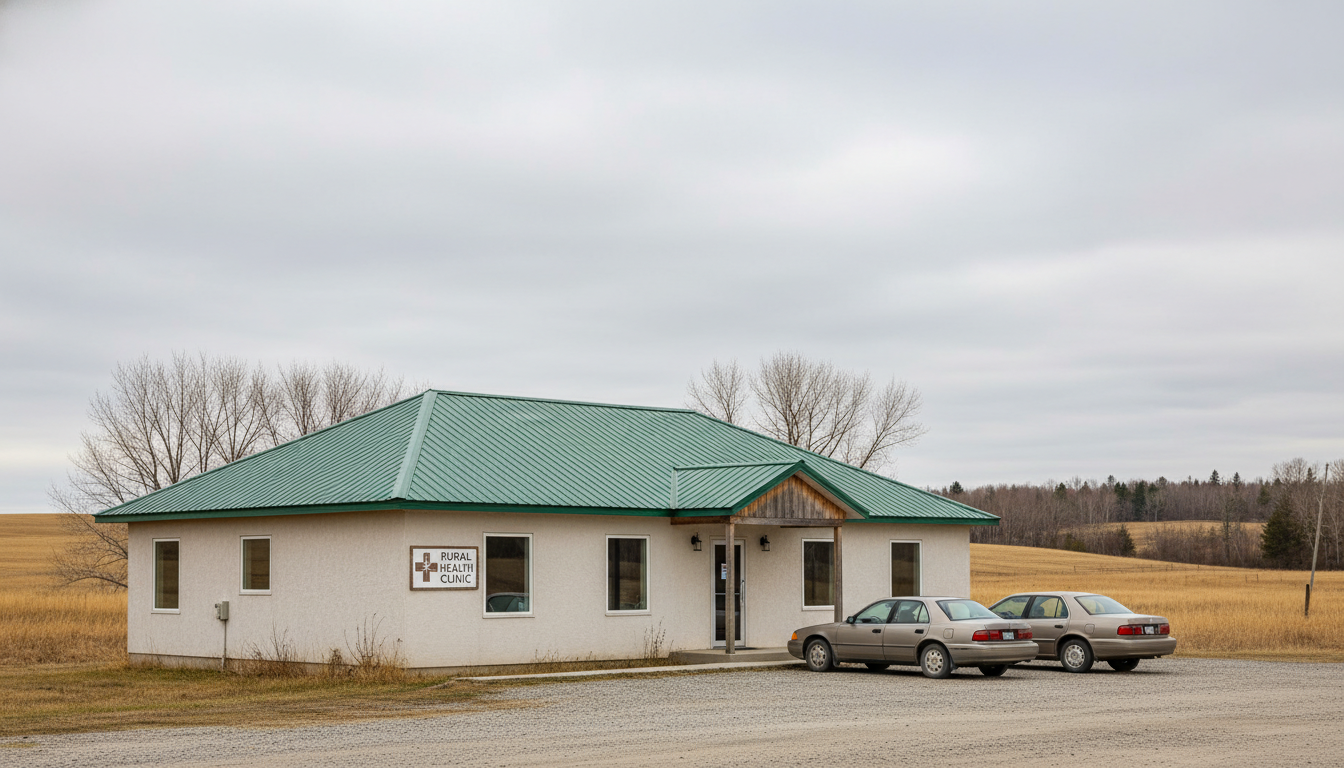
You will not be diagnosing rare autoimmune diseases as a volunteer, and you should not be. Your scope will be limited, and it must stay that way for ethical and legal reasons.
However, within that constraint, rural clinical environments give you unusually clear windows into specific clinical realities.
1. Bread-and-butter pathology in context, not in textbooks
In urban hospitals, you often see pathology at its worst—decompensated heart failure, end-stage COPD, uncontrolled diabetes admitted with DKA. In rural primary care, you see these conditions before and after hospitalization.
You begin to connect:
- The hospital discharge summary
- The primary care follow-up plan
- The patient’s actual resources (or lack thereof)
- The real-world barriers that determine success or failure
Example patterns you might repeatedly observe:
- COPD patients who continue working in dusty agricultural jobs because there are no alternatives
- Hypertensive patients who split pills because the 60-mile drive to the pharmacy is a burden
- Diabetic patients whose “diet advice” from an urban-based brochure is impossible given local food access
You are still not managing care, but you are finally seeing the clinical arc of chronic disease instead of isolated acute snapshots.
2. Clinical decision-making under constraint
Rural clinicians often have to answer questions like:
- “Is this chest pain safe to monitor here, or must I send this patient 90 minutes by ambulance?”
- “Do I empirically treat this possible cellulitis, knowing the patient may not return easily for follow-up?”
- “Can I manage this depression locally, or do I fight to find a distant mental health resource?”
As a volunteer, you will see fragments:
- How physicians explain trade-offs to patients
- How nurses adjust management when transportation is unreliable
- How telemedicine is patched in—or fails
If you pay attention, and debrief respectfully with clinicians when appropriate, you gain insight into risk stratification and triage under conditions that are far less forgiving than urban environments.
3. Procedural exposure in a realistic primary care setting
You may observe:
- Joint injections
- Basic wound care and laceration repair
- Pap smears and pelvic exams
- Prenatal visits
- Office-based biopsies or minor skin procedures
These are not glamorous. They are what real outpatient medicine actually looks like.
The key lesson is not the technical steps. It is how procedures fit into:
- Longitudinal care
- Cost constraints
- Patient preferences in small communities where everyone knows each other
That is a hidden curriculum you cannot fully replicate in pure specialty shadowing.
Systems-Based Practice and Health Equity: The Hidden Curriculum of Rural Volunteering
Medical schools are explicit: they want applicants who understand health disparities, social determinants of health, and systems-based practice. Most applicants can recite the definitions. Far fewer have seen them operationalized.
Rural health settings are perhaps the clearest live demonstration.
1. Transportation as a clinical variable, not an afterthought
In a rural clinic, "follow up in 1 week" is not a simple order. It may require:
- A 60–90 minute drive each way
- Time off from agricultural work or hourly jobs
- Coordinating with limited public or community transport
You will hear staff ask:
- “Will you be able to come back in two weeks?”
- “Do you have a way to get to the lab?”
- “Is there someone who can drive you if you need to go to the ER?”
Over time, you internalize that adherence is not pure motivation. It is logistics, geography, weather, and money.
2. Insurance and underinsurance in stark relief
Rural patients frequently:
- Are underinsured or uninsured
- Rely on patchwork coverage (e.g., seasonal work, part-time employment, public programs)
- Use emergency departments as de facto primary care when access fails
As a volunteer, you may:
- Assist front-desk staff with intake that includes insurance questions
- Watch nurses and social workers navigate sliding-scale fees, medication assistance programs, or charity care
- See how recommended care is modified around financial feasibility
This is where you stop discussing “health equity” in theoretical terms and start understanding the daily compromises that clinicians and patients must make.
3. Workforce shortage and role flexibility
Rural clinics often run “lean”:
- One physician or NP/PA for an entire clinic
- Nurses who perform expanded roles within scope
- Reliance on community health workers or promotoras
You will see:
- Nurses triaging walk-ins in ways that would be handled by multiple layers of staff in big systems
- Advanced practice providers managing complex care because there are no nearby specialists
- Non-clinical staff (front desk, drivers, outreach workers) functioning as essential parts of the care team
This is textbook “interprofessional care”, but in rural settings it is driven by necessity rather than pedagogy.
What Future Doctors Actually Gain: Skills and Mindsets
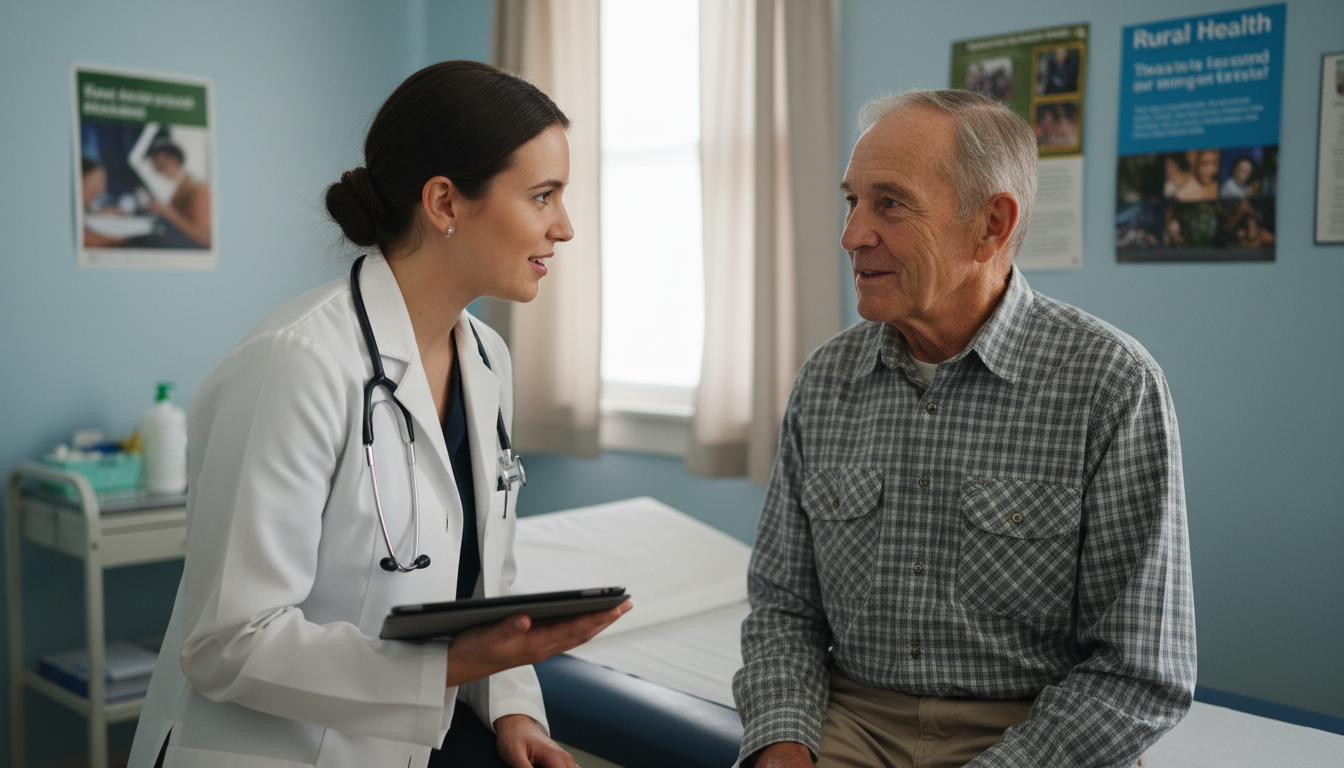
If you structure your involvement deliberately, clinical volunteering in rural health can catalyze specific, high-yield professional growth.
1. Communication with patients outside your cultural and geographic comfort zone
Rural communities are not monolithic. You may encounter:
- Agricultural workers and farm owners
- Indigenous communities
- Older adults aging in place
- Immigrant populations working in meatpacking, forestry, or seasonal labor
- Deeply religious or culturally conservative groups
The skill is not “being nice to everyone.” It is learning:
- How to frame medical information in locally relevant terms
- What language, metaphors, and examples resonate
- When to listen more than you speak
For example:
- Explaining hypertension control by linking it to being able to continue working the land for years
- Discussing diabetes management through the lens of family responsibility and community roles
Medical schools want applicants who can cite specific stories of how they adapted their communication style to fit a patient’s background. Rural volunteering gives you ample opportunities if you are observant.
2. Comfort with ambiguity and imperfection
Rural settings force you to confront that:
- The “best practice” guideline might be unattainable
- A “less-than-ideal” plan might still be the best available
- Some problems cannot be solved fully, only mitigated
You may repeatedly see:
- Patients decline referral to a distant subspecialist
- Medication regimens simplified to match what is realistically affordable
- Clinicians negotiating between textbook and reality in nearly every encounter
Over time, you start to understand medicine as the practice of applied judgment under constraint, not just the memorization of correct answers. That understanding is invaluable for both medical school and residency.
3. Early exposure to longitudinal responsibility (even within a limited role)
You are not managing care, but you may:
- See the same patient multiple times across months
- Participate in follow-up calls or reminder systems
- Help track whether patients completed lab work or imaging
This builds a subtle but deep sense of responsibility. When you see a patient reappear after a hospitalization you knew about, and you recall their social situation, you start thinking like a clinician—“What could we have done differently?”—rather than like an observer.
Structuring Your Rural Volunteering for Maximum Educational Value
Many students “drift” through clinical volunteering. They show up, help, and go home. You can do better.
1. Be intentional about your role and boundaries
On day one (or before):
- Ask clearly: “What are volunteers allowed and not allowed to do?”
- Clarify: “Are there tasks I can gradually assume with training (e.g., rooming patients, vitals)?”
- State: “I am premed / a medical student; I want to learn but I also want to be useful.”
In rural clinics, staff may be overextended. If you show reliability and humility, they may gradually entrust you with more structured responsibilities within appropriate limits.
You might:
- Room patients and collect basic histories (with script and supervision)
- Prepare exam rooms, restock supplies, help with forms
- Assist with outreach activities (flu shot clinics, health fairs)
None of this is glamorous, but it gives you close-up immersion in the flow of care.
2. Keep a structured reflection log
Do not rely on memory. Once or twice a week, jot down:
- One patient interaction that challenged your assumptions
- One example of a system-level barrier you observed
- One clinical decision modified by rural constraints
For each, answer:
- What did I see?
- Why did it happen this way in this setting?
- How would this have been different in a large urban academic center?
These written reflections will become gold when you start writing personal statements, secondaries (e.g., “Tell us about an experience that shaped your understanding of health disparities”), and preparing for interviews.
3. Seek debriefs with clinicians—brief, focused, and respectful
Rural clinicians are busy. However, many love teaching if it is done efficiently.
When appropriate, ask:
- “I noticed you did X instead of Y. Was that because of the clinic’s resources or the patient’s situation?”
- “How would this case have been handled differently in a big city hospital?”
- “What do you find most challenging about practicing in this community?”
Keep it short. Show that you listened carefully. Over time, someone may naturally become an informal mentor who can also write a strong, specific letter of recommendation.
How to Talk About Rural Volunteering in Applications and Interviews
The value of your experience is only as strong as your ability to articulate it.
1. Move beyond “I learned about health disparities”
That sentence is overused and under-explained. Replace it with specifics.
Weak version:
“I learned about health disparities while volunteering in a rural clinic.”
Stronger version:
“Volunteering at a rural clinic 75 miles from the nearest hospital showed me how transportation and seasonal work shape clinical decisions. I watched a physician modify a diabetes treatment plan because the patient could not reliably return for frequent lab monitoring. That experience pushed me to think about guidelines not as rigid rules, but as ideals that must be translated into the reality of each community’s resources.”
Specific, context-rich narratives distinguish you from the generic applicant.
2. Connect rural lessons to your future practice, even if you do not plan to be a rural physician
You do not need to promise a career in rural medicine. You should, however, articulate how rural exposure will shape you anywhere you practice.
For example:
- “Even in an urban hospital, I will consider whether a patient from a rural area can realistically attend frequent follow-ups.”
- “Rural volunteering trained me to ask about transportation, work schedules, and community support as routinely as I ask about medications.”
Admissions committees want to see that your rural experience informs your clinical mindset, not just your résumé.
3. Use one or two carefully chosen anecdotes rather than a list of activities
In interviews or essays, depth beats breadth. For rural experiences, strong anecdotes often center on:
- A patient facing a tough decision shaped by distance or cost
- A clinician making a difficult judgment under resource limits
- A moment when your assumptions about “noncompliance” were challenged
Always protect patient privacy—change non-essential details, avoid identifying information, and frame the story around your learning, not the patient’s “drama.”
Practical Considerations: Finding and Evaluating Rural Clinical Opportunities
If you are serious about this, you should be as systematic about finding a rural role as you would be about finding a research position.
1. Where to look
Common starting points:
- Federally Qualified Health Centers (FQHCs) in rural areas
- Critical Access Hospitals and their associated outpatient clinics
- Rural Health Clinics (RHCs) designated under CMS guidelines
- University-affiliated rural preceptorships or summer outreach programs
- State or regional Area Health Education Centers (AHECs) that coordinate rural placements
You can also:
- Contact family medicine departments at medical schools with known rural tracks (e.g., WWAMI programs, University of New Mexico, University of Wisconsin) and ask about premed or early medical student opportunities.
- Reach out to state health departments’ rural health offices.
2. Questions to ask before committing
When you speak with a potential site:
- “What roles do volunteers usually fill here?”
- “How many hours per week is typical, and for how many months do volunteers usually stay?”
- “Is there a designated supervisor or point person for volunteers?”
- “Are there learning opportunities such as shadowing clinicians, case discussions, or community events?”
A strong site:
- Knows exactly what volunteers do
- Has some orientation structure
- Respects boundaries between student roles and clinical care
- Is transparent about supervision
3. Safety, logistics, and sustainability
Rural placements can involve:
- Long commutes
- Unpredictable weather
- Limited housing or local infrastructure
Plan concretely:
- Transportation: Is a car necessary? Carpool? Public transit nonexistent?
- Weather: How will snow, heat, or storms affect travel and clinic operations?
- Time: Can you commit consistently for at least a semester, ideally longer?
Staff invest in you. Dropping out midstream because you did not anticipate logistics is noticed and may close doors for future students.
Balancing Rural Volunteering with Other Clinical Experiences
A common concern: “If I spend lots of time in a rural clinic, will I miss out on hospital or specialty exposure?”
You should think in terms of complementarity rather than competition.
A strong premed or early medical student profile might include:
- Longitudinal rural clinical volunteering (demonstrates commitment, systems understanding, health equity insight)
- Some acute care or hospital exposure (ED, inpatient units) to show familiarity with higher-acuity settings
- A bit of specialty shadowing (cardiology, surgery, pediatrics) for breadth and to test specific interests
From an admissions perspective, your rural work becomes the “anchor experience” that:
- Demonstrates depth
- Drives your reflections on medicine’s purpose and challenges
- Shows maturity about real-world practice
Hospital volunteering and specialty shadowing then become supporting experiences, not your primary narrative.
FAQs
1. Do I have to be from a rural background for rural clinical volunteering to “count” with admissions committees?
No. Rural background is not a requirement. What matters is that you approach the experience with humility, respect, and genuine curiosity. If you are not from a rural area, be transparent about that. Show that you took time to understand the community, avoided stereotyping, and let the experience challenge your assumptions. Many schools specifically value applicants who have sought out rural exposure regardless of origin.
2. How long should I volunteer in a rural clinic for it to be meaningful?
Aim for at least one semester of consistent involvement—ideally 3–6 months with weekly or near-weekly shifts. The real educational value emerges from continuity: seeing patients return, watching care plans evolve, and understanding seasonal patterns of work and illness. A single short-term trip or one-week “mission” experience is not equivalent and should not be treated as such in your narrative.
3. Can rural clinical volunteering substitute for hospital volunteering or shadowing?
It can serve as your primary clinical experience, but it is wise to have at least some exposure to hospital or emergency care. Rural primary care shows you longitudinal and systems-based aspects of medicine. Hospitals show you acute care, teams in crisis mode, and specialty services. The combination demonstrates breadth. However, if you must prioritize depth, a well-structured rural experience is often more formative than superficial hospital volunteering.
4. What if there is no rural clinic near my college or home?
First, check whether “near” includes a 45–60 minute drive; many students underestimate feasible radiuses. If there truly is none, consider: summer placements in rural areas, structured rural immersion programs through universities or AHECs, or telehealth-support roles with rural clinics (if available and compliant with privacy laws). You can also work with underserved urban or frontier communities and focus on similar themes of access and resource limitation.
5. How do I avoid coming across as “savior-ish” or exploitative when discussing rural experiences?
Center your narrative on what you learned, not what you “did for them.” Avoid language that portrays the community as helpless or backward. Emphasize listening, observing, and adapting. Acknowledge the expertise of local clinicians and staff. You were a learner and, at best, a small contributor—not a hero. Admissions committees are attuned to this distinction.
6. Is it appropriate to ask for a letter of recommendation from a rural clinician I volunteered with?
Yes, if you have worked closely with them over time and they have directly observed your behavior, reliability, and growth. A strong letter from a rural physician, NP/PA, or clinic director who can describe your contributions, insight into systems-level issues, and respect for the community can be powerful. Give them ample time, provide your CV and reflection notes, and remind them of specific projects or examples of your work together.
Key takeaways:
Rural clinical volunteering is not just “more hours”; it is an intensive education in real-world medicine under constraint. You gain unique insight into health systems, equity, and communication that many peers will never see as clearly. If you approach it deliberately, reflect carefully, and articulate it specifically, this experience can become the core of your identity as a future physician.