Remote health monitoring is moving from a niche add‑on to a core pillar of modern care. For medical students, residents, and practicing clinicians, understanding this shift is no longer optional—it is essential to delivering safe, efficient, and patient-centered care in the coming decade.
Below, we explore how Remote Health Monitoring, Telehealth, AI in Healthcare, and Patient Empowerment are converging to reshape Chronic Disease Management and routine clinical practice.
Understanding Remote Health Monitoring in Modern Care
Remote health monitoring (RHM)—often referred to as remote patient monitoring (RPM)—uses connected devices, mobile apps, and communication platforms to collect and transmit patients’ health data from outside traditional clinical settings. This can include:
- Physiologic data (BP, HR, respiratory rate, SpO₂, temperature, weight)
- Disease-specific metrics (glucose, peak flow, arrhythmia events)
- Behavioral and lifestyle data (activity, sleep, medication adherence)
- Patient-reported outcomes (symptoms, mood, pain scores)
From Pandemic Necessity to Long-Term Infrastructure
The COVID-19 pandemic dramatically accelerated the adoption of RHM and Telehealth:
- Regulatory bodies expanded reimbursement for telehealth and remote monitoring.
- Many health systems rapidly deployed RPM programs for COVID-positive and high-risk patients.
- Patients and clinicians became more comfortable with virtual care models.
Importantly, what started as a crisis response is now being integrated into standard operating models—particularly in Chronic Disease Management, post-acute care, and high-risk populations. For trainees, this means you will likely practice in hybrid environments where remote and in‑person care are seamlessly blended.
Key Drivers Shaping the Future of Remote Health Monitoring
Understanding why RHM is expanding helps frame where it is headed. Several interlocking drivers are pushing this transformation forward.
1. Technological Advancements: Sensors, Software, and Systems
Wearables and Medical-Grade Sensors
Consumer wearables (Apple Watch, Fitbit, Garmin, Oura) have normalized continuous biometric tracking. At the same time, FDA-cleared medical devices for home use are becoming more accurate, affordable, and user-friendly:
- Smart blood pressure cuffs and weight scales
- Continuous glucose monitors (CGMs)
- Portable ECG devices (e.g., single-lead or multi-lead)
- Home spirometers and pulse oximeters
- Smart inhalers and connected pill bottles
For clinicians, these tools translate into longitudinal, real-world data streams rather than isolated “snapshot” readings taken in clinic.
Big Data and Advanced Analytics
The explosion of continuous health data has driven the need for robust analytics:
- Risk stratification: Identifying which patients are at highest risk for decompensation or hospital readmission.
- Pattern recognition: Detecting subtle changes in vital signs or symptoms that precede clinical deterioration.
- Population health management: Tracking trends across thousands of patients to guide resource allocation.
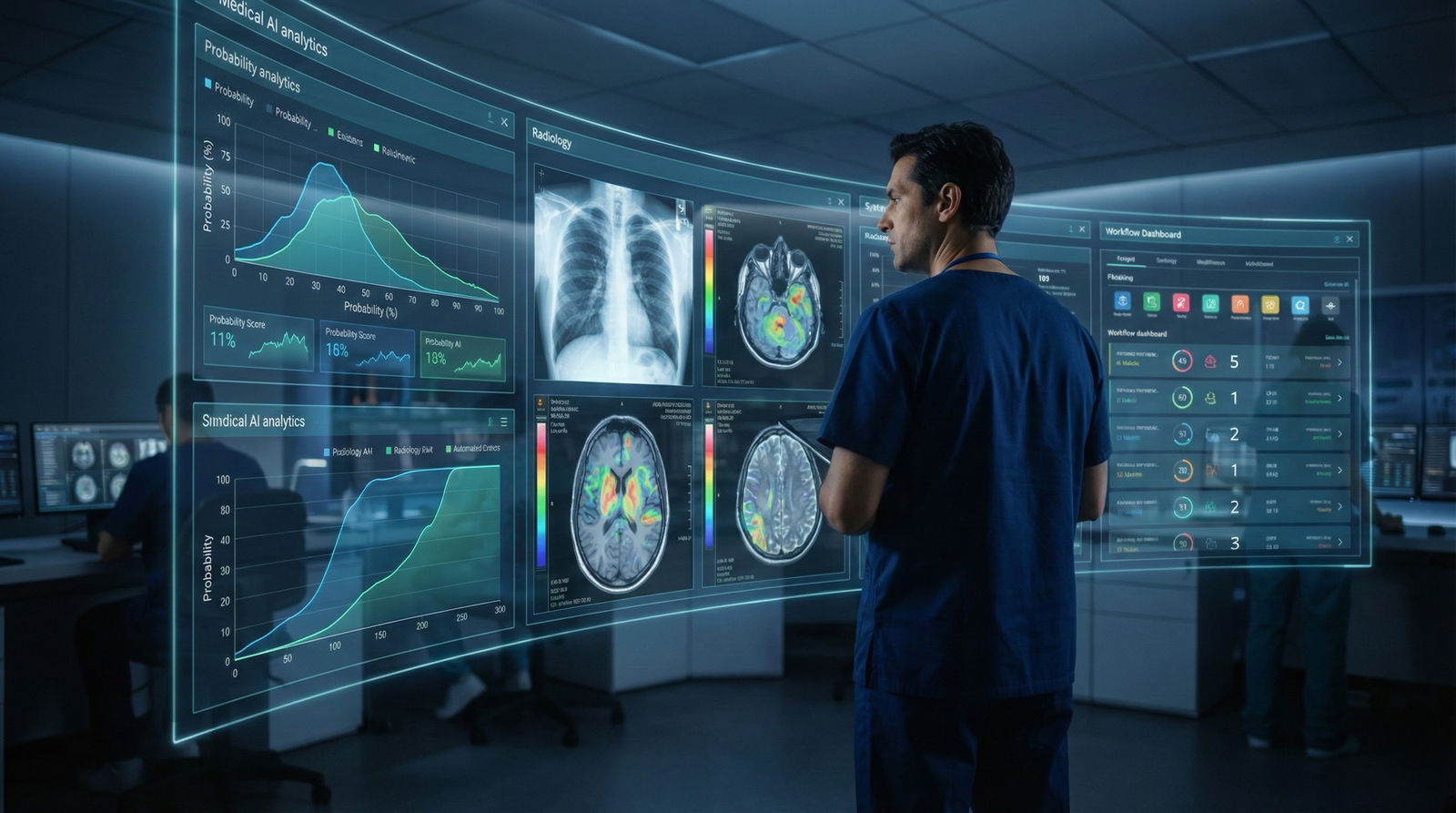
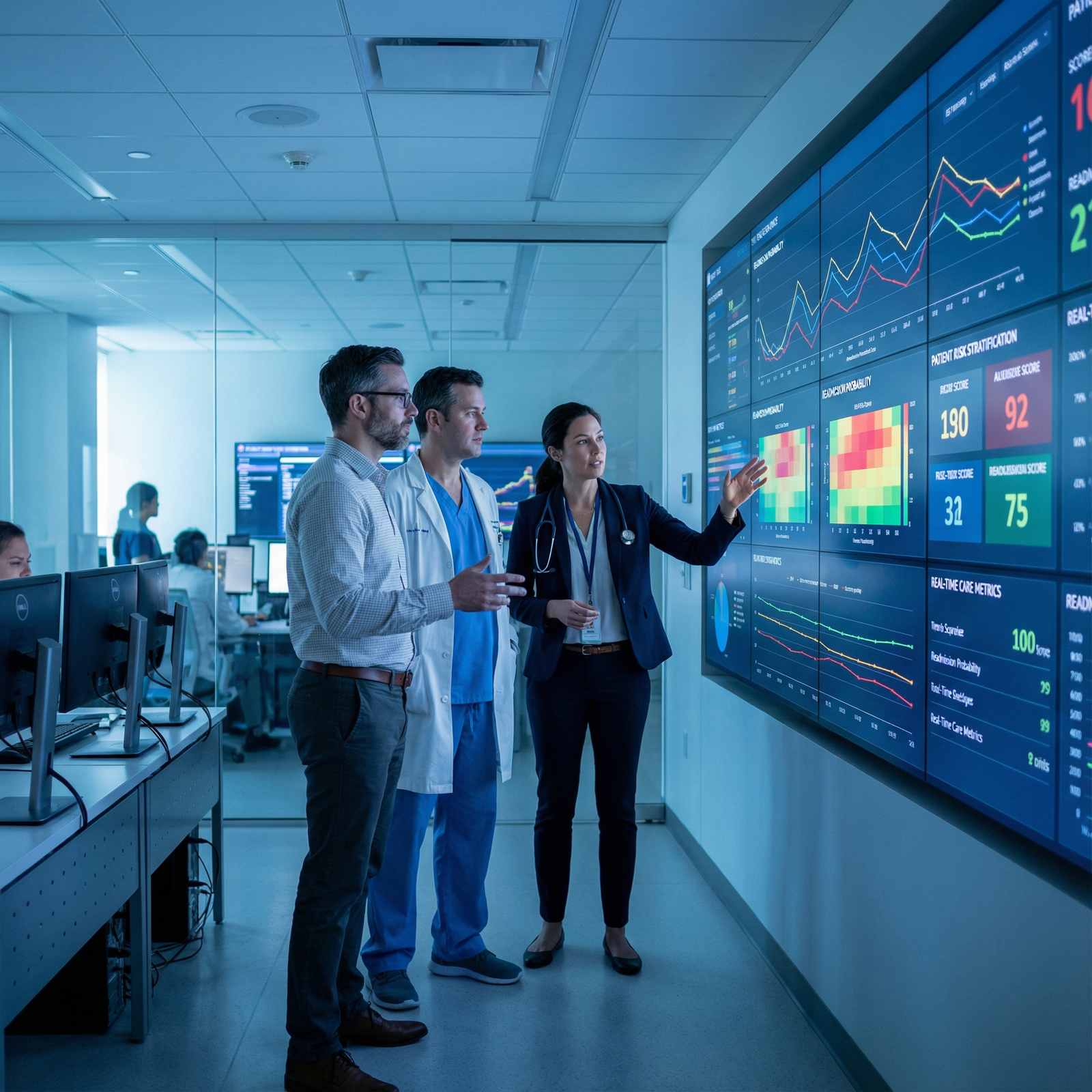
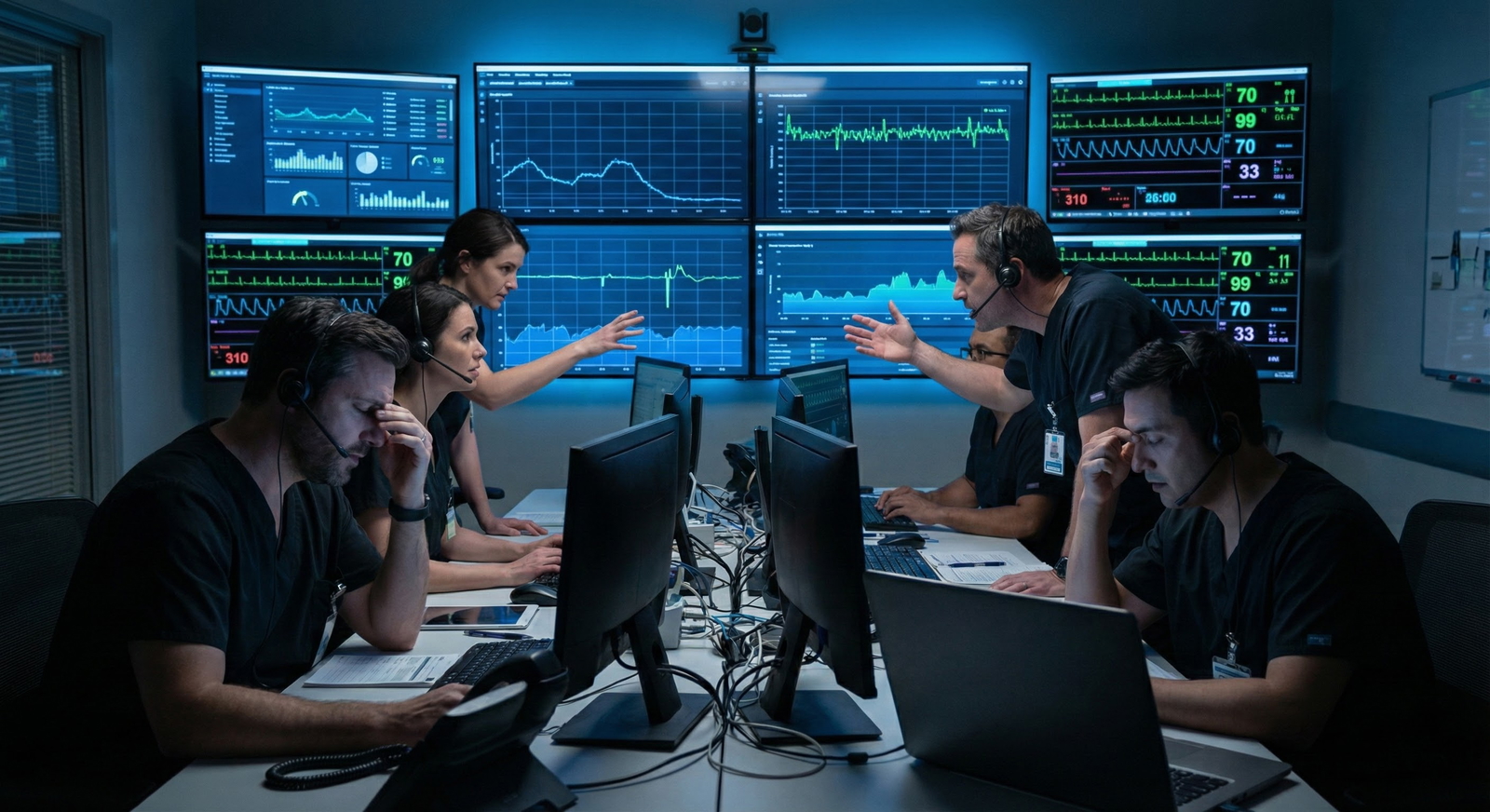
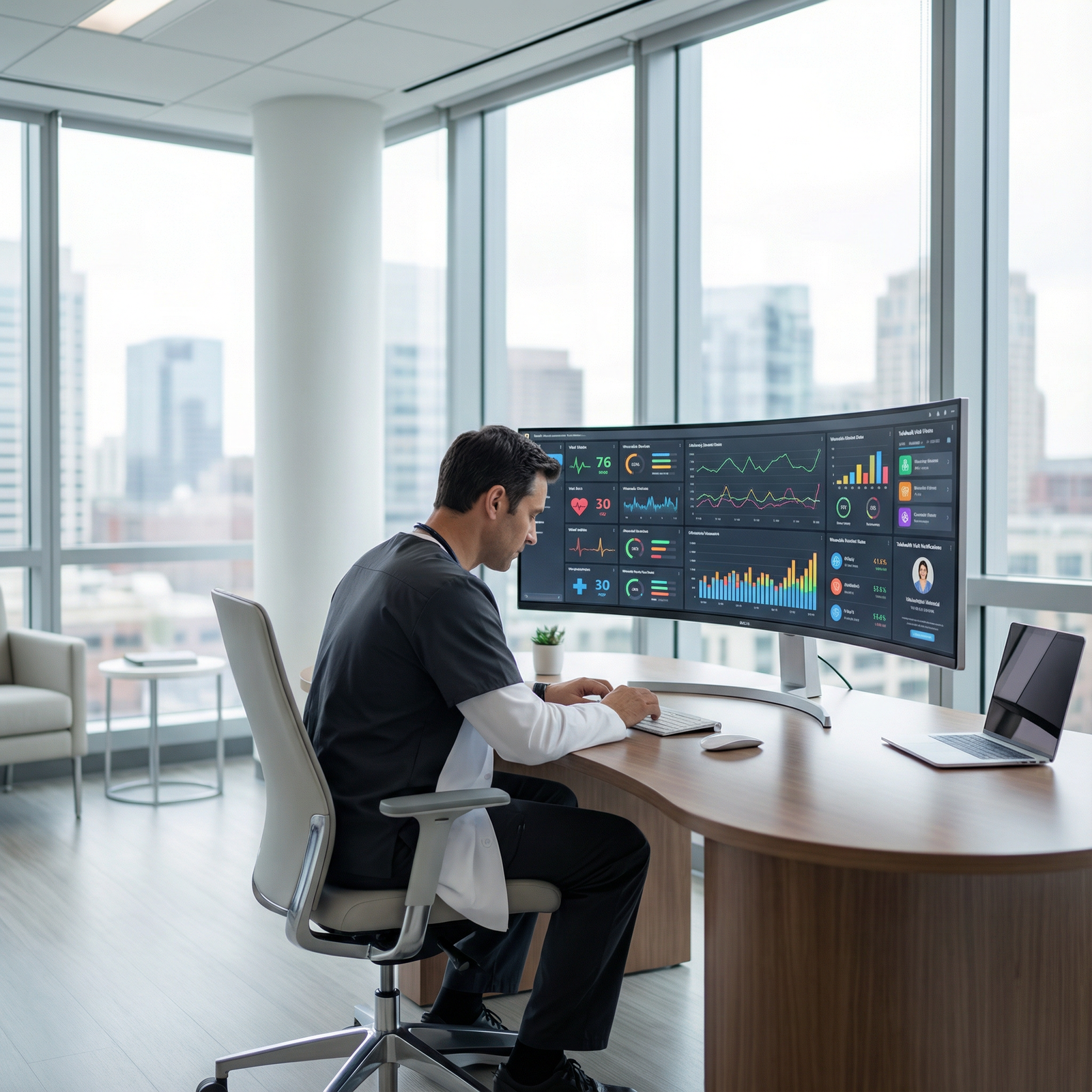
Health systems are increasingly investing in data platforms and dashboards that aggregate and visualize remote data for care teams—tools you will likely use daily in future practice.
2. Rising Burden of Chronic Disease
Chronic conditions (diabetes, COPD, heart failure, CKD, hypertension, obesity) account for the majority of healthcare costs and morbidity worldwide. These diseases:
- Fluctuate over time
- Require continuous self-management
- Are sensitive to lifestyle, medication adherence, and early intervention
Remote health monitoring directly aligns with this need by:
- Providing early warning of exacerbations
- Supporting medication titration based on frequent data
- Facilitating timely outreach before patients present to the ED
For residents, this means that effective Chronic Disease Management increasingly depends on your ability to interpret remote data and integrate it into care plans.
3. Patient Empowerment and Shared Decision-Making
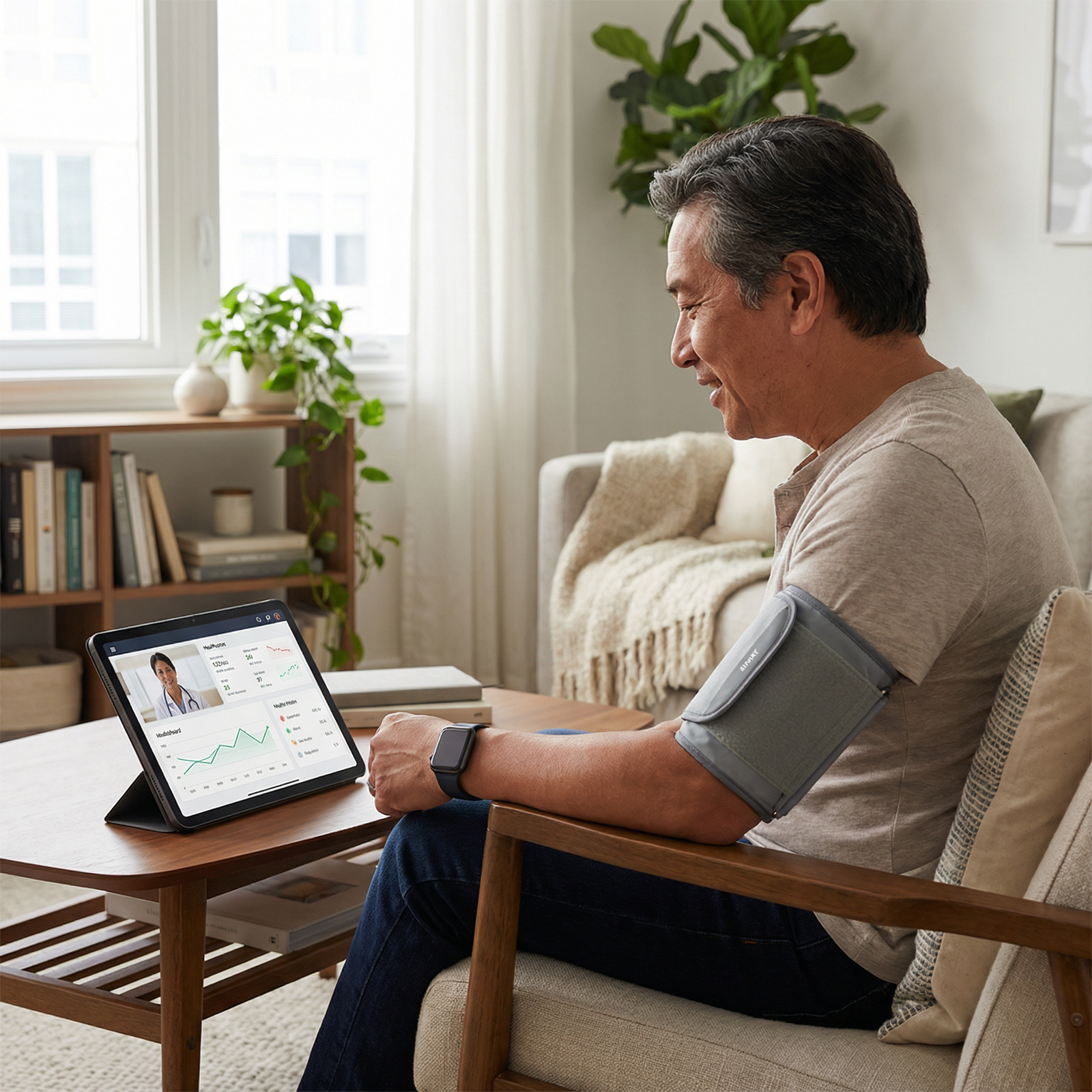
Modern patients expect transparency, access, and control over their health information. RHM and Telehealth enable Patient Empowerment by:
- Giving patients real-time feedback on vital signs, glucose, weight, and activity
- Providing educational content within apps tailored to their condition
- Enabling bidirectional messaging with care teams
- Visualizing progress over time, which can reinforce positive behavior change
Clinically, empowered patients often demonstrate:
- Better adherence to therapies
- Fewer preventable exacerbations
- More productive visits (virtual or in-person), focused on decision-making rather than information-gathering
4. Policy, Reimbursement, and Regulatory Support
Regulatory frameworks have evolved to support RHM:
- In the U.S., CMS created specific RPM billing codes and expanded Telehealth coverage, especially during and after COVID-19.
- Many countries introduced or expanded reimbursement for teleconsultations and home monitoring for chronic diseases.
- Data privacy regulations (HIPAA, GDPR, etc.) now explicitly encompass digital and remote care.
For learners, it is increasingly important to understand not only clinical value but also the operational and reimbursement implications of RHM programs you may help design or implement.
Key Trends in Remote Health Monitoring to Watch
Several major trends are reshaping how RHM will be integrated into routine practice.
1. Deep Integration of Telehealth and Remote Monitoring
Remote health monitoring and Telehealth are increasingly being combined into comprehensive virtual care pathways:
- Virtual chronic care clinics where patients upload data regularly and have scheduled video or phone follow-ups.
- Tele-cardiology, tele-endocrinology, tele-pulmonology integrating device data directly into specialty workflows.
- Hybrid models: patients alternate between in-person and virtual visits, guided by risk and disease control.
For example, a heart failure clinic may:
- Enroll patients with recent admissions into an RHM program.
- Provide connected scales and BP cuffs.
- Have nurses monitor dashboards daily, with protocols for weight gain or symptom triggers.
- Schedule rapid virtual visits for medication adjustments before decompensation occurs.
2. AI in Healthcare: Predictive, Personalized, and Proactive
Artificial Intelligence in Healthcare is central to making RHM scalable and clinically actionable.
Predictive Analytics and Early Warning
AI and Machine Learning models can:
- Detect pre-symptomatic deterioration (e.g., subtle heart rate and activity changes days before a COPD exacerbation).
- Generate risk scores for decompensation in heart failure or readmission after surgery.
- Prioritize alerts so clinicians are not overwhelmed by non-actionable data.
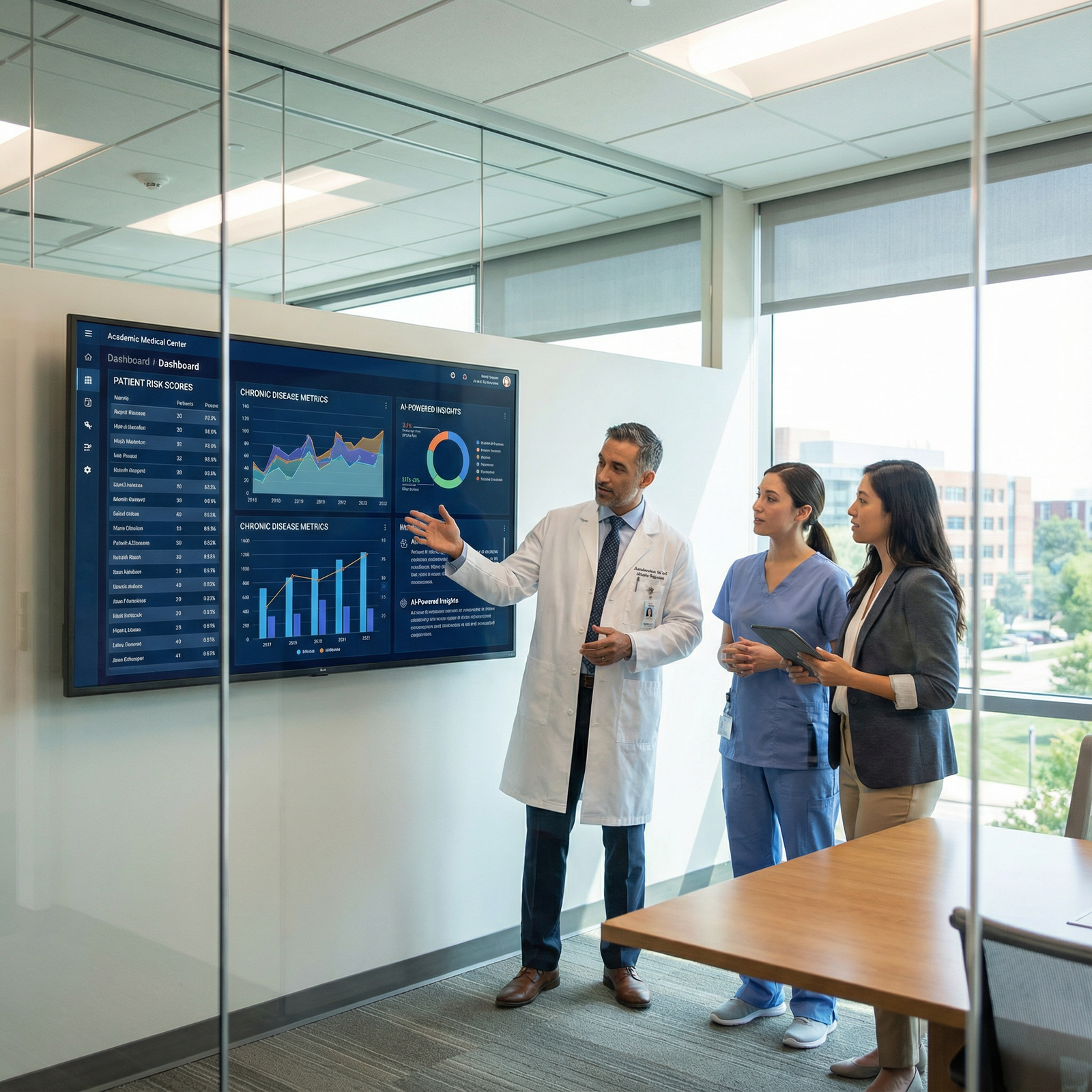
For residents, this may mean reviewing AI-generated risk scores during morning huddles or when planning outreach to high-risk patients.
Personalized Treatment Recommendations
AI tools can tailor:
- Titration of antihypertensives based on home BP trends
- Insulin adjustments integrating CGM, meals, and activity
- Exercise and rehab programs based on activity and recovery metrics
These systems do not replace clinical judgment but can augment decision-making, especially in high-volume settings.
3. Expansion of Home Health Devices and Smart Environments
Home is becoming an extension of the clinic:
- Connected devices: BP cuffs, glucometers, pulse oximeters, thermometers, and weight scales that auto-transmit data.
- Smart home integration: Voice assistants (e.g., smart speakers) reminding patients to take medications, log symptoms, or join Telehealth appointments.
- Ambient monitoring (emerging): Non-wearable sensors that track gait speed, mobility, and sleep to detect frailty or early cognitive decline.
This trend is especially relevant for geriatric care, rehabilitation, and palliative care, where frequent clinic visits are burdensome.
4. Shift from Reactive to Preventive, Population-Level Care
RHM helps shift care from reactive episodes to proactive, longitudinal management:
- Detecting rising blood pressures or weights before they require hospitalization.
- Identifying patients whose step counts or activity are decreasing, signaling risk of functional decline.
- Screening for early decompensation in oncology, transplant, or complex multimorbid patients.
For health systems, this supports value-based care models, reducing ED use, LOS, and readmissions. For clinicians in training, expect increasing emphasis on population health strategies that leverage remote data.
5. Interoperability, Data Integration, and Workflow Design
One of the biggest challenges—and opportunities—is making data usable:
- EHR integration: Remote data must flow into the electronic health record in structured, clinically meaningful formats.
- Standardization: Use of common data standards (e.g., FHIR) to allow devices and platforms to communicate.
- Workflow integration: Clearly defined roles (nurse vs. resident vs. attending) for reviewing alerts and acting on data.
As a trainee, you can add real value by:
- Helping refine alert thresholds to reduce alarm fatigue.
- Providing feedback on which data are clinically useful vs. extraneous.
- Participating in quality improvement projects involving RHM workflows.
6. User Experience, Health Literacy, and Digital Equity
For RHM to achieve its promise, it must be usable and accessible:
- Simple interfaces with clear visuals, large fonts, and minimal steps.
- Multilingual support and culturally sensitive content.
- Low-bandwidth and offline options for rural or underserved areas.
- Training and support: onboarding sessions, tech support hotlines, caregiver involvement.
Clinicians must also be mindful of the “digital divide.” Populations with lower digital literacy or limited internet access are at risk of being left behind. Medical teams can mitigate this by:
- Prescribing simpler devices with cellular connectivity rather than Wi-Fi.
- Involving community health workers or nurses in setup.
- Using Telehealth in combination with home visits where appropriate.
7. Security, Privacy, and Ethical Use of Data
Remote care depends on trust. That means:
- Encryption of data in transit and at rest.
- Strong authentication and access controls.
- Clear informed consent about data collection and use.
- Transparent AI algorithms where possible, with mechanisms to monitor for bias.
Clinicians will increasingly have to navigate questions such as:
- How do we respond when remote data reveal unsafe behaviors?
- What is our responsibility if a patient stops transmitting?
- How do we balance continuous monitoring with respect for patient autonomy and privacy?
Real-World Clinical Applications of Remote Health Monitoring
Remote health monitoring is already transforming day-to-day care in multiple domains.
Chronic Disease Management: Moving Beyond the Clinic Walls
Diabetes Management
Connected glucometers and Continuous Glucose Monitors (CGMs) feed real-time data to:
- Patients, via mobile apps with alerts, education, and decision support.
- Clinicians, via dashboards that highlight patterns and hypoglycemia/hyperglycemia risk.
Platforms like Livongo, Omada, and similar programs combine:
- Connected devices
- Health coaching
- AI-driven nudges
- Telehealth visits with clinicians
These models have demonstrated improved glycemic control, reduced acute events, and higher patient satisfaction.
Hypertension and Heart Failure
For hypertension:
- Home BP monitoring more accurately reflects “true” pressures than office readings.
- Remote titration protocols can help achieve targets faster with fewer visits.
For heart failure:
- Daily weights, BP, HR, and symptom check-ins form the backbone of many RHM programs.
- Some centers use implantable or wearable hemodynamic monitors for higher-risk patients.
- Results include reduced readmissions and improved quality of life when combined with robust follow-up.
COPD and Asthma
Remote monitoring may include:
- Smart inhalers tracking adherence and usage patterns.
- Pulse oximetry and symptom diaries.
- Activity monitors reflecting functional capacity.
Signals such as increased rescue inhaler use or declining activity can prompt early outreach and medication adjustments.
Postoperative and Post-Acute Care
Surgical and post-acute RHM programs aim to:
- Monitor vitals and pain levels at home.
- Track wound healing via secure photo uploads.
- Flag early signs of infection, DVT, or other complications.
- Reduce unnecessary ED visits for reassurance-only concerns.
A typical pathway might include:
- Providing a wearable and symptom-reporting app pre-discharge.
- Setting expectations for daily check-ins.
- Having a nurse or APP review flags and escalate to the surgical team as needed.
- Scheduling virtual follow-ups for uncomplicated recoveries.
Mental Health and Behavioral Health Monitoring
Newer mental health models incorporate:
- Daily mood check-ins and symptom scales (PHQ‑9, GAD‑7 equivalents).
- Passive data from smartphones (sleep, activity, communication patterns) as proxies for well-being.
- Alerts when patterns suggest worsening depression, mania, or relapse risk.
Telepsychiatry combined with such digital tools can:
- Expand access, especially in underserved areas.
- Enable earlier intervention and closer monitoring between visits.
- Reduce stigma by allowing discreet home-based care.
Special Populations: Pediatrics, Geriatrics, and Pregnancy
- Pediatrics: Monitoring asthma, type 1 diabetes, or epilepsy with caregiver involvement.
- Geriatrics: Fall detection, medication adherence, cognitive changes, frailty monitoring.
- Pregnancy: Remote BP monitoring in preeclampsia risk, gestational diabetes glucose tracking, fetal monitoring in selected contexts.
These populations highlight the importance of customizing devices, communication styles, and caregiver integration.
Practical Considerations and Skills for Trainees
As a medical student or resident, you can prepare for this future by focusing on several practical areas.
1. Learn to Interpret Remote Data
Develop familiarity with:
- Normal vs. pathological trends in home BP, HR, weight, glucose.
- Common pitfalls: device errors, poor technique, white-coat vs. masked hypertension.
- Translating data into actionable changes in medication, follow-up, or patient education.
Ask to be involved in reviewing RHM dashboards during rotations where available.
2. Communicate Effectively in Telehealth Settings
Telehealth requires refined communication skills:
- Establishing rapport via video or phone.
- Giving clear instructions for device use and data reporting.
- Managing expectations about response times and appropriate use of messaging.
Practicing these skills now will pay dividends as virtual care becomes routine.
3. Participate in Quality Improvement and Program Design
Where possible:
- Join or initiate QI projects related to remote monitoring.
- Help optimize alert thresholds and escalation protocols.
- Contribute to patient education materials for digital tools.
Clinicians on the front lines are invaluable in shaping systems that are clinically relevant and user-friendly.
4. Stay Informed About AI in Healthcare and Ethics
Engage with:
- Basic principles of AI/ML and their limitations.
- Issues of bias, fairness, explainability, and accountability.
- Ethical frameworks for continuous monitoring and digital nudging.
This knowledge will help you critically appraise new tools and advocate for responsible implementation.
FAQs About Remote Health Monitoring
Q1: How is remote health monitoring different from traditional Telehealth?
Remote health monitoring focuses on the continuous collection and transmission of health data (e.g., vitals, glucose, symptoms) from patients at home using connected devices. Traditional Telehealth mainly involves virtual visits (video, phone, messaging) that substitute for in-person encounters. In practice, they are increasingly integrated—RHM provides data, and Telehealth provides the interaction and decision-making.
Q2: Does remote health monitoring actually improve outcomes in chronic disease management?
Yes, when well-designed and embedded in care pathways. Studies have shown that RHM can reduce hospitalizations and ED visits in heart failure and COPD, improve glycemic control in diabetes, and enhance blood pressure control in hypertension. Outcomes depend heavily on patient engagement, timely clinician response, and integration with broader care models.
Q3: What are the biggest risks or downsides of remote health monitoring?
Key concerns include:
- Data overload and alert fatigue for clinicians
- Inaccurate or inconsistent data from poorly used devices
- Exacerbation of health disparities due to the digital divide
- Privacy and security breaches if systems are not robust
- Over-monitoring that may increase anxiety for some patients
Mitigating these risks requires thoughtful program design, clear protocols, and strong technical and educational support.
Q4: How does AI in Healthcare change the way clinicians use remote monitoring data?
AI tools can sift through enormous volumes of remote data to:
- Highlight clinically meaningful trends
- Predict deterioration or readmission risk
- Suggest personalized adjustments or outreach priorities
Clinicians remain responsible for final decisions but can rely on AI to prioritize where to focus attention, potentially increasing efficiency and improving early detection.
Q5: As a trainee, how can I get more exposure to Remote Health Monitoring and Telehealth?
You can:
- Ask to participate in RPM programs within your institution (cardiology, endocrinology, primary care, etc.).
- Attend Telehealth clinics and observe best practices.
- Join QI or informatics projects focused on remote monitoring.
- Explore electives in digital health or clinical informatics.
- Stay current by following specialty society guidelines and digital health literature.
Proactive engagement will position you well for a healthcare environment where Remote Health Monitoring is a standard part of care delivery.
Remote health monitoring, supported by Telehealth, AI in Healthcare, and a strong emphasis on Patient Empowerment, is redefining how clinicians manage acute and chronic conditions. For the next generation of physicians, developing fluency in these tools and models is central to delivering high-quality, equitable, and patient-centered care in the evolving future of healthcare.