Introduction: Automation as a Catalyst for Better Patient Outcomes
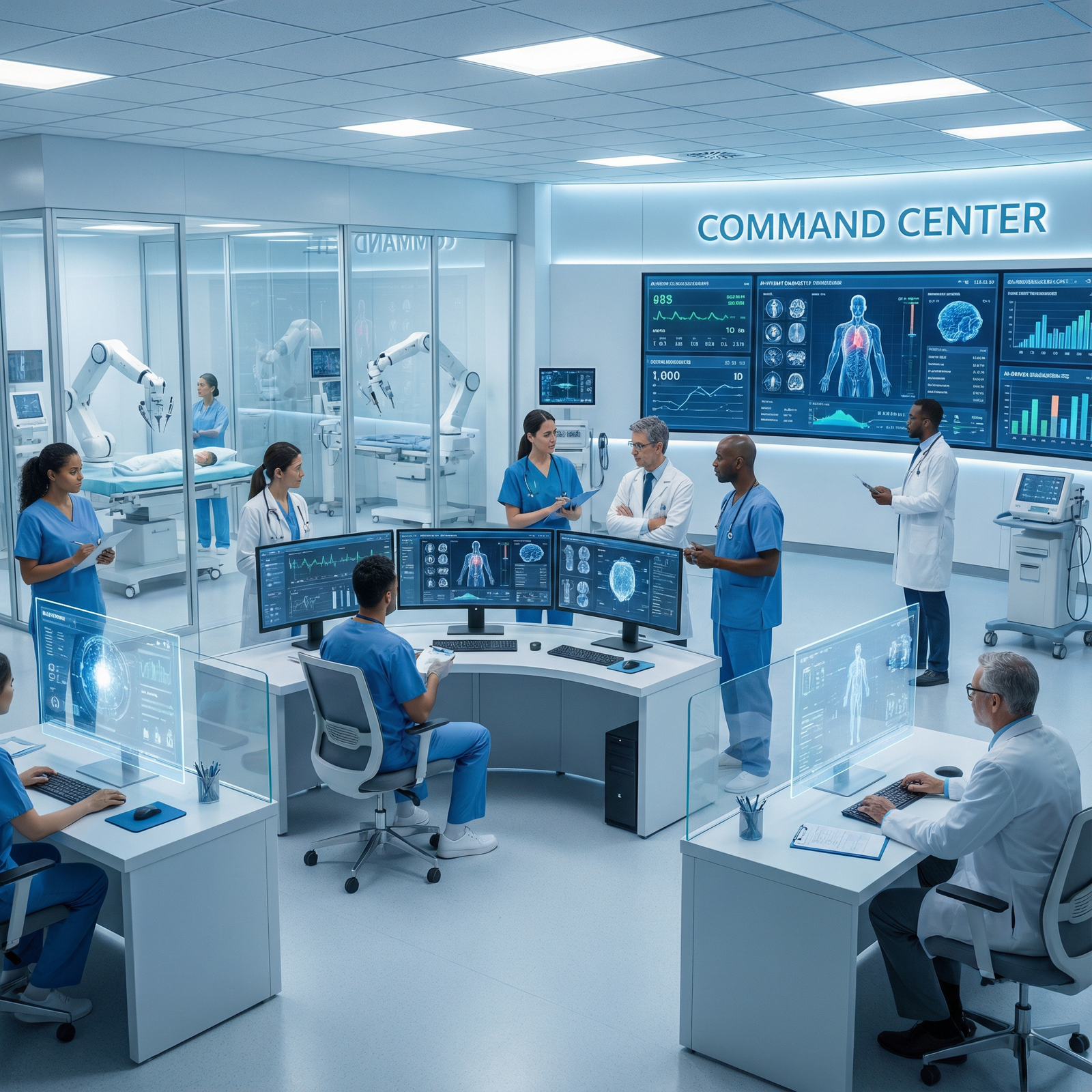
Automation in medicine is no longer a futuristic concept—it is now central to how leading health systems deliver safe, efficient, and patient-centered care. As Healthcare Technology advances, tasks that were once entirely manual are increasingly supported—or fully carried out—by software, robotics, and AI Diagnostics.
From robotic surgery that enables millimeter-level precision, to automated vital sign monitoring, to predictive algorithms that flag sepsis hours earlier than humans might, Automation is changing the way clinicians work and how patients experience care. For medical students and residents, understanding these technologies is now part of core professional competence, not a niche interest.
This expanded guide explores:
- What “automation in medicine” really means
- How it supports better patient care across the continuum
- Key examples: Robotic Surgery, AI Diagnostics, telemedicine, and more
- Practical challenges, ethical questions, and implementation pitfalls
- How trainees and early-career clinicians can prepare for an increasingly automated future
The goal is not to replace clinicians, but to reallocate their time and attention toward higher-value, human-facing aspects of Patient Care—empathy, complex decision-making, and shared decision-making with patients and families.
Understanding Automation in Healthcare
What Is Automation in Medicine?
In healthcare, automation refers to any technology that completes a task—or part of a task—with minimal ongoing human intervention. It spans a wide continuum:
- Physical automation: Robots dispensing medications, robotic surgical arms, automated lab analyzers.
- Digital workflow automation: Appointment scheduling systems, auto-populated forms in Electronic Health Records (EHRs), automated billing and coding support.
- Cognitive automation: AI algorithms that interpret imaging, risk calculators that auto-run in the background, decision-support tools that surface evidence-based recommendations at the point of care.
Modern automation often combines multiple layers of Healthcare Technology. For example, an AI Diagnostics system may:
- Automatically ingest imaging data from PACS
- Run a deep learning model in the background
- Flag high-risk findings directly in the radiologist’s worklist
- Trigger an alert to the ordering physician when critical values are detected
The unifying goals are consistent: reduce errors, increase efficiency, support clinical decision-making, and ultimately improve patient outcomes and experiences.
Why Automation Matters for Patient Care
The clinical environment is increasingly complex:
- Growing volumes of patient data
- Rising administrative and documentation demands
- Persistent staff shortages across many specialties
- Increasingly sophisticated therapies and diagnostic options
Automation can help by:
- Offloading low-value, repetitive work (e.g., manual data entry)
- Standardizing high-risk processes (e.g., medication ordering and dispensing)
- Surfacing the right information at the right time for clinicians
- Enabling more proactive care, such as early intervention for deteriorating patients
Rather than replacing clinicians, effective automation acts like an always-on, error-resistant support layer for the clinical team.
Core Benefits of Automation in Healthcare
1. Enhanced Accuracy and Fewer Errors
Healthcare is vulnerable to human error—especially in environments with high cognitive load and time pressure.
Automation supports safety by:
Medication safety systems:
- Computerized provider order entry (CPOE) with decision support flags drug–drug interactions, allergies, and dose ranges.
- Automated dispensing cabinets (ADCs) use barcodes and user authentication to ensure the right medication, right patient, and right dose.
Lab and imaging processes:
- Automated sample labeling and tracking reduce mislabeling and lost specimens.
- AI-assisted imaging interpretation can detect subtle findings (e.g., early lung nodules or intracranial hemorrhage) that might be missed in a busy reading list.
Closed-loop medication administration:
When barcoded medication administration (BCMA), EHR orders, and ADCs are integrated, errors at ordering, dispensing, and bedside administration all decrease.
For residents, learning to work with these safety systems—rather than around them—is crucial to both safe practice and efficient workflow.
2. Increased Efficiency and Reduced Administrative Burden
Clinicians spend a significant portion of their day on non-clinical tasks. Automation can return time back to Patient Care by:
Automated appointment scheduling and reminders
Patients can self-schedule, reschedule, and receive text/email reminders, reducing no-shows and manual phone outreach.Smart EHR workflows
Templates, macros, and voice recognition can automate portions of documentation and reduce repetitive typing. Ambient AI scribe tools now listen to the clinical encounter and generate draft notes for physician review.Automated order sets and pathways
Standardized order sets for common conditions (e.g., chest pain, sepsis, DKA) decrease ordering time and variance, and align care with best practices.
For trainees, familiarity with these tools can mean less time clicking and more time at the bedside or in the OR.
3. Improved Patient Engagement and Experience
Automation is not only “behind-the-scenes”—it also shapes patient-facing care:
Patient portals and mobile apps
Patients can review lab results, request refills, complete pre-visit questionnaires, and message their care team. Automated lab result release (with appropriate delays for sensitive results) keeps patients informed.Chatbots and virtual assistants
AI-driven chatbots can triage common questions, provide pre-op and post-op instructions, and direct patients to the right care level (e.g., urgent care vs. ED).Automated follow-up and adherence support
Text reminders for medications, automated PRO (patient-reported outcome) surveys, and follow-up questionnaires after discharge can detect complications earlier and improve adherence.
Engaged patients are more likely to adhere to treatment plans, attend follow-up visits, and participate actively in shared decision-making.
4. Data Management and Predictive Analytics
Automation plus data creates a powerful foundation for proactive, population-level care:
Automated data aggregation
EHRs, wearable devices, remote monitoring tools, and registries constantly generate data that can be auto-integrated into dashboards and risk models.Predictive analytics for early warning
Machine learning models can monitor vital signs, labs, and clinical notes to predict:- Risk of sepsis
- Likelihood of readmission
- Deterioration on the ward needing ICU transfer
- Hospital-acquired complications (e.g., VTE)
Population health management
Automated registries and risk scores help identify who needs outreach: patients overdue for cancer screening, uncontrolled diabetes, or gaps in preventive care.
For residents, these tools increasingly underpin quality improvement projects and value-based care initiatives.
5. Streamlined Operations and Resource Allocation
Automation can make health systems more resilient and responsive:
Inventory and supply chain management
RFID tags and automated tracking help ensure critical supplies and medications are available where and when needed, reducing stockouts and waste.Staff scheduling and workload balancing
Algorithm-driven scheduling optimizes shift coverage, reduces manual errors, and can be tuned to minimize burnout by balancing workload.Telemedicine and virtual care operations
Automated patient check-in, consent, pre-visit questionnaires, and post-visit documentation support scalable virtual care models.
These operational gains ultimately support safer, more reliable Patient Care at scale.
Key Applications of Automation in Medicine
Robotic Surgery: Precision Meets Minimally Invasive Care
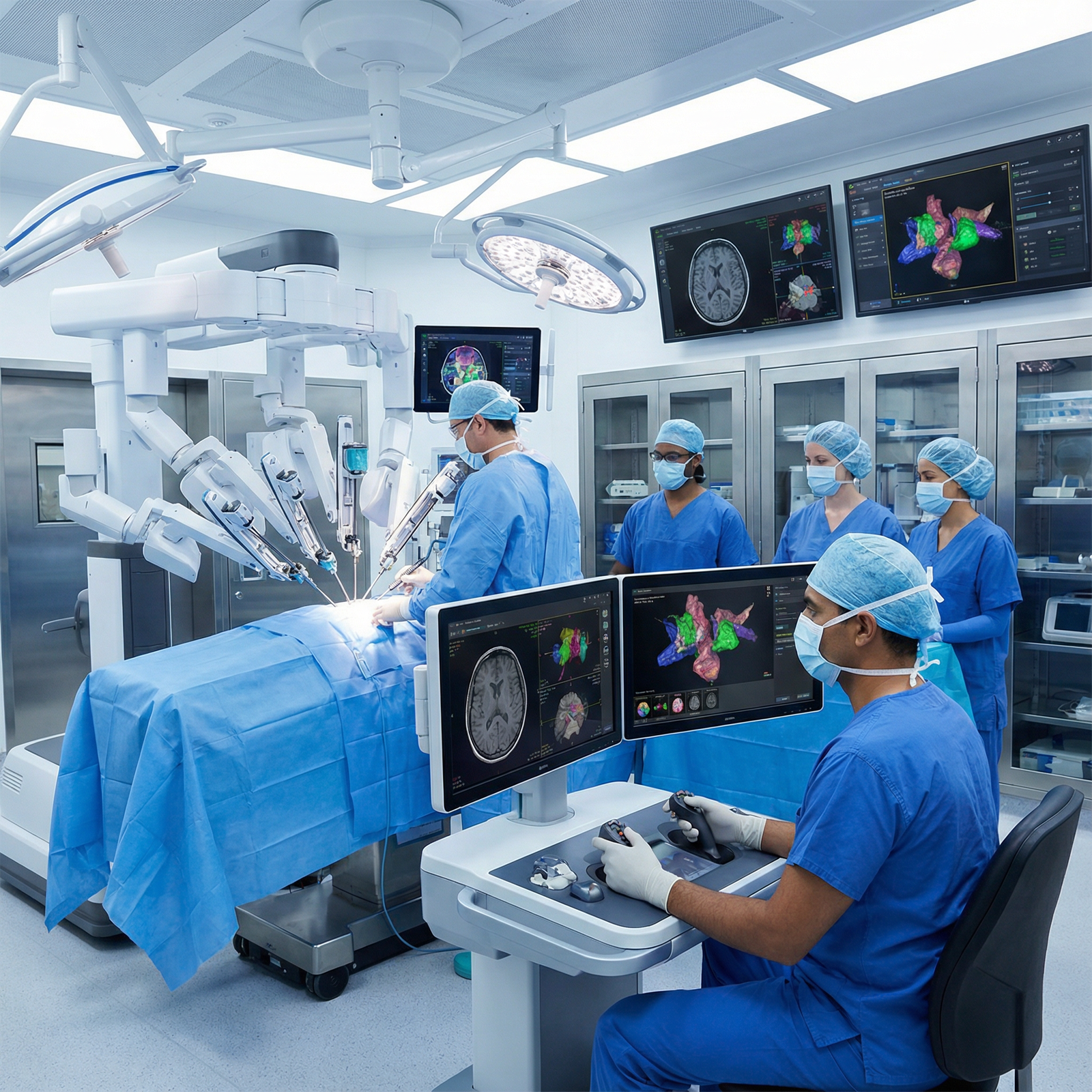
Robotic Surgery systems, such as the da Vinci platform and newer competitors, have reshaped surgical practice in multiple specialties (urology, gynecology, general surgery, cardiothoracic, ENT).
Clinical advantages include:
- Enhanced dexterity and tremor filtration compared with standard laparoscopy
- 3D high-definition visualization of the surgical field
- Improved ergonomics for surgeons, potentially extending career longevity
- Smaller incisions, less blood loss, and shorter hospital stays for many procedures
Example evidence:
Studies in procedures such as radical prostatectomy and hysterectomy have demonstrated:
- Lower blood loss
- Shorter length of stay
- Faster return to daily activities
- Comparable—or sometimes improved—oncologic outcomes versus open surgery
For residents, exposure to Robotic Surgery is becoming a core part of surgical training. Understanding patient selection, cost implications, and how robotic platforms alter complication profiles is increasingly important.
AI Diagnostics and Decision Support
AI Diagnostics is one of the fastest-growing areas of automation:
Imaging interpretation
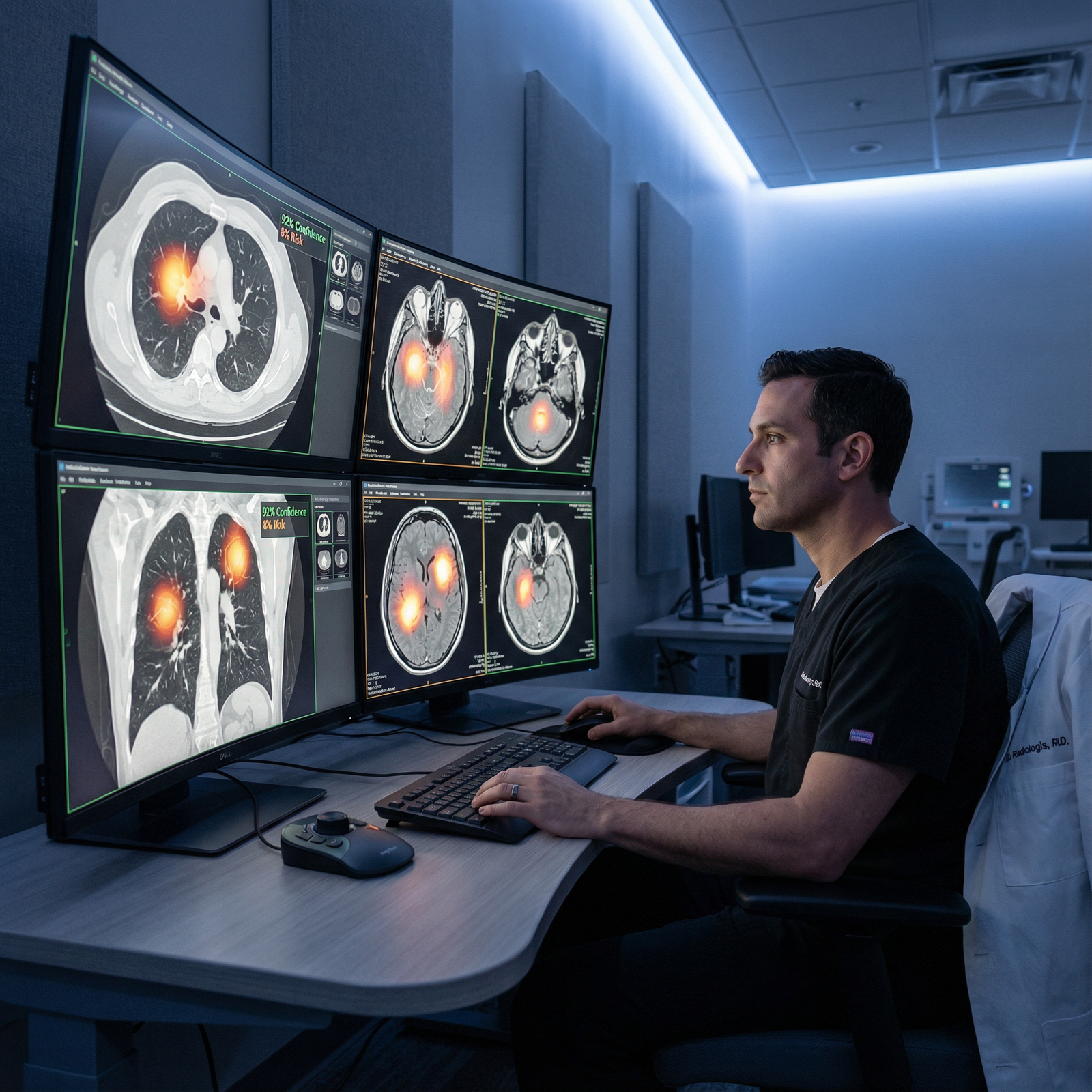
- Deep learning models detect diabetic retinopathy, lung nodules, intracranial hemorrhage, and breast cancer on imaging with performance approaching or exceeding expert clinicians in specific tasks.
- Triage tools prioritize high-risk studies (e.g., STAT head CT with suspected bleed) to the top of the radiologist’s list.
Clinical decision support
- Algorithms help estimate risk scores (e.g., for PE, ACS, stroke) automatically from EHR data, supporting evidence-based diagnostic and treatment decisions.
- Natural language processing (NLP) extracts key findings from notes and radiology reports to populate dashboards and trigger follow-up tasks.
Pathology and genomics
- Digital pathology with AI-assisted review can screen slides for suspicious areas.
- Genomic decision-support systems match tumor profiles to potential targeted therapies or clinical trials.
Properly implemented, AI Diagnostics do not replace clinicians; they augment pattern recognition, reduce oversight, and free specialists to focus on complex cases and patient counseling.
Electronic Health Records (EHR) and Workflow Automation
EHR systems are more than digital charts—they are platforms for automation:
Key automated EHR functions include:
- Auto-population of vital signs, labs, and medication lists from interfaces
- Clinical decision support alerts (drug interactions, allergy warnings, vaccination reminders)
- Smart order sets aligned with hospital guidelines or national recommendations
- “Best practice advisories” that nudge clinicians toward preventive care, safe prescribing, and guideline-concordant management
Benefits for care teams:
- Improved continuity and coordination between primary care, specialists, and inpatient teams
- Real-time data for quality metrics, registries, and research
- Easier compliance with regulatory reporting and documentation standards
From a trainee perspective, mastering EHR efficiency (shortcuts, templates, smart phrases, safe alert management) is now a core professional skill.
Medication Management and Safety
Medication safety is a high-yield area for Automation:
Computerized order entry with decision support
Dose ranges adjusted for weight, age, and renal function; alerts for duplicate therapies and dangerous interactions.Automated dispensing cabinets (ADCs)
Limit access to high-risk medications, require dual verification, and log all transactions for auditing.Bar-code medication administration (BCMA)
Nurses scan patient ID bands and medication barcodes before administration, creating a closed-loop system.Smart infusion pumps
Pre-programmed drug libraries and dose-error reduction systems prevent common infusion errors.
Together, these technologies have been shown to reduce adverse drug events and increase adherence to safe medication practices.
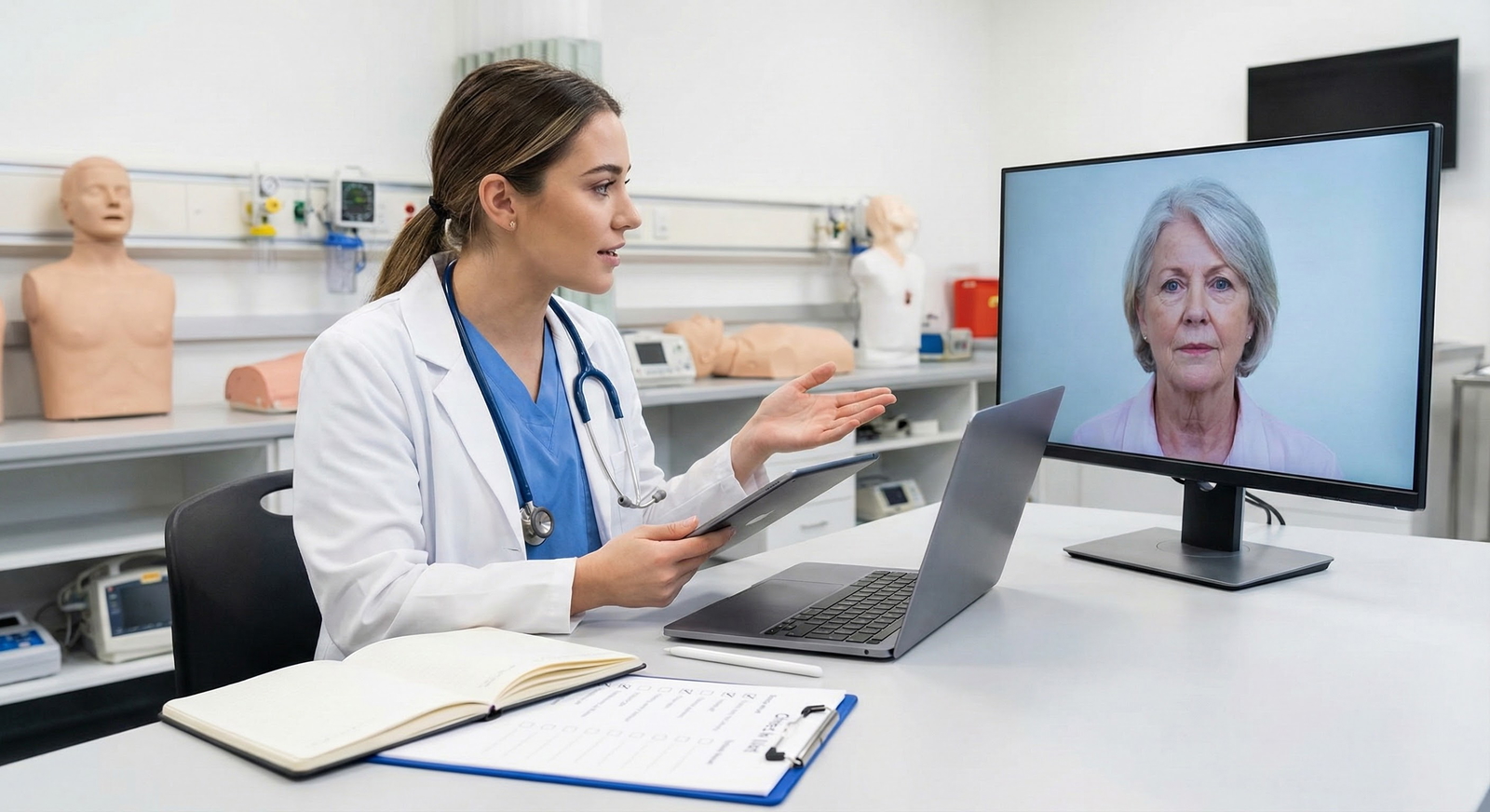
Telemedicine and Remote Monitoring
Automation underpins modern telehealth ecosystems:
Virtual visit platforms automate appointment links, consent, billing capture, and documentation templates.
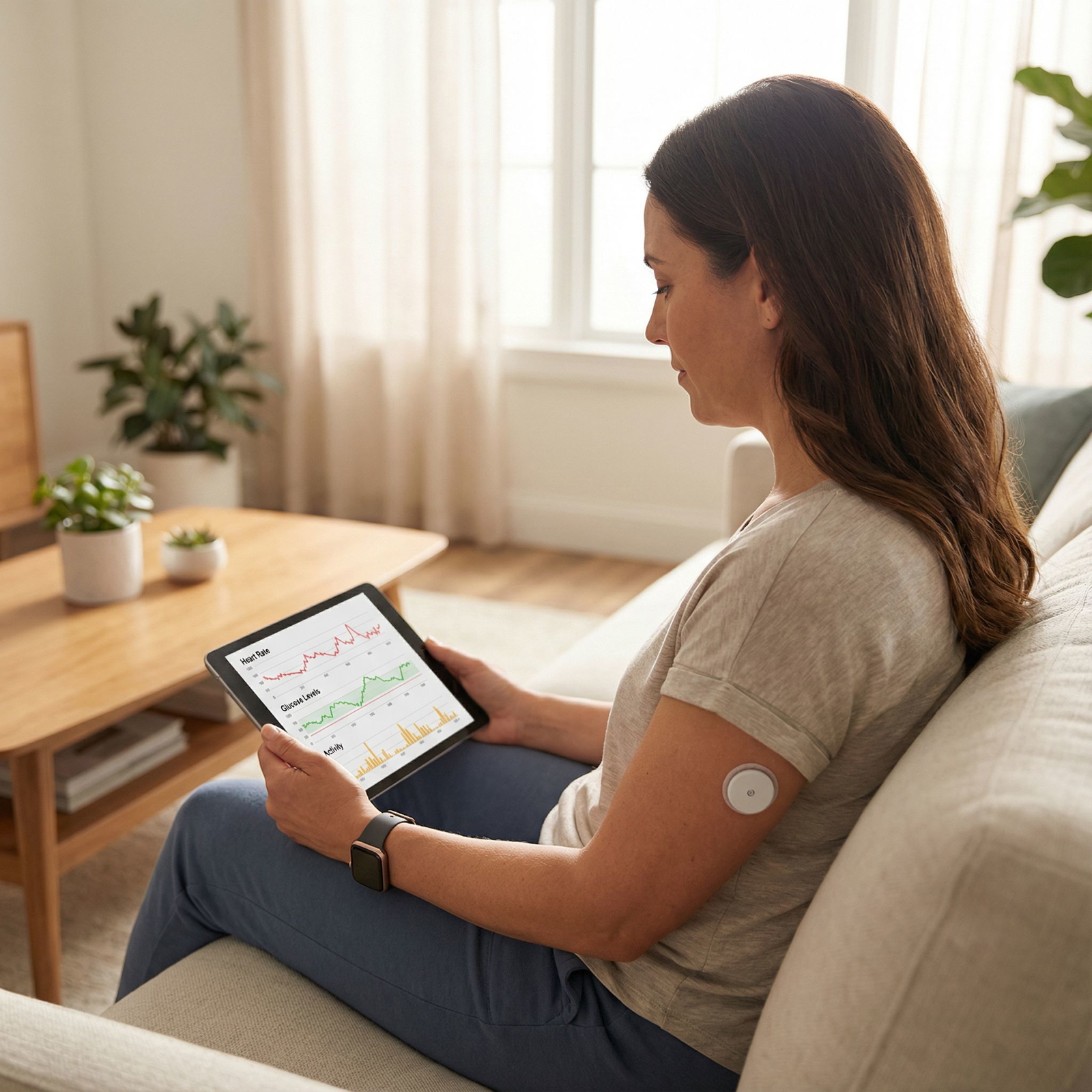
Remote patient monitoring (RPM) devices—blood pressure cuffs, glucometers, weight scales, pulse oximeters, wearables—automatically transmit data to dashboards monitored by care teams or AI triage algorithms.
Automated alerts and escalation
Threshold-based or AI-derived alerts notify clinicians when patient data indicates deterioration (e.g., early heart failure decompensation, poorly controlled hypertension).
During COVID-19, telemedicine adoption skyrocketed, showing how automation can maintain continuity of care even under extreme constraints. Going forward, telehealth and RPM will remain core tools, especially for chronic disease management, geriatrics, and rural/underserved communities.
Challenges and Risks of Automation in Medicine
1. Integration with Existing Workflows
Simply adding a new tool rarely improves care. The technology must fit:
- Workflow mismatch: Poorly designed systems can increase clicks, duplicate work, or create alert fatigue.
- User resistance: Clinicians may view new systems as burdensome or unsafe if not involved in design and rollout.
- Interoperability problems: Lack of standardized data formats or interfaces can prevent systems (e.g., EHR, lab, imaging, pharmacy) from communicating effectively.
Actionable tips for trainees:
- Participate in user testing or EHR optimization committees when possible.
- Provide structured feedback about what works and what doesn’t in your daily practice.
- Learn basic principles of workflow mapping and human factors; these are increasingly valued in leadership and QI roles.
2. Data Privacy, Security, and Ethics
Automation is fueled by data—often sensitive, identifiable, and highly valuable.
Core concerns include:
- Cybersecurity risks: Ransomware attacks on hospitals can disable EHR access and disrupt clinical operations.
- Privacy: Data used for AI model training must be de-identified and ethically managed.
- Bias in AI models: Algorithms trained on non-representative data can perpetuate or worsen existing health disparities.
Best practices:
- Compliance with regulations (e.g., HIPAA and regional equivalents)
- Strong authentication, encryption, and regular security audits
- Transparent model development and validation, including performance across different demographic groups
- Governance committees for AI and automation oversight
Clinicians need to be able to ask: Where did this algorithm come from? How was it validated? Does it work for my patient population?
3. Cost and Equity Considerations
High-end automation—Robotic Surgery systems, advanced AI Diagnostics platforms—comes with substantial upfront costs and ongoing maintenance expenses. This can:
- Exacerbate disparities between large academic centers and smaller or rural hospitals
- Create “tech deserts” where patients have limited access to advanced diagnostics or minimally invasive procedures
Potential mitigations:
- Cloud-based AI services that reduce hardware investment
- Regional partnerships and shared services (e.g., tele-radiology with AI support)
- Grants and funding programs targeting underserved areas
- Thoughtful cost-effectiveness and value-based analysis before adoption
4. Preserving the Human Touch in Patient Care
Automation cannot replace compassion, empathy, and clinical judgment.
Risks include:
- Overreliance on automated recommendations at the expense of critical thinking
- Patients feeling dehumanized if interactions are overly technology-mediated
- Loss of “bedside time” if clinicians focus more on screens than people
Ways to maintain balance:
- Use automation to free time for deeper patient conversations, not to squeeze in more visits.
- Explicitly discuss with patients how technology supports their care, fostering transparency and trust.
- Treat AI outputs as one input among many—never as unquestioned truth.
For trainees, cultivating strong communication and relational skills remains as important as ever, even in a highly automated environment.
How Trainees and Early-Career Clinicians Can Prepare
Build Digital and Data Literacy
Key competencies include:
- Basic understanding of machine learning concepts (inputs, outputs, training data, bias, validation)
- Interpreting algorithmic risk scores and knowing their limitations
- Understanding how EHR data is structured and how to extract it for QI or research
Short courses in informatics, clinical AI, or digital health can be highly beneficial.
Get Involved in Quality Improvement and Innovation
Many automation tools are implemented as part of QI or value-based initiatives. Opportunities:
- Join or propose QI projects leveraging automated alerts, order sets, or predictive models.
- Participate in pilots for new technologies (e.g., AI scribes, telehealth tools).
- Collaborate with IT, informatics, or data science teams within your institution.
This not only improves care but also strengthens your CV or fellowship applications.
Advocate for Patient-Centered, Ethical Automation
Clinicians will play a crucial role in:
- Ensuring automation serves clinical goals and patient preferences
- Identifying unintended consequences or safety concerns
- Raising equity and bias concerns when adopting AI-based tools
Knowing how to articulate these perspectives in committee or leadership settings is an emerging professional skill.
Frequently Asked Questions (FAQ)
Q1: Does automation in medicine replace doctors or nurses?
No. Automation is designed to augment, not replace, clinicians. It offloads routine, repetitive, or data-heavy tasks and supports decision-making. Human judgment, empathy, communication, and complex clinical reasoning remain central to Patient Care and cannot be fully automated.
Q2: How can I, as a medical student or resident, practically engage with Healthcare Technology and automation?
Start by mastering the tools you already use—EHR, order sets, telemedicine platforms—and understanding their logic. Seek out informatics electives, QI projects involving AI Diagnostics or automated alerts, or research using large EHR datasets. Many institutions have digital health or innovation labs that welcome trainee participation.
Q3: Are AI Diagnostics and automated systems trustworthy? What about errors or bias?
AI Diagnostics can perform impressively on specific tasks, but they are not infallible. Their performance depends on training data, validation, and how they are integrated into workflows. Bias can occur if the underlying data under-represents certain populations. Clinicians must critically appraise tools, understand their limitations, and use them as one input among many, not as sole decision-makers.
Q4: How does automation affect patient–provider communication and trust?
If implemented poorly, automation can make patients feel that technology is replacing human contact. If implemented well, it can improve access, responsiveness, and continuity, while freeing clinicians to spend more face-to-face time with patients. Transparent communication—explaining how automation supports safety and quality—helps maintain and even enhance trust.
Q5: What are realistic near-future trends in Automation and Healthcare Technology that residents should expect?
You can expect:
- Wider use of AI-supported triage in EDs and telehealth
- More ambient documentation (AI scribes) during clinic visits
- Increasing integration of wearable and home-monitoring data into routine care
- Expansion of Robotic Surgery and image-guided interventions
- More sophisticated predictive models guiding resource allocation and care pathways
Staying informed and adaptable will position you to lead—rather than merely react to—these changes.
Automation in medicine is rapidly reshaping the practice environment across specialties. For the next generation of clinicians, fluency in Healthcare Technology, AI Diagnostics, and workflow Automation will be as essential as knowledge of pharmacology or pathophysiology. By engaging with these tools thoughtfully and ethically, you can help build a future of healthcare where technology amplifies, rather than erodes, the human core of Patient Care.