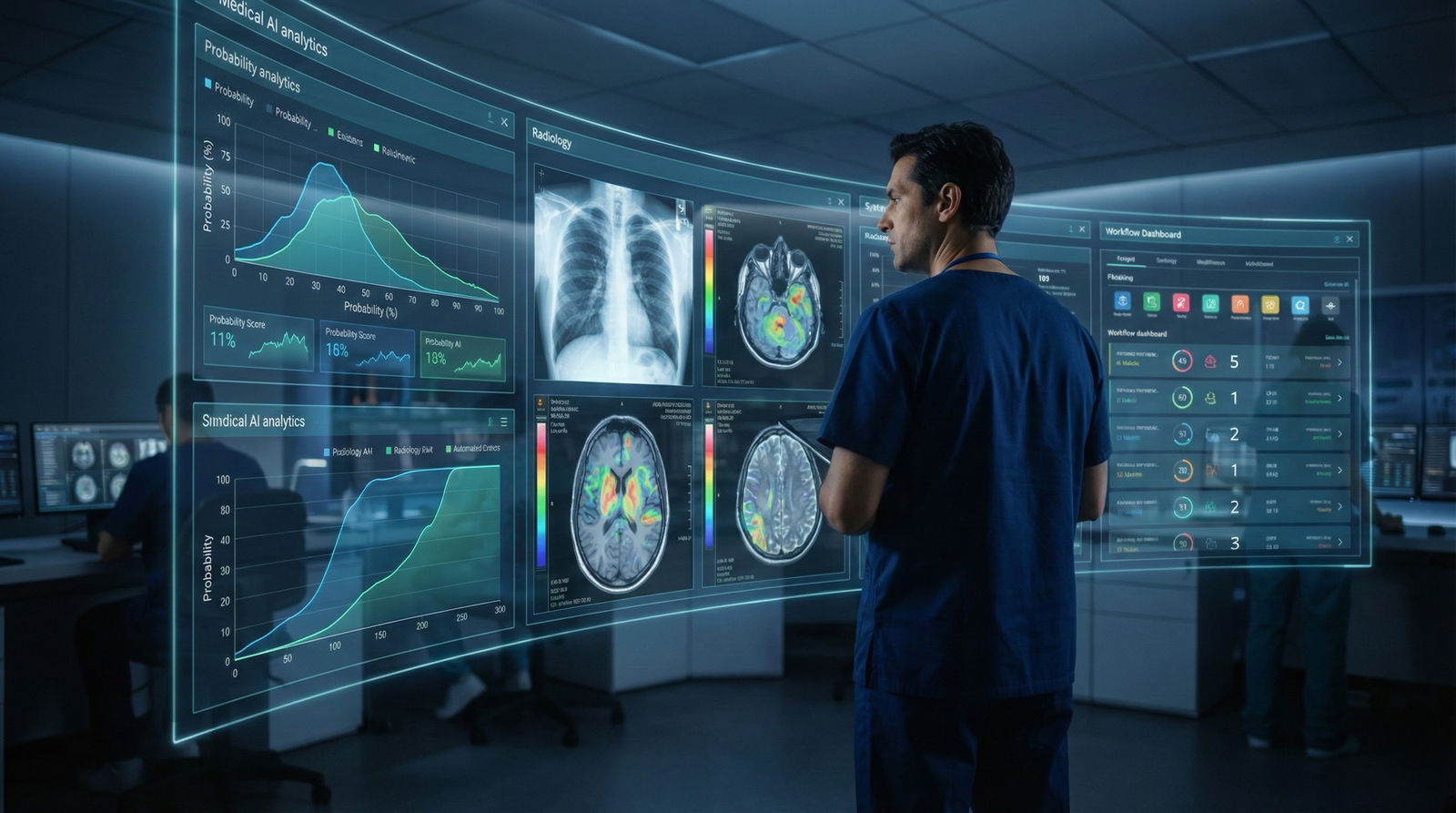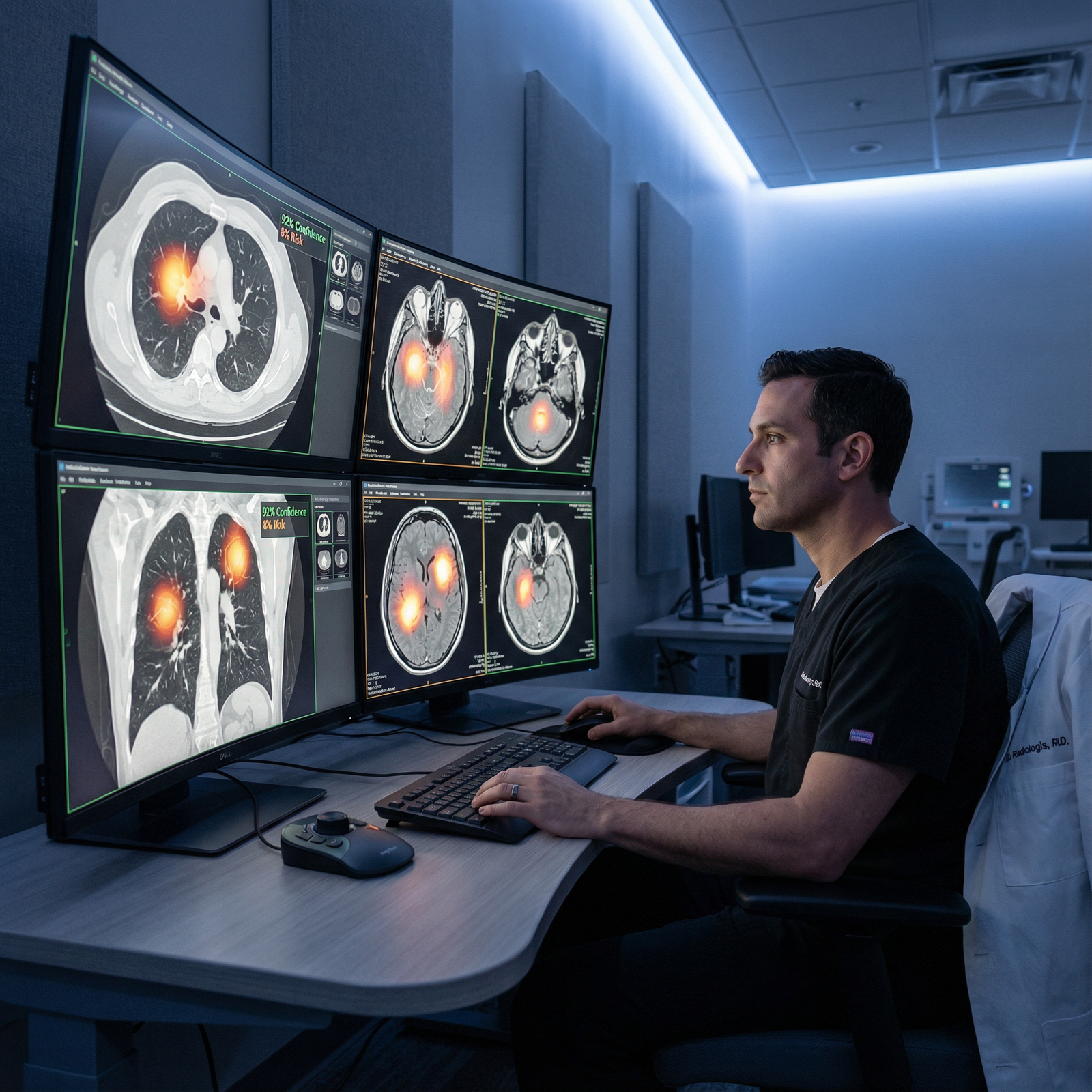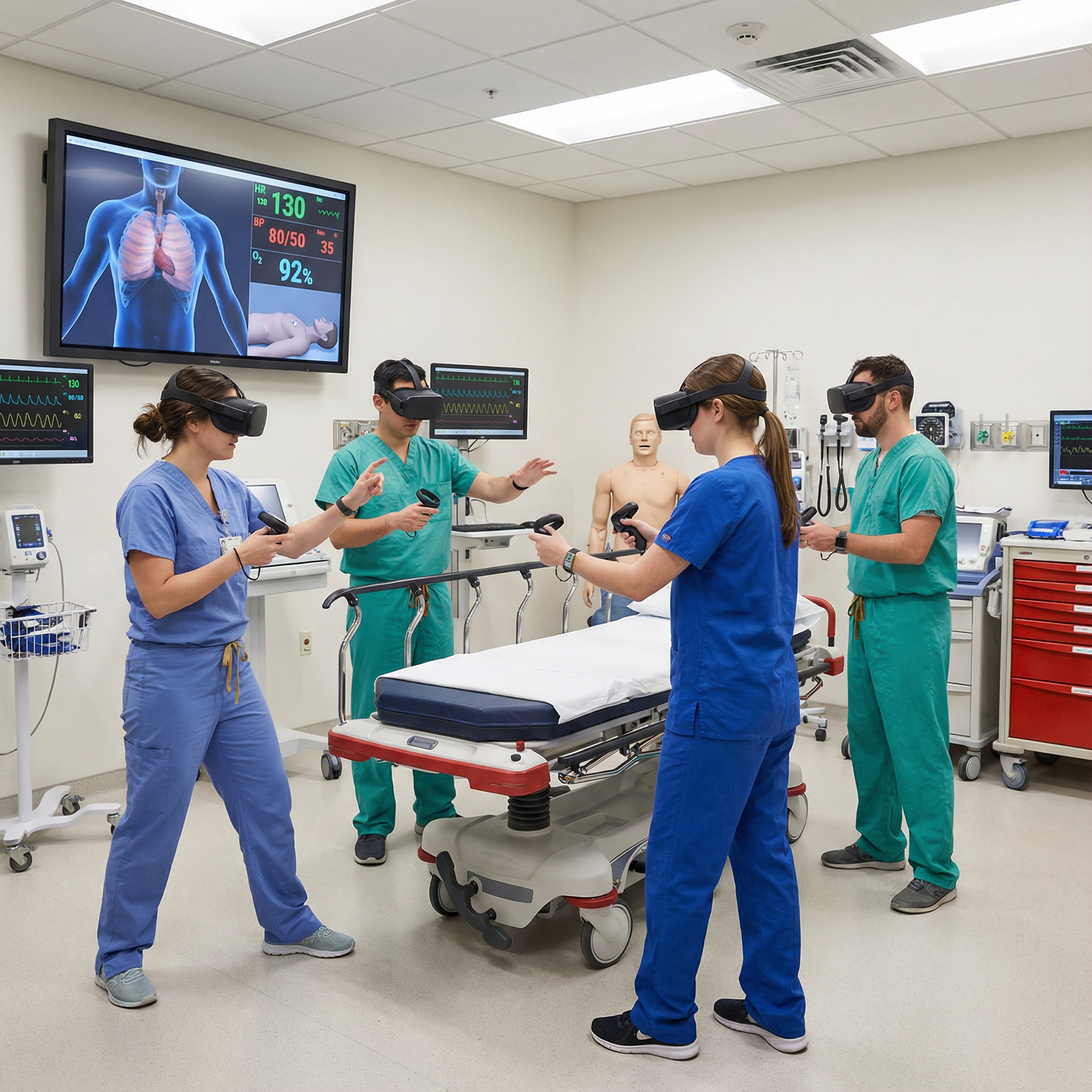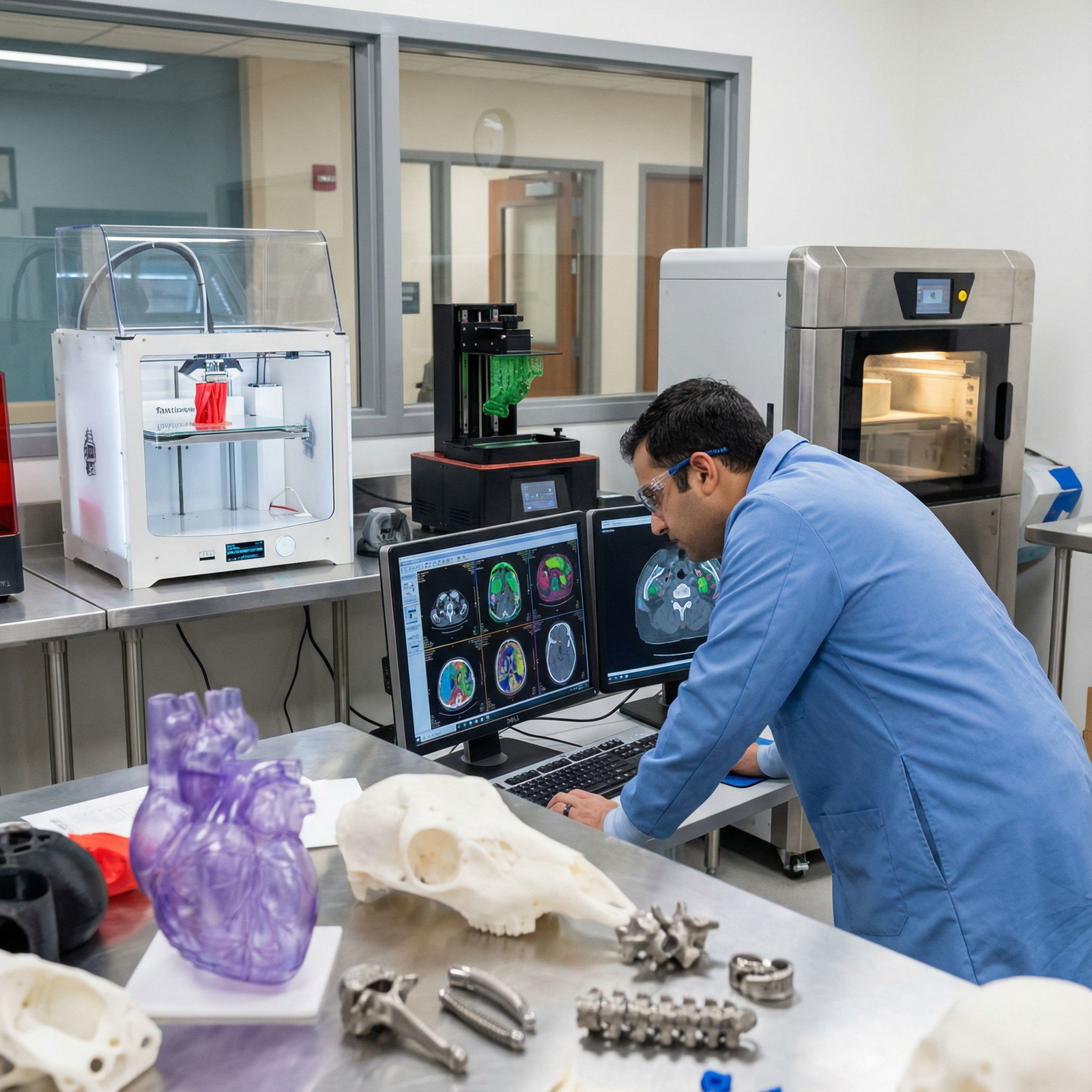
Predictive analytics is reshaping modern medicine. For residency applicants and early-career clinicians, understanding this space is no longer optional—it is becoming a core competency in future-ready practice. From earlier diagnosis to more precise therapy selection and smarter hospital operations, data-driven solutions powered by machine learning are influencing daily clinical decisions and long-term patient care strategies.
Below, we explore how predictive analytics works in healthcare, where it’s already making a tangible impact, and how you can engage with these tools thoughtfully, ethically, and effectively.
What Is Predictive Analytics in Healthcare?
Predictive analytics refers to the use of historical data, statistical methods, and machine learning models to estimate the likelihood of future outcomes. In healthcare, it connects the dots between massive data streams and real-time clinical decision-making.
Instead of simply reporting what has already happened (descriptive analytics) or explaining why it happened (diagnostic analytics), predictive analytics focuses on:
“Given what we know now, what is likely to happen next—and what should we do about it?”
Key Healthcare Data Sources for Predictive Models
Healthcare predictive models can ingest a wide range of structured and unstructured data:
Clinical data
- Electronic Health Records (EHRs): diagnoses, medications, allergies, vitals, progress notes
- Laboratory results and microbiology reports
- Imaging data and radiology reports
- Procedure histories and surgical notes
Patient-generated and physiologic data
- Wearables: heart rate, activity level, sleep patterns, arrhythmia detection
- Home monitoring devices: glucometers, blood pressure cuffs, pulse oximeters
- Remote patient monitoring platforms for chronic disease management
Administrative and operational data
- Admissions, discharges, and transfer logs (ADT)
- Billing and claims data
- Bed occupancy, staffing schedules, and throughput metrics
Social and behavioral determinants of health
- Housing stability, income, education level
- Access to transportation and food
- Neighborhood safety and environmental exposures
Bringing these elements together allows healthcare systems to build data-driven solutions that can anticipate deterioration, identify high-risk patients, and recommend targeted interventions.
Core Components of Predictive Analytics Workflows
Data Collection and Integration
- Aggregation from EHRs, registries, imaging archives, wearables, and external databases
- Use of health data standards (HL7, FHIR, DICOM) to ensure interoperability
- Data cleaning: de-duplication, missing value handling, normalization
Data Analysis and Feature Engineering
- Traditional statistical models: logistic and linear regression, Cox proportional hazards
- Machine Learning: random forests, gradient boosting, support vector machines, neural networks
- Feature extraction: converting raw clinical notes, time-series vitals, and images into meaningful variables
Model Development and Validation
- Training models on historic cohorts with known outcomes
- Validation using holdout datasets, cross-validation, and external cohorts
- Performance metrics: AUROC, sensitivity, specificity, PPV/NPV, calibration plots
Deployment, Monitoring, and Continuous Improvement
- Integration into clinical workflows via EHR alerts, dashboards, and clinical decision support systems
- Monitoring for performance drift as populations, practice patterns, and documentation change
- Regular retraining and governance oversight to maintain accuracy and fairness
For residents, the most important skills are not building models from scratch but understanding what the models do, how to interpret outputs, and when to trust—or question—the predictions.
Enhancing Diagnosis Through Predictive Analytics
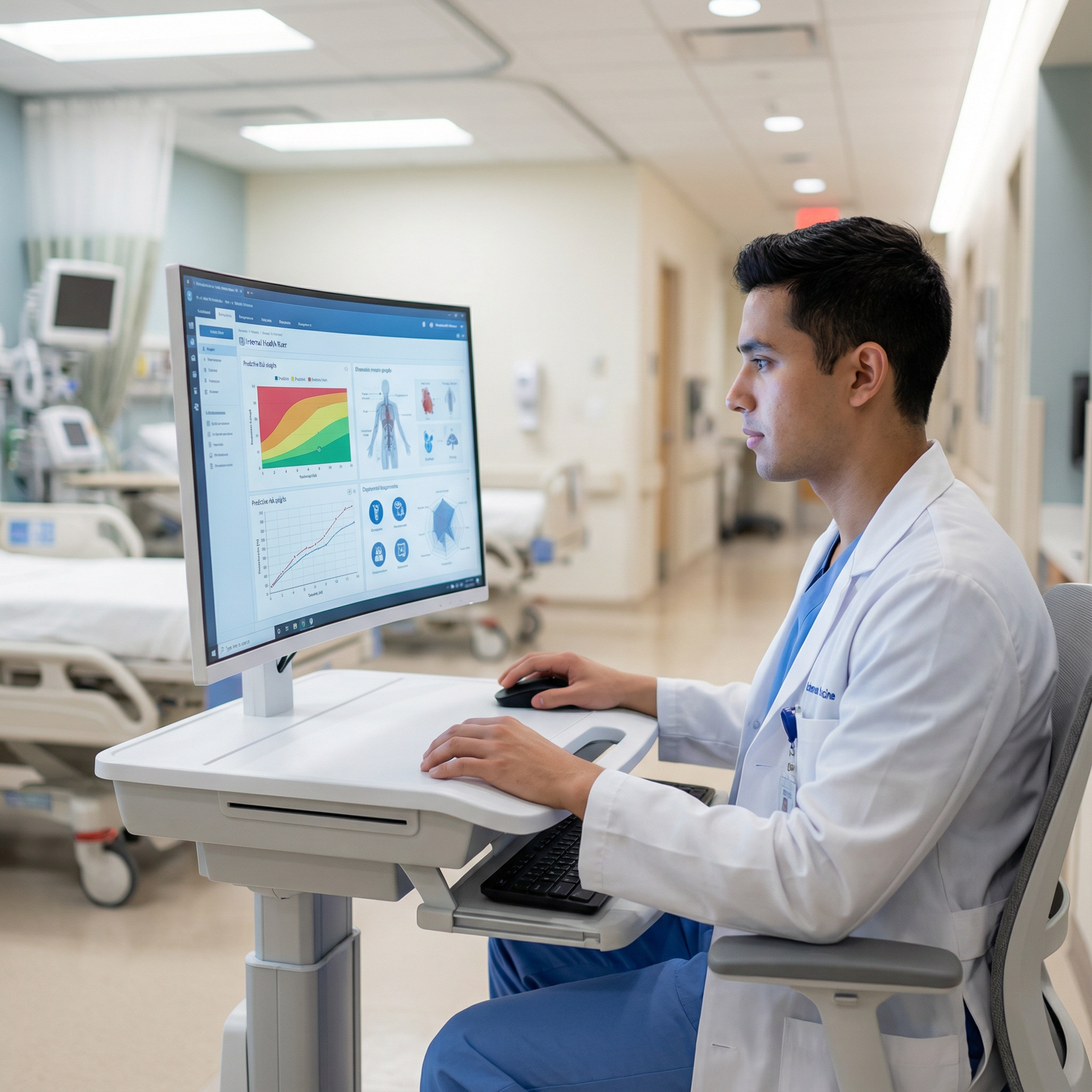
Diagnosis is one of the most high-stakes domains in medicine. Predictive analytics, supported by machine learning, now augments diagnostic reasoning by surfacing patterns no single clinician could detect alone.
Early Detection of Chronic and Complex Diseases
Chronic conditions like diabetes, heart failure, COPD, and certain cancers often have a long, silent preclinical phase. Predictive analytics can recognize risk earlier than traditional screening practices.
- Risk prediction models integrate labs (A1c trends, lipid panels), vitals, BMI, medication history, and social determinants to flag patients at high risk of:
- Developing diabetes or progressing from prediabetes
- Future myocardial infarction or stroke
- Heart failure exacerbations or hospitalization
Example: Cancer Risk and Genomic Prediction
The Walt Disney Family Cancer Center leveraged predictive analytics to correlate variants in patients’ genetic data with long-term clinical outcomes. By linking specific genetic markers to historical trajectories, they could identify individuals at higher risk of particular malignancies—enabling intensified screening and earlier biopsies for those patients. This is a prime example of healthcare innovation built on integrated clinical and genomic data.
For you as a trainee, models like these often appear as risk scores embedded in the EHR, suggesting enhanced surveillance, earlier specialist referral, or additional diagnostic testing.
Improving Diagnostic Accuracy and Consistency
Predictive analytics tools can also reduce diagnostic error by synthesizing complex information quickly.
Clinical Decision Support (CDS) systems powered by machine learning scan:
- Presenting symptoms and triage data
- Prior diagnoses, recent admissions, and lab trends
- Evidence-based guidelines and up-to-date literature
They then generate a ranked differential diagnosis or suggest additional tests with high diagnostic yield.
Example: AI-Augmented Oncology (IBM Watson and others)
Platforms like IBM Watson for Oncology (and newer successors) have been used to analyze millions of pages of literature, guidelines, and patient records. In oncology clinics, these tools surface treatment options and prognostic estimates that align with complex molecular profiles. While not infallible, they can prompt oncologists to consider therapies or trials that might otherwise be overlooked.
Evidence is growing: a study in the Journal of the American Medical Informatics Association reported that predictive models can boost diagnostic accuracy by as much as 40% in certain conditions, especially where early recognition is difficult, such as sepsis and early-stage malignancies.
Risk Stratification and Population-Level Triage
Another core application is risk stratification—segmenting patient populations according to their probability of adverse outcomes.
High-risk patients may be earmarked for:
- Case management or care coordination programs
- Home visits or telehealth follow-ups
- Medication reconciliation and adherence support
Moderate-risk patients may receive:
- Standard follow-up intervals with personalized education
- Automated reminders, digital coaching, or app-based monitoring
Real-World Example: Geisinger Health’s Readmission Prediction
Geisinger Health’s Care Management Department implemented predictive models to identify patients at greatest risk for readmission shortly after discharge. The team used variables such as comorbidities, prior utilization patterns, social factors, and inpatient course complexity. High-risk patients received targeted interventions—such as early follow-up appointments, pharmacist counseling, and home health services—reducing avoidable readmissions and improving continuity of patient care.
As a resident, these tools may appear as flags in your discharge workflow, prompting additional steps before a patient leaves the hospital.
Transforming Treatment and Patient Care With Data-Driven Solutions
Once the diagnosis is in hand, predictive analytics continues to shape how treatment is personalized, monitored, and delivered.
Precision and Personalized Treatment Plans
The vision of precision medicine is deeply intertwined with predictive analytics. By analyzing multi-dimensional data—from genomics and proteomics to lifestyle and environment—models can estimate which treatments are most likely to benefit a specific patient.
Oncology: Tumor sequencing combined with real-world treatment outcomes helps predict:
- Likelihood of response to immunotherapy
- Sensitivity or resistance to targeted agents
- Probability of severe toxicities
Cardiology: ML models estimate which heart failure patients will benefit most from certain device therapies (e.g., ICD, CRT) or specific drug regimens, accounting for ejection fraction, arrhythmia burden, renal function, and more.
Innovation in Action: Tempus and Genomic-Guided Cancer Care
Companies like Tempus merge genomic, transcriptomic, and clinical data to generate treatment recommendations individualized to each tumor and patient. Oncologists receive ranked therapy options, often including clinical trial opportunities, with predicted likelihoods of response.
For clinicians, the practical steps include:
- Interpreting risk/benefit estimates within the context of patient values
- Explaining probabilistic predictions to patients (e.g., “You have about a 35–40% chance of responding to therapy A vs. 20–25% with therapy B”)
- Documenting shared decision-making grounded in data and guidelines
Proactive and Remote Patient Monitoring
Predictive analytics extends beyond the clinic or hospital via continuous monitoring and early-warning systems.
Wearables and sensors feed real-time data into machine learning models that:
- Identify early decompensation in heart failure (e.g., subtle weight gain, reduced activity, HR variability changes)
- Detect atrial fibrillation episodes or other arrhythmias
- Monitor COPD patients for signs of impending exacerbation
Home-based monitoring platforms combine patient-reported symptoms, medication adherence logs, and physiologic parameters. Models estimate near-future risk of ED visits or unplanned hospitalizations, triggering:
- Nurse outreach
- Same-day telehealth consults
- Medication adjustments or short steroid/diuretic courses
Example: Preventing Acute Events
Imagine a heart failure patient wearing a Bluetooth-enabled scale and fitness tracker. A predictive model detects a pattern of subtle fluid retention and decreased step count, assigning a high short-term risk for hospitalization. This triggers an alert to the heart failure clinic, prompting a nurse to call the patient, review symptoms, and adjust diuretics—often averting a full-blown admission.
For residents, exposure to these systems will grow as telehealth and remote patient monitoring are increasingly integrated into standard chronic disease management.
Optimizing Resource Allocation and Operational Efficiency
Beyond direct patient care, predictive analytics improves how healthcare organizations allocate staff, beds, and equipment—crucial for maintaining quality care under resource constraints.
Capacity planning and patient flow
- Forecasting ED volume based on historical trends, weather, local events, and respiratory virus surveillance data
- Anticipating ICU bed needs during flu season or pandemics
- Identifying bottlenecks that prolong ED boarding or PACU holds
Staffing optimization
- Matching nurse and physician staffing levels to predicted patient volume and acuity
- Reducing burnout and overtime while maintaining safety and patient satisfaction
Supply and pharmacy management
- Anticipating medication and PPE demand during outbreaks
- Managing blood product availability and OR supplies
A study in Healthcare Management Reports found that hospitals using predictive analytics for operations reported up to a 20% reduction in wait times and improved patient satisfaction scores, demonstrating the impact of data-driven solutions on both clinical quality and patient experience.
For trainees, this may be visible through smarter rounding assignments, reduced ED crowding, and more predictable OR schedules, all powered by behind-the-scenes predictive models.
The Future of Predictive Analytics and Healthcare Innovation
We are early in the era of predictive analytics in healthcare. The next decade will see deeper integration with artificial intelligence, broader data sources, and more patient-facing tools.
Integration With Advanced Artificial Intelligence
Future systems will increasingly blend:
- Predictive models (what is likely to happen)
- Prescriptive analytics (what we should do to change that outcome)
- Generative AI tools (summarizing, explaining, and communicating complex predictions)
This convergence could enable:
- Real-time recommendations for complex inpatients (e.g., dynamic insulin regimen adjustments based on meal timing, labs, and trends)
- Fully integrated sepsis, AKI, or deterioration early warning systems embedded across inpatient, ED, and post-acute settings
- Automatically updated care pathways tailored to each patient’s risk and response
Residency programs are beginning to introduce formal curricula around AI literacy, ensuring future clinicians can interpret and critique these models rather than accepting them as black boxes.
Expanding and Enriching Data Sources
Next-generation predictive analytics will incorporate:
- High-resolution physiologic data from continuous monitors (ICU waveforms, wearable ECG patches)
- Multi-omics: genomics, proteomics, metabolomics, microbiome data
- Behavioral and environmental data: geospatial pollution exposure, climate trends, and detailed activity patterns
- Patient-reported outcomes (PROs): symptom burden, quality of life, functional status
The challenge will be to integrate these rich data streams into clinically meaningful, succinct recommendations that fit within the reality of busy clinical workflows.
Deeper Focus on Social Determinants and Equity
A major direction for healthcare innovation is incorporating social determinants of health to better understand and address outcome disparities:
- Housing instability, food insecurity, and transportation gaps
- Social isolation and limited caregiver support
- Neighborhood-level data on crime, pollution, and access to care
When used thoughtfully, predictive analytics can:
- Identify communities at highest risk and guide deployment of community health workers
- Inform hospital-community partnerships and targeted public health interventions
- Support more equitable, population-level patient care strategies
However, without deliberate design, models can reinforce existing inequities by learning from biased historical data—a critical reason why ethical oversight is essential.
Enhancing Patient Engagement and Shared Decision-Making
Increasingly, predictive tools will be visible not only to clinicians but also directly to patients:
- Patient-facing dashboards explaining individual risk for disease progression or complication in understandable language
- Personalized preventive recommendations (e.g., “Based on your activity and blood pressure trends, these 3 actions have the highest likelihood of reducing your long-term cardiovascular risk”)
- Digital coaching programs that adjust content and intensity based on predictive models of adherence and engagement
Clinicians will need strong communication skills to discuss probabilistic risk and uncertainty, guide patients away from misinterpretation, and ensure these tools support—rather than replace—trusting physician-patient relationships.
Challenges, Ethics, and Practical Considerations
Despite the promise, predictive analytics brings serious challenges that every clinician should understand.

Data Privacy, Security, and Regulation
Health data is highly sensitive. Any predictive analytics program must:
- Comply with HIPAA and relevant international regulations (e.g., GDPR where applicable)
- Employ robust cybersecurity controls: encryption, access control, audit trails
- Use de-identification or pseudonymization for research and model training where possible
Breaches or misuse can profoundly damage patient trust and institutional reputation.
Bias, Fairness, and Model Validity
Predictive models learn from historical data. If that data reflects systemic inequities—such as under-treatment or under-diagnosis of certain groups—the model may amplify those disparities.
Potential pitfalls include:
- Underestimating risk in populations historically less likely to receive diagnostic testing
- Using cost or utilization as a proxy for severity, which disadvantages groups with poor access to care
- Deployed models that perform well in one demographic but poorly in another
Mitigation strategies:
- Diverse, representative training datasets
- Routine auditing of performance across demographic groups
- Inclusion of ethicists, community representatives, and front-line clinicians in model governance
Transparency, Explainability, and Clinical Trust
Black-box models pose challenges:
- Clinicians may be reluctant to act on recommendations they cannot interpret
- Patients and regulators increasingly demand transparency in how decisions are made
Approaches like explainable AI (XAI) seek to provide human-understandable rationales (e.g., the top contributing features driving a risk score), enabling physicians to:
- Validate whether a prediction “makes clinical sense”
- Identify situations where the model might be off (e.g., unusual presentations)
- Explain the basis of decisions to patients and families
Informed Consent and Data Ownership
There is ongoing debate regarding:
- When explicit patient consent is required for secondary use of their data for model development
- Who owns derived models and insights (patients, institutions, vendors, or joint stakeholders?)
- How to ensure patients benefit from the use of their data, especially in commercial settings
Ethically, transparency is key. Patients should know how their data contributes to improving diagnosis and treatment, and what safeguards protect their privacy.
Keeping Clinicians at the Center
Predictive analytics is a powerful tool—but not a replacement—for clinical judgment. Effective integration requires:
- Viewing models as “augmented intelligence” rather than autonomous decision-makers
- Encouraging clinicians to override or question algorithmic suggestions when necessary
- Training residents and medical students in critical appraisal of AI tools: understanding inputs, outputs, limitations, and potential harms
Ultimately, medicine remains a human profession informed—but not defined—by data.
FAQ: Predictive Analytics for Future Clinicians
1. What exactly is predictive analytics in healthcare?
Predictive analytics in healthcare uses current and historical data—combined with statistical methods and machine learning—to estimate the likelihood of clinical events or outcomes. Examples include forecasting hospital readmissions, predicting sepsis onset, identifying high-risk pregnancies, and estimating which treatment is most likely to benefit a given patient. Its primary goal is to improve patient care, safety, and operational efficiency through data-driven solutions.
2. How does predictive analytics enhance diagnosis for front-line clinicians?
By aggregating information from EHRs, labs, imaging, and prior cases, predictive models can:
- Flag patients at high risk for conditions like sepsis, AKI, or pulmonary embolism
- Suggest likely diagnoses based on presenting features and historical patterns
- Recommend additional tests with high diagnostic yield
These tools help clinicians recognize disease earlier, avoid missed diagnoses, and standardize care—particularly in complex or high-volume environments such as the ED and ICU.
3. Can predictive analytics really personalize treatment plans?
Yes. Predictive analytics underpins many aspects of personalized and precision medicine. By integrating genetic data, clinical history, comorbidities, prior treatment responses, and even social factors, models estimate which therapies are most likely to work for a specific patient and which carry the greatest risk of toxicity or complications. Oncologic targeted therapy selection, anticoagulation strategies, and heart failure management are current areas where this is especially visible.
4. What types of data are most commonly used in healthcare predictive models?
Common data sources include:
- Electronic Health Records (diagnoses, medications, labs, vitals, procedures)
- Imaging and radiology reports
- Wearable device data and home monitoring parameters
- Administrative and claims data (utilization patterns, costs)
- Social determinants of health (housing, income, education, neighborhood metrics)
- In some settings, genomic and other “omics” data
The value of predictive analytics increases as these heterogeneous data sources are integrated and curated with high quality.
5. What are the main risks or challenges of using predictive analytics in patient care?
Key challenges include:
- Data privacy and security: safeguarding sensitive health information from misuse or breaches
- Algorithmic bias: models may perpetuate or worsen disparities if trained on biased data
- Overreliance on technology: risk of clinicians deferring too much to algorithms without critical evaluation
- Lack of transparency: difficulty in understanding model logic can undermine trust and accountability
- Regulatory and ethical concerns: ensuring appropriate consent, governance, and oversight
To use predictive analytics responsibly, healthcare organizations must combine robust technical safeguards with ethical frameworks, clinician education, and ongoing performance monitoring.
Predictive analytics is not a distant concept—it is already embedded in sepsis alerts, readmission risk scores, ED triage tools, and personalized oncology platforms. For residency applicants and emerging physicians, developing literacy in these tools will be a differentiator in delivering safe, innovative, and equitable patient care in the future of healthcare.